NASA Selects New Crew for Next Simulated Mars Journey
NASA has selected a new crew of four volunteers to participate in a simulated mission to Mars within a habitat at the agency’s Johnson Space Center in Houston.
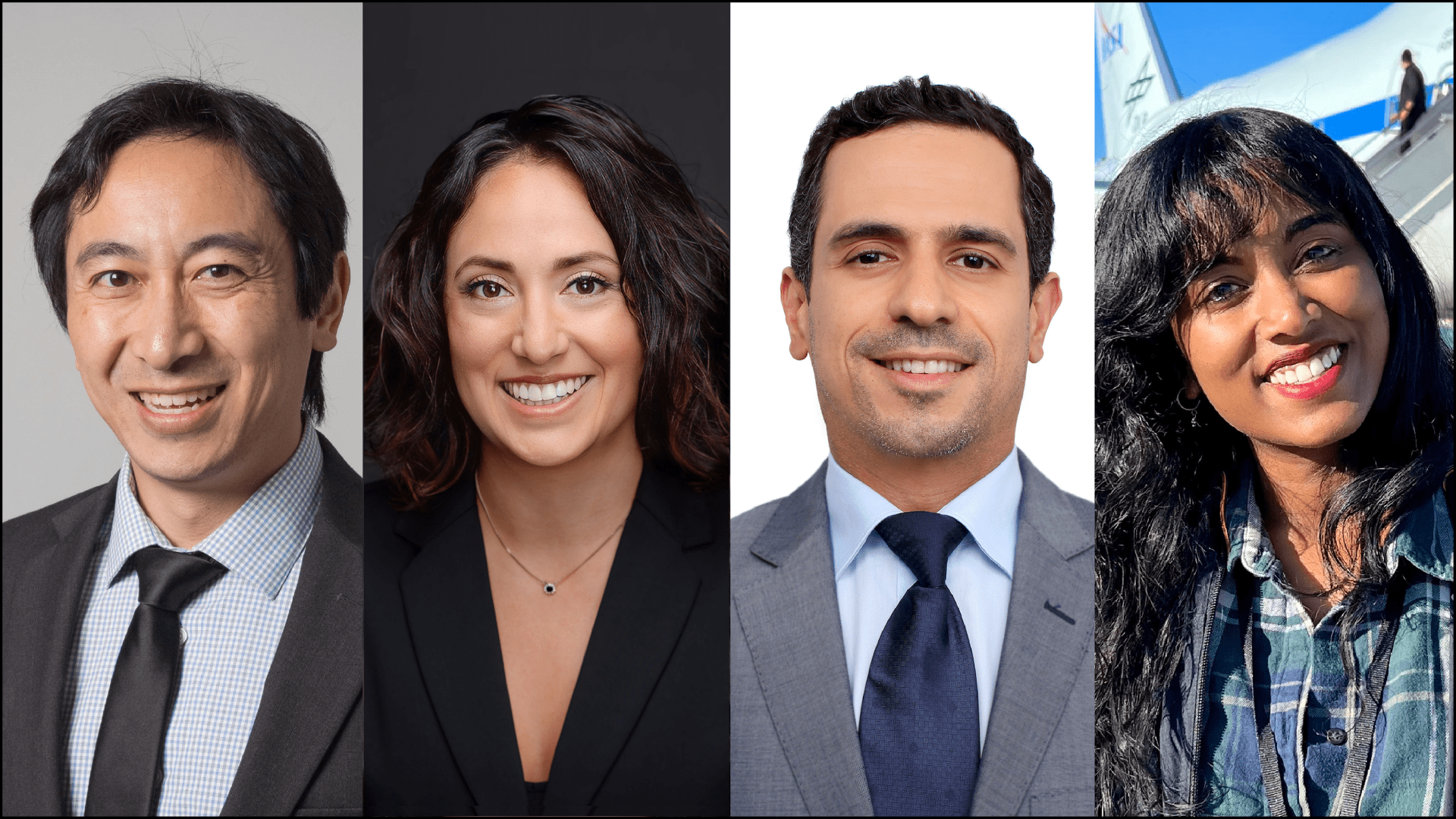
Jason Lee, Stephanie Navarro, Shareef Al Romaithi, and Piyumi Wijesekara will step into the agency’s Human Exploration Research Analog, or HERA, on Friday, May 10. Once inside, the team will live and work like astronauts for 45 days. The crew will exit the facility on June 24 after they “return” to Earth. Jose Baca and Brandon Kent are this mission’s alternate crew members.
HERA enables scientists to study how crew members adapt to isolation, confinement, and remote conditions before NASA sends astronauts on deep space missions to the Moon, Mars, and beyond. Crew members will carry out scientific research and operational tasks throughout their simulated mission to the Red Planet, including a “walk” on Mars’s surface using virtual reality. They will also experience increasing communication delays lasting up to five minutes each way with Mission Control Center as they “near” Mars.
This crew is the second group of volunteers to participate in a simulated Mars mission in HERA this year. The most recent crew completed its HERA mission on March 18. Two other missions will follow this year, with the final HERA crew slated to wrap up on Dec. 20.
In a first for HERA, one crew member, Shareef Al Romaithi, hails from the United Arab Emirates (UAE) and will participate in the mission through a partnership between NASA and the UAE’s Mohammed Bin Rashid Space Centre (MBRSC).
As with the previous HERA mission this year, NASA’s Human Research Program is conducting 18 human health studies during the mission. The experiments will evaluate the physiological, behavioral, and psychological responses of crew members in an environment similar to what astronauts will face on a trip to Mars. Seven of these studies are collaborations with the MBRSC and the European Space Agency (ESA). Insights gleaned from the studies will allow researchers to develop and test strategies aimed at helping astronauts overcome obstacles on long missions deep into space.
The primary crew of the upcoming mission is:
Primary Crew
Jason Lee
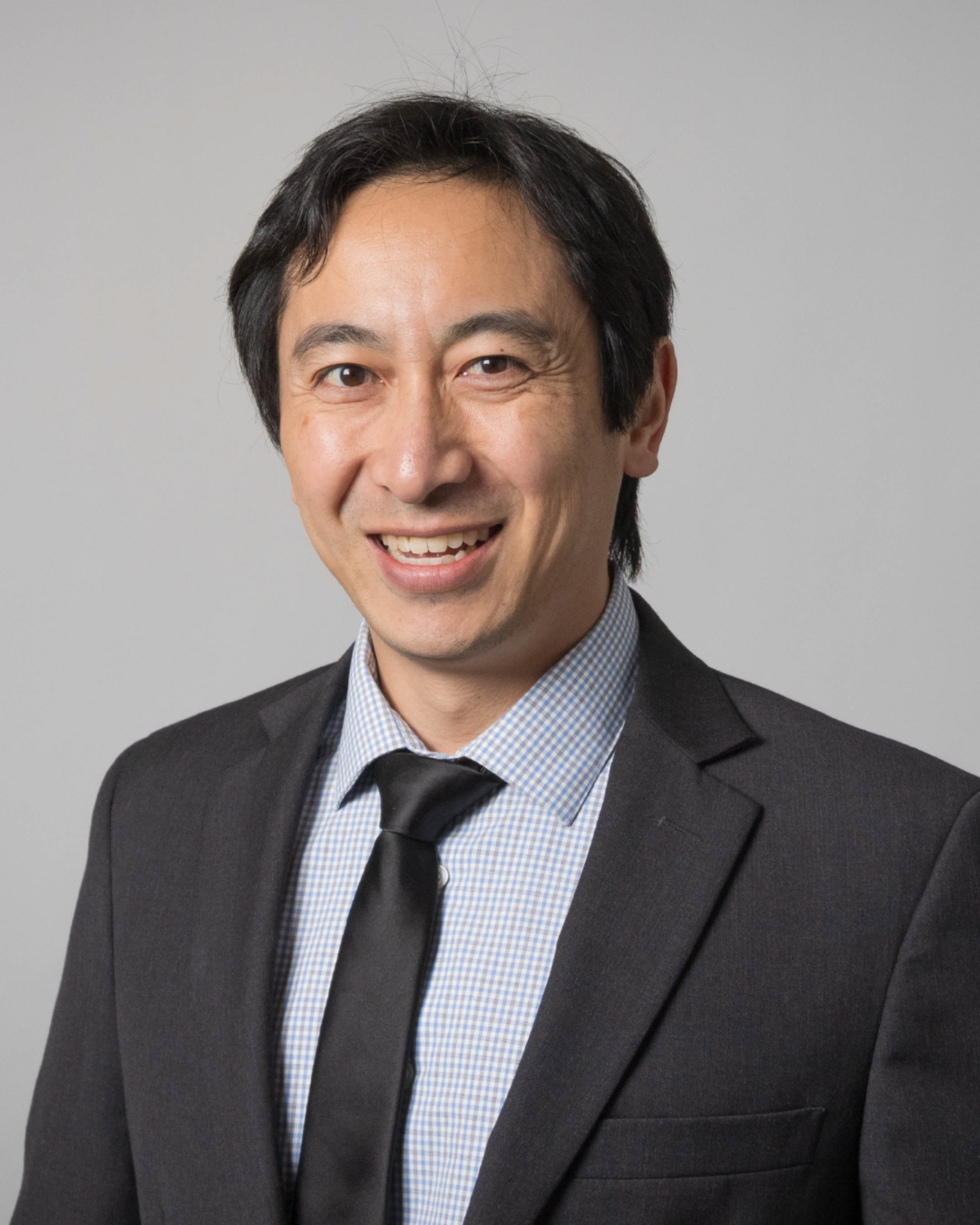 Jason Lee is an associate professor-in-residence at the University of Connecticut’s School of Mechanical, Aerospace, and Manufacturing Engineering. He teaches thermal fluids, manufacturing, and sports engineering courses. He also serves as his university’s mechanical engineering undergraduate director and its NASA Connecticut Space Grant Consortium campus director.
Lee holds a bachelor’s degree in mechanical engineering from the University of California, Berkeley and master’s and doctorate degrees in mechanical engineering from the University of Texas at Austin. His graduate research focused on manufacturing processes involving heat transfer and the characterization of heat shielding materials. He completed a postdoctoral degree at the Massachusetts Institute of Technology, studying high-strength nanofibers.
Lee lives in Boston. In his spare time, he enjoys running, martial arts, chess, and indoor rock climbing. He also likes to watch movies and plays, try new cuisines, spend time with friends, and visit his nephew and nieces.
Stephanie Navarro
 Stephanie Navarro is a space operations officer in the U.S. Air Force Reserve. She has more than a decade of prior enlisted service in the Air National Guard and was deployed in support of Operation Freedom Sentinel to help provide secure communication capabilities in the Middle East. She began her civilian career as an information technology specialist for the U.S. Army, providing systems engineering for data-center modernization efforts in Hawaii. Navarro currently works at Northrop Grumman as a senior systems engineer, specializing in satellite communication programs.
Navarro earned her bachelor’s degree in physics from the University of Central Florida in Orlando. While pursuing her undergraduate studies, she served the constituents of Florida as a congressional intern for both the U.S. House and Senate. She recently completed a model-based systems engineering certificate program from Caltech and is working toward a master’s degree in cybersecurity from the University of Maryland Global Campus.
Born and raised by Ecuadorian parents in Miami, Navarro has strong ties to her cultural heritage. She enjoys spending time with her family, traveling the world, studying for her pilot’s license, and immersing herself in various culinary experiences. During her spare time, she is either working out, at the beach, or in the air flying a Cessna 172. She lives in Orlando, Florida.
Shareef Al Romaithi
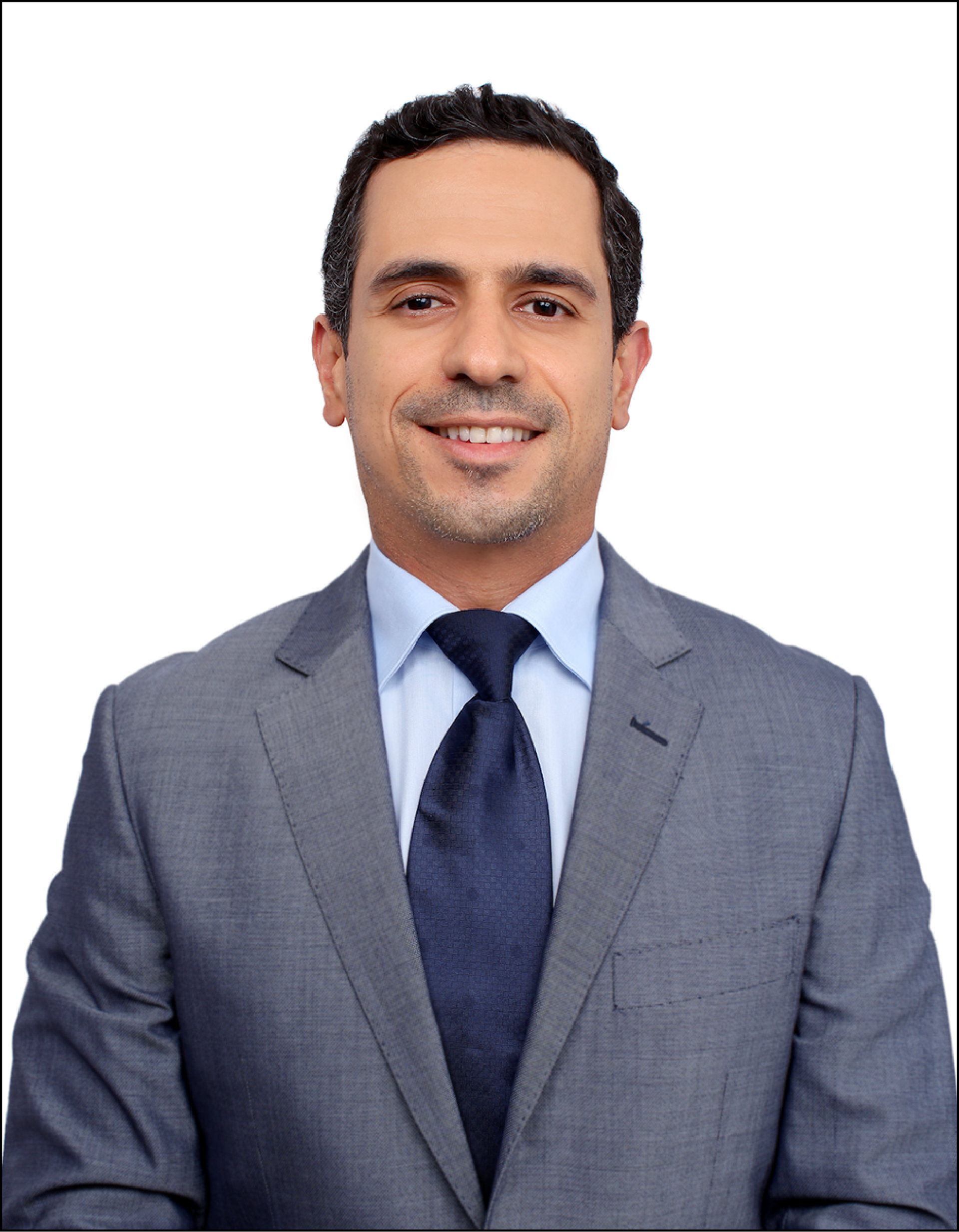 Shareef Al Romaithi is a pilot with more than 16 years of experience in the airline industry, including more than 9,000 flight hours on multiple Airbus and Boeing aircraft. Currently, he commands Boeing 777 and 787 aircraft as a captain, underscoring his expertise and leadership in aviation.
Al Romaithi received a bachelor’s degree in aerospace engineering and three master’s degrees from Embry-Riddle Aeronautical University, focusing on aerospace and aviation management, safety systems, and space operations, respectively. He went on to earn a doctorate degree in aviation from Embry-Riddle Aeronautical University in 2014, specializing in safety systems and human factors. These degrees were based at the university’s Dayton Beach campus, except for the master’s focusing on space operations, which was from the university’s worldwide campus. He is the world’s youngest and eighth graduate to attain a doctorate degree in aviation.
Al Romaithi currently lives in Abu Dhabi, UAE. He joins HERA through a partnership between NASA and MBRSC. In his free time, he enjoys fishing, reading, and traveling.
Piyumi Wijesekara
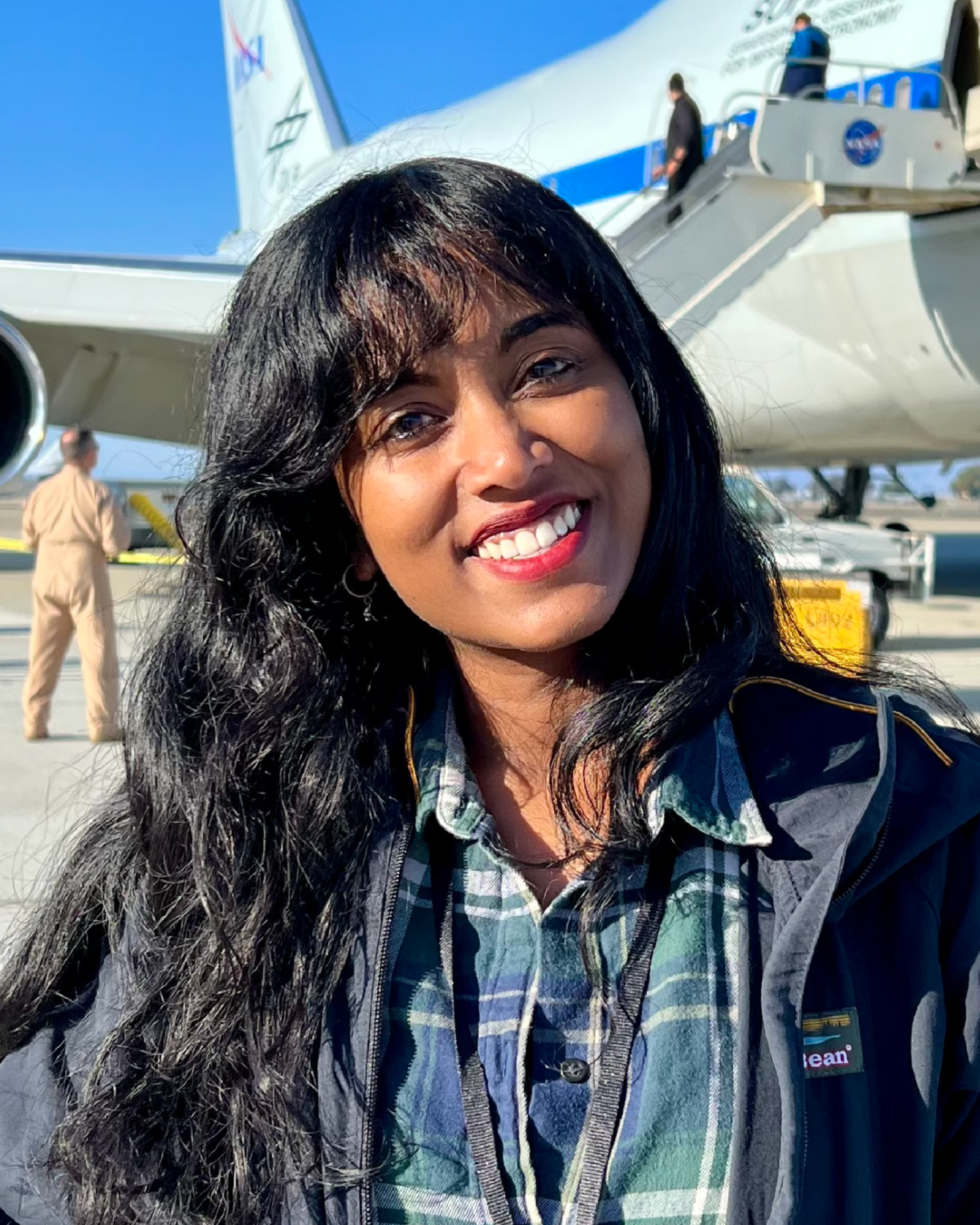 Piyumi Wijesekara is a postdoctoral research scientist in the Radiation Biophysics Laboratory at NASA Ames Research Center in California’s Silicon Valley. Her research focuses on developing tissue models to investigate the effects of spaceflight stressors, including ionizing radiation and lunar dust on the human respiratory system.
Wijesekara earned her bachelor’s degree in bioengineering from the University of California, San Diego, and her master’s and doctorate degrees in biomedical engineering from Carnegie Mellon University in Pittsburgh, Penn. Her doctoral research focused on stem cell and organ engineering, with an emphasis on engineering lung models that mimic human lung physiology, to study respiratory diseases.
Wijesekara currently lives in San Francisco. She enjoys spending time with family and friends, running along the San Francisco Bay, reading, hiking, volunteering at the food pantry, and attending concerts and musicals.
Alternate Crew
Jose Baca
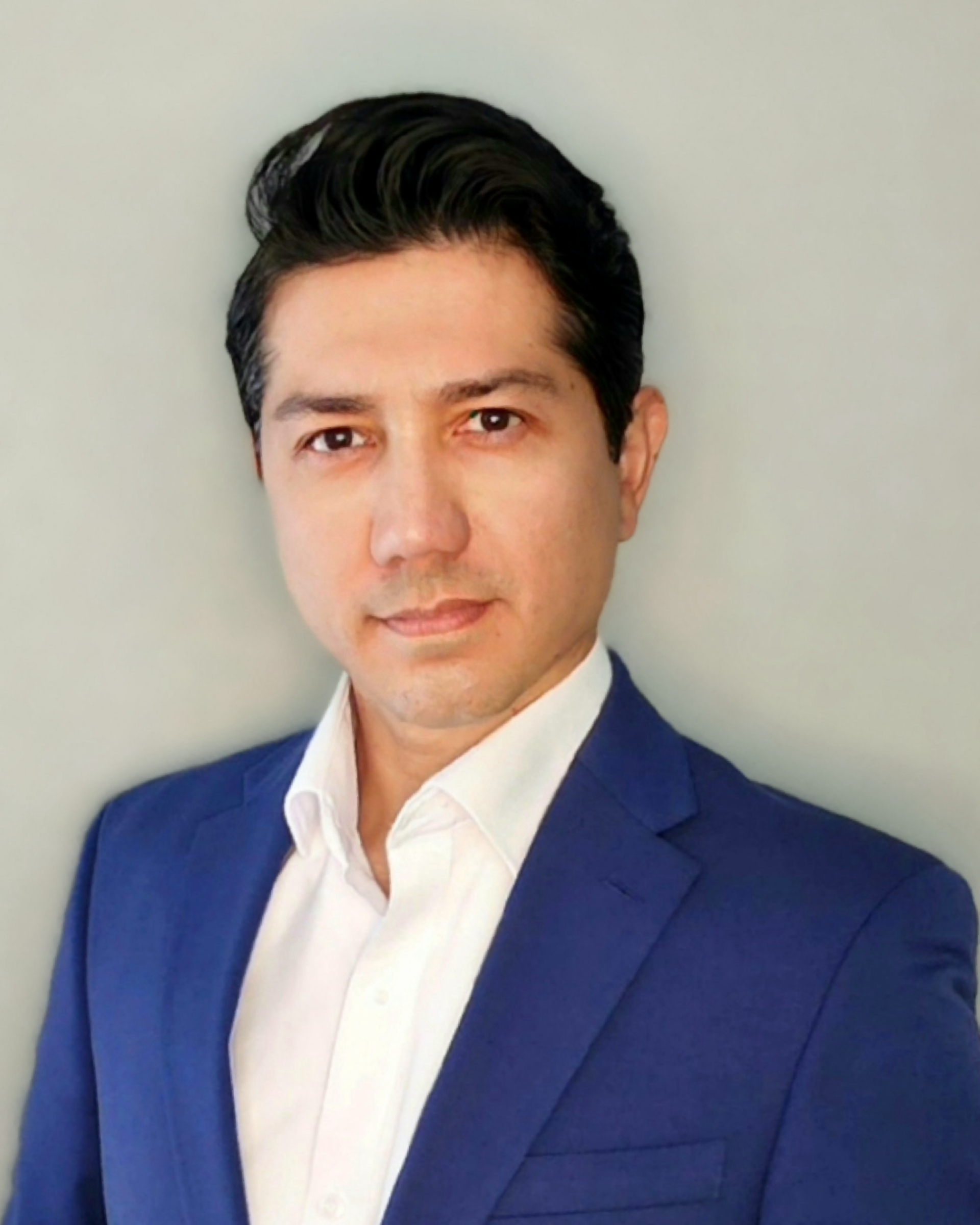 Jose Baca is an assistant professor in the department of engineering at Texas A&M University-Corpus Christi. His research interests involve designing modular systems, enhancing the capabilities of uncrewed autonomous vehicles, and coordinating multi-robot teams through complex environments.
Baca received a bachelor’s degree in electrical engineering from the Instituto Tecnologico de Matamoros in Mexico. He then earned a master’s degree in mechatronics from the University of Applied Science of Aachen, Germany, and a doctorate degree in automation and robotics from the Universidad Politecnica in Madrid, Spain.
Baca went on to work as a postdoctoral researcher in the computer science department at the University of Nebraska at Omaha. There, he became involved in a research project funded by NASA that sought to develop a reconfigurable robotic system capable of transforming itself to overcome obstacles and explore unknown scenarios. Through this work, he also began undertaking projects aimed at supporting astronauts during long-duration space missions.
In his free time, Baca promotes science, technology, engineering, and math activities for students in elementary school through college, with a particular focus on engineering and robotics. He lives in Corpus Christi, Texas and enjoys exercising, exploring new places, experiencing new cultures and cuisines, and spending time with family.
Brandon Kent
 Brandon Kent is a medical director in the pharmaceutical industry, supporting ongoing global efforts to develop new therapies across cancer types.
Kent holds bachelor’s degrees in both biochemistry and biology from North Carolina State University in Raleigh. He earned his doctorate in biomedicine from Mount Sinai School of Medicine in New York City, where his work primarily focused on how genetic factors regulate early embryonic development and cancer development.
Following graduate school, Kent moved into scientific and medical communications consulting in oncology, with a primary focus on clinical trial data disclosures, scientific exchange, and medical education initiatives.
Kent and his wife have two daughters. In his spare time, he enjoys spending time with his daughters, flying private aircraft, hiking, staying physically fit, and reading. He lives in Kinnelon, New Jersey.
____
NASA’s Human Research Program
NASA’s Human Research Program, or HRP, pursues the best methods and technologies to support safe, productive human space travel. Through science conducted in laboratories, ground-based analogs, and the International Space Station, HRP scrutinizes how spaceflight affects human bodies and behaviors. Such research drives HRP’s quest to innovate ways that keep astronauts healthy and mission-ready as space travel expands to the Moon, Mars, and beyond.
Keep Exploring
Discover More Topics From NASA
Powered by WPeMatico
Get The Details…
Nathan Cranford