


Flight Log—About Pilots
4 min read
Preparations for Next Moonwalk Simulations Underway (and Underwater)
Introduction
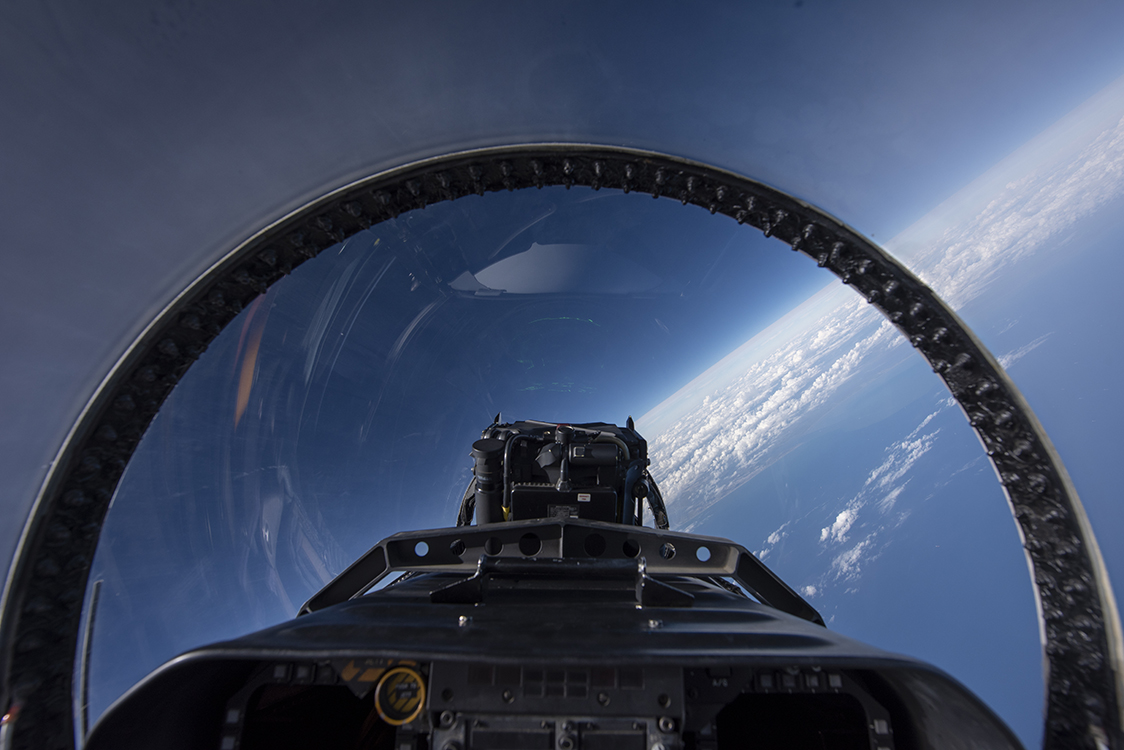
From the first glider flight to the first powered flight, aviation pioneers have paved the way for remarkable innovations in flight. At NASA, our pilots conduct research, study wildfires, and support unmanned aircraft missions. In fact, out of the 360 astronauts who have been selected, 191 of them have been pilots!
The History of Pilot Certificates
In 1804, Sir George Cayley, known by some as the “Father of Aviation,” successfully flew the first glider with a pilot. Years later in 1903, the Wright Brothers became the first to achieve powered manned flight in North Carolina.
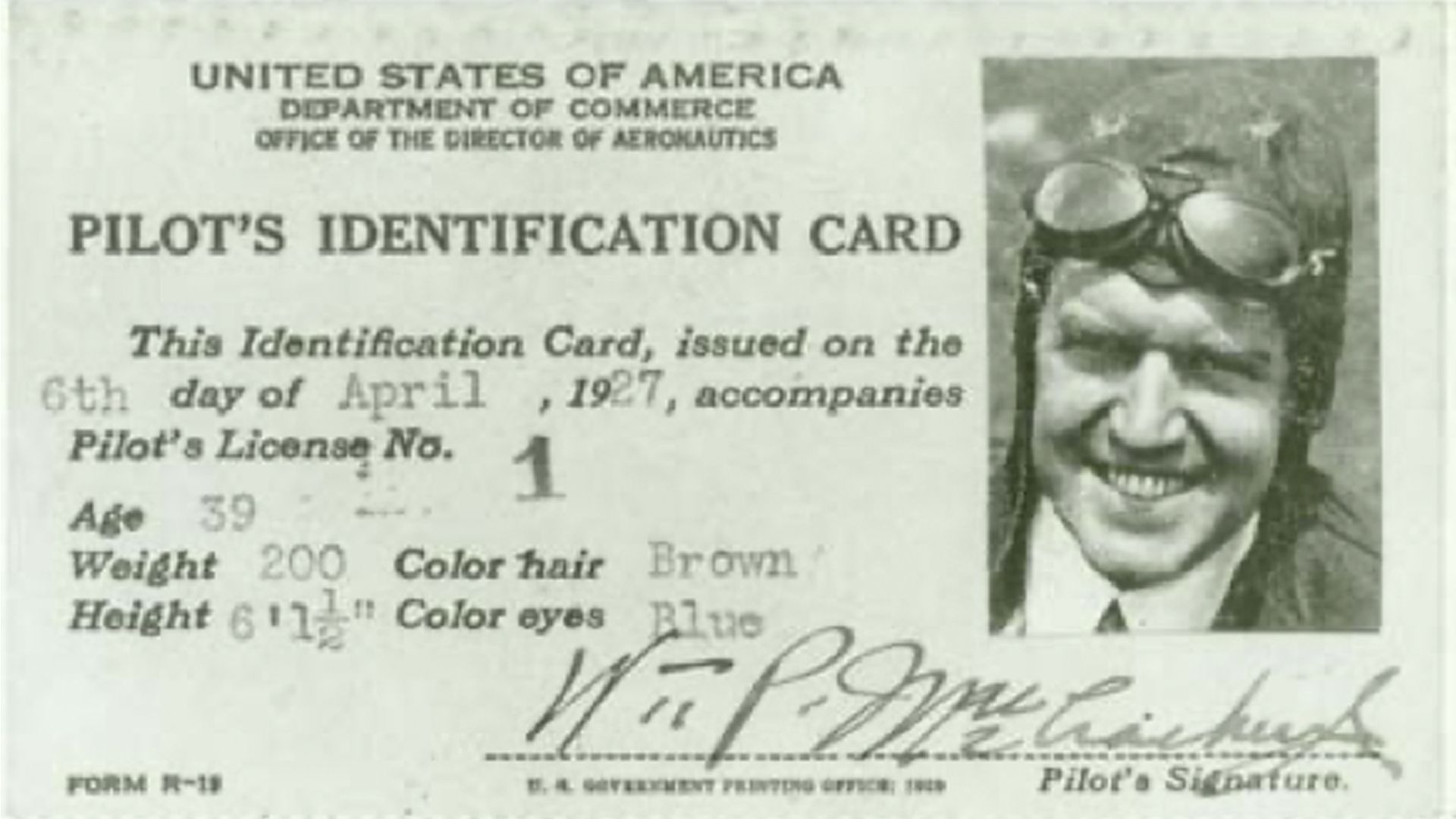
In 1927 the U.S. Government introduced pilot certificates, or licenses, to regulate flying and keep people safe. The first license was given to Willam P. MacCracken Jr.
Not everyone was allowed receive a U.S. pilot’s license in the early days. In 1919 Bessie Coleman was denied flight training due to both her skin color and gender. She moved to Paris after learning that there were flight training opportunities for her there. In 1921, she became the first African American woman to obtain an international pilot’s license.
In June of 1927, Phoebe Omlie became the first woman to obtain a U.S. pilot’s license. Six months later James Banning became the first African American to get a U.S. license. These pilots paved the way for a future where everyone, regardless of their gender or skin color, is allowed to fly.
What makes a pilot?
Flying takes focus, determination, and commitment to lifelong learning.
To become a pilot, you must pass flight tests and a medical exam to make sure you are fit to fly. Certain medical conditions may disqualify someone from obtaining a license, but in some cases special permits are issued that allow those with certain health challenges to fly in specific planes or conditions.
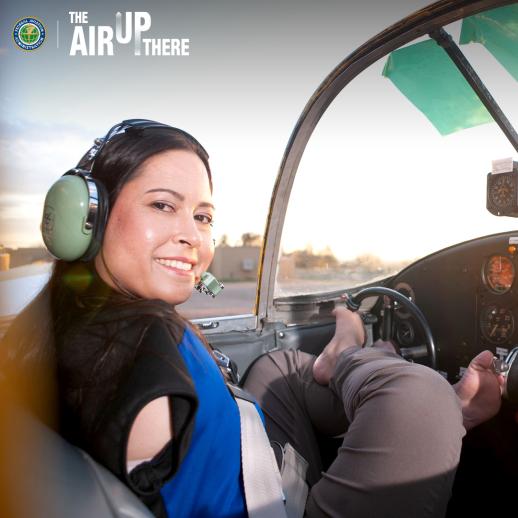
In 2008 Jessica Cox became the first licensed pilot to fly without arms. She was born with a rare birth defect but did not let that stop her from flying with her feet! In 2009, Capt. Ryan McGuire became the first airman to complete Air Force pilot training after losing a leg. There are even options for the deaf, allowing them to pursue flight training.
How does flight training work?
Flight training takes place on the ground and in the air. Ground school teaches students how the plane works and the flight rules. In-the-air training teaches students how to fly the plane. Students fly specific hours long distance, at night, and by themselves (solo). Additional flight training qualifies pilots to fly using instruments only, more complex and larger aircraft, specialty aircraft, and to become flight instructors themselves.
After training some pilots, like commercial airline pilots, wear uniforms that display their rank. Business pilots and military pilots wear special uniforms, too.
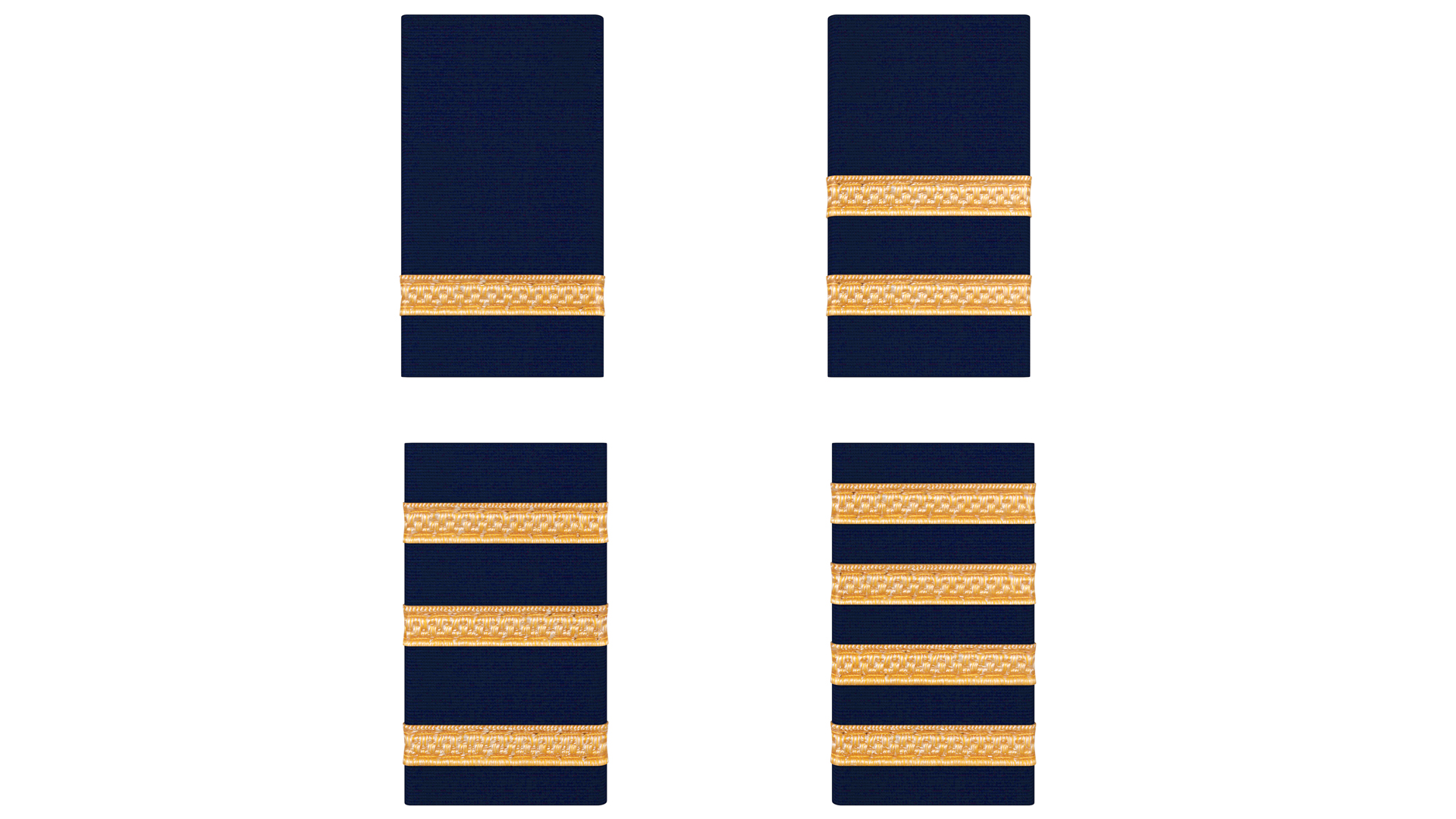
Airline pilots wear stripes on the wrist of their coats, and stripes on the shoulders of their shirts. Below are the typical markings that show airline pilot levels of command:
- Captains are the highest in command and wear four stripes. They sit in the left seat and are in charge of making decisions. Sitting in the left seat of the aircraft puts them in charge of the aircraft.
- First officers are second in command, and wear three stripes. They sit in the right seat and have their own tasks to complete. They assist the Captain and also fly the aircraft at times. They can also take over if needed.
- Second officers are third in command, often working very long flights. When they fly they wear two stripes.
- Third officers or training pilots are fourth-in-command, and they wear one stripe.
Explore More
Share
Related Terms
Powered by WPeMatico
Get The Details…
Lillian Gipson
