


What’s Up: April 2026 Skywatching Tips from NASA
Mercury shines extra bright, the Lyrid meteor shower peaks, and a comet soars into view
Mercury shines at its brightest for the year, the Lyrid meteor shower peaks, and a bright new comet makes an appearance in April’s night sky.
Skywatching Highlights
- April 3: Mercury at greatest elongation
- April 17: Best chance to see Comet C/2025 R3
- April 21 to 22: Lyrid meteor shower peak
- April 27: Comet C/2025 R3 makes closest approach to Earth
Transcript
Mercury shines extra bright, the Lyrid meteor shower peaks, and a comet soars into view. That’s What’s Up this April.
On April 3rd, Mercury will be at its most visible all year. On this date, the planet will be at its greatest elongation, or its furthest distance from the Sun, as we see it from Earth, making it easier to see the often hard-to spot-planet.
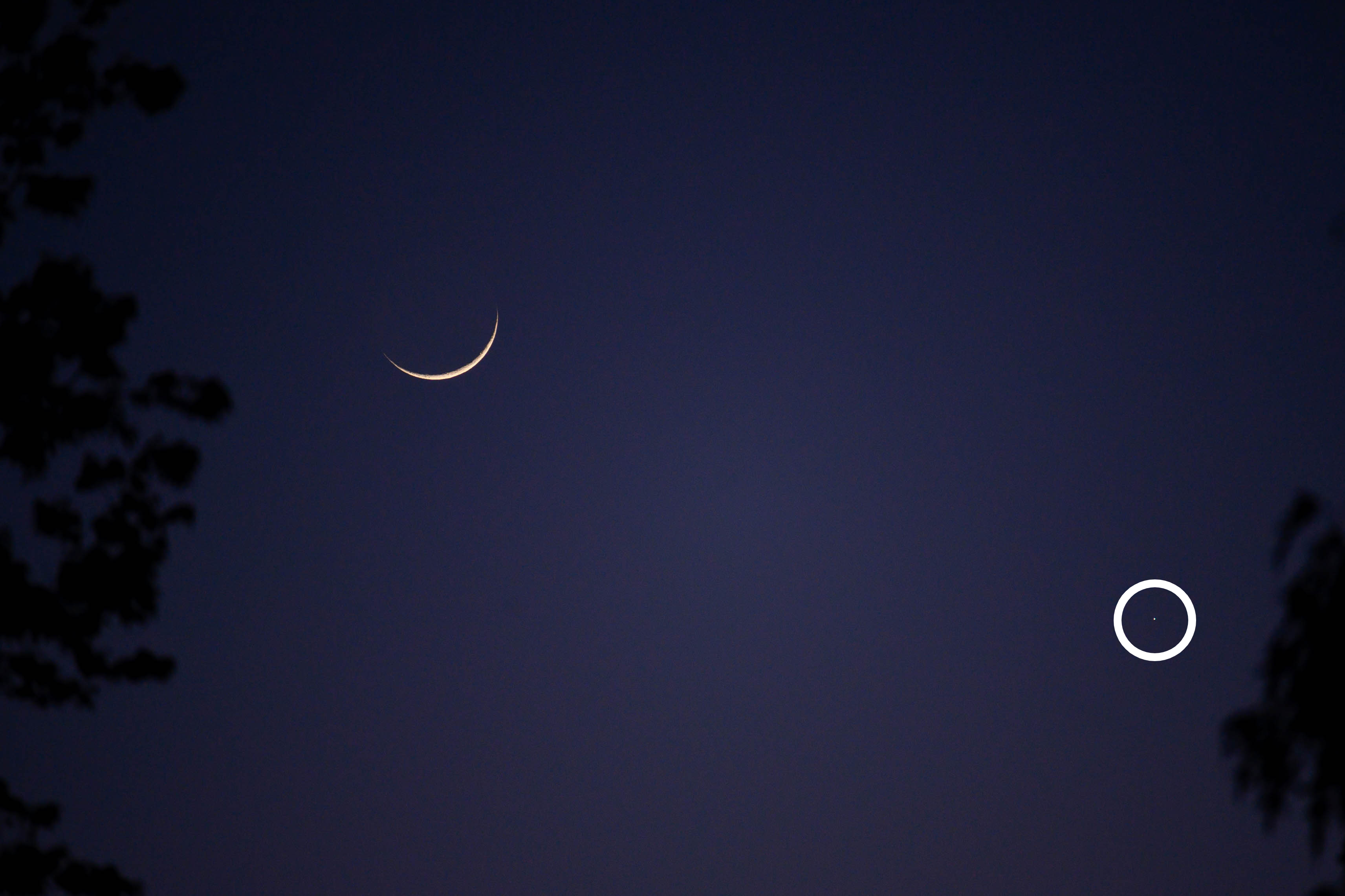
To find Mercury, look east before the Sun begins to rise. The planet will be very low on the horizon, just above Mars.
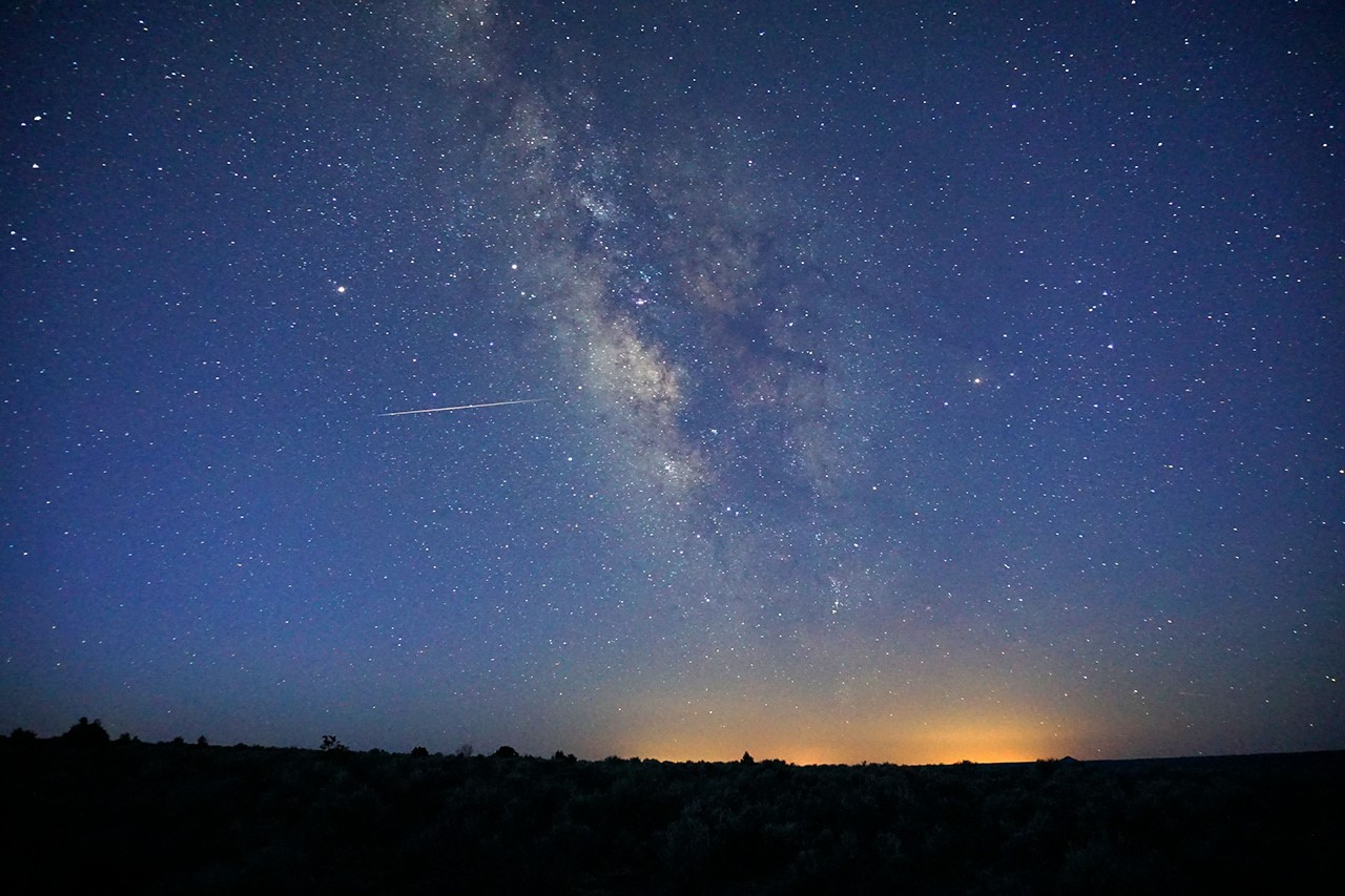
The Lyrid meteor shower peaks April 21st to 22nd. This meteor shower comes from debris left behind by Comet Thatcher.
When this debris hits and then burns up in our atmosphere, we see the “shooting stars” of a meteor shower.
To experience the peak of the April Lyrids, look to the east starting at around 10 p.m. on April 21st and through the night into April 22nd. The meteor shower takes place nearby the star Vega, the fifth brightest star in the night sky, which can be found in the constellation Lyra, the Harp.
April 17th might be your best chance to see the Comet C/2025 R3, which some think could be the brightest comet of the year. This comet will make its closest approach to Earth on April 27th, coming within 44 million miles of our planet.
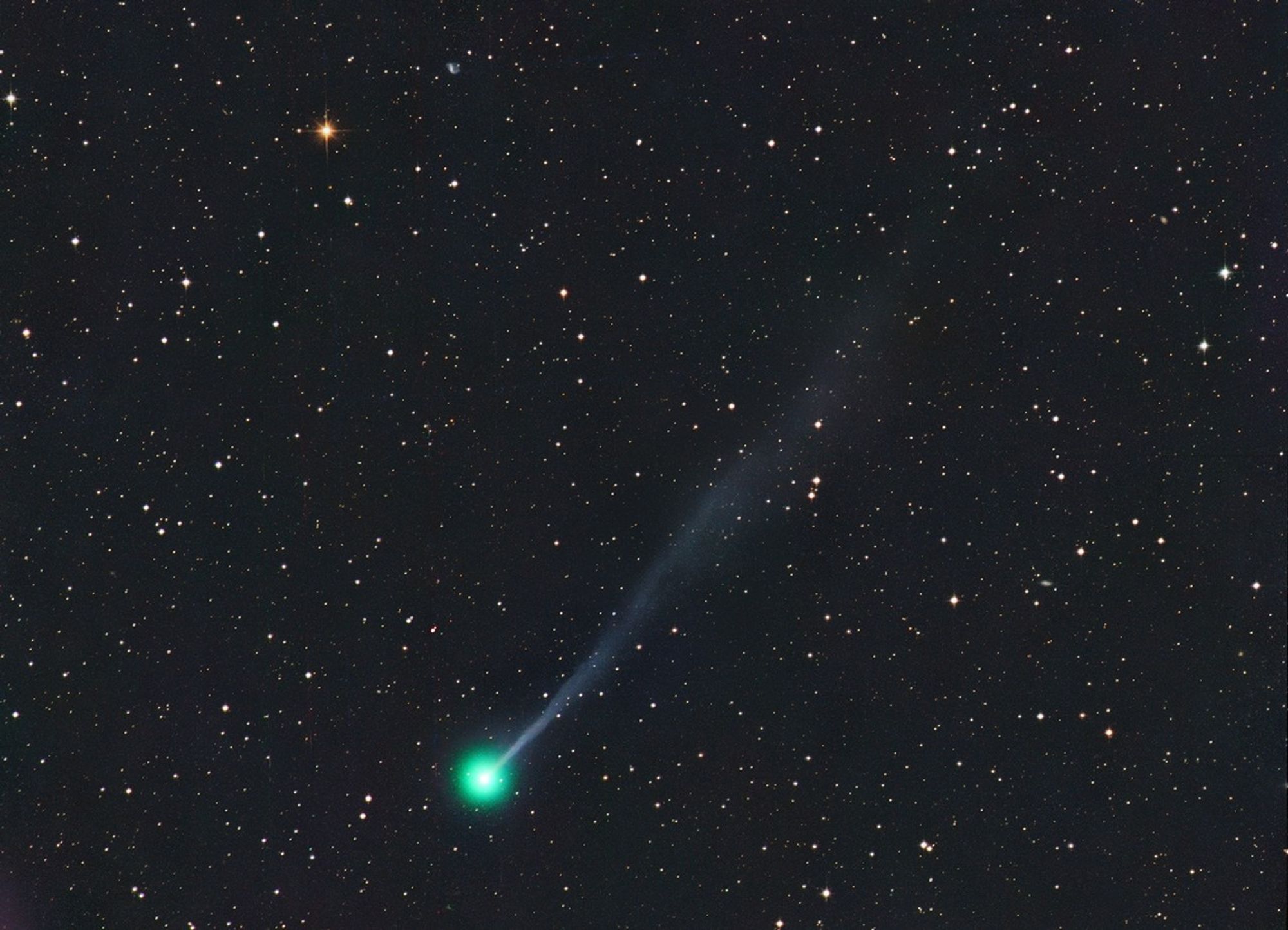
Experts estimate that the comet will likely reach magnitude eight, which means you would need access to a telescope or binoculars to see it. The comet will be visible in the eastern sky in the constellations Pegasus and above Pisces. You’ll be able to spot the comet in the predawn hours from mid-April through the end of April in the Northern Hemisphere, and in the evenings in early May for viewers in the Southern Hemisphere.
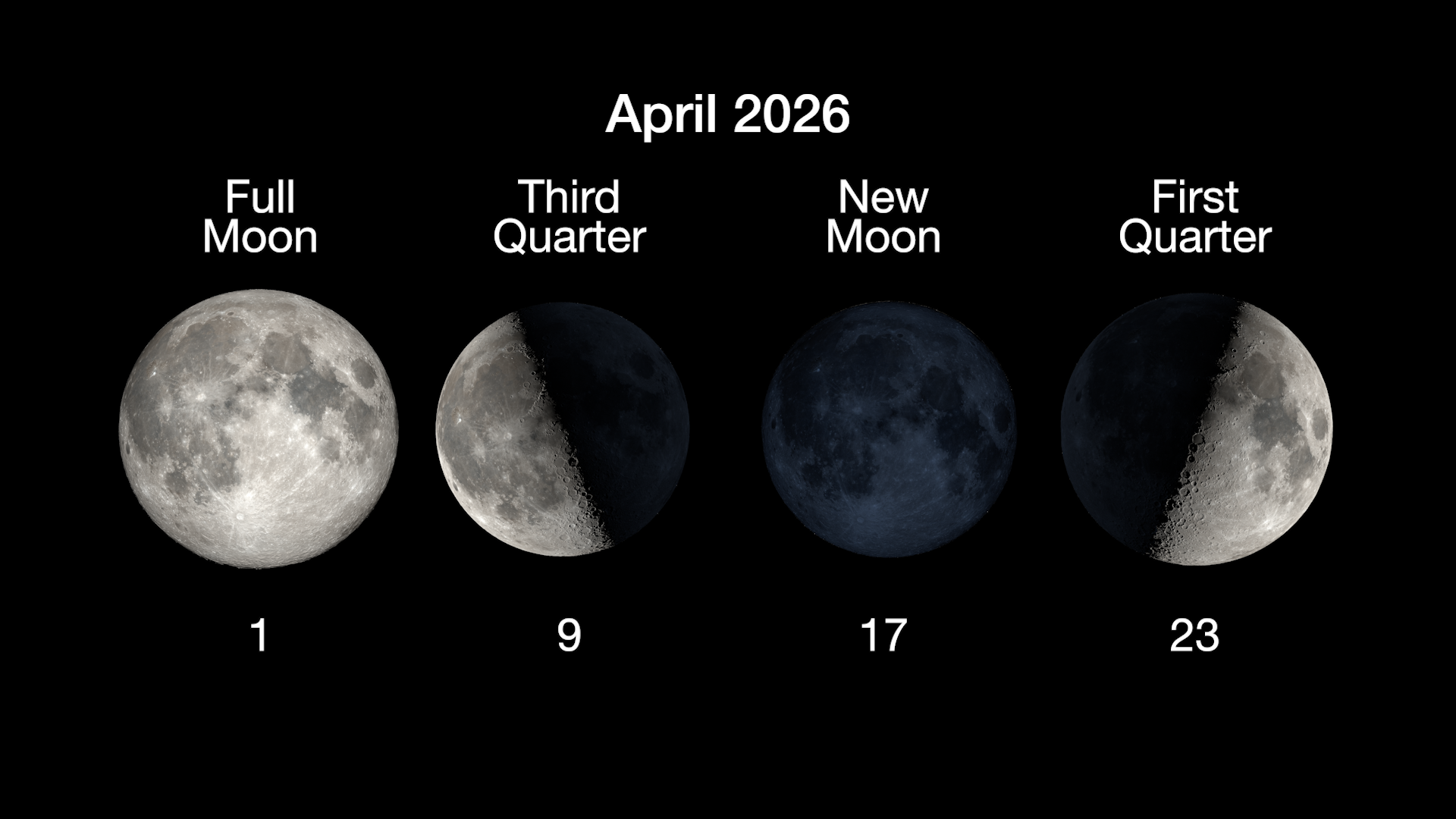
Here are the phases of the Moon for April. You can stay up to date on all of NASA’s missions exploring the solar system and beyond, at science.nasa.gov. I’m Chelsea Gohd from NASA’s Jet Propulsion Laboratory and that’s What’s Up for this month.

Powered by WPeMatico
