NESC Honor Awards are given each year to NASA employees, industry representatives, and other stakeholders for their efforts and achievements in engineering, leadership, teamwork, and communication. These awards formally recognize those who have made outstanding contributions to the NESC mission, demonstrate engineering and technical excellence, and foster an open environment.
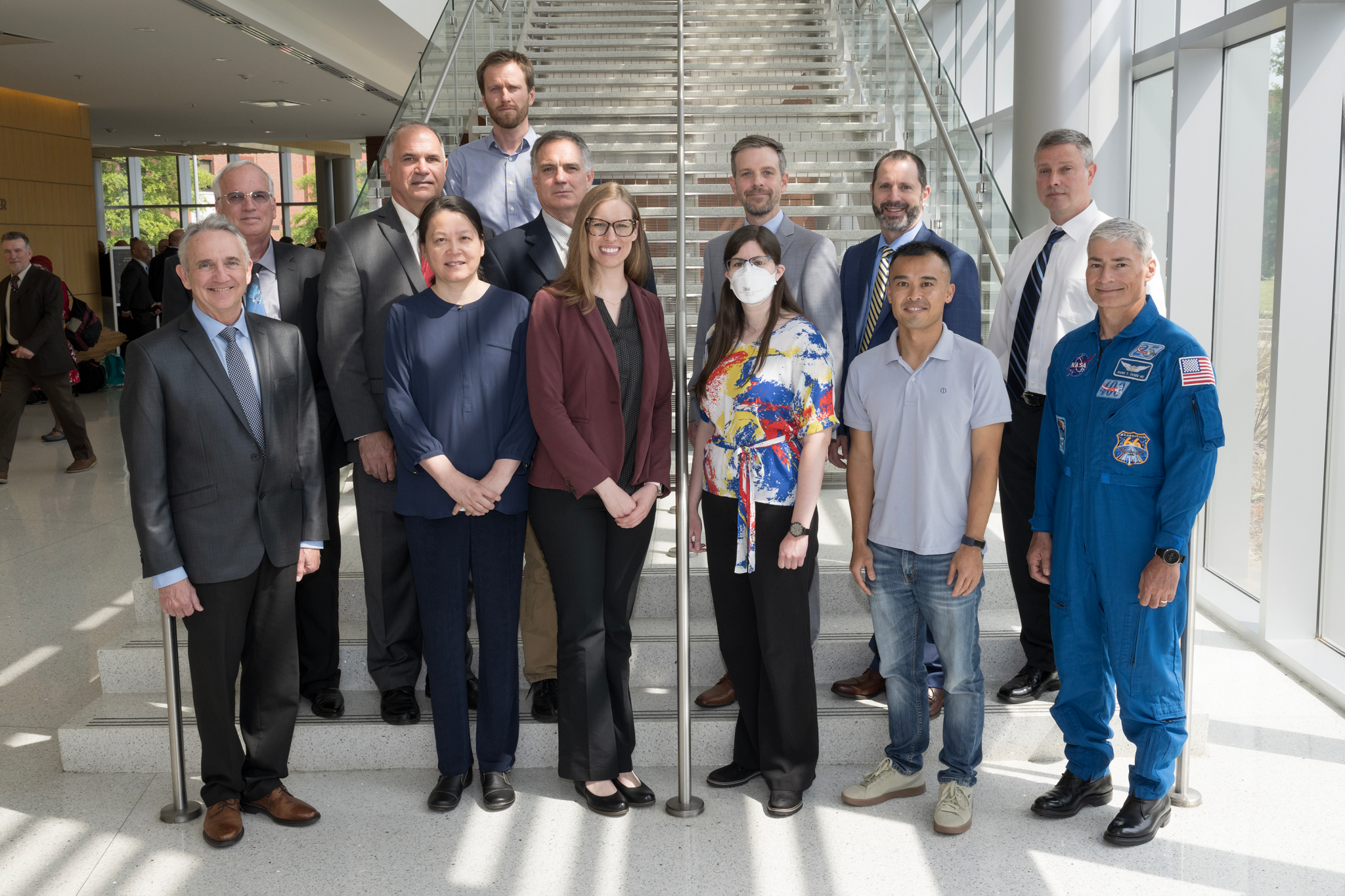
2022 Honorees from left to right: (Front Row) Tim Wilson (NESC Director); Yuan Chen (LaRC), Elspeth Peterson (KSC), Grace Belancik (ARC), Jing Pei (LaRC), Mark Vande Hei (NESC Chief Astronaut); (Second row) James Walker (MSFC), Carlton Faller (JSC), Jason Vaughn (MSFC), Shane Cravens (Syncom Space Services, SSC), Shawn Brechbill (MSFC), Kevin Dickens (GRC); (Third row) Christopher Johnston (LaRC).
NESC Director’s Award Honors individuals for defending a technical position that conflicts with a program or organization’s initial or prevailing engineering perspectives and for taking personal initiative to foster clear and open communication and resolve controversial issues.
DANIEL L. DIETRICH– In recognition of the development and advocacy of the technical rationale to assess the safety and effectiveness of breathing systems for pilots of tactical aircraft.
NESC Leadership Award Honors individuals for sustained leadership excellence demonstrated by establishing a vision, developing and managing a plan, and building consensus to proactively resolve conflicts and achieve results.
YUAN CHEN – In recognition of outstanding leadership in the electrical, electronic, electromechanical parts’ community and the development of recommendations on the use of commercial parts in NASA missions.
NIKOLAUS GRAVENSTEIN – In recognition of outstanding technical leadership in support of Verification of Testing Standard for Carbon Dioxide (CO2) Partial Pressure in Extravehicular Activity Suits.
ELSPETH M. PETERSEN – In recognition of outstanding leadership to the Spacesuit Water Membrane Evaporator Assessment Team in negotiating creative solutions and facility challenges.
PATRICK A. SIMPKINS – In recognition of outstanding technical leadership in support of numerous NESC assessments to reduce risk to NASA’s most critical human and robotic spaceflight programs.
NESC Engineering Excellence Award Honors individuals for making significant engineering contributions, developing innovative approaches, and ensuring appropriate levels of engineering rigor are applied to the resolution of technical issues in support of the NESC mission.
KEVIN W. DICKENS– In recognition of engineering excellence and sustained commitment to the NESC Propulsion Technical Discipline Team and NASA missions.
After reflecting on the more than 1,200 assessments completed by the NESC over the last 20 years, Director Tim Wilson selected these assessments as his top three. They were selected because they would likely have the greatest and most lasting impact on human life and the furtherance of the NESC mission. He shared why their effects were so far-reaching.
2013-2019 Assessing Risks of Frangible Joint Designs
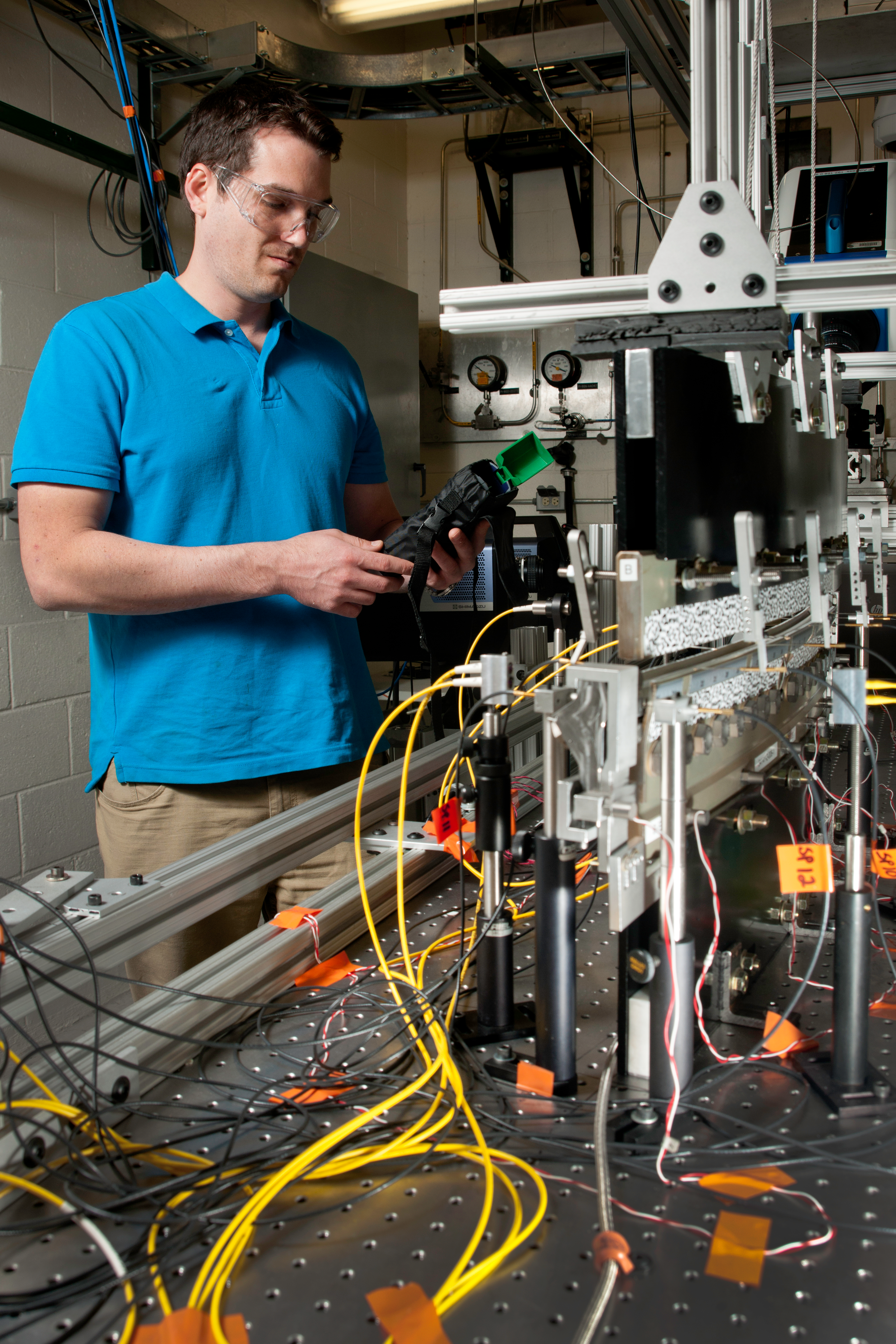
At the request of the Commercial Crew Program, the NESC took on an empirical test program of frangible joints to provide confidence in their use for human spaceflight. “Many programs use these joints, so understanding the margins and what drives their designs has helped us keep flight crews safe and make missions successful,” said Mr. Wilson.
The joints provide a debris-free separation of launch vehicle stages and payload fairings. To determine the effects various design parameters and environmental factors have on jointseparation capability, the NESC conducted more than 140 tests on a variety of designs and generated more than 100 million lines of data that were used to anchor models, develop design sensitivities, and make reliability estimates. Their comprehensive work was foundational to later assessments for the Space Launch System, Orion, and Launch Services Programs. The NESC also started the FJ Working Group, which serves as the Agency’s technical community of practice. It ensures programs understand the risks associated with their use and is proactive in ensuring NASA is implementing safe and reliable FJ technologies.
2018-2021 Pilot Breathing Assessment
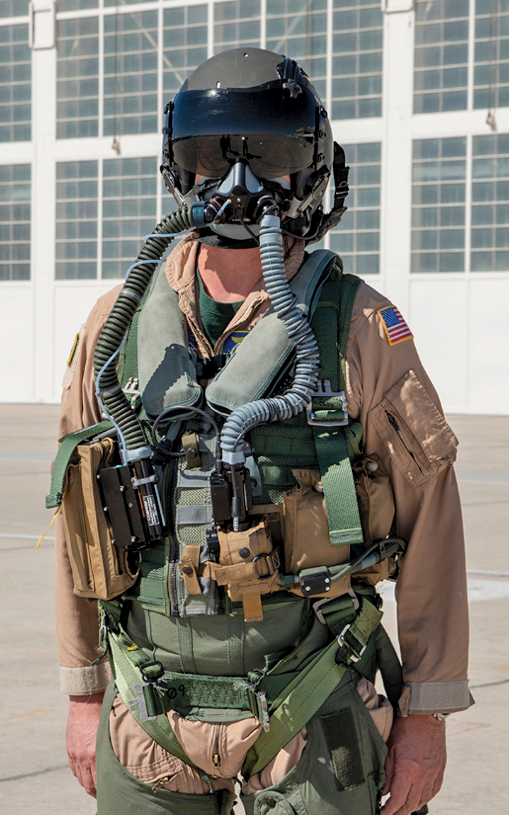
When the U.S. Navy was experiencing an increase in pilot physiological episodes across their F/A-18 fleet that was leading to mission aborts, “No one really understood what was going on or why,” said Mr. Wilson. “It was a difficult problem, and our NESC team was able to come up with compelling answers.”
Over the NESC’s three-year study, its Pilot Breathing Assessment (PBA) team designed novel instrumentation to measure pilot physiological states and interactions with aircraft life support systems. NASA test pilots flew instrumented NASA F/A-18 and F-15 aircraft through pre-specified flight profiles while wearing specialized breathing equipment augmented with an advanced sensor system. Aligned data streams identified pilot/aircraft interactions with the potential for negative cognitive and physiological impact. After more than 100 scripted flights and 250 million data points, the PBA team determined that breathing pressures and airflows were often mismatched, increasing a pilot’s efforts to maintain sufficient ventilation. The PBA team’s work has benefited the field of aviation and the advancement of human system integration in modern aircraft and has direct application for NASA vehicles such as the T-38, F-15, X-59, and the ISS.
2020-2023 Unconservatism of LEFM Analysis Post Autofrettage
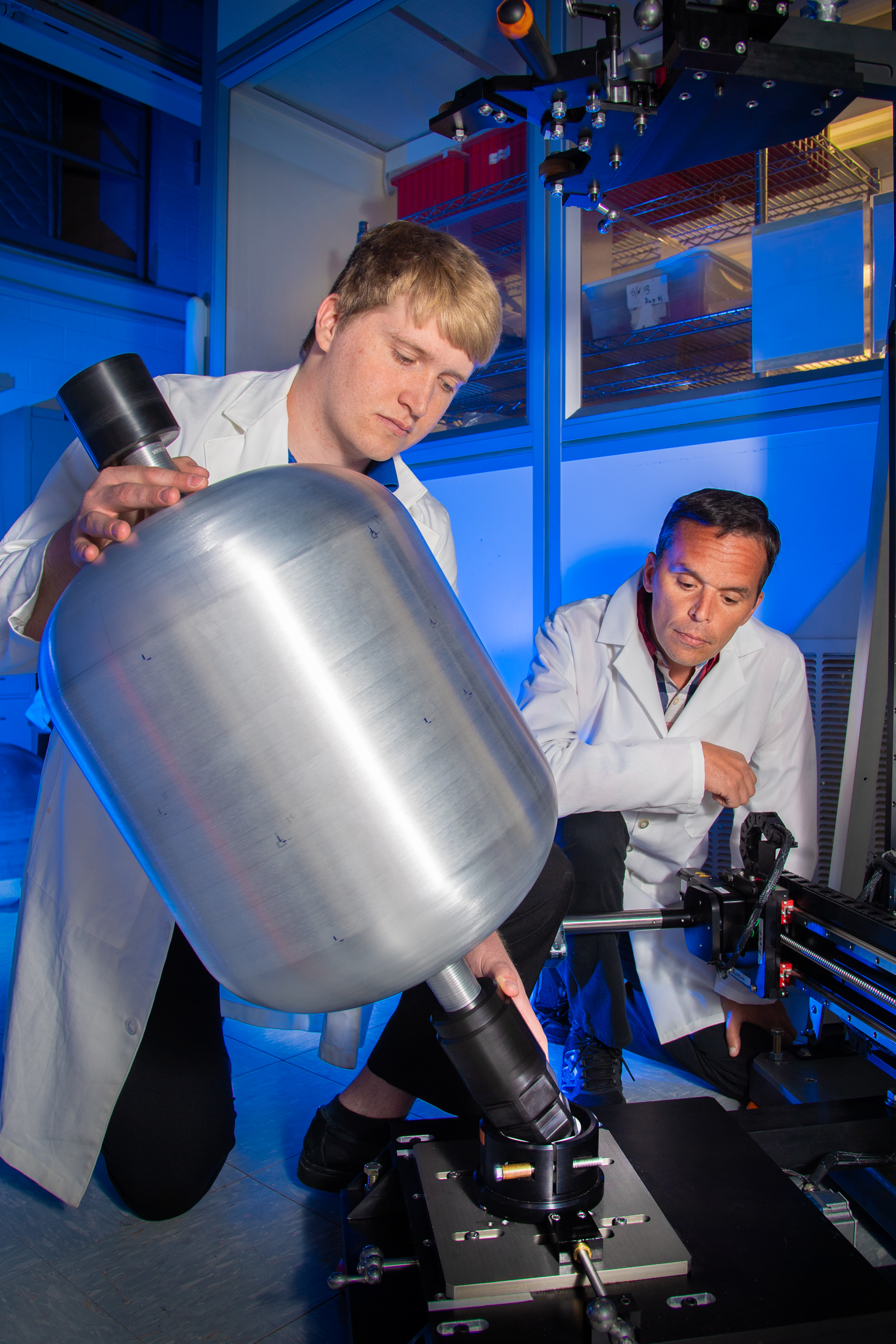
The NESC has invested significant time and resources to understanding the complex behavior of composite overwrapped pressure vessels (COPV), which are used extensively in space-flight. Most recently, an NESC team found there was a lack of conservatism in the damage tolerance analyses conducted on COPV liners using linear-elastic fracture mechanics (LEFM), particularly in understanding the influence of autofrettage (AF).
During AF, a COPV is subjected to high pressures to compress the inner surfaces, making them less susceptible to operational stresses later. In verifying damage tolerance life, the team found that separating the AF cycle from subsequent elastic cycles in LEFM analysis led to unconservative life predictions. Cracks remained open during compressive cycles after AF and allowed for a larger stress range to contribute to crack growth in each subsequent elastic cycle. The team provided corrections to NASGRO (programs that analyze fracture and fatigue crack growth) to make predictions less unconservative. “I’m convinced that someday crew will fly, come home, disembark, and never know that it was the improvements to those analytical tools made by this NESC team that kept them safe. I think it’s going to have wide-ranging impact.”
NASA Awards Environmental, Safety, Health, Mission Assurance Contract
NASA
NASA has selected Bastion Technologies Inc. of Houston to provide support services in four broad technical areas including environmental, institutional operational safety, occupational health, aeronautics and space systems, and ground support equipment mission assurance.
The Environmental, Safety, Health, and Mission Assurance contract is cost-plus-fixed-fee with indefinite-delivery/indefinite-quantity task orders with a maximum value of approximately $125.4 million. The performance period is from May 1, 2024, to April 30, 2029.
Services will be provided at NASA’s Glenn Research Center at Lewis Field in Cleveland and Neil Armstrong Test Facility in Sandusky, Ohio. Services also will be provided at the agency’s Headquarters in Washington and may be required at other NASA facilities, once approved, and placed on the contract.
Major subcontractors for Bastion Technologies Inc. include Leidos Inc. of Reston, Virginia, and Herndon Solutions Group of Henderson, Nevada.
For information about NASA and other agency programs, visit:
Total Solar Eclipse 2024: The Moon’s Moment in the Sun
5 min read
Total Solar Eclipse 2024: The Moon’s Moment in the Sun
Artist’s representation of a total solar eclipse, with a new moon in the foreground and the Sun’s corona visible in the background. Download the Poster
NASA/Vi Nguyen
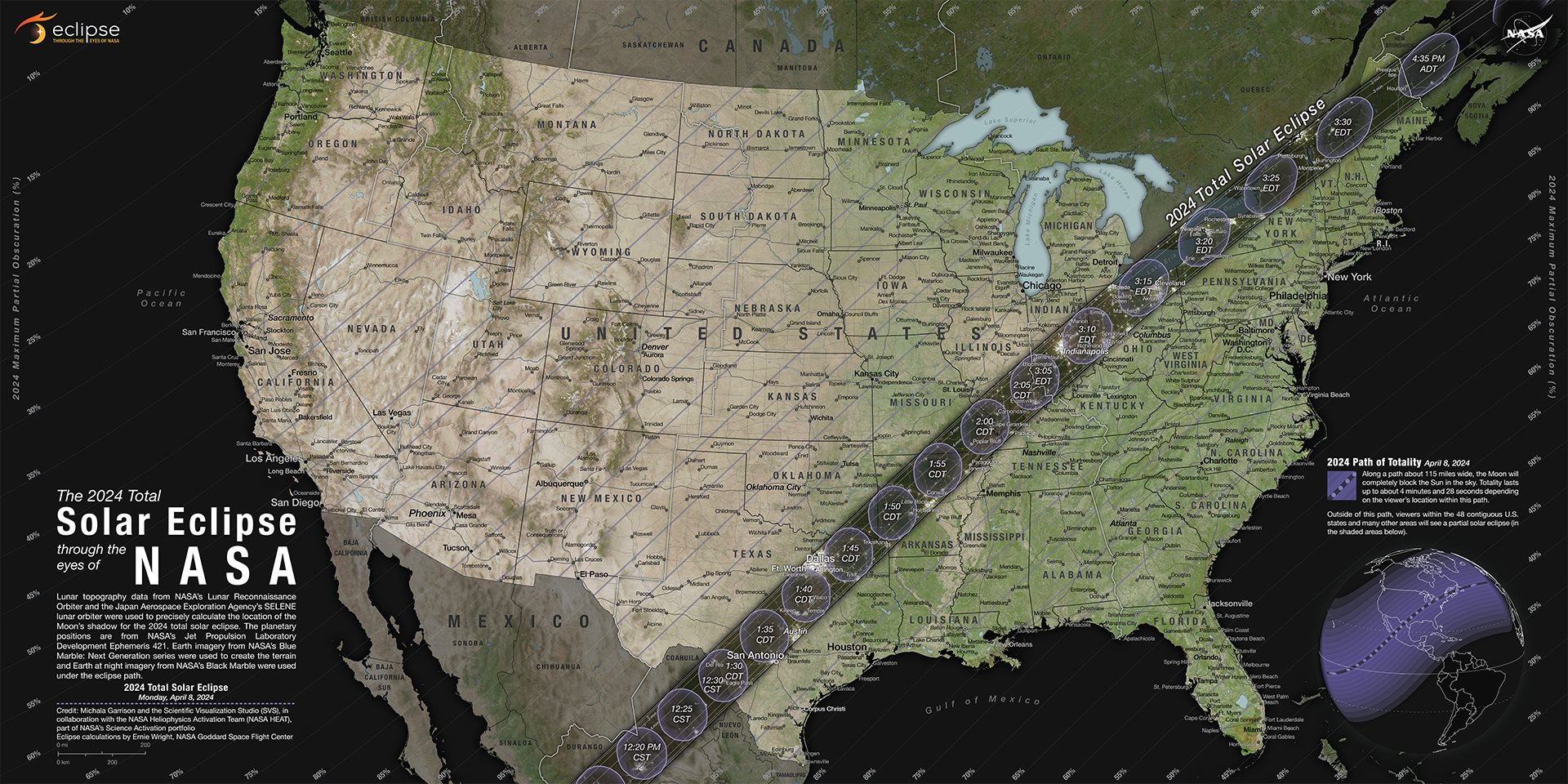
On April 8, 2024, much of North America will experience a solar eclipse: a cosmic alignment of Sun, Moon, and Earth, in that order. The Moon’s shadow path will make landfall on Mexico’s Pacific coast, cross the United States from Texas to Maine, and exit North America via Newfoundland, Canada, continuing into the Atlantic Ocean.
Solar eclipses on Earth are a convenient coincidence. The Sun’s diameter is about 400 times larger than the Moon’s, and the Sun is almost 400 times farther away from us than the Moon is. This combination makes the Sun and Moon appear nearly the same size in our sky, setting up a spectacular show when they align. Try experimenting with apparent size for yourself by holding up a small item, like your thumb, and moving it closer and farther away to block different-sized objects from your view.
The Moon’s distance from Earth varies, though only slightly. The Moon’s orbit is not a perfect circle, and it is not quite centered on our planet. At its closest, the Moon is about twenty-eight Earth diameters away; at its farthest, about thirty-two. As a result, the Moon’s apparent size changes over time, and eclipses are not all alike.
A total solar eclipse is only possible when the Moon is closer to Earth than average. When the Moon is farther away, its apparent size is smaller than the Sun’s, so it does not completely block the Sun’s bright disk. In this configuration, when the Moon passes between Earth and the Sun, a “ring of fire” remains visible – that’s an annular solar eclipse.
An Orbital Dance
Video tutorial describing the 2024 total solar eclipse and explaining the Moon’s role in creating it. Credit: NASA’s Goddard Space Flight Center
Ever wonder why solar eclipses don’t happen more often? Earth, Moon, and Sun don’t line up perfectly every month because the Moon’s orbit is tilted by about 5 degrees compared to Earth’s orbit around the Sun. Most of the time, the Moon’s shadow misses our planet.
When all three celestial bodies do align, views of the eclipse depend not just on our position in the solar system, but also on our location on Earth. The Moon’s shadow has two parts, the umbra and the penumbra. Observers in the umbra (or “path of totality”) will experience a total solar eclipse. For those in the penumbra, the eclipse will be partial.
2024 Total Solar Eclipse shadow path map, built using datasets from several NASA missions. For more information, visit NASA’s Scientific Visualization Studio: The 2024 Total Solar Eclipse.
NASA’s Scientific Visualization Studio
If you are planning to observe the eclipse, you’ve probably consulted a shadow path map like this one. But how do we know exactly where and when the Moon will cast its shadow? Eclipse prediction depends, first and foremost, on understanding the positions and movements of the Moon, Sun, and Earth. Modern maps build on a long human history of eclipse forecasting. And since 2009, NASA’s Lunar Reconnaissance Orbiter (LRO) has been mapping the Moon in unprecedented detail. LRO’s lunar topography data enables us to make more accurate eclipse predictions than ever before.
Moonshadow: The Making of a Map
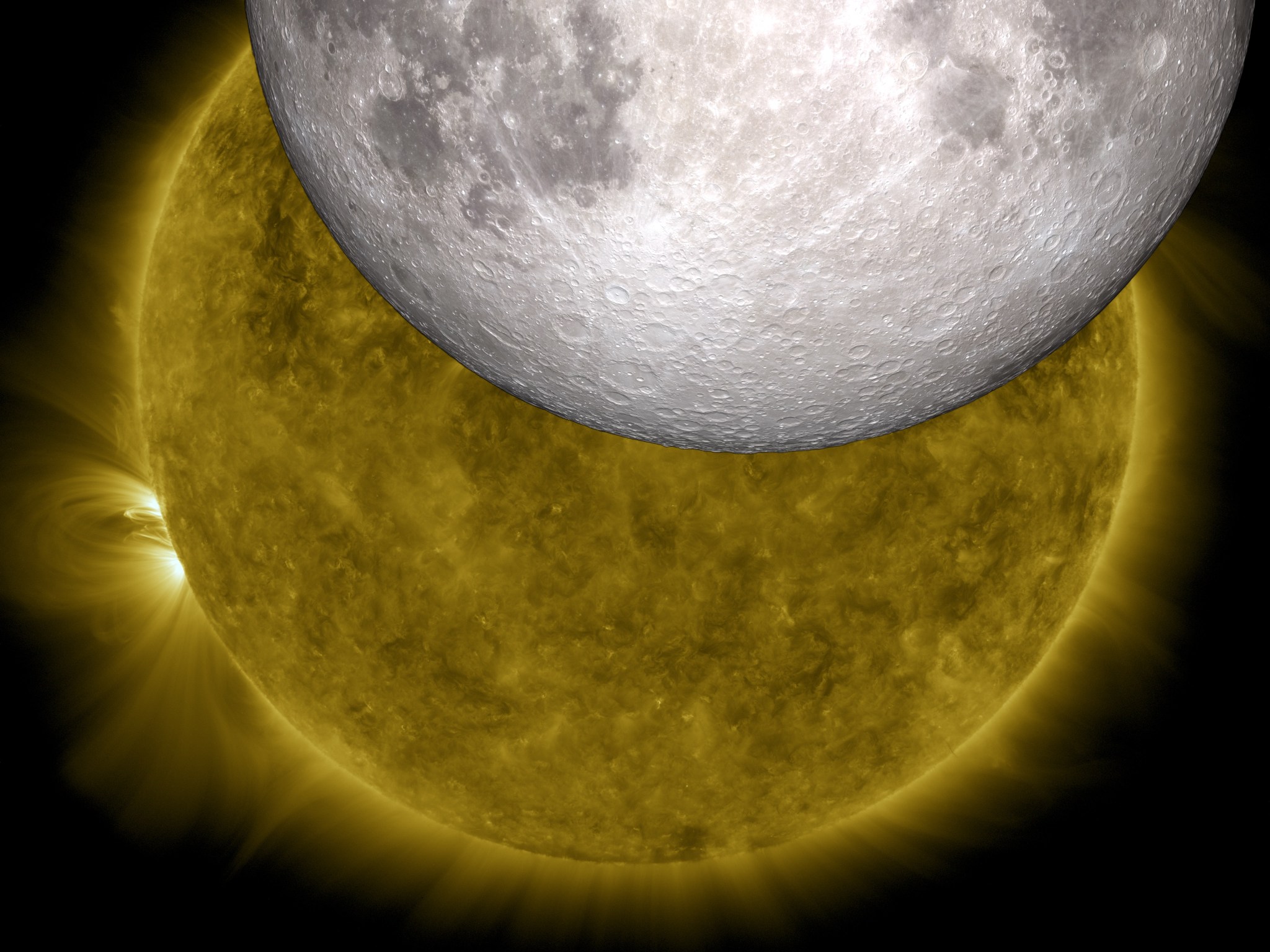
The Moon is a rugged world of peaks, craters, basins, and valleys. Since the lunar horizon is bumpy and jagged, the shadow it casts is not quite round. Knowing the precise shape of the Moon helps us understand exactly where its shadow will darken Earth’s surface. Of course, our own planet is not perfectly round, either. Today’s eclipse maps account not only for the lunar landscape, but also for the contours of Earth’s mountain ranges, lowlands, and other features.
Uneven lunar terrain partially blocks the Sun in this composite image of a partial solar eclipse, showing the Moon (visualization based on Lunar Reconnaissance Orbiter data) passing between Earth and the Sun (as imaged from space by the Solar Dynamics Observatory spacecraft on October 7, 2010).
NASA’s Scientific Visualization Studio
Bursts of Light: Baily’s Beads and the Diamond Ring Effect
Casual observers don’t usually notice that the Moon’s silhouette is rough around the edges. At a distance of 239,000 miles (that’s the average gap between Earth and the Moon), our nearest neighbor in space looks round – even mountains appear too small for the human eye to distinguish. But, for two brief moments during a solar eclipse, craggy lunar terrain commands the spotlight.
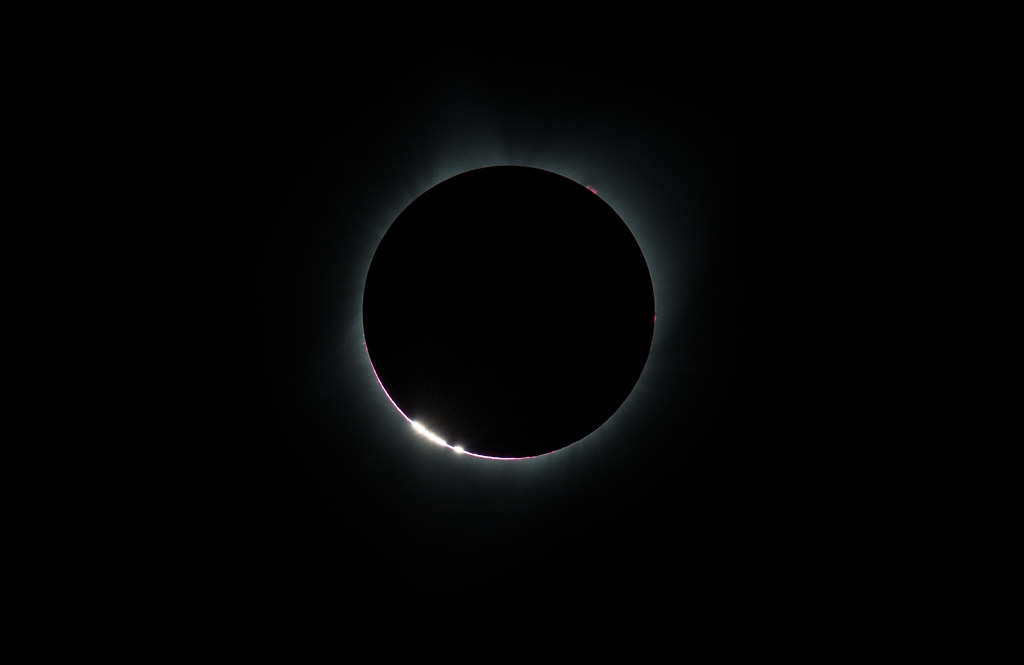
On the brink of totality, as the Moon moves into full Sun-blocking position, the Sun’s edge doesn’t go dark all at once. Last rays of sunlight peek through valleys on the lunar horizon. These isolated areas of intense brightness can resemble a string of glowing beads or a single dramatic burst of light like the gem on a ring. The same phenomena, sometimes called Baily’s Beads and the Diamond Ring Effect, can also occur as the Moon edges out of totality (or annularity). Since we know the shape and position of the Moon so well, we can predict where the first and last bits of sunlight will appear.
Baily’s Beads as seen during the August 21, 2017 total solar eclipse.
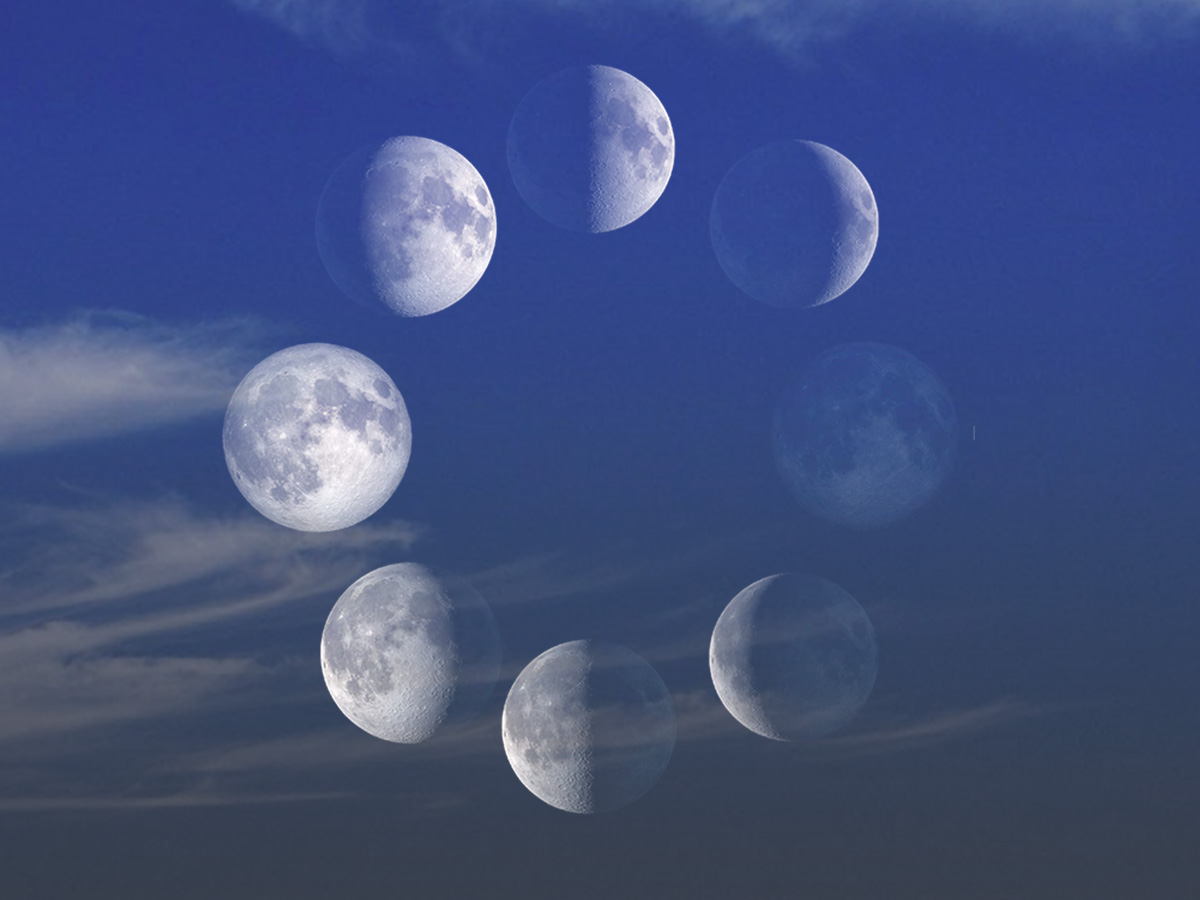
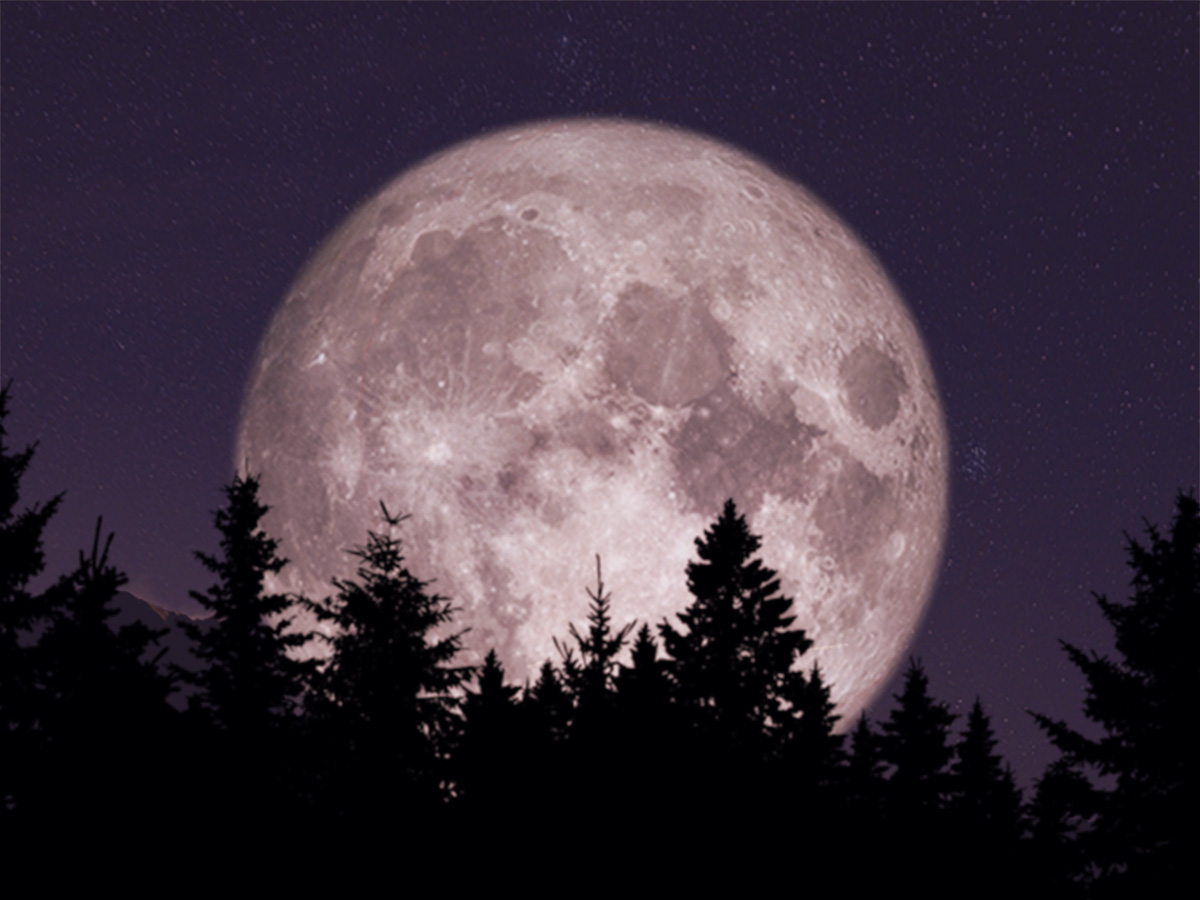
A solar eclipse is a rare opportunity to directly observe a new moon. Document your experience and kick off a month of Moon observations with our special edition Moon Observation Journal.
Connect with observers around the world and keep celebrating the Moon’s place in science and culture on the next International Observe the Moon Night, Sept. 14, 2024.
Science Advisor: Ernie Wright, NASA’s Goddard Space Flight Center
Statement from NASA’s Janet Petro on Fiscal Year 2025 Budget Request
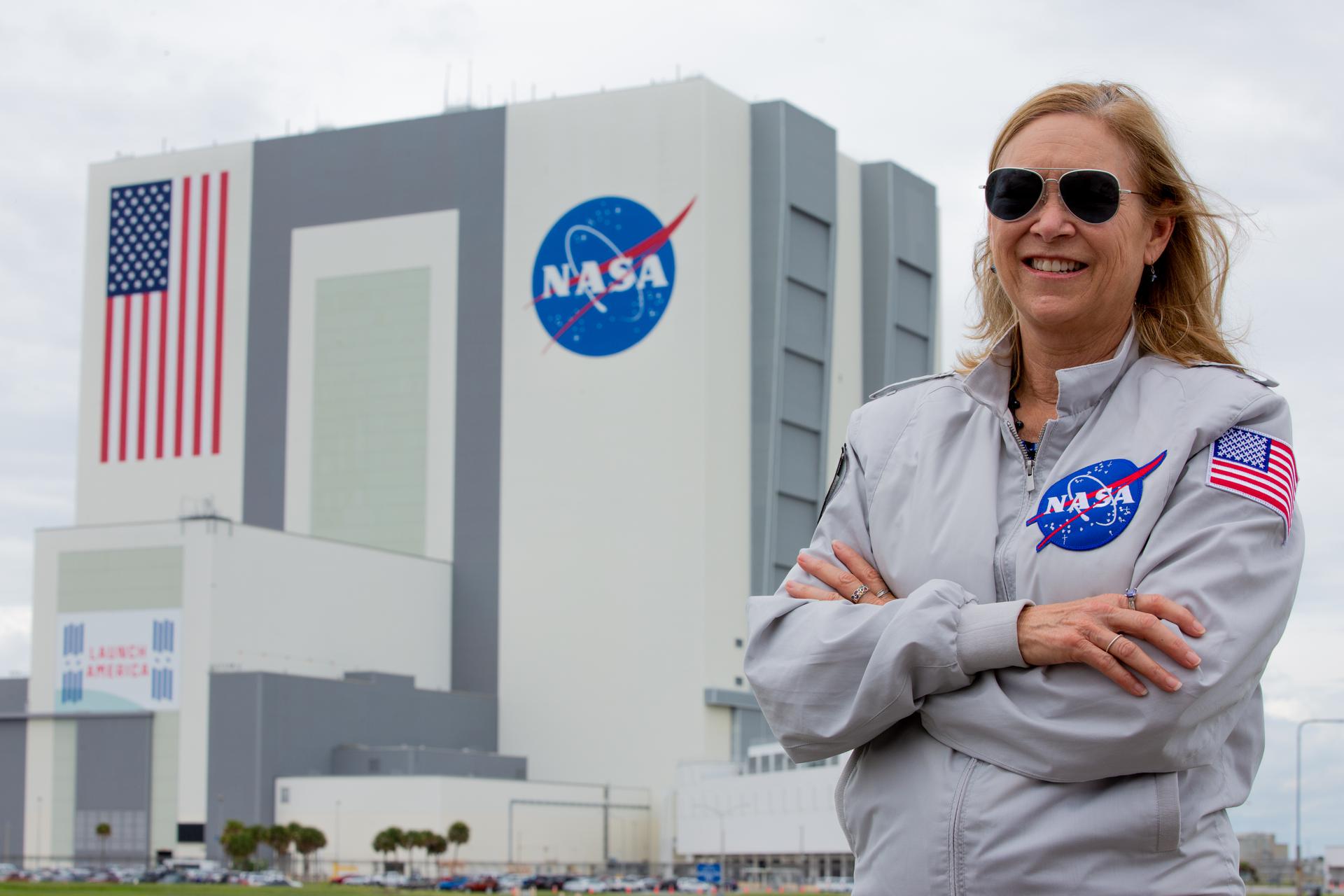
NASA Kennedy Space Center Director Janet Petro.
NASA/Cory Huston
“The rollout of the President’s 2025 budget offers the opportunity to highlight some of the exciting happenings that are helping launch humanity’s future at NASA’s Kennedy Space Center in Florida. Every dollar spent on the agency goes toward U.S. prosperity and improving life on Earth. In the state of Florida, more than 27,000 jobs can be attributed to work performed here.
“Kennedy is proud to support the administration’s goals and priorities for NASA, including the Artemis campaign, an American presence in low Earth orbit, and the development of new space technologies. Through Artemis, NASA is returning to the Moon with its sights set on Mars. At Kennedy, we are updating the ground systems and processing the hardware to take us there. The Artemis II launch in 2025 will be the first crewed mission on NASA’s path to establish a long-term presence on the lunar surface.
“Kennedy also continues launching the science missions that study Earth and our solar system, as well as sending crews and cargo to the International Space Station. Research on the orbiting laboratory ranges from DNA studies to 3D printing, helping us solve problems here on Earth while serving as a proving ground for capabilities we will need during long-duration human space exploration.
“Other innovative work at Kennedy in physics, dust mitigation, and space gardening will lead to the technologies humans will need to live and work in space – including the ability to maintain a commercial supply chain in deep space.
“Along the way, NASA is helping grow the domestic market. Kennedy has led the way in developing relationships that are so instrumental to our nation’s future in space.
Through more than 90 commercial partners and nearly 250 partnership agreements, our spaceport provides continuous access to space using the same creativity and innovation that have become the hallmark of our agency. Additionally, NASA programs at Kennedy create expanded opportunities for new and current launch providers and payload processors.
“We do all of this thanks to our diverse and talented workforce. Our employees are second to none, and they are the reason that Kennedy has ranked among the Best Places to Work in the Federal Government for five years in a row. I hope you will join me in celebrating these accomplishments and looking forward to another exciting year of exploration, innovation, and inspiration at the world’s preeminent spaceport.”
Read NASA Administrator Bill Nelson’s statement on the FY2025 budget request here.
Images of Janet Petro are available from NASA’s image library in vertical and horizontal formats.
For more information about Kennedy Space Center, visit: