Asian-American and Native Hawaiian Pacific Islander Heritage Month

Asian-American and Native Hawaiian Pacific Islander Heritage Month

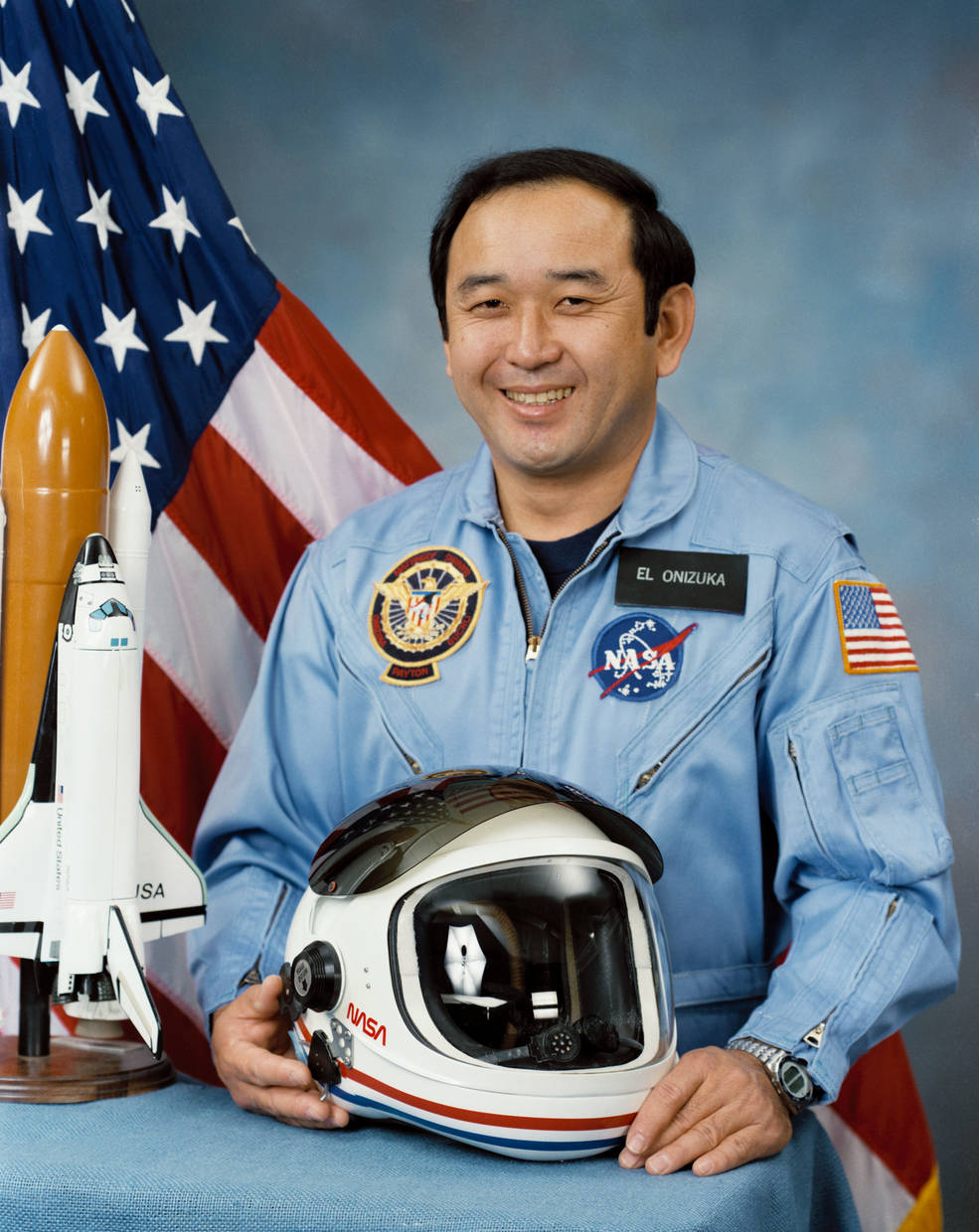
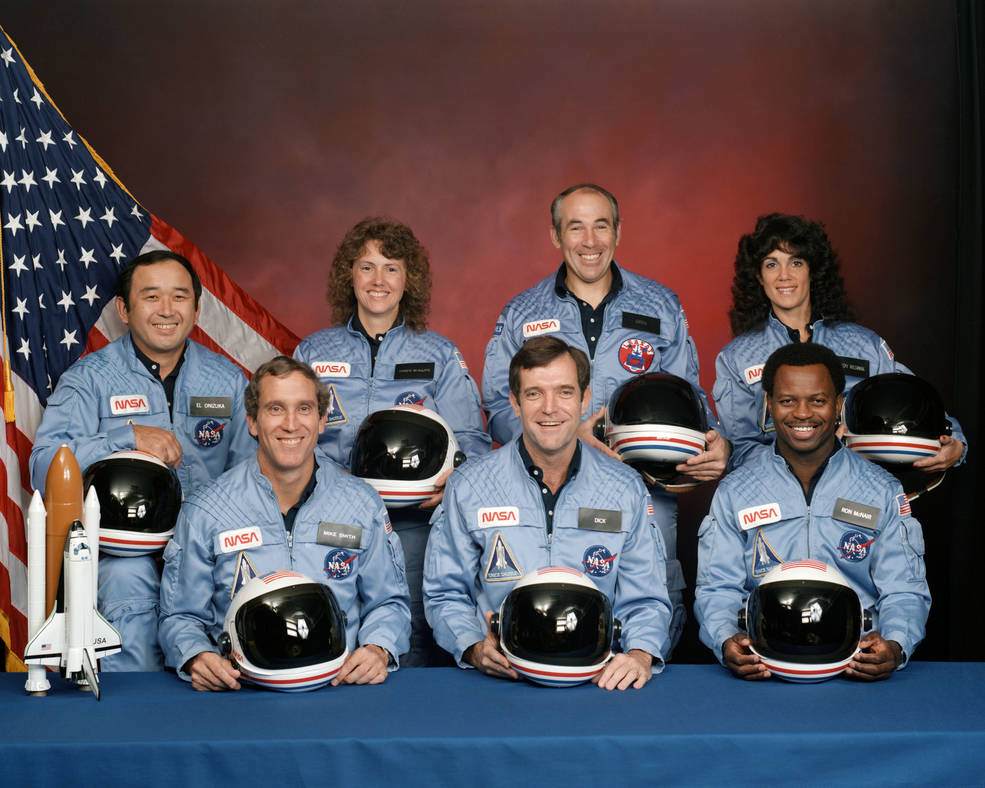
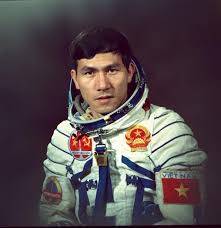
In honor of Asian-American and Native Hawaiian Pacific Islander Heritage Month, we recognize astronauts with Asian roots who have flown to the International Space Station and contributed to its assembly, operations and research activities. Other pioneers preceded them into space. The first person of Asian origin to reach space, Phạm Tuân of Vietnam spent eight days aboard the Salyut-6 space station in 1980 as part of the Soviet Union’s Interkosmos program to fly cosmonauts from friendly socialist countries. The first American of Asian descent in space, Ellison S. Onizuka, flew as a mission specialist aboard space shuttle Discovery’s STS-51C mission in 1985. He tragically lost his life in the January 1986 space shuttle Challenger accident.

Phạm Tuân and Ellison S. Onizuka
aapi_2021_2_pham_tuan_portrait aapi_2021_3_onizuka_portrait_2 challenger_crew_photo
Left: Vietnamese cosmonaut Phạm Tuân. Middle: Official NASA portrait of astronaut Ellison S. Onizuka. Right: Onizuka, far left, in the official STS-51L crew photograph.

In this article, we recognize the American astronauts of Asian, Native Hawaiian, and Pacific Island heritage and astronauts from Asian nations who have flown aboard the space station, contributing to its construction and operation and conducting the world-class research for which the station is well known. The table below lists these individuals who have shared in this remarkable international adventure. Asian-American astronauts from recent selections await their chance to contribute to the success of the space station and to future exploration missions.
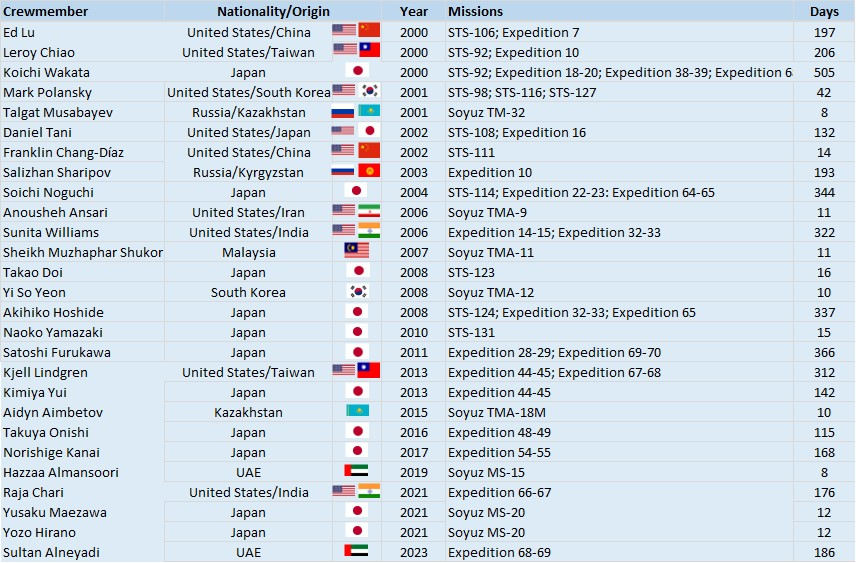
Table of Asian and Asian-American astronauts and cosmonauts who have lived and worked aboard the International Space Station.
Table of Asian and Asian-American astronauts and cosmonauts who have lived and worked aboard the International Space Station

Edward T. Lu

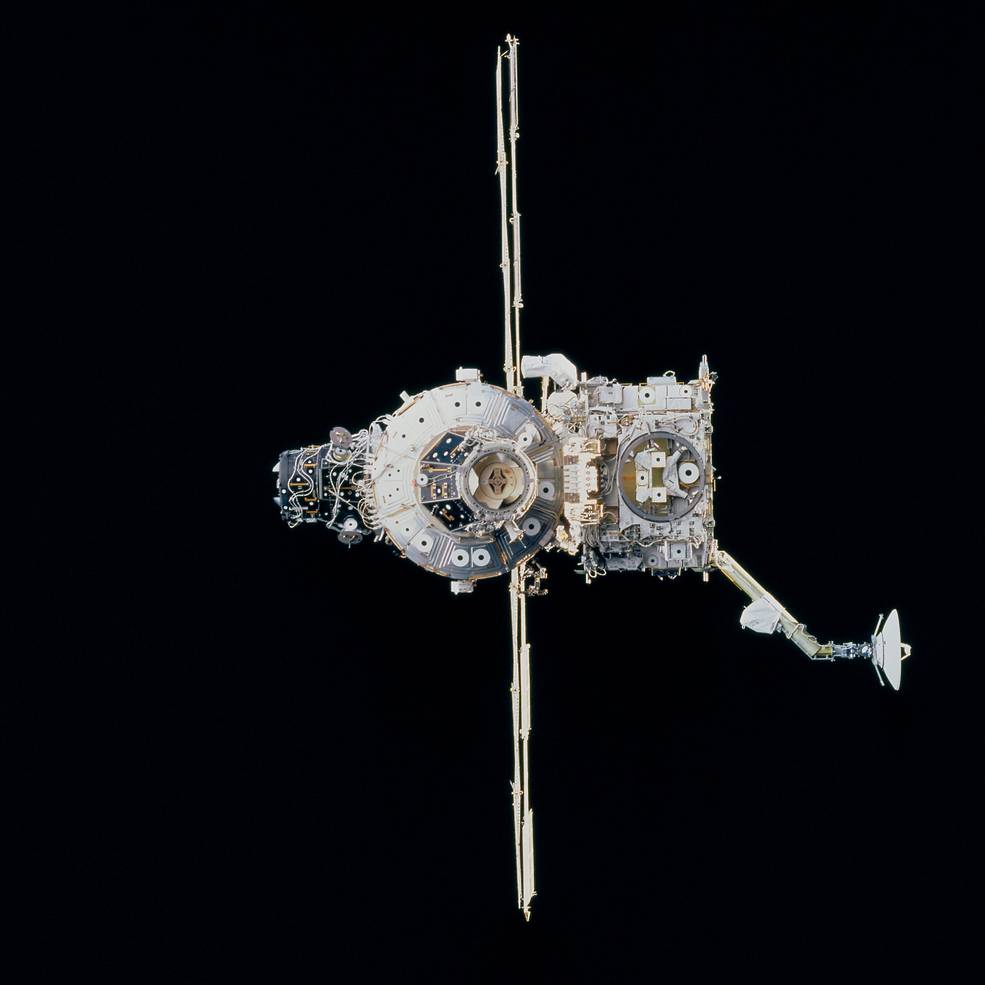
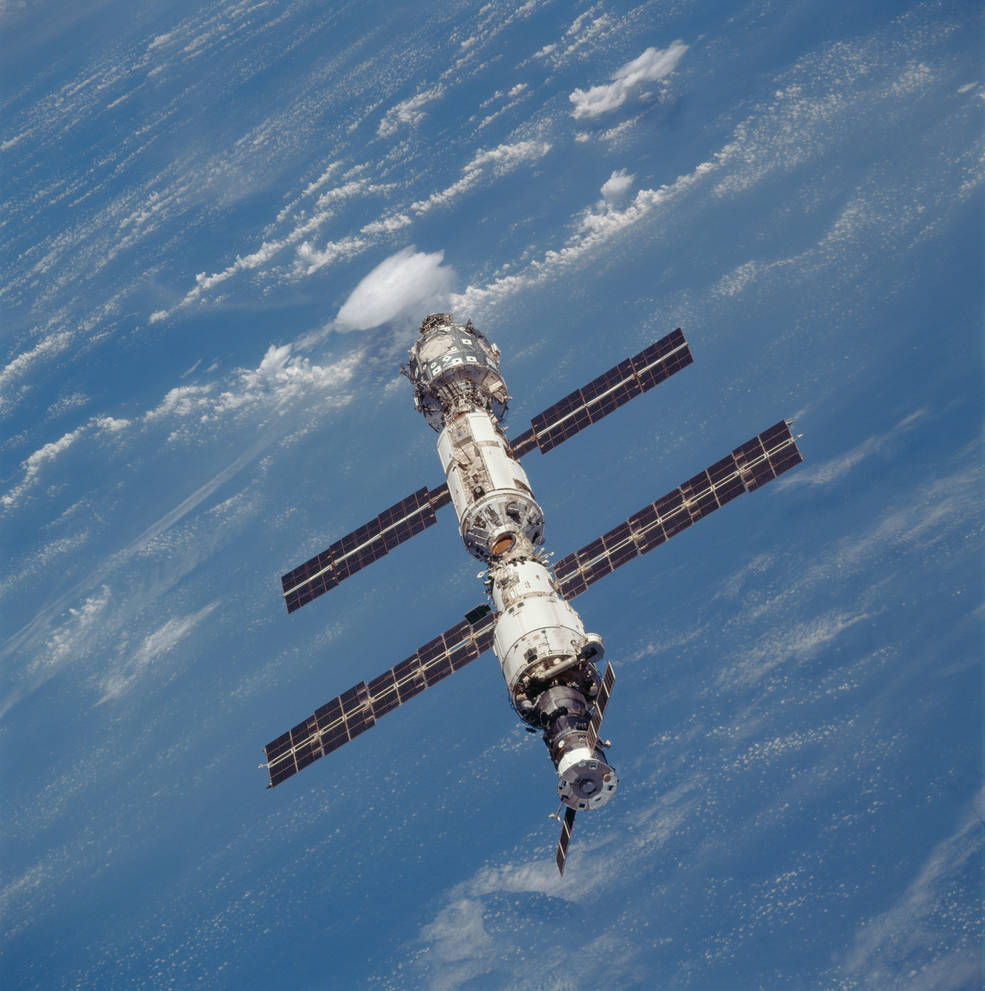
NASA astronaut Edward T. “Ed” Lu holds the honor as the first Asian-American to fly to the International Space Station. Already a veteran of STS-84, the sixth shuttle docking mission to the Russian space station Mir, Lu served as a Mission Specialist on STS-106. He and his six crewmates launched on Sep. 8, 2000, with the primary goal of preparing the station for its first long-duration occupants. At the time, the station comprised just three modules – the Zarya Functional Cargo Block, the Unity Node 1, and the Zvezda Service Module. Zvezda, the latest addition to the station, had just arrived two months earlier. At the station, the crew’s duties included unloading a Progress resupply craft of its cargo and transferring logistics from the double Spacehab module in Atlantis’ payload bay. Lu and crewmate Russian cosmonaut Yuri I. Malenchenko conducted a six-hour spacewalk to connect electrical cables between the Zarya and Zvezda modules and to install a boom magnetometer on the outside of Zvezda.
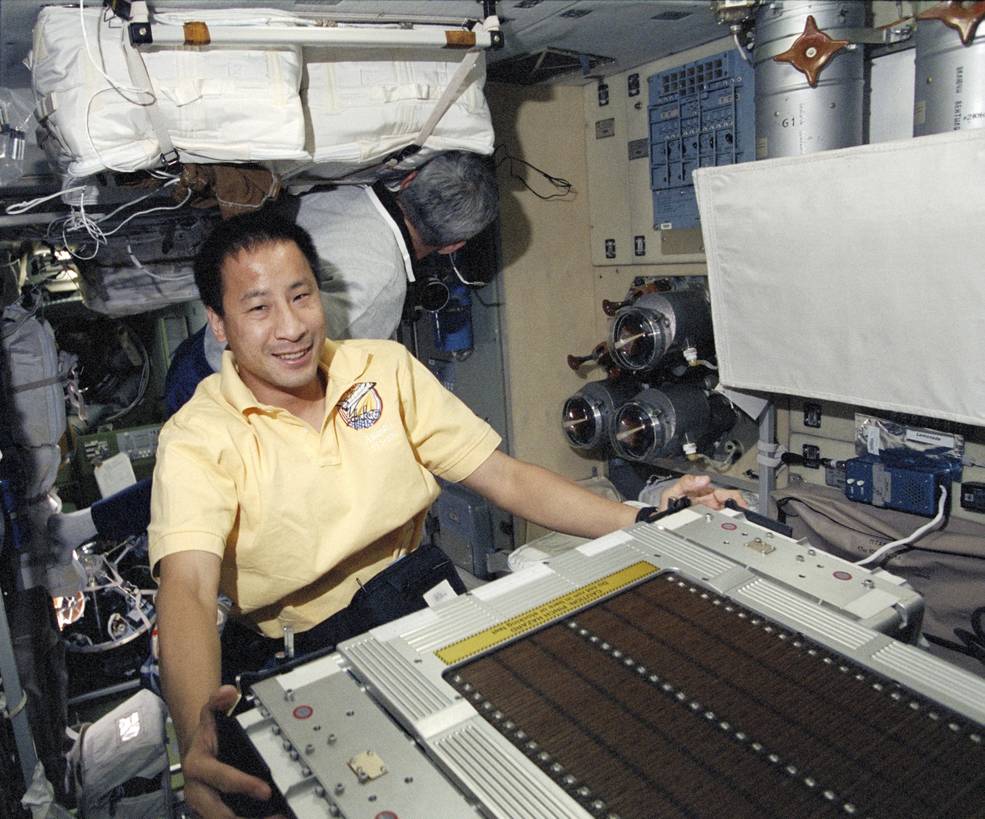
aapi_2021_5_iss_from_sts_106 aapi_2021_6_lu_carrying_treadmill_in_zvezda_sts106 aapi_2021_7_lu_sts_106_eva_sts106
Left: The International Space Station as it appeared in September 2000. Middle: NASA astronaut Edward T. Lu installs the treadmill in the Zvezda module during the STS-106 space shuttle mission. Right: Lu during the STS-106 spacewalk.

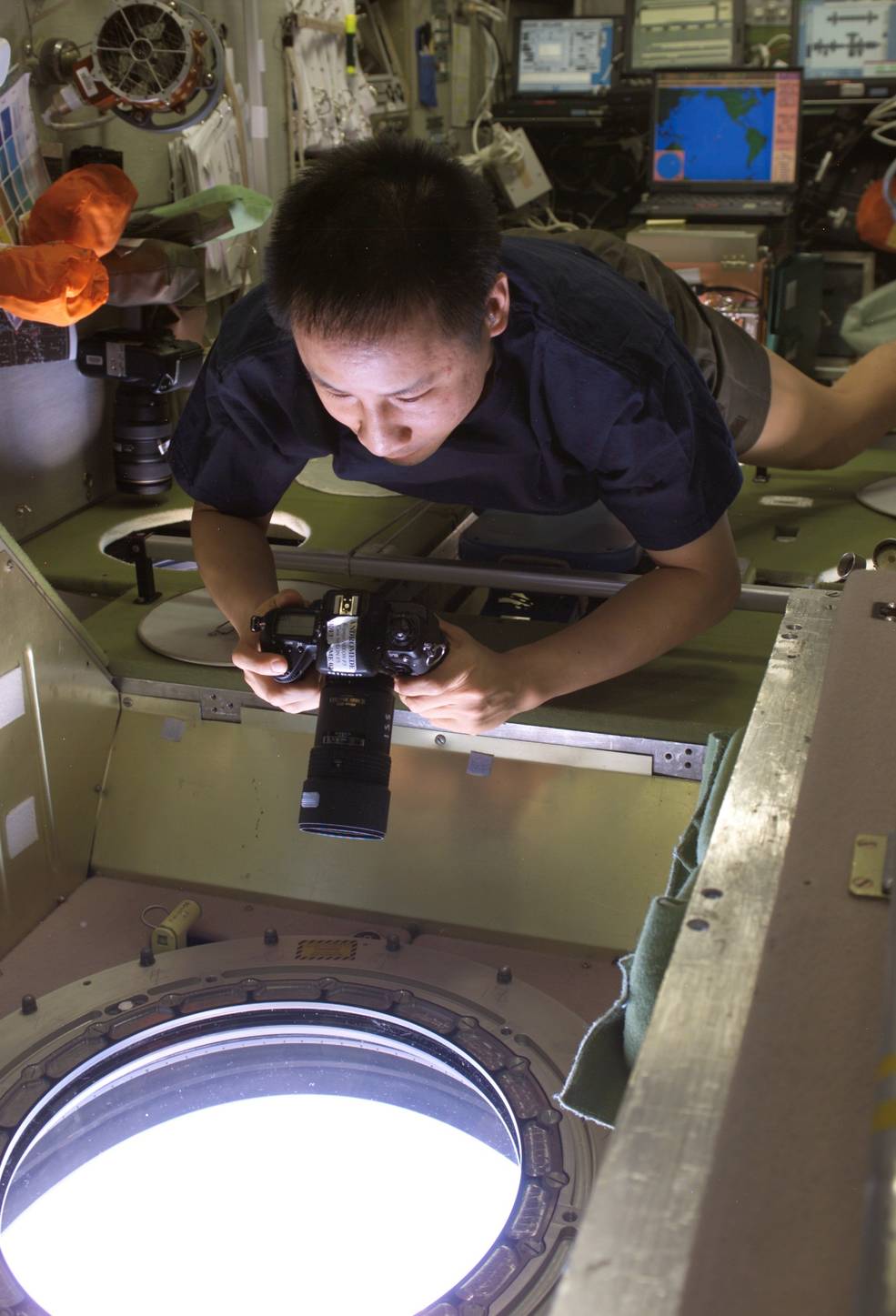
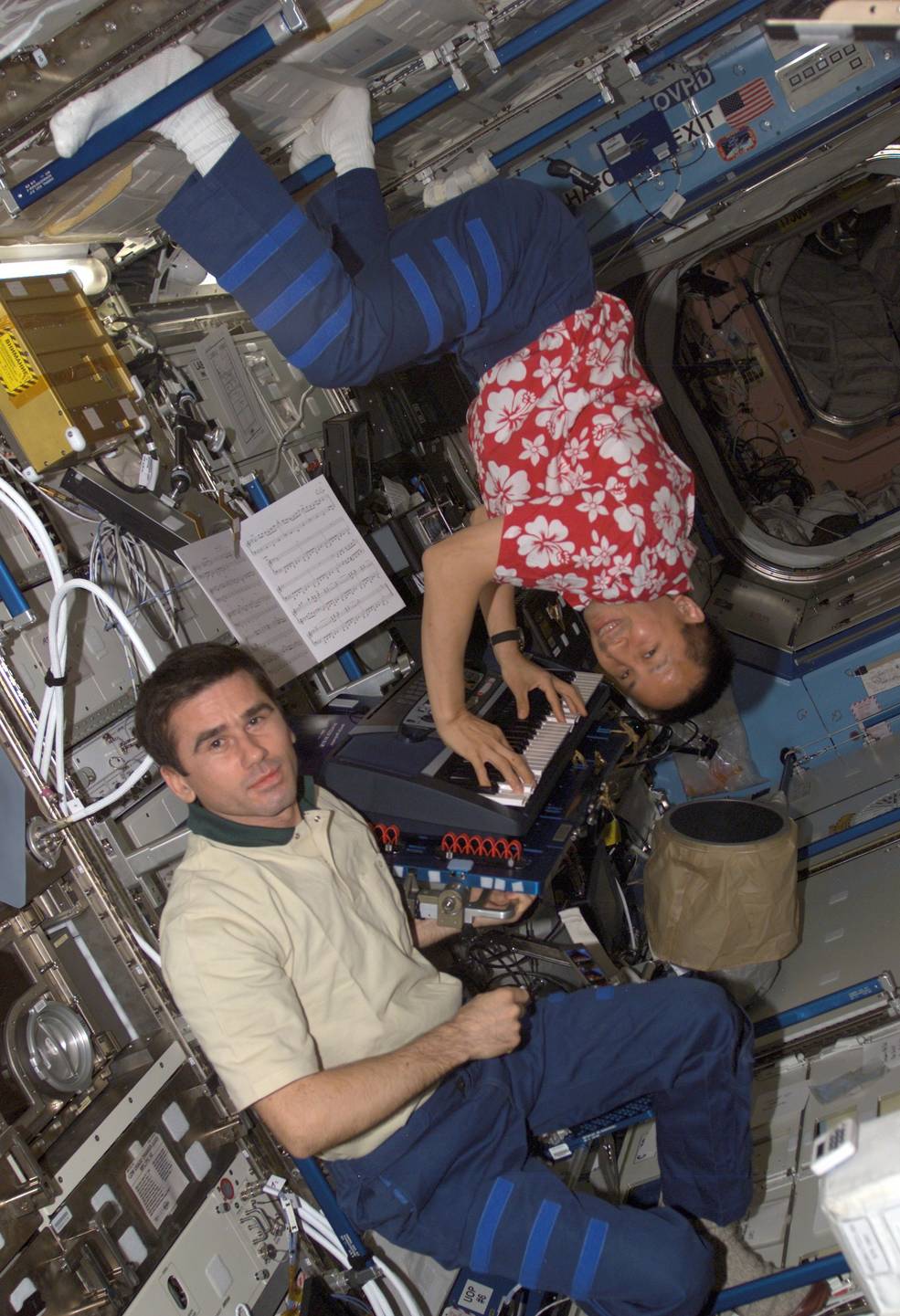
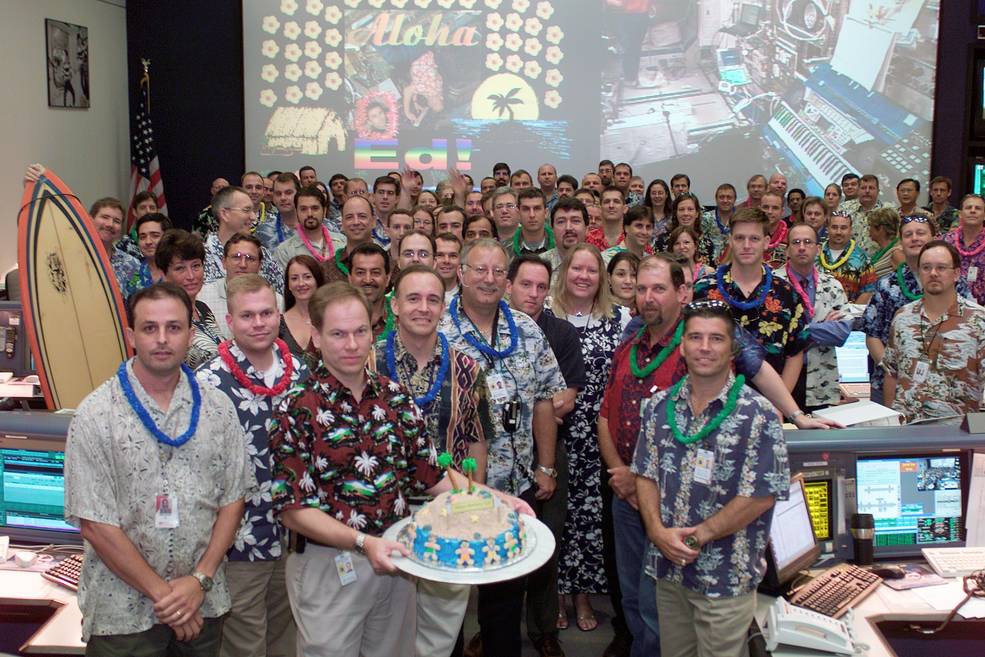
Lu returned to the space station in 2003, this time as Expedition 7 flight engineer, with his STS-106 crewmate Malenchenko as his commander. They launched on April 26 aboard Soyuz TMA2, the first two-person long-duration crew following the Columbia accident. The station had grown significantly since their last visit, with the addition of the Destiny U.S. laboratory module, the Canadarm2 robotic manipulator, the Quest airlock, a pair of large solar arrays, and two truss segments. In tribute to his home state of Hawaii, Lu enjoyed wearing colorful Aloha shirts and used Hawaiian musical instruments called pu’ili sticks for an educational demonstration. Aware of his penchant for the colorful Hawaiian shirts, personnel in the Mission Control Center at NASA’s Johnson Space Center in Houston all wore them to remotely celebrate Lu’s 40th birthday in July. Lu and Malenchenko returned to Earth in October 2003 after spending 185 days in space.
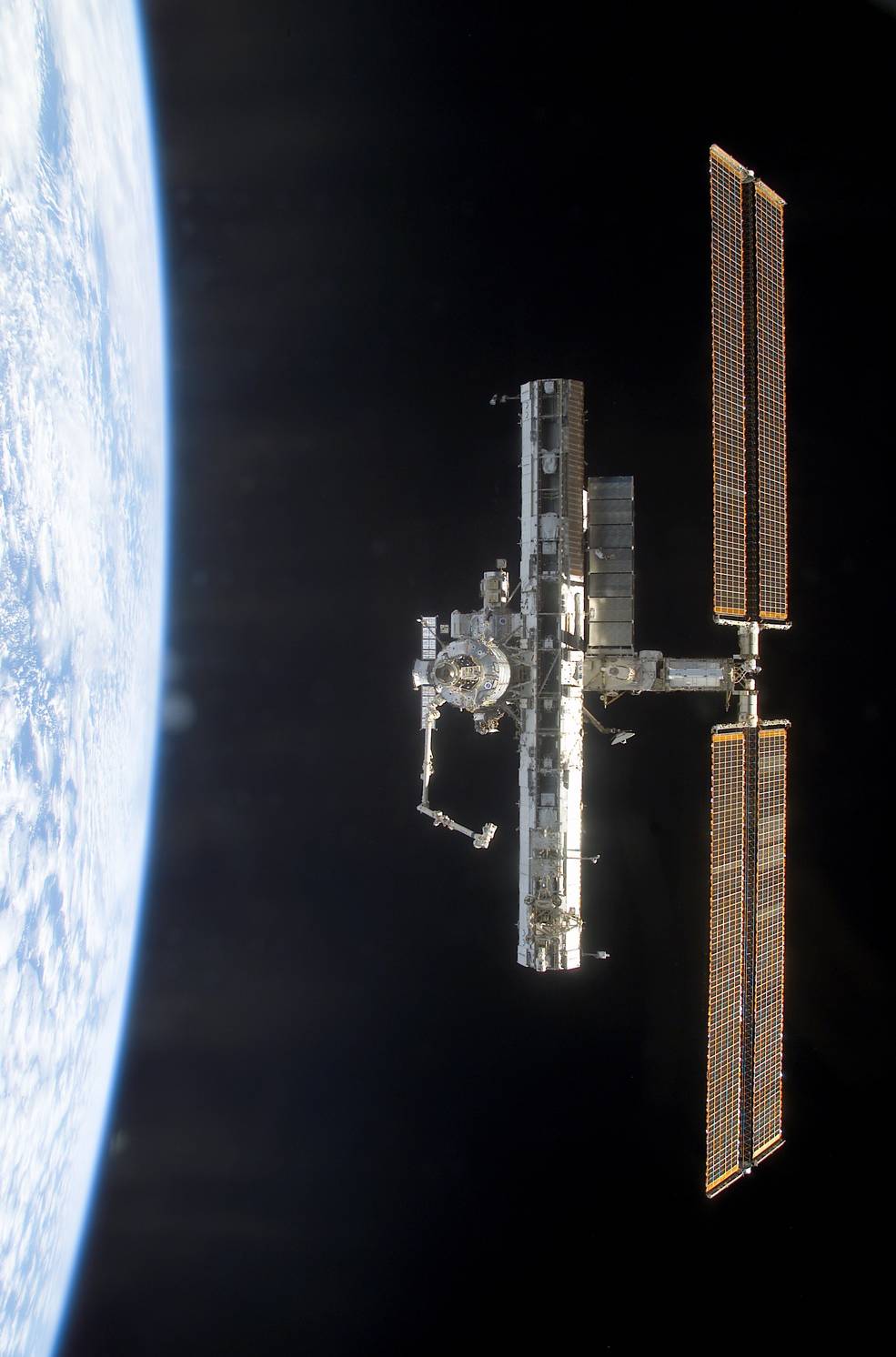
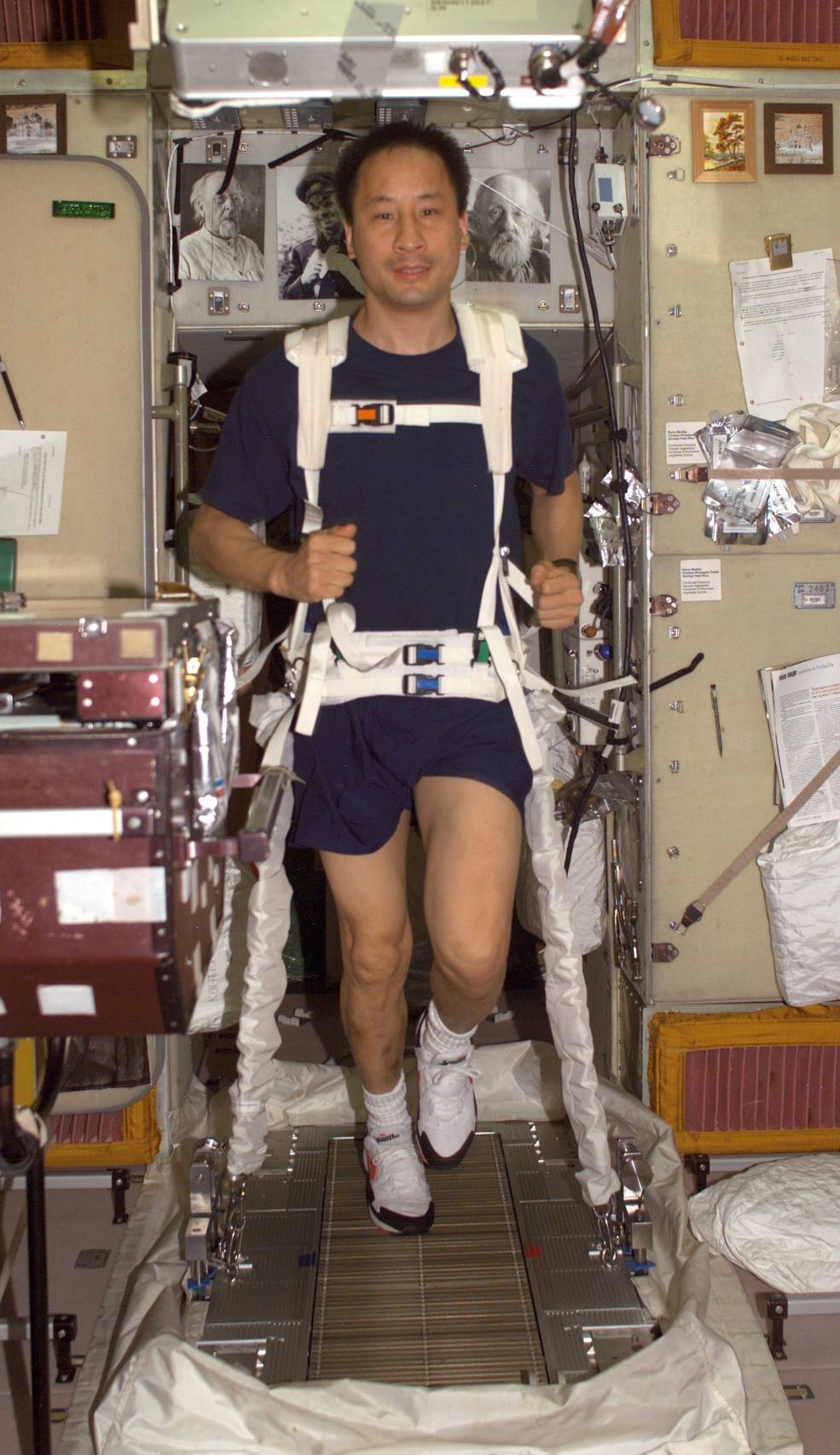
aapi_2021_9_lu_iss_from_sts_113_departure aapi_2021_8_exp_7_lu_running_on_treadmill_he_helped_install_during_sts_106 aapi_2021_10_lu_exp_7_ceo aapi_2021_11_lu_exp_7_playing_keyboard_w_yuri
Far left: The International Space Station as it appeared in 2003. Second from left:  NASA astronaut Edward T. Lu runs on the treadmill he helped to install during STS-106. Second from right: Lu takes Earth photographs from the Zvezda module. Far right: Lu plays the keyboard while wearing one of his signature Aloha shirts.
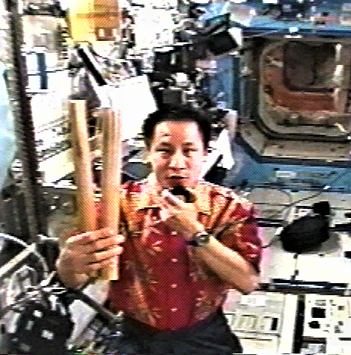
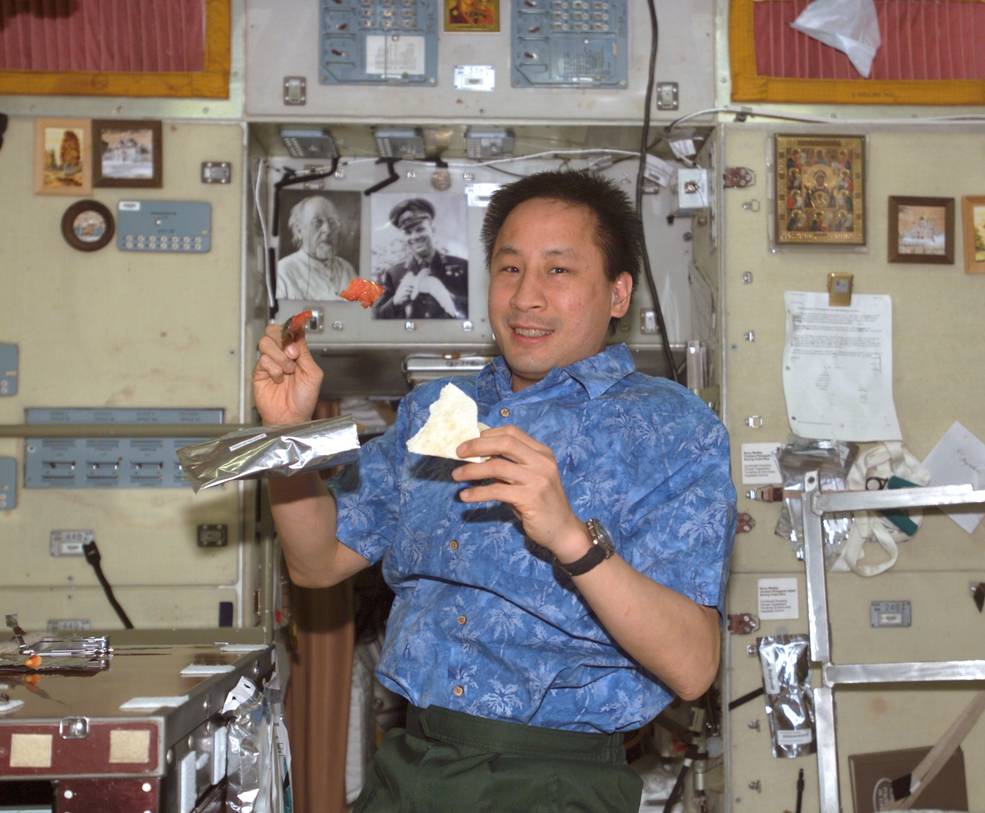
aapi_2021_12_exp_7_ed_lu_with_puili_sticks aapi_2021_13_lu_exp_7_blue_aloha_shirt_eating aapi_2021_14_lu_exp_7_mcc_birthday_celebration
Left: NASA astronaut Edward T. Lu, wearing an Aloha shirt, demonstrates the Hawaiian pu’ili musical instruments for an educational activity. Middle: Lu, wearing an Aloha shirt, enjoys a snack. Right: Personnel in the Mission Control Center at NASA’s Johnson Space Center in Houston wear Aloha shirts to celebrate Lu’s birthday.

Leroy Chiao

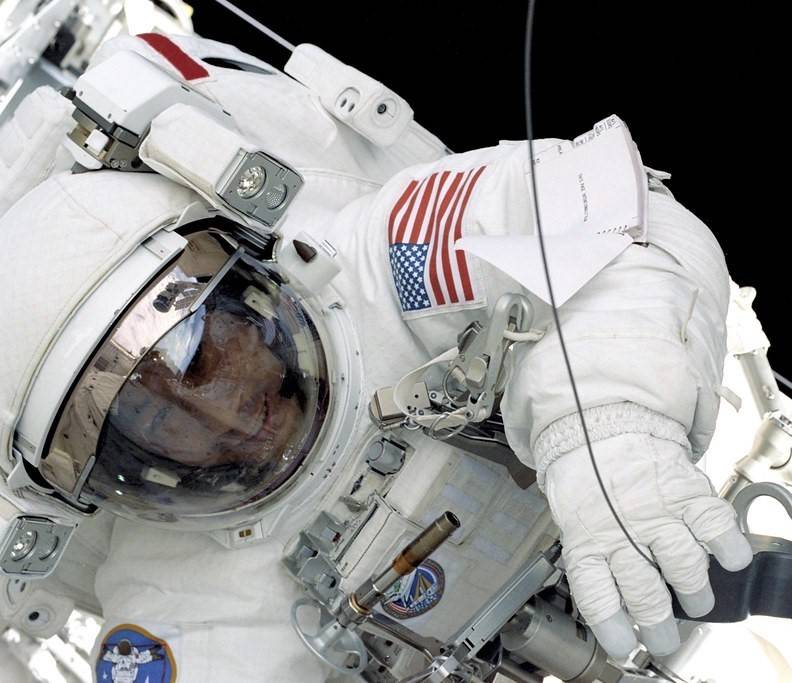
By the time NASA astronaut Leroy Chiao made his first visit to the space station, he had already flown two space shuttle missions, STS-65 and STS-72. During STS-92, he and his crewmates continued to prepare the station for its first occupants. Launching aboard Discovery on Oct. 11, 2000, they docked with the station two days later and began their assembly tasks. Chiao participated in two of the mission’s four spacewalks with crewmate NASA astronaut William S. McArthur to install the Z1 truss segment, the Space-to-Ground Antenna, Control Moment Gyros, and the third Pressurized Mating Adapter, spending more than 13 hours outside.
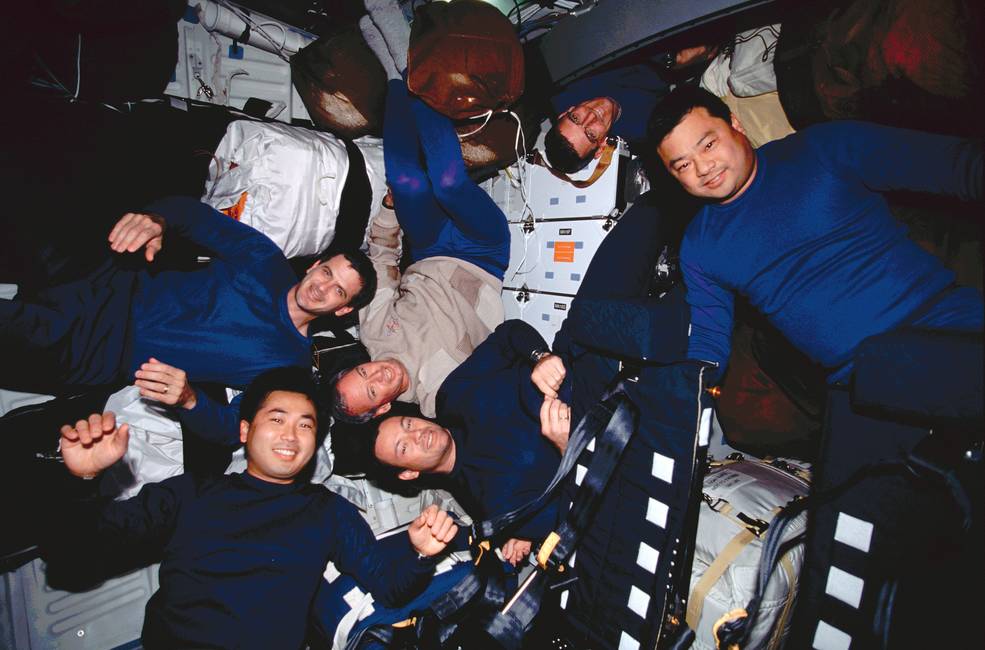
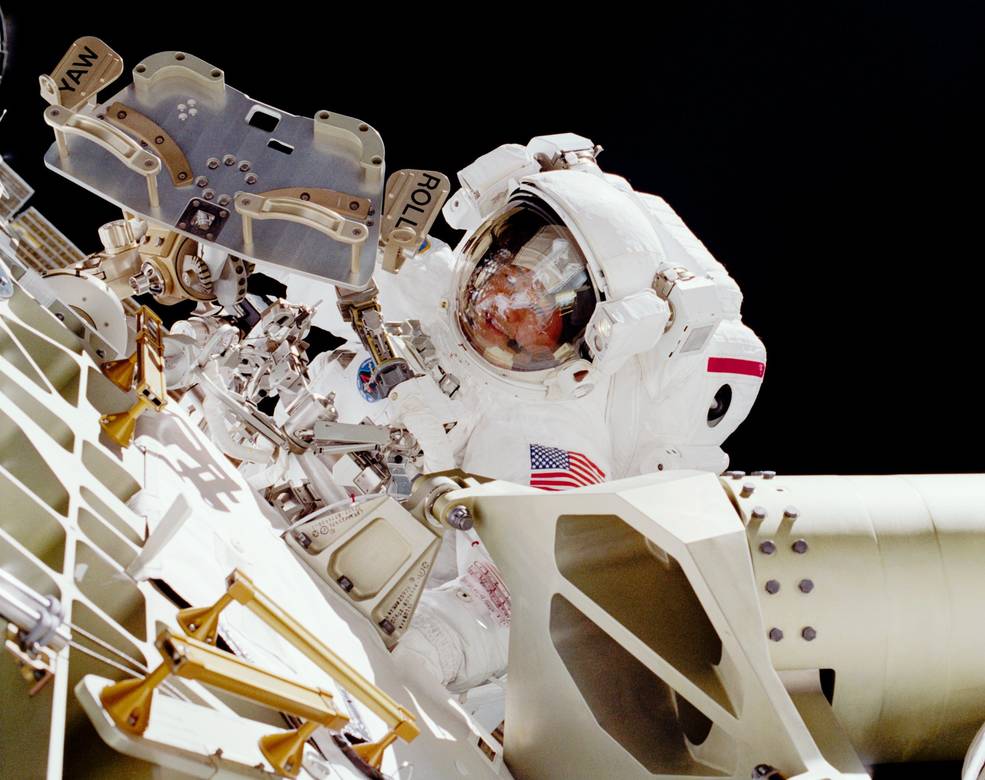
aapi_2021_15_chiao_and_sts_92_crew_in_middeck_deorbit_prep aapi_2021_16_chiao_eva1 aapi_2021_17_iss_from_sts-92_departing_showing_z1_and_sgant
Left: NASA astronaut Leroy Chiao and his STS-92 crewmates in Discovery’s middeck. Middle: Chiao during STS-92’s first spacewalk. Right: The space station as it appeared with the addition of the Z1 truss and high-gain antenna.

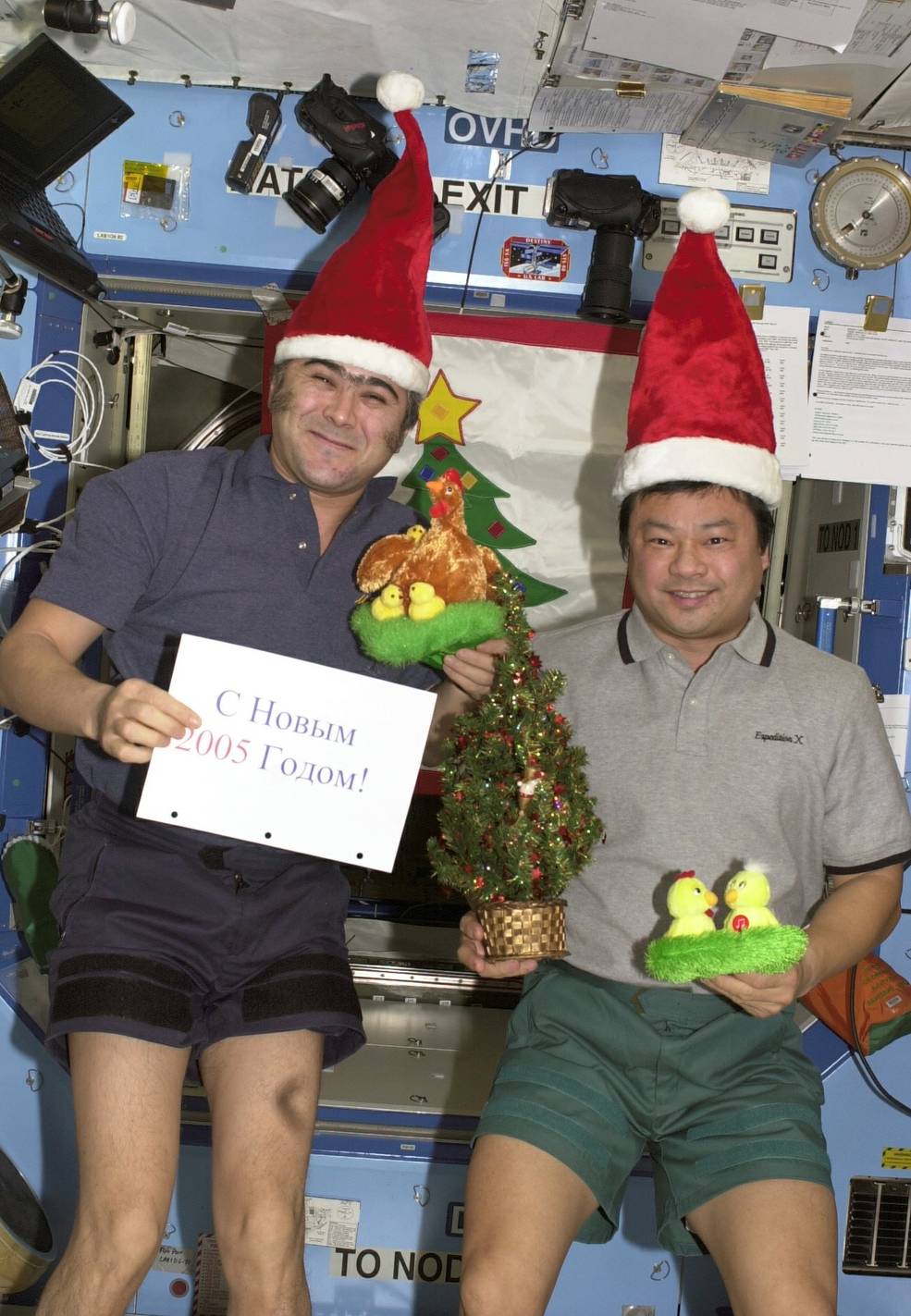
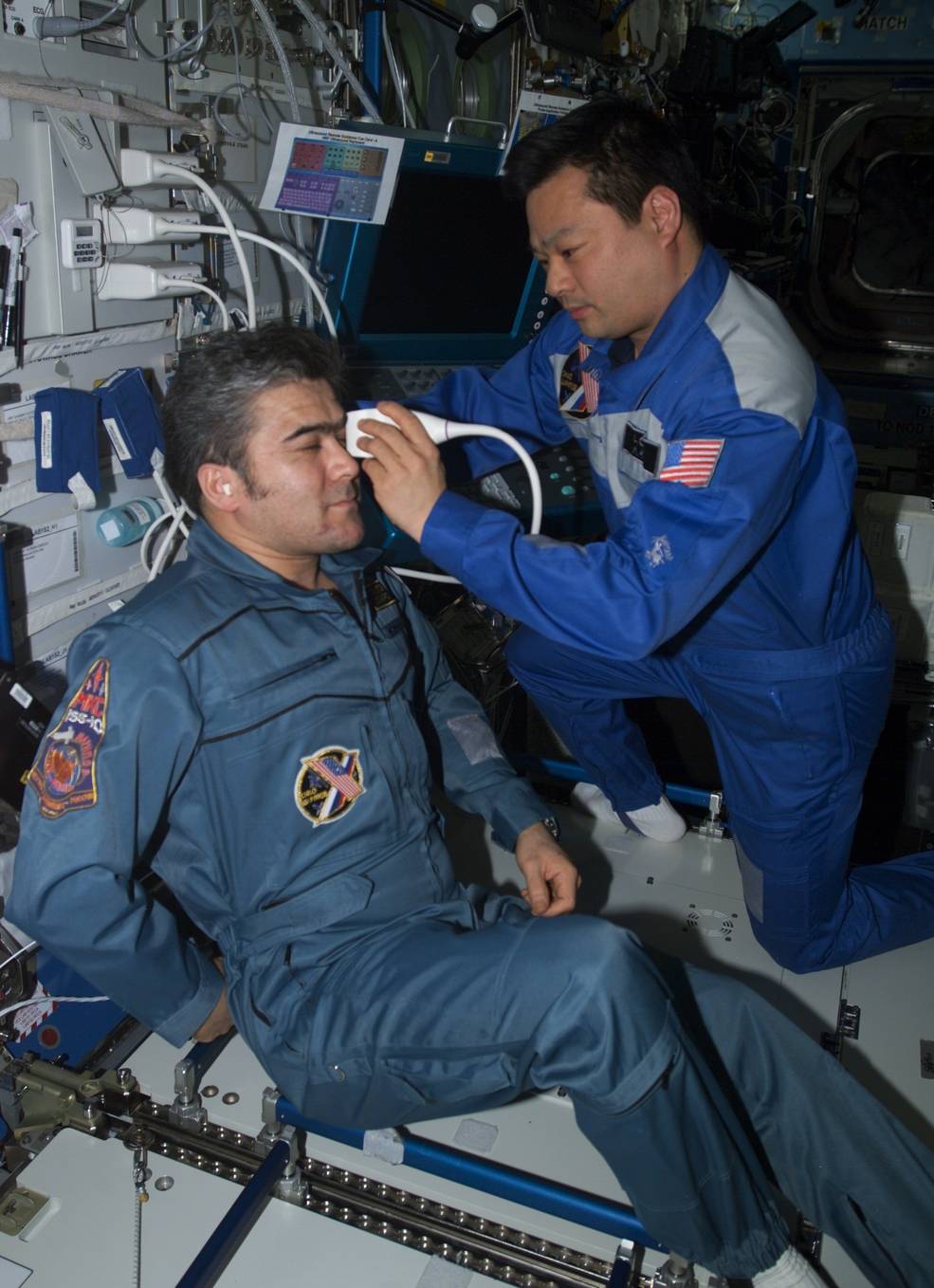
For his second visit to the space station, Chiao went to stay, as commander of Expedition 10. He and his crewmate, Russian cosmonaut Salizhan S. Sharipov, originally from Kyrgyzstan, launched aboard Soyuz TMA-5 on Oct. 14, 2004. The two conducted maintenance on the station and performed a pair of spacewalks. Part of Chiao’s research program involved ultrasound studies in microgravity. As a first, he submitted the results of the experiment to a scientific journal from the space station. Chiao and Sharipov landed back on Earth in April 2005 after 193 days in space.
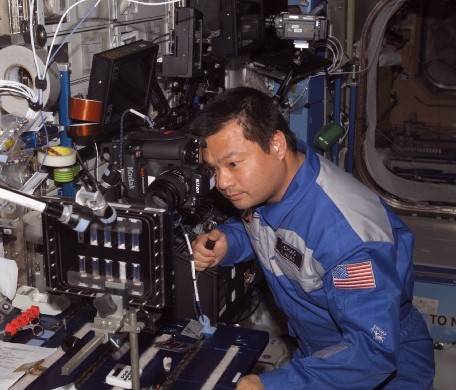
aapi_2021_18_bcat_exp_10_chiao_1 aapi_2021_19_adum_exp_10_3 aapi_2021_20_chiao_and_sharipov_happy_new_year
Left: NASA astronaut Leroy Chiao works on a colloid physics experiment in the Destiny module. Middle: Chiao, right conducts an ultrasound examination on Russian cosmonaut Salizhan S. Sharipov. Right: Holiday season aboard the space station during Expedition 10.
aapi_2021_21_chiao_eating_w_chopsticks_in_zvezda aapi_2021_22_chiao_after_landing
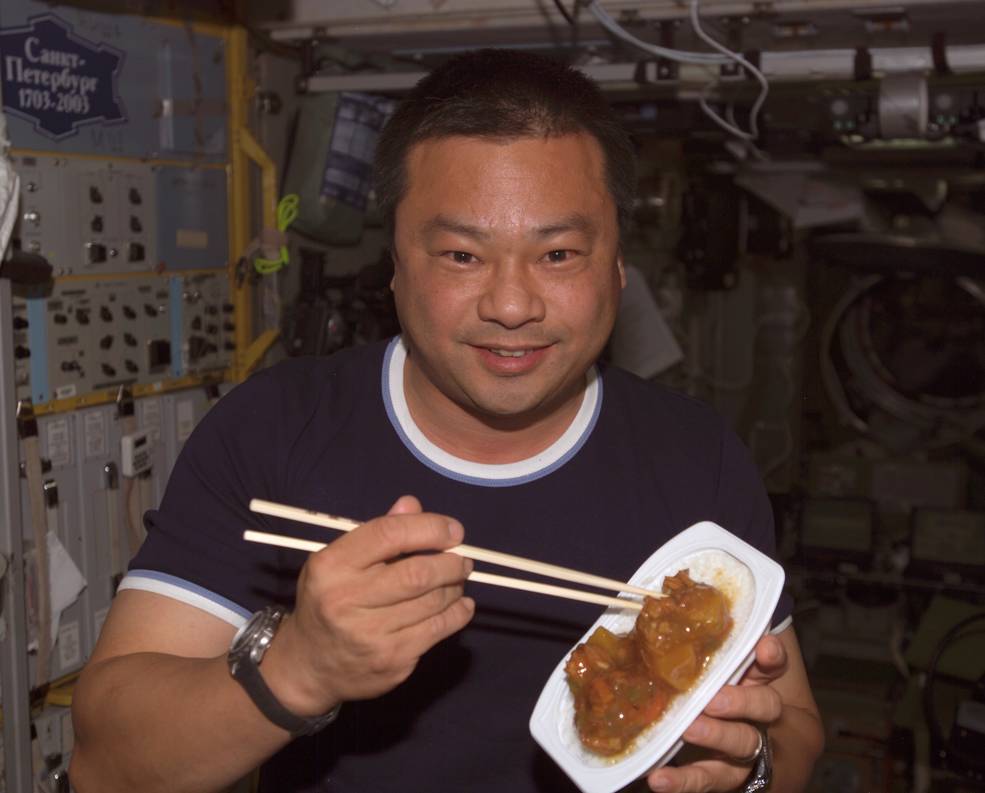
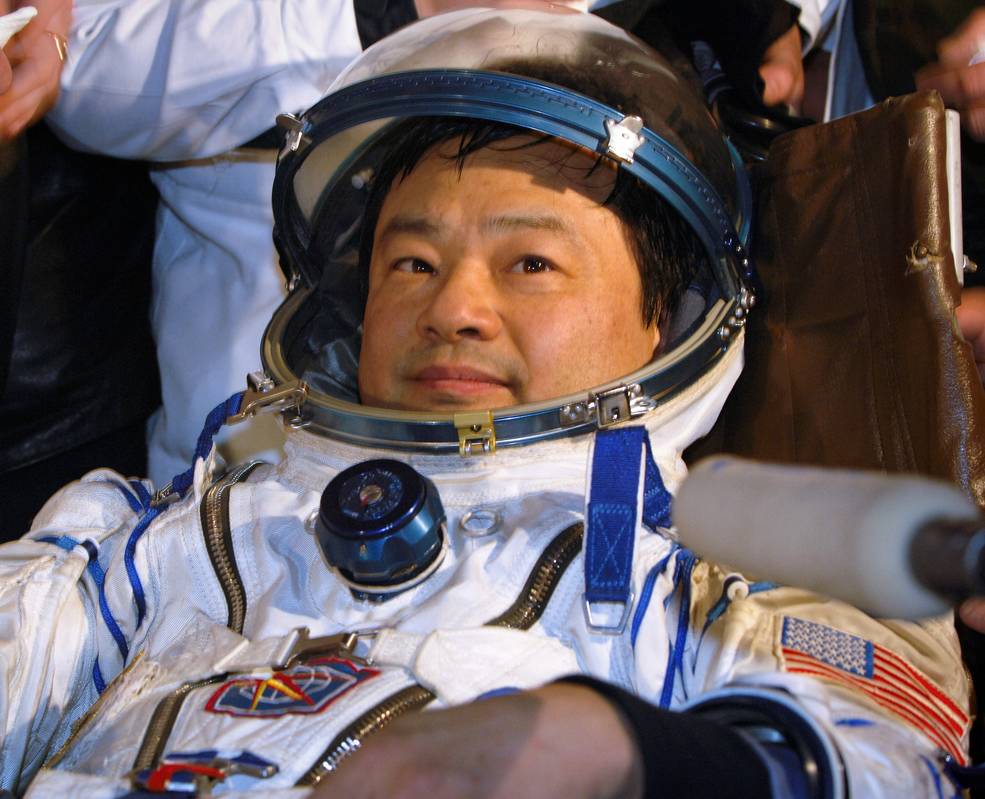
Left: NASA astronaut Leroy Chiao enjoys a meal aboard the space station. Right: Chiao shortly after landing back on Earth.

Mark L. Polansky

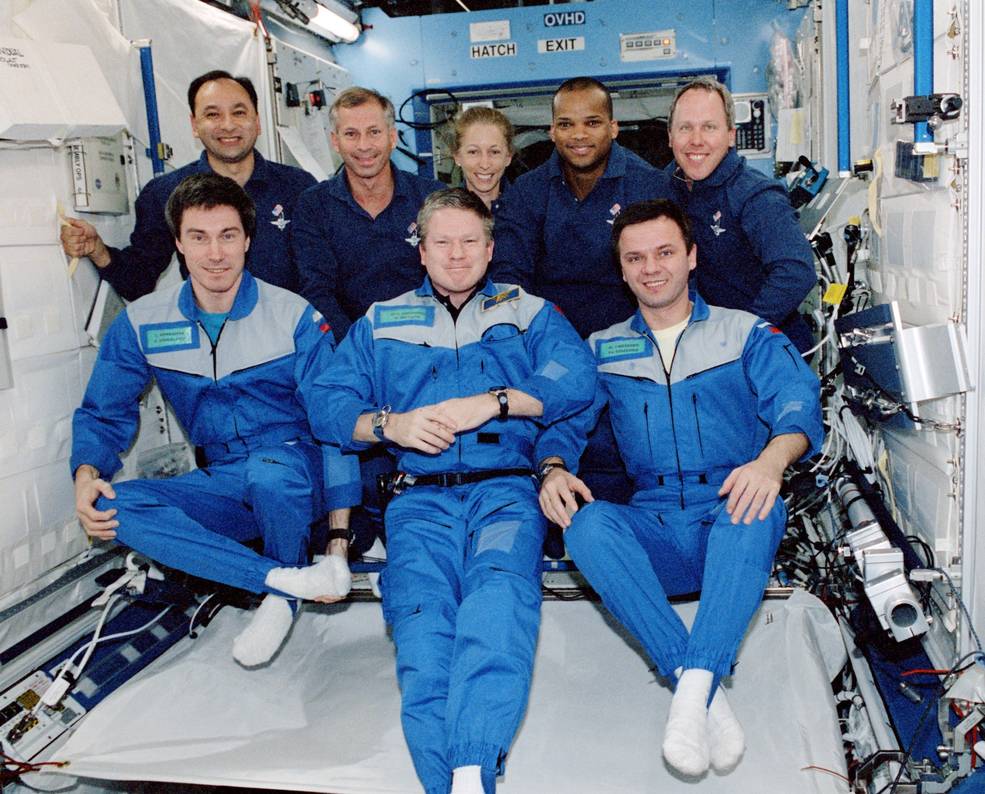
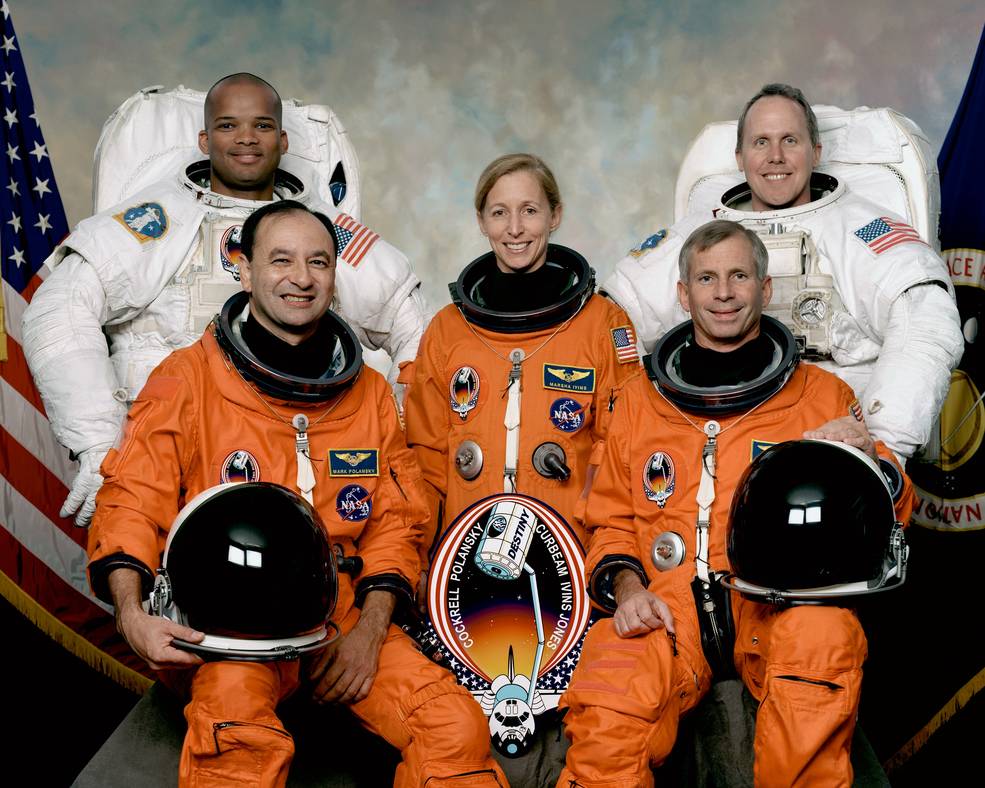
On his first space flight, Mark L. Polansky served as pilot of STS-98, the mission that delivered the U.S. Laboratory Module Destiny to the space station in February 2001. In addition to accommodating research facilities and life support systems, Destiny significantly increased the station’s habitable volume. Atlantis’ astronauts performed three spacewalks to complete the installation of the module, that they jointly dedicated with the Expedition 1 crew, nearing the end of history-making mission.
aapi_2021_23_sts_98_crew_photo aapi_2021_24_transfer_of_destiny aapi_2021_25_polansky_and_sts_98_crew_and_exp_1_crew_posing_inside_newly_installed_destiny
Left:  NASA astronaut Mark L. Polansky, front row, left, with his STS-98 crewmates. Middle: The robotic arm lifts the Destiny module from Atlantis’ payload bay. Right: Polansky, back row, left, with his STS-98 crewmates and the Expedition 1 crew in the newly delivered Destiny module.

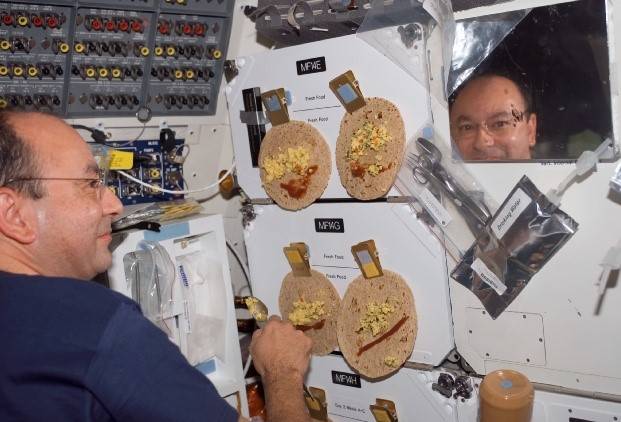
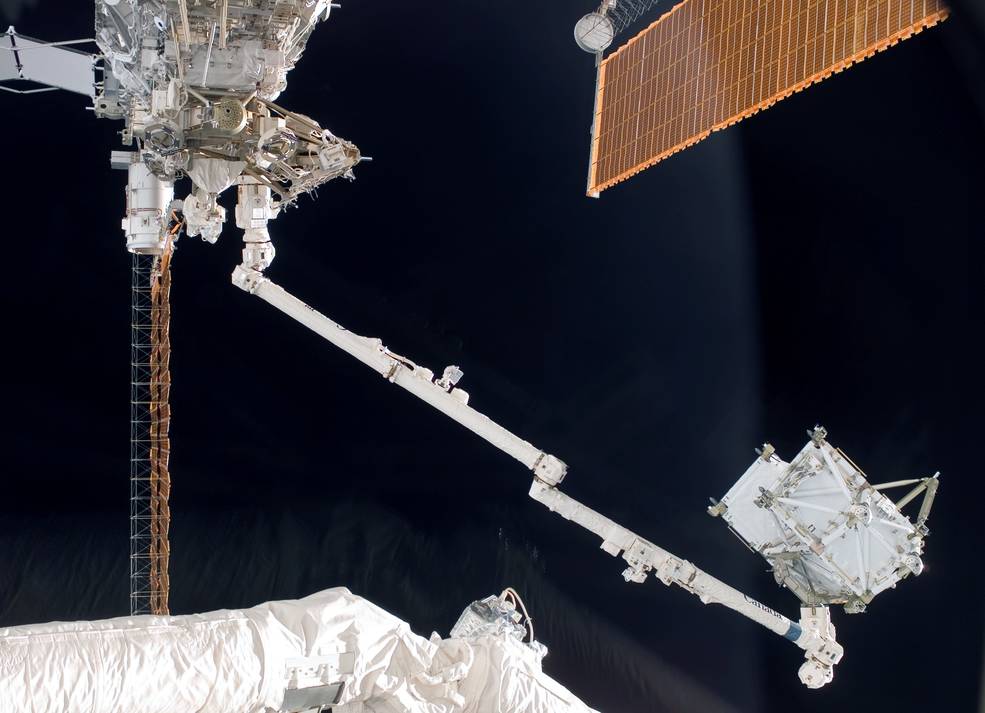
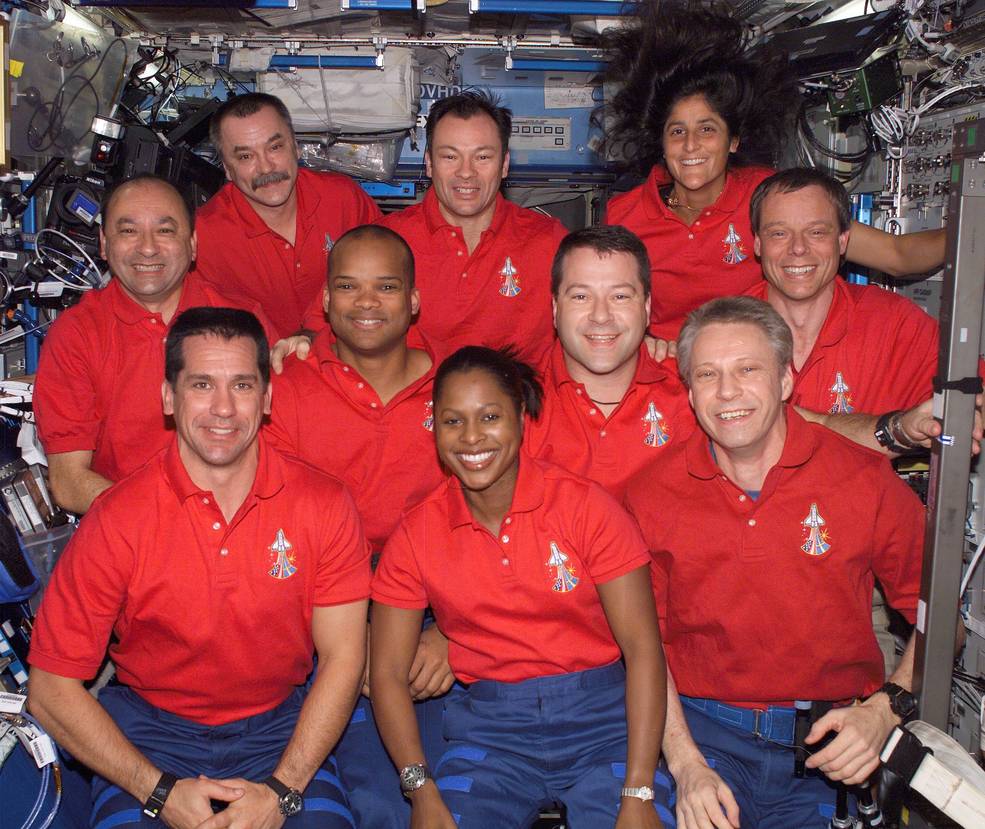
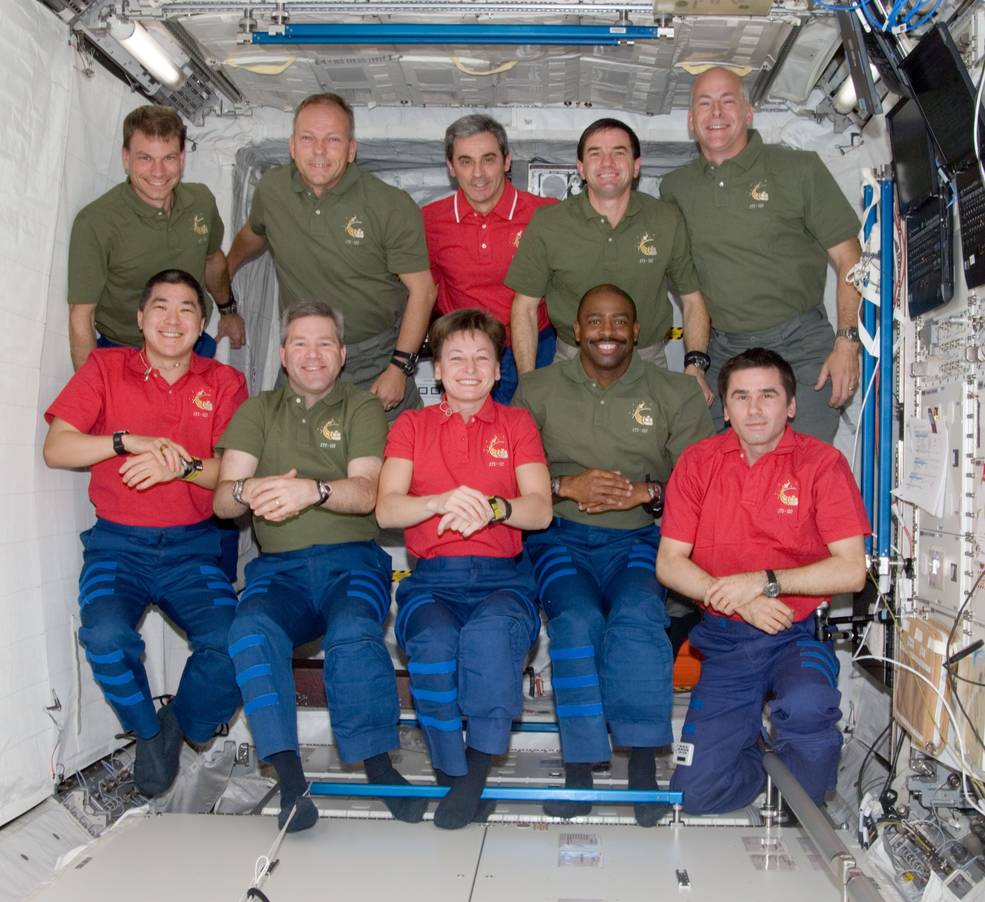
For his second visit to the space station in December 2006, Polansky served as commander of STS-116, the flight that delivered the P5 truss segment to the orbital laboratory. The first post-Columbia accident crew rotation took place during STS-116, in which NASA astronaut Sunita L. “Suni” Williams replaced European Space Agency (ESA) astronaut Thomas Reiter on the Expedition 14 crew. The STS-116 astronauts conducted four spacewalks to install and connect the P5 truss and to reconfigure the station’s electrical power channels, some of the most complex tasks ever accomplished in space.
aapi_2021_26_ssrms_moving_p5_truss aapi_2021_27_sts_116_and_exp_14_crews_in_destiny aapi_2021_28_breakfast_burritos_sts_116_dec_2006
Left: The station’s robotic arm lifts the P5 truss segment out of Discovery’s payload bay. Middle: NASA astronaut Roman L. Polansky, middle row, left, with his STS-116 crewmates and the Expedition 14 crew. Right: Polansky prepares breakfast burritos in Discovery’s middeck.

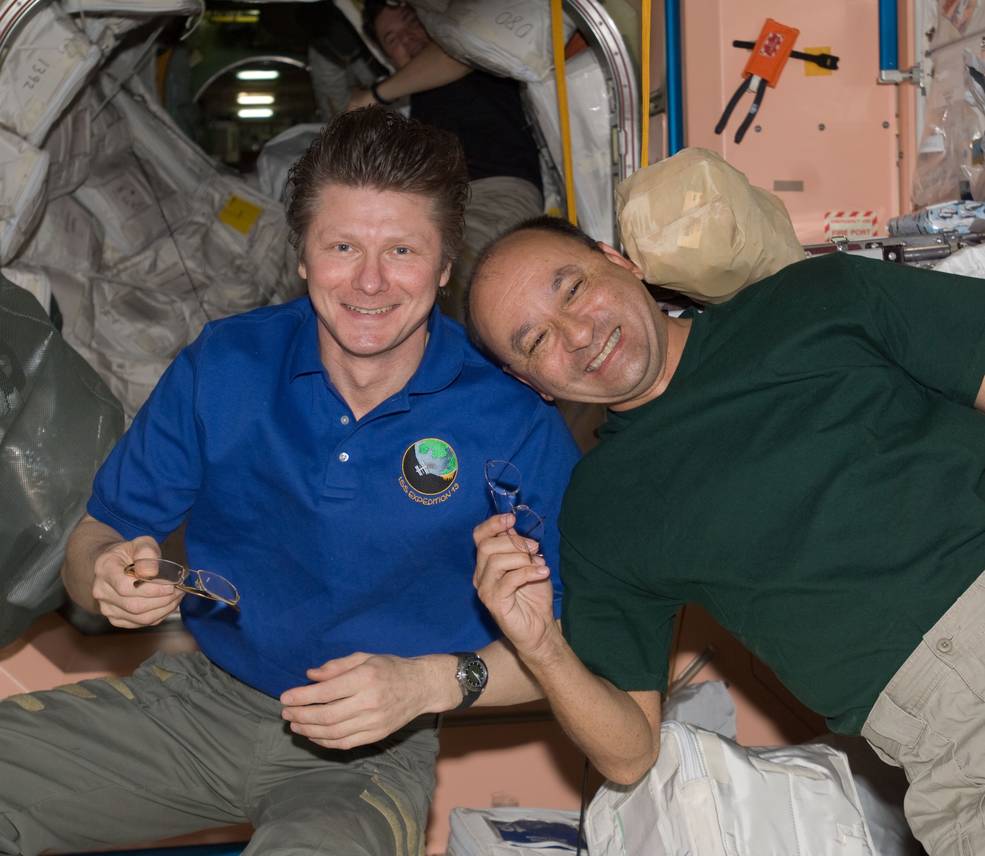
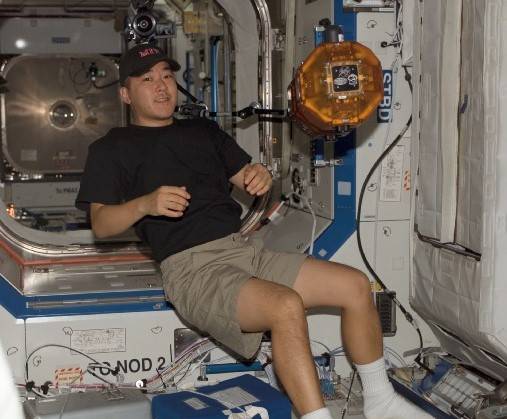
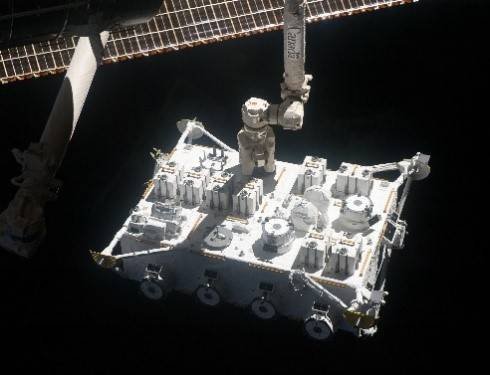
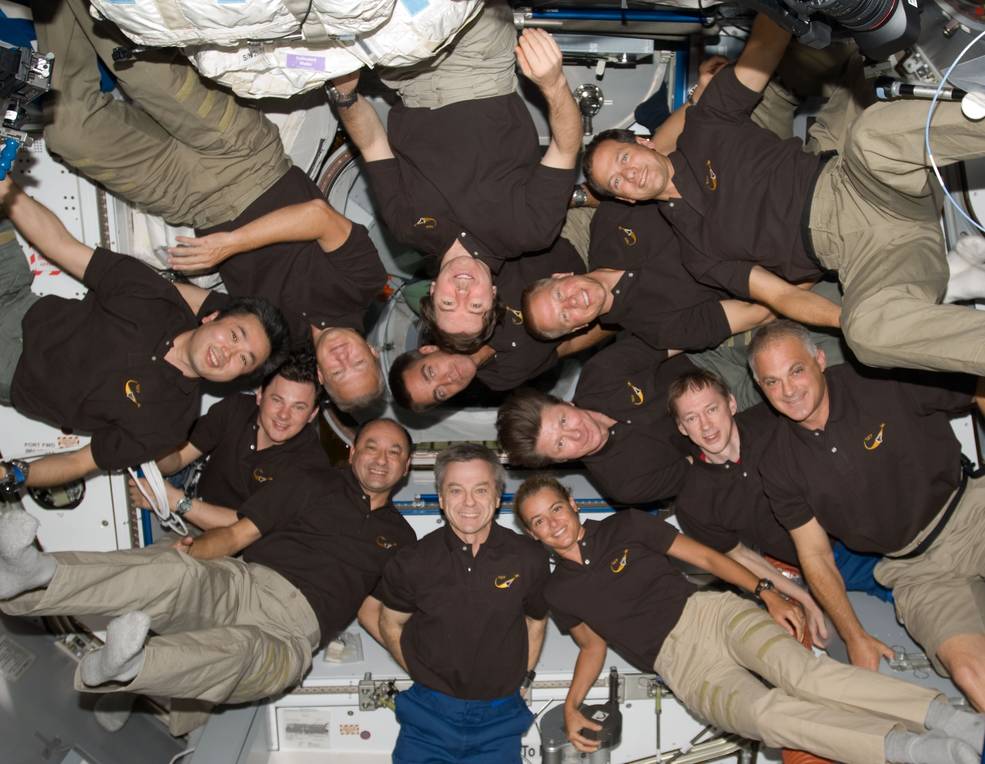
Polansky once again served as commander for his third and final visit to the space station, STS-127 in July 2009. During this mission, space shuttle Endeavour delivered the Exposed Facility for the Kibo Japanese Experiment Module (JEM-EF), a platform for hosting external payloads. Several members of the crew completed five spacewalks to perform a variety of assembly and maintenance tasks. As part of a crew rotation, NASA astronaut Timothy L. Kopra replaced Japan Aerospace Exploration Agency (JAXA) astronaut Koichi Wakata on the Expedition 20 crew.
aapi_2021_29_polansky_sts_127_jem-ef_transfer aapi_2021_30_sts_127_and_exp_20_crews_in_destiny aapi_2021_31_polansky_and_exp_20_cdr_padalka_holding_glasses
Left: The station’s robotic arm lifts the Japanese Experiment Module’s Exposed Facility from the shuttle’s payload bay. Middle: NASA astronaut Mark L. Polansky, lower left, with his STS-127 crewmates and the Expedition 20 crew. Right: Polansky, right, and Expedition 20 commander Russian cosmonaut Gennadi I. Padalka compare their eyeglasses.

Daniel M. Tani

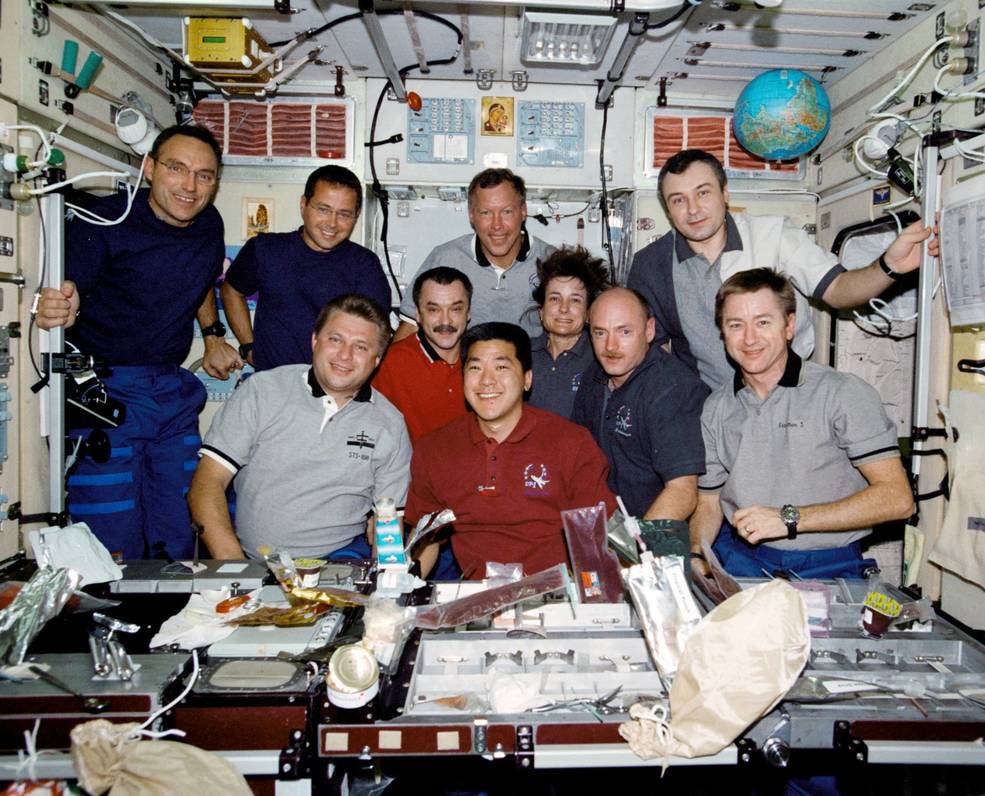
NASA astronaut Daniel M. Tani completed his first space flight during the STS-108 mission. Launched on Dec. 5, 2001, space shuttle Endeavour carried the Rafaello Multi-Purpose Logistics Module (MPLM) in its payload bay, bringing supplies and scientific equipment to the station. Tani completed a 4-hour spacewalk with fellow NASA astronaut Linda M. Godwin to install insulation blankets on the station’s solar array rotary joints. The mission also completed the handover between the Expedition 3 and 4 crews.
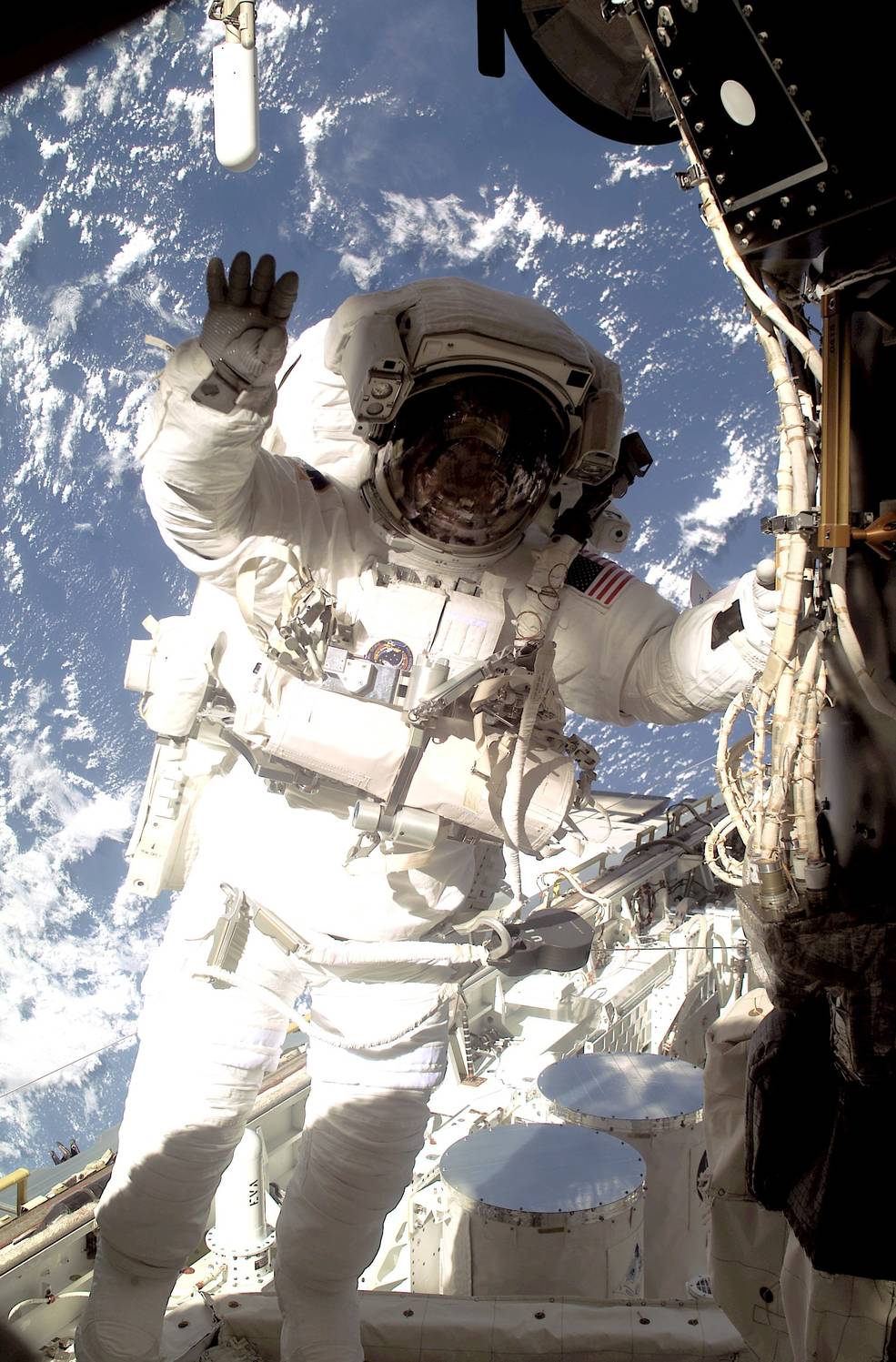
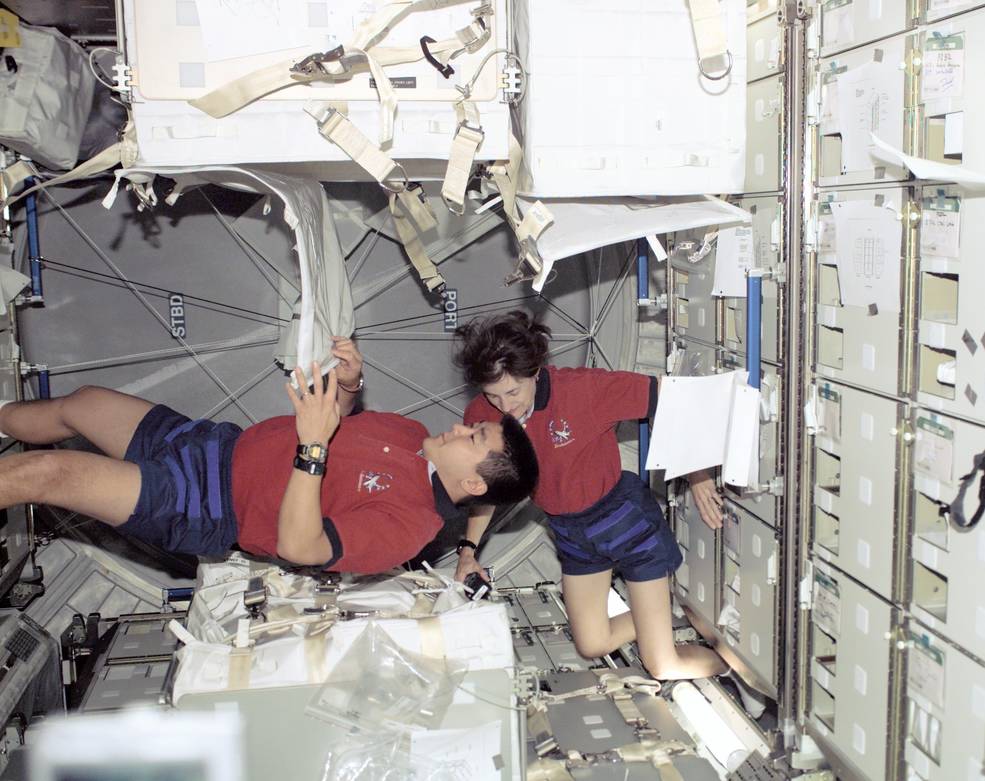
aapi_2021_32_tani_sts_108_eva aapi_2021_33_tani_in_working_stowage_bag_in_mplm aapi_2021_34_tani_w_sts_108_exp_3_and_exp_4_crews_mealtime_in_zvezda
Left: NASA astronaut Daniel M. Tani waves during his STS-108 spacewalk. Middle: Tani, left, with STS-108 crewmate NASA astronaut Linda M. Godwin inspects stowage bags in the Multi-Purpose Logistics Module. Right: Tani, front row, center, with his STS-108 crewmates and the Expedition 3 and 4 crews.

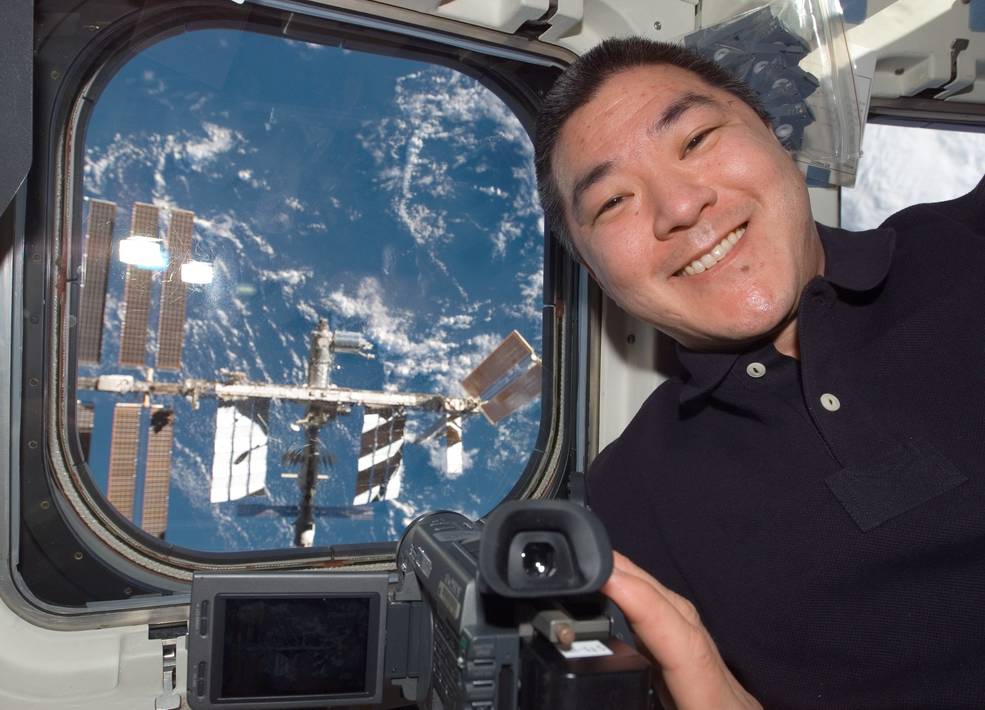
Next up for Tani involved a long-term visit to the space station, as a member of Expedition 16. He launched as part of the STS-120 crew on Oct. 23, 2007, the flight of Discovery that brought the Harmony Node 2 module to the station. A critical element, Node 2 served as a hub for the addition of the European and Japanese research modules. With Discovery still docked to the station, Tani conducted one spacewalk with fellow NASA astronaut Scott E. Parazynski to disconnect the P6 truss segment from its Z1 location prior to its robotic relocation to the main station truss. After joining the Expedition 16 crew, and having exchanged places with NASA astronaut Clayton C. Anderson, Tani performed five spacewalks with station commander NASA astronaut Peggy A. Whitson to finish the installation of the Harmony module. Swapping places with ESA astronaut Léopold P. Eyharts, Tani returned to Earth in February 2008 during the STS-122 mission of Atlantis, the flight that brought the European Columbus research module to the orbiting laboratory. His efforts helped to greatly enlarge the station’s capabilities. During his two flights, Tani spent 132 days in space and 39 hours on spacewalks.
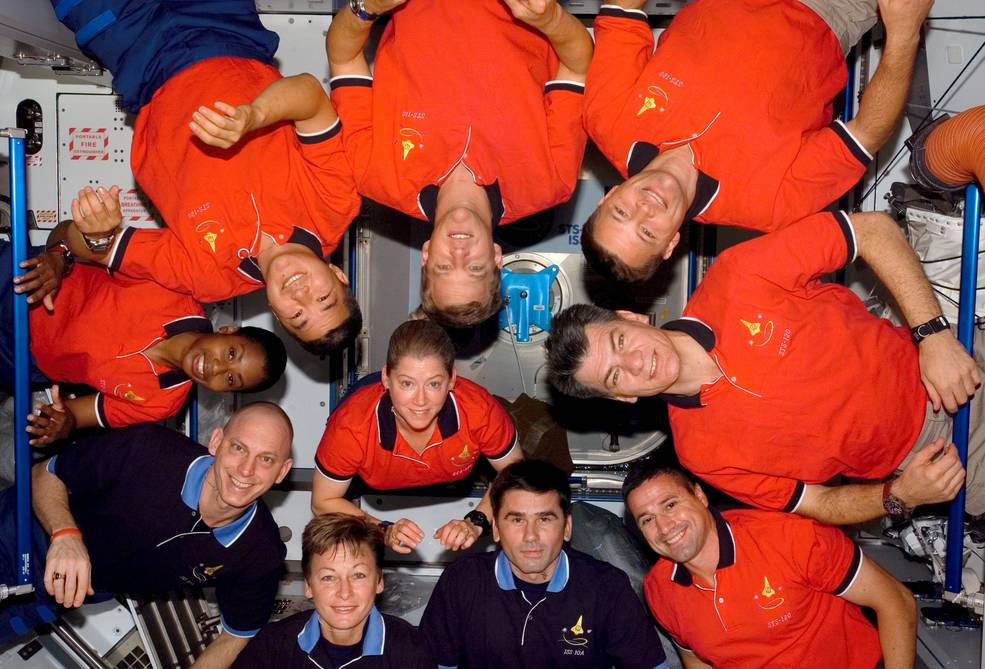
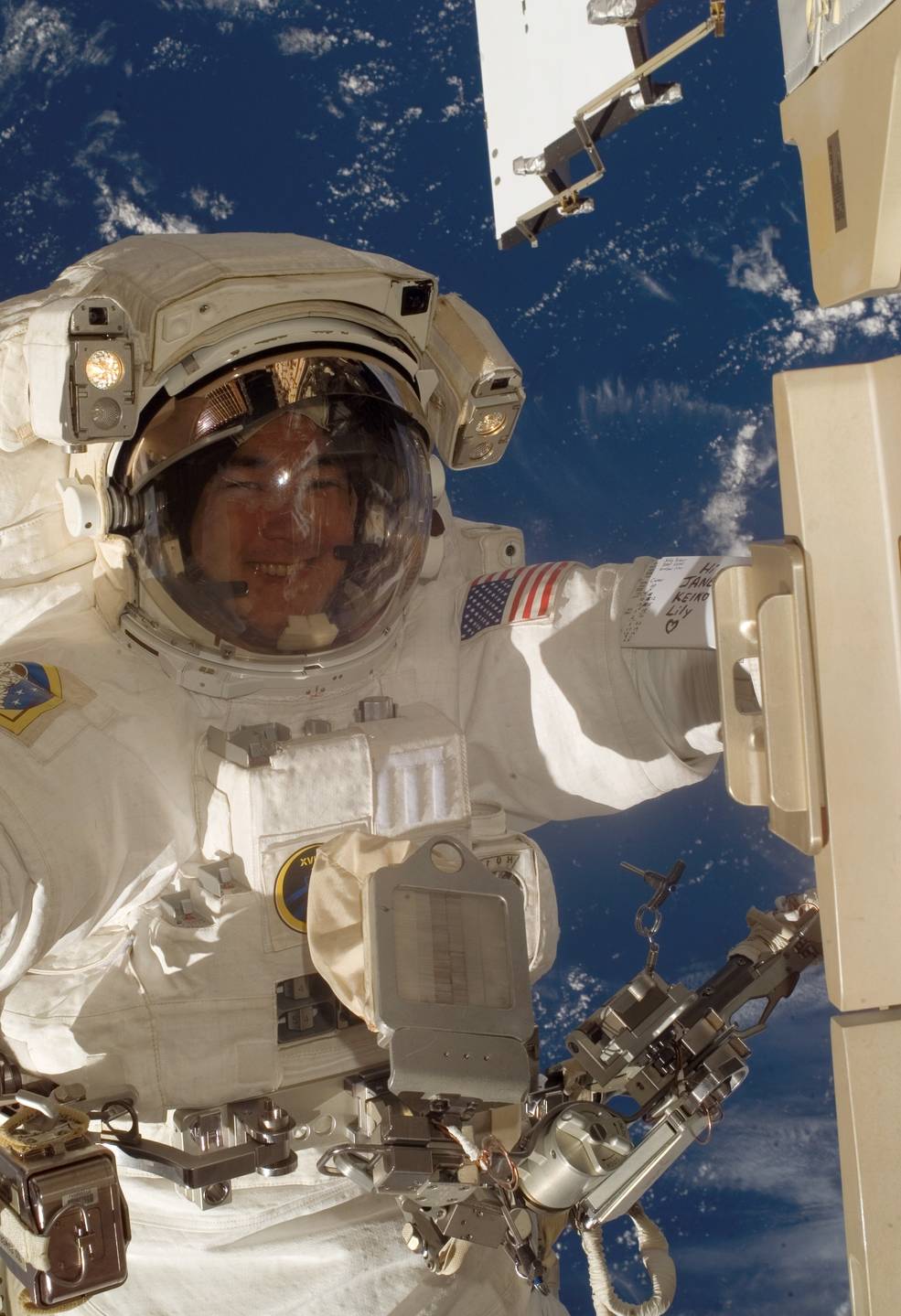
aapi_2021_35_sts_120_and_exp_16_crews_pose_in_newly_installed_harmony aapi_2021_36_tani_eva14_jan_2008 aapi_2021_37_spheres_exp_16_dec_2007
Left: NASA astronaut Daniel M. Tani, upper left, with his STS-120 crewmates and the Expedition 16 crew. Middle: Tani during his fourth Expedition 16 spacewalk. Right: Tani works with the SPHERES experiment in the Destiny module.
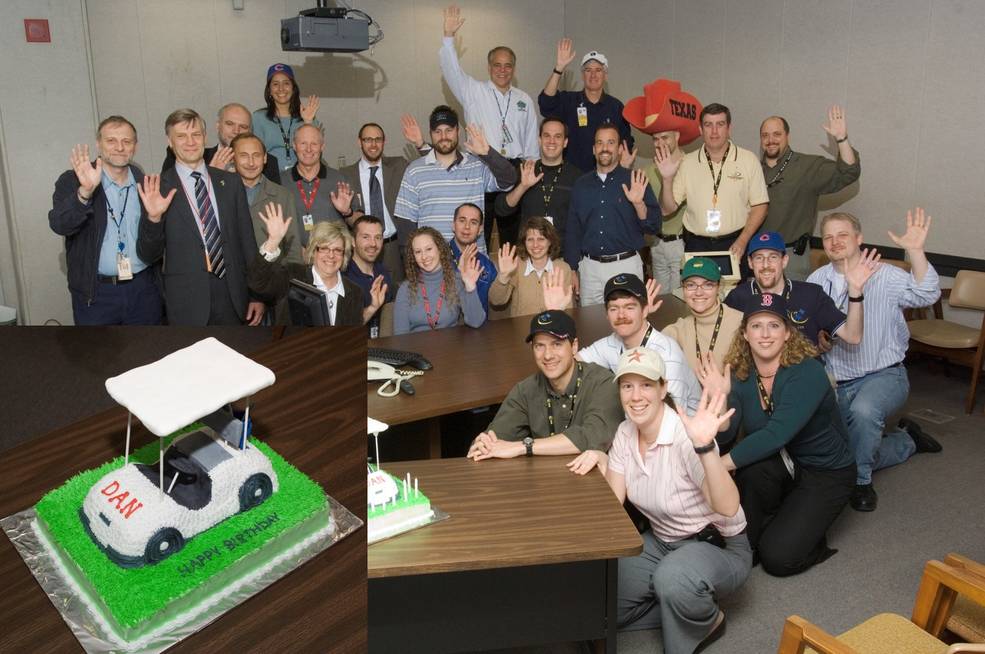
aapi_2021_38_tani_bday_cake_in_mcc_exp_16 aapi_2021_39_tani_w_sts_122_and_exp_16_crews_in_newly_delivered_columbus aapi_2021_40_tani_w_iss_in_window
Left: Personnel in the Mission Control Center at NASA’s Johnson Space Center in Houston wish astronaut Daniel M. Tani a happy birthday – inset shows a close-up of his golf cart-shaped birthday cake. Middle: Tani, front row at left, with his Expedition 16 crewmates and the STS-122 crew. Right: Tani on Discovery’s flight deck with the space station, including the Node 2 and Columbus modules added during his stay, visible through the window.

Franklin R. Chang-Díaz

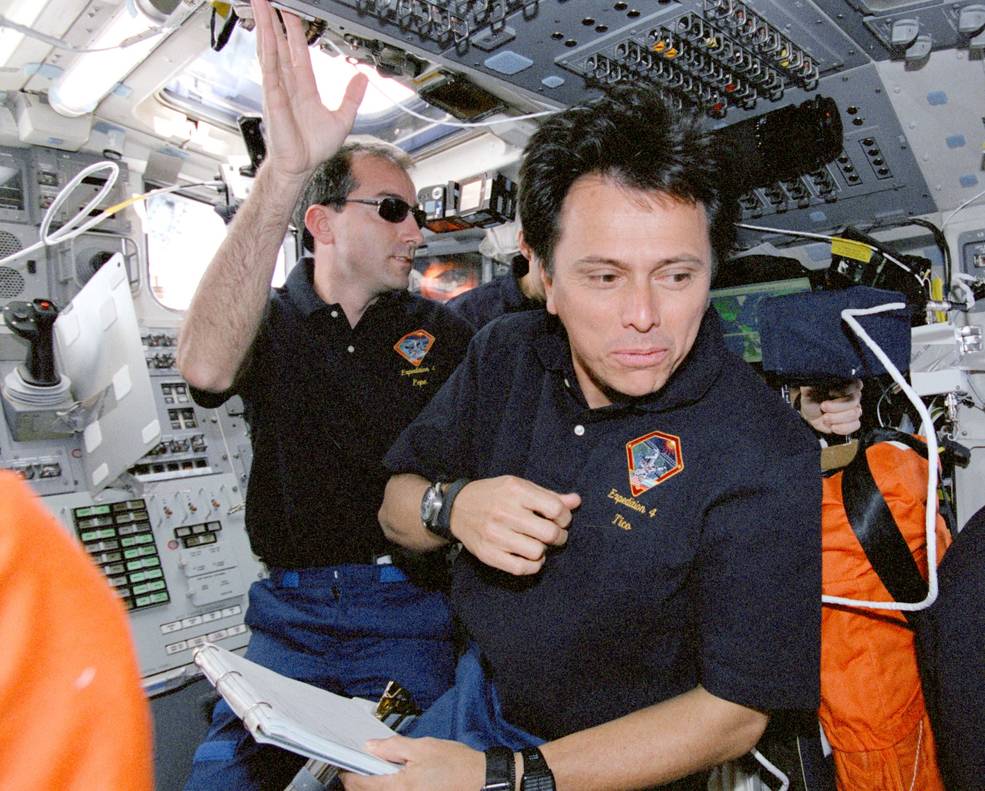
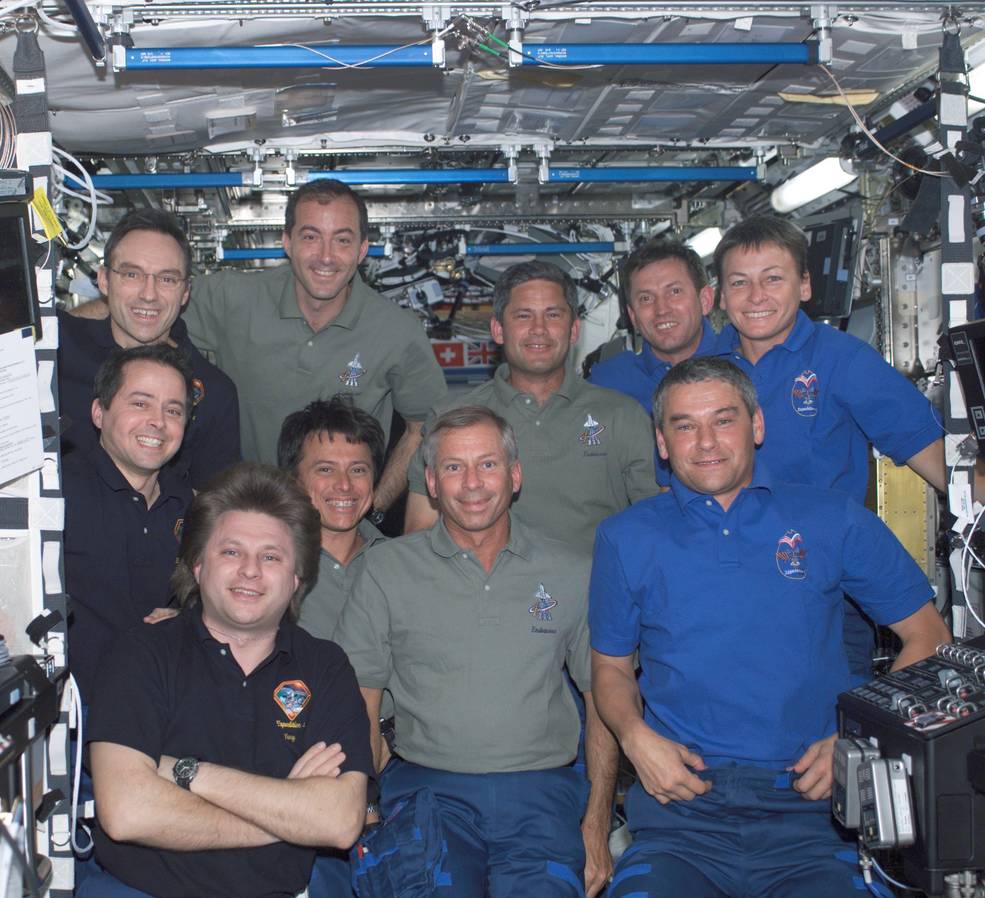
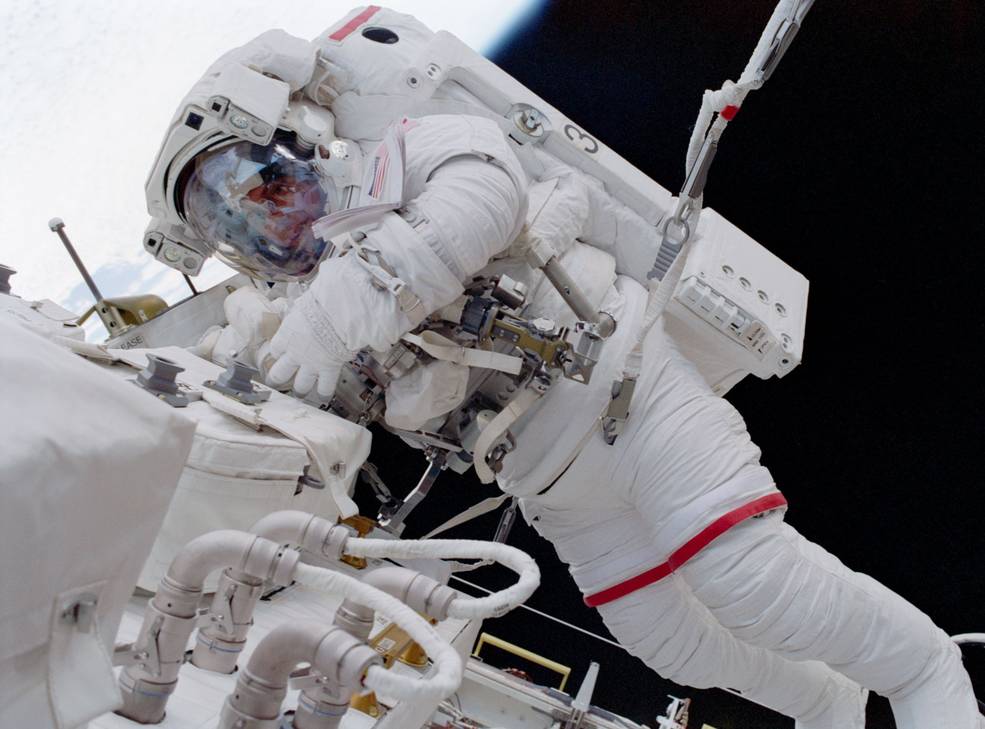
During his record-tying seventh trip into space, NASA astronaut Franklin R. Chang-Díaz made his only visit to the space station. The main goals of Endeavour’s STS-111 mission, launched on June 5, 2002, included the exchange of the Expedition 4 and 5 crews and the resupply of the orbiting facility using the Leonardo MPLM. The resupply module’s cargo included two new research facilities. Chang-Díaz completed three spacewalks with crewmate French astronaut Philippe Perrin to install the Mobile Base System portion of the Canadarm2’s remote manipulator system and perform maintenance tasks on the space station.
aapi_2021_41_chang-diaz_w_sts_111_exp_4_and_exp_5_crews aapi_2021_42_chang-diaz_working_on_mbs_eva1 aapi_2021_43_chang-diaz_on_fd_of_endeavour_undocking
Left: NASA astronaut Franklin R. Chang-Díaz, to left of center, with his STS-111 crewmates and the Expedition 4 and 5 crews. Middle: Chang-Díaz during the first STS-111 spacewalk. Right: Chang-Díaz in Endeavour’s middeck following undocking from the orbiting outpost.

Sunita L. Williams

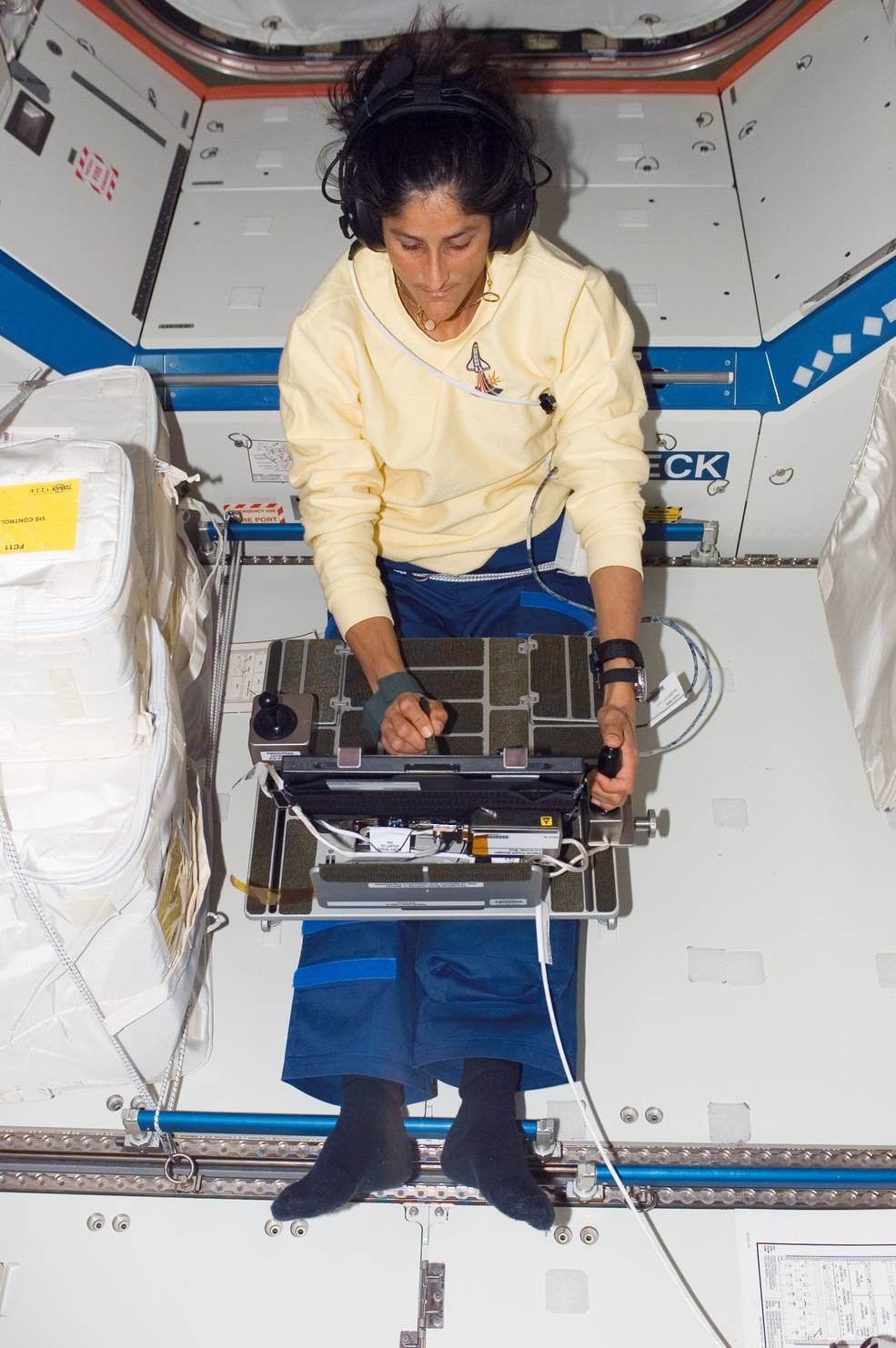
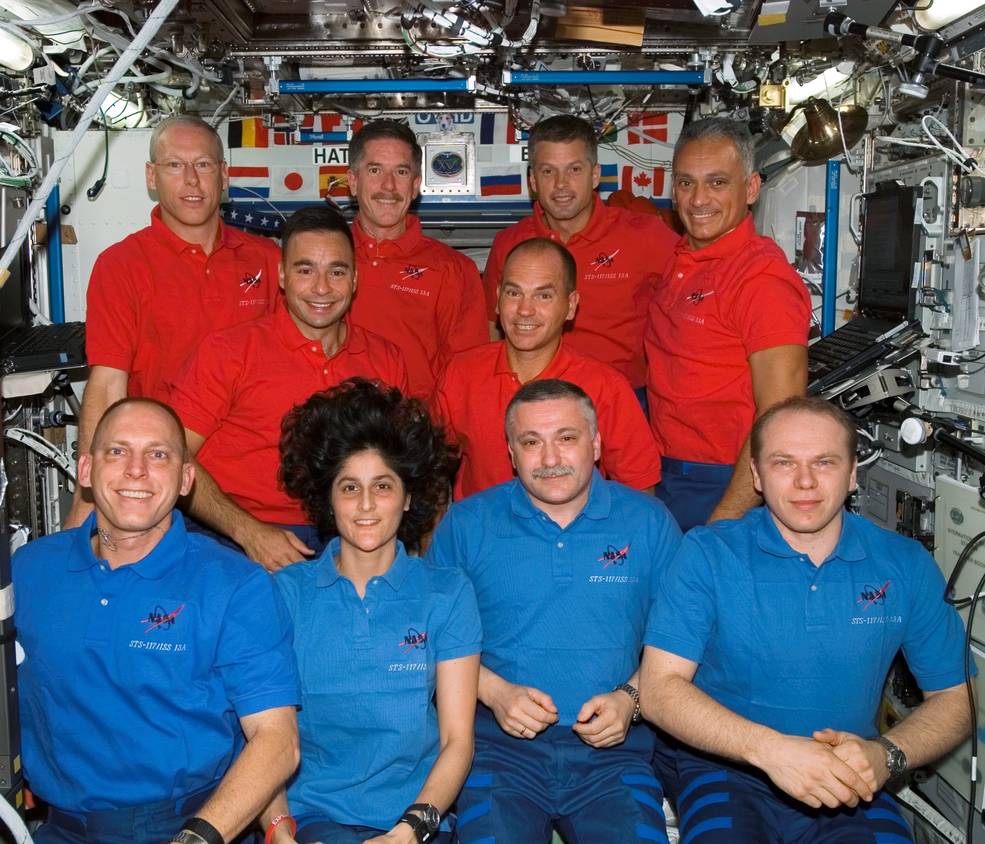
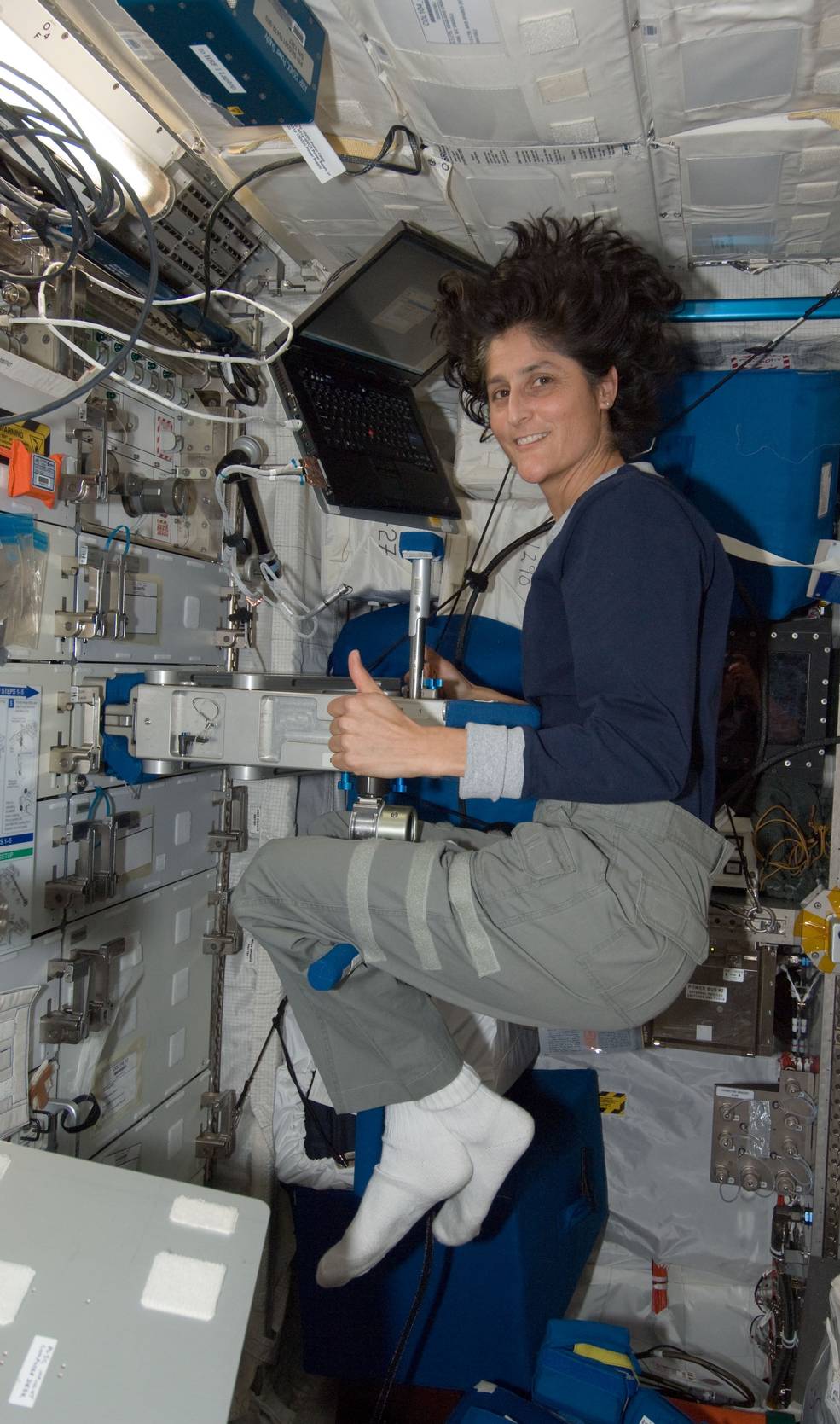
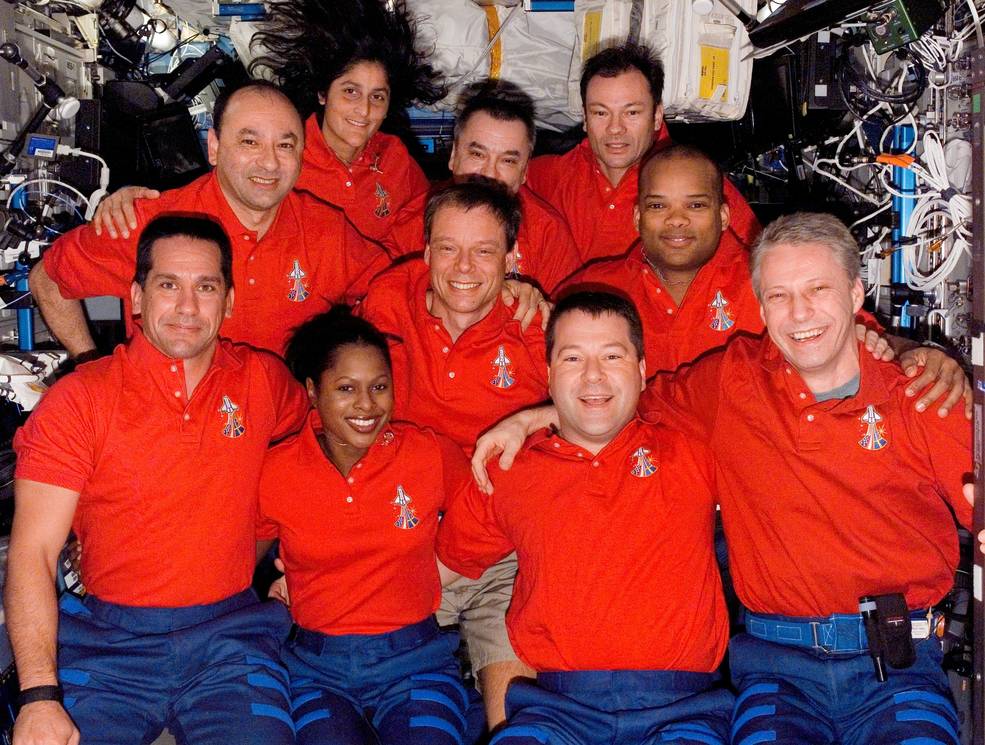
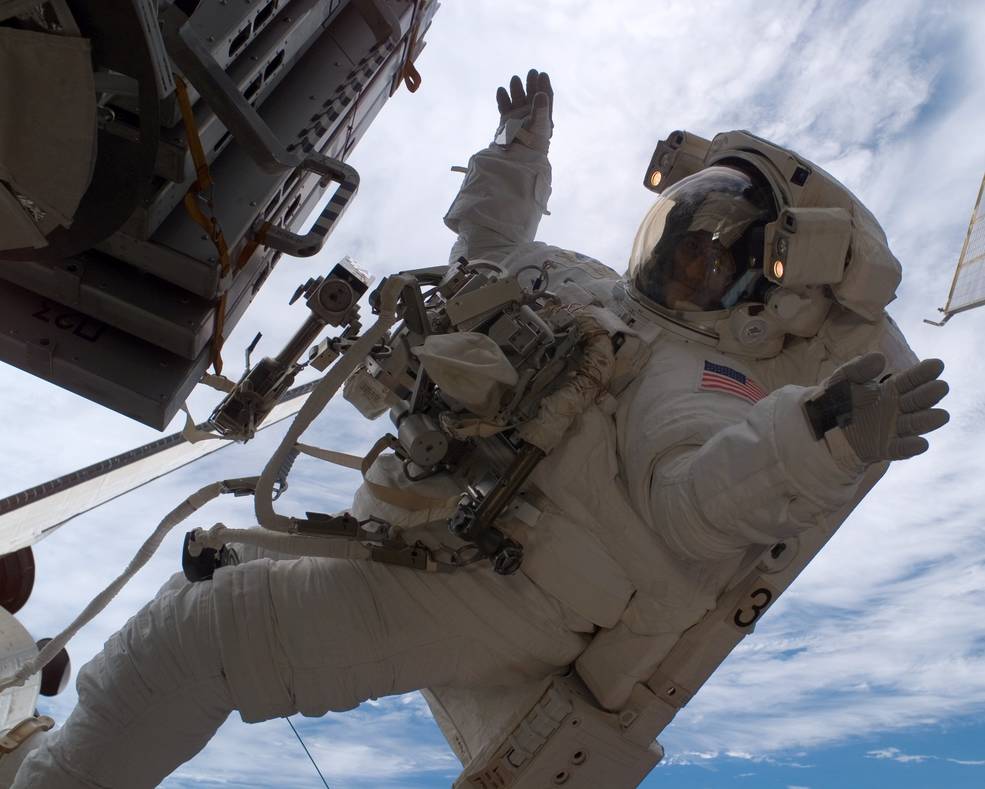
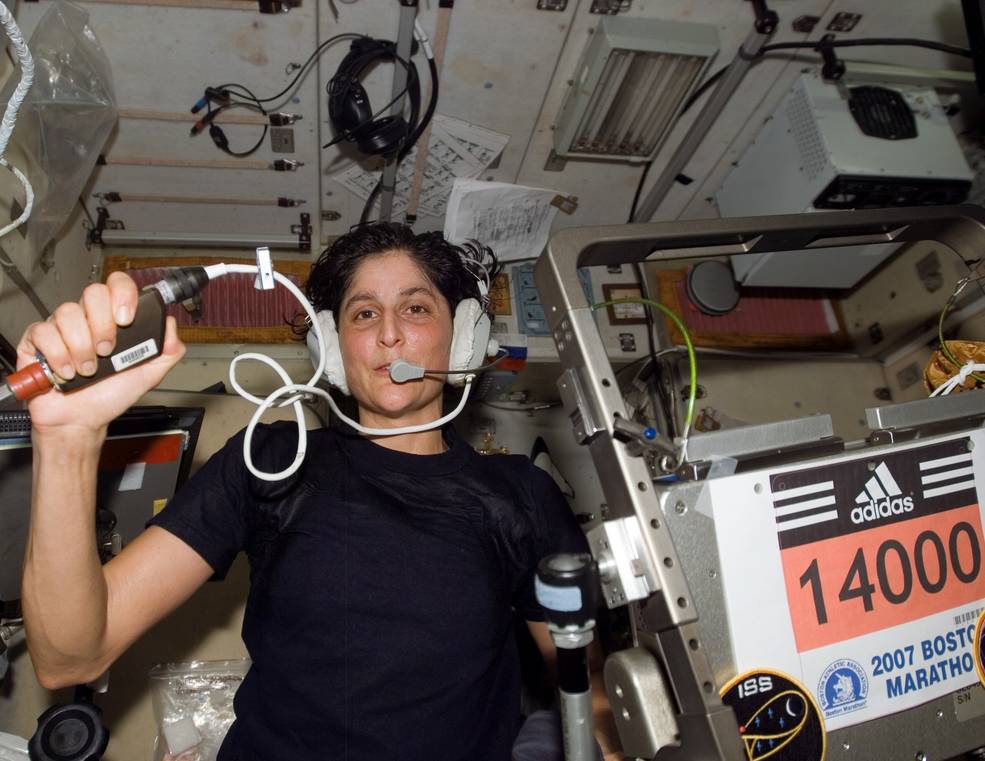
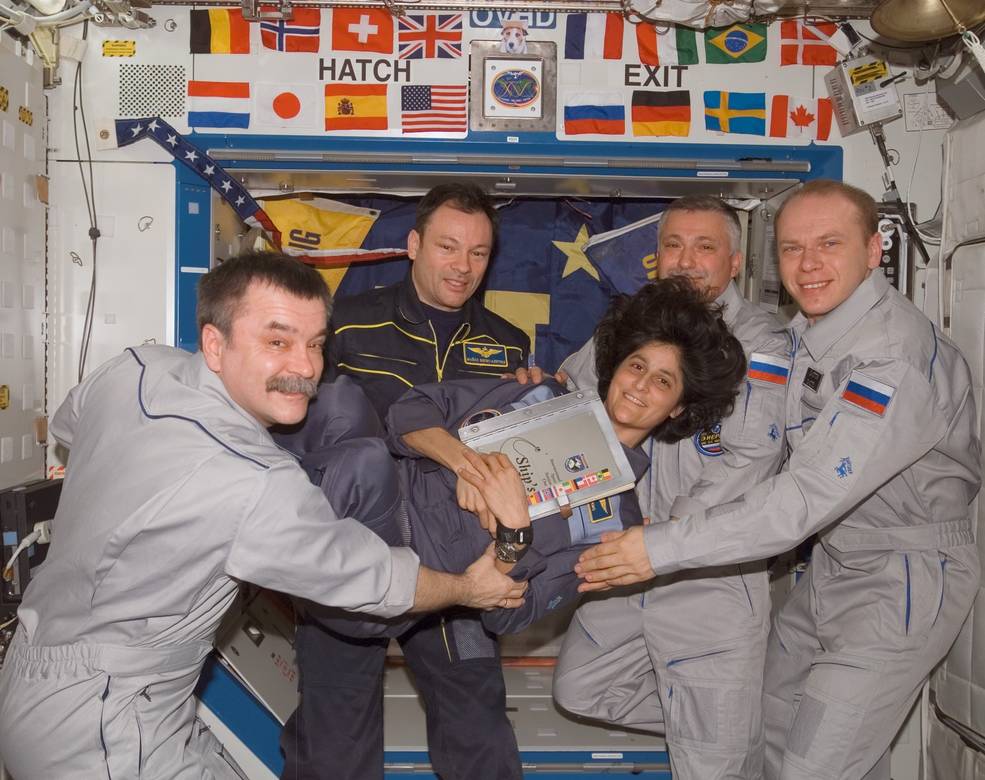
As noted above, NASA astronaut Suni Williams arrived at the space station with STS-116 in December 2006 during one of the busiest and most complex periods of assembly. In addition to the arrival of new truss segments, the astronauts reconfigured the station’s power system. While still a Shuttle crewmember, Williams participated in one of the spacewalks with fellow NASA astronaut Robert L. Curbeam as part of the power reconfiguration. She joined the Expedition 14 crew, replacing ESA astronaut Reiter. With Expedition 14 commander NASA astronaut Michael E. López-Alegría she performed three more spacewalks to complete the activation of the station’s ammonia cooling system. In April 2007, during her transition to the Expedition 15 crew, Williams “ran” the Boston Marathon on the station’s treadmill, wearing number 14000 and finishing in 4 hours 24 minutes. She exchanged places with NASA astronaut Anderson during the STS-117 mission that delivered the S3/S4 truss and a new pair of solar arrays to the station. Williams returned to Earth after 191 days in space, at the time the longest single spaceflight by a woman. The more than 29 hours she spent outside on her four spacewalks also set a record for women.
aapi_2021_44_suni_williams_w_sts_116_and_exp_14_crew aapi_2021_45_suni_williams_sts_116_eva3 aapi_2021_46_suni_williams_pmdis_sts_116 aapi_2021_47_suni_williams_melfi_blood_samples
Far left: NASA astronaut Sunita L. Williams, upper left, with her STS-116 crewmates and the Expedition 14 crew she was about to join. Middle left: Williams during the third STS-116 spacewalk. Middle right: Williams conducting a session of a Canadian coordination experiment in the Destiny module. Far right: Williams placing blood samples in the space station freezer.
aapi_2021_48_suni_williams_running_boston_marathon_apr_16_2007 aapi_2021_49_suni_williams_exp_14_15_handover aapi_2021_50_suni_williams_w_sts_117_and_exp_15_crews aapi_2021_51_iss_from_13a_departure_5
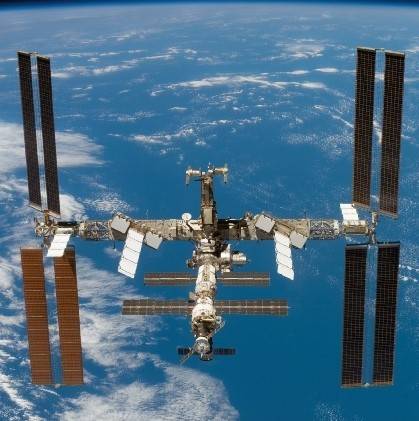
Far left: NASA astronaut Sunita L. Williams participates in the Boston Marathon. Middle left: Williams during the handover between Expedition 14 and 15. Middle right: Williams with her Expedition 15 crewmates and the STS-117 crew. Far right: The space station from the departing STS-117, showing the significant reconfiguration that occurred during her stay.

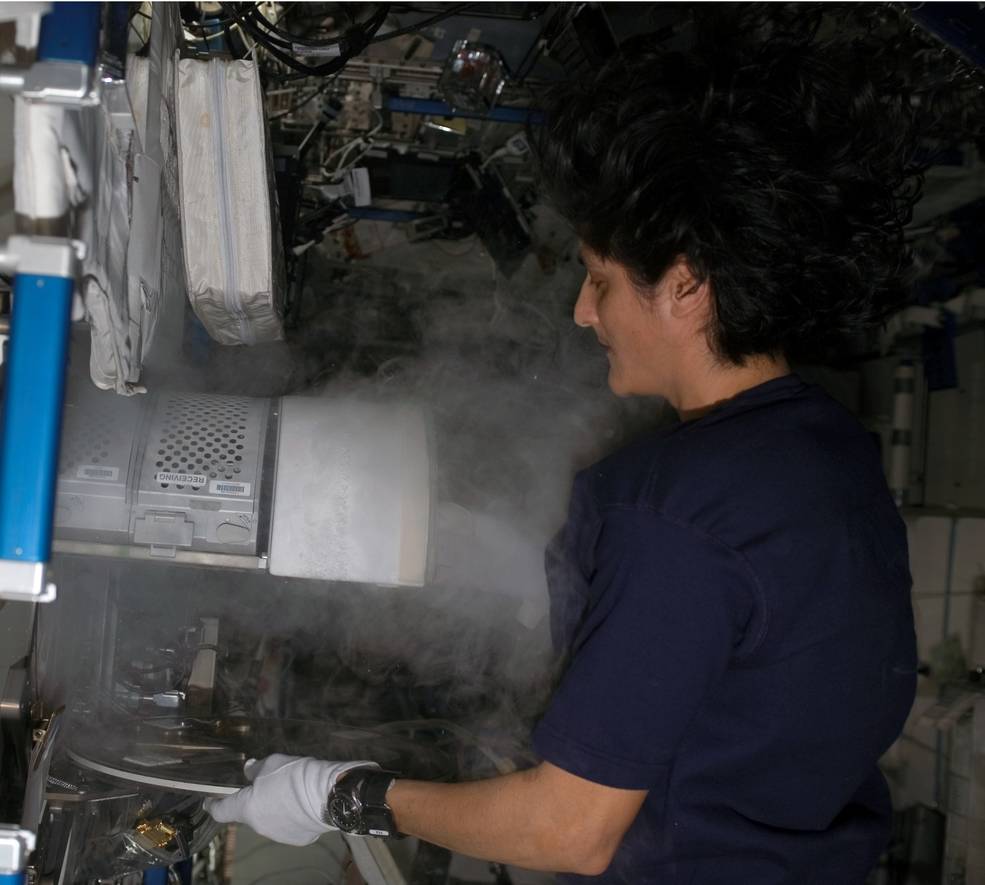
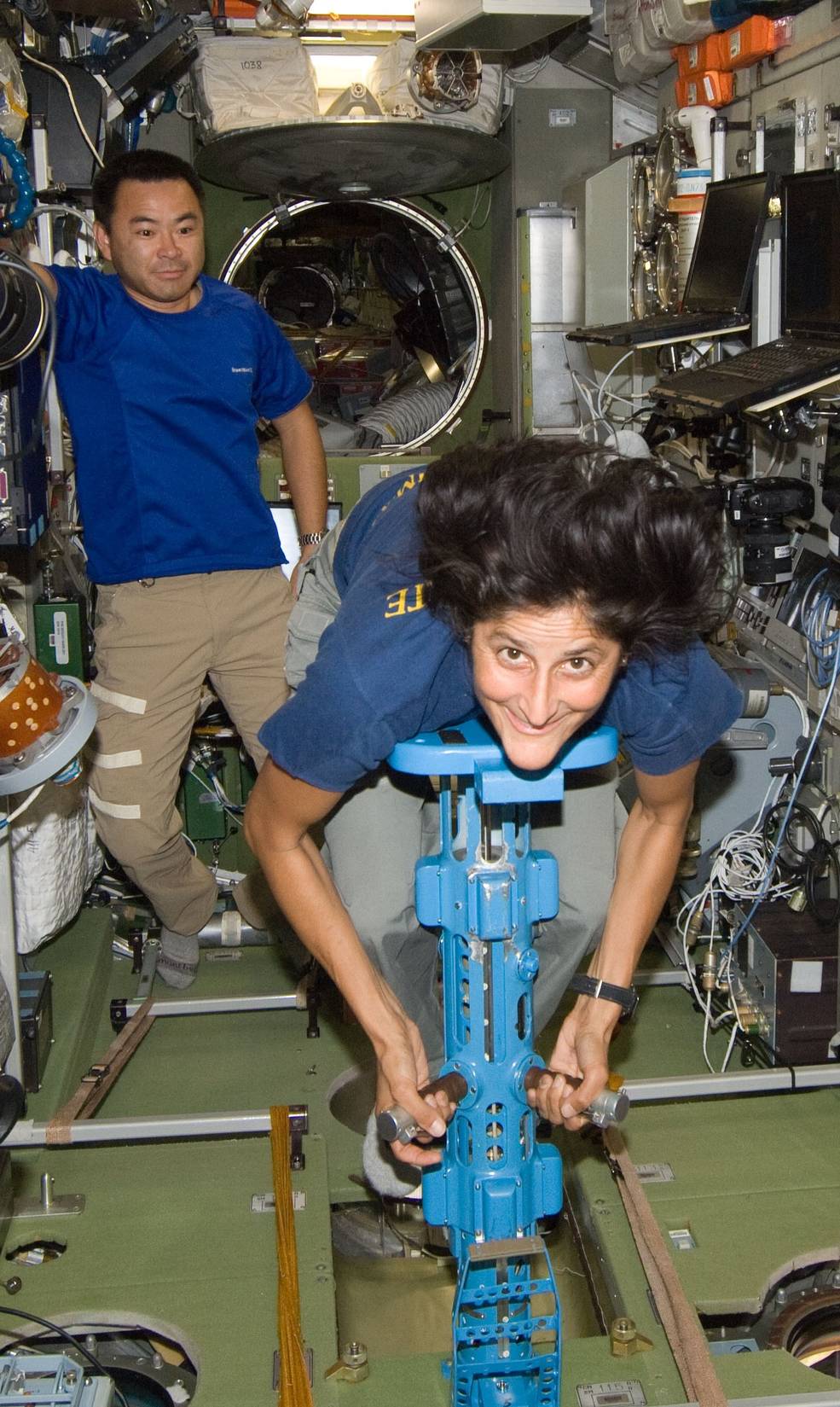
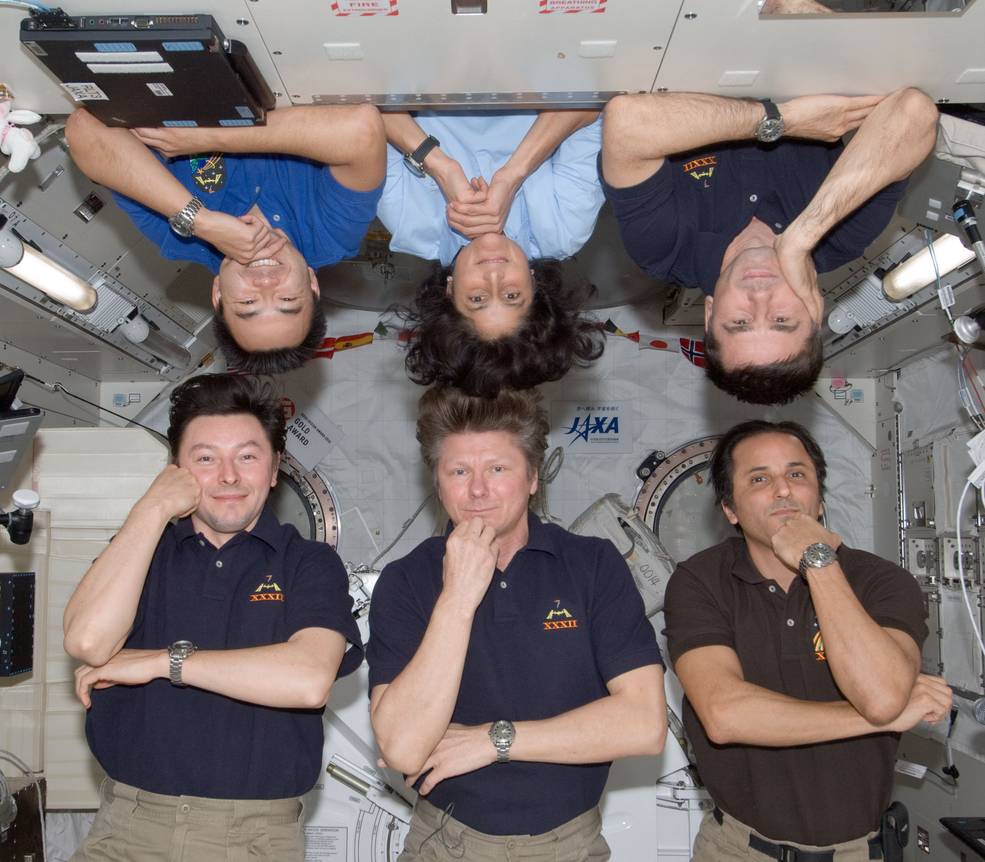
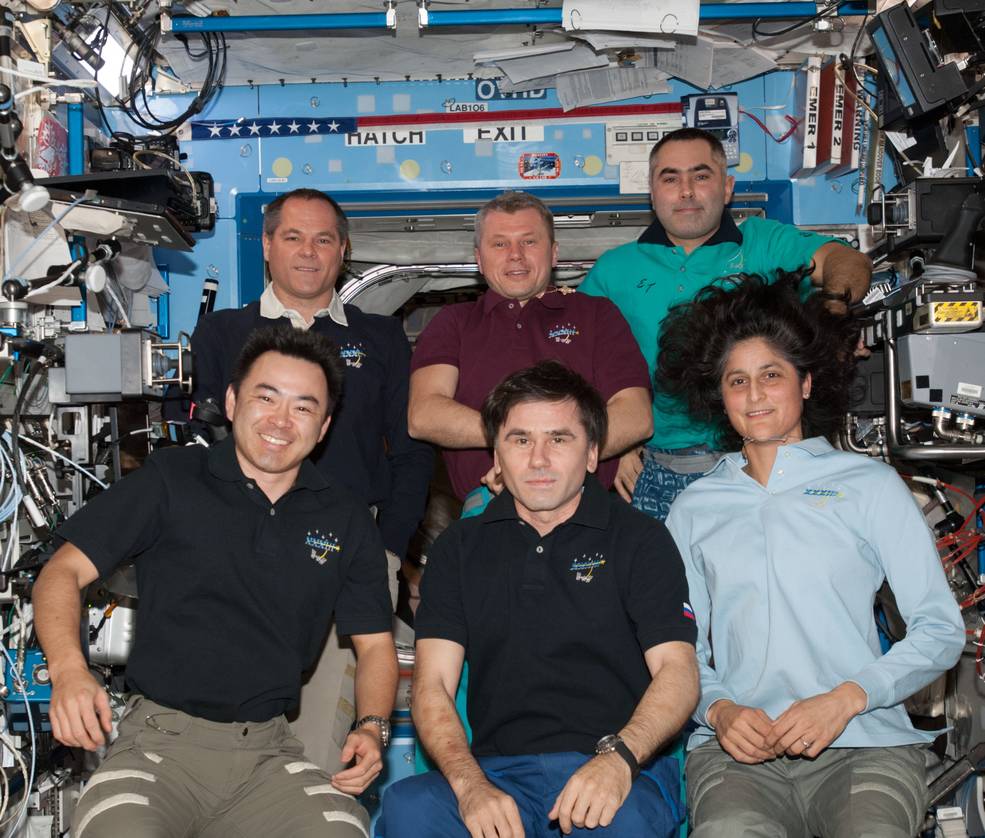
For an encore, Williams returned to the orbital laboratory in July 2012 when she launched aboard Soyuz TMA-05M with Russian cosmonaut Malenchenko and JAXA astronaut Akihiko Hoshide. They joined the Expedition 32 crew, aboard the station since May. In September, Williams took over command of the station as its second female commander. In addition to a full complement of research activities, Williams and her crewmates oversaw the arrival of four resupply vehicles including two Progresses, one HTV (H-II Transfer Vehicle), and the first operational mission of Space Exploration Corporation’s (SpaceX) Dragon commercial cargo craft. With Hoshide, Williams performed four spacewalks for a variety of repair and maintenance tasks, extending her record to more than 50 hours across her career 7 spacewalks.  Williams returned to Earth after 127 days in space.
aapi_2021_52_suni_williams_exp_32_crew_photo aapi_2021_53_suni_williams_exp_32_massmeter aapi_2021_54_suni_williams_slammd aapi_2021_55_suni_williams_dinner_is_served
Far left: NASA astronaut Sunita L. Williams, top row, middle, with her pensive Expedition 32 crewmates. Middle left and middle right: Williams demonstrates two ways to weigh yourself in space, using the Russian massmeter and NASA’s mass measurement device. Far right: “Dinner is served,” by “chef” Williams.
aapi_2021_56_suni_williams_exp_33_crew aapi_2021_57_suni_williams_wearing_mask_and_googles_in_the_newly_arrived aapi_2021_58_suni_williams_w_hoshide_eva_3
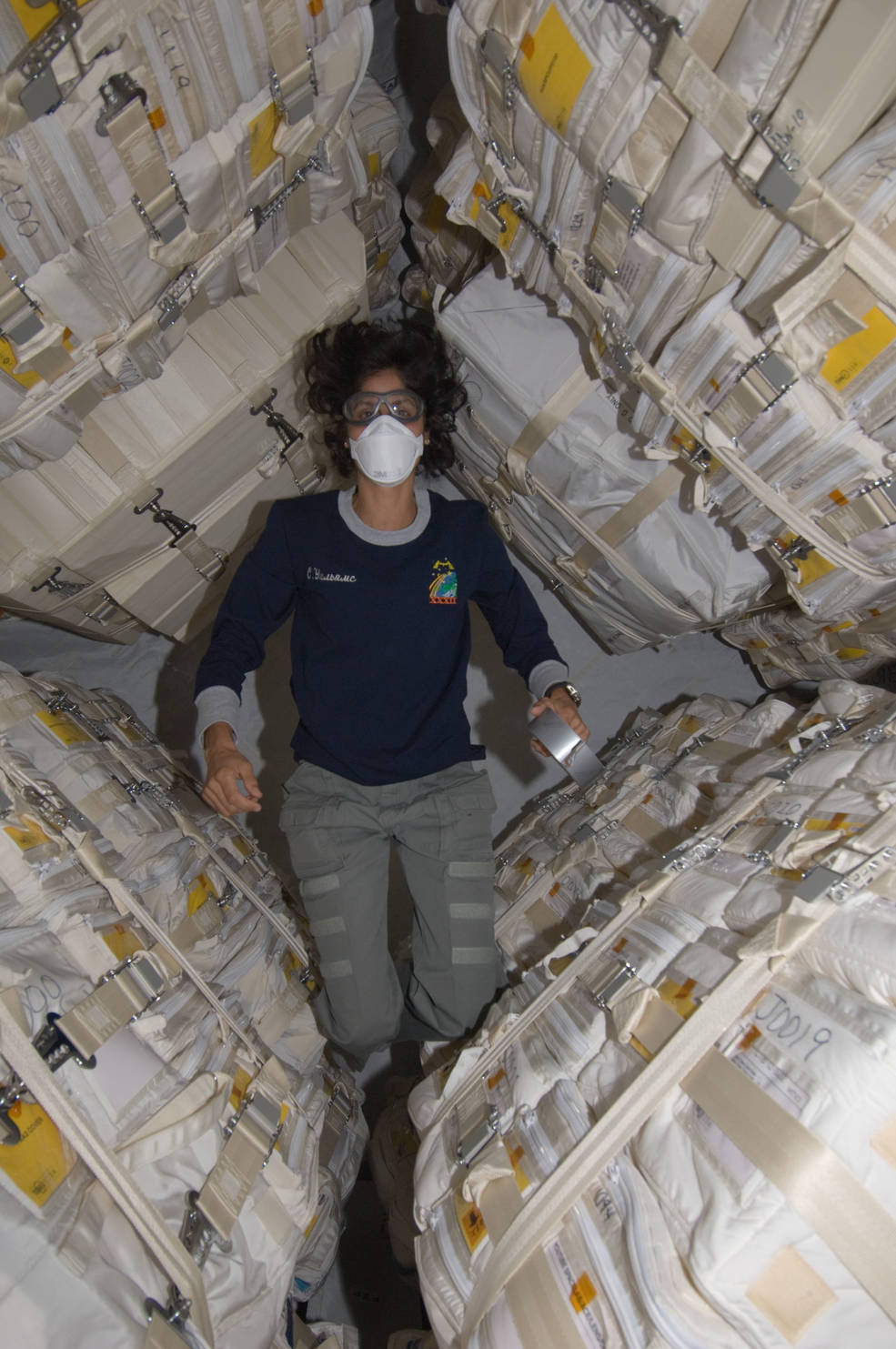
Left: NASA astronaut Sunita L. Williams, front row, right, with her Expedition 33 crewmates. Middle: A masked and goggled Williams in the newly arrived Japanese HTV-3 cargo resupply vehicle. Right: Williams, right, and Hoshide during their third spacewalk.

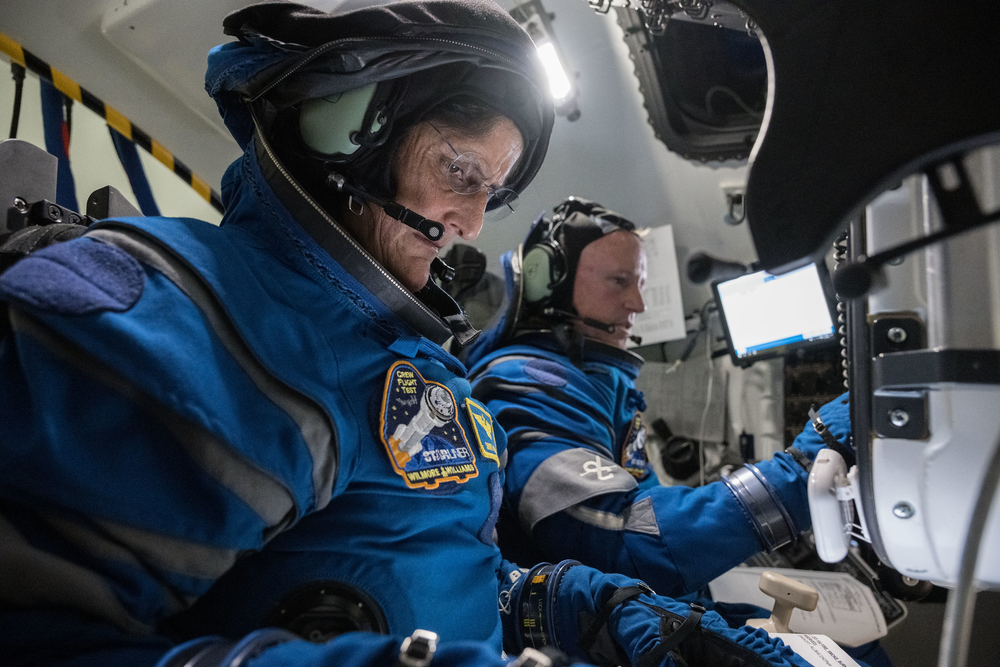
NASA assigned Williams along with fellow astronaut Barry “Butch” E. Wilmore to the inaugural crewed mission of Boeing’s Starliner spacecraft. During the Crew Flight Test (CFT), currently planned for May 6 2024, Williams and Wilmore will launch atop an Atlas V rocket and rendezvous and dock with the space station. After a planned 10-day stay aboard the orbital laboratory, they will make a parachute- and airbag-assisted touchdown in the western United States.
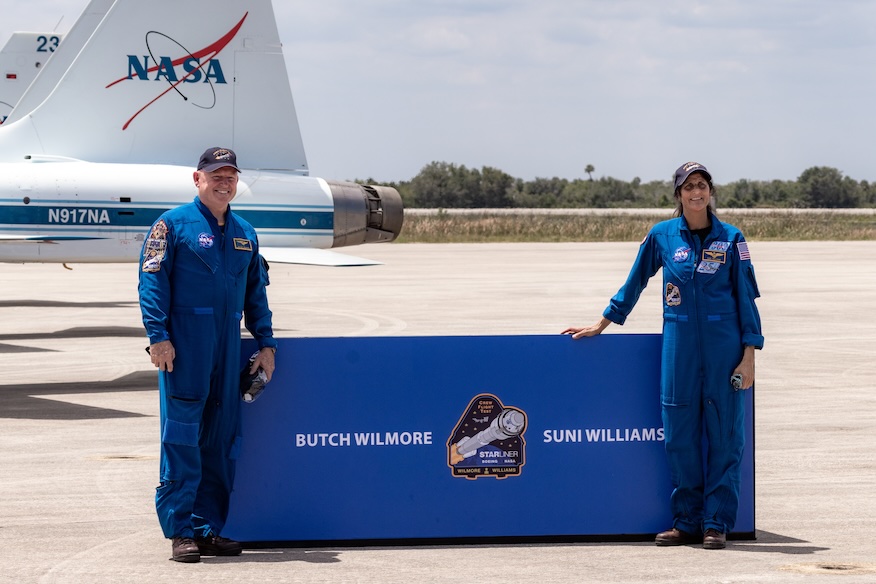
NASA astronauts Sunita L. Williams, left, and Barry “Butch” E. Wilmore suited up for a training session in the Boeing Starliner simulator NASA astronauts Barry “Butch” E. Wilmore, left, and Sunita L. Williams arrive at NASA’s Kennedy Space Center in Florida to prepare for their launch
Left: NASA astronauts Sunita L. Williams, left, and Barry “Butch” E. Wilmore suited up for a training session in the Boeing Starliner simulator. Right: Wilmore, left, and Williams arrive at NASA’s Kennedy Space Center in Florida to prepare for their launch.

Kjell N. Lindgren

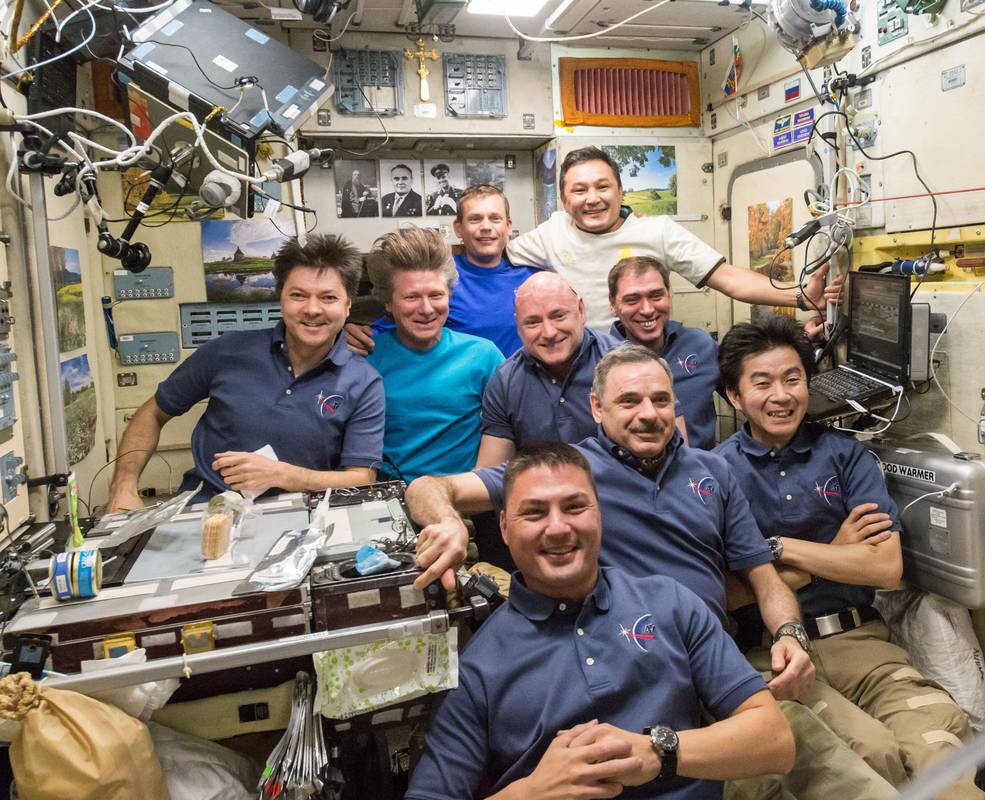
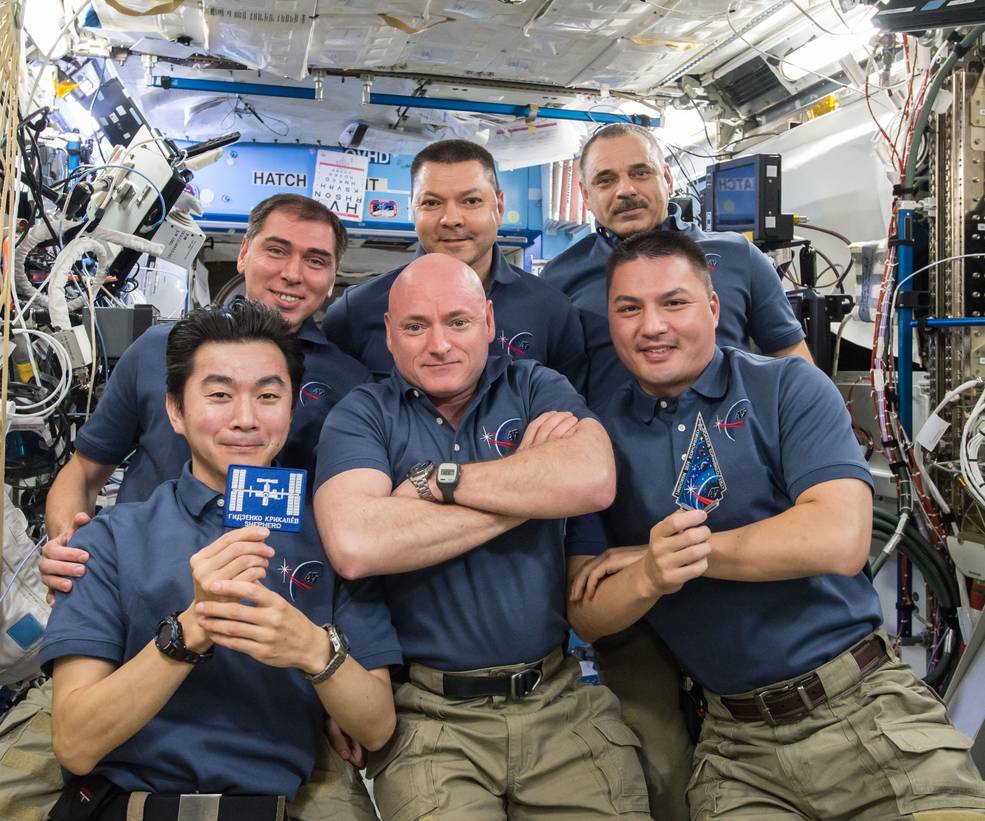
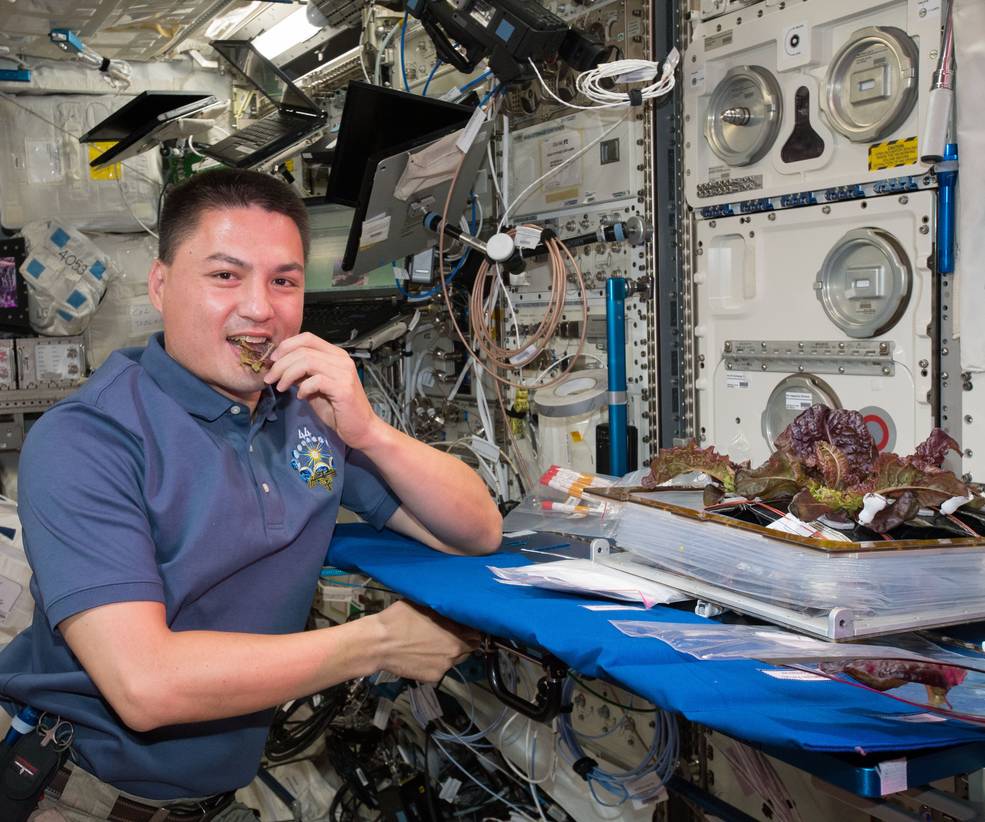
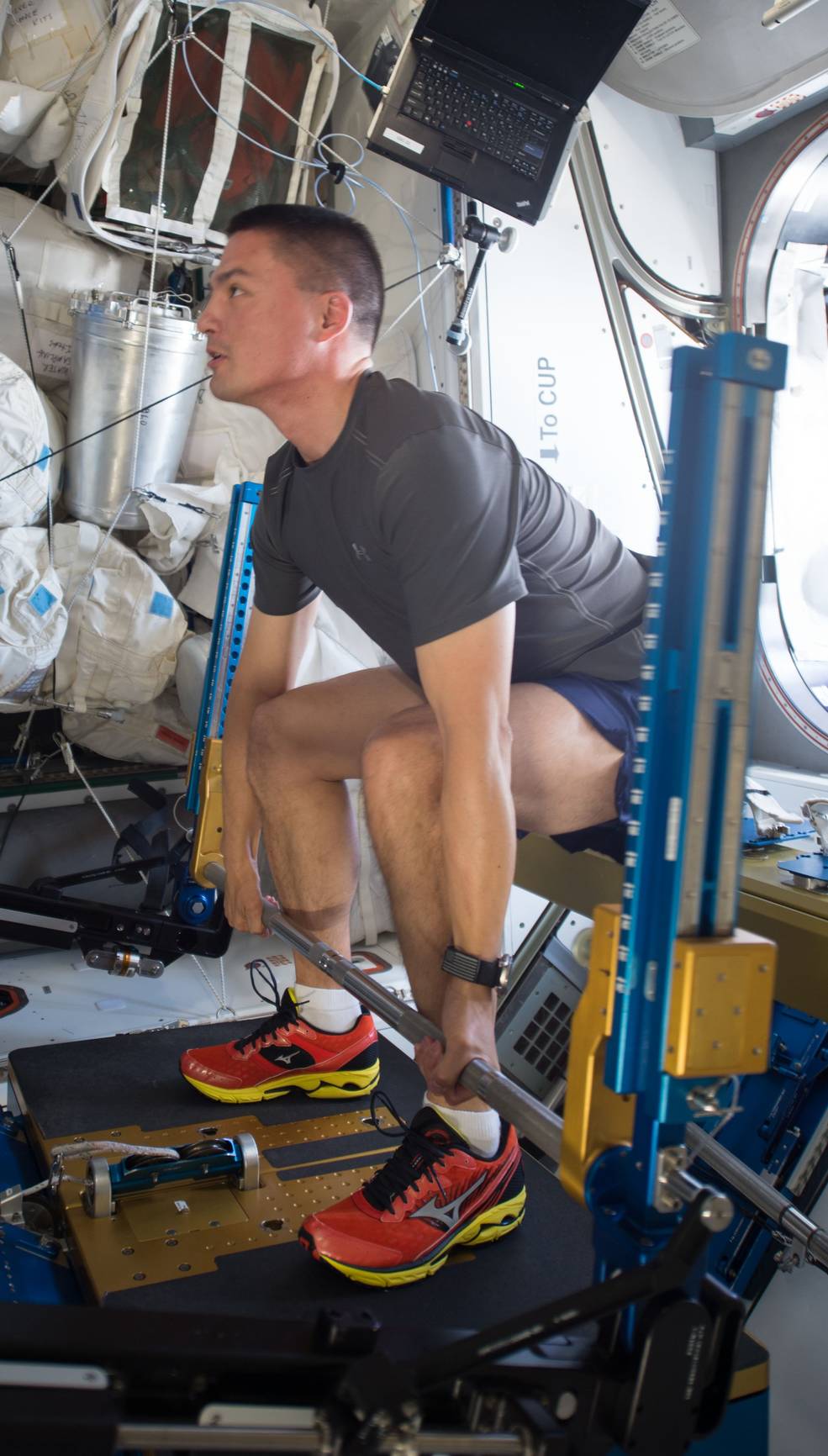
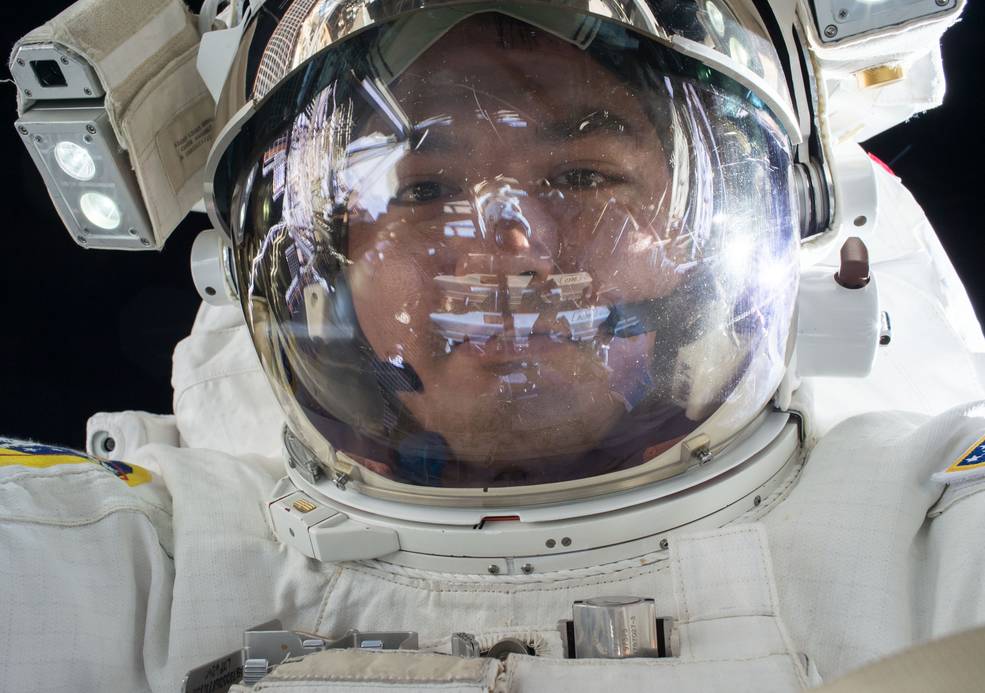
NASA astronaut Kjell N. Lindgren’s first flight into space began on July 22, 2015, with a launch aboard Soyuz TMA-17M with Russian veteran cosmonaut Oleg D. Kononenko and first-time flyer JAXA astronaut Kimiya Yui. They joined the Expedition 44 crew. Lindgren began a busy research program that among other experiments included the growing of lettuce in the Vegetable Production System, also known as Veggie, apparatus. As a bonus, the scientists allowed the crew members to taste the lettuce, first plain and then with oil and vinegar, prior to freezing the remaining plants for analysis back on Earth. A new crew arrived in September, including Kazakh cosmonaut Aidyn A. Aimbetov making a short visit to the station. Lindgren performed two spacewalks with fellow NASA astronaut Scott J. Kelly, spending 15 hours outside performing upgrades and maintenance on the station. Lindgren returned to Earth in December after spending 142 days in space.
aapi_2021_59_lindgren_consuming_veggie_lettuce aapi_2021_60_lindgren_ared aapi_2021_61_lindgren_cir aapi_2021_62_lindgren_exp_44_and_45_meal_in_zvezda
Far left: NASA astronaut Kjell N. Lindgren taste tests the lettuce grown in the Veggie device. Middle left: Lindgren exercises using the Advanced Resistive Exercise Device equipment. Middle right: Lindgren works with the Combustion Integrated Rack. Far right: Lindgren, front and center, with his Expedition 44 and 45 crewmates.
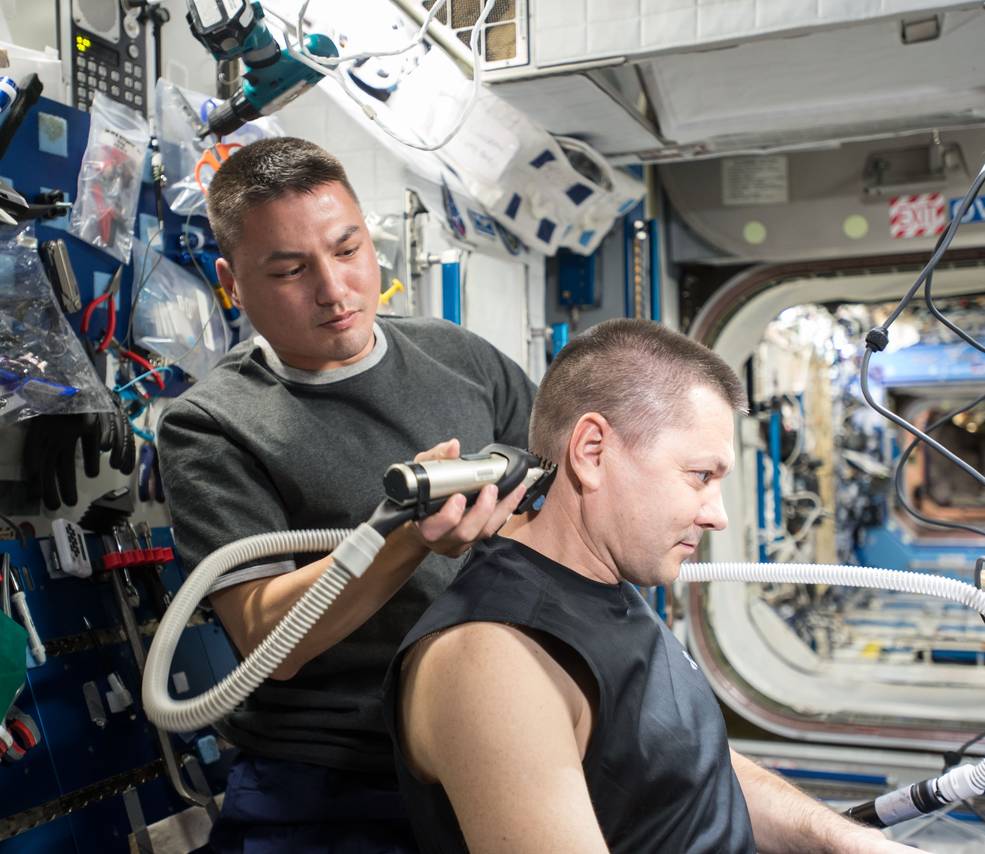
aapi_2021_63_lindgren_selfie_eva33 aapi_2021_64_lindgren_giving_kononenko_a_haircut aapi_2021_65_lindgren_and_exp_45_crew_celebrate
Left: NASA astronaut Kjell N. Lindgren takes a selfie during his second spacewalk. Middle: “And for this I went to Medical School and trained to be an astronaut” Lindgren gives Russian cosmonaut Oleg D. Kononenko a haircut. Right: Lindgren and his Expedition 45 crewmates commemorate the 15th anniversary of continuous occupancy aboard the International Space Station.

Lindgren returned to space as the Crew 4 commander aboard the SpaceX Crew Dragon Freedom, launched on April 27, 2022. Lindgren and his crewmates joined the Expedition 67 crew. During his mission, Lindgren conducted hundreds of science experiments in a wide variety of disciplines and the Boeing CST-100 Starliner spacecraft paid a four-day visit to the space station during the uncrewed OFT-2 mission. Lindgren splashed down on Oct. 14, 2022, with fellow Crew 4 astronauts after a 171-day flight.
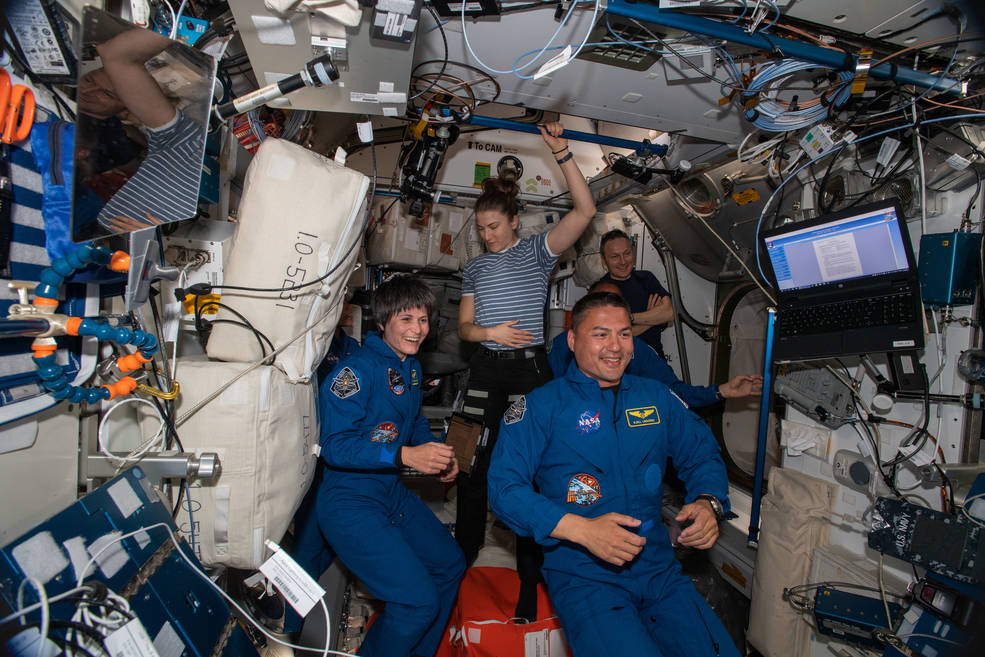
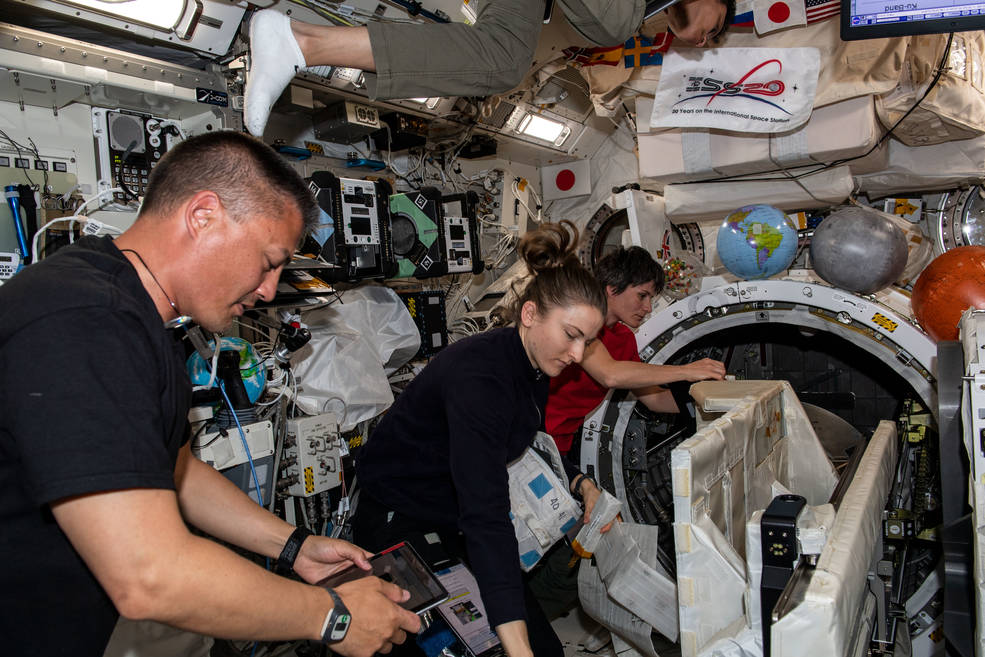
lindgren_crew_4_arrival_apr_28_2022 lindgren_jem_airlock_apr_29_2022
Left: NASA astronaut Kjell N. Lindgren, center, and his fellow Crew 4 astronauts arrive at the space station. Right: Lindgren, left, with fellow Expedition 67 crew members work at the scientific airlock in the Japanese Kibo module.
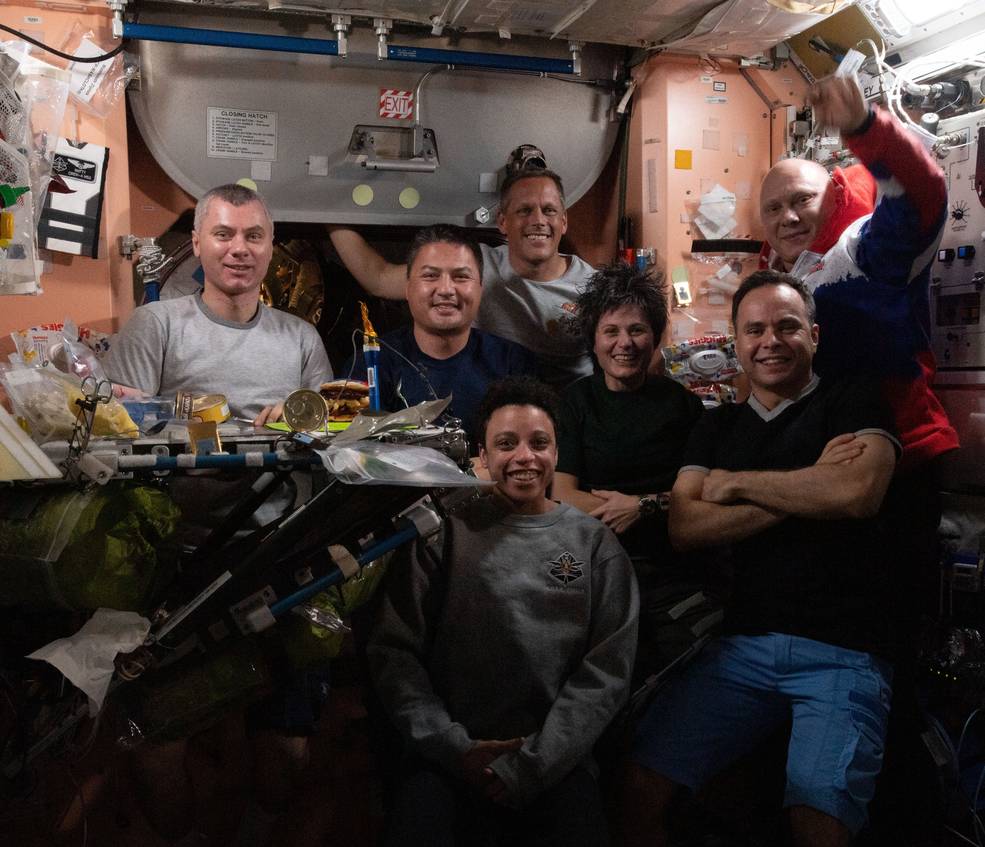
lindgren and exp 67 for watkins birthday may 14 2022 lindgren inside boeing starliner may 24 2022 lindgren lsg jul 26 2022
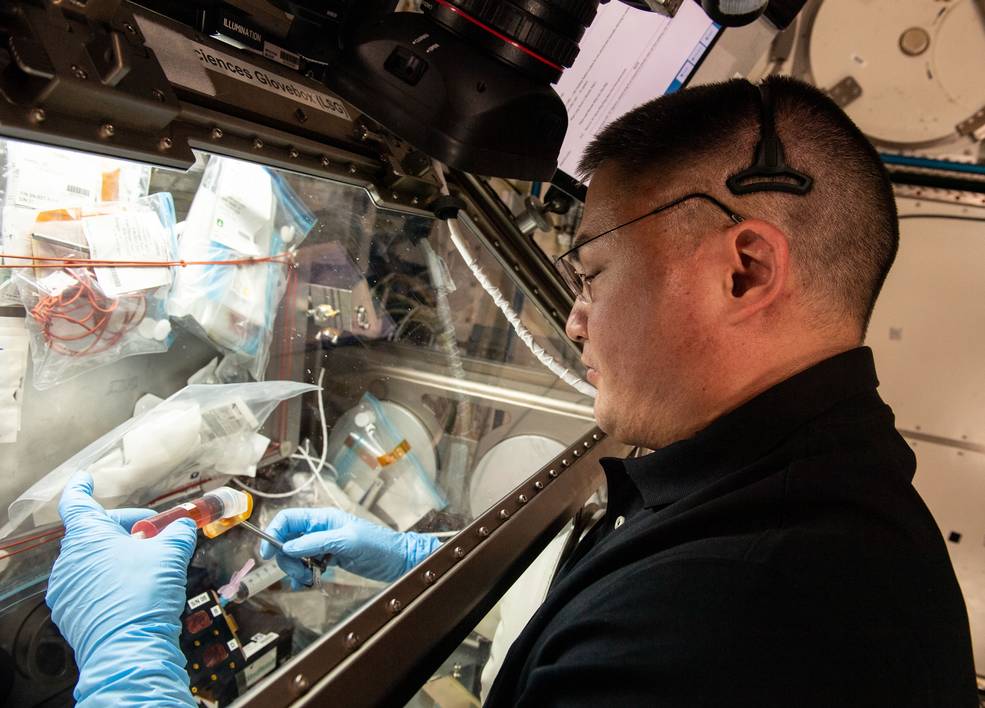
Left: NASA astronaut Kjell N. Lindgren, second from left, and fellow Expedition 67 crew members celebrate NASA astronaut Jessica A. Watkins’ birthday. Middle: Lindgren inside the Boeing Starliner spacecraft during its uncrewed OFT-2 mission to the space station. Right: Lindgren performs an experiment in the Life Sciences Glovebox.

Hazzaa Al Mansoori

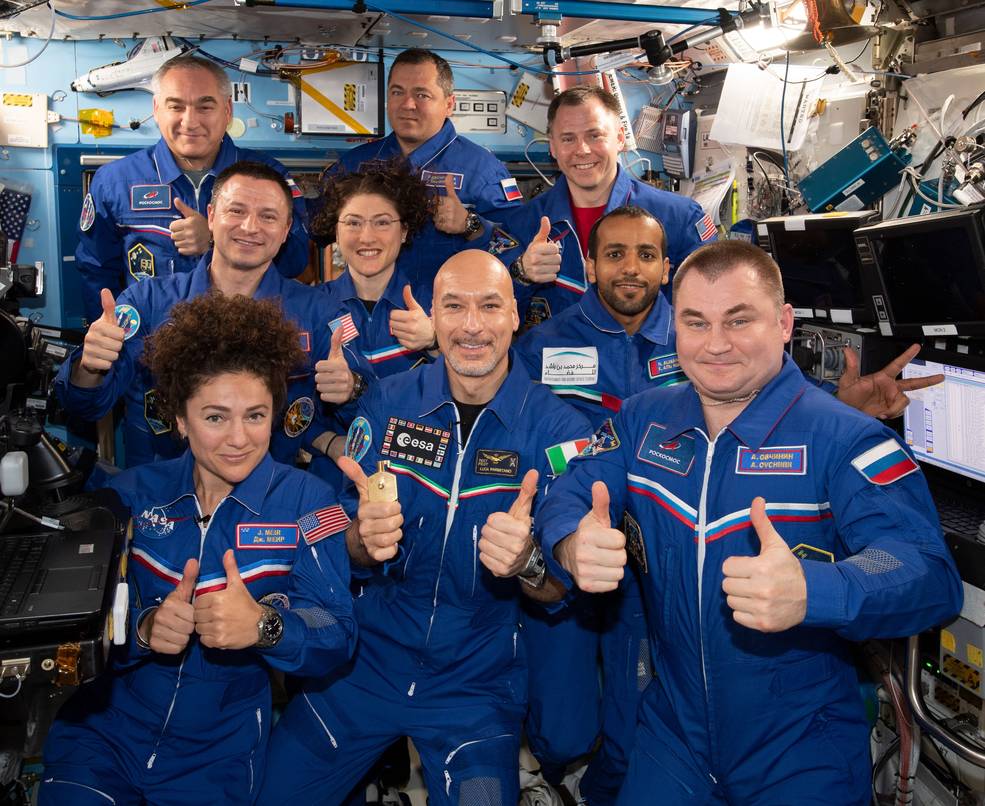
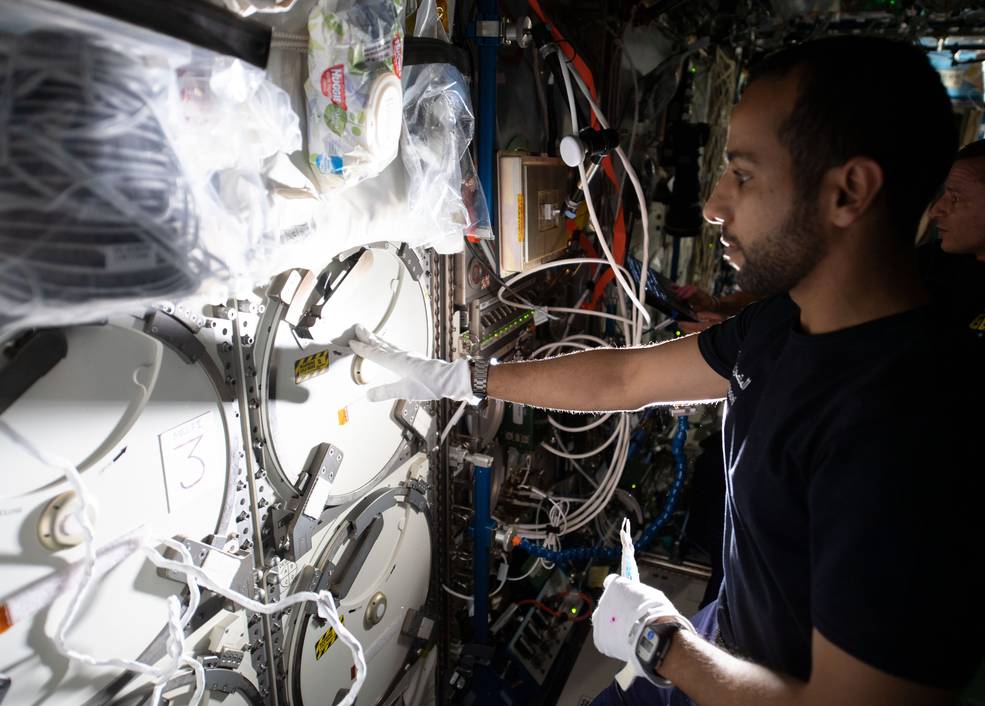
Hazzaa Ali Al Mansoori holds the honor as the first astronaut from the United Arab Emirates (UAE) in space, spending eight days aboard the space station as a visiting crew member in 2019. He launched on Sept. 25 aboard Soyuz MS15. After spending eight days aboard the space station conducting research and cultural activities, Al Mansoori returned to Earth on Oct. 3 aboard Soyuz MS12.
al mansoori with exp 60 crew during handover oct 2 2019 al mansoori melfi oct 2 2019 al mansoori arab brunch sep 29 2019
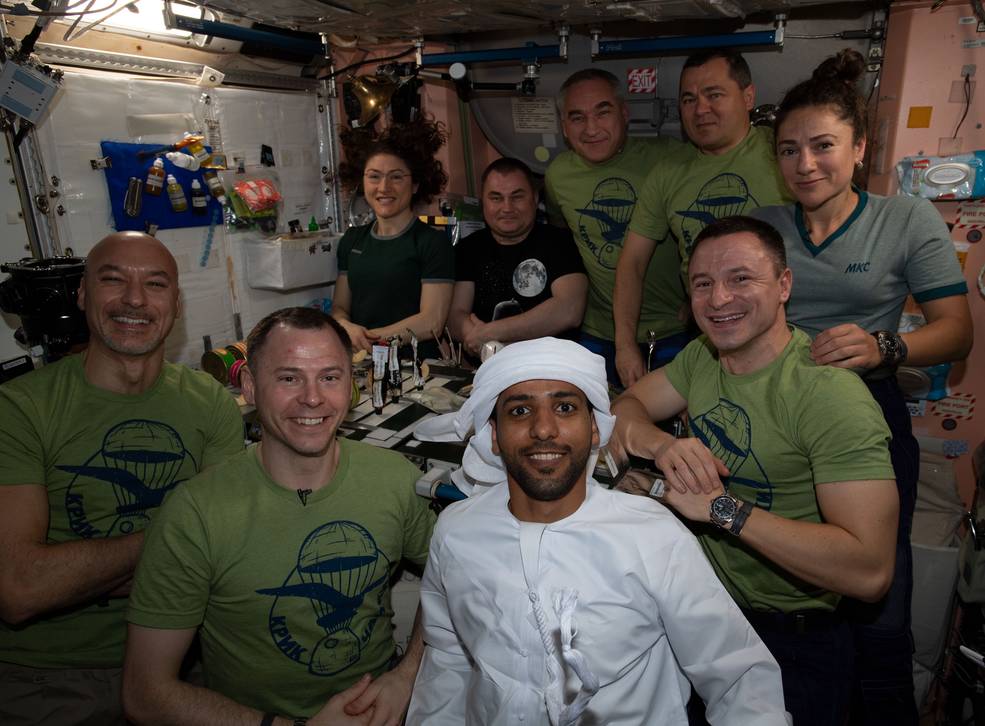
Left: First astronaut from the United Arab Emirates in space Hazzaa Ali Al Mansoori, second from right, with his fellow Expedition 60 crew members. Middle: Al Mansoori places biological samples into the Minus Eighty-degree Laboratory Freezer for ISS. Right: Al Mansoori, center, in traditional Emirati garb during an Arab-themed brunch with his fellow crew members.

Soichi Noguchi and Akihiko Hoshide

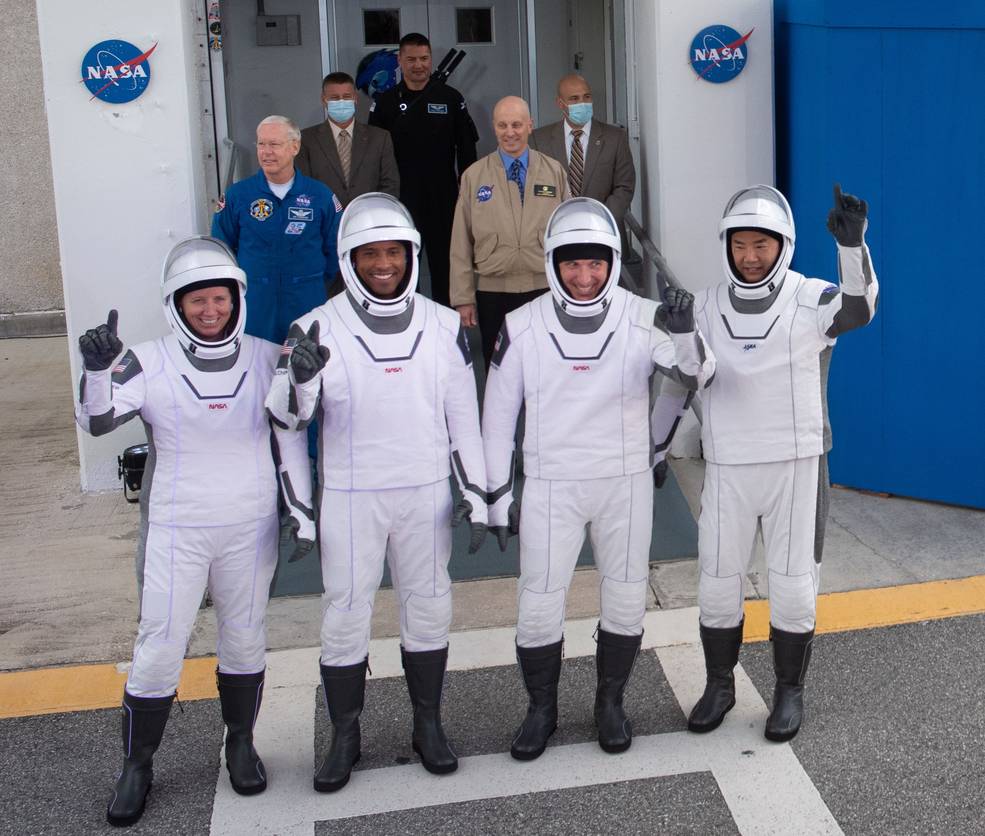
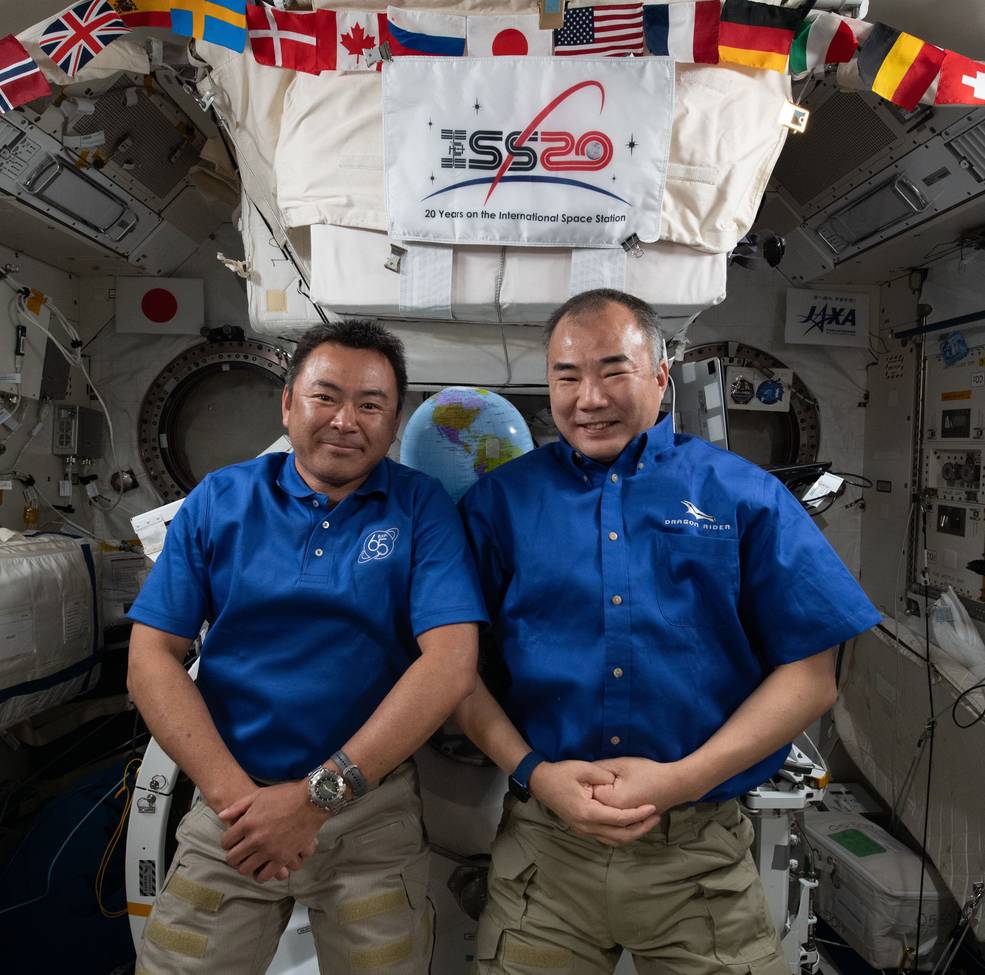
On November 15, 2020, JAXA astronaut Soichi Noguchi became the first non-NASA crew member to fly on a commercial crew spacecraft when he launched aboard the SpaceX Crew Dragon Resilience on the Crew 1 mission to the space station. He also became the first person to have experienced a launch on a space shuttle, a Soyuz, and a Crew Dragon. On April 24, 2021, JAXA astronaut Hoshide arrived at the space station aboard Crew Dragon Endeavour as part of the Crew 2 mission, marking the first time that two JAXA long-duration crew members worked aboard the orbiting laboratory at the same time.
aapi_2021_66_crew_1_outside_crew_quarters_before_launch aapi_2021_67_hoshide_noguchi_in_kibo
Left: Crew 1 NASA astronauts Shannon Walker, left, Victor J. Glover, and Michael S. Hopkins, and Japan Aerospace Exploration Agency (JAXA) astronaut Soichi Noguchi leaving crew quarters on their way to the launch pad. Right: JAXA astronauts Akihiko Hoshide, left, and Noguchi aboard the space station.

Raja J. Chari

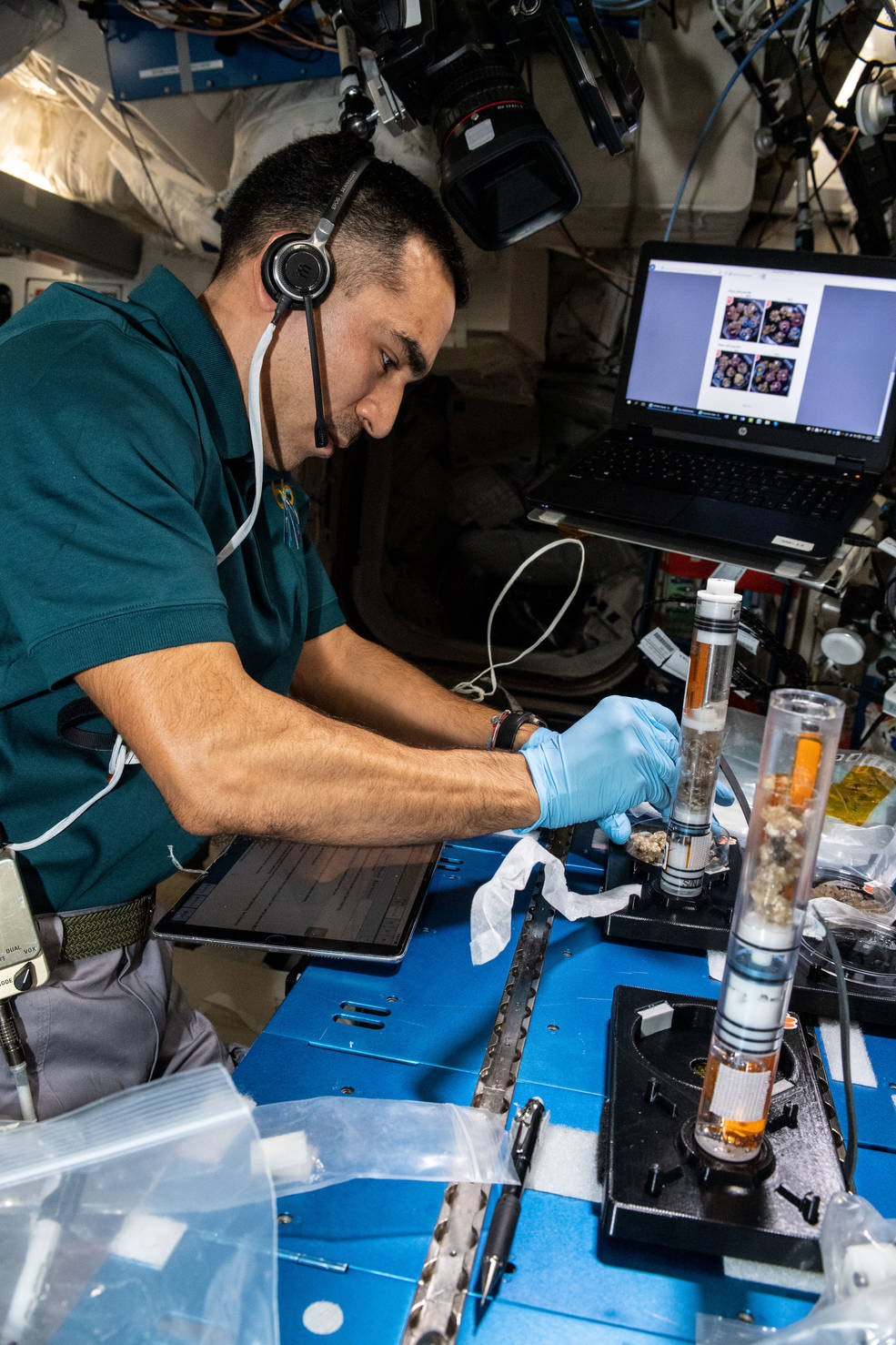
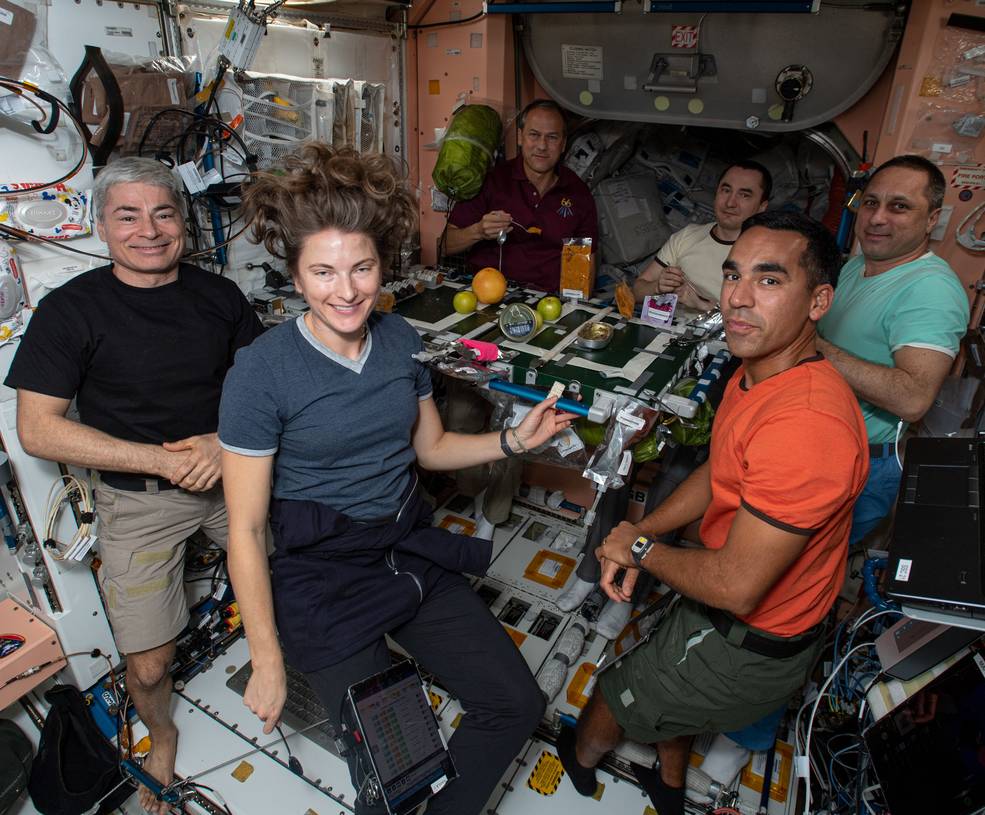
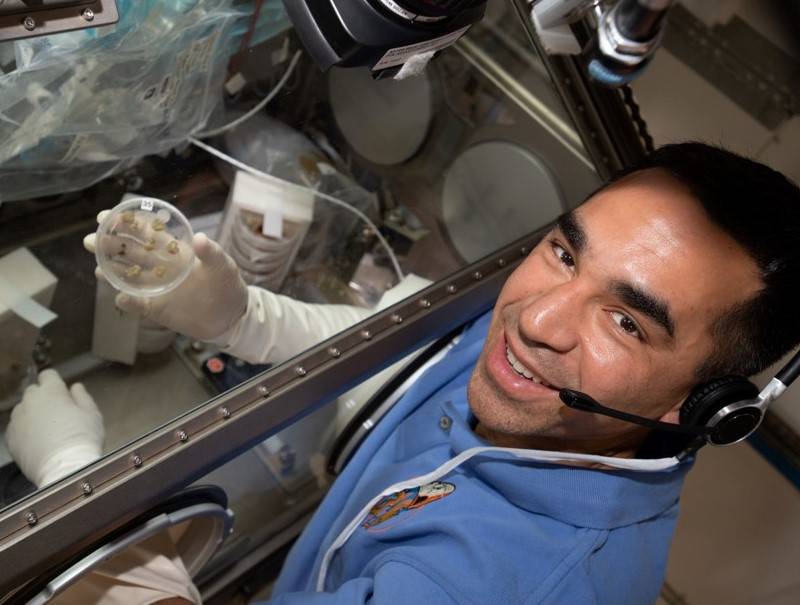
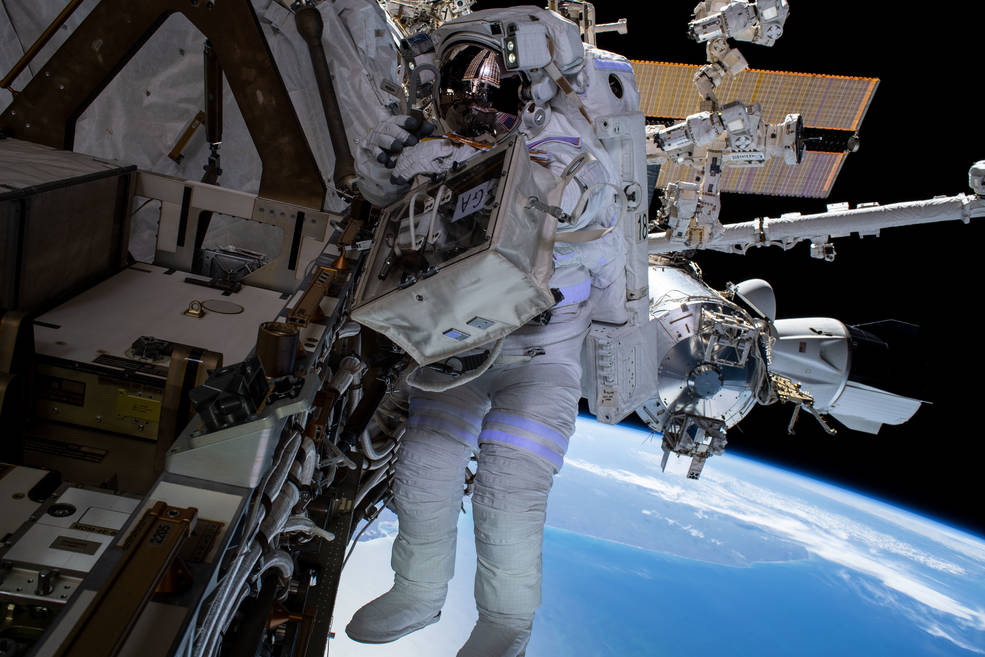
Selected by NASA as an astronaut in 2017, Raja J. Chari launched as the Crew 3 commander on SpaceX’s Crew Dragon Endurance on Nov. 10, 2021. Chari and his crewmates joined the Expedition 66 crew. During Chari’s stay aboard the space station, the Expedition 66 crew played host to a 12-day spaceflight participant mission with Russian cosmonaut Aleksandr A. Misurkin and Japanese citizens Yusaku Maezawa and Yozo Hirano. Their next visitors included the four crew members of the 17-day Ax-1 first private astronaut mission arriving aboard SpaceX’s Crew Dragon Endeavour. Chari completed two spacewalks, spending nearly 14 hours conducting upgrades and maintenance on the space station. He returned to Earth in May 2022 after a 176-day mission in space.
chari_thanksgiving_2021 chari_working_w_lsg_jan_26_2022 chari_plant_habitat_05_mar_28_2022
Left: NASA astronaut Raja J. Chari, right front, enjoys Thanksgiving dinner with his Expedition 66 crew mates. Middle: Chari works on an experiment in the Life Sciences Glovebox. Right: Chari performs the final harvest of cotton cell cultures as part of the Plant Habitat-05 investigation.
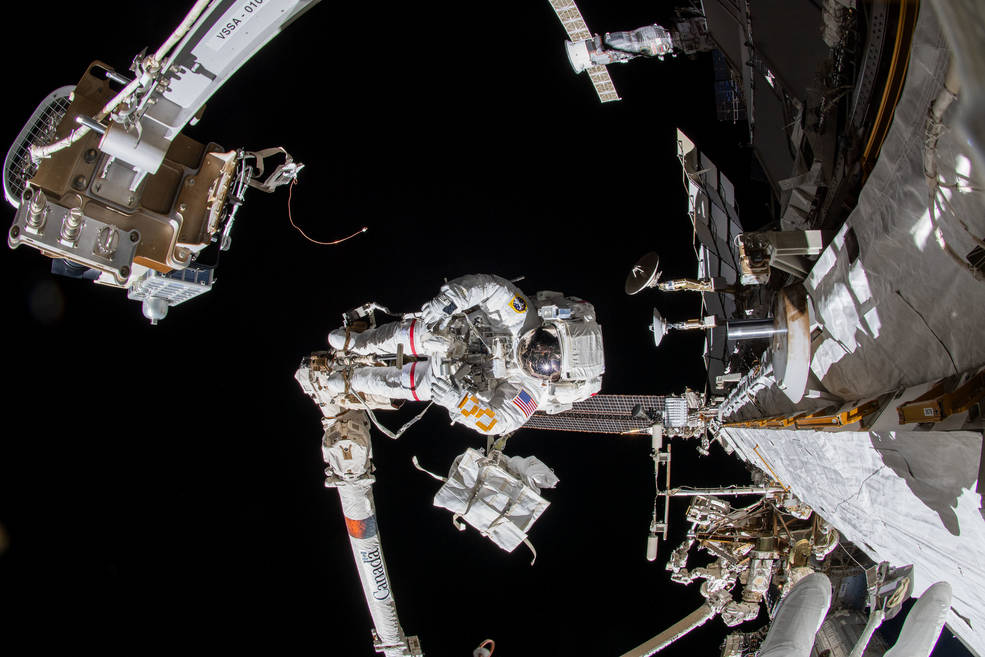
chari_eva_79_mar_15_2022 chari_eva_80_mar_23_2022
Left: NASA astronaut Raja J. Chari during the spacewalk to prepare for the installation of a rollout solar array. Right: Chari during the spacewalk to maintain the space station’s heat rejection system.

Sultan AlNeyadi

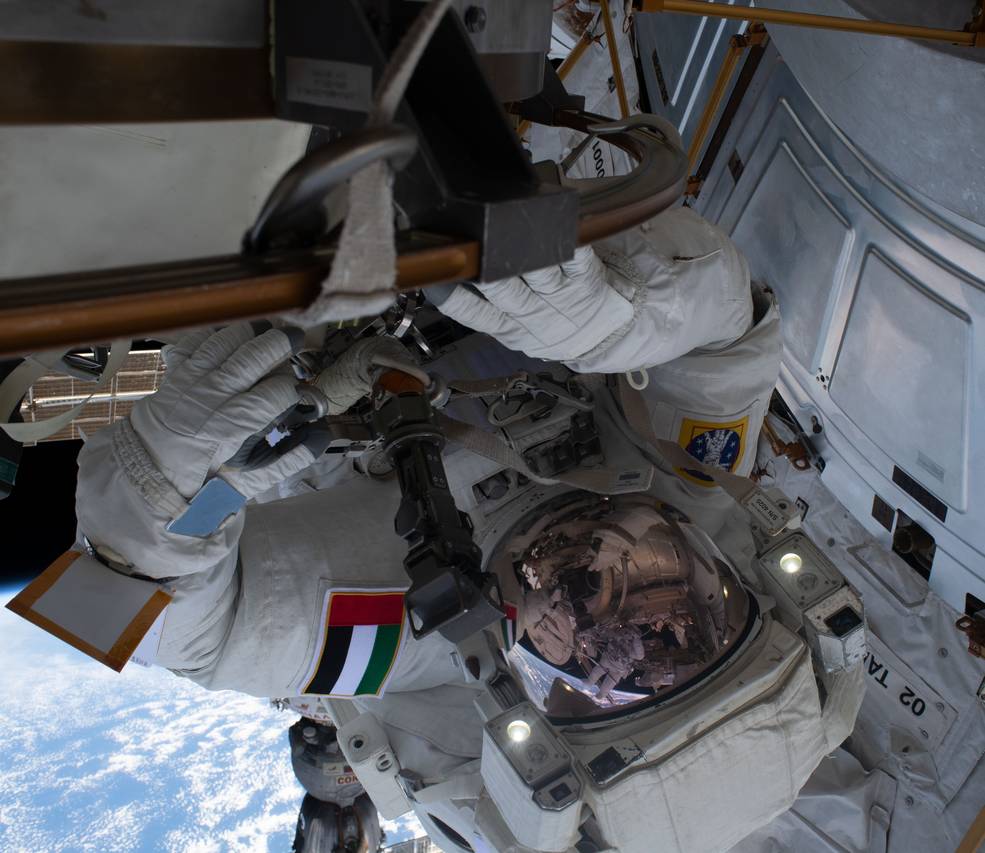
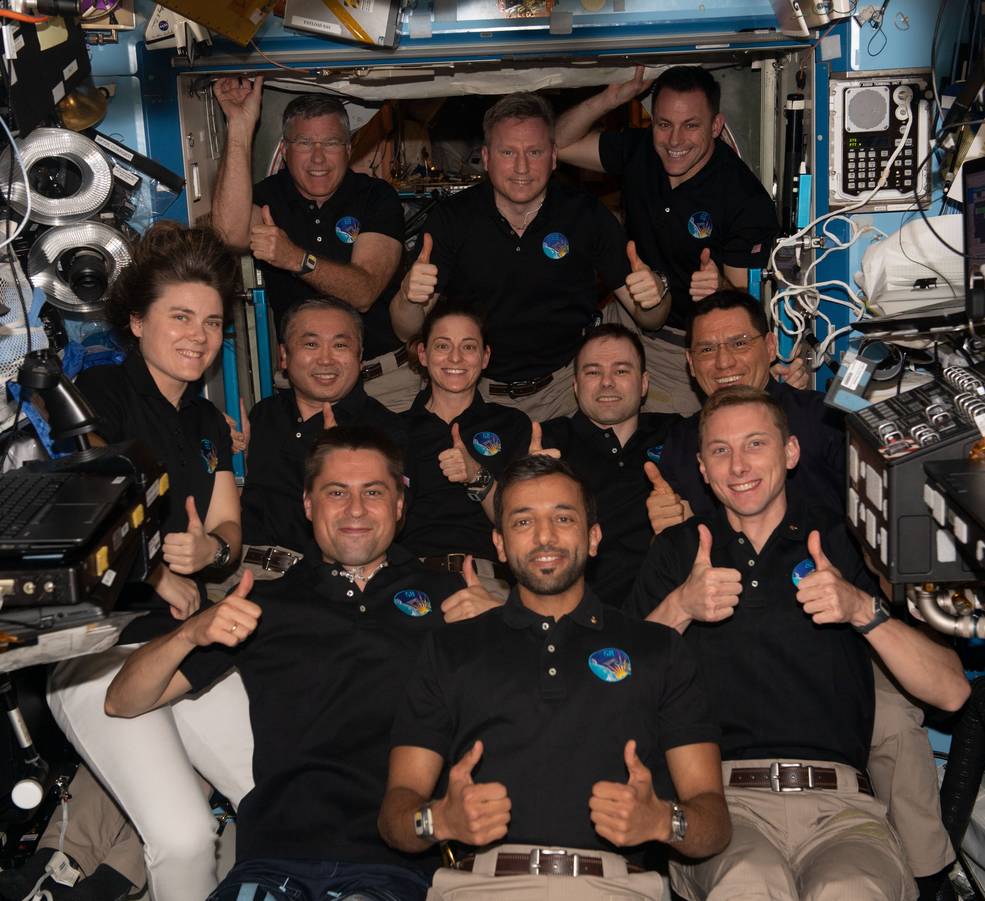
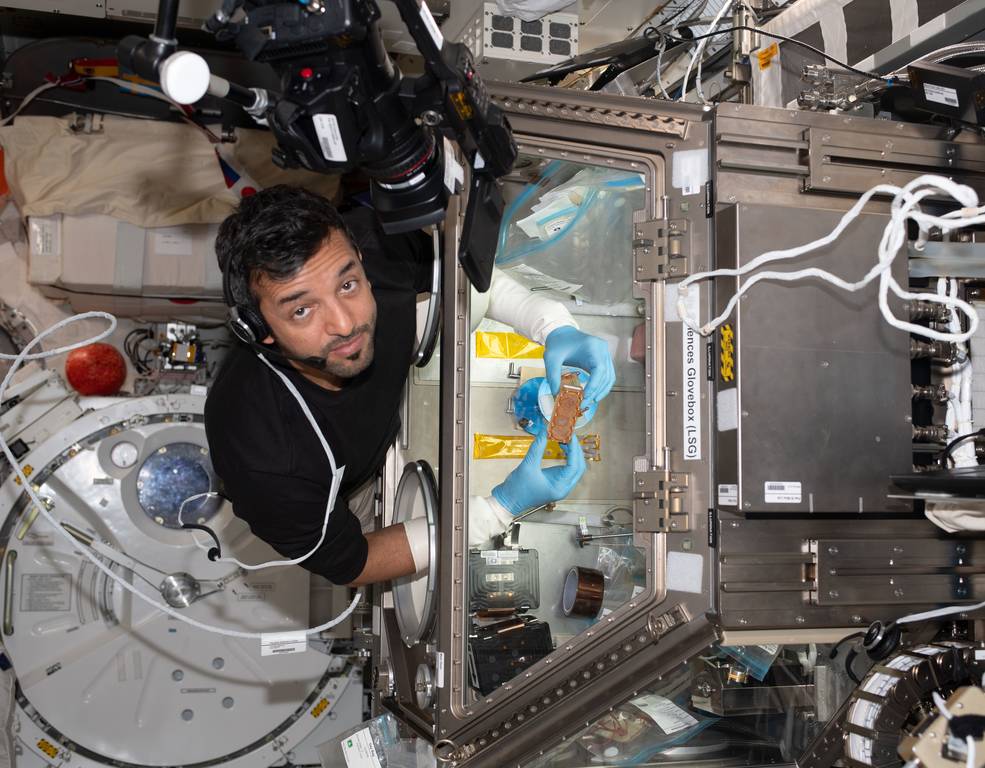
Sultan Saif AlNeyadi launched on March 2, 2023, as a member of Crew 6 aboard Crew Dragon Endeavour, and when he joined the Expedition 68 crew the next day, he became the first astronaut from the UAE on a long-duration space mission. In addition to conducting a robust research program, on April 28, AlNeyadi completed the first spacewalk by an Emirati astronaut, spending seven hours outside with fellow Expedition 69 crew member NASA astronaut Stephen G. Bowen to prepare the space station for new solar arrays. He returned to Earth after spending 186 days in space.
al neyadi exp 68 mar 2023 al neyadi lsg mar 23 2023 al neyadi eva apr 28 2023
Left: United Arab Emirates astronaut Sultan Saif AlNeyadi, center, and his fellow Expedition 68 crew members. Middle: AlNeyadi conducts an experiment in the Life Sciences Glovebox. Right: AlNeyadi conducts the first spacewalk by an Emirati astronaut.

An earlier version of this article appeared in May 2023.

The journey continues…

Powered by WPeMatico

Get The Details…
Kelli Mars
May’s Night Sky Notes: Stargazing for Beginners

May’s Night Sky Notes: Stargazing for Beginners

3 min read

May’s Night Sky Notes: Stargazing for Beginners

by Kat Troche of the Astronomical Society of the Pacific

Millions were able to experience the solar eclipse on April 8, 2024, inspiring folks to become amateur astronomers – hooray! Now that you’ve been ‘bitten by the bug’, and you’ve decided to join your local astronomy club, here are some stargazing tips!

The Bortle Scale

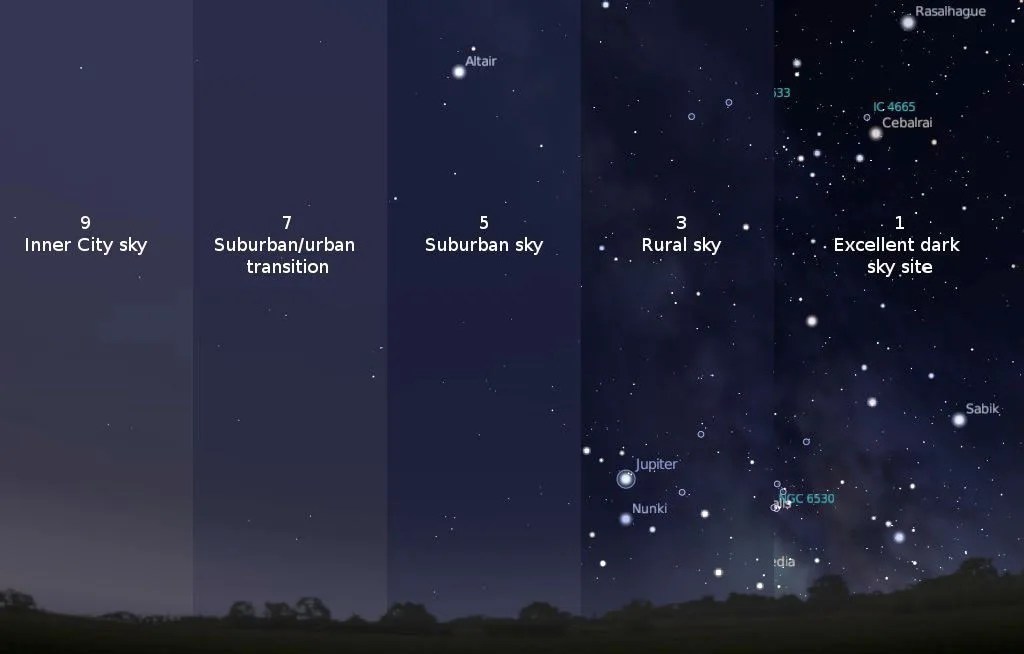
Before you can stargaze, you’ll want to find a site with dark skies. It’s helpful learn what your Bortle scale is. But what is the Bortle scale? The Bortle scale is a numeric scale from 1-9, with 1 being darkest and 9 being extremely light polluted; that rates your night sky’s darkness. For example, New York City would be a Bortle 9, whereas Cherry Springs State Park in Pennsylvania is a Bortle 2.

Graphic of the Bortle scale showing different amounts of light pollution
The Bortle scale helps amateur astronomers and stargazers to know how much light pollution is in the sky where they observe.
International Dark Sky Association

Determining the Bortle scale of your night sky will help narrow down what you can expect to see after sunset. Of course, other factors such as weather (clouds namely) will impact seeing conditions, so plan ahead. Find Bortle ratings near you here: www.lightpollutionmap.info

No Equipment? No Problem!

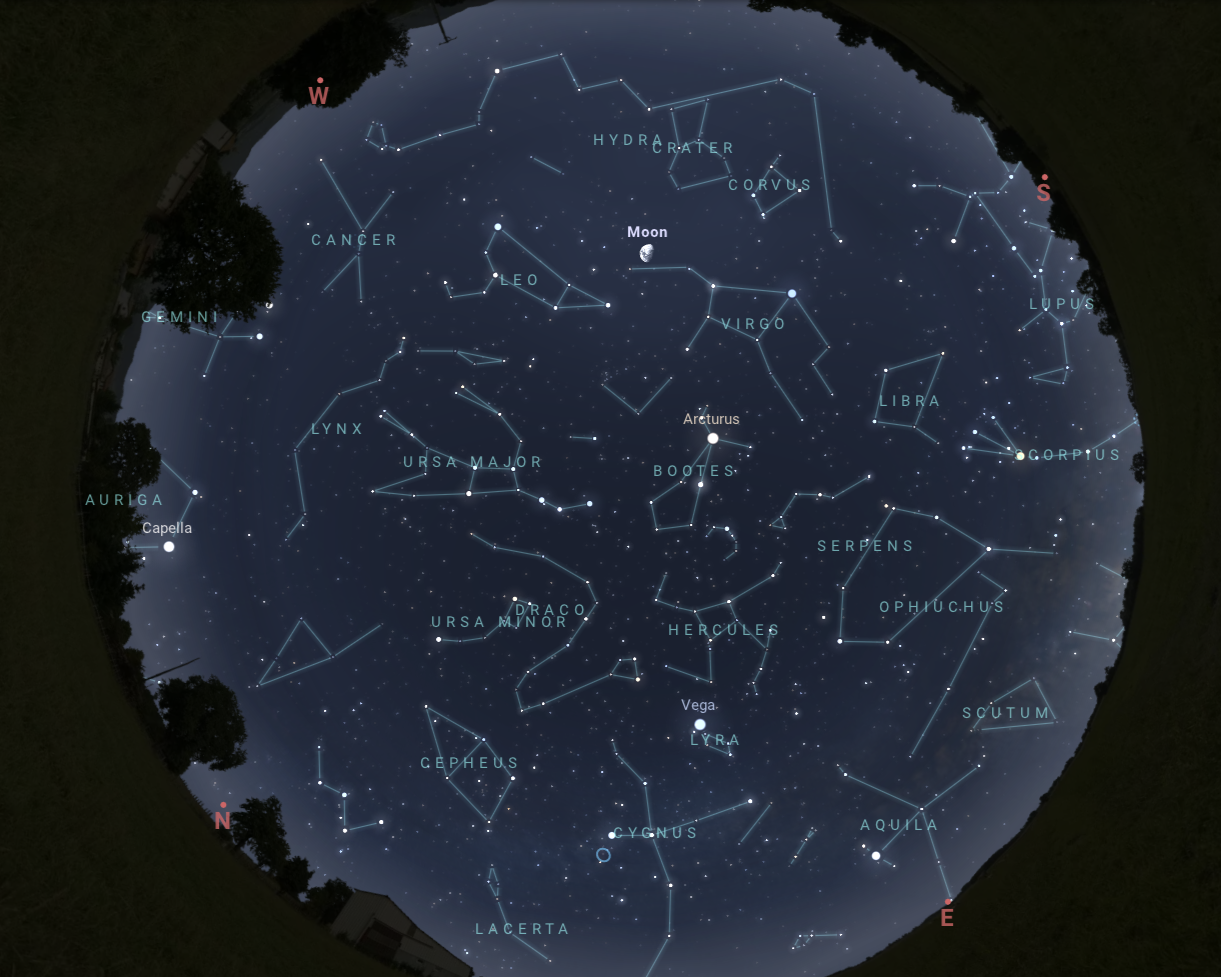
There’s plenty to see with your eyes alone. Get familiar with the night sky by studying star maps in books, or with a planisphere. These are great to begin identifying the overall shapes of constellations, and what is visible during various months.

A map of constellations at night for mid-May 2024 in the Northern Hemisphere
A full view of the northern hemisphere night sky in mid-May.
Stellarium Web

Interactive sky maps, such as Stellarium Web, work well with mobile and desktop browsers, and are also great for learning the constellations in your hemisphere. There are also several astronomy apps on the market today that work with the GPS of your smartphone to give an accurate map of the night sky.

Keep track of Moon phases. Both the interactive sky maps and apps will also let you know when planets and our Moon are out! This is especially important because if you are trying to look for bright deep sky objects, like the Andromeda Galaxy or the Perseus Double Cluster, you want to avoid the Moon as much as possible. Moonlight in a dark sky area will be as bright as a streetlight, so plan accordingly! And if the Moon is out, check out this Skywatcher’s Guide to the Moon: bit.ly/MoonHandout

Put On That Red Light

If you’re looking at your phone, you won’t be able to see as much. Our eyes take approximately 30 minutes to get dark sky adapted, and a bright light can ruin our night vision temporarily. The easiest way to stay dark sky adapted is to avoid any bright lights from car headlights or your smartphone. To avoid this, simply use red lights, such as a red flashlight or headlamp.

The reason: white light constricts the pupils of your eyes, making it hard to see in the dark, whereas red light allows your pupils to stay dilated for longer. Most smartphones come with adaptability shortcuts that allow you to make your screen red, but if you don’t have that feature, use red cellophane on your screen and flashlight.

Up next: why binoculars can sometimes be the best starter telescope, with Night Sky Network’s upcoming mid-month article through NASA’s website!

Powered by WPeMatico

Get The Details…

How NASA Continues Inspiring Engineer’s Future

How NASA Continues Inspiring Engineer’s Future

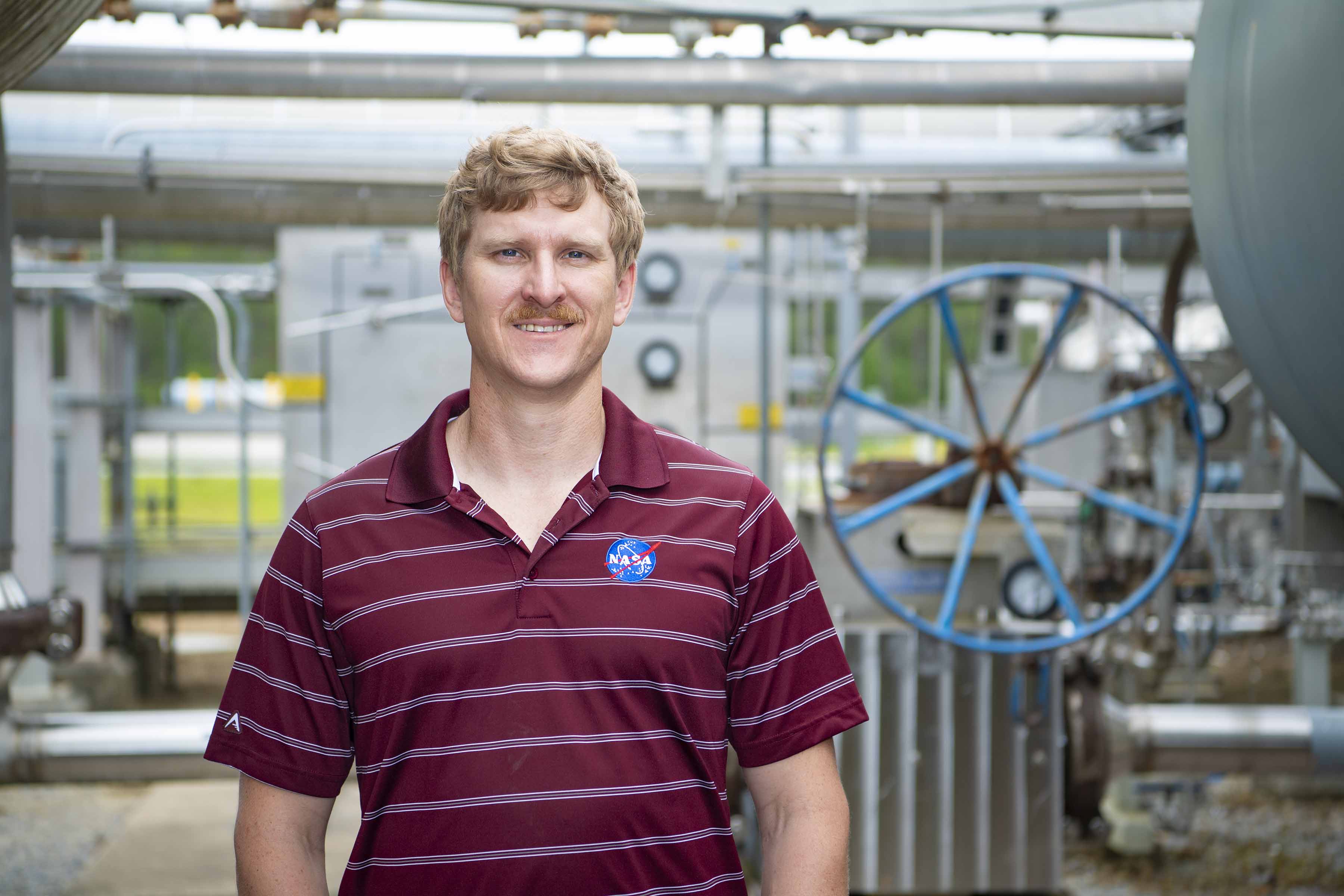
Briou Bouregois, a site engineer wearing a maroon striped polo-styled shirt, stands outside infront of the E Test Complex
Briou Bouregois is a mechanical test operations engineer at NASA’s Stennis Space Center near Bay St. Louis, where he enjoys working on a variety of projects to support NASA’s efforts of leading the way in space exploration for humanity.

Work at NASA’s Stennis Space Center near Bay St. Louis, Mississippi, takes one site engineer back to a childhood memory, where a dream of being a member of the NASA team began. Now, Briou Bourgeois is working to launch a career with even bigger aspirations.

A lot of the work we do at NASA Stennis … I think is going to be beneficial to the agency’s focus of establishing the first long-term presence on the Moon

Briou Bouregois

Briou Bouregois

NASA Stennis Mechanical Test Operations Engineer

The Bay St. Louis native recalls childhood watching the Apollo 13 movie with his dad. He became fascinated with the story of how astronauts overcame challenges when NASA attempted the third lunar landing in 1970.

Even as the lunar portion of the mission was aborted due to the rupture of a service module oxygen tank, Bourgeois was fascinated by how everybody on the ground at NASA’s Johnson Space Center in Houston fought through challenges to come up with solutions.

Bourgeois said he did not understand the gravity of the situation he was watching unfold, but he was not short of questions. He wanted to learn more.

“That probably spurred me into wanting to become part of the NASA team but, even more so, to become an astronaut and be sort of the tip of the spear when it comes to space exploration and doing the hard things that allow humanity to further understand the universe and space in general,” Bourgeois said.

Now in his seventh year at NASA Stennis, the Mississippi State University graduate said the wide range of testing capabilities at the south Mississippi site, coupled with working alongside a variety of people “highly specialized in the aerospace operations realm” is what he enjoys most.

He currently works at the versatile E Test Complex, where the mechanical test operations engineer supports research and development testing as NASA collaborates with commercial companies pursuing a future in space.

The Pass Christian, Mississippi, resident is the mechanical operations lead for the Relativity Space thrust chamber assembly test project and the Blue Origin pre-burner project. In those roles, he has written test procedures and developed a thorough knowledge of test operations.

Even as Bourgeois continues adding to his experience, he also has applied to become a NASA astronaut. Thanks, to his work at NASA Stennis, he feels equipped to make the split-second decisions needed during highly critical and hazardous moments. In addition, his NASA Stennis experience has taught him greatly about the importance of teamwork.

“A lot of the work we do at NASA Stennis with propellant transfers, managing cryogenic systems, pneumatic systems, hydraulic systems, and just having the hands-on experience and operational knowledge of those systems, I think is going to be beneficial to the agency’s focus of establishing the first long-term presence on the Moon,” Bourgeois said.

Whether Bourgeois’ future is at NASA Stennis or beyond, the NASA employee looks forward to helping the agency explore the secrets of the universe for the benefit of all.

Powered by WPeMatico

Get The Details…
LaToya Dean

U.S. Department of State Open House at NASA Headquarters

U.S. Department of State Open House at NASA Headquarters

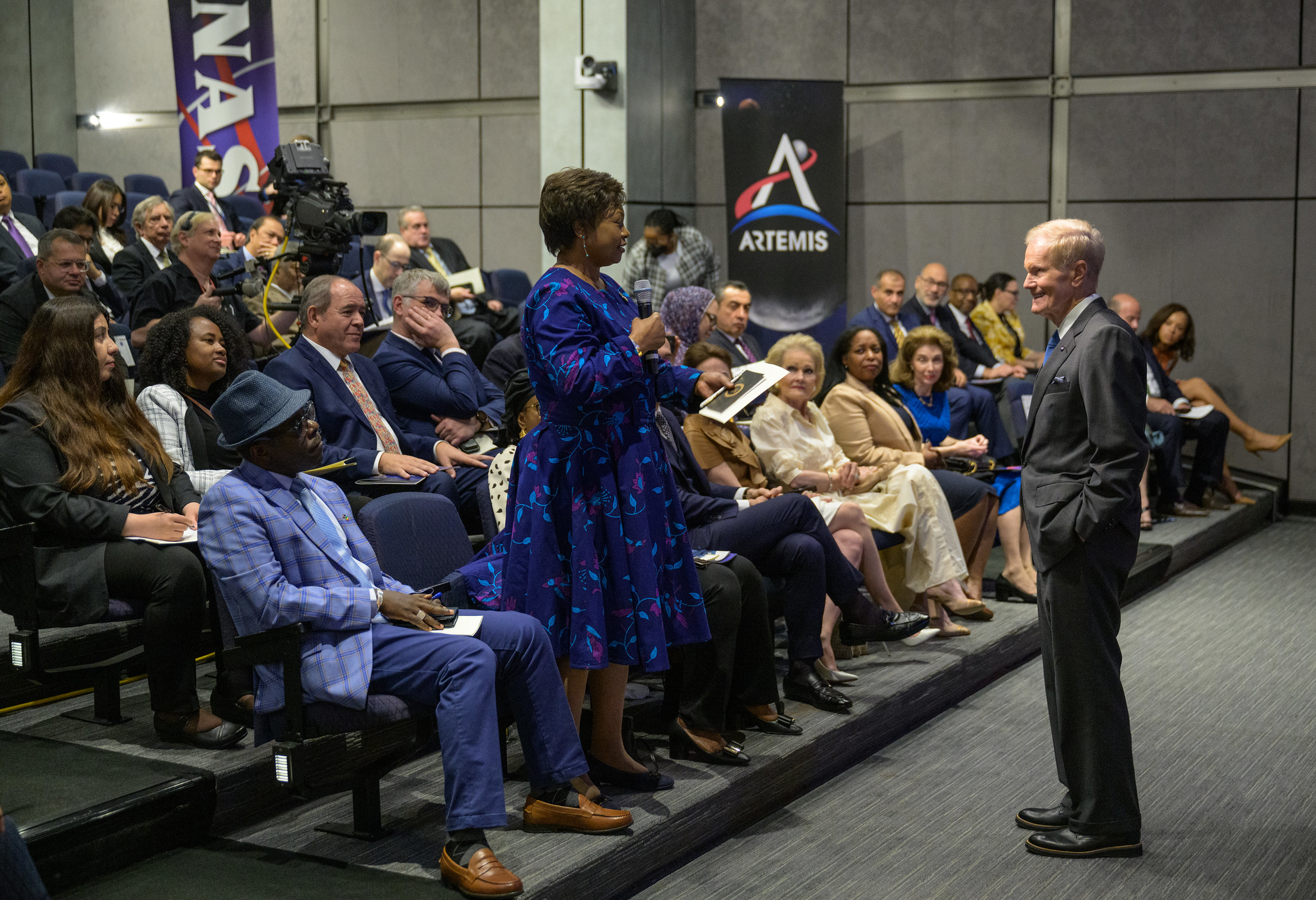
In an auditorium at NASA Headquarters, NASA Administrator Bill Nelson, standing, listens to a woman who is standing and speaking into a microphone to ask a question during a U.S. Department of State Open House. Attendees of the event fill the four rows of seats visible in the image, and a banner with NASA Artemis Program logo is seen in the background.
NASA Administrator Bill Nelson addresses a Diplomatic Corps during a U.S. Department of State Open House, Monday, April 29, 2024, at the NASA Headquarters Mary W. Jackson Building in Washington.
NASA/Bill Ingalls

This event was part of Space Diplomacy Week, focused on deepening bilateral relationships, specifically how international partnerships are strengthened by space exploration.

Powered by WPeMatico

Get The Details…
Sarah A. Loff

NASA Ames Astrogram – March/April 2024

NASA Ames Astrogram – March/April 2024

Astrogram banner
Astrogram banner

Advanced Composite Solar Sail System Successfully Launches

On April 23, the Advanced Composite Solar Sail System CubeSat mission launched successfully aboard an Electron rocket launched by Rocket Lab and carried Ames’ payload from Māhia, New Zealand. The CubeSat was subsequently delivered to a Sun-synchronous orbit around Earth.

Ames has pioneered the use of CubeSats and small satellites to run innovative, cost-effective missions and test technologies in space, providing leadership in cost-effective spaceflight missions for NASA.

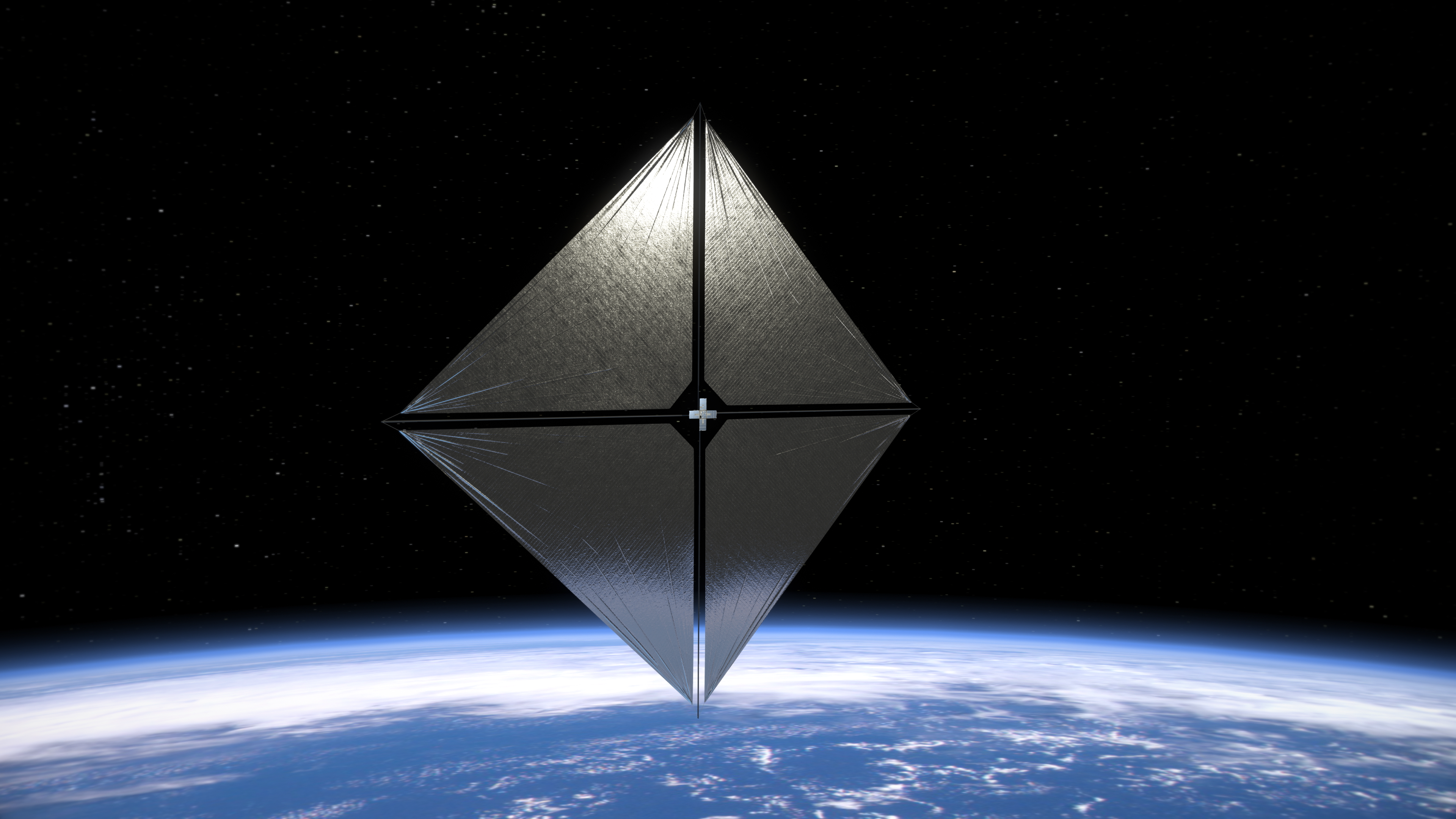
An artist’s concept of NASA’s Advanced Composite Solar Sail System spacecraft in orbit.
NrediASA/Aero Animation/Ben Schweighart

Under the auspices of STMD’s Small Spacecraft Technology Program, the Advanced Composite Solar Sail System mission demonstrates next-generation solar sail technology for small interplanetary spacecraft. It will test a new way of navigating our solar system when the mission’s CubeSat hoists its sail into space – not to catch the wind, but the propulsive power of sunlight. This technology could advance future space travel and expand our understanding of our Sun and solar system. 

NASA, FAA Partner to Develop New Wildland Fire Technologies 

Recently, NASA and the Federal Aviation Administration (FAA) established a research transition team to guide the development of wildland fire technology. 

Wildland fires are occurring more frequently and at a larger scale than in past decades, according to the U.S. Forest Service. Emergency responders will need a broader set of technologies to prevent, monitor, and fight these growing fires more effectively. Under this Wildland Fire Airspace Operations research transition team, NASA and the FAA will develop concepts and test new technologies to improve airspace integration. 

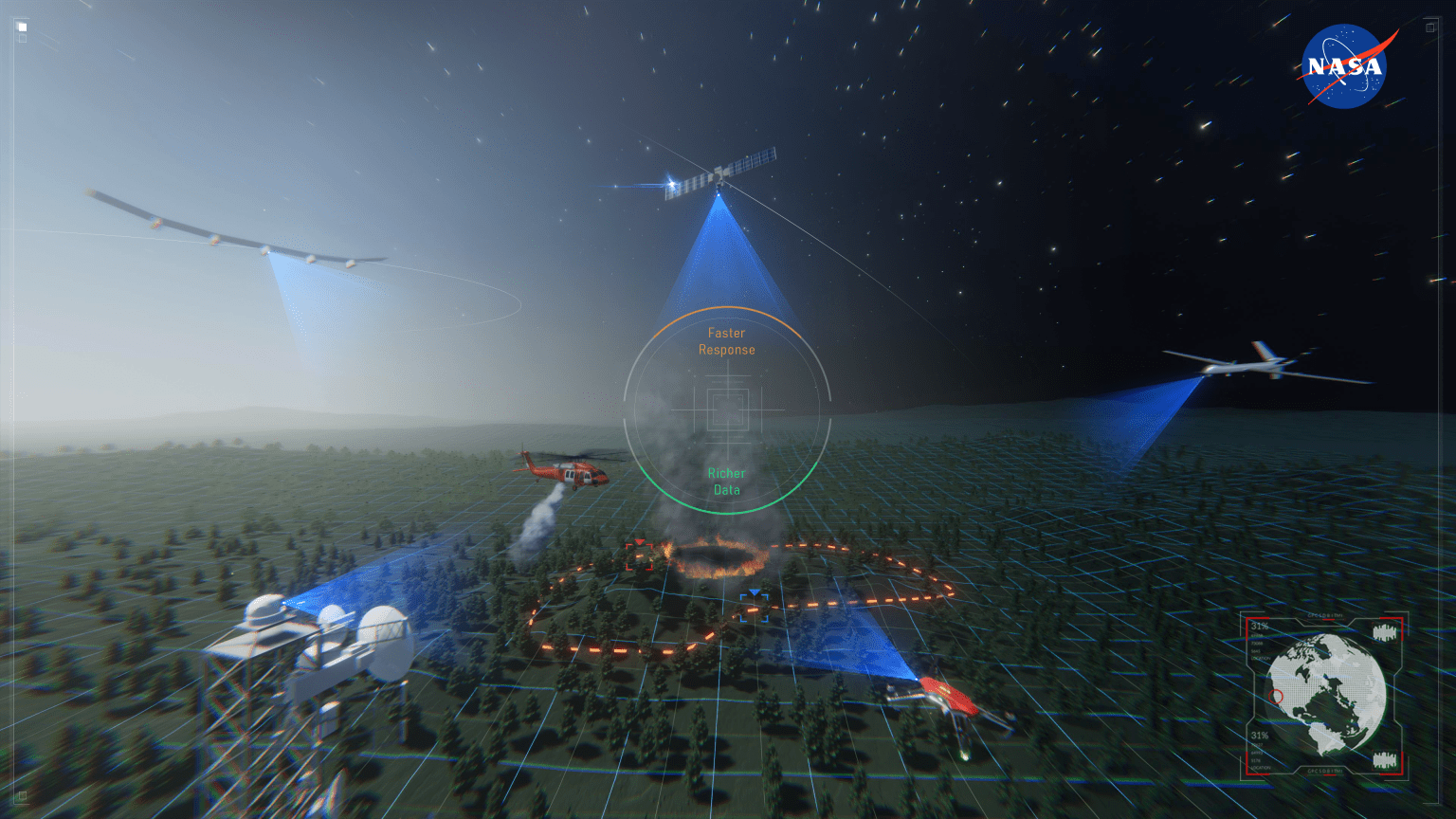
Artist’s rendering of remotely piloted aircraft providing fire suppression, monitoring and communications capabilities during a wildland fire.
Credit: NASA

Current aerial firefighting operations are limited to times when aircraft have clear visibility – otherwise pilots run the risk of flying into terrain or colliding with other aircraft. Drones could overcome this limitation by enabling responders to remotely monitor and suppress these fires during nighttime and low visibility conditions, such as periods of heavy smoke. However, advanced airspace management technologies are needed to enable these uncrewed aircraft to stay safely separated and allow aircraft operators to maintain situational awareness during wildland fire management response operations. 

Over the next four years, NASA’s Advanced Capabilities for Emergency Response Operations (ACERO) project, in collaboration with the FAA, will work to develop new airspace access and traffic management concepts and technologies to support wildland fire operations. These advancements will help inform a concept of operations for the future of wildland fire management under development by NASA and other government agencies. The team will test and validate uncrewed aircraft technologies for use by commercial industry and government agencies, paving the way for integrating them into future wildland fire operations.  

ACERO is led out of NASA’s Ames Research Center in Silicon Valley under the agency’s Aeronautics Research Mission Directorate. 

Studying the Ocean with NASA Computer Simulations

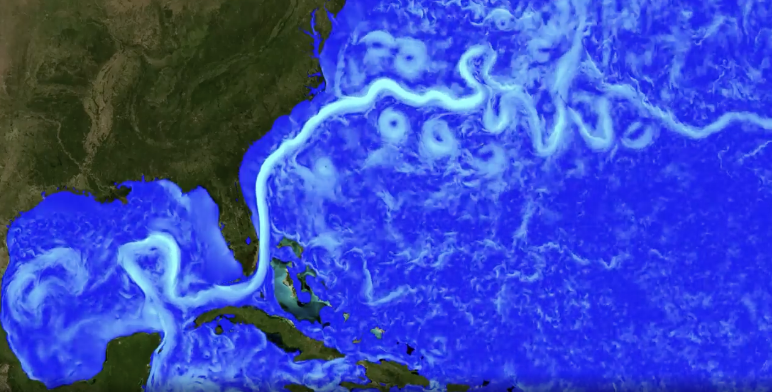
A tool developed at NASA’s Advanced Supercomputing division provides researchers with a global view of their ocean simulation in high resolution. In this part of the global visualization, the Gulf Stream features prominently. Surface water speeds are shown ranging from 0 meters per second (dark blue) to 1.25 meters (about 4 feet) per second (cyan). The video is running at one simulation day per second. The data used comes from the Estimating the Circulation and Climate of the Ocean (ECCO) consortium.
A tool developed at NASA Ames’ Advanced Supercomputing division provides researchers with a global view of their ocean simulation in high resolution. In this part of the global visualization, the Gulf Stream features prominently. Surface water speeds are shown ranging from 0 meters per second (dark blue) to 1.25 meters (about 4 feet) per second (cyan). The video is running at one simulation day per second. The data used comes from the Estimating the Circulation and Climate of the Ocean (ECCO) consortium.
Credit: NASA/Bron Nelson, David Ellsworth

“Every time I help with visualizing [ocean] simulation data, I learn about an entirely new area of ocean or climate research, and I’m reminded of how vast and rich this area of research is. And…the real magic happens at the intersection and interaction of simulated and observed data.

It is a great honor – and a thrill – to collaborate with devoted, world-class scientists doing such important, cutting-edge research and sometimes to even help them learn something new about their science.”

Dr. Nina McCurdy, a data visualization scientist with the NASA Advanced Supercomputing division at NASA’s Ames Research Center in California’s Silicon Valley

Luxembourg Leaders Focus on Lunar Exploration During Visit to NASA Ames

by Abigail Tabor

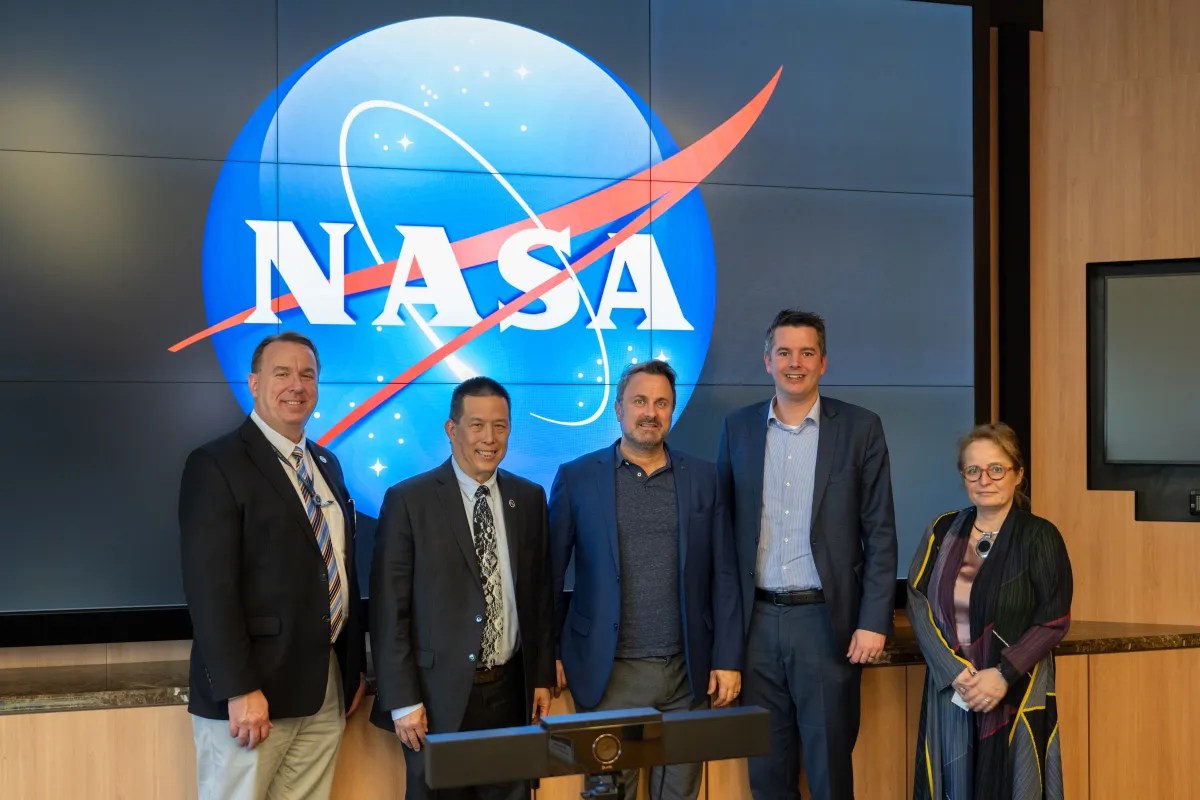
The challenges of working on the surface of the Moon are at the center of a facility at NASA’s Ames Research Center in California’s Silicon Valley. The Lunar Lab and Regolith Testbeds help scientists and engineers – from NASA and industry alike – study how well science instruments, robots, and people might be able to safely work, manipulate, navigate, and traverse the tough lunar terrain. On March 7, three visitors from the Grand Duchy of Luxembourg – Deputy Prime Minister Xavier Bettel, Minister of the Economy Lex Delles, and Ambassador to the United States Nicole Bintner – learned more about the work happening here. 

Left to right: Ames Deputy Center Director David Korsmeyer, Ames Center Director Eugene Tu, Deputy Prime Minister of Luxembourg Xavier Bettel, Luxembourg Minister of Economy Lex Delles, and Ambassador Nicole Bintner meet at Ames on March 7, 2024.
Credit: NASA Ames/Brandon Torres

During the visit, lunar rock and crater features crafted from lunar soil, or regolith, simulant were lit by harsh, low-angle illumination to simulate sunlight conditions at the Moon’s poles. Members of the VIPER mission (Volatiles Investigating Polar Exploration Rover) discussed their work testing optical sensors at the lab for NASA’s water-hunting Moon rover. Engineering versions of VIPER’s hazard-avoidance cameras and lighting system, tested in the facility, were also on display. The lab is managed by NASA’s Solar System Exploration Research Virtual Institute (SSERVI). 

The Regolith Testbeds enable research applicable to places beyond our Moon as well, including Mercury, asteroids, and regolith-covered moons like Mars’ Phobos. 

Luxembourg was one of the first nations to sign the Artemis Accords and has taken steps to enable commercial space exploration. At Ames, the visitors learned about the center’s support of NASA’s Artemis exploration goals, including with VIPER, agency supercomputing resources, and the development of advanced tools for lunar operations. 

AI, Robots, Autonomy Software Discussed at Star Trek Convention

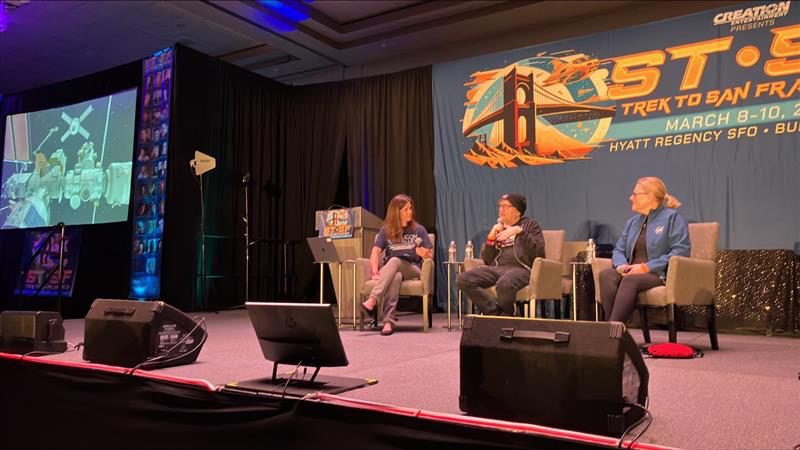
March 8-10 Star Trek convention
Above: Left to right are Abigail Tabor of the Office of Communications Division, J. Benton, computer science researcher; and Dr. Jennifer Blank, senior scientist in the Space Science and Astrobiology Directorate speaking on a panel at the March Star Trek Convention held in Hyatt Regency SFO, Burlingham, California. They spoke about artificial intelligence for a future space station that will orbit the Moon and the use of legged robot technology, autonomy software, and remote science operations in a volcanic cave. At least 7,000 attended the Star Trek Convention.

Majoring in Liberal Studies: Giving Back, Honoring Culture, and Working at NASA

Choosing a major can be intimidating, so finding Liberal Studies was perfect for community-centered Maria Lopez, deputy operations manager for the NASA Ames Exchange.  Maria was interviewed by the Puente Project, a mission to increase the number of educationally underrepresented students who enroll in four-year colleges and universities, as part of the “Puente Major 2 Career Video Series.” The Major 2 Career video series, which is on YouTube, focuses on different majors. The project highlights various professionals’ journey from college to their career.  The premise is to feature two professionals who earned the same bachelor’s degrees but following different professions to show the range and opportunities to first-generation college bound students currently at the middle school, high school, and community college levels.

Maria highlighted how she landed on Liberal Studies after trying a few majors, the challenges she faced along the way, and her unexpected and exciting career with NASA.  She started out in STEM education and has supported the NASA mission in different roles with the technical publications office, international office, protocol office, and the office of diversity and equal opportunity.  Maria shares an array of mission enabling positions with NASA and how NASA fuels her passion for celebrating culture and community outreach.  In the video, she demonstrates by example that NASA is within reach and inspires students to pursue their dreams.

Watch and learn more about Maria’s journey!

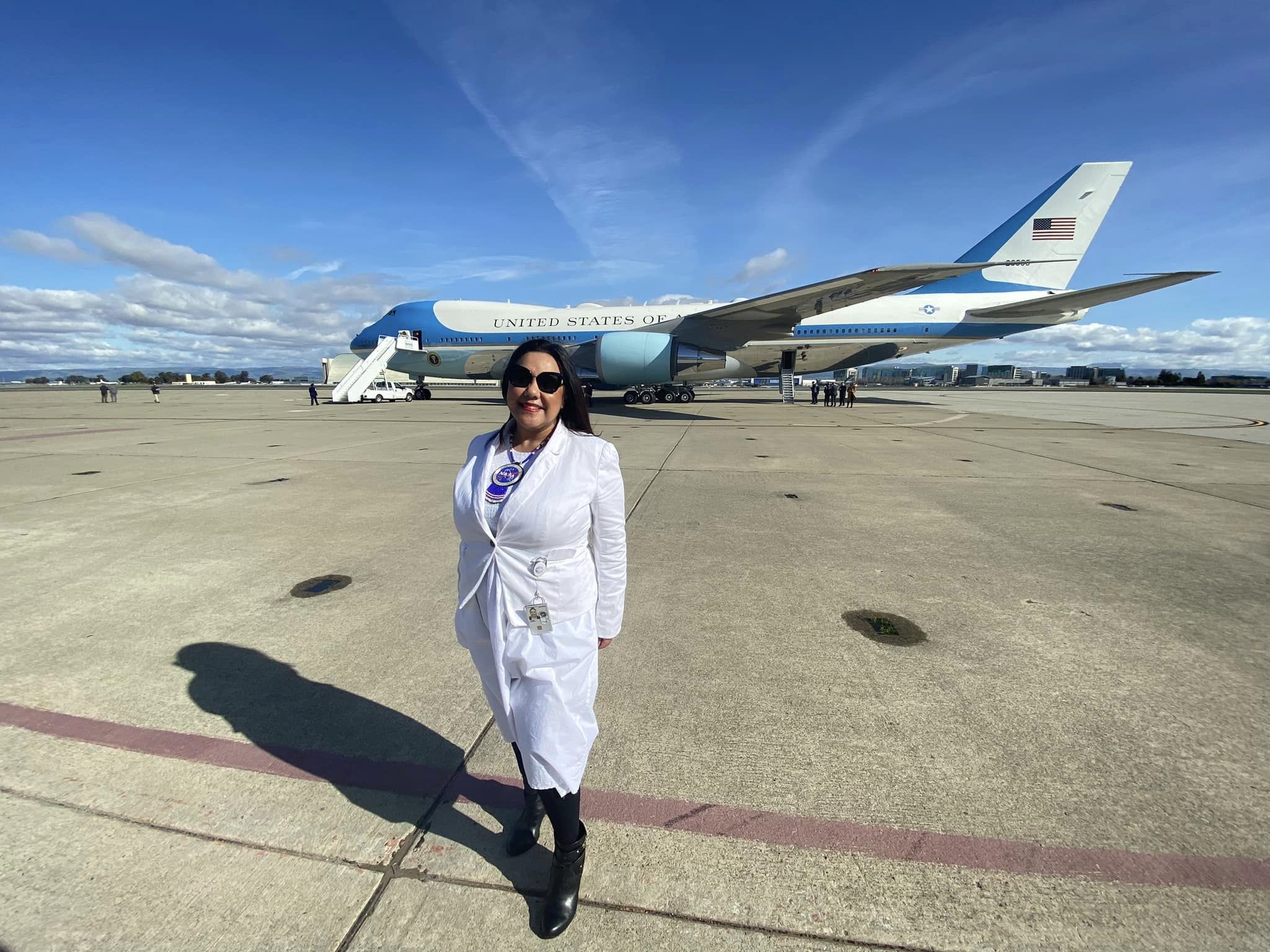
Maria on detail with the Protocol Office supporting a Presidential visit in 2023
Maria on detail with the Protocol Office supporting a presidential visit in 2023.
Credit: photo by Lisa Lockyer

Ames Engineer Natasha Schatzman Excites Kids about the Mars Helicopter

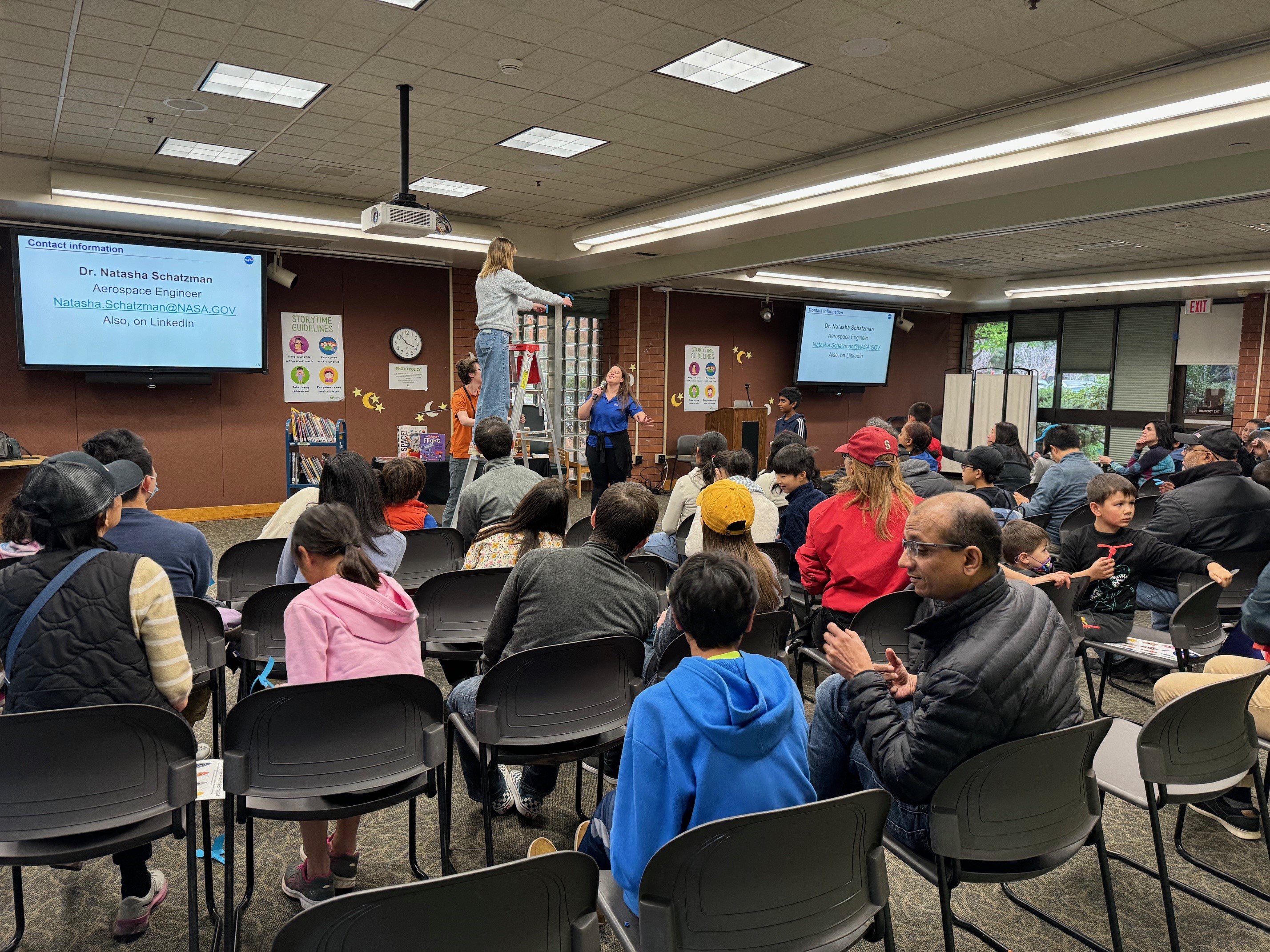
Sunnyvale Public Library hosted “Space Camp 2024”
On April 13, the Sunnyvale Public Library hosted “Space Camp 2024” with space-themed activities for kids, such as crafts, scavenger hunts, speakers, and more. Apollo 16 lunar samples were displayed at the event and Ames engineer Dr. Natasha Schatzman of Code AV gave a presentation to an enthusiastic crowd of a few hundred people about her NASA journey, her work on the Mars helicopter efforts, and led a Mars paper helicopter activity with the children. Students young and old enjoyed the fun of learning about vertical flight. Mayor Larry Klein attended the event and did a reading for the kids.

Ames Staff Shares NASA Mission Info with Cal Academy Nightlife Attendees

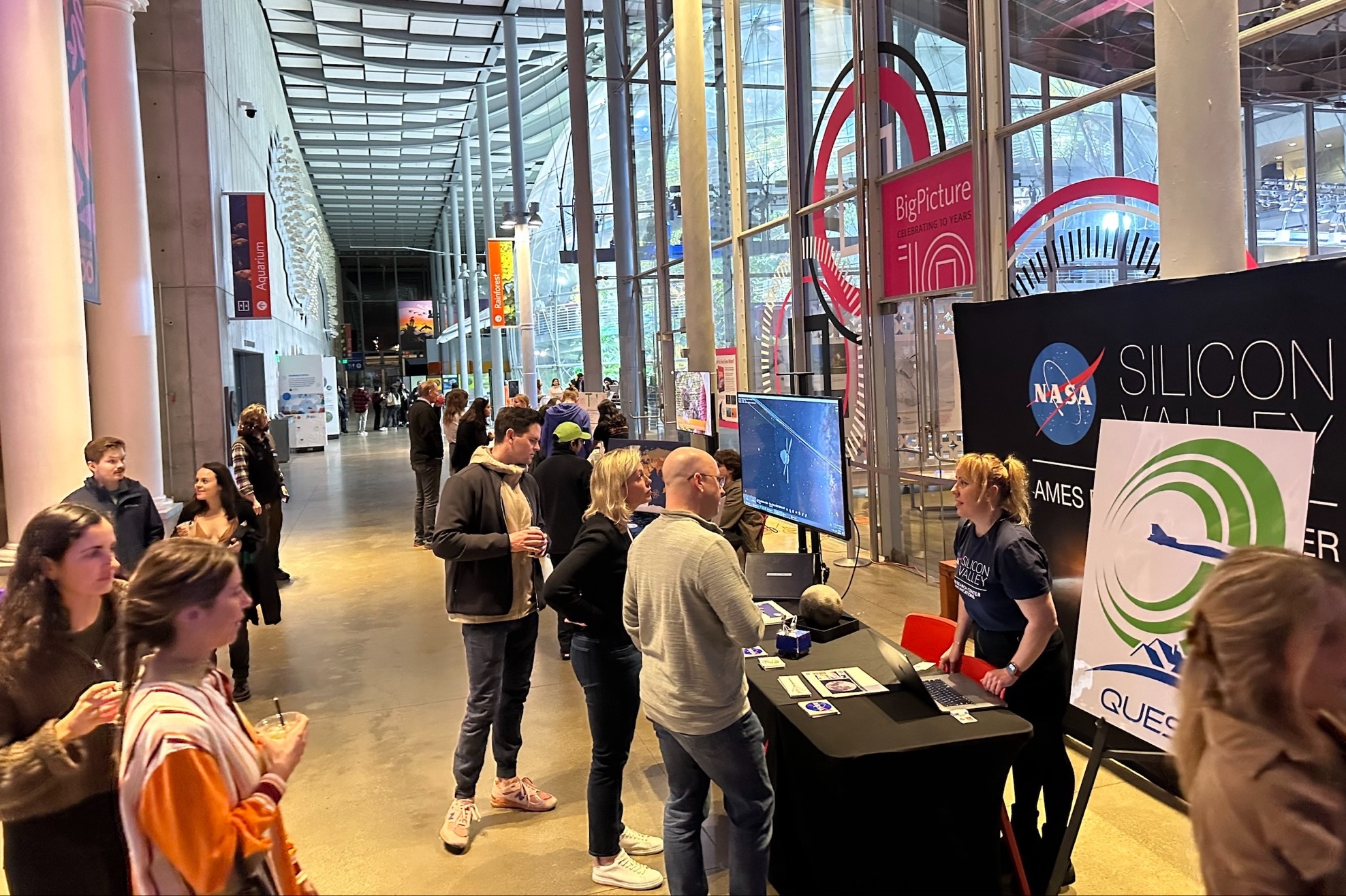
Ames Office of Communications (OComm) supported a NASA exhibits booth at the California Academy of Sciences Nightlife festivities on the evening of Feb. 29, in Golden Gate Park, San Francisco. About a third of the 2,000 plus attendees interacted with the NASA booth and presenters, experiencing many high-quality interactions with many of the attendees. The QUESST (NASA’s mission to demonstrate how the X-59 can fly supersonic without generating loud sonic booms), VIPER (Volatiles Investigating Polar Exploration Rover), Artemis, Orion missions were discussed and many attendees were asked if they’d like to send their names with VIPER on its upcoming launch. Hillary Smith of OComm is seen below interacting with visitors at the event.

Hillary Smith at Academy of Sciences SF
Hillary Smith at Academy of Sciences in San Francisco interacting with event attendees.

Lego Exhibit Brings Out the Engineering Creativity with the Kids

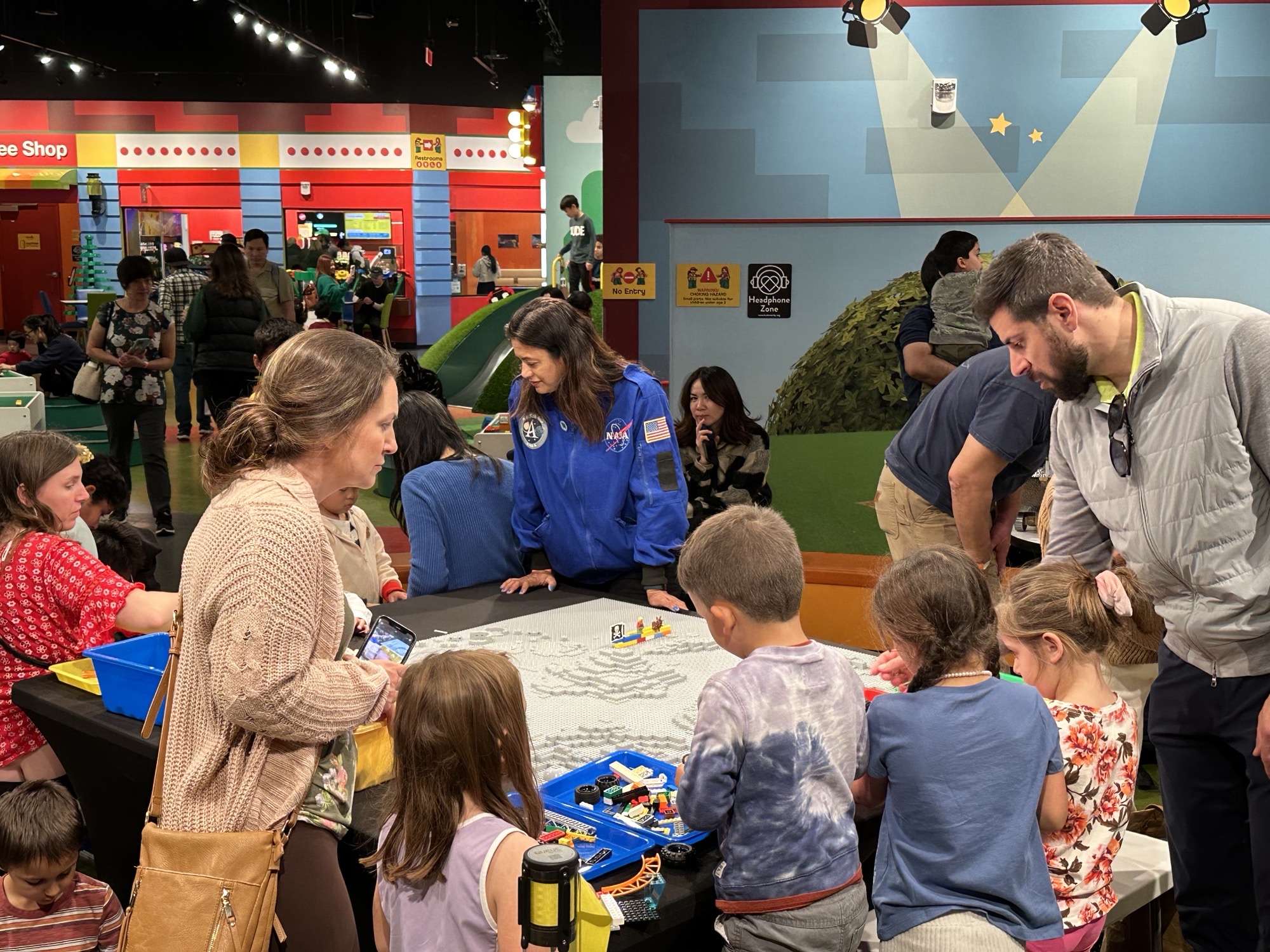
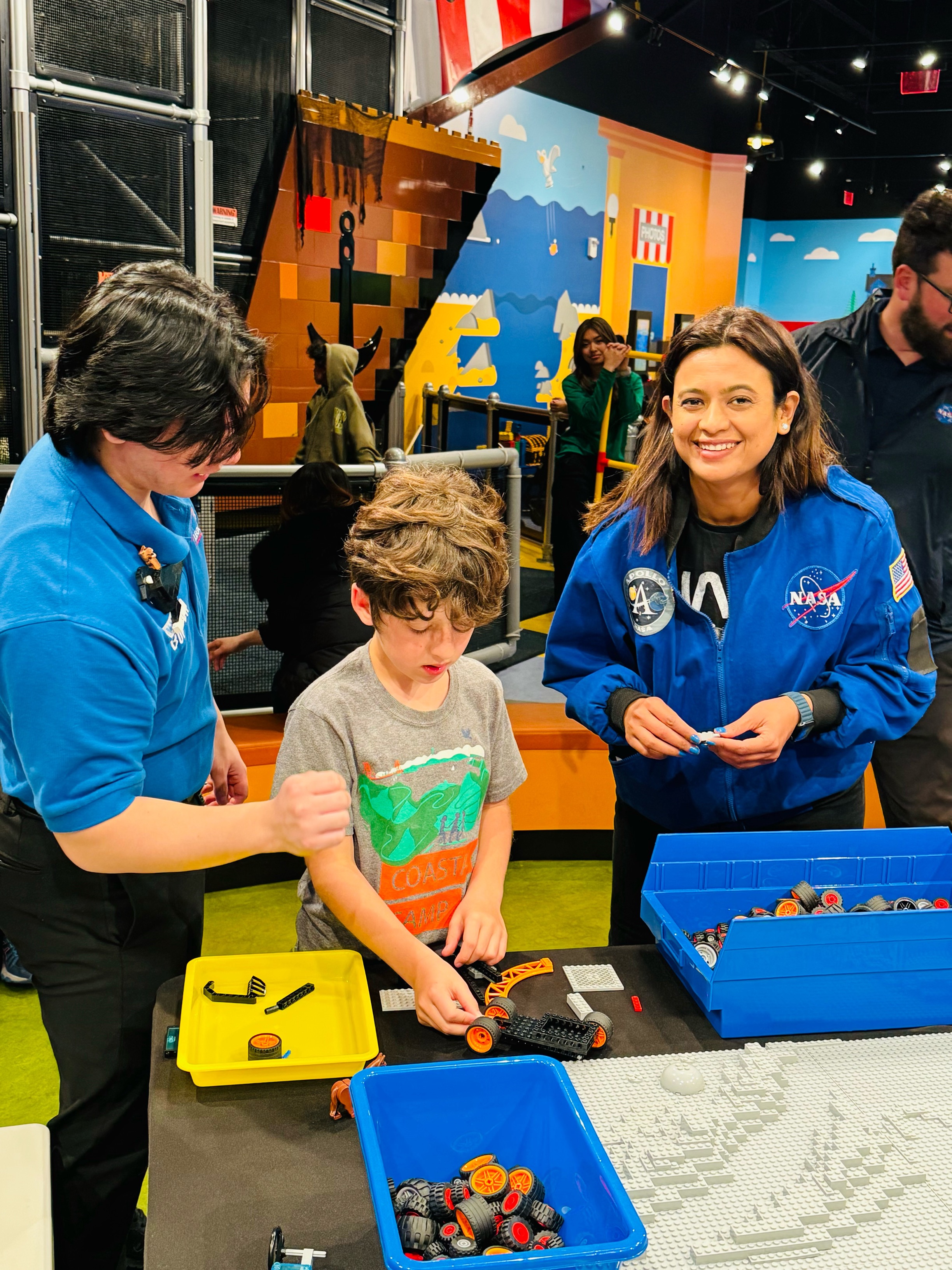
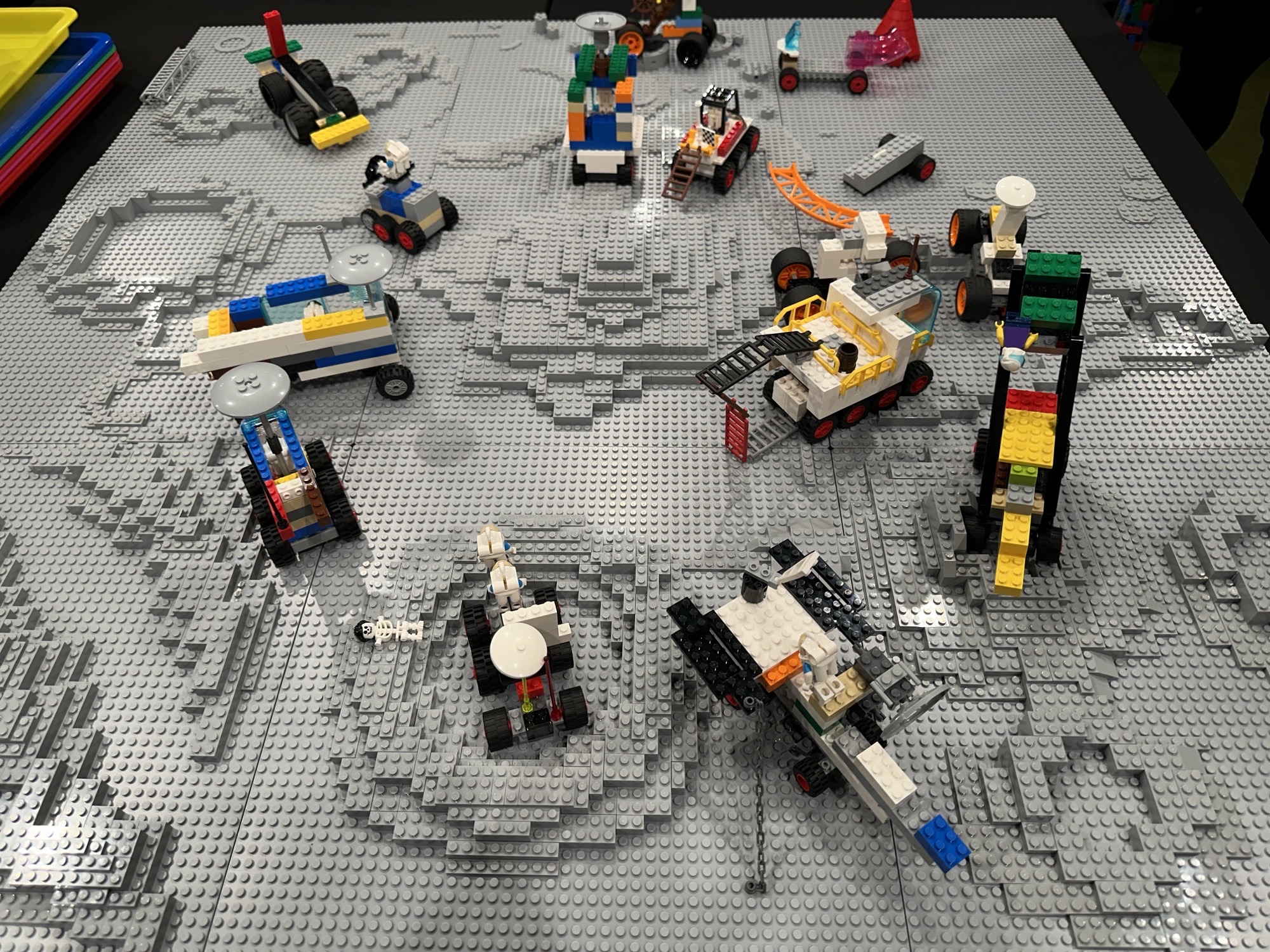
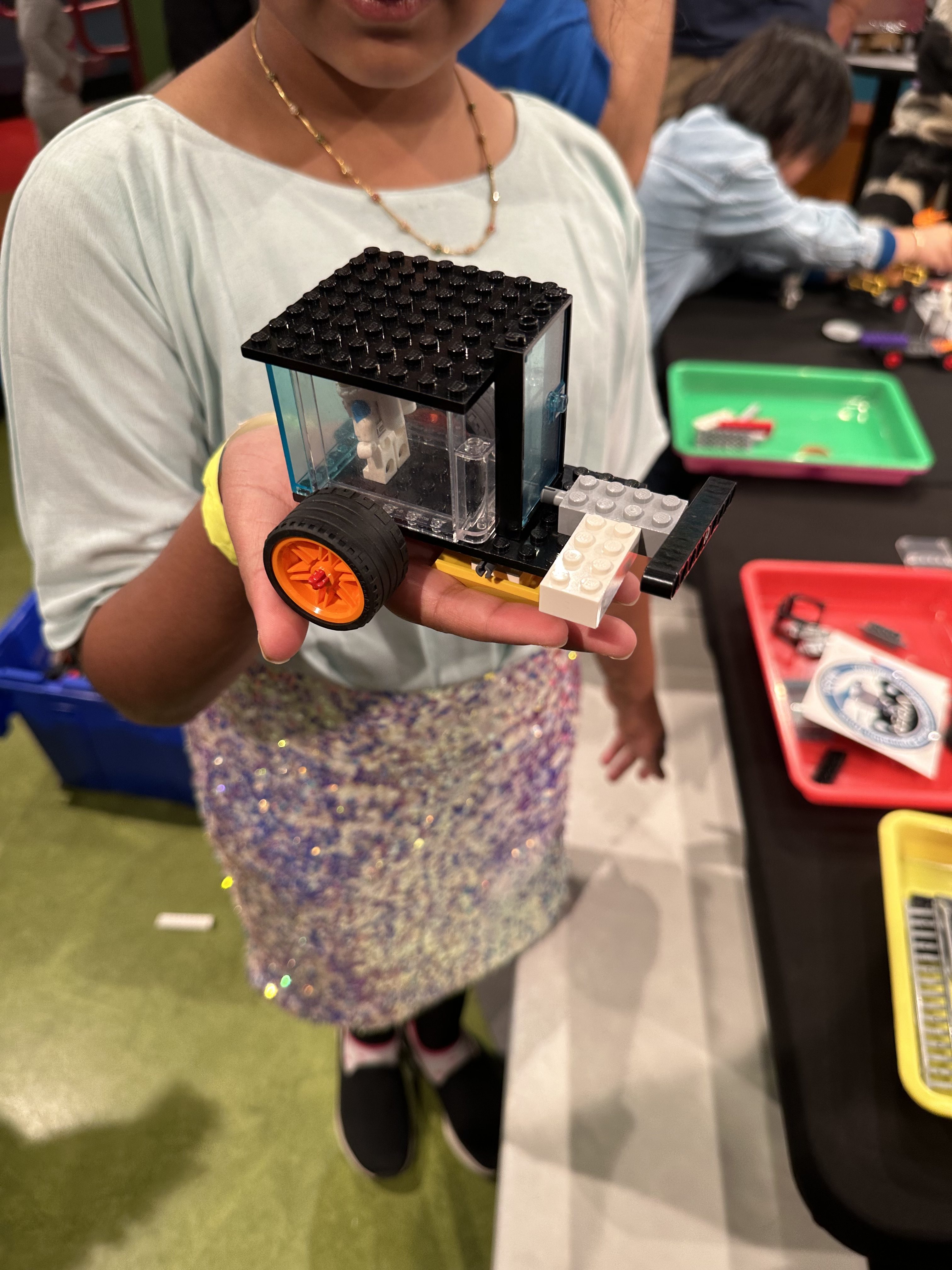
On April 13 and 14, the Office of Communications team members facilitated VIPER’s (Volatiles Investigating Polar Exploration Rover) subject matter experts Vandana Jay and Hans Thomas who interacted with audiences at LEGOLand Bay Area in Miliptas, California. The experts worked alongside “master builders” supplied by LEGOLand to help younger engineers design and test moon rovers of their own creation, creating a fun engineering challenge. During the day, the team interacted with about 80 families and close to 500 individual attendees. See below for photos from the event.

Kids enjoying making their own little lego Moon rovers.
LegoLand bay area event April 13, 2024
Building rovers at the April 13 LegoLand Bay Area event.
Moon rovers built by students at the April 13 LegoLand Bay Area event.
Building model lego rovers.

Ames Space Biology and Astrobiology Teams Engage Kids with Science Demos

Tri-Valley Innovation Fair 2024
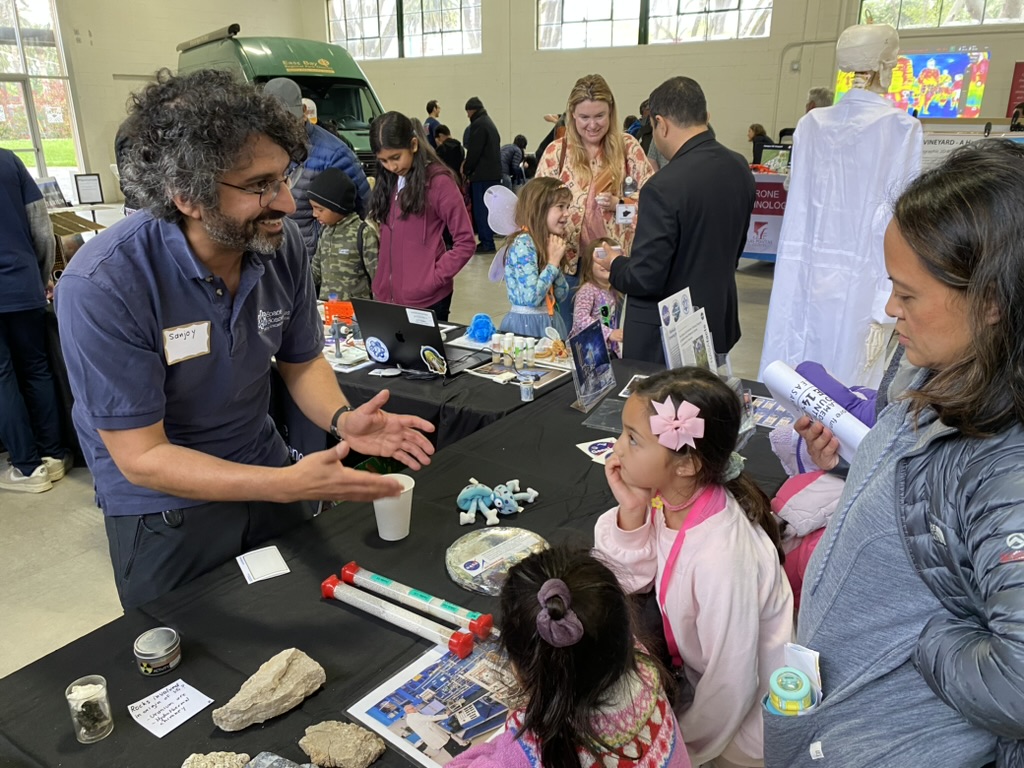
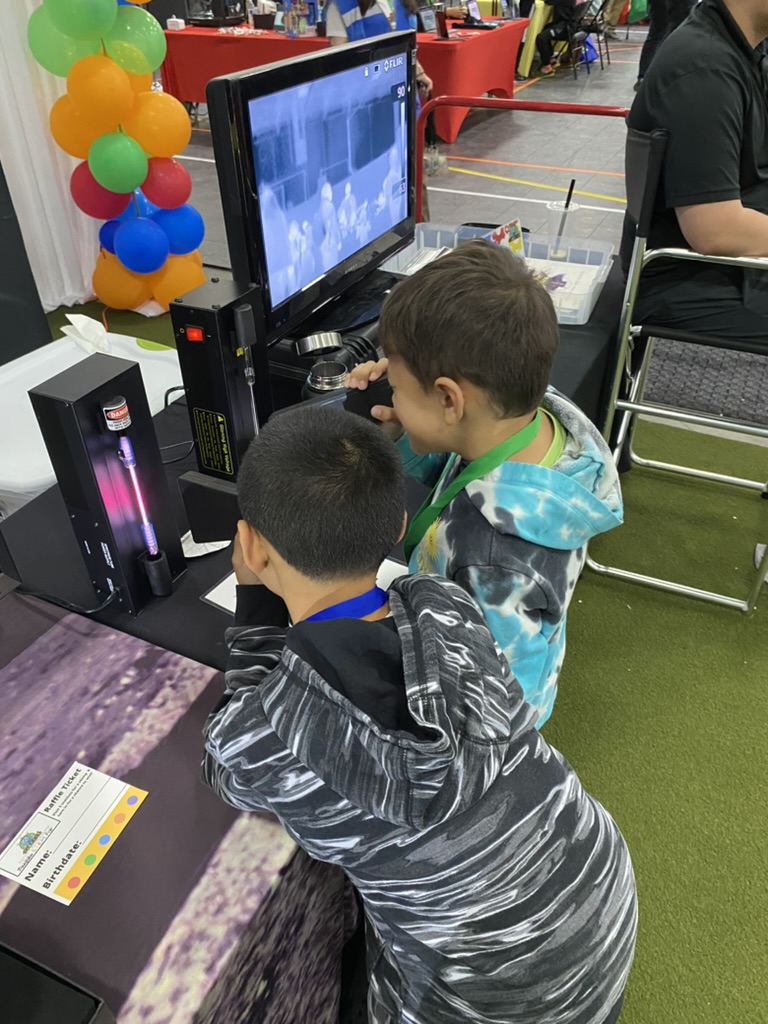
Tri-Valley Innovation Fair at Alameda County Fairgrounds was held April 18 – 19 and is an annual event featuring STEM (science, technology, engineering, and math) providers and vendors across the Bay Area. The Ames booth highlighted the Space Biology and Astrobiology groups. The space biology team highlighted how model organisms, such as tardigrades, drosophila, yeast and C. elegans give researchers insights into the effects of space on living organisms and the astrobiology team highlighted the search for life in the universe and Earth’s extremophiles. Attendees to the event enjoyed posing with the astronaut cutouts and learning about the electromagnetic spectrum and the James Webb Space Telescope with an interactive infrared demo. Close to 1,000 interactions occurred during the event.

SJCU Research Week Event Highlights its Partnerships with NASA Ames

SJSU Research Week
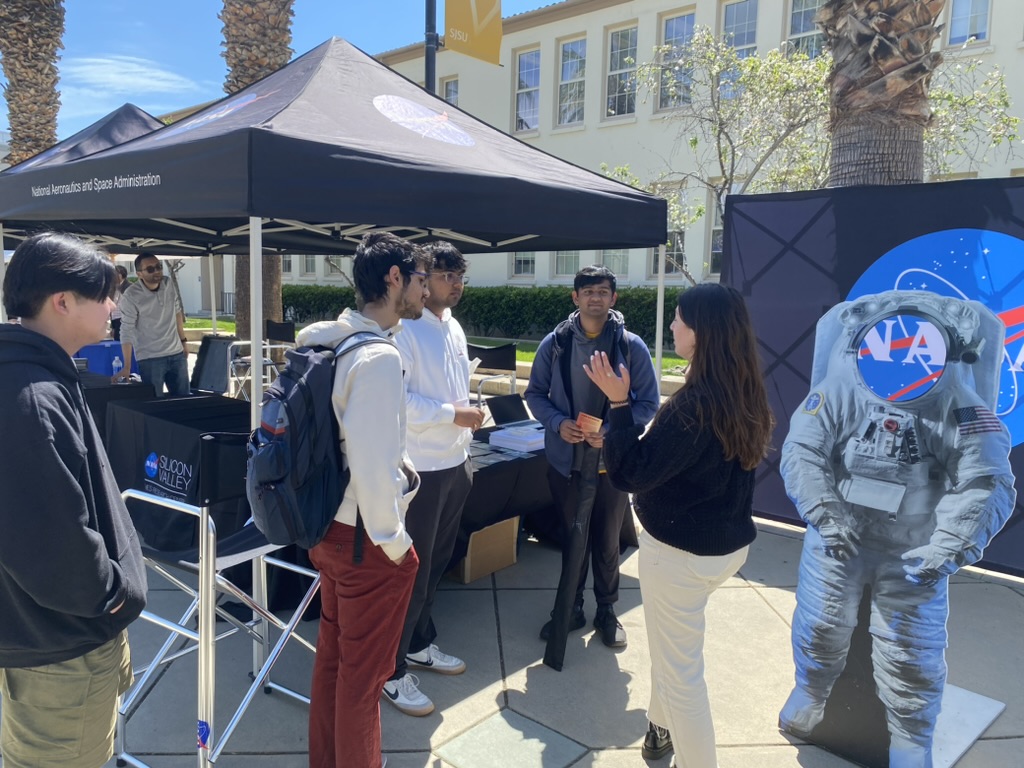
​San Jose State University (SJSU) Research Week, April 15 – 19, consists of a series of events at the campus that highlight the university’s engagement in research with partners such as NASA Ames. The Ames booth at Paseo de Cesar Chavez on campus on April 15 featured the TechEdSat small sat project, the Ames Aeronautics directorate and OSTEM. Marcus Murbac and his team comprised of many SJSU alumni, showed off their latest iteration of the TechEdSat and Zach Roberts spoke about Ames aeronautics projects as well as a couple of drones. Francesa Bura, an intern at Ames, talked about internship and OSTEM resources. Information about Ames Atmospheric Sciences and NASA jobs also were shared. About 200 students visited the display and the event supported the activities that Ames has with the university.

PASIFIKA STEM Fair Provides Engaging Hands-on STEM Experience

The Bay Area PASIFIKA STEM Fair
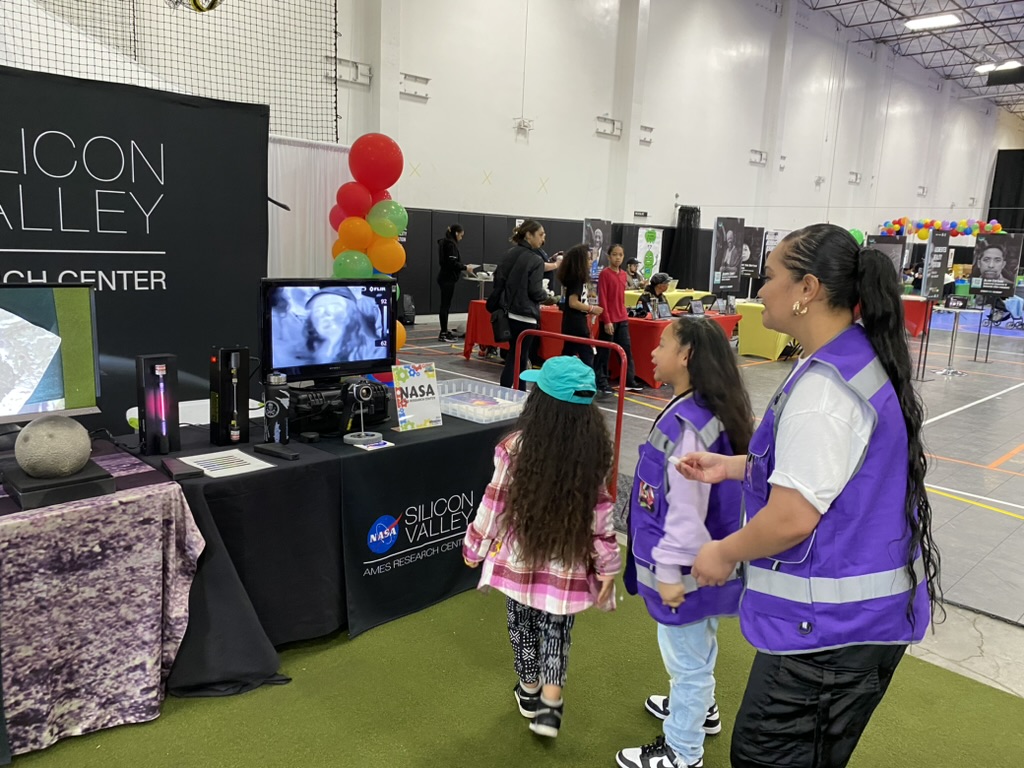
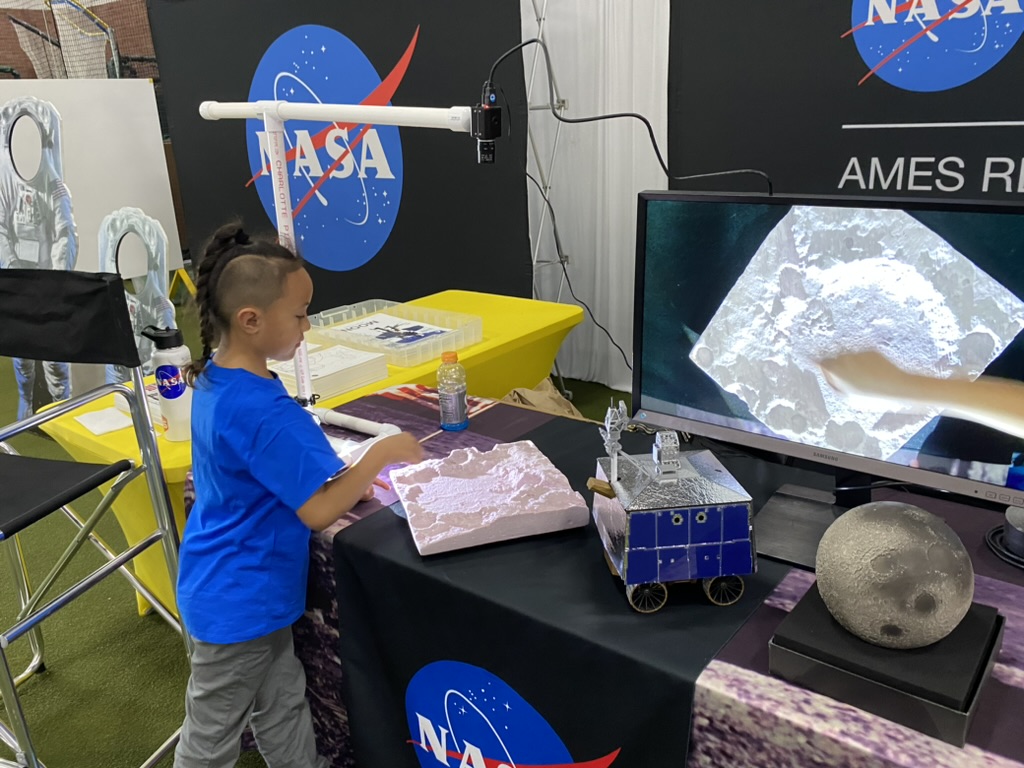
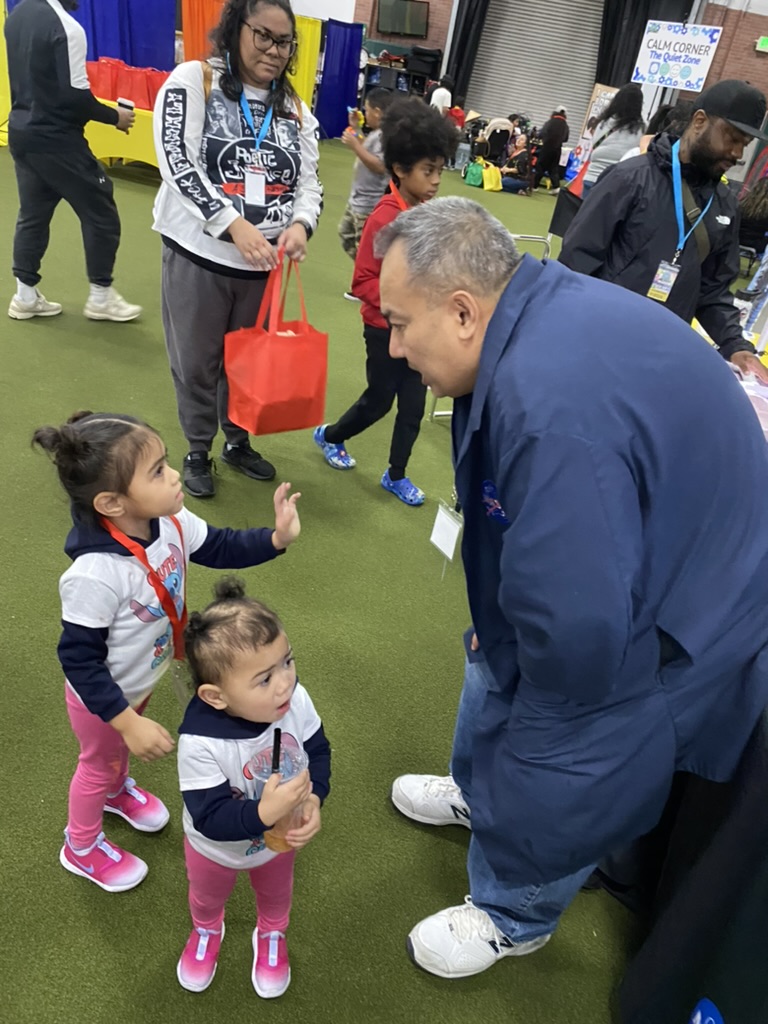
The Bay Area PASIFIKA STEM Fair is an annual event organized by the Pacific Islander Encouraging Fun Engineering Science and Technology (PIEFEST) organization dedicated to improving Pacific Islander representation and access to STEM (Science, Technology, Engineering and Math) related careers. The event brings STEM organization and enthusiasts in the Bay Area together to provide Pacific Islander students and families an Interactive, hands-on STEM experience. The NASA booth featured a new VIPER mission demo, permanently shadowed craters of the Nobile region, and emissions spectra of various elements and molecules, the astronaut cutouts, as well as an electromagnetic spectrum demo. More than 1,000 students of varying grade levels and their parents and families attended the event, with more than 20 vendors participating with hands-on activities and demonstrations.
The Bay Area PASIFIKA STEM Fair
Interacting with the exhibits at the Bay Area PASIFIKA STEM Fair.
The Bay Area PASIFIKA STEM Fair
Jonas Dino of the Ames Office of Communications Division at the Bay Area PASIFIKA STEM fair, connecting with and inspiring kids of all ages as to the wonders of science.
The Bay Area PASIFIKA STEM Fai
Kids enjoying the interactive exhibits at the NASA booth during the Bay Area PASIFIKA STEM Fair.

Future Aspirations, the Importance of STEM Discussed at Grimmer Career Day

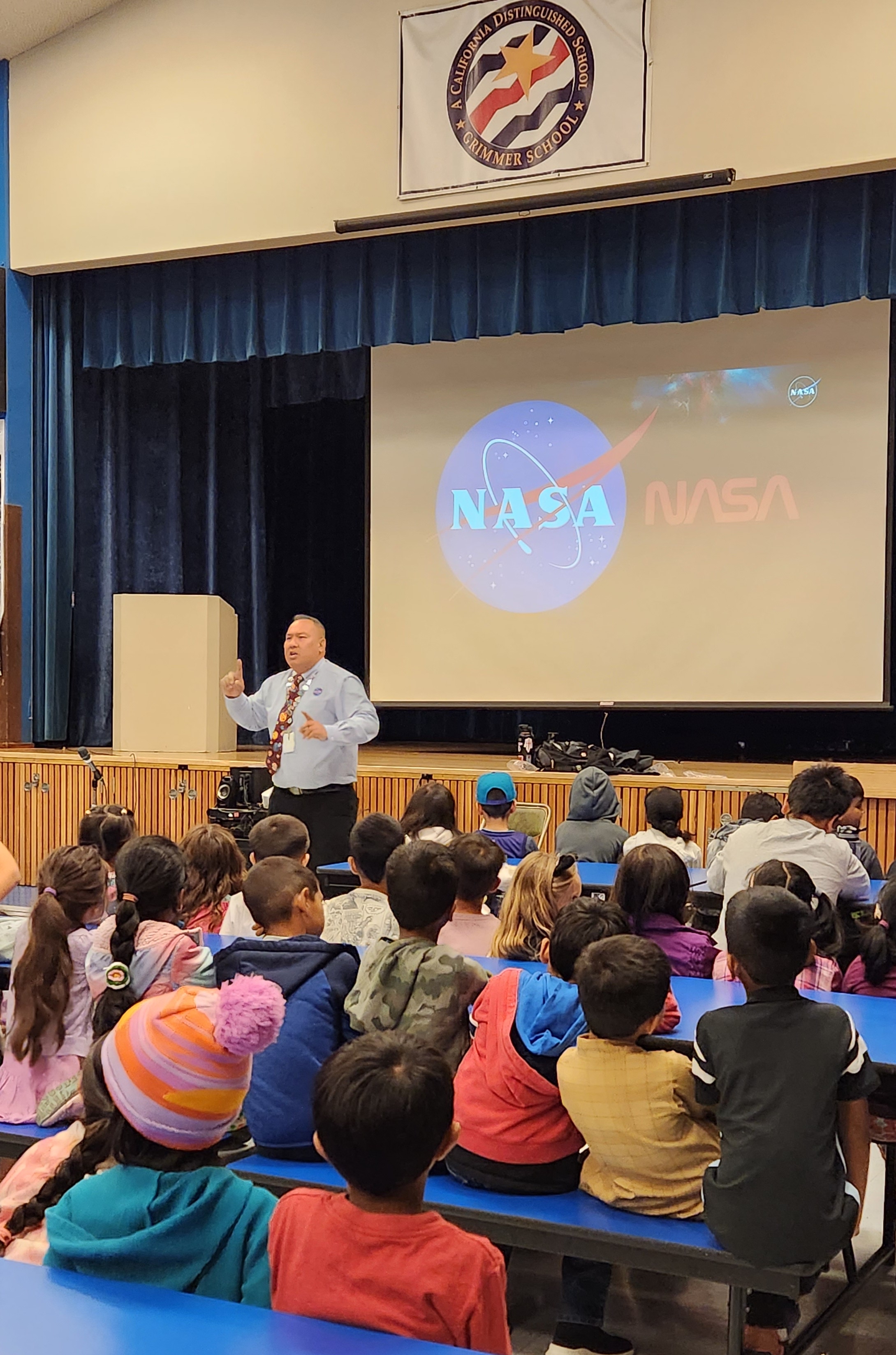
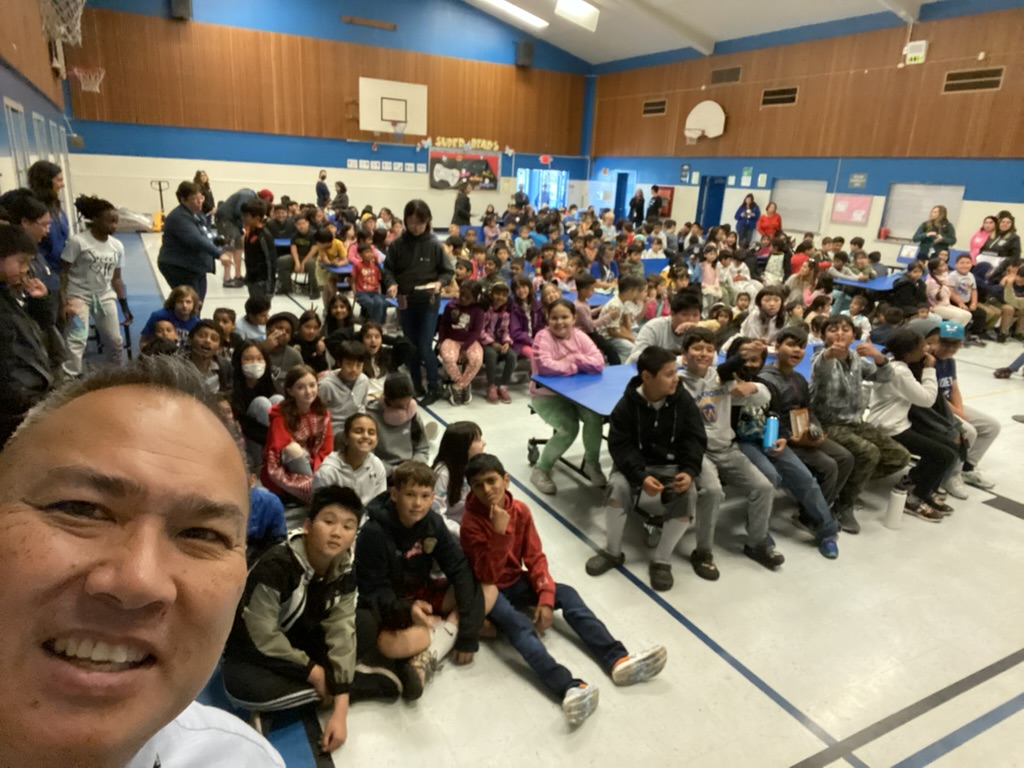
Jonas Dino from the Ames Public Engagement team was the featured speaker at the Grimmer Elementary Career Day on April 26. He presented to the entire school body of more than 300 TK to 5th grade students, teachers and administrators talking about careers at NASA and the need for the students to be STEM literate and possibly entering the NASA workforce pipeline in the future. He also interacted with the students at lunch talking to them about their future aspirations and answering specific questions they had about NASA. The career day featured members of the Fremont community including fire, police, engineers and medical personnel visiting classrooms talking about their careers.
Grimmer Elementary School Career Day

Starling Stuns at Golden Gate Park Planetarium Show

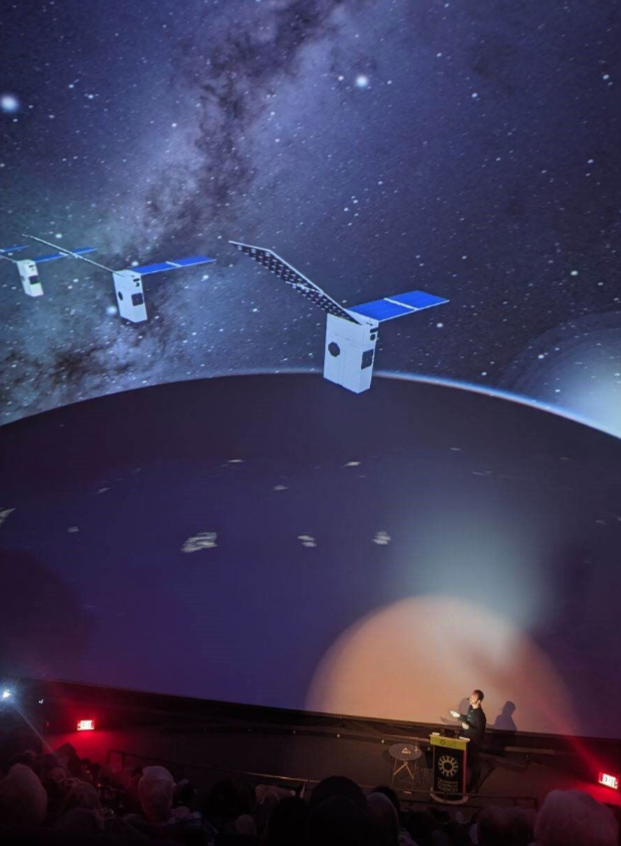
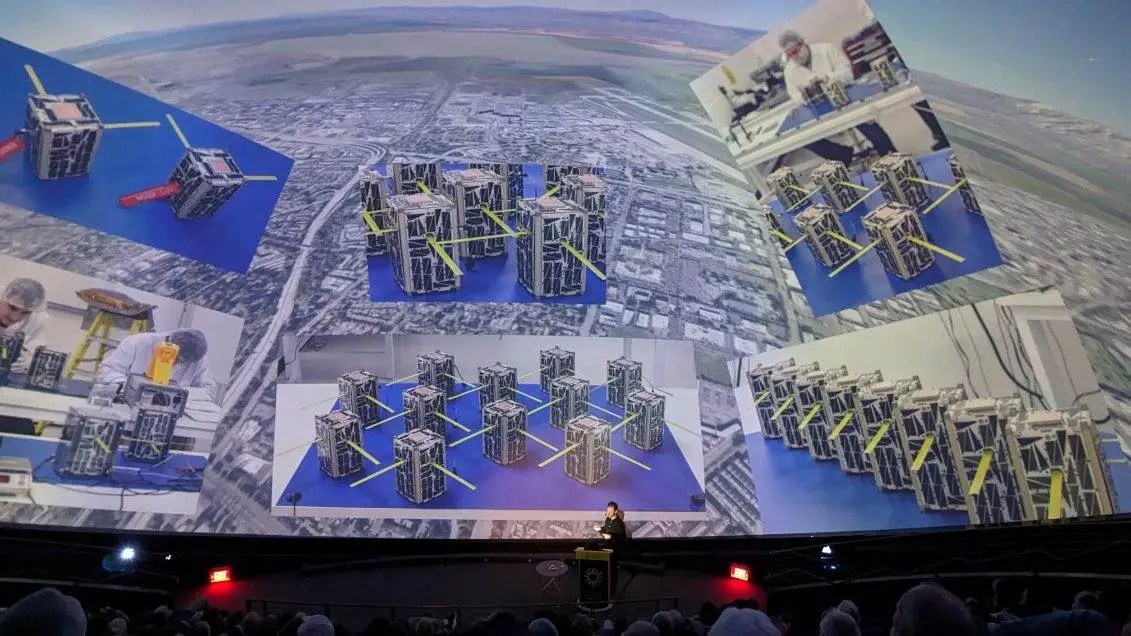
Bay Area audiences got a unique look at a NASA Ames CubeSat mission during a full-dome planetarium show as part of the Benjamin Dean lecture series at the Morrison Planetarium at the California Academy of Sciences in Golden Gate Park, San Francisco, on March 4. NASA Ames aerospace flight systems engineer and Starling mission deputy project manager Scott Miller shared Ames’ legacy in CubeSats and swarms and how technologies used in NASA’s Starling mission aims to tackle crowding in low Earth orbit and enhance how we study deep space, in his presentation, “NASA Spacecraft Swarms for Low Earth Orbit and Beyond.”
Bay Area audiences got a unique look at a NASA Ames CubeSat mission during a full-dome planetarium show at the California Academy of Sciences in Golden Gate Park, San Francisco, on March 4. NASA Ames aerospace flight systems engineer and Starling mission deputy project manager Scott Miller shared Ames’ legacy in CubeSats and swarms and how technologies used in NASA’s Starling mission aims to tackle crowding in low Earth orbit and enhance how we study deep space, in his presentation, "NASA Spacecraft Swarms for Low Earth Orbit and Beyond."
Credit: photos by Josh Roberts

In Memoriam

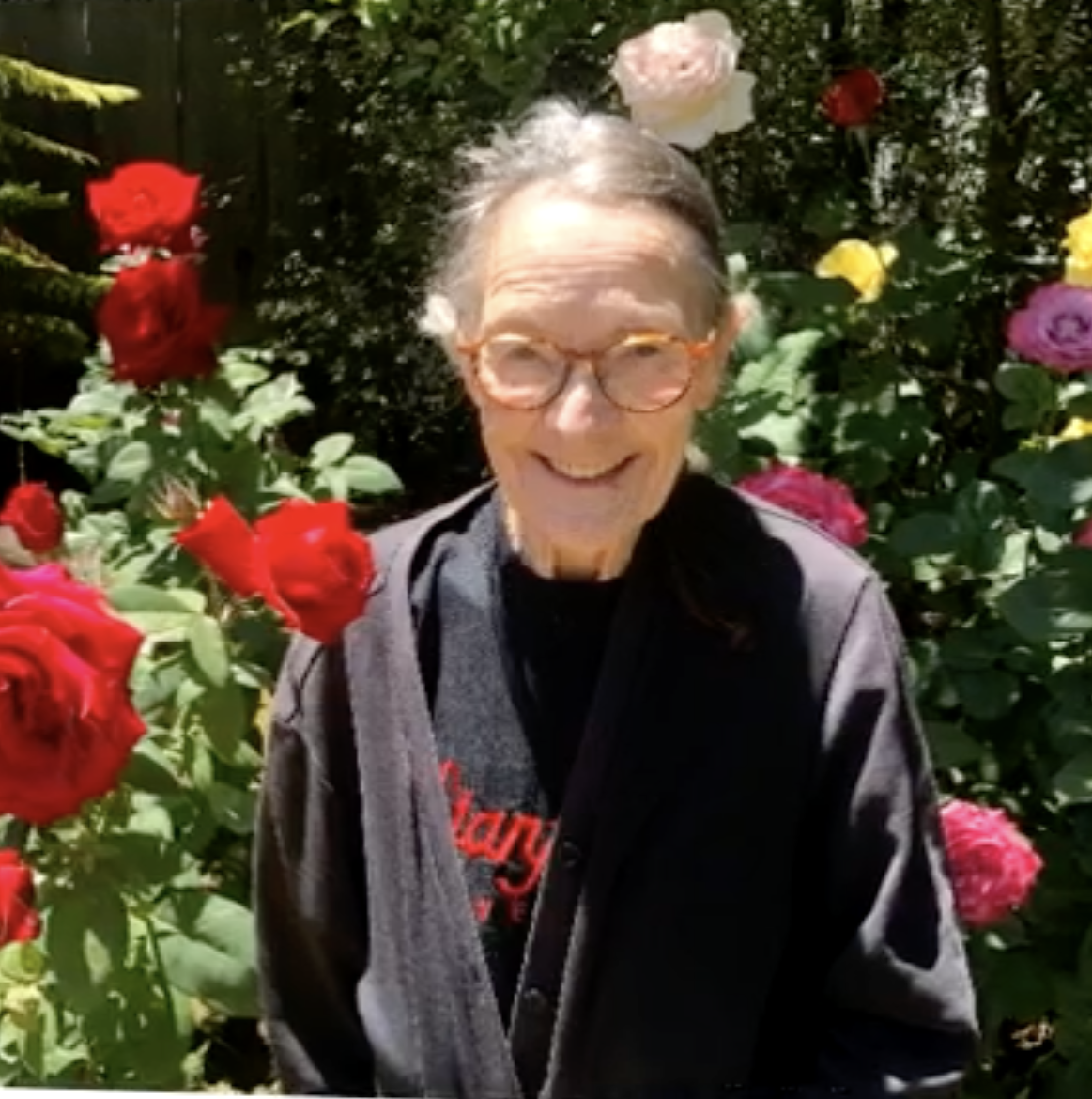
Dr. Anna McHargue (Colonel, USAF, Ret.) passed away peacefully on March 26, 2024, at the Veterans Administration Medical Center in Palo Alto, California. Hospital staff honored her with a brief ceremony for passing veterans, which her close friends attended. 

Dr. Anna McHargue

Dr. McHargue began her higher education at Murray State University in Kentucky, graduating in 1956 and eventually being selected as Distinguished Alumna. She pursued her medical degree at the University of Louisville School of Medicine in Kentucky, at a time when women were not very welcome in the field. She persevered and finished at the top of her class in 1962. She chose not to specialize in obstetrics and gynecology until later at the Stanford University Hospital, where she was a faculty member from 1974-1980. She practiced in the specialty for several years in Oakland and in Redwood City, California, and became a Fellow of the American College of Obstetricians and Gynecologists.  

She served in the United States Air Force (USAF), joining in 1966, was promoted to colonel, and was trained as an aviation medical examiner qualified to perform Federal Aviation Administration flight physicals. She enjoyed flying all over the world with transport aircraft crews on military and humanitarian missions. In the USAF Reserves, she was named the 1999 and 2000 Flight Surgeon of the Year by the 312th Airlift Squadron. She retired in 2001 after 25 years of service.  

From 1989-2020, she served as a part-time physician at the Health Unit at NASA’s Ames Research Center. Ultimately, she dedicated herself to the field of medicine for 58 years. Dr. McHargue was actively involved in the Church of the Advent as a deacon and on the Board of Trustees of Grace Cathedral in San Francisco.  

Her funeral service and internment are planned at her hometown in Kentucky. Friends can donate and send condolences online to:

Dignity Memorial

Equal Opportunity if the Law

Powered by WPeMatico

Get The Details…
Astrid Albaugh