Behind the Scenes of a NASA ‘Moonwalk’ in the Arizona Desert

Behind the Scenes of a NASA ‘Moonwalk’ in the Arizona Desert
9 Min Read

Behind the Scenes of a NASA ‘Moonwalk’ in the Arizona Desert

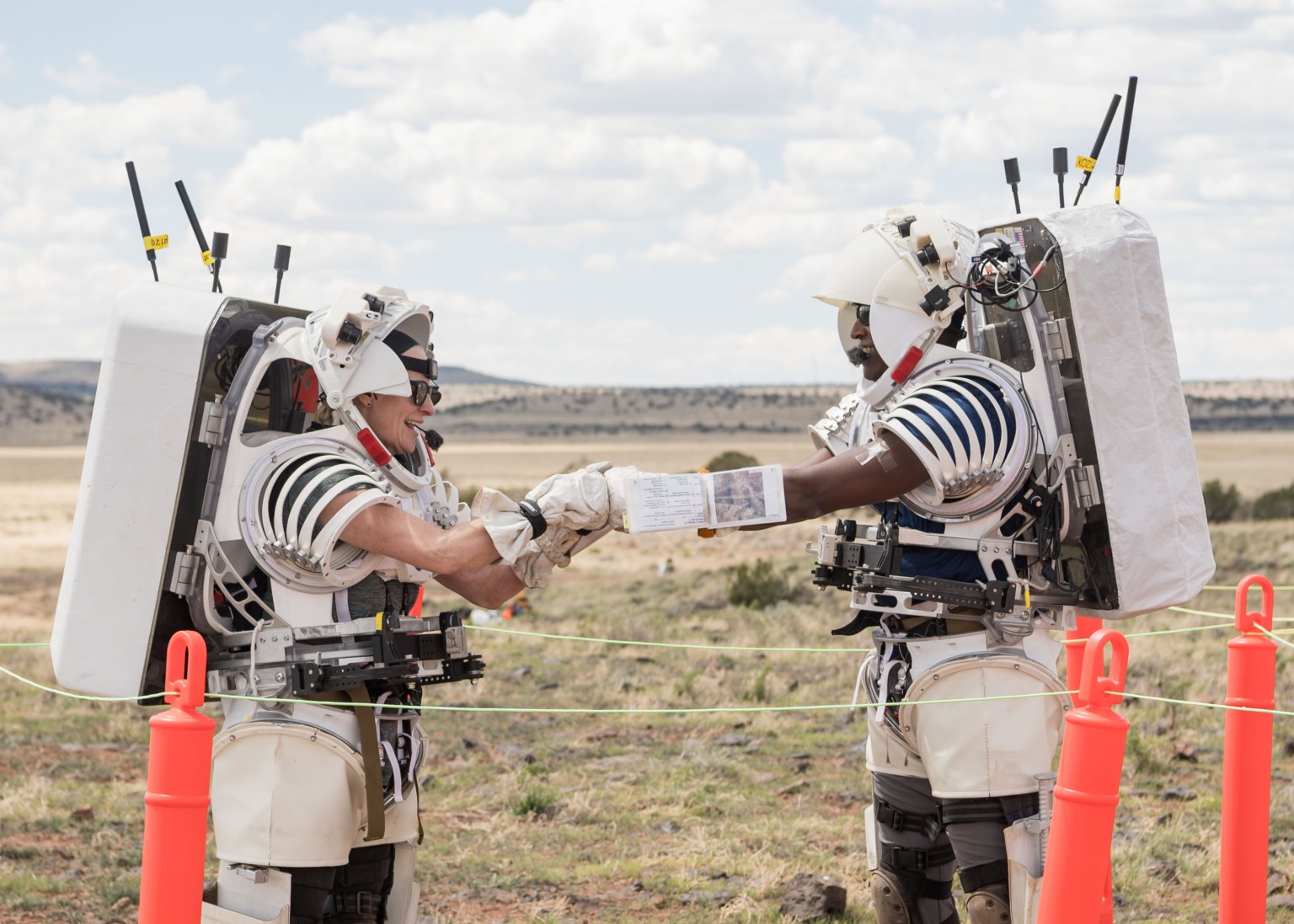
In the foreground, two people stand facing each other. Their arms are extended toward each other, and their fists meet at the knuckles. They are wearing big, bulky suits with lots of straps. They’re also wearing helmets and large, rectangular backpacks. The pair is standing in a large field with a mountain range in the background.
NASA astronauts Kate Rubins (left) and Andre Douglas.
Credits:
NASA/Josh Valcarcel 

NASA astronauts Kate Rubins and Andre Douglas recently performed four moonwalk simulations to help NASA prepare for its Artemis III mission. Due to launch in September 2026, Artemis III will land two, yet-to-be-selected, astronauts at the Moon’s South Pole for the first time.

Traveling to space requires immense preparation, not just for the astronauts, but for the hundreds of people who work in the background. That’s why Earth-based simulations are key. They allow spacesuit and tool designers to see their designs in action. Flight controllers who monitor spacecraft systems and the crew’s activities get to practice catching early signs of technical issues or threats to astronaut safety. And scientists use simulations to practice making geologic observations from afar through descriptions from astronauts.

Between May 13 and May 22, 2024, Rubins and Douglas trudged through northern Arizona’s San Francisco Volcanic Field, a geologically Moon-like destination shaped by millions of years of volcanic eruptions. There, they made observations of the soil and rocks around them and collected samples. After the moonwalks, the astronauts tested technology that could be used on Artemis missions, including a heads-up display that uses augmented reality to help with navigation, and lighting beacons that could help guide a crew back to a lunar lander.

Dozens of engineers and scientists came along with Rubins and Douglas. Some were in the field alongside the crew. Others joined remotely from a mock mission control center at NASA’s Johnson Space Center in Houston in a more realistic imitation of what it’ll take to work with a crew that’s some 240,000 miles away on the lunar surface.  

Here’s a look behind the scenes of a “moonwalk.”

My experience in Arizona was incredible! I worked with several teams, explored an exotic landscape, and got a taste of what it’s like to be on a mission with a crew. 
Andre Douglas

Andre Douglas

NASA Astronaut

Practice to Prepare
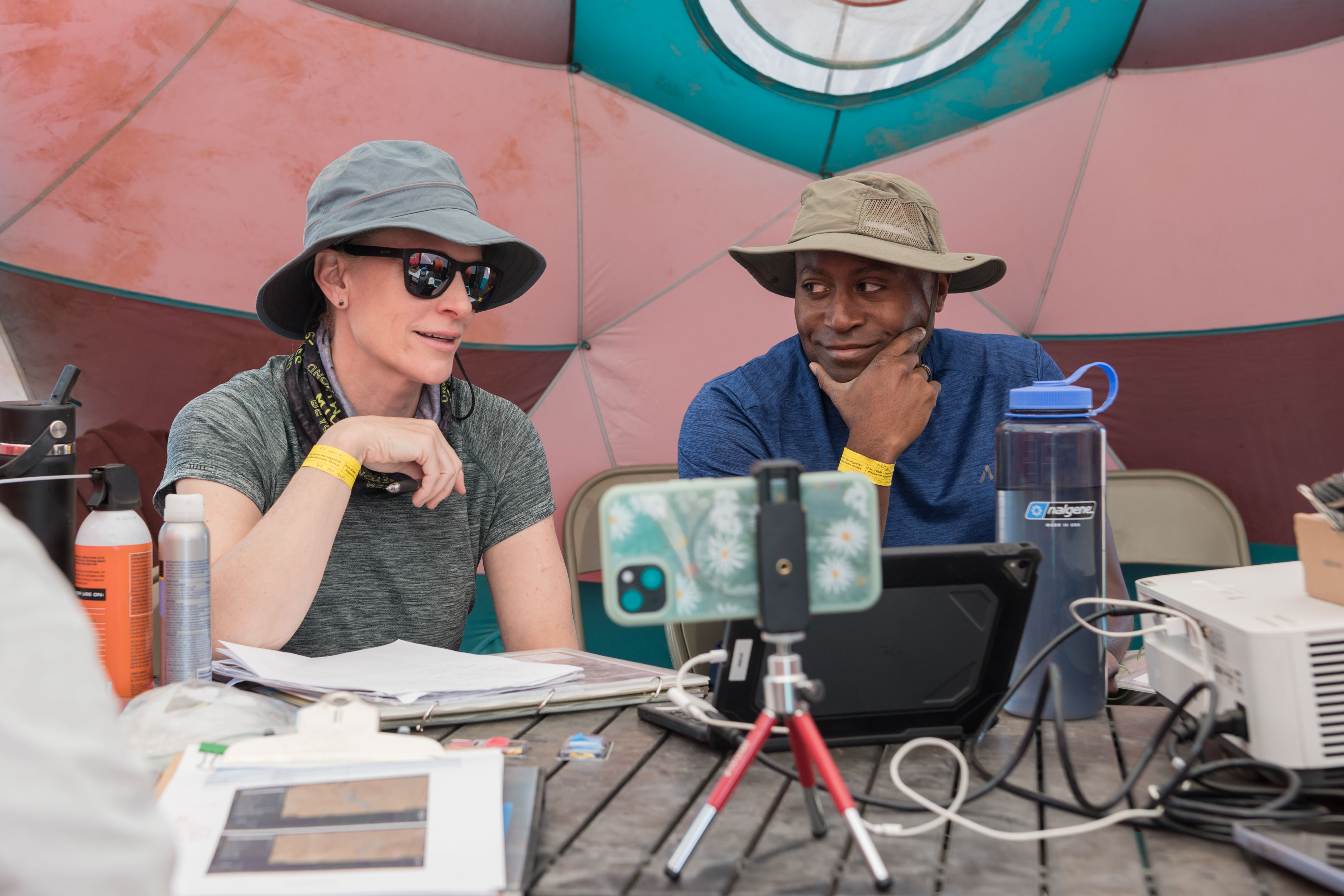
Two people sit side-by-side at a table inside a large tent. They’re wearing sun hats and t-shirts. The person on the left is talking and holding a pen in their left hand, while the person on the right is looking at them sideways and smiling. On the table in front of the pair is a jumble of papers, wires, an iPad and mobile phone propped up on stands, and large water bottles.

In this May 13, 2024, photo, Rubins (left), a molecular biologist who has done several expeditions to the space station, and Douglas, an engineer and member of the 2021 astronaut class, prepared for moonwalk rehearsals.  
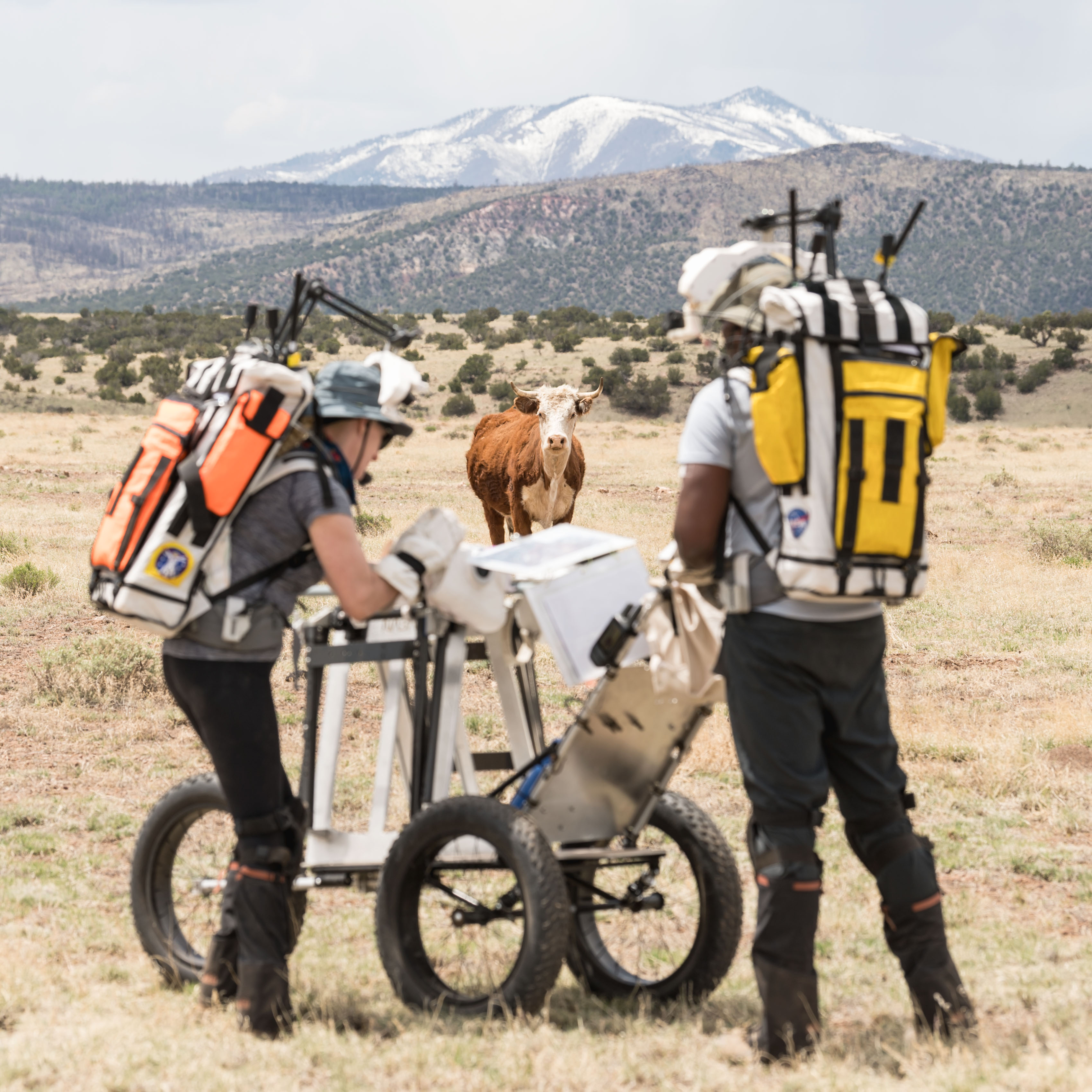
In the foreground are two people standing side by side about four feet apart. The person on the left is leaning over a cart with large rubber wheels; the person, with their right side facing the camera is wearing large gloves, a t-shirt, a sun hat, and a large, rectangular backpack with antennas stretching out from the top. The person on the right, standing erect, is dressed similarly and has their back to the camera. The two are standing in a large, tan-colored field with small shrubs and mountains in the background. Framed between the two people is a brown and white cow, looking straight toward the camera. It is standing toward the background, between the people and the mountain range.

During the May 14 moonwalk, above, Rubins and Douglas worked to stay in the simulation mindset while a cow looked on. They wore backpacks loaded with equipment for lighting, communication, cameras, and power for those devices.

There are, of course, no cows on the Moon. But there is a region, called Marius Hills, that geologically resembles this Arizona volcanic field. Like the Arizona site, Marius Hills was shaped by ancient volcanic eruptions, so the composition of rocks at the two locations is similar.

The Arizona simulation site also resembles the Moon’s south polar region in the subtle changes in the size, abundance, and groupings of rocks that can be found there. Noting such faint differences in rocks on the Moon will help reveal the history of asteroid collisions, volcanic activity, and other events that shaped not only the Moon, but also Earth and the rest of our solar system.

“So this ‘landing site’ was a good analog for the types of small changes in regolith astronauts will look for at the lunar South Pole,” said Lauren Edgar, a geologist at the U.S. Geological Survey in Flagstaff, Ariz., who co-led the science team for the simulation.

To the delight of Edgar and her colleagues, Rubins and Douglas correctly identified faint differences in the Arizona rocks. But, despite their accomplishment, the day’s moonwalk had to be cut short due to strong winds. As with cows, there’s no wind on the mostly airless Moon. 

Science at the Table

Earth and planetary scientists gathered at NASA Johnson followed the moonwalks via a live video and audio feed broadcast in the Science Evaluation Room, pictured above. These experts developed detailed plans for each simulated moonwalk and provided geology expertise to mission control.

Everyone in the room had a role. One person communicated information between the science team and the flight control team. Others monitored the crew’s science tasks to ensure the astronauts stayed on track.

A small group analyzed images of rocks, soil, and outcrops sent back by the crew on the ground in Arizona. The information they gleaned helped determine whether the crew’s science tasks for each traverse needed to change.

The decision to update tasks or not was made by a small group of experts from NASA and other institutions. Known as the “scrum,” this group of scientists, who are sitting around the table in the picture above, represented disciplines such as volcanology and mineralogy.

They evaluated the information coming in from the crew and analyses from the science team to quickly decide whether to change the day’s science tasks because of an unplanned discovery. Serving at the scrum table was a high-pressure job, as updating the plan to spend more time at one intriguing site, for instance, could mean giving up time at another.

The image shows a closeup of a map that’s pinkish in color with small, shaded areas. There are labels on the map, such as “krm” and “pu,” and dotted lines, small dots and squares and stars that mark locations on the map. A miniature lander model, smaller than the palm of the hand, is sitting at a location on the map labeled “Station 7.” Two miniature astronaut figures, one holding a U.S. flag, are standing a few inches to the right of the lander, and to the right of them sits a miniature rover.

The Arizona moonwalks also gave scientists an opportunity to test their skills at making geologic maps using data from spacecraft orbiting many miles above the surface. Such maps will identify scientifically valuable rocks and landforms at the South Pole to help NASA pick South Pole landing sites that have the most scientific value.

Scientists will use data from NASA’s Lunar Reconnaissance Orbiter to map the geology around the Artemis III landing site on the Moon. But to map the Arizona volcanic field, they relied on Earth satellite data. Then, to test whether their Arizona maps were accurate, a couple of scientists compared the crew’s locations along their traverses — self-reported based on the land features around them — to the geologic features identified on the maps.
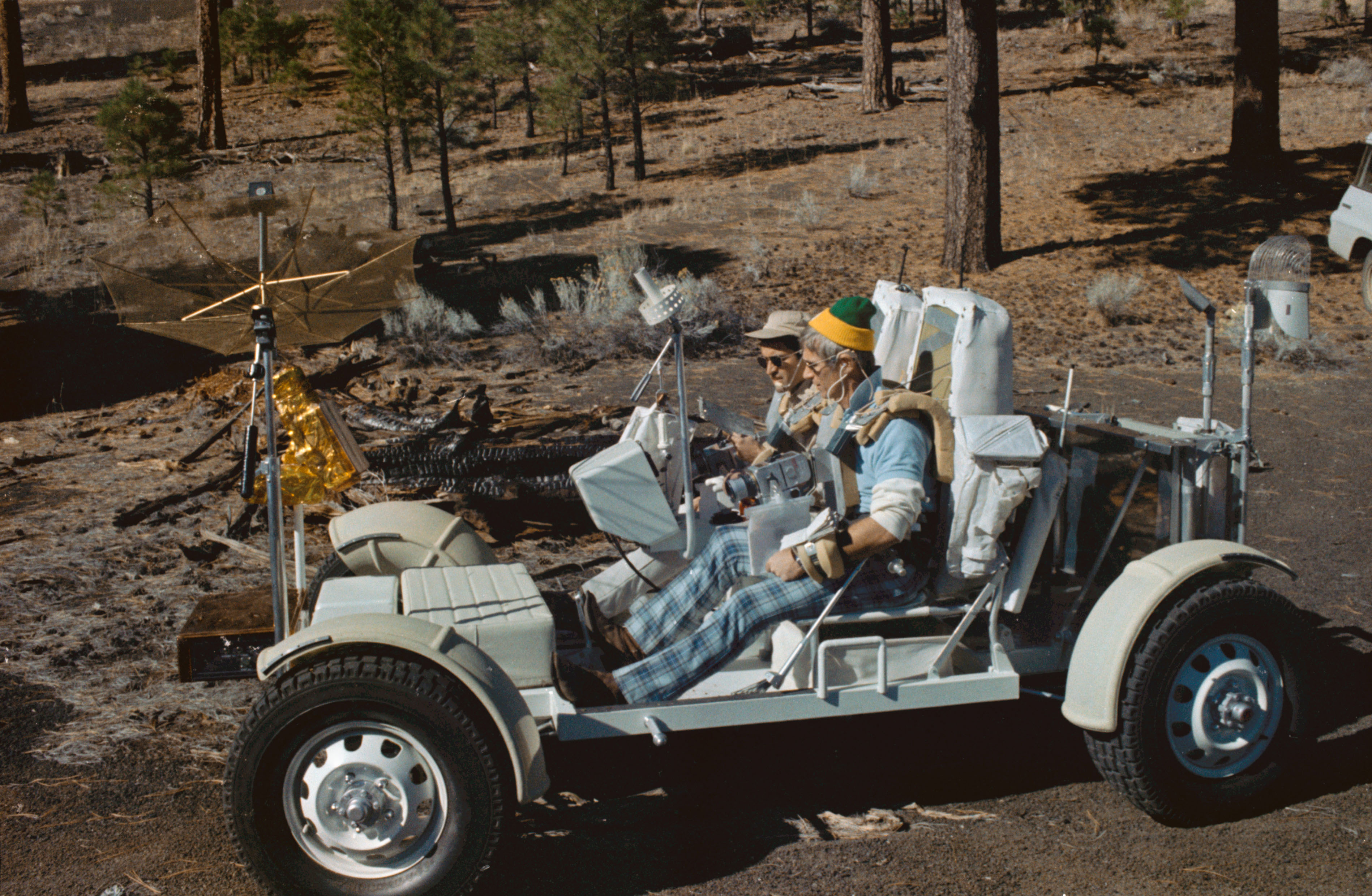
Two people are sitting in a large vehicle with no roof, strapped into large, rectangular seats. The vehicle is sitting on brown soil. Spruce trees are in the background. The two people are looking at a box in front of them. Antennas stretch up from different parts of the vehicle.
Apollo 17 astronauts Eugene A. Cernan, wearing a green and yellow cap, and Harrison “Jack” Schmitt, during geology training at Cinder Lake Crater Field in Flagstaff, Ariz. In this 1972 image the NASA astronauts are driving a geologic rover, or “Grover,” which was a training replica of the roving vehicle they later drove on the Moon.

In the months leading up to the Arizona moonwalks, scientists taught Rubin and Douglas about geology, a discipline that’s key to deciphering the history of planets and moons. Geology training has been commonplace since the Apollo era of the 1960s and early ’70s. In fact, Apollo astronauts also trained in Arizona. These pioneer explorers spent hundreds of hours in the classroom and in the field learning geology. Artemis astronauts will have similarly intensive training. 

Operating in Moon-Like Conditions 
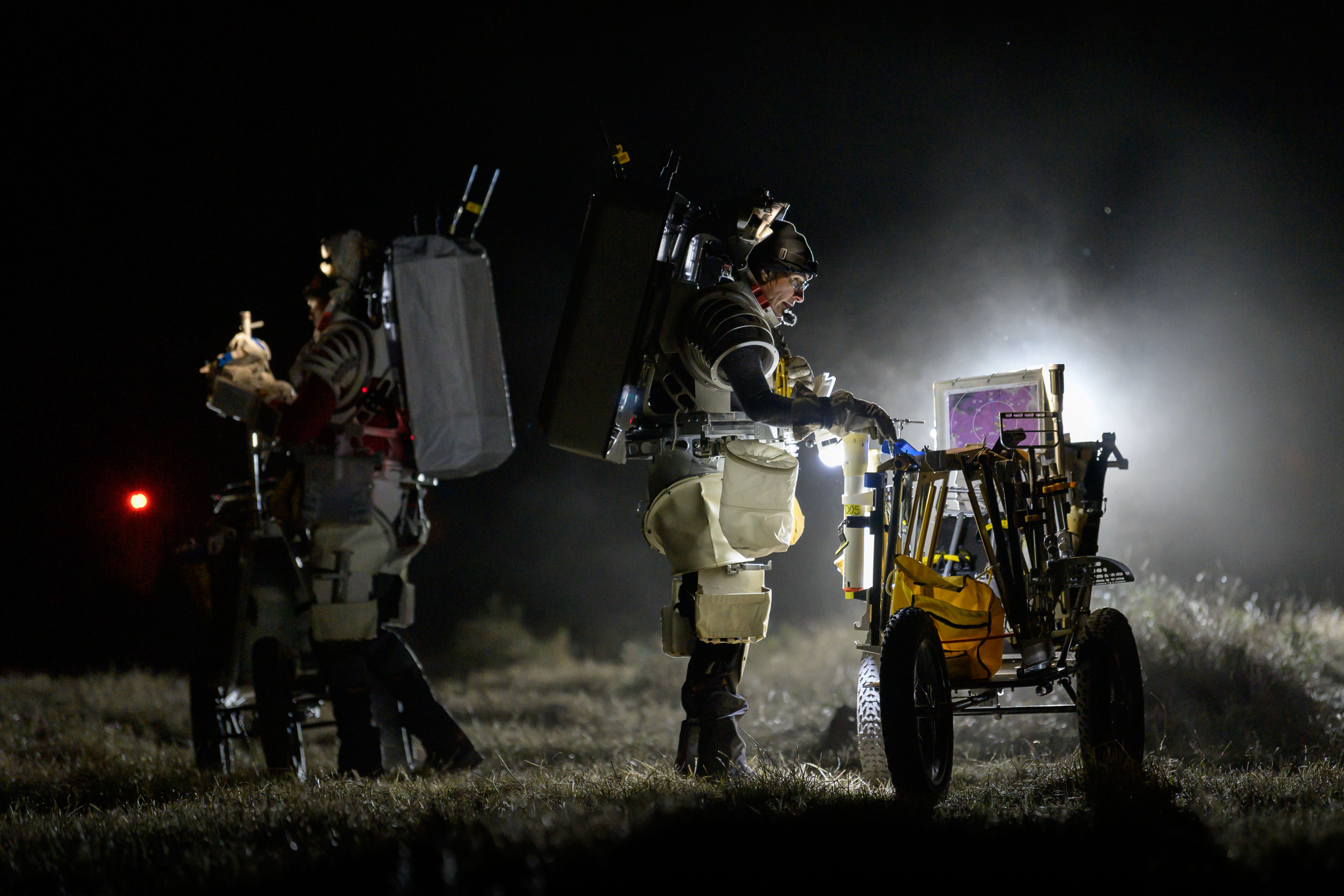
In the image above, Douglas stands to Rubins’ left reviewing procedures, while Rubins surveys instruments on the cart. Both are wearing 70-pound mockup planetary spacesuits that make moving, kneeling and grasping difficult, similar to how it will feel to do these activities on the Moon.

A NASA team member, not visible behind the cart in the foreground, is shining a spotlight toward the astronauts during a one-and-a-half-hour nighttime moonwalk simulation on May 16. The spotlight was used to imitate the lighting conditions of the Moon’s south polar region, where the Sun doesn’t rise and set as it does on Earth. Instead, it just moves across the horizon, skimming the surface like a flashlight lying on a table.

This visualization shows the unusual motions of Earth and the Sun as viewed from the South Pole of the Moon. Credit: NASA/Ernie Wright

The position of the Sun at the Moon has to do with the Moon’s 1.5-degree tilt on its axis. This slight tilt means neither of the Moon’s northern or southern hemispheres tips noticeably toward or away from the Sun throughout the year. In contrast, Earth’s 23.5-degree tilt allows the northern and southern hemispheres to lean closer (summer) or farther (winter) from the Sun depending on the time of year. Thus, the Sun appears higher in the sky during summer days than it does during winter days.

Compared to the daytime moonwalks, when the astronauts could easily see and describe the conditions around them, the crew was relatively quiet during the night expedition. With their small helmet lights, Rubins and Douglas could see just the area around their feet. But the duo tested supplemental portable lights and reported a big improvement in visibility of up to 20 feet around themselves.

Night simulations show us how tough it is for the astronauts to navigate in the dark. It’s pretty eye opening.

Cherie achilles

Cherie achilles

Mineralogist from NASA’s Goddard Space Flight Center in Greenbelt, Maryland, who co-led the simulation science team.
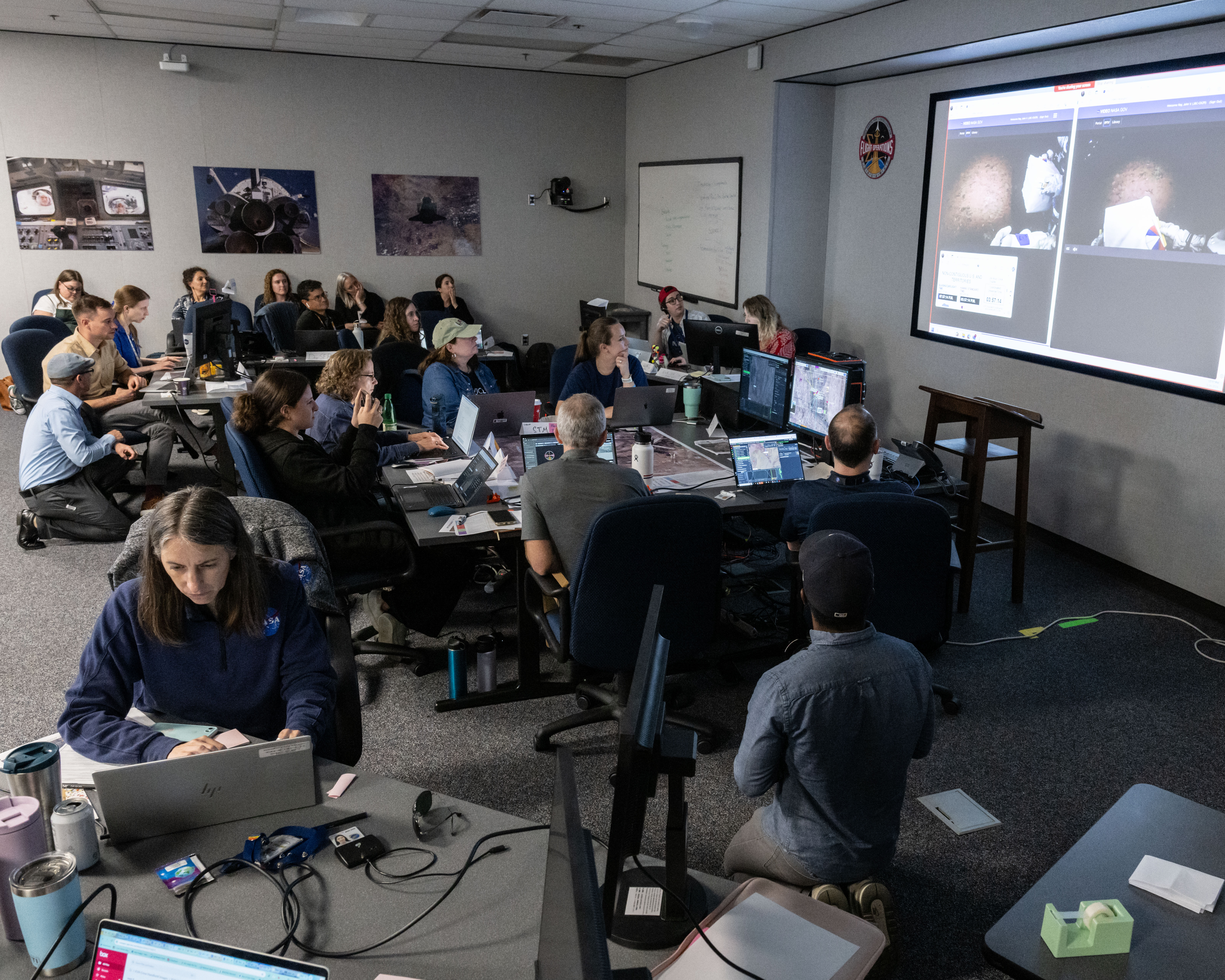
People are sitting in a typical, brightly lit office-building room. Colorful posters line the walls. A large screen is in the top right corner, showing two side-by-side images of shapes that are hard to make out. People are sitting around tables, some are kneeling, looking either at the large screen or at the small computer screens in front of them.

The Science Evaluation Room during the nighttime moonwalk simulation on May 16. Scientists sit at their workstations while a screen at the front of the room presents live video and audio of the astronauts in the field.
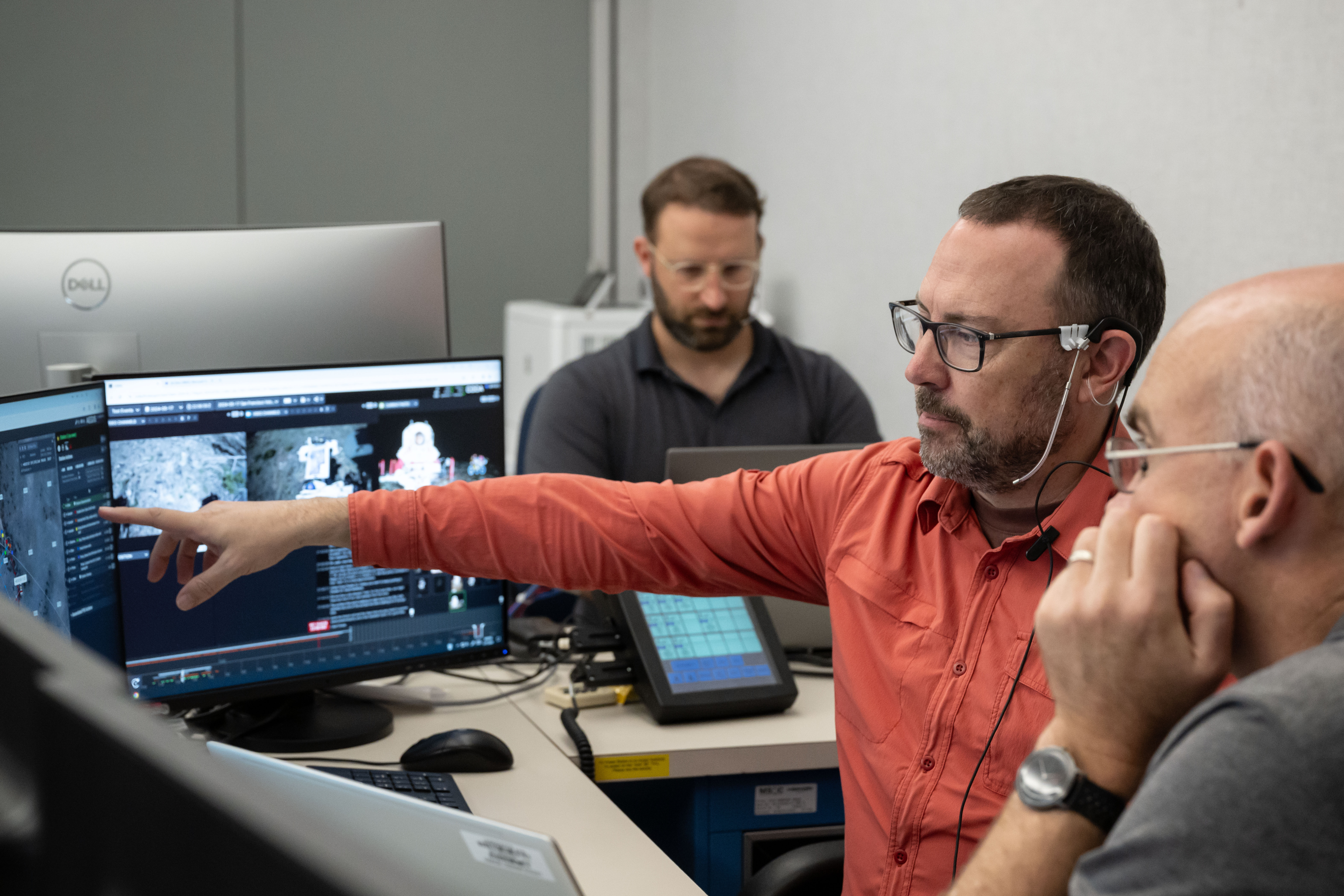
A person, wearing glasses, a headset, and a bright-colored shirt is in the center of the image, pointing at a computer screen — one of several visible in the image. In the background is another person, in glasses and a dark-colored polo shirt, looking down at this laptop screen. In the bottom right corner of the image a third person, wearing glasses, is visible from the side. That person is resting his head on his left fist, looking in the direction of the pointing hand.

Engineers pictured above, in Houston’s mock mission control area, tested custom-designed software for managing moonwalks. One program automatically catalogs hours of audio and video footage, plus hundreds of pictures, collected during moonwalks. Another helps the team plan moonwalks, keep track of time and tasks, and manage limited life-support supplies such as oxygen. Such tracking and archiving will provide contextual data for generations of scientists and engineers. 


It’s important that we make software tools that allow flight controllers and scientists to have flexibility and creativity during moonwalks, while helping keep the crew safe.

Ben Feist

Ben Feist

Software engineer in NASA Johnson’s Astromaterials Research and Exploration Science division, pointing in the image above.

Learning a Common Language 

A person with their right hand on a computer mouse, is sitting at a table with five screens in a semicircle around them. The person, wearing a headset, is turned toward one of the screens with a serious, focused expression on their face. They are sitting in a bright office area, wearing a dark dress shirt and blazer.

The audio stream used by the Houston team to communicate during spacewalks is a dizzying cacophony of voices representing all the engineering and science roles of mission control. A well-trained mission control specialist can block out the noise and focus only on information they need to act on.

One of the goals of the simulations, then, was to train scientists how to do this. “On the science side, we’re the newbies here,” Achilles said.

During the Arizona moonwalks, scientists learned how to communicate their priorities succinctly and clearly to the flight control team, which then talked with the astronauts. If scientists needed to change the traverse plan to return to a site for more pictures, for instance, they had to rationalize the request to the flight director in charge. If the director approved, a designated person communicated the information to the crew. For this simulation, that person was NASA astronaut Jessica Watkins, pictured above, who’s  a geologist by training.  

NASA’s strict communication rules are meant to limit the distractions and hazards to astronauts during physically and intellectually demanding spacewalks. 

Coming Up Next 

In the weeks after the May moonwalk simulations, flight controllers and scientists have been debriefing and documenting their experiences. Next, they will revisit details like the design of the Science Evaluation Room. They’ll reconsider the roles and responsibilities of each team member and explore new tools or software upgrades to make their jobs more efficient. And at future simulations, still in the planning stages, they’ll do it all again, and again, and again, all to ensure that the real Artemis moonwalks — humanity’s first steps on the lunar surface in more than 50 years — will be perfectly choreographed.  

View More Images from the Recent Moonwalk Simulations

By Lonnie Shekhtman
NASA’s Goddard Space Flight Center, Greenbelt, Md.

Keep Exploring

Discover More Topics From NASA

Powered by WPeMatico

Get The Details…

NASA Invites Media to Northrop Grumman’s 21st Station Resupply Launch

NASA Invites Media to Northrop Grumman’s 21st Station Resupply Launch

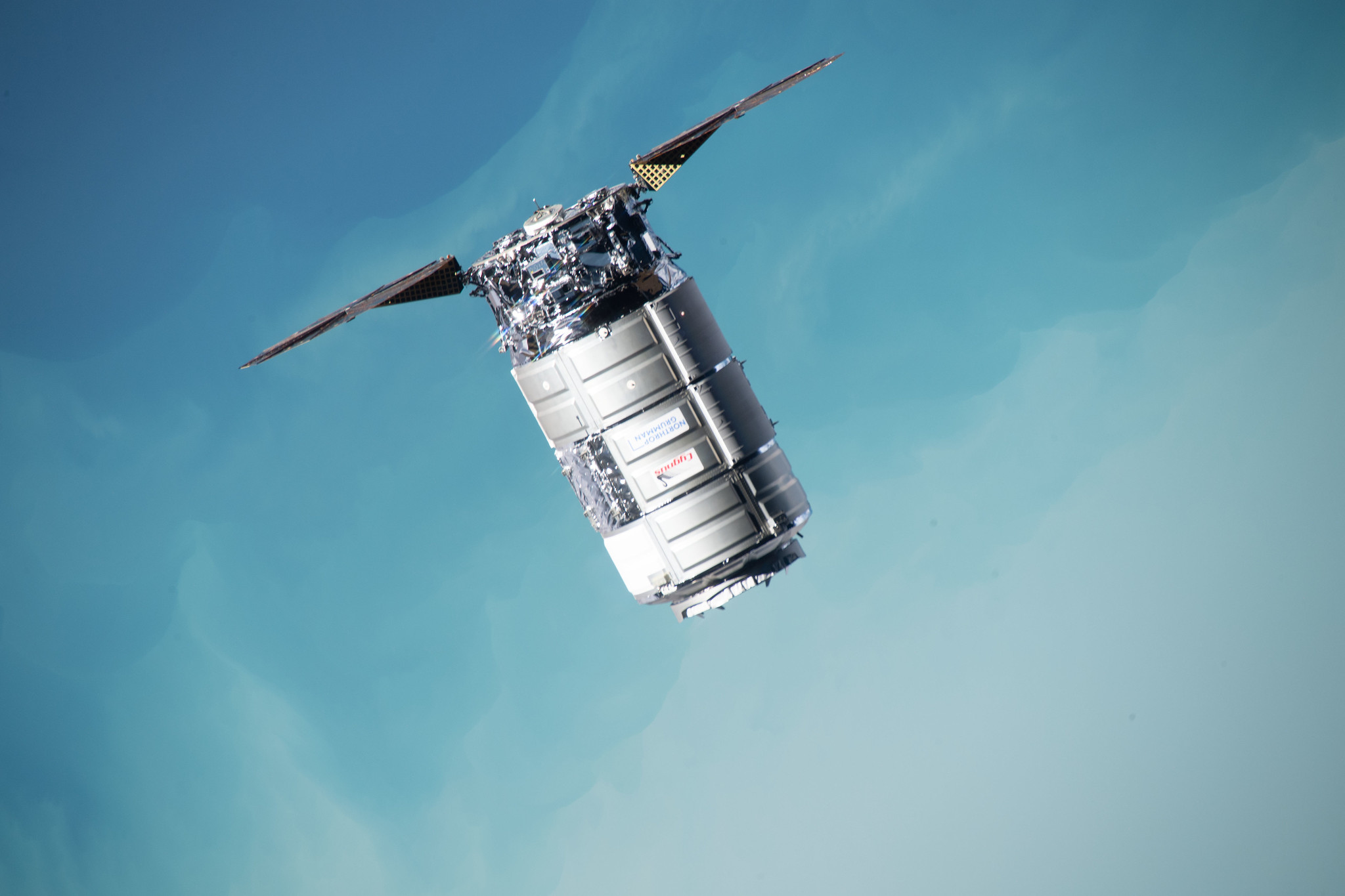
Northrop Grumman’s Cygnus spacecraft approaches the International Space Station. Cygnus will deliver science experiments, crew supplies, and station hardware (Credits: NASA).

Media accreditation is open for the next launch to deliver NASA science investigations, supplies, and equipment to the International Space Station. This launch is the 21st Northrop Grumman commercial resupply services mission to the orbital laboratory for the agency and will launch on a SpaceX Falcon 9 rocket.

NASA, Northrop Grumman, and SpaceX are targeting early August to launch the Cygnus spacecraft from Space Launch Complex 40 at Cape Canaveral Space Force Station in Florida.

Following launch, the space station’s Canadarm2 will grapple Cygnus and the spacecraft will attach to the Unity module’s Earth-facing port for cargo unloading.

Credentialing to cover prelaunch and launch activities is open to U.S. media. The application deadline for U.S. citizens is 11:59 p.m. EDT, Friday, July 19. All accreditation requests must be submitted online at:

https://media.ksc.nasa.gov

Credentialed media will receive a confirmation email upon approval. NASA’s media accreditation policy is available online. For questions about accreditation, or to request special logistical support, email: ksc-media-accreditat@mail.nasa.gov. For other questions, please contact NASA’s Kennedy Space Center newsroom at: 321-867-2468.

Para obtener información sobre cobertura en español en el Centro Espacial Kennedy o si desea solicitor entrevistas en español, comuníquese con Antonia Jaramillo o Messod Bendayan a: antonia.jaramillobotero@nasa.gov o messod.c.bendayan@nasa.gov.

Each resupply mission to the station delivers scientific investigations in the areas of biology and biotechnology, Earth and space science, physical sciences, and technology development and demonstrations. Cargo resupply from U.S. companies ensures a national capability to deliver scientific research to the space station, significantly increasing NASA’s ability to conduct new investigations aboard humanity’s laboratory in space.

In addition to food, supplies, and equipment for the crew, Cygnus will deliver research, including supplies for a new STEMonstration and several test articles to observe water flow in microgravity. Other investigations aboard include vascularized liver tissue and a bioreactor to demonstrate the production of blood and immune stem cells. Researchers will learn more about biomanufacturing in microgravity to create higher quality treatments for people on Earth.

NASA’s CubeSat Launch Initiative also is sending two CubeSats to deploy from the orbiting laboratory, CySat-1 from Iowa State Universityand DORA from Arizona State University, making up ELaNa 52 (Educational Launch of Nanosatellites).

Crews have occupied the space station continuously since November 2000. In that time, 280 people from 21 countries have visited the orbital outpost. The space station is a springboard to NASA’s next great leap in exploration, including future missions to the Moon under Artemis, and ultimately, human exploration of Mars.

Learn more about NASA’s commercial resupply missions at:

https://www.nasa.gov/station

-end-

Josh Finch / Claire O’Shea
Headquarters, Washington
202-358-1100
joshua.a.finch@nasa.gov / claire.a.o’shea@nasa.gov

Stephanie Plucinsky / Steven Siceloff / Danielle Sempsrott
Kennedy Space Center, Fla.
321-876-2468
stephanie.n.plucinsky@nasa.gov / steven.p.siceloff@nasa.gov / danielle.c.sempsrott@nasa.gov

Sandra Jones
Johnson Space Center, Houston
281-483-5111
sandra.p.jones@nasa.gov

Ellen Klicka
Northrop Grumman, Cygnus  
703-402-4404 
ellen.klicka@ngc.com 

Powered by WPeMatico

Get The Details…
Abbey A. Donaldson

NASA Awards Contract for Infrared Telescope Facility Operations

NASA Awards Contract for Infrared Telescope Facility Operations

Credits: NASA

NASA has selected the University of Hawaii in Honolulu to maintain and operate the agency’s Infrared Telescope Facility (IRTF) on Mauna Kea in Hilo, Hawaii.

The Management and Operations of NASA’s IRTF is a hybrid firm-fixed-price contract with an indefinite-delivery/indefinite-quantity provision. The contract has a maximum potential value of approximately $85.5 million, with a base period of performance from Monday, July 1 to June 30, 2025. Nine optional periods, if exercised, would extend the contract through Dec. 31, 2033.

Under this contract, the University of Hawaii will provide maintenance and operation services for NASA at the telescope facility. The university will also develop and implement an operations strategy so that the facility can be used by the scientific community through peer-reviewed competition to assist NASA in achieving its goals in scientific discovery, mission support, and planetary defense.

For information about NASA and agency programs, visit:

https://www.nasa.gov

-end-

Tiernan Doyle
Headquarters, Washington
202-358-1600
tiernan.doyle@nasa.gov

Share

Details

Last Updated

Jun 28, 2024

Powered by WPeMatico

Get The Details…
Tiernan P. Doyle

NASA Announces Winners of Inaugural Human Lander Challenge

NASA Announces Winners of Inaugural Human Lander Challenge

4 Min Read

NASA Announces Winners of Inaugural Human Lander Challenge

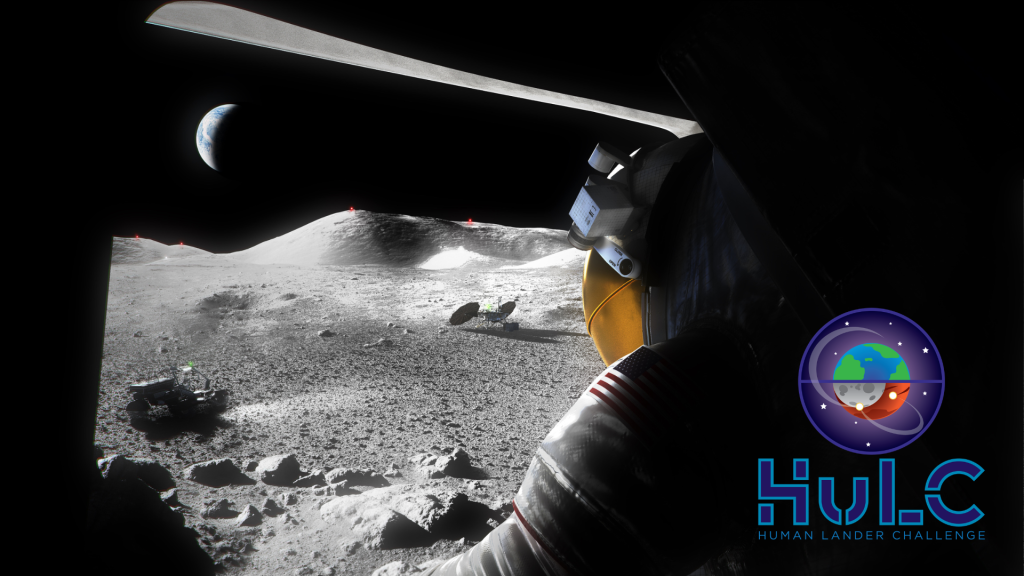
Human Lander Challenge banner

NASA’s 2024 Human Lander Challenge (HuLC) Forum brought 12 university teams from across the United States to Huntsville, Alabama, near the agency’s Marshall Space Flight Center, to showcase their innovative concepts for addressing the complex issue of managing lunar dust. The 12 finalists, selected in March 2024, presented their final presentations to a panel of NASA and industry experts from NASA’s Human Landing Systems Program at the HuLC Forum in Huntsville June 25-27.

NASA’s lunar exploration campaign Artemis is working to send the first woman, first person of color, and first international partner astronaut to the Moon and establish long-term lunar science and exploration capabilities. Dust mitigation during landing is one of the key challenges NASA and its Artemis partners will have to address in exploring the lunar South Pole region and establishing a long-term human presence on the Moon. Participants in the 2024 Human Lander Challenge developed proposed systems-level solutions that could be potentially implemented within the next 3-5 years to manage or prevent clouds of dust – called lunar plume surface interaction – that form as a spacecraft touches down on the Moon.

NASA announced the University of Michigan team, with their project titled, “ARC-LIGHT: Algorithm for Robust Characterization of Lunar Surface Imaging for Ground Hazards and Trajectory” as the selected overall winner and recipient of a $10,000 award June 27.

12 university teams gathered in Huntsville, Alabama, near NASA’s Marshall Space Flight Center, June 25-27 to participate in the final round of NASA’s 2024 Human Lander Challenge (HuLC) Forum.
NASA/Ken Hall

The University of Illinois, Urbana-Champaign took second place and a $5,000 award with their project, HINDER: Holistic Integration of Navigational Dynamics for Erosion Reduction,” followed by University of Colorado Boulder for their project, “Lunar Surface Assessment Tool (LSAT): A Simulation of Lunar Dust Dynamics for Risk Analysis,” and a $3,000 award.

“Managing and reducing the threat of lunar dust is a formidable challenge to NASA and we are committed to real solutions for our long long-term presence on the Moon’s surface,” said Don Krupp, associate program manager for the HLS Program at Marshall. “A key part of NASA’s mission is to build the next generation of explorers and expand our partnerships across commercial industry and the academic community to advance HLS technologies, concepts, and approaches. The Human Lander Challenge is a great example of our unique partnership with the academic community as they help provide innovative and real solutions to the unique risks and challenges of returning to the Moon.”

Two teams received the excellence in systems engineering award:

  • Texas A&M University, “Synthetic Orbital Landing Area for Crater Elimination (SOLACE)
  • Embry-Riddle Aeronautical University, Prescott, “Plume Additive for Reducing Surface Ejecta and Cratering (PARSEC)
NASA selected the University of Michigan as the overall winner of NASA’s 2024 Human Lander Challenge (HuLC) Forum June 27.
NASA/Ken Hall

“The caliber of solutions presented by the finalist teams to address the challenges of lunar-plume surface interaction is truly commendable,” said Esther Lee, HuLC judging panel chair and aerospace engineer at NASA’s Langley Research Center in Hampton, Virginia. “Witnessing the development of these concepts is an exciting glimpse into the promising future of aerospace leadership. It’s inspiring to see so many brilliant minds coming together to solve the challenges of lunar landings and exploration. We may all come from different educational backgrounds, but our shared passion for space unites us.”

Student and faculty advisor participants had the opportunity to network and interact with NASA and industry subject matter experts who are actively working on NASA’s Human Landing System capabilities giving participants a unique insight to careers and operations that further the Agency’s mission of human space exploration.

NASA’s Human Lander Challenge is sponsored by Human Landing System Program and managed by the National Institute of Aerospace

For more information about NASA Exploration Systems Development Mission Directorate, please visit:

https://www.nasa.gov/exploration-systems-development-mission-directorate/

News Media Contact

Corinne Beckinger 
Marshall Space Flight Center, Huntsville, Ala. 
256.544.0034  
corinne.m.beckinger@nasa.gov 

Powered by WPeMatico

Get The Details…
Lee Mohon

The Maze is Afoot

The Maze is Afoot

A black and white image of a circular labyrinth. A silhouette of Sherlock Holmes holding a magnifying glass is at the center of the labyrinth.
NASA/JPL-Caltech

This labyrinth – with a silhouette of the fictional detective Sherlock Holmes at its center – is used as a calibration target for the cameras and laser that are part of SHERLOC (Scanning Habitable Environments with Raman & Luminescence for Organics and Chemicals), one of the instruments aboard NASA’s Perseverance Mars rover. The image was captured by the Autofocus and Context Imager on SHERLOC on May 11, 2024, as the rover team sought to confirm it had successfully addressed an issue with a stuck lens cover.

The Perseverance rover searches for signs of ancient microbial life, to advance NASA’s quest to explore the past habitability of Mars. The rover is collecting core samples of Martian rock and soil (broken rock and soil), for potential pickup by a future mission that would bring them to Earth for detailed study.

Image Credit: NASA/JPL-Caltech

Powered by WPeMatico

Get The Details…
Monika Luabeya