U.S. Navy Fleet Training Launch to be Conducted at NASA Wallops
1 min read
Preparations for Next Moonwalk Simulations Underway (and Underwater)
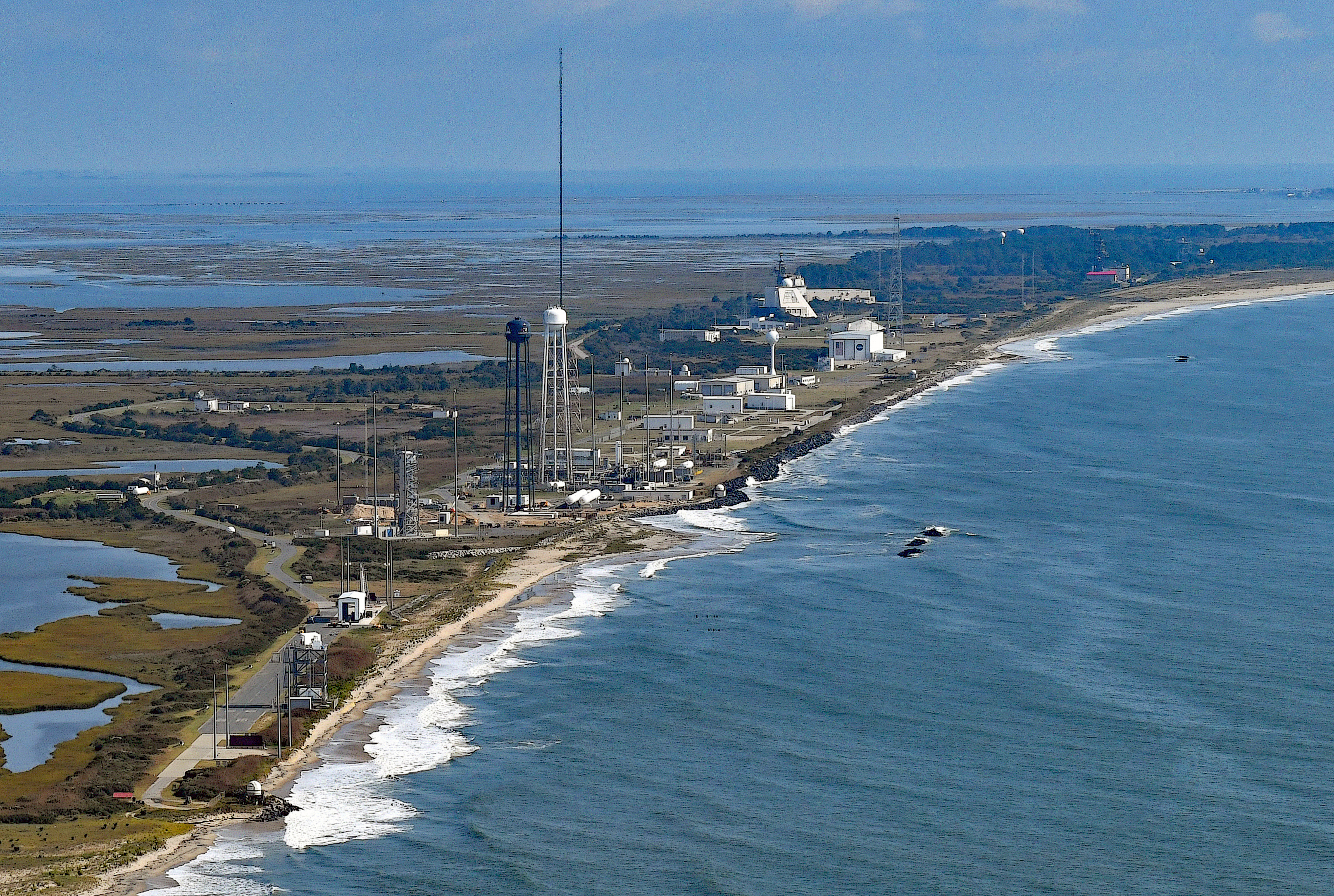
This September 2024 aerial photograph shows the coastal launch range at NASA’s Wallops Flight Facility on Virginia’s Eastern Shore. Wallops is the agency’s only owned-and-operated launch range.
Courtesy Patrick J. Hendrickson; used with permission
A rocket-propelled target is scheduled to launch from NASA’s Wallops Flight Facility in Virginia during a window Thursday, Nov. 7 to Friday, Nov. 8 between 9:30 a.m. and 2:30 p.m. EST both days as part of a U.S. Navy Fleet Training exercise.
No real-time launch status updates will be available. The launch will not be livestreamed nor will launch status updates be provided during the countdown. The rocket launch may be visible from the Chesapeake Bay region.
From Campus to Cosmos: NASA Grants Boost Student, University Innovation
5 min read
Preparations for Next Moonwalk Simulations Underway (and Underwater)
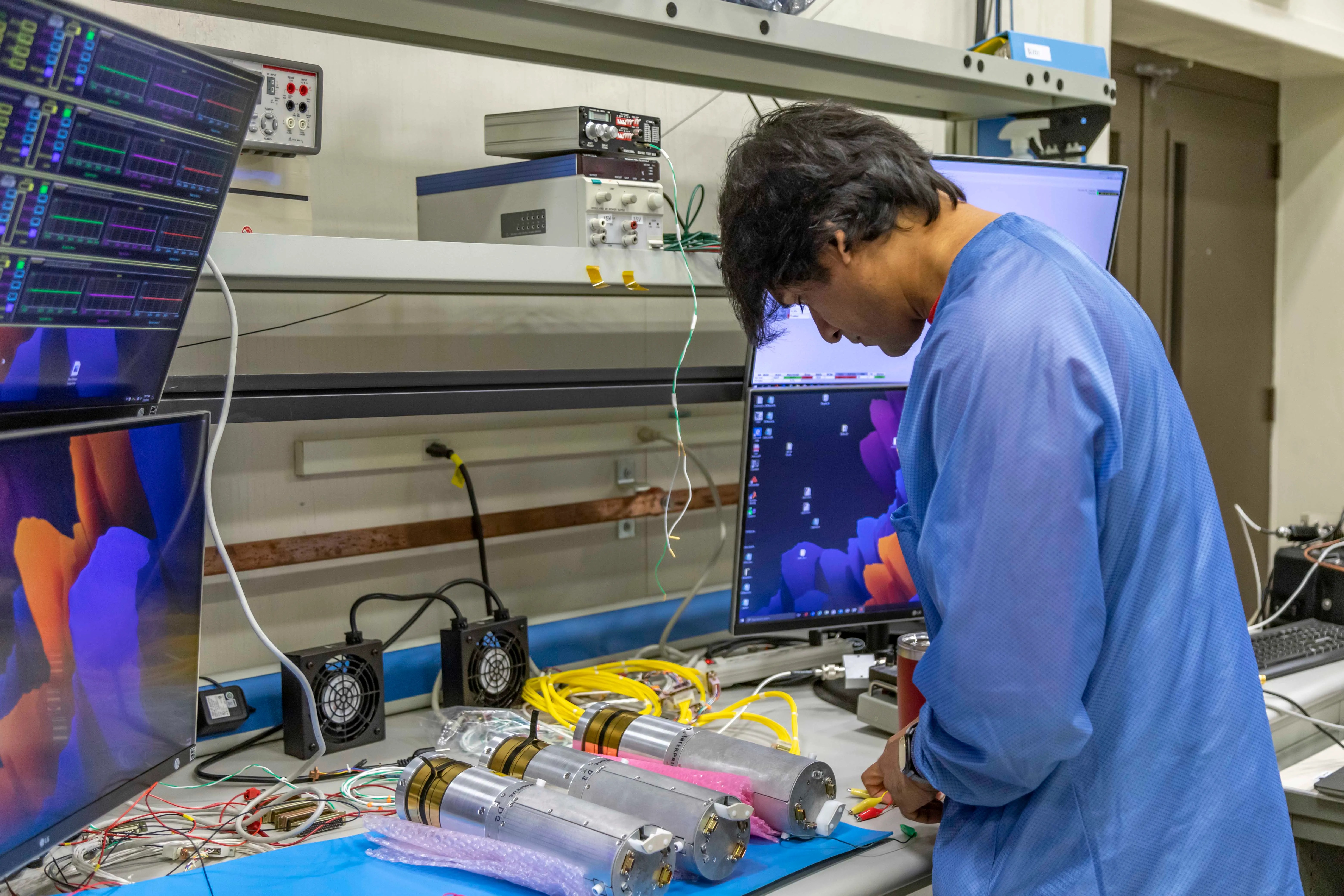
Nicholas Bitner from Candeska Cikana Community College, left, and Jesse Rhoades from the University of North Dakota (UND), right, are pictured in UND’s BiPed lab, where their students test and capture motion data for the Mapi Hapa.
Walter Criswell, UND Today
Human exploration on the lunar surface is no small feat. It requires technologists and innovators from all walks of life to tackle many challenges, including feet.
From designing astronaut boots, addressing hazardous Moon dust, and researching new ways to land on Mars, NASA is funding valuable research through M-STAR (Minority University Research and Education Project’s (MUREP) Space Technology Artemis Research). The M-STAR program provides opportunities for students and faculty at Minority Serving Institutions to participate in space technology development through capacity building and research grants. With more than $11.5 million awarded since 2020, M-STAR aims to ensure NASA isn’t leaving any potential solution behind.
Best Foot Forward
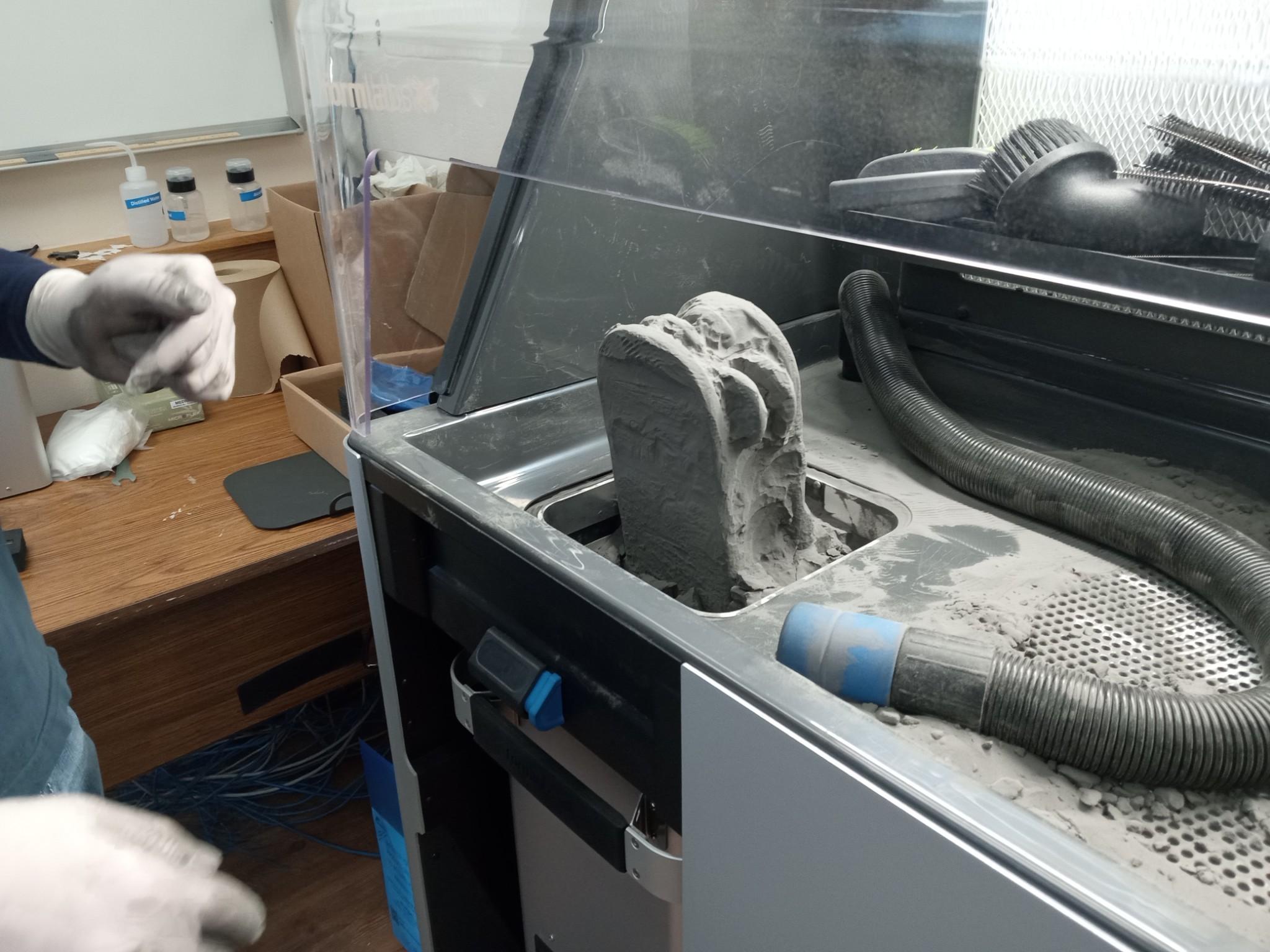
Candeska Cikana Community College uses selective laser sintering, a type of 3D-printing in which heat and pressure form specific structures using layers of powdered material. Shown here, a student works to remove excess material, in this case a powdered form of nylon with carbon fibers, to reveal a prototype of the “Mapi Hapa,” or “sky shoe.”
Candeska Cikana Community College
Supportive boots are required for astronauts who will perform long duration Artemis missions on the Moon. With astronaut foot health in mind, students and faculty of North Dakota’s Candeska Cikana Community College in Fort Totten and the University of North Dakota in Grand Forks are designing a solution for extravehicular activity Moon boots. The project, called Mapi Hapa, proposes a 3D printed device that helps astronauts achieve the range of motion that takes place in the ankle when you draw your toe back towards the shin.
Candeska Cikana Community College is a tribal college that serves the Spirit Lake Nation, including the Dakota, Lakota, Sisseton, Wahpeton, and Yanktonai peoples.
Nicholas Bitner, an instructor at Candeska Cikana and graduate student at the University of North Dakota, notes the unique skills that tribal students possess. “Their perspective, which is unlike that of any other student body, thrives on building with their hands and taking time to make decisions.”
Bitner also attributes many opportunities and successes of their program to M-STAR and its partnership which exemplifies the dire importance of consistent funding.
“Given the relationships, we have been able to expand our capabilities and our lab, but it has also given us funding. We were able to hire all our students in the engineering department as lab technicians. So, they get paid to do the research that they are a part of, and not only do they have that psychological ownership, but they also have a good paying job that looks nice on their resumes.”
In addition to addressing astronaut foot health, M-STAR funding is helping develop solutions to combat lunar regolith, or Moon dust, which can damage landers, spacesuits, and human lungs, if inhaled.
Lunar Dust Development
With M-STAR, New Mexico State University in Las Cruces developed affordable, reliable lunar regolith simulants to help test lunar surface technologies. The team also designed testing facilities that mimic environmental conditions on the Moon.
New Mexico State has already started sharing their simulants, including with a fellow M-STAR awardee. An M-STAR project selected in 2023 from the University of Maryland Eastern Shore in Princess Anne uses the simulants to help test their experience in smart agriculture to test applications for crop production on the Moon.
University of Maryland, Eastern Shore explores the possibility of growing crops in lunar regolith by mixing varying proportions of lunar regolith simulant, horse manure, and potting soil. The lunar regolith simulant was provided by fellow M-STAR awardee at New Mexico State University in in Las Cruces.
Stephanie Yeldell/NASA
Douglas Cortez, associate professor in civil engineering at New Mexico State, believes different perspectives are essential to maximizing solutions.
“There are hundreds of people working at Minority Serving Institutions that are used to looking at the world in a completely different way,” said Cortez. “When they start looking at the same problem and parameters, they come up with very different solutions.”
As we look to sustainable presence on the Moon, NASA also has its sights set on Mars and M-STAR is helping develop technologies to inform crewed Martian exploration.
Stick the Landing
San Diego State University in California was awarded funding for research on Mars entry, descent, and landing technologies. The team aims to achieve optimal trajectory by developing onboard algorithms that guide vehicles to descent autonomously.
The M-STAR research opportunities have been invaluable to students like Chris Davami and his teammates working to develop improved methods to land on Mars.
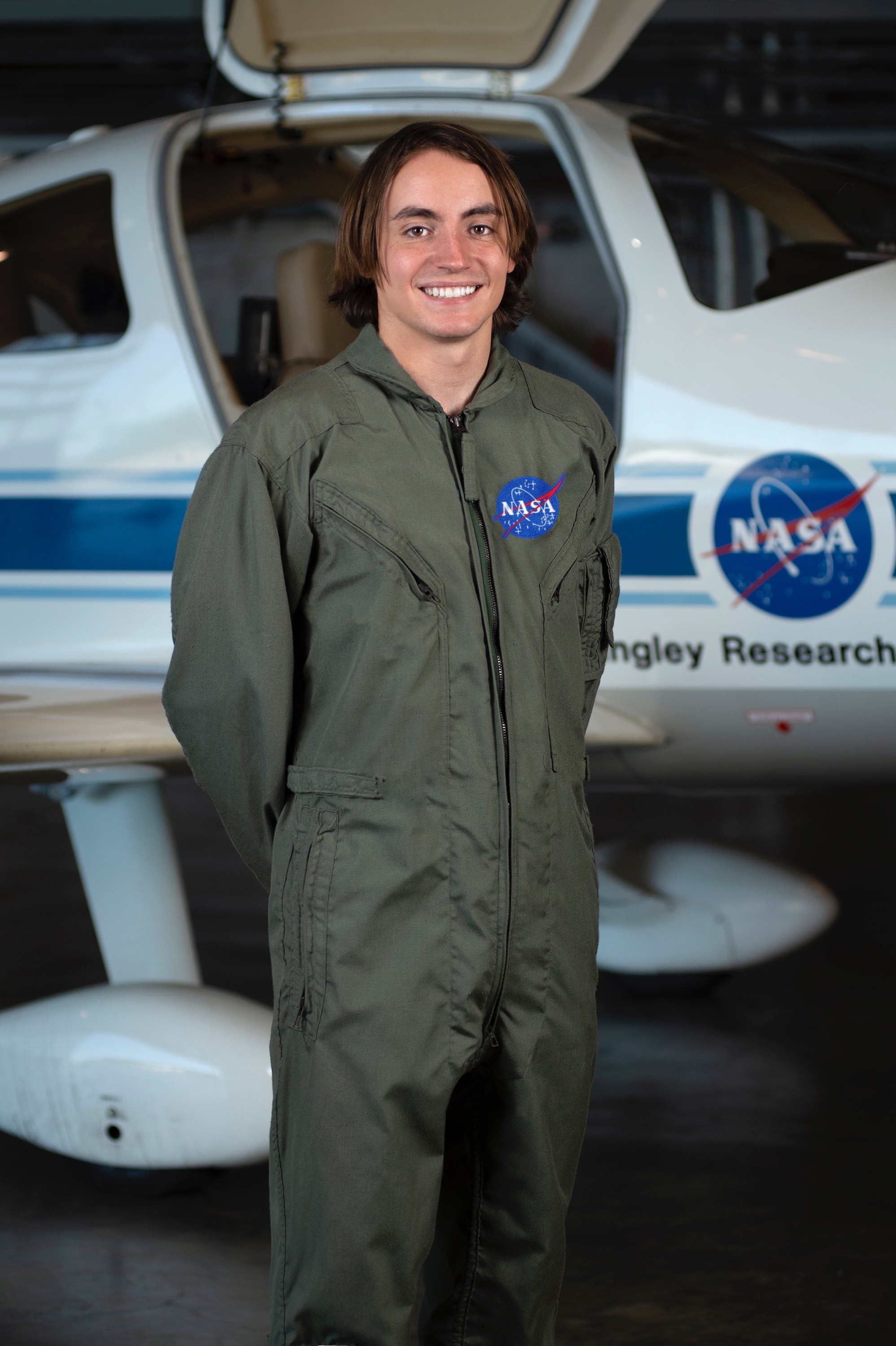
Christopher Davami, who supported San Diego State University’s 2021 M-STAR project, is pictured here at NASA’s Langley Research Center, where he was selected for internships supporting research in aeroelasticity, atmospheric flight, and entry systems research.
NASA
“I would definitely not have been able to have these opportunities with NASA if it weren’t for M-STAR,” said Davami. “M-STAR helped pay for my education, which helped me save a lot in student loans. I probably wouldn’t be going to graduate school right now if I did not have this opportunity. This program enabled me to keep pursuing my research and continue doing what I love.”
Following his contributions to the M-STAR-funded project, Davami was awarded a NASA Space Technology Graduate Research Opportunity in 2023 on his work in autonomous end-to-end trajectory planning and guidance constrained entry and precision power decent.
Through efforts like M-STAR, NASA aims to seed the future workforce and prepare colleges and universities to win other NASA research opportunities. When it comes to the advancement of space technology, people of different backgrounds and skillsets are needed to achieve what was once known as impossible. Not only can the diversification of ideas spark fundamental innovations in space, but it can also help students apply these technological advancements to solving problems here on Earth.
NASA Science, Cargo Launch on 31st SpaceX Resupply Mission to Station
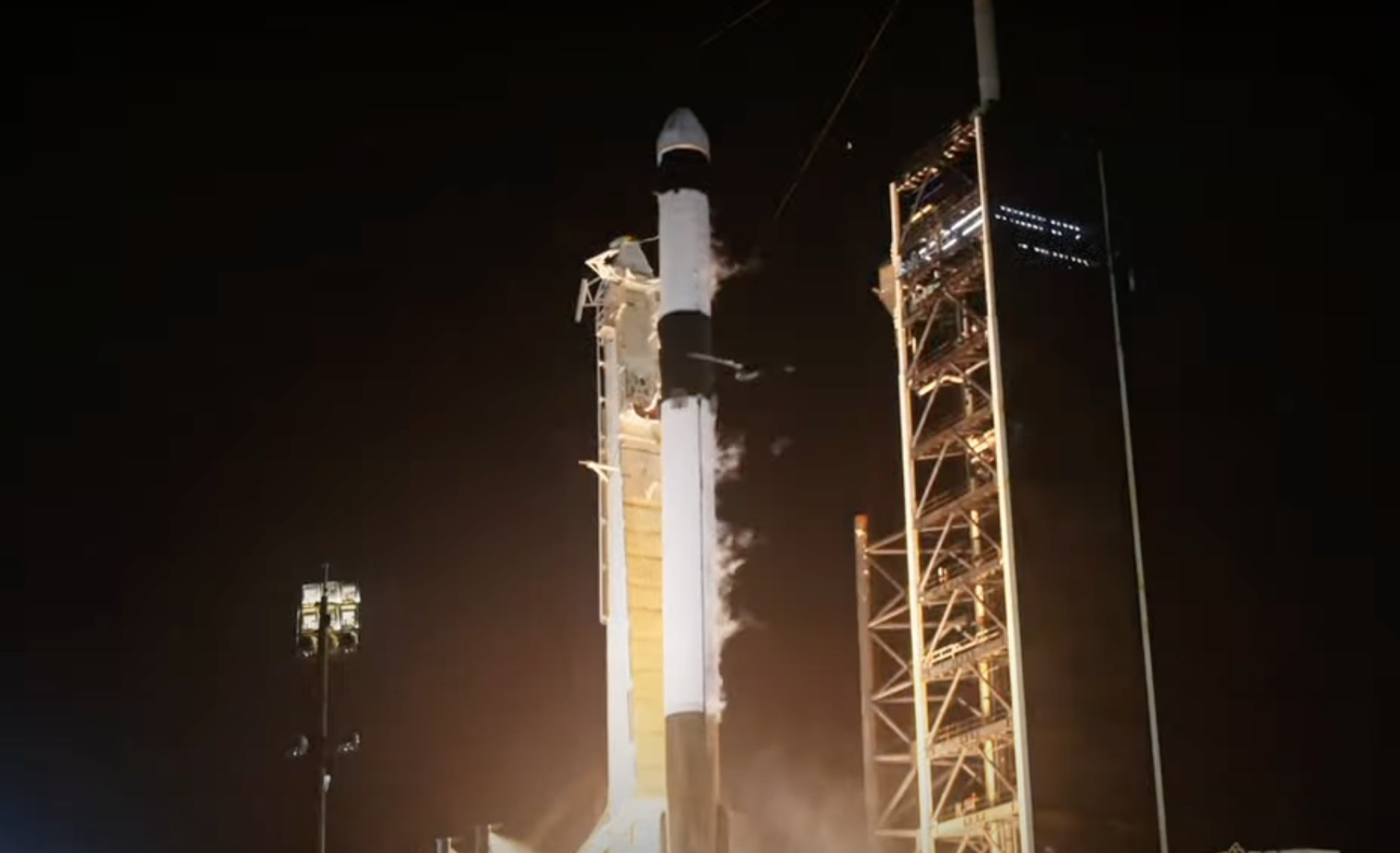
The SpaceX Dragon spacecraft, carrying more than 6,000 pounds of supplies to the orbiting laboratory, lifted off at 9:29 p.m. EST Monday, on the company’s Falcon 9 rocket from Launch Complex 39A at NASA’s Kennedy Space Center in Florida.
Credits: NASA
Following a successful launch of NASA’s SpaceX 31st commercial resupply mission, new scientific experiments and cargo for the agency are bound for the International Space Station.
The SpaceX Dragon spacecraft, carrying more than 6,000 pounds of supplies to the orbiting laboratory, lifted off at 9:29 p.m. EST Monday, on the company’s Falcon 9 rocket from Launch Complex 39A at NASA’s Kennedy Space Center in Florida.
Live coverage of the spacecraft’s arrival will begin at 8:45 a.m. Tuesday, Nov. 5, on NASA+ and the agency’swebsite. Learn how to watch NASA content through a variety of platforms, including social media.
The spacecraft is scheduled to autonomously dock at approximately 10:15 a.m. to the forward port of the space station’s Harmony module.
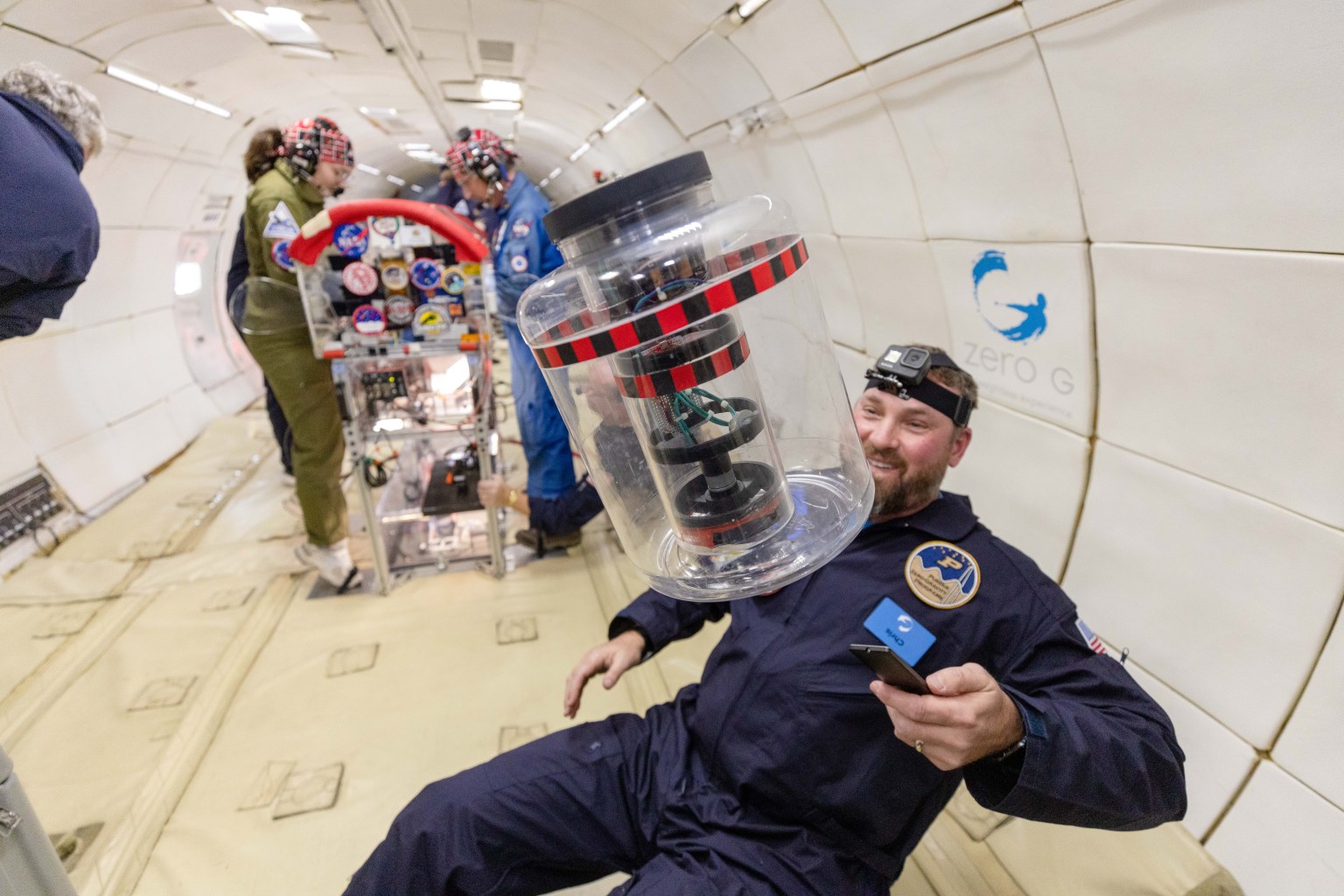
The resupply mission will support dozens of research experiments conducted during Expedition 72. In addition to food, supplies, and equipment for the crew, Dragon will deliver several new experiments, including the Coronal Diagnostic Experiment, to examine solar wind and how it forms. Dragon also delivers Antarctic moss to observe the combined effects of cosmic radiation and microgravity on plants. Other investigations aboard include a device to test cold welding of metals in microgravity and an investigation that studies how space impacts different materials.
These are just a sample of the hundreds of investigations conducted aboard the orbiting laboratory in the areas of biology and biotechnology, physical sciences, and Earth and space science. Such research benefits humanity and lays the groundwork for future human exploration through the agency’s Artemis campaign, which will send astronauts to the Moon to prepare for future expeditions to Mars.
The Dragon spacecraft is scheduled to remain at the space station until December when it will depart the orbiting laboratory and return to Earth with research and cargo, splashing down off the coast of Florida.
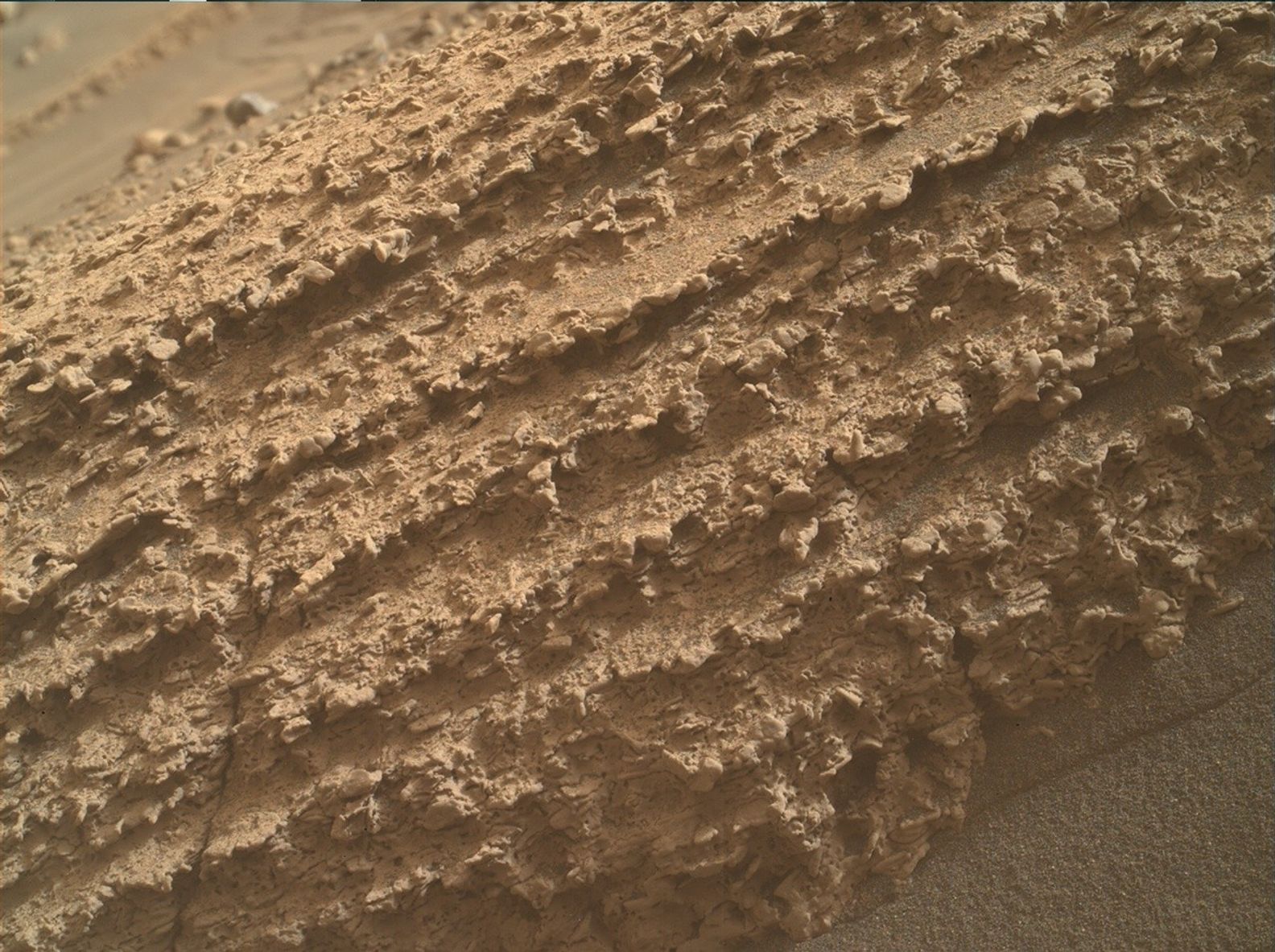
NASA’s Mars rover Curiosity acquired this image of the target surface feature nicknamed “Reds Meadow,” using its Mars Hand Lens Imager (MAHLI), located on the turret at the end of the rover’s robotic arm. Curiosity captured the image Oct. 31, 2024, at 19:09:10 UTC, on sol 4350 — Martian day 4,350 of the Mars Science Laboratory Mission.
NASA/JPL-Caltech/MSSS
Earth planning date: Friday, Nov. 1, 2024
Yesterday evening (Thursday) was Halloween for many of us here on Earth. My neighborhood in eastern Canada was full of small (and not so small!) children, running around in the dark collecting sweets and candy but also getting scared by the ghostly decorations hung at each house. Little did we suspect that our poor rover on Mars was also getting spooked. Curiosity completed about a meter (about 3 feet) of the planned drive before becoming unsettled … scared, if you will! … when its left front wheel got hung up on a rock and stopped moving.
Luckily, we understood this kind of frightened behavior and were able to resume planning today as per usual. That meter was enough to give us a whole new set of targets to choose from. As APXS Strategic Planner this week, I had chosen darker-looking targets in the workspace — “Ladder Lake” and “Reds Meadow” (shown in the accompanying MAHLI image) — earlier in the week. I was happy that bumping backwards by a meter allowed us to reach some of the more typical pale colored bedrock at “Eureka Valley” and a second APXS analysis on “Black Bear Lake,” which is a mixture of both pale bedrock and some darker layers. MAHLI added in a bonus set of images on “Stag Dome,” focusing on small, rougher patches on the pale bedrock.
ChemCam is taking advantage of the short bump, too, adding a passive observation on the brushed Reds Meadow target, analyzed by APXS and MAHLI in Monday’s plan. A ChemCam LIBS target “Hoist Ridge” focuses on a small vertical face of dark material. Two long distance images planned for ChemCam’s Remote Micro Imager (RMI) look at the distribution of rocks along the Gediz Vallis ridge in the distance.
Mastcam is taking several mosaics this weekend (must have gotten extra energy from the Halloween sugar!). Close to the rover, Mastcam will acquire single-frame images of the targets Hoist Ridge and Eureka Valley, and a small mosaic of some surficial troughs just a little further away. Moving further afield, a small 3×1 mosaic (three images in one row) will image the same area as the ChemCam RMI of the Gediz Vallis ridge, and a larger 9×2 mosaic will focus on the faraway yardang unit, where we hopefully will be in a few years.
Then for the really big images: Mastcam will image the whole landscape in a special 360-degree view, so big it needs to be broken into two parts. The first will have 43×4 frames, the second 34×5 frames. These mosaics are huge, so we save them for when we are at a really good vantage point to allow us to capture as much detail as possible for science and engineering planning.
As ever, we continue our environmental monitoring of conditions, with Mastcam and Navcam movies and images looking at dust in the atmosphere above and around us in Gale crater, and watching out for dust devils.
Written by Catherine O’Connell-Cooper, Planetary Geologist at University of New Brunswick
Explore the November 2024 issue, highlighting a milestone for future Artemis testing, a key step to expand NASA Stennis Range Operations work, and more!
Explore Lagniappe for November 2024 featuring:
NASA Stennis Takes Key Step in Expanding its Range Operations Work
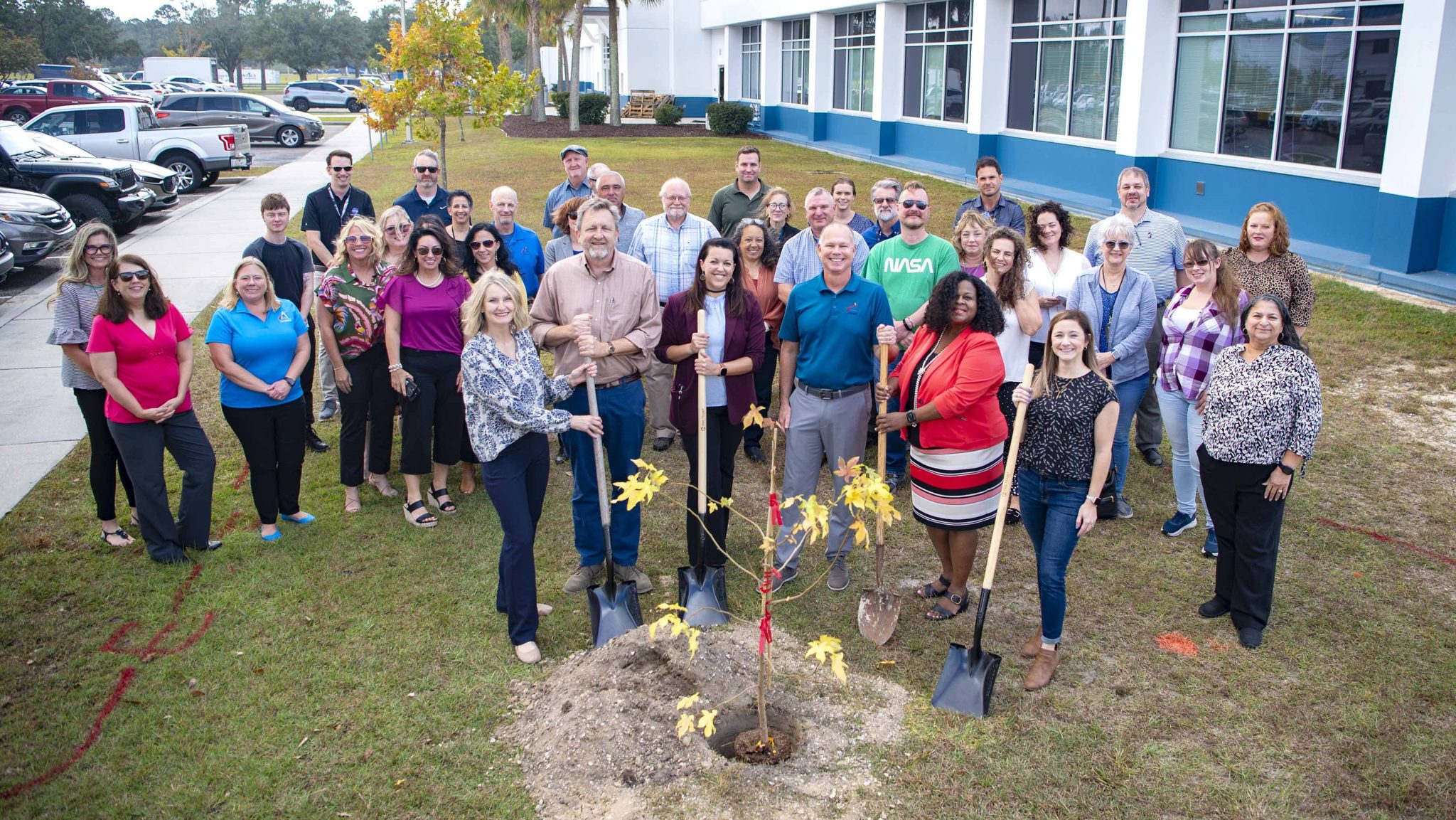
NASA Stennis Plants Artemis Moon Tree
NASA Employees Complete Agency Leadership Program
Gator Speaks
Gator Speaks
NASA/Stennis
The month of October is known for becoming cooler in these parts, and there sure were plenty of recent cool moments for NASA Stennis that set the tone for the future.
Last month, the center marked a milestone for testing a new SLS (Space Launch System) rocket stage to fly on future Artemis missions to the Moon and beyond.
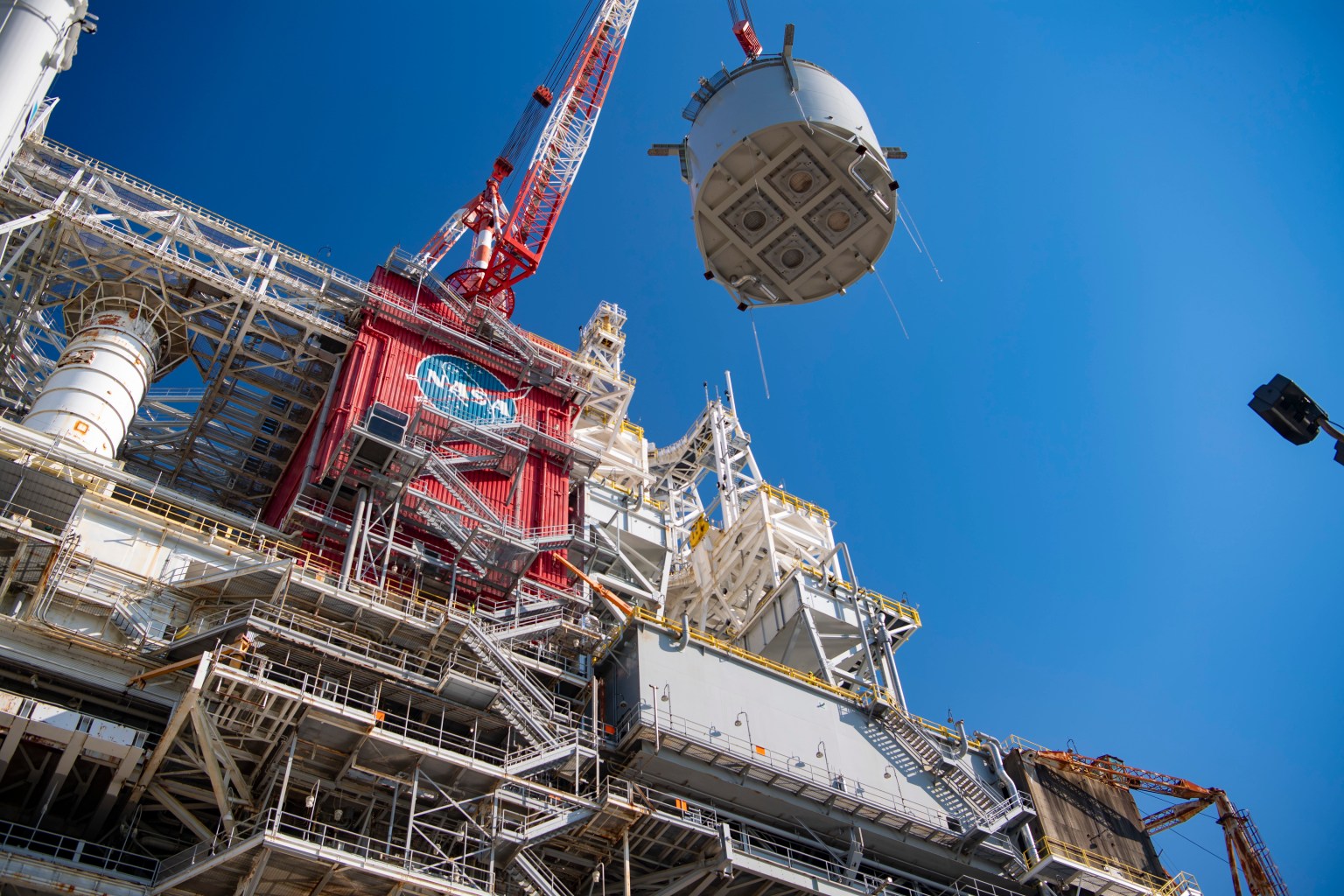
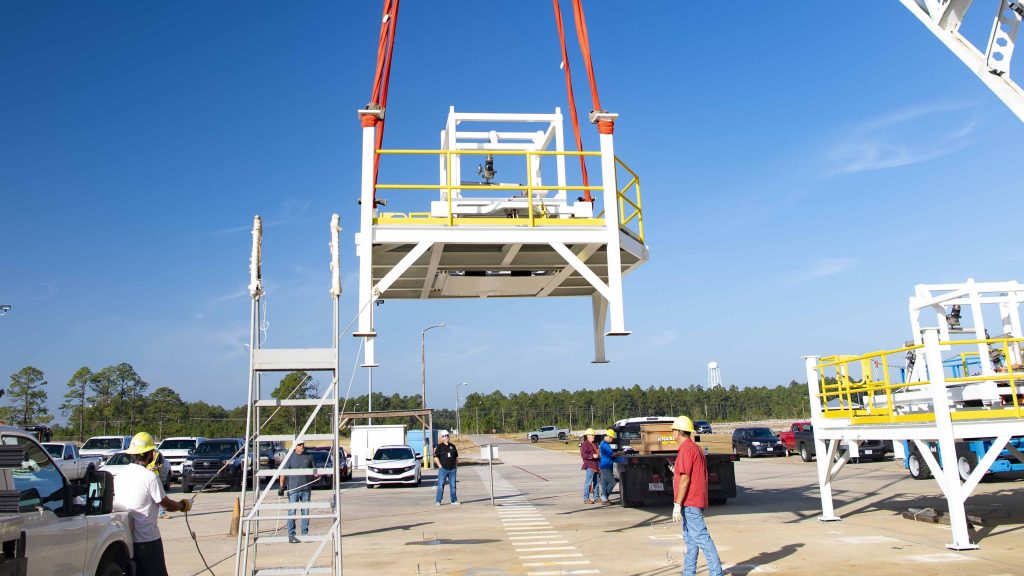
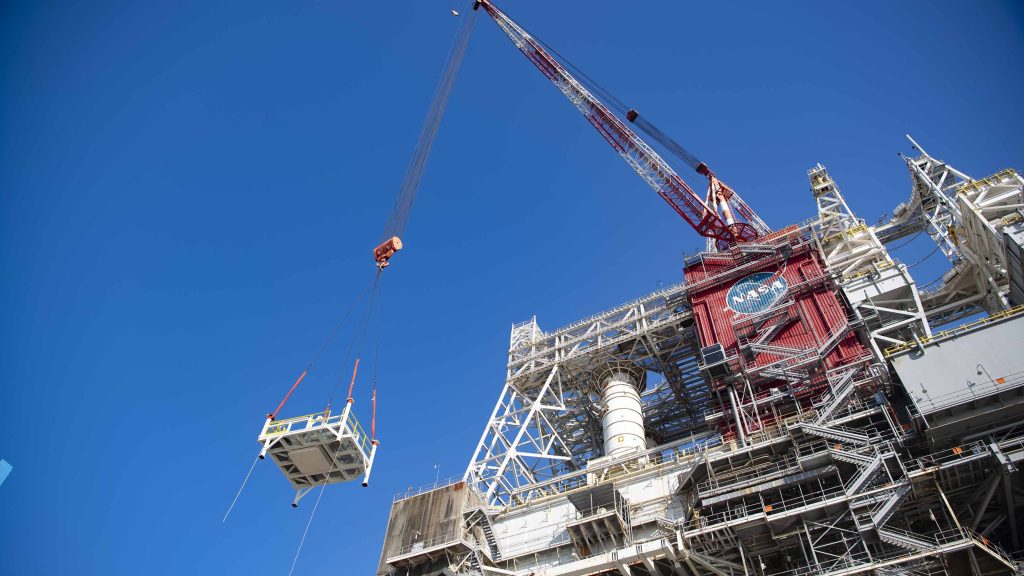
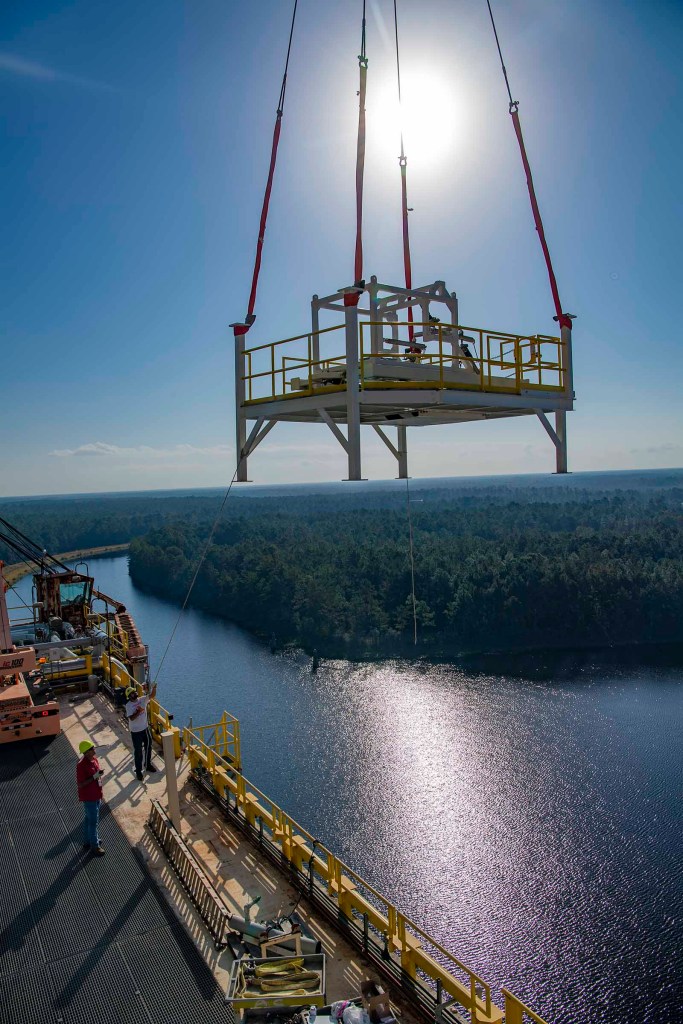
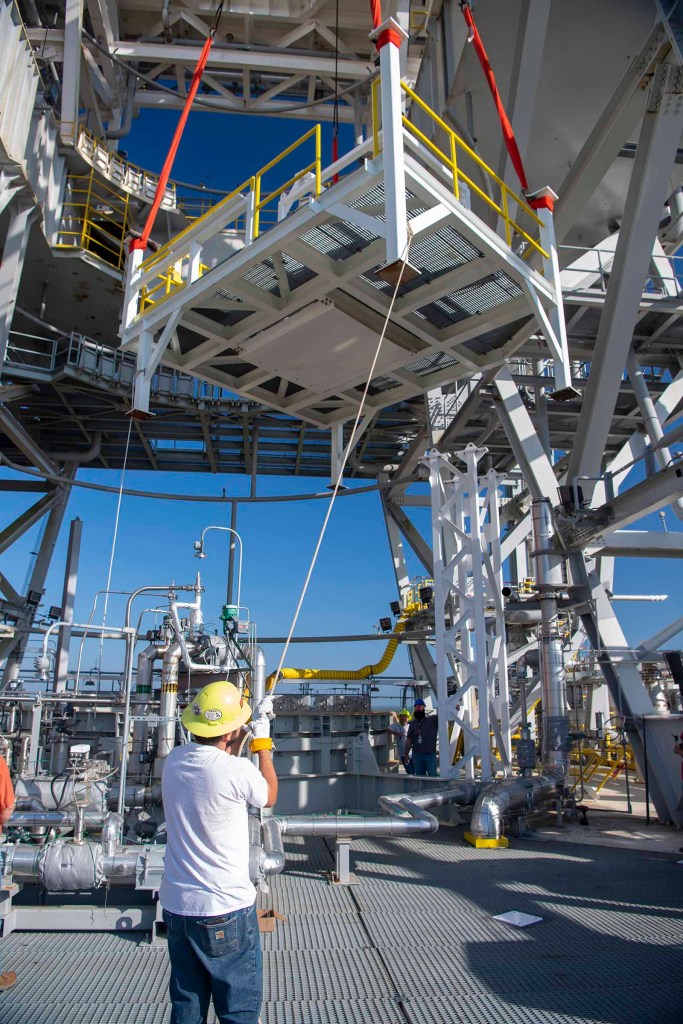
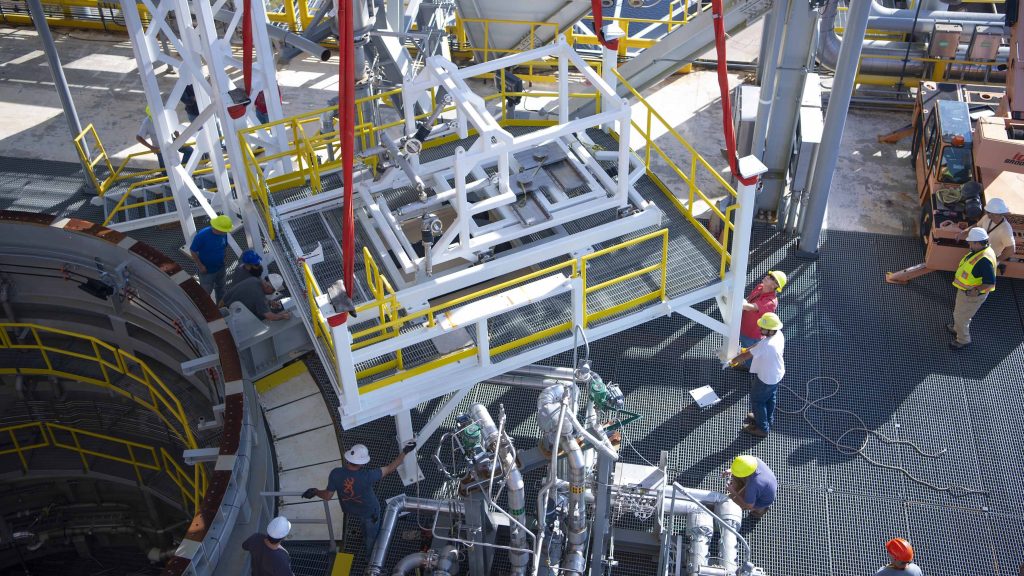
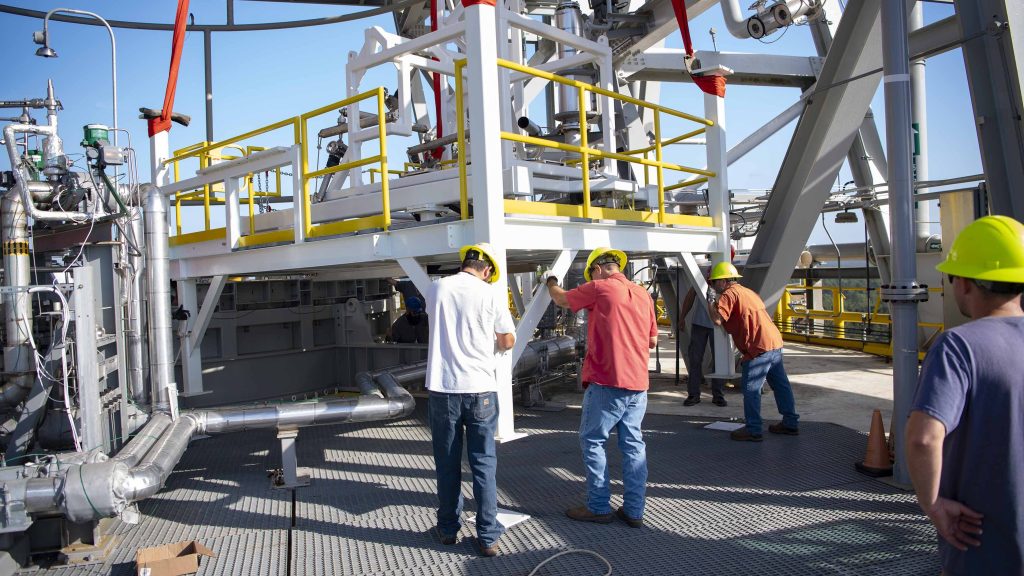
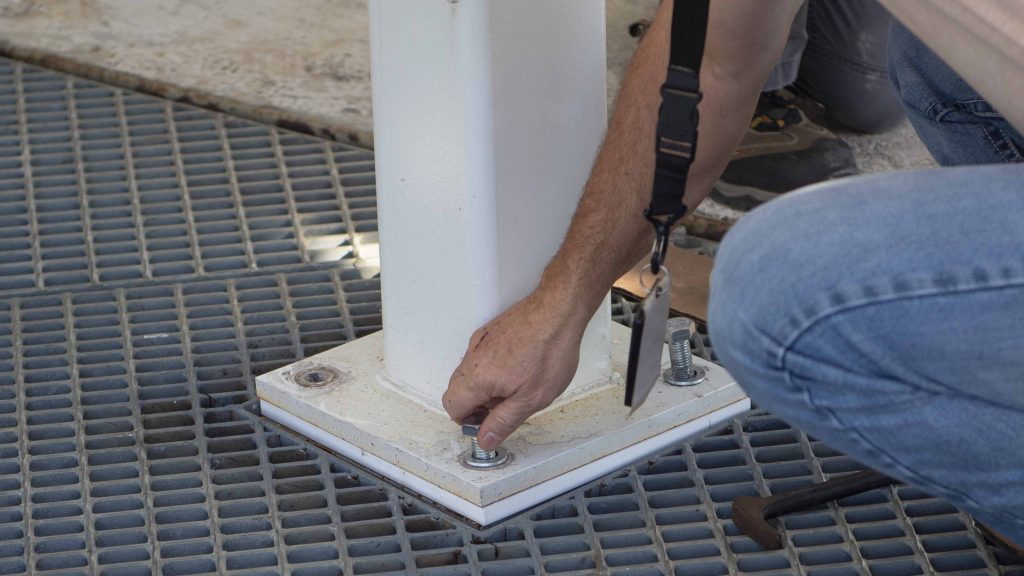
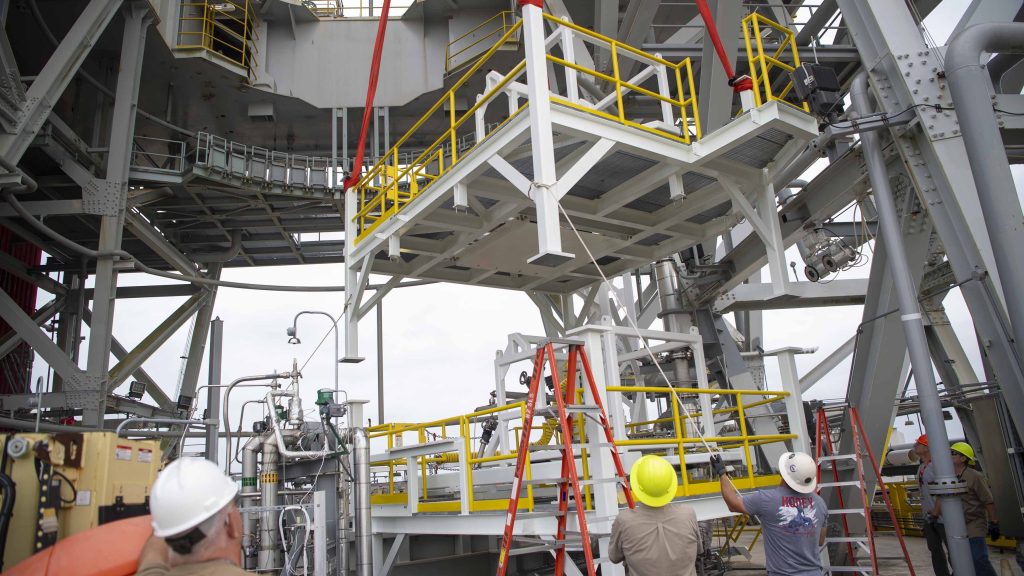
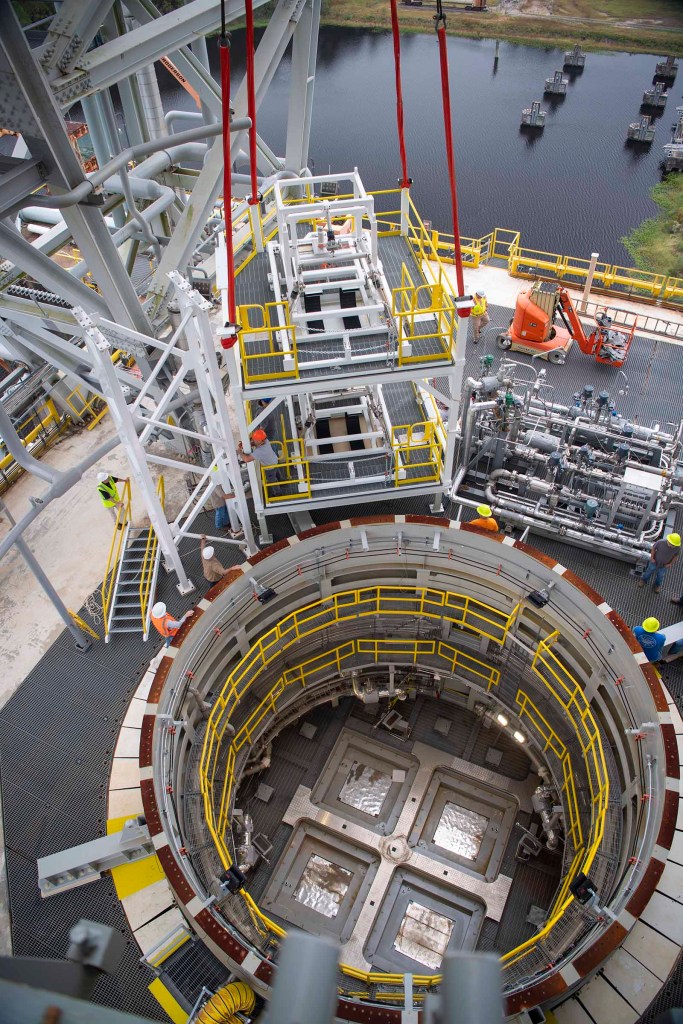
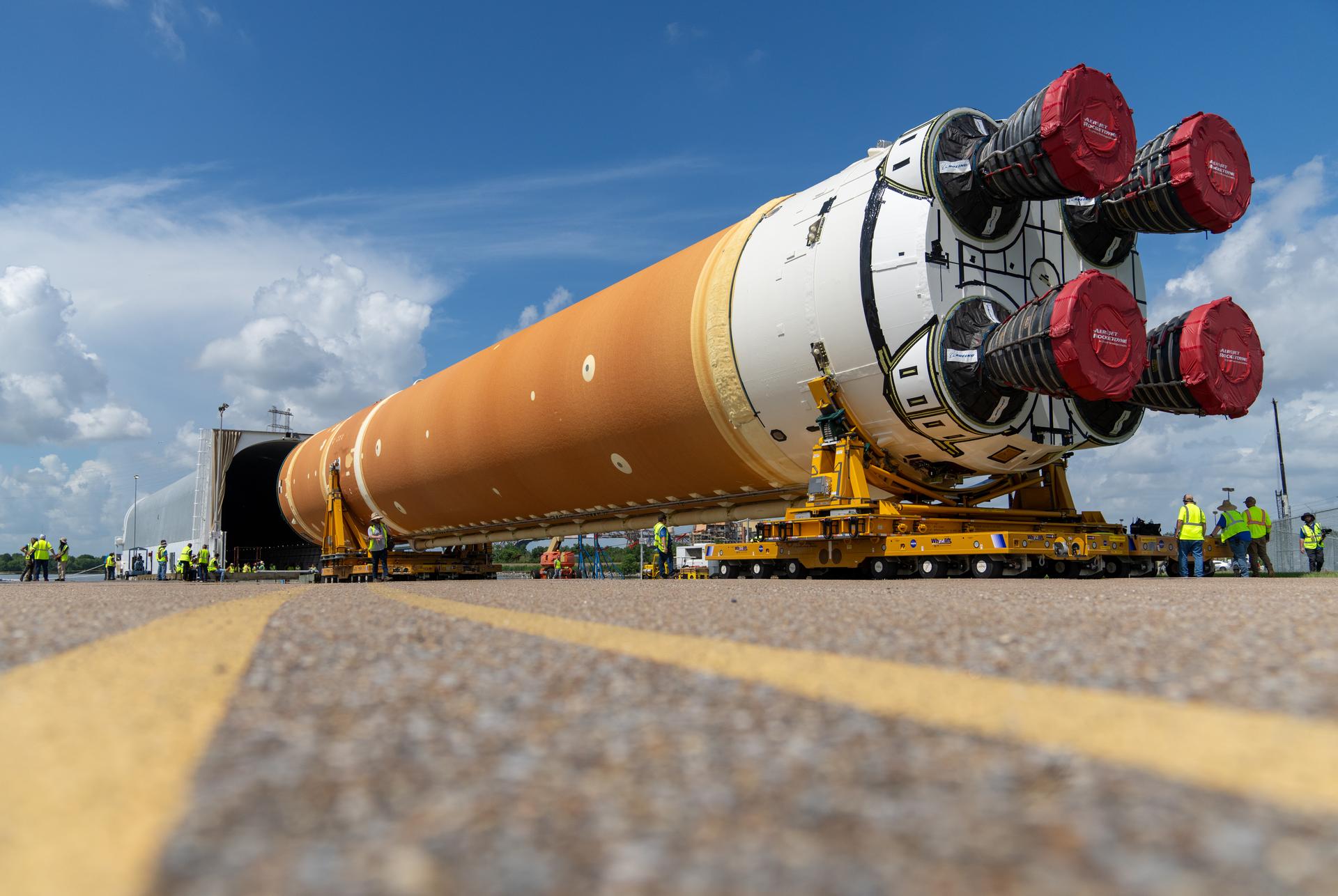
Crews safely lifted and installed the interstage simulator component that will be used for future testing of NASA’s exploration upper stage on the B-2 side of the Thad Cochran Test Stand.
Why does this matter?
When the new upper stage is ready to fly following testing at NASA Stennis, it will allow NASA to send astronauts and larger payloads to the Moon on a single mission.
It is expected to fly on Artemis IV when astronauts will live and work in humanity’s first lunar space station, Gateway.
How exciting! This mission will make possible new opportunities for science and preparation for human missions to Mars.
The massive interstage simulator component lifted and installed at NASA Stennis is 103 tons, or 206,000 pounds. When you learn about the exploration upper stage, and how it functions, it makes sense. The upper stage is powered by four engines and provides more than 97,000 pounds of thrust.
Speaking of missions to the Moon, have you ever asked yourself why are we returning to the Moon?
A few goals NASA has set for Artemis missions include: preparing for future exploration missions deeper into space – including Mars – by developing and proving new technologies and capabilities, while learning how to live and operate on the lunar surface; finding and using water and other critical resources needed for long-term exploration; and investigating the Moon’s mysteries to learn more about Earth and the universe for the benefit of all.
These long-term plans build on more than 50 years of NASA’s experience and are reigniting everyone’s passion for discovery.
I believe it because the grandgators have been talking NASA nonstop lately.
All of this culminates with inspiring the Artemis Generation and encouraging young people to pursue studies and careers in science, technology, engineering, and mathematics.
Throughout the month of October, NASA Stennis representatives have been doing just that, sharing the cool ways NASA explores, innovates, and inspires all of humanity and the Artemis Generation.
Such stops have included Congressman Bennie Thompson’s College and Career Fair in Greenville, Mississippi, located in the Yazoo-Mississippi Delta area, bordering the state of Arkansas; Cruisin’ the Coast, where car enthusiasts from over 37 states and Canada drive to the Mississippi Gulf Coast annually; and various college and career fairs throughout Pearl River County and Hancock County, areas where many NASA Stennis employees live.
October indeed was a cool month, and November has started off that way, too. NASA Stennis representatives participated in the NAS Pensacola Blue Angels Homecoming Air Show Nov. 1-2, one of Pensacola’s largest events with more than 150,000 in attendance.
It marked just the fifth time in history that the U.S. Air Force Thunderbirds and U.S. Navy Blue Angels have flown together. This event also celebrated the 55thanniversary of NASA’s lunar landing.
NASA Stennis Achieves Milestone in Preparation for Future Artemis Testing
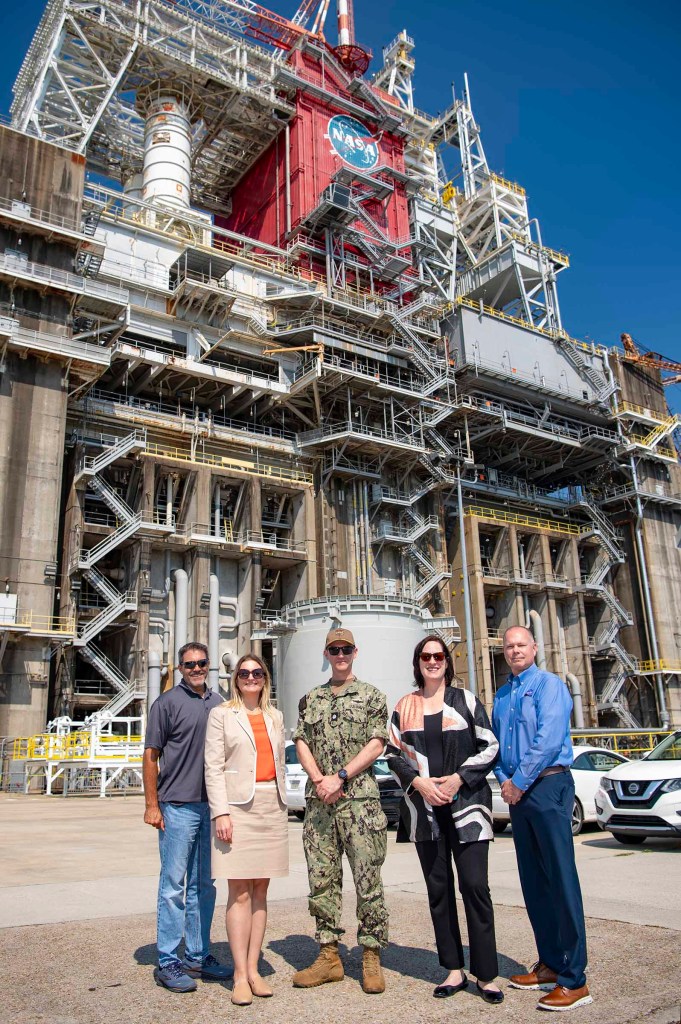
NASA’s Stennis Space Center near Bay St. Louis, Mississippi, achieved a key milestone this week for testing a new SLS (Space Launch System) rocket stage to fly on future Artemis missions to the Moon and beyond.
NASA Stennis Takes Key Step in Expanding its Range Operations Work
NASA’s Stennis Space Center near Bay St. Louis, Mississippi, has entered into an agreement with Skydweller Aero Inc. for the company to operate its solar-powered autonomous aircraft in the site’s restricted airspace, a key step towards achieving a strategic center goal.
NASA Stennis Conducts Water Flush at Fred Haise Test Stand
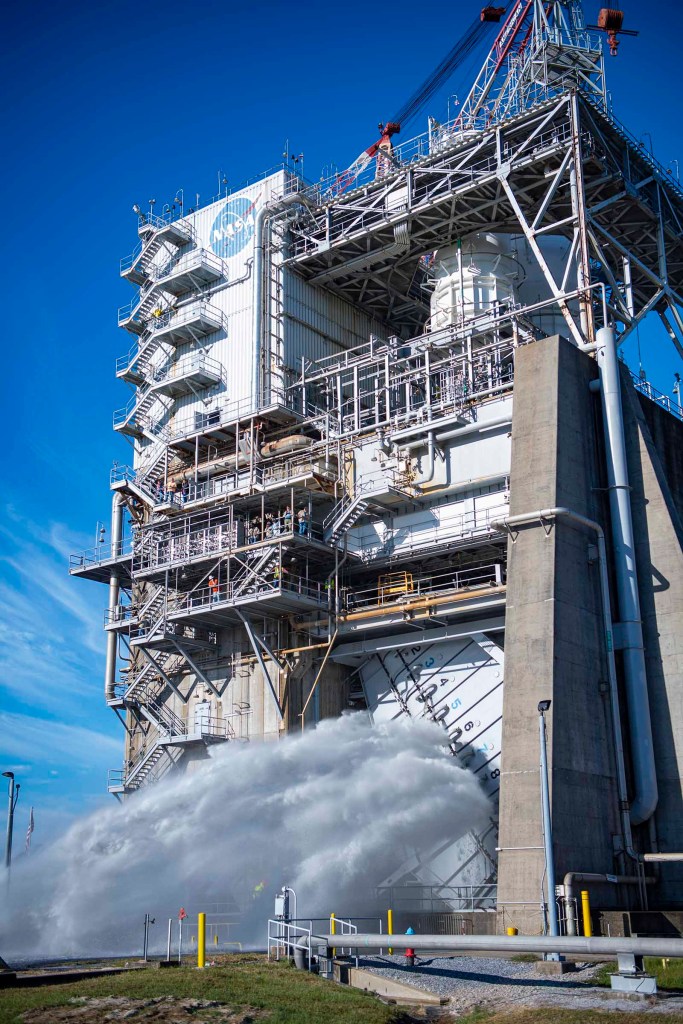
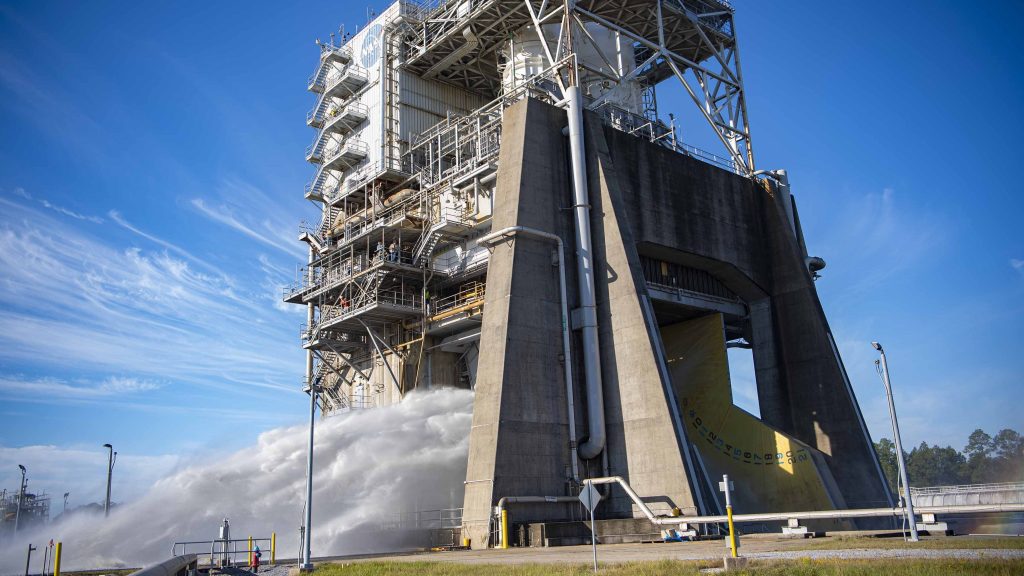
Crews conduct a planned flame deflector water flow system flush on the Fred Haise Test Stand at NASA’s Stennis Space Center on Oct. 22, following the recent completion of upgrades to the High Pressure Industrial Water Facility’s underground piping network. The flush, a periodic procedure to ensure system functionality and performance, involves flowing 150,000 gallons or more per minute from the High Pressure Industrial Water Facility to the stand. It also continues stand preparations for testing RS-25 flight engines for use on future Artemis missions to the Moon and beyond. NOTE: Right click on photo to open full image in new tab.
NASA/Danny Nowlin
Crews conduct a planned flame deflector water flow system flush on the Fred Haise Test Stand at NASA’s Stennis Space Center on Oct. 22, following the recent completion of upgrades to the High Pressure Industrial Water Facility’s underground piping network. The flush, a periodic procedure to ensure system functionality and performance, involves flowing 150,000 gallons or more per minute from the High Pressure Industrial Water Facility to the stand. It also continues stand preparations for testing RS-25 flight engines for use on future Artemis missions to the Moon and beyond.
NASA/Danny Nowlin
NASA Employees Complete Agency Leadership Program
Eli Ouder, left, and Thom Rich are pictured at NASA Headquarters in Washington on Oct. 23 after graduating from the NASA ASPIRE Program. Ouder is the procurement officer for NASA’s Stennis Space Center and NASA Shared Services Center. Rich is the associate director of the NASA Stennis Center Operations Directorate. The two were part of the first cohort in the new 18-month leadership program to prepare NASA leaders for executive leadership roles in the future.
NASA
NASA Stennis Plants Artemis Moon Tree
NASA employees plant an Artemis Moon Tree at NASA’s Stennis Space Center on Oct. 29 to celebrate NASA’s successful Artemis I mission as the agency prepares for a return around the Moon with astronauts on Artemis II.
NASA Stennis Crews Continue Exploration Upper Stage Preparations
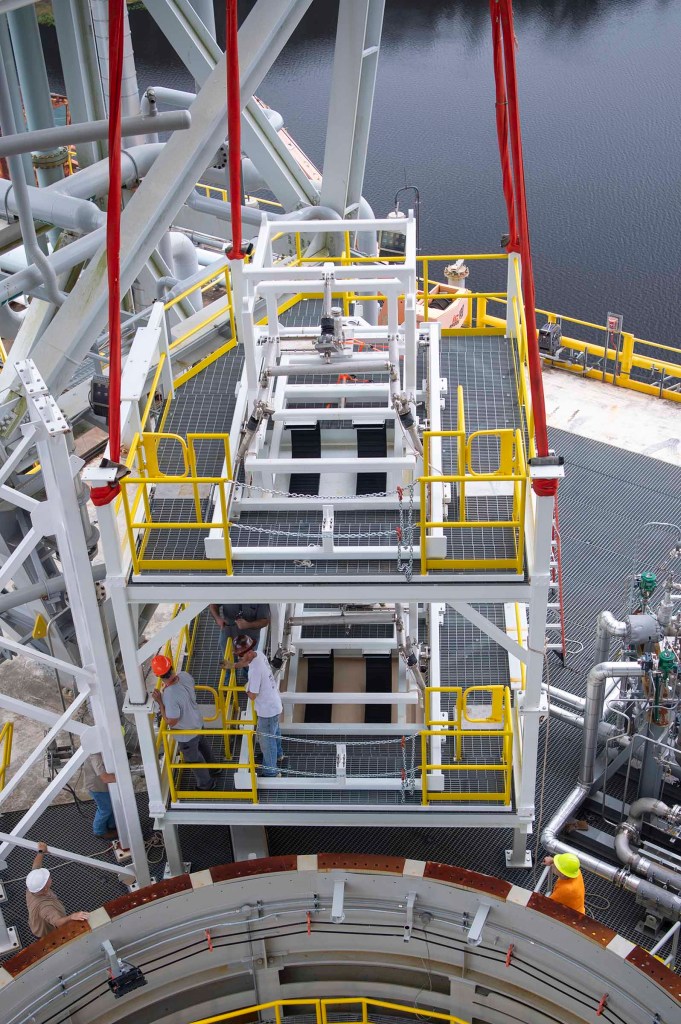
A pair of umbilical support structures needed for future testing of NASA’s exploration upper stage (EUS) were installed in the B-2 position of the Thad Cochran Test Stand on Oct. 30-31 at NASA’s Stennis Space Center. The support structures arrived from NASA’s Michoud Assembly Facility in New Orleans via the unique NASA Stennis seven-and-a-half-mile canal system in 2023.
Since then, crews have prepared the structures, which will align with the EUS unit, for installation. In addition to helping secure the unit in place during hot fire testing, the umbilical support structures are where the command, control, and data electrical connections are mated to connect the ground systems to the vehicle systems, as well as most the commodity connections, such as liquid hydrogen, liquid oxygen, hydrogen vent, helium bottle fill pressure, and purges.
Prior to its initial flight, the EUS unit will undergo a series of Green Run tests at NASA Stennis to ensure all systems are ready to go. The test series will culminate with a hot fire of the stage’s four RL10 engines, made by lead SLS engines contractor L3 Harris. The new upper stage will enable NASA to carry larger payloads on Artemis missions to the Moon and beyond.
NASA/Danny Nowlin
A pair of umbilical support structures needed for future testing of NASA’s exploration upper stage (EUS) were installed in the B-2 position of the Thad Cochran Test Stand on Oct. 30-31 at NASA’s Stennis Space Center. The support structures arrived from NASA’s Michoud Assembly Facility in New Orleans via the unique NASA Stennis seven-and-a-half-mile canal system in 2023. Since then, crews have prepared the structures, which will align with the EUS unit, for installation. In addition to helping secure the unit in place during hot fire testing, the umbilical support structures are where the command, control, and data electrical connections are mated to connect the ground systems to the vehicle systems, as well as most the commodity connections, such as liquid hydrogen, liquid oxygen, hydrogen vent, helium bottle fill pressure, and purges. Prior to its initial flight, the EUS unit will undergo a series of Green Run tests at NASA Stennis to ensure all systems are ready to go. The test series will culminate with a hot fire of the stage’s four RL10 engines, made by lead SLS engines contractor L3 Harris. The new upper stage will enable NASA to carry larger payloads on Artemis missions to the Moon and beyond. NOTE: Right click on photo to open full image in new tab.
Members of the Society for the Advancement of Material and Process Engineering at Louisiana State University stand at the Thad Cochran Test Stand during a visit to NASA Stennis on Oct. 4. The Thad Cochran Test Stand (B-2) is where future Green Run testing of NASA’s exploration upper stage will take place ahead of future Artemis missions to the Moon and beyond. The mission of the Society for the Advancement of Material and Process Engineering at LSU is to provide enhanced educational opportunities by delivering information on new and advanced materials and processing technology.
NASA/Danny Nowlin
U.S. Ambassador Visits NASA Stennis
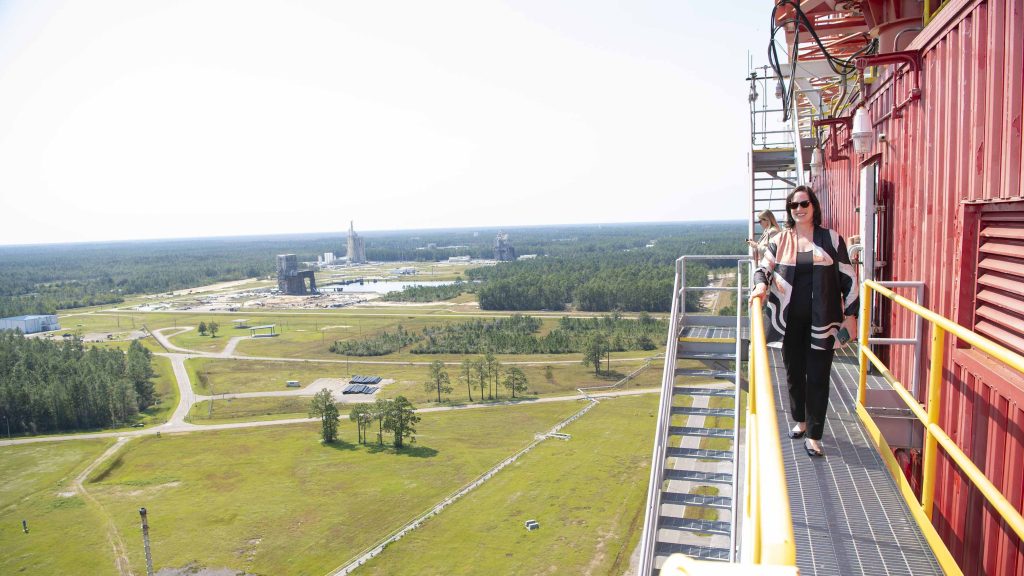
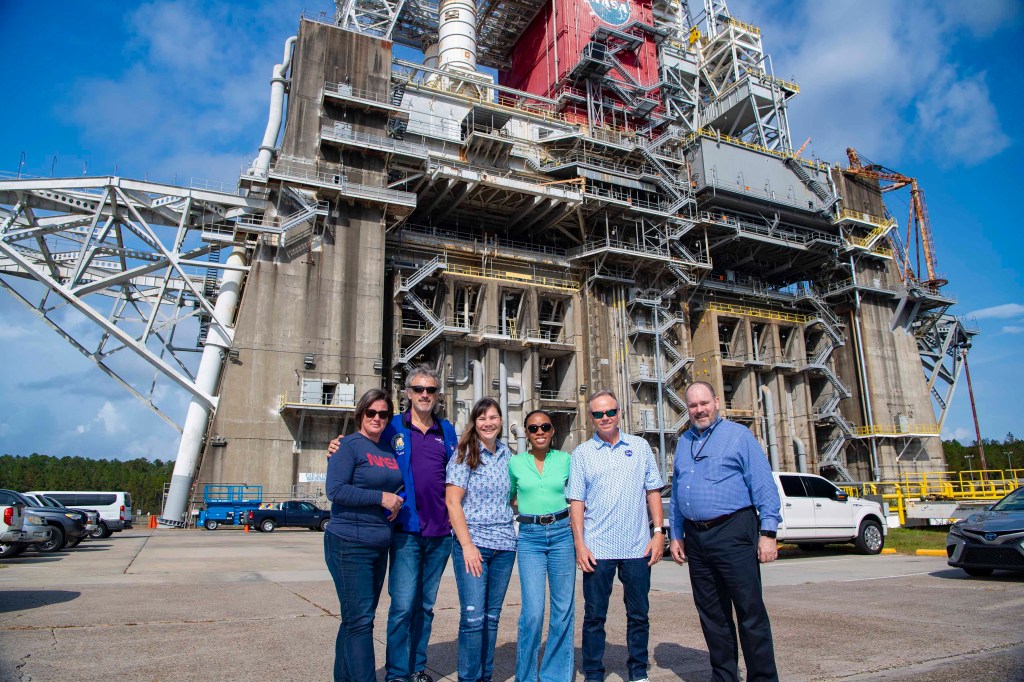
Heide Fulton, U.S. Ambassador to the Oriental Republic of Uruguay, visits NASA Stennis on Oct. 8 to meet with site leadership and tour test complex facilities. During her visit, Fulton met with NASA Stennis Director John Bailey and other leaders of the center and the NASA Shared Services Center located onsite. She also toured the rocket propulsion test complex, visiting the B-2 side of the Thad Cochran Test Stand, where she was briefed by B-2 Stand Director Ryan Roberts about NASA Stennis testing for the SLS (Space Launch System) rocket and NASA’s Artemis missions to the Moon and beyond. Uruguay is one of 45 nations who have signed the Artemis Accords, which establish a practical set of principles to guide space exploration cooperation among nations. The country became the 36th nation to sign the Artemis Accords during a Washington, D.C. ceremony in February. Ambassador Fulton was joined on the visit by Cmdr. Brendan Rok, chief of the U.S. Navy Office of Defense Cooperation at the U.S. Embassy in Montevideo, Uruguay; and Leah Thorstenson, foreign policy advisor with the U.S. Marines Corps. Forces South.
NASA/Danny Nowlin
Heide Fulton, U.S. Ambassador to the Oriental Republic of Uruguay, visits NASA Stennis on Oct. 8 to meet with site leadership and tour test complex facilities. During her visit, Fulton met with NASA Stennis Director John Bailey and other leaders of the center and the NASA Shared Services Center located onsite. She also toured the rocket propulsion test complex, visiting the B-2 side of the Thad Cochran Test Stand, where she was briefed by B-2 Stand Director Ryan Roberts about NASA Stennis testing for the SLS (Space Launch System) rocket and NASA’s Artemis missions to the Moon and beyond. Uruguay is one of 45 nations who have signed the Artemis Accords, which establish a practical set of principles to guide space exploration cooperation among nations. The country became the 36th nation to sign the Artemis Accords during a Washington, D.C. ceremony in February. Ambassador Fulton was joined on the visit by Cmdr. Brendan Rok, chief of the U.S. Navy Office of Defense Cooperation at the U.S. Embassy in Montevideo, Uruguay; and Leah Thorstenson, foreign policy advisor with the U.S. Marines Corps. Forces South. NOTE: Right click on photo to open full image in new tab.
NASA/Danny Nowlin
Heide Fulton, U.S. Ambassador to the Oriental Republic of Uruguay, visits NASA Stennis on Oct. 8 to meet with site leadership and tour test complex facilities. During her visit, Fulton met with NASA Stennis Director John Bailey and other leaders of the center and the NASA Shared Services Center located onsite. She also toured the rocket propulsion test complex, visiting the B-2 side of the Thad Cochran Test Stand, where she was briefed by B-2 Stand Director Ryan Roberts about NASA Stennis testing for the SLS (Space Launch System) rocket and NASA’s Artemis missions to the Moon and beyond. Uruguay is one of 45 nations who have signed the Artemis Accords, which establish a practical set of principles to guide space exploration cooperation among nations. The country became the 36th nation to sign the Artemis Accords during a Washington, D.C. ceremony in February. Ambassador Fulton was joined on the visit by Cmdr. Brendan Rok, chief of the U.S. Navy Office of Defense Cooperation at the U.S. Embassy in Montevideo, Uruguay; and Leah Thorstenson, foreign policy advisor with the U.S. Marines Corps. Forces South.
NASA/Danny Nowlin
NASA Stennis Highlights Return to the Moon in Louisiana
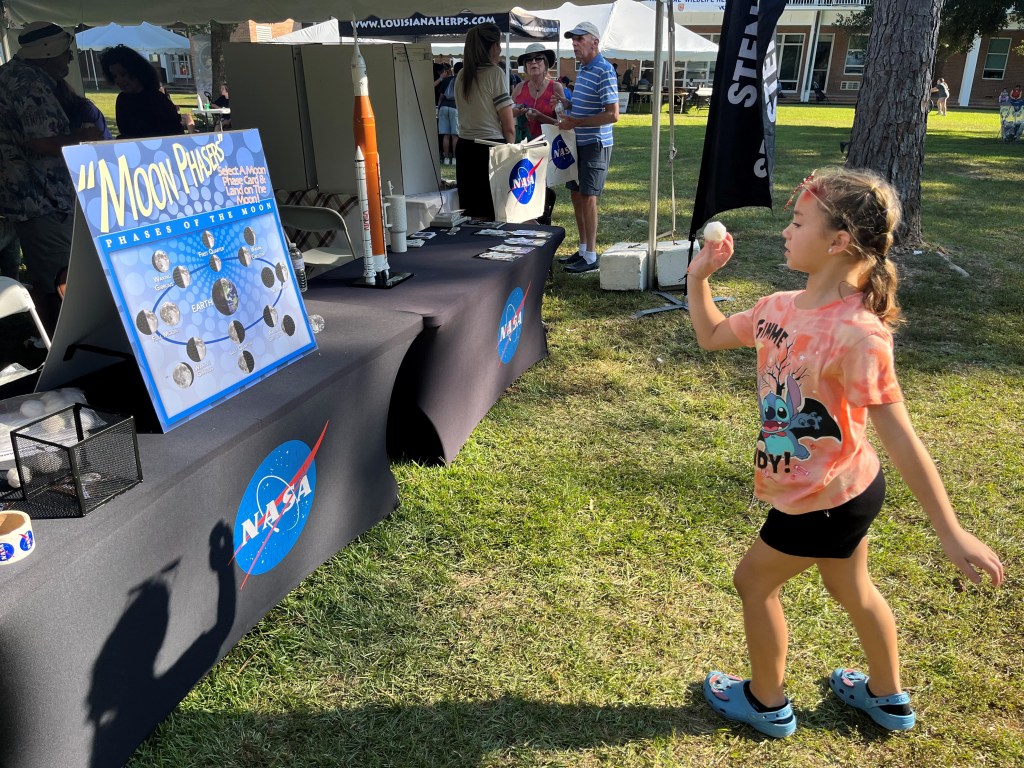
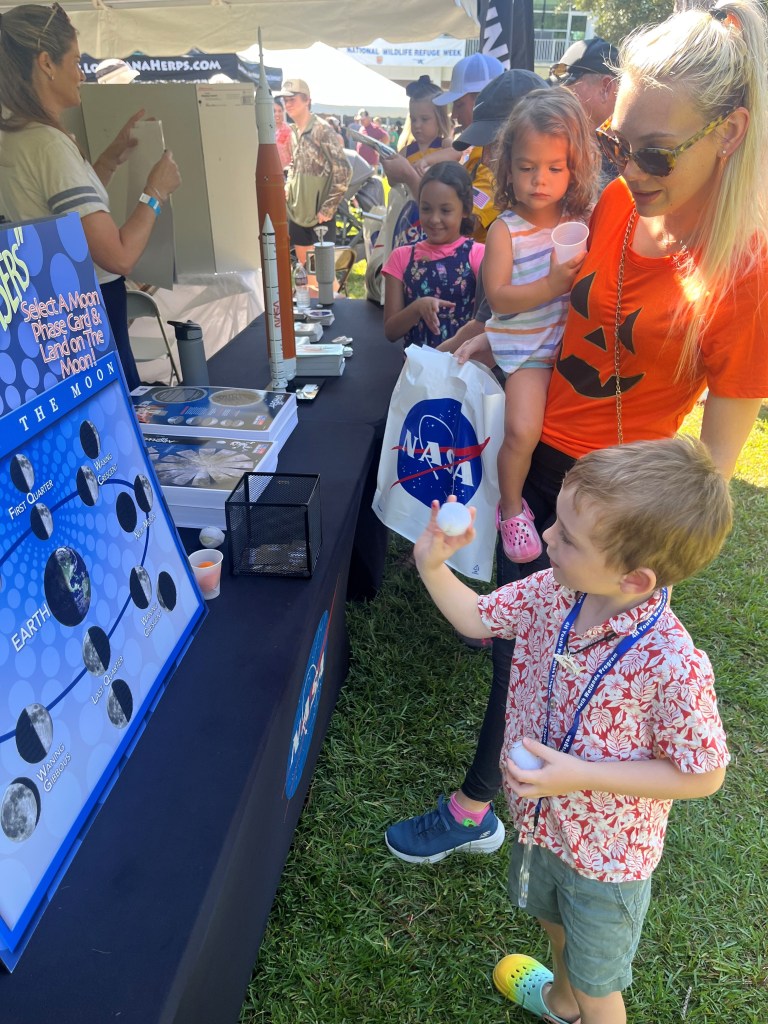
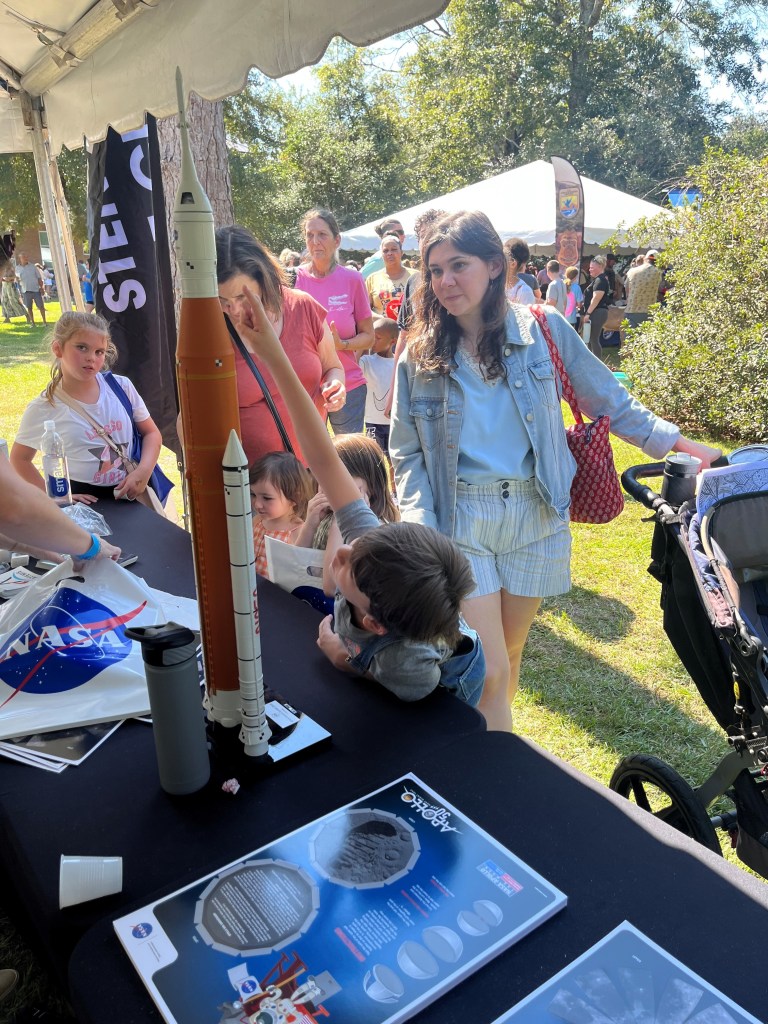
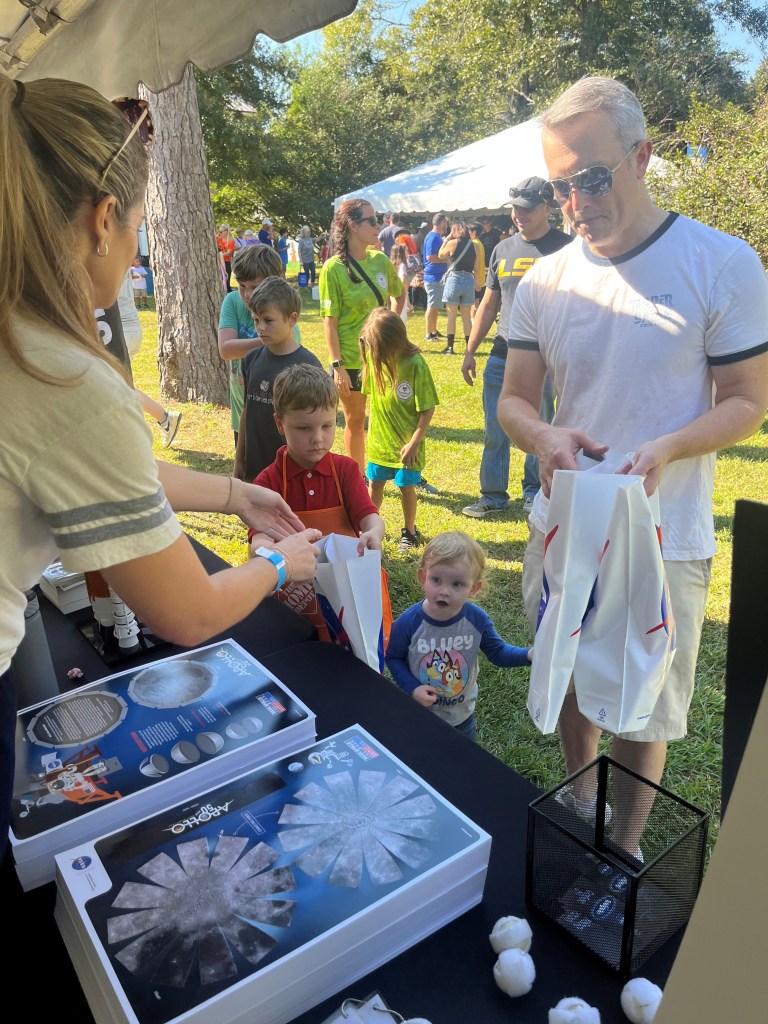
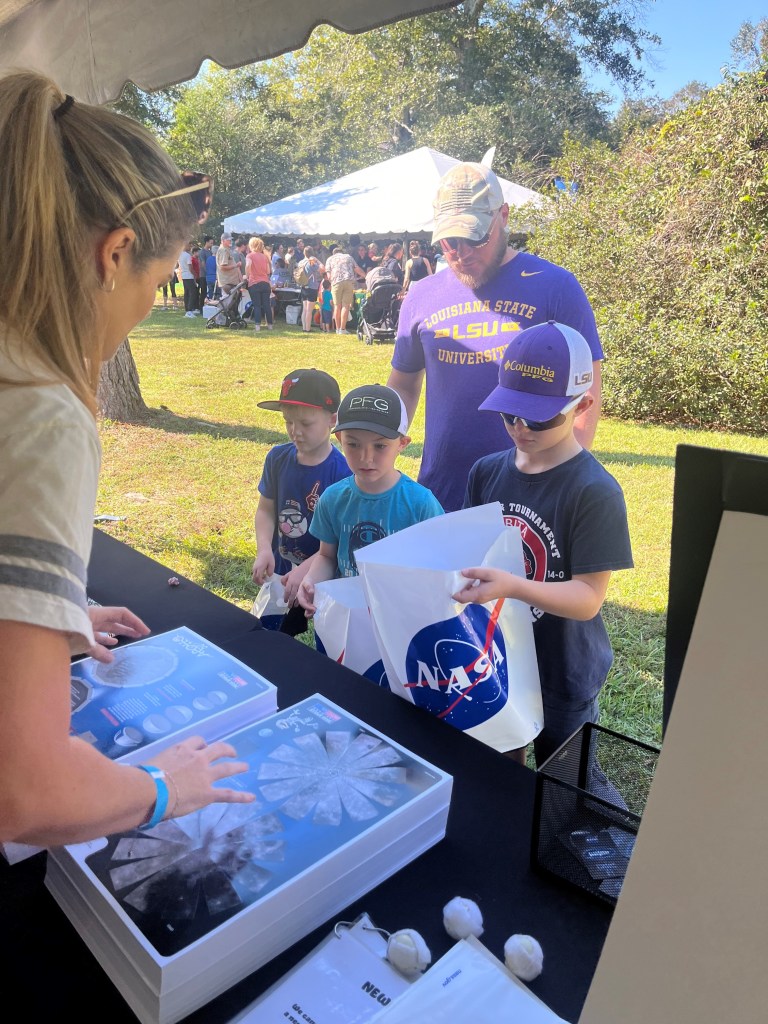
NASA Stennis representatives inspire the Artemis Generation Oct. 12 at the Wild Things event celebrating National Wildlife Refuge Week in Lacombe, Louisiana. Participants played a game to identify different phases of the Moon and learned more about NASA’s return to the Moon. The event was hosted by Friends of Louisiana Wildlife Refuges, Inc. and Southeast Louisiana National Wildlife Refuges Complex at Bayou Lacombe Center, headquarters for the nine National Wildlife Refuges in southeast Louisiana.
NASA/Lacy Thompson
NASA Stennis representatives inspire the Artemis Generation Oct. 12 at the Wild Things event celebrating National Wildlife Refuge Week in Lacombe, Louisiana. Participants played a game to identify different phases of the Moon and learned more about NASA’s return to the Moon. The event was hosted by Friends of Louisiana Wildlife Refuges, Inc. and Southeast Louisiana National Wildlife Refuges Complex at Bayou Lacombe Center, headquarters for the nine National Wildlife Refuges in southeast Louisiana. NOTE: Right click on photo to open full image in new tab.
NASA/Lacy Thompson
NASA Stennis Hosts Office of the Chief Information Officer Teams
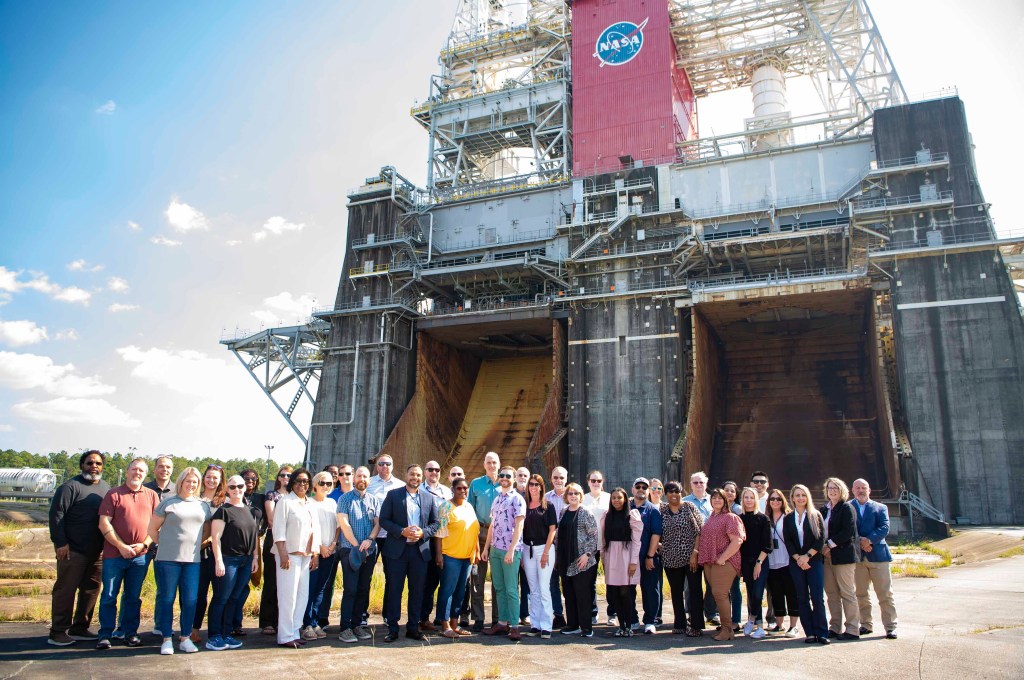
The NASA Office of the Chief Information Officer Integrated Design and Assurance Systems team are shown at the Thad Cochran Test Stand during a tour of NASA Stennis on Oct. 9. To accomplish NASA’s vision, the agency depends heavily on many things and information technology is key among them. Information technology capabilities enable NASA’s discoveries, allow sharing of mission data, improve workforce productivity, and increase mission quality, resilience, and cost-effectiveness. To enable success for NASA’s mission portfolio, the Office of the Chief Information Officer goals are to deliver great customer experiences; achieve consistent operational excellence; transform NASA through information and technology; and ensure proactive, resilient cybersecurity – all delivered by an exceptional team.
NASA/Danny Nowlin
Members of the NASA Office of the Chief Information Officer Strategy and Architecture Office team are shown at the Thad Cochran Test Stand during a tour of NASA Stennis on Oct. 31. The NASA team visited NASA Stennis as part of an annual face-to-face meeting. The Strategy and Architecture Office collaboratively develops and manages Information Technology strategy and architecture to meet NASA’s current and future needs, driving transformation, innovation, informed investment planning, and processes to measure and communicate results. Development includes NASA’s Information Technology Strategic Plan, integrated roadmaps, future-state business capabilities and services, and data-driven investment guidance.
NASA/Danny Nowlin
Start Your Engines: NASA Stennis Cruises on the Coast
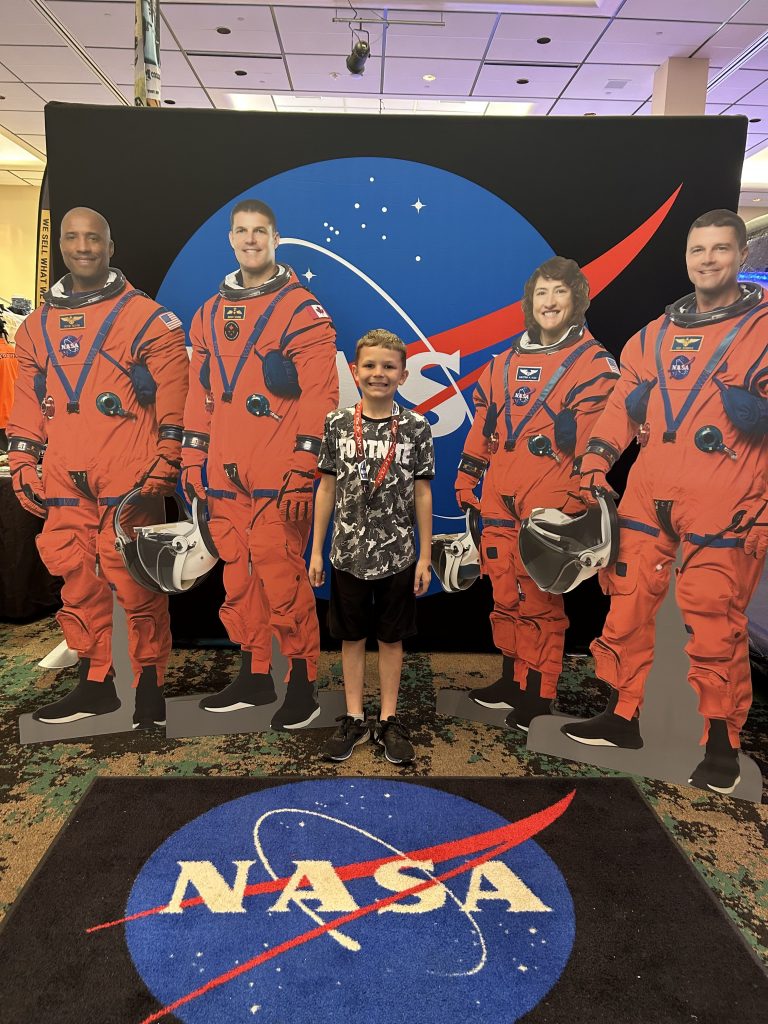
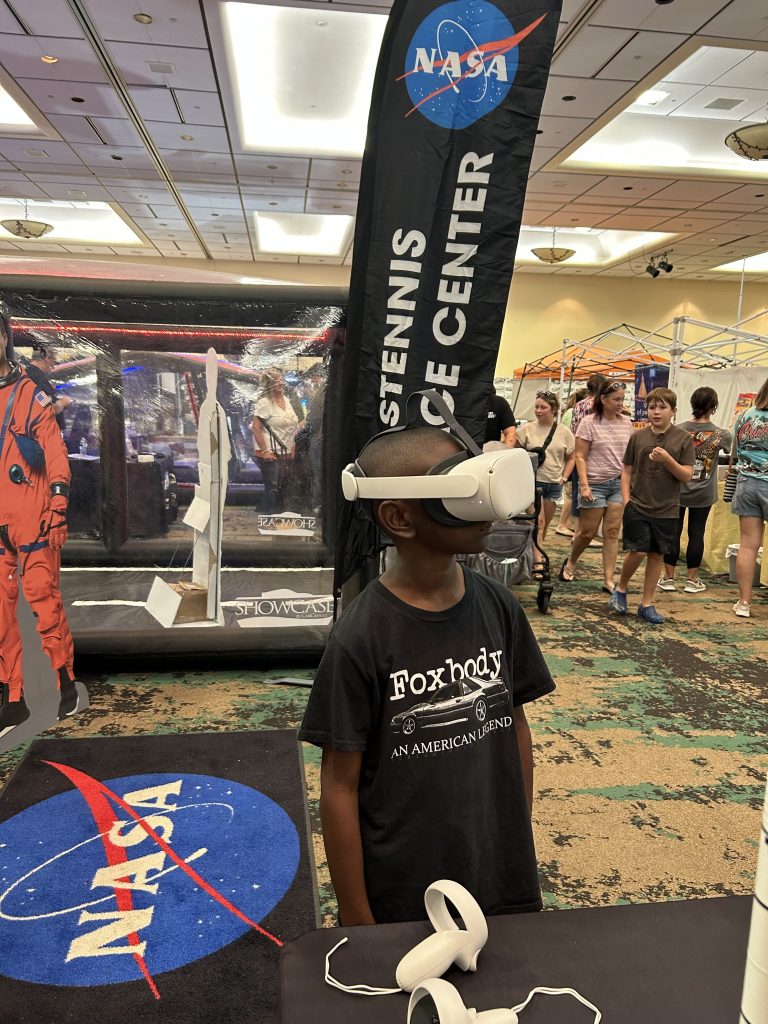
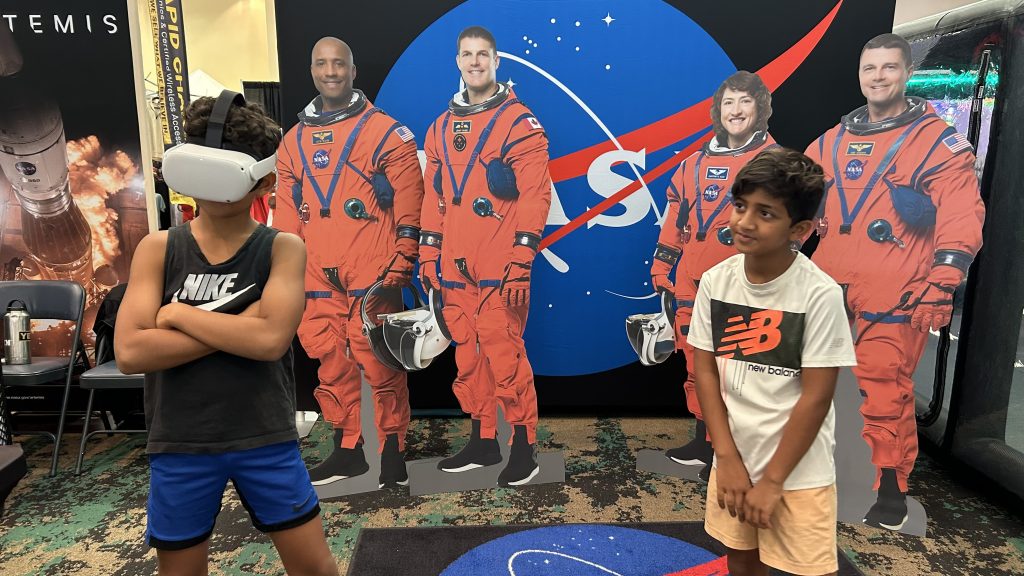
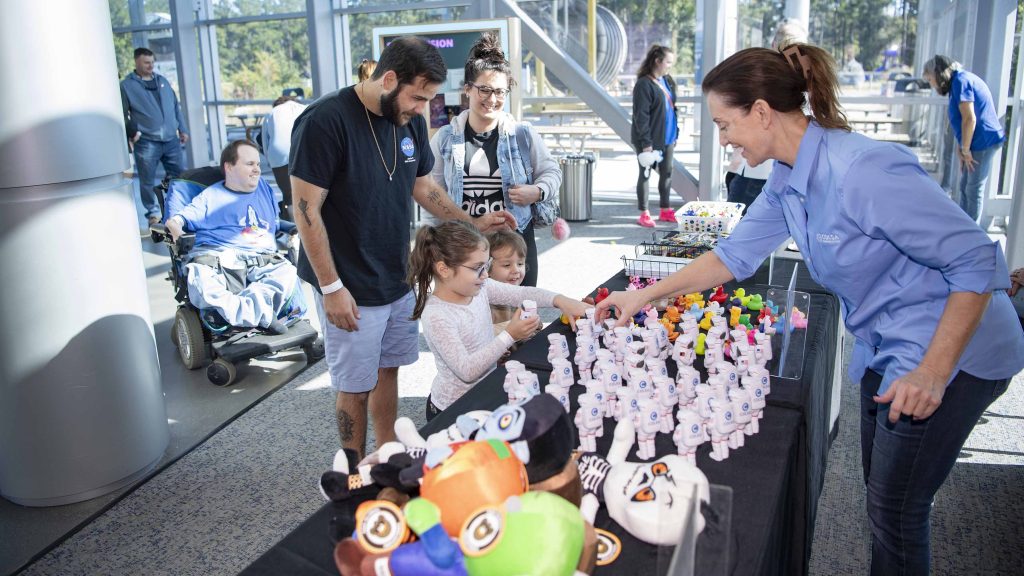
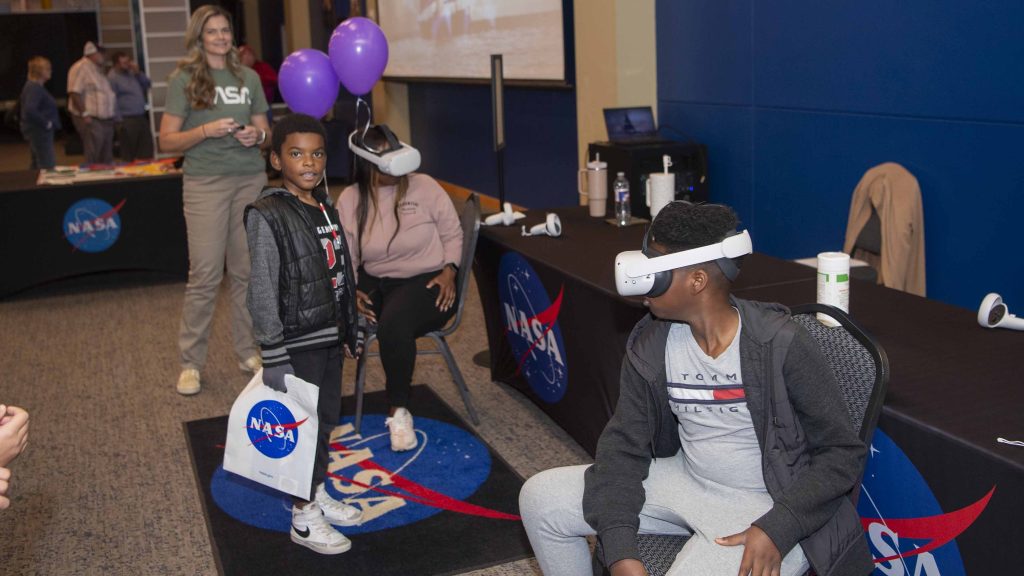
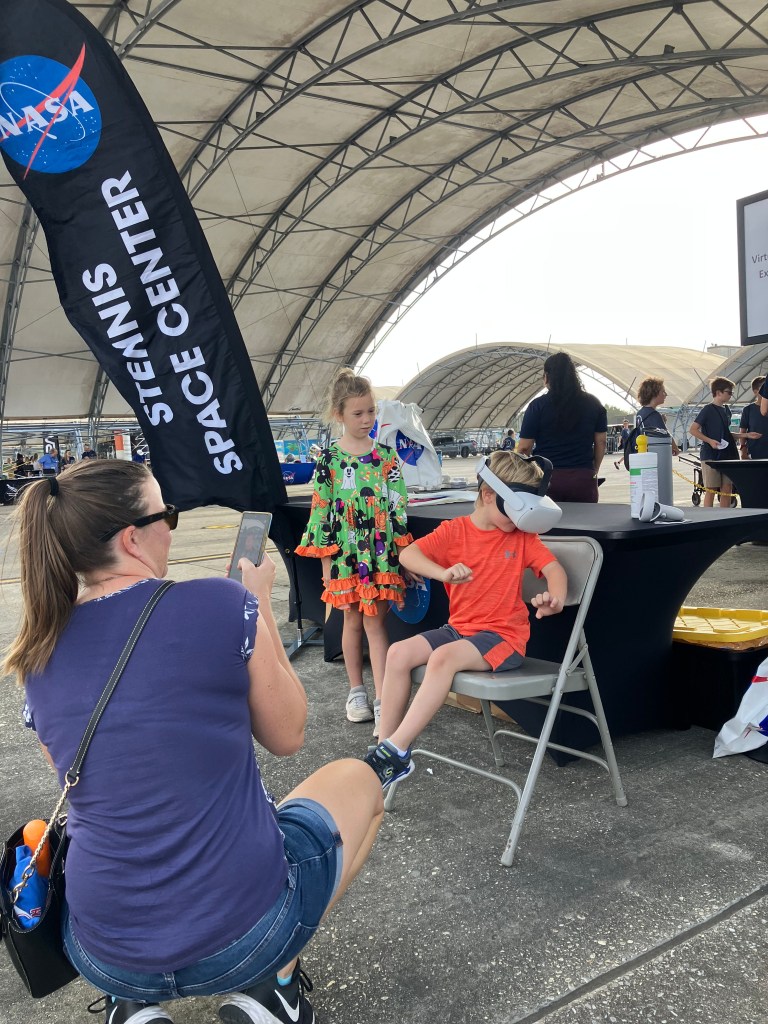
NASA Stennis representatives inspire the Artemis Generation and share NASA Stennis’ rich history of propulsion testing with attendees from over 37 U.S. states and Canada during the 28th Annual Cruisin’ the Coast car show along the Mississippi Gulf Coast Oct. 10-12. NASA provided a virtual reality space experience, and participants were welcomed to the exhibit by life size cardboard cutouts of the Artemis II crew. Artemis II, targeted for 2025, is the first crewed test of the SLS (Space Launch System) rocket and Orion spacecraft, which will carry NASA astronauts Reid Wiseman (commander), Victor Glover (pilot), and Christina Koch (mission specialist), and Canadian Space Agency astronaut Jeremy Hansen (mission specialist) around the Moon. All RS-25 engines that help power NASA’s SLS rocket are tested and proven flightworthy at NASA Stennis prior to use on Artemis missions.
NASA/Samone Wilson
NASA Stennis representatives inspire the Artemis Generation and share NASA Stennis’ rich history of propulsion testing with attendees from over 37 U.S. states and Canada during the 28th Annual Cruisin’ the Coast car show along the Mississippi Gulf Coast Oct. 10-12. NASA provided a virtual reality space experience, and participants were welcomed to the exhibit by life size cardboard cutouts of the Artemis II crew. Artemis II, targeted for 2025, is the first crewed test of the SLS (Space Launch System) rocket and Orion spacecraft, which will carry NASA astronauts Reid Wiseman (commander), Victor Glover (pilot), and Christina Koch (mission specialist), and Canadian Space Agency astronaut Jeremy Hansen (mission specialist) around the Moon. All RS-25 engines that help power NASA’s SLS rocket are tested and proven flightworthy at NASA Stennis prior to use on Artemis missions. NOTE: Right click on photo to open full image in new tab.
NASA/Samone Wilson
NASA Stennis representatives inspire the Artemis Generation and share NASA Stennis’ rich history of propulsion testing with attendees from over 37 U.S. states and Canada during the 28th Annual Cruisin’ the Coast car show along the Mississippi Gulf Coast Oct. 10-12. NASA provided a virtual reality space experience, and participants were welcomed to the exhibit by life size cardboard cutouts of the Artemis II crew. Artemis II, targeted for 2025, is the first crewed test of the SLS (Space Launch System) rocket and Orion spacecraft, which will carry NASA astronauts Reid Wiseman (commander), Victor Glover (pilot), and Christina Koch (mission specialist), and Canadian Space Agency astronaut Jeremy Hansen (mission specialist) around the Moon. All RS-25 engines that help power NASA’s SLS rocket are tested and proven flightworthy at NASA Stennis prior to use on Artemis missions.
NASA/Samone Wilson
Stennis Hosts Family Day at INFINITY
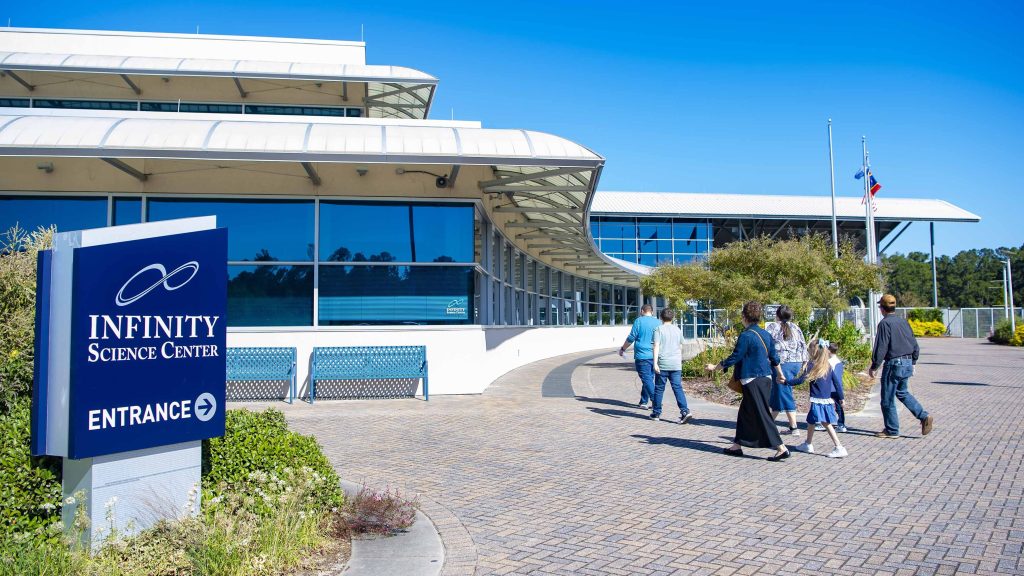
NASA Stennis’ sitewide employees and their guests attend the annual NASA Stennis Family Day at INFINITY Science Center, the official visitor center of NASA Stennis, on Oct. 19. Attendees had the opportunity to journey through the INFINITY exhibits and enjoy additional activities provided by participating organizations of the NASA Stennis federal city.
NASA/Danny Nowlin
Java with John: Brewing Conversations and Connection with NASA Stennis Employees
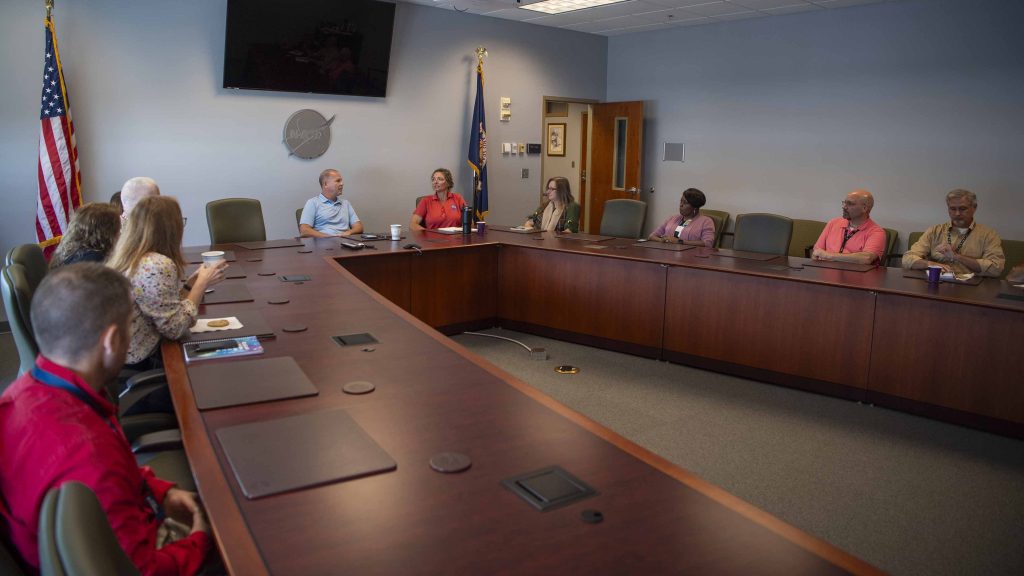
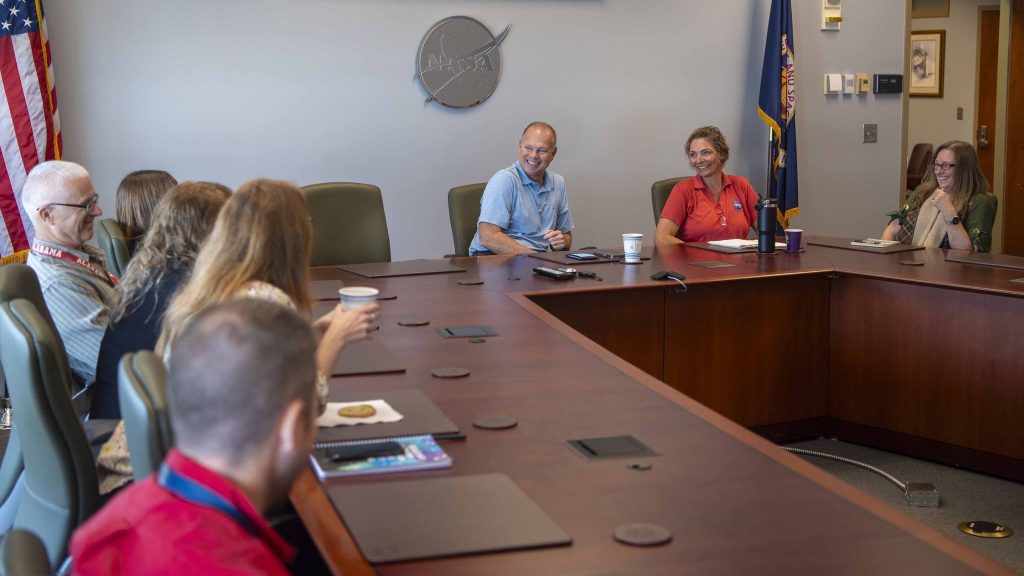
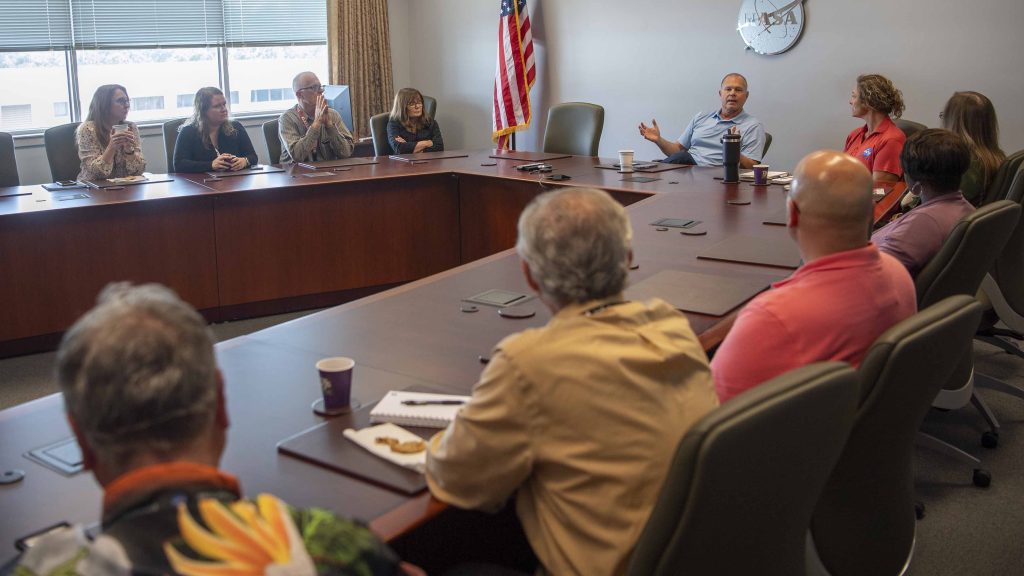
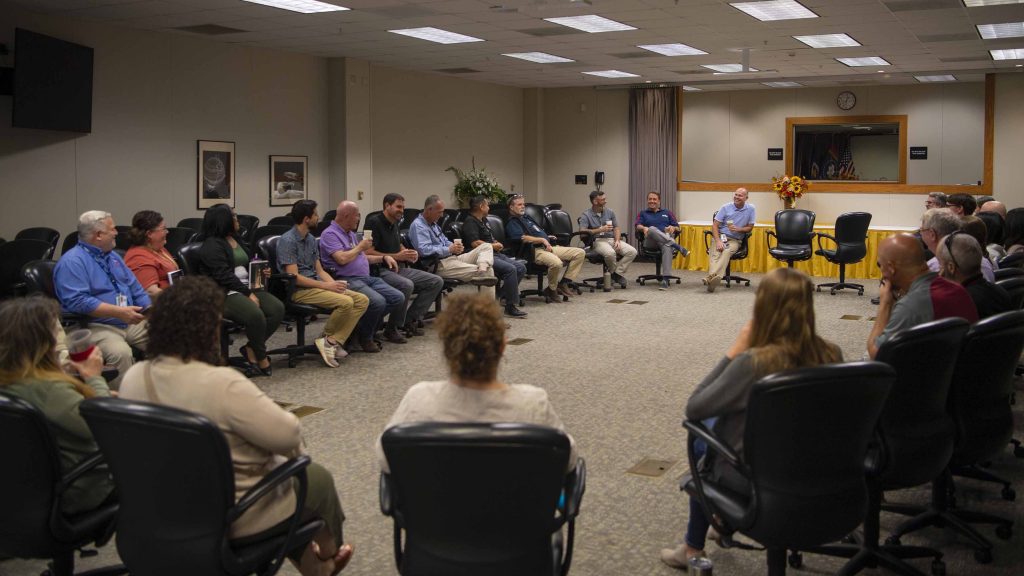
NASA Stennis Director John Bailey hosts a Java with John session with Office of Procurement employees on Oct. 15. Java with John is an employee-led discussion in a casual environment aimed at fostering a culture in which employees are welcome to share what matters most to them at work.
NASA/Danny Nowlin
NASA Stennis Director John Bailey hosts a Java with John session with Center Operations Directorate and Office of Communications employees on Oct. 23. Java with John is an employee-led discussion in a casual environment aimed at fostering a culture in which employees are welcome to share what matters most to them at work.
NASA/Danny Nowlin
NASA Attends Blue Angels Airshow
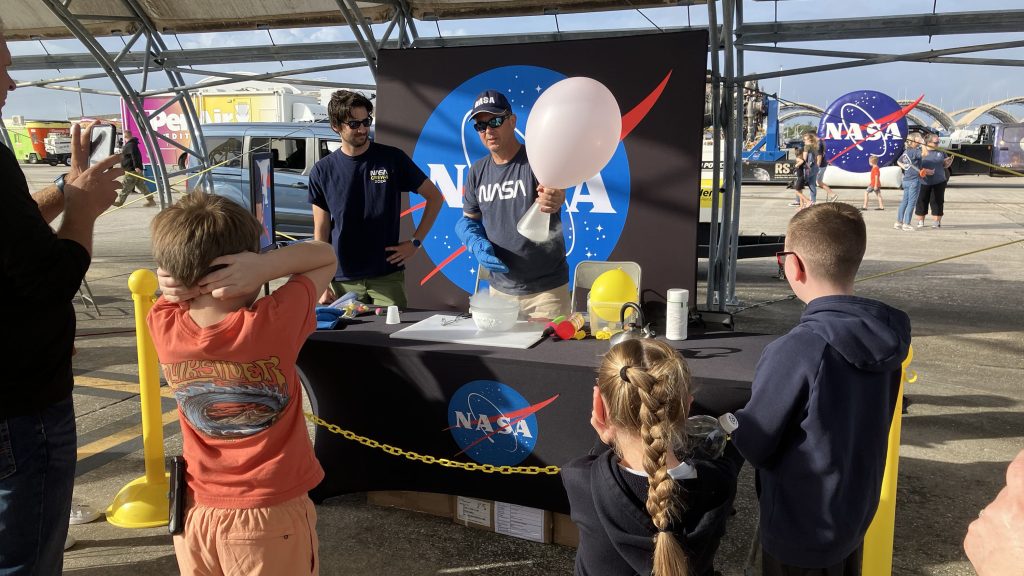
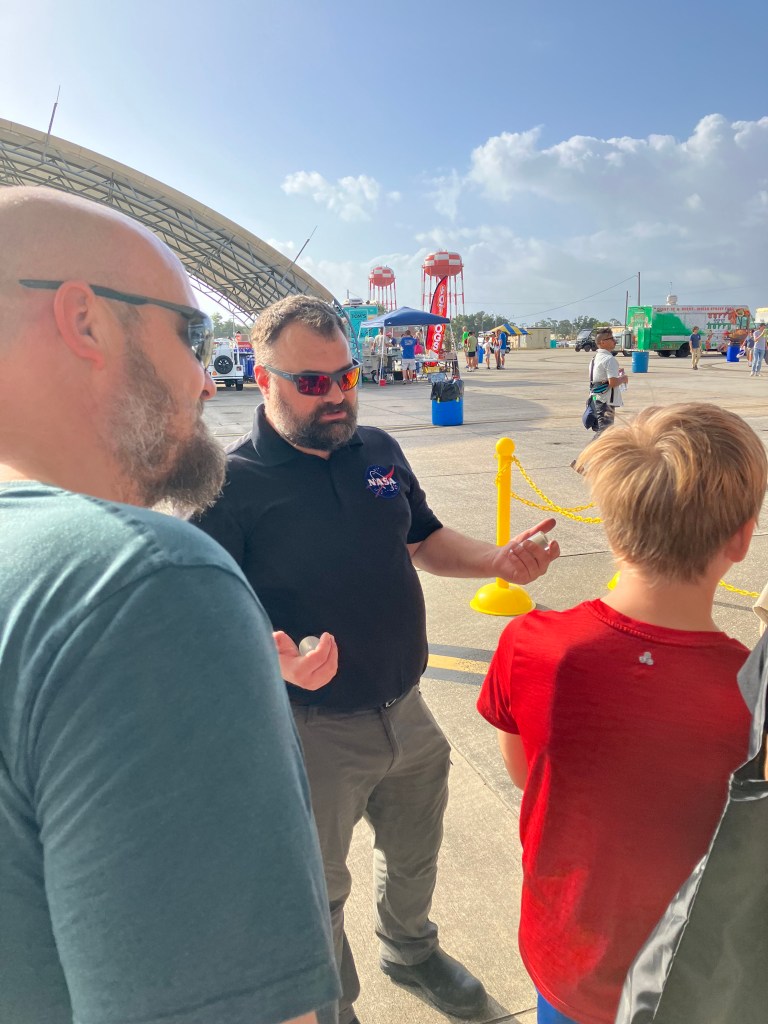
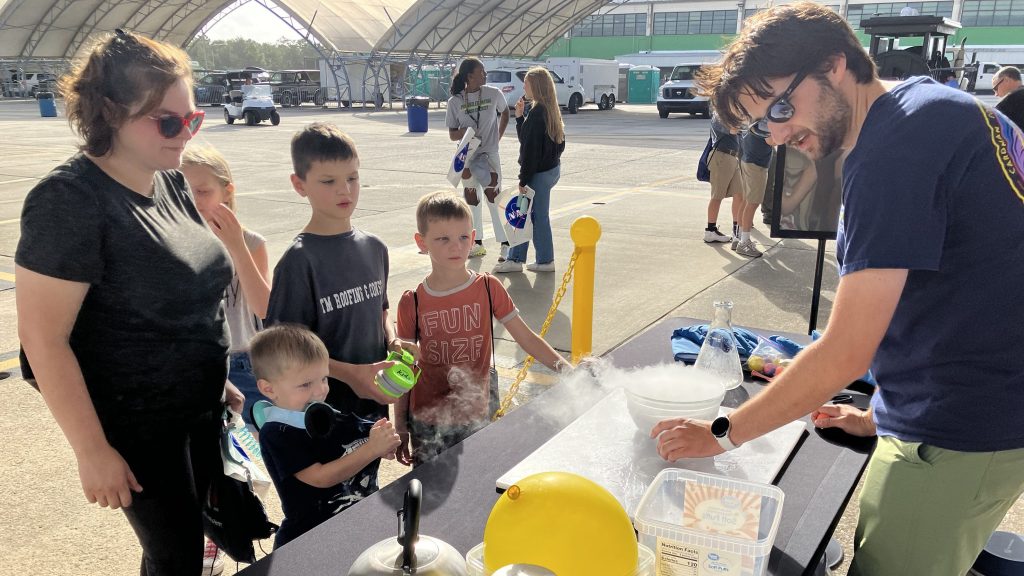
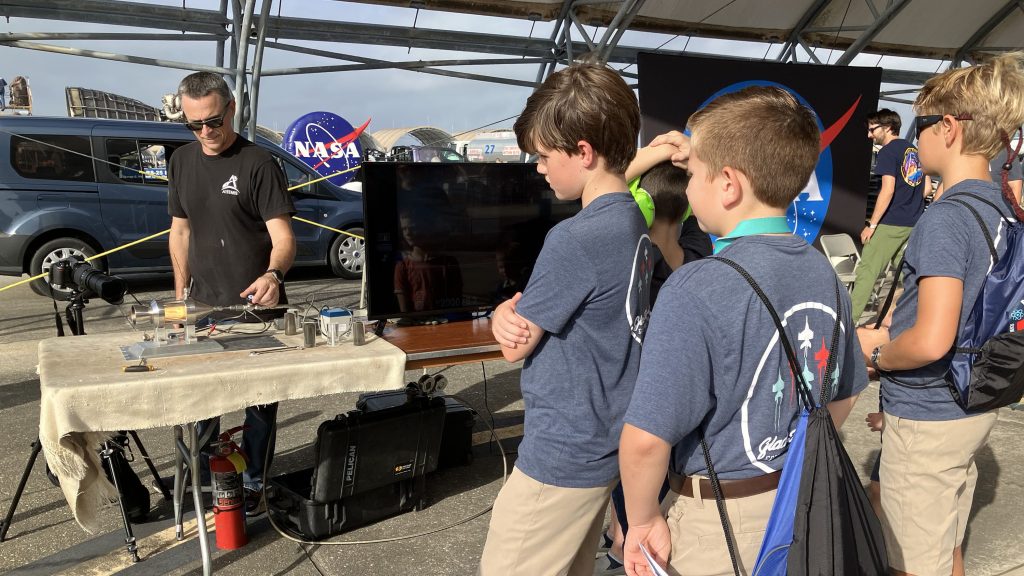
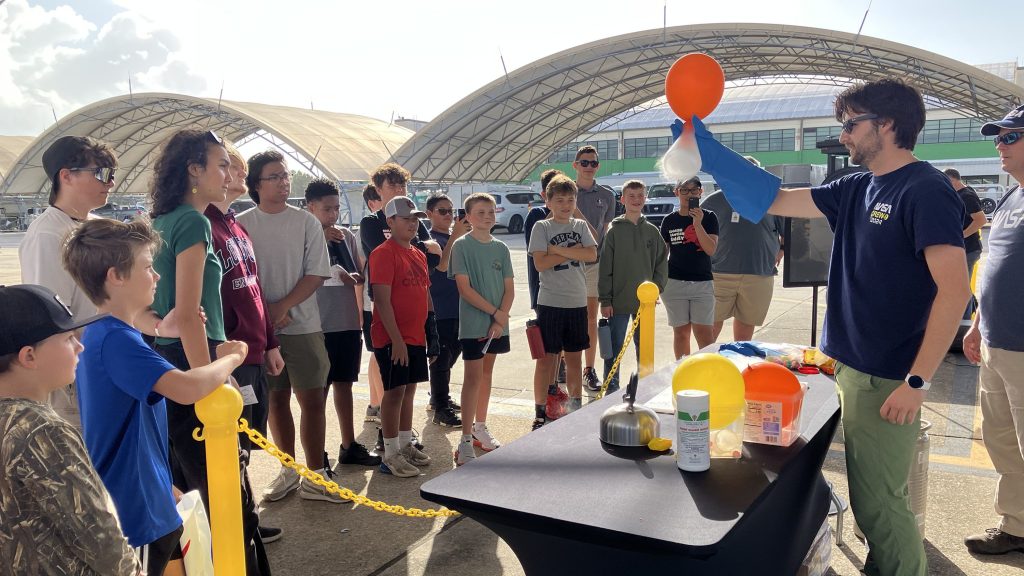
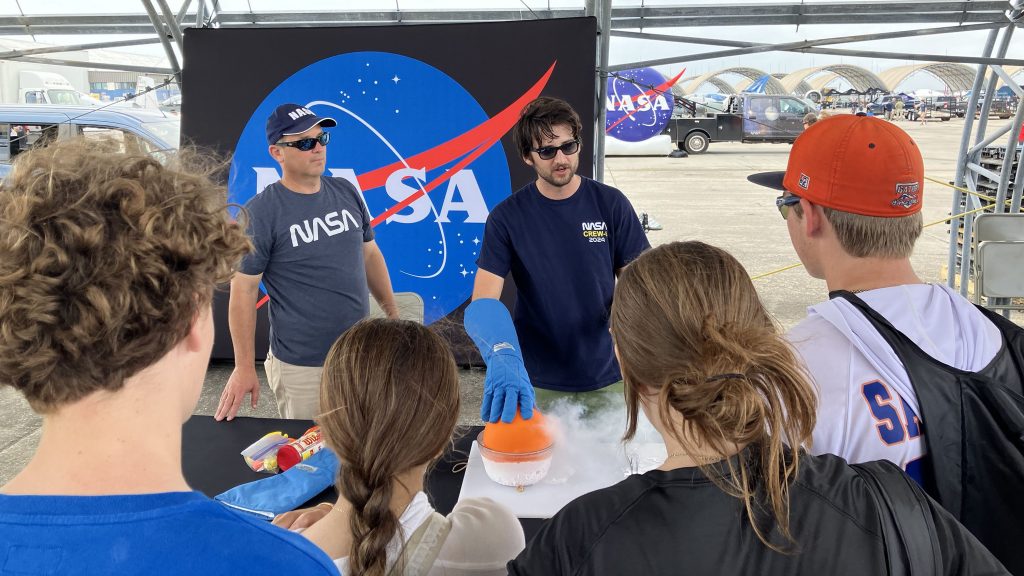
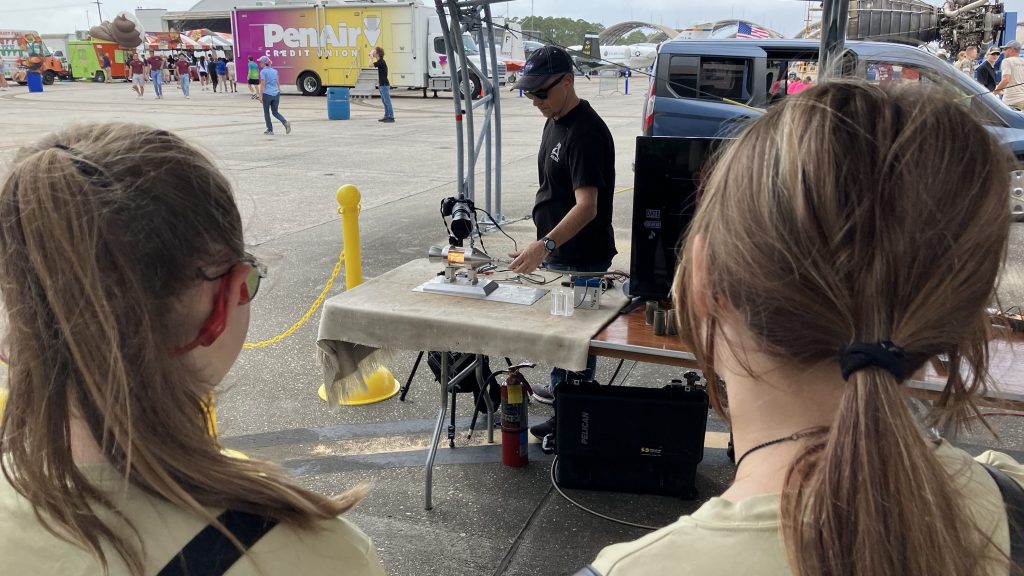
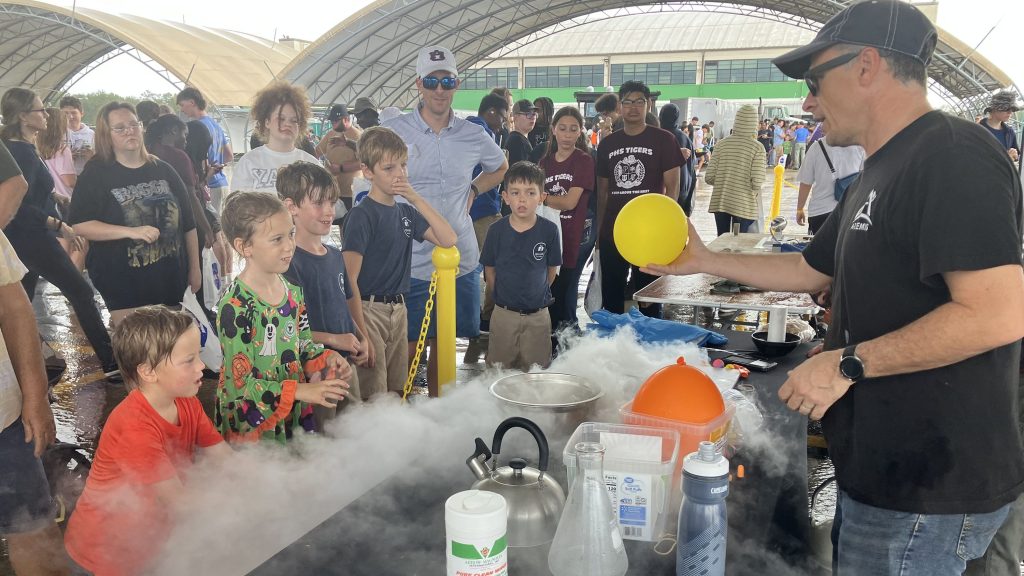
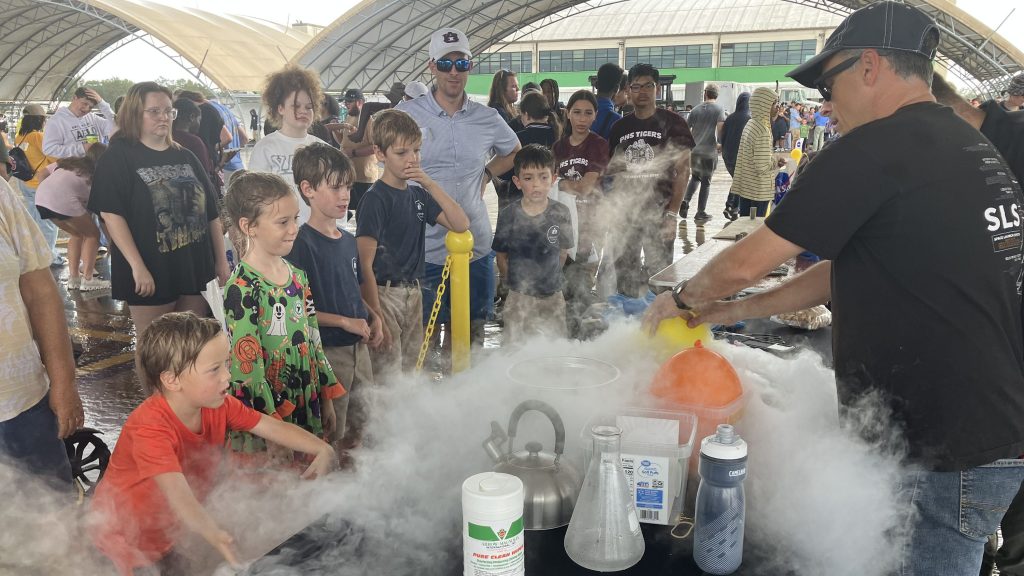
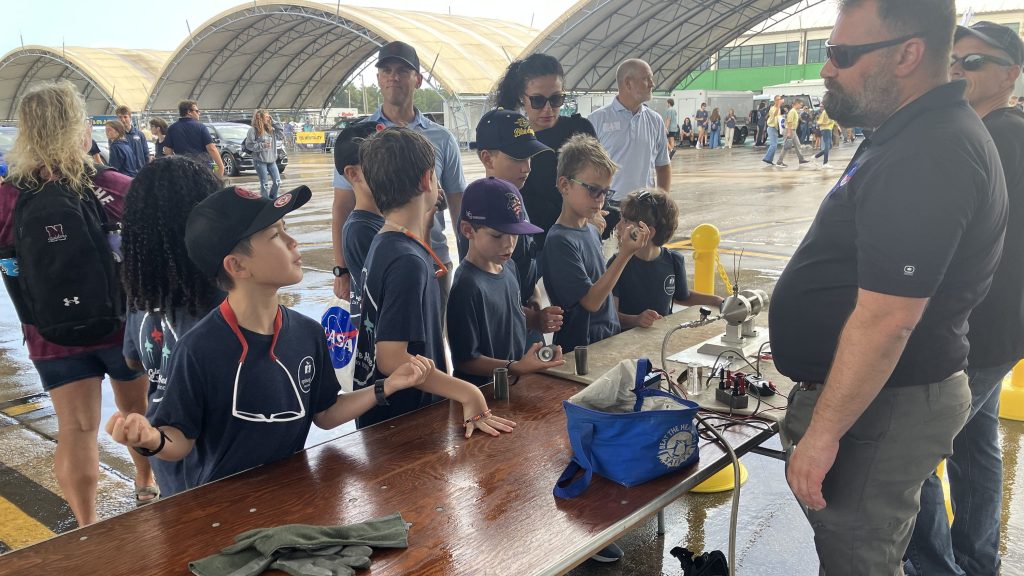
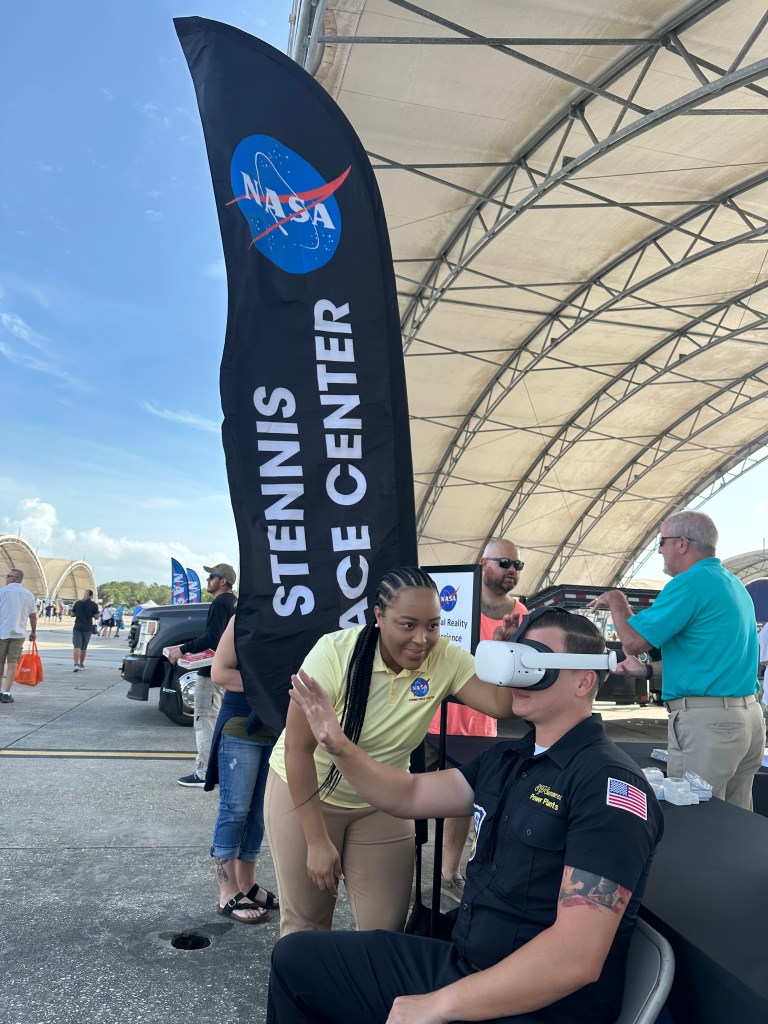
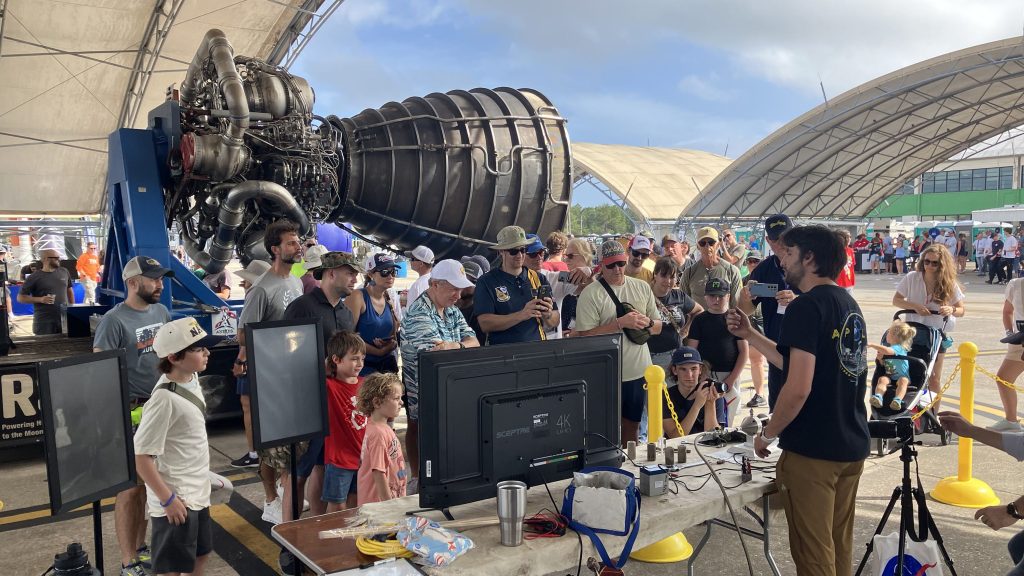
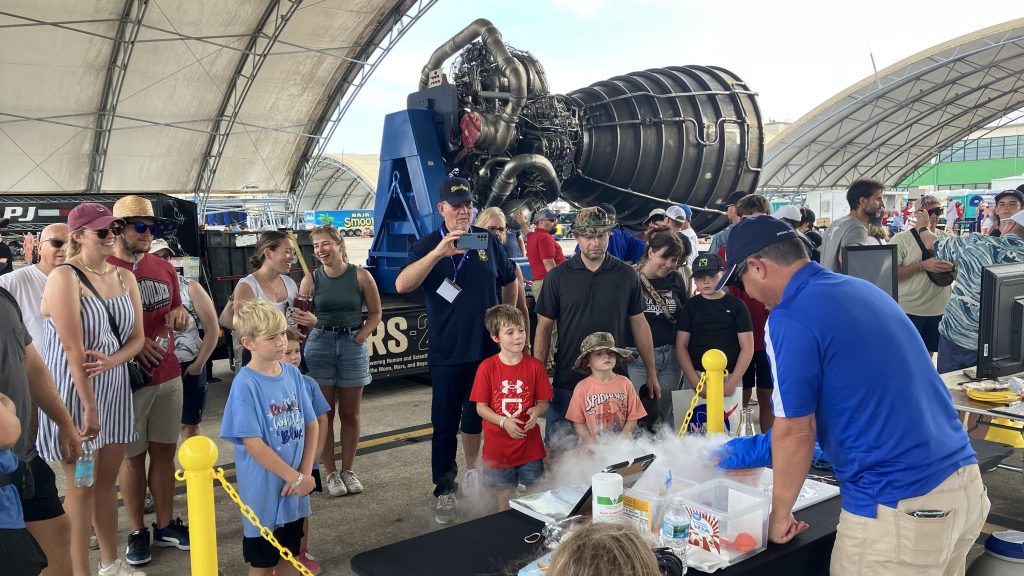
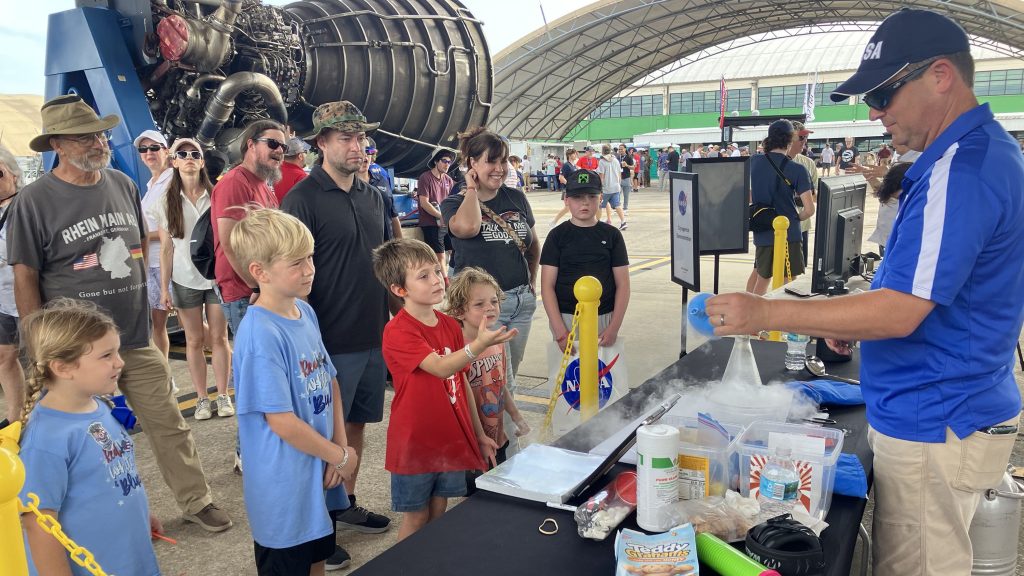
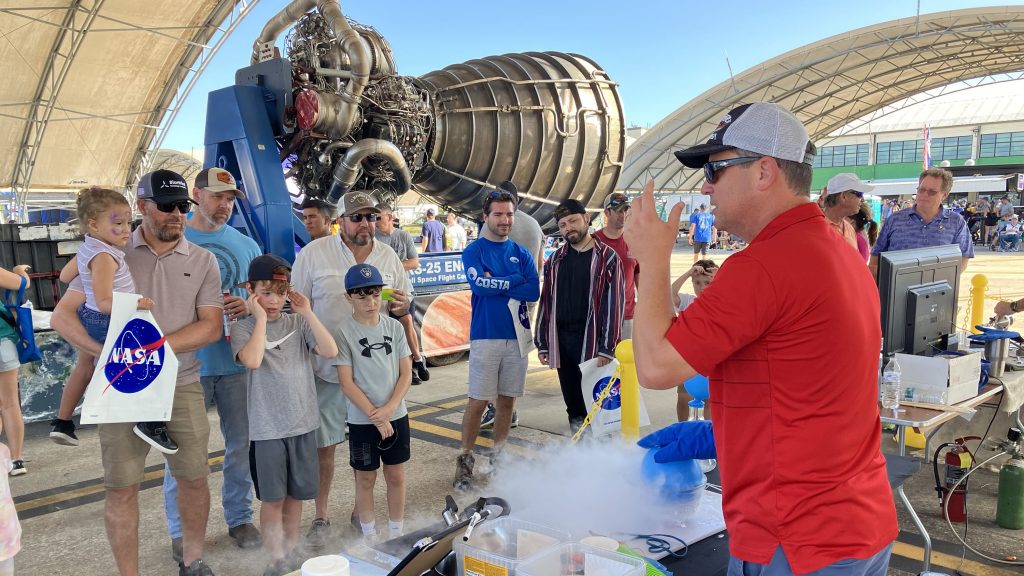
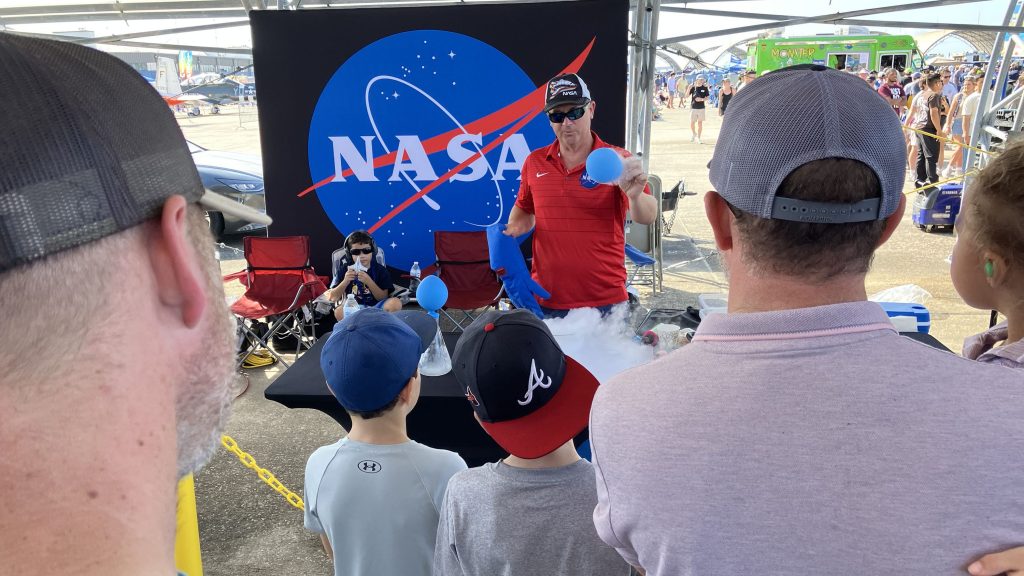
NASA Stennis representatives inspire the Artemis Generation at the NAS Pensacola Blue Angels Homecoming Air Show Nov. 1-2, following STEM engagement activities on Oct. 31. NASA’s exhibit at the air show honors the 55th anniversary of the Apollo 11 lunar landing and showcases the agency’s mission to inspire the world through discovery.
NASA/Stennis
NASA Stennis representatives inspire the Artemis Generation at the NAS Pensacola Blue Angels Homecoming Air Show Nov. 1-2, following STEM engagement activities on Oct. 31. NASA’s exhibit at the air show honors the 55th anniversary of the Apollo 11 lunar landing and showcases the agency’s mission to inspire the world through discovery. NOTE: Right click on photo to open full image in new tab.
NASA/Stennis
NASA Stennis representatives inspire the Artemis Generation at the NAS Pensacola Blue Angels Homecoming Air Show Nov. 1-2, following STEM engagement activities on Oct. 31. NASA’s exhibit at the air show honors the 55th anniversary of the Apollo 11 lunar landing and showcases the agency’s mission to inspire the world through discovery.
NASA/Stennis
NASA Stennis representatives inspire the Artemis Generation at the NAS Pensacola Blue Angels Homecoming Air Show Nov. 1-2, following STEM engagement activities on Oct. 31. NASA’s exhibit at the air show honors the 55th anniversary of the Apollo 11 lunar landing and showcases the agency’s mission to inspire the world through discovery. NOTE: Right click on photo to open full image in new tab.
NASA/Stennis
NASA Stennis representatives inspire the Artemis Generation at the NAS Pensacola Blue Angels Homecoming Air Show Nov. 1-2, following STEM engagement activities on Oct. 31. NASA’s exhibit at the air show honors the 55th anniversary of the Apollo 11 lunar landing and showcases the agency’s mission to inspire the world through discovery.
NASA/Stennis
NASA Stennis representatives inspire the Artemis Generation at the NAS Pensacola Blue Angels Homecoming Air Show Nov. 1-2, following STEM engagement activities on Oct. 31. NASA’s exhibit at the air show honors the 55th anniversary of the Apollo 11 lunar landing and showcases the agency’s mission to inspire the world through discovery.
NASA/Stennis
NASA Stennis representatives inspire the Artemis Generation at the NAS Pensacola Blue Angels Homecoming Air Show Nov. 1-2, following STEM engagement activities on Oct. 31. NASA’s exhibit at the air show honors the 55th anniversary of the Apollo 11 lunar landing and showcases the agency’s mission to inspire the world through discovery.
NASA/Stennis
NASA Stennis representatives inspire the Artemis Generation at the NAS Pensacola Blue Angels Homecoming Air Show Nov. 1-2, following STEM engagement activities on Oct. 31. NASA’s exhibit at the air show honors the 55th anniversary of the Apollo 11 lunar landing and showcases the agency’s mission to inspire the world through discovery.
NASA/Stennis
NASA Stennis representatives inspire the Artemis Generation at the NAS Pensacola Blue Angels Homecoming Air Show Nov. 1-2, following STEM engagement activities on Oct. 31. NASA’s exhibit at the air show honors the 55th anniversary of the Apollo 11 lunar landing and showcases the agency’s mission to inspire the world through discovery.
NASA/Stennis
NASA Attends Picayune Street Fair
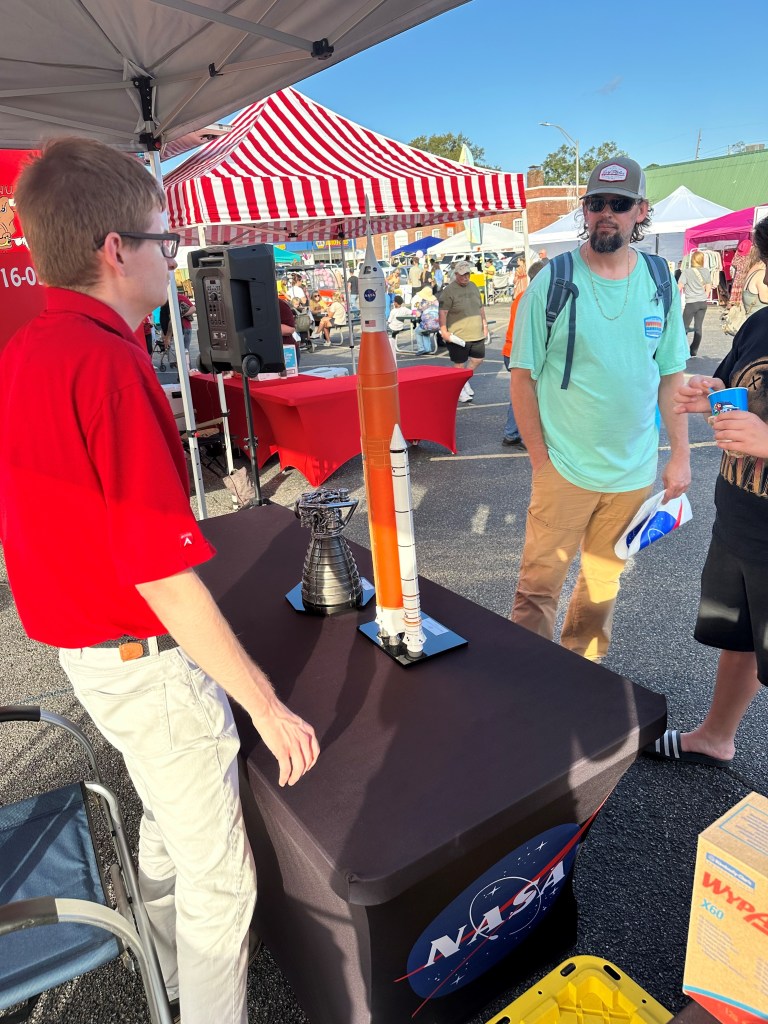
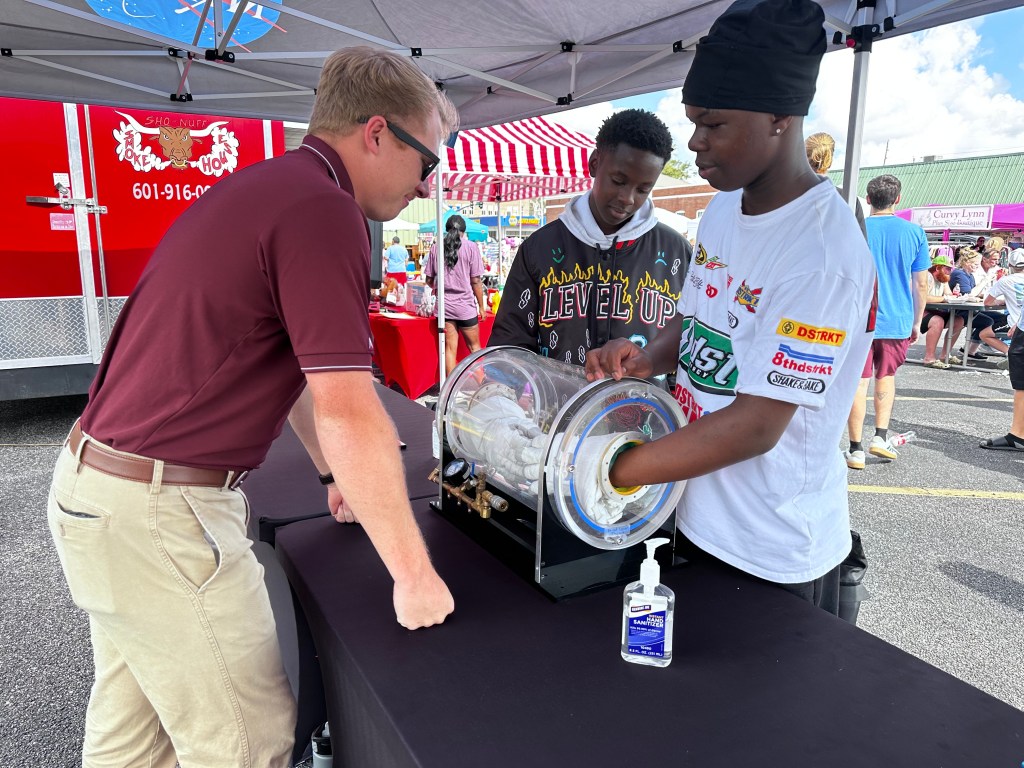
NASA Stennis representatives engage with the Artemis Generation at the Picayune Street Fair in Picayune, Mississippi on Nov. 2-3. The south Mississippi NASA center is located less than 15 miles from Picayune with many employees living in the community. NASA Stennis tests all RS-25 engines to help power NASA’s SLS (Space Launch System) rocket on Artemis missions. The NASA center is also preparing to conduct a full series of tests on the agency’s exploration upper stage to demonstrate it is ready to fly on future Artemis missions. With the Artemis campaign, NASA will land the first woman and the first person of color on the Moon, using innovative technologies to explore more of the lunar surface than ever. NOTE: Right click on photo to open full image in new tab.
NASA/Stennis
NASA Stennis representatives engage with the Artemis Generation at the Picayune Street Fair in Picayune, Mississippi on Nov. 2-3. The south Mississippi NASA center is located less than 15 miles from Picayune with many employees living in the community. NASA Stennis tests all RS-25 engines to help power NASA’s SLS (Space Launch System) rocket on Artemis missions. The NASA center is also preparing to conduct a full series of tests on the agency’s exploration upper stage to demonstrate it is ready to fly on future Artemis missions. With the Artemis campaign, NASA will land the first woman and the first person of color on the Moon, using innovative technologies to explore more of the lunar surface than ever.
NASA/Stennis
NASA Stennis representatives engage with the Artemis Generation at the Picayune Street Fair in Picayune, Mississippi on Nov. 2-3. The south Mississippi NASA center is located less than 15 miles from Picayune with many employees living in the community. NASA Stennis tests all RS-25 engines to help power NASA’s SLS (Space Launch System) rocket on Artemis missions. The NASA center is also preparing to conduct a full series of tests on the agency’s exploration upper stage to demonstrate it is ready to fly on future Artemis missions. With the Artemis campaign, NASA will land the first woman and the first person of color on the Moon, using innovative technologies to explore more of the lunar surface than ever. NOTE: Right click on photo to open full image in new tab.
NASA/Stennis
NASA Stennis representatives engage with the Artemis Generation at the Picayune Street Fair in Picayune, Mississippi on Nov. 2-3. The south Mississippi NASA center is located less than 15 miles from Picayune with many employees living in the community. NASA Stennis tests all RS-25 engines to help power NASA’s SLS (Space Launch System) rocket on Artemis missions. The NASA center is also preparing to conduct a full series of tests on the agency’s exploration upper stage to demonstrate it is ready to fly on future Artemis missions. With the Artemis campaign, NASA will land the first woman and the first person of color on the Moon, using innovative technologies to explore more of the lunar surface than ever.
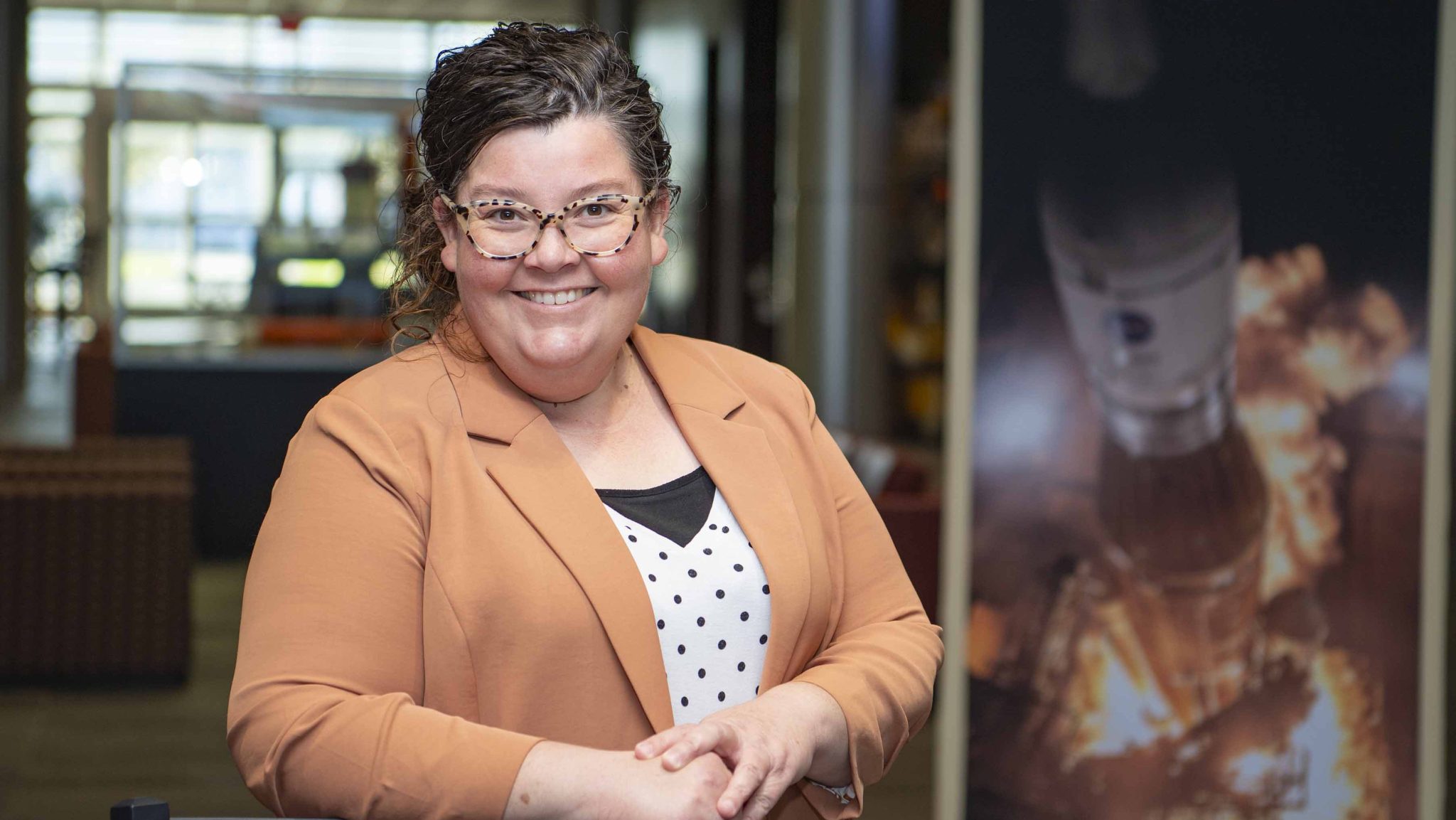
Tessa Keating is a public affairs specialist in the Office of Communications at NASA’s Stennis Space Center. Keating plans onsite logistics, serves as a protocol officer, and coordinates the Space Flight Awareness Program for NASA Stennis and the NASA Shared Services Center.
NASA/Danny Nowlin
Every task at NASA’s Stennis Space Center near Bay St. Louis, Mississippi, is not simply work for Tessa Keating – it is a meaningful step toward a part of something great.
Lagniappe is published monthly by the Office of Communications at NASA’s Stennis Space Center. The NASA Stennis office may be contacted by at 228-688-3333 (phone); ssc-office-of-communications@mail.nasa.gov (email); or NASA OFFICE OF COMMUNICATIONS, Attn: LAGNIAPPE, Mail code IA00, Building 1111 Room 173, Stennis Space Center, MS 39529 (mail).
The Lagniappe staff includes: Managing Editor Lacy Thompson, Editor Bo Black, and photographer Danny Nowlin.