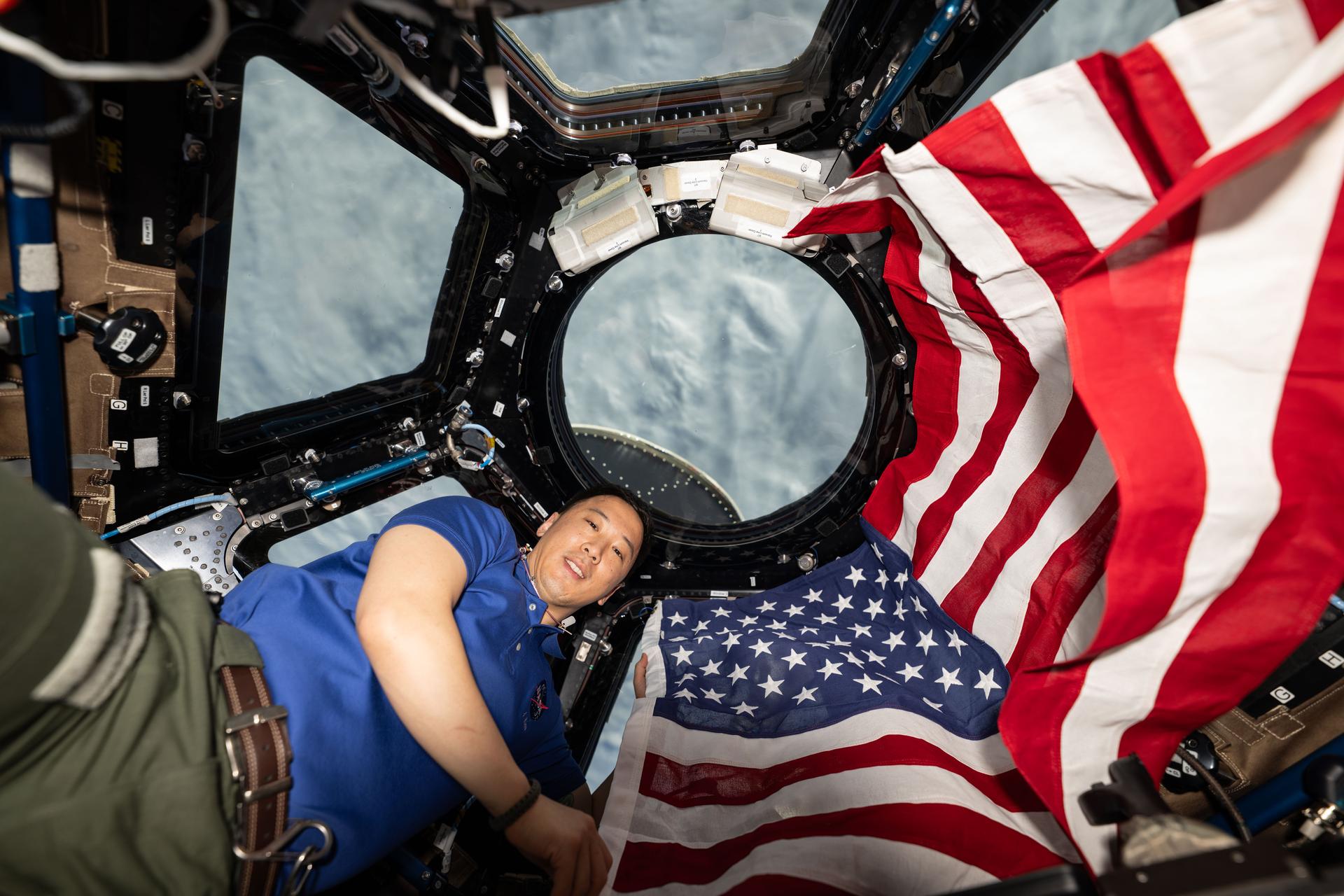
NASA astronaut Jonny Kim poses for a portrait with the American flag inside the International Space Station’s “window to the world,” the cupola.
NASA
In 2025, NASA and its international partners celebrate 25 years of continuous human presence aboard the International Space Station. Since November 2, 2000, more than 290 people from 26 countries have lived and worked aboard the orbiting laboratory, conducting thousands of experiments that have advanced science and technology on Earth and paved the way for Artemis missions to the Moon and future journeys to Mars.
Beyond its role as a science platform, the station has been a bridge—connecting cultures, sparking creativity, and inspiring generations. The memories of Johnson Space Center employees reflect how the orbiting laboratory is not only an engineering marvel but also a deeply human endeavor.
Christopher Brown – Advancing Life Support Systems for Future Exploration
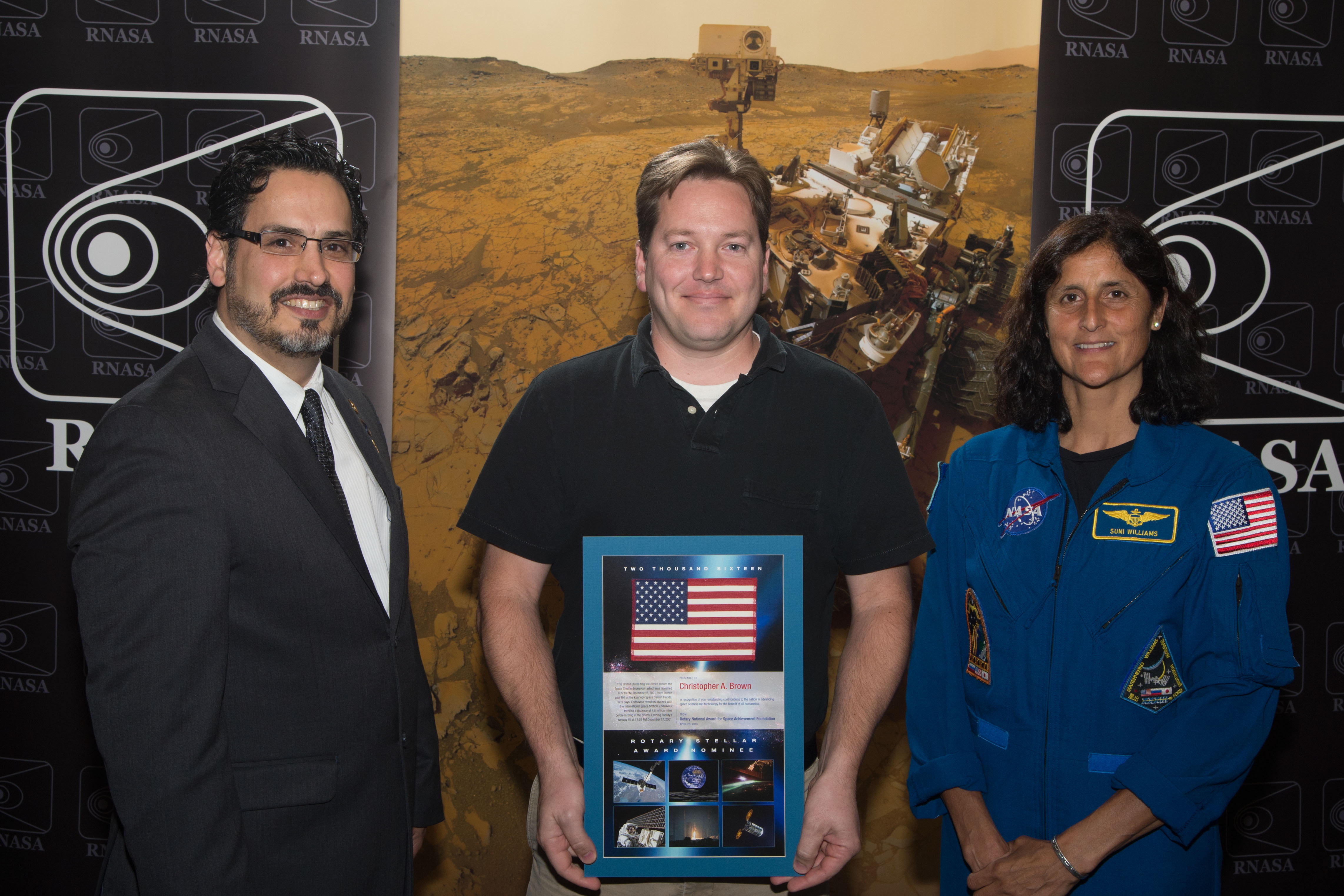
Christopher Brown (center) receives the Rotary National Award for Space Achievement alongside NASA astronaut Sunita Williams.
NASA/James Blair
As a space station Environmental Control and Life Support System (ECLSS) integrator, Christopher Brown’s role has been ensuring astronauts have clean air and water. ECLSS removes carbon dioxide from the air, supplies oxygen for breathing, and recycles wastewater—turning yesterday’s coffee into tomorrow’s coffee. Today, these systems can recover nearly 98% of the water brought to the station.
His proudest memory was commissioning regenerative life support systems and raising a symbolic toast with the crew while on console in mission control. He also helped activate the Water Storage System, saving crew time and improving operations on station. For Brown, these milestones were vital steps toward future long-duration missions beyond Earth.
Stephanie Sipila – The Heart of Microgravity Research
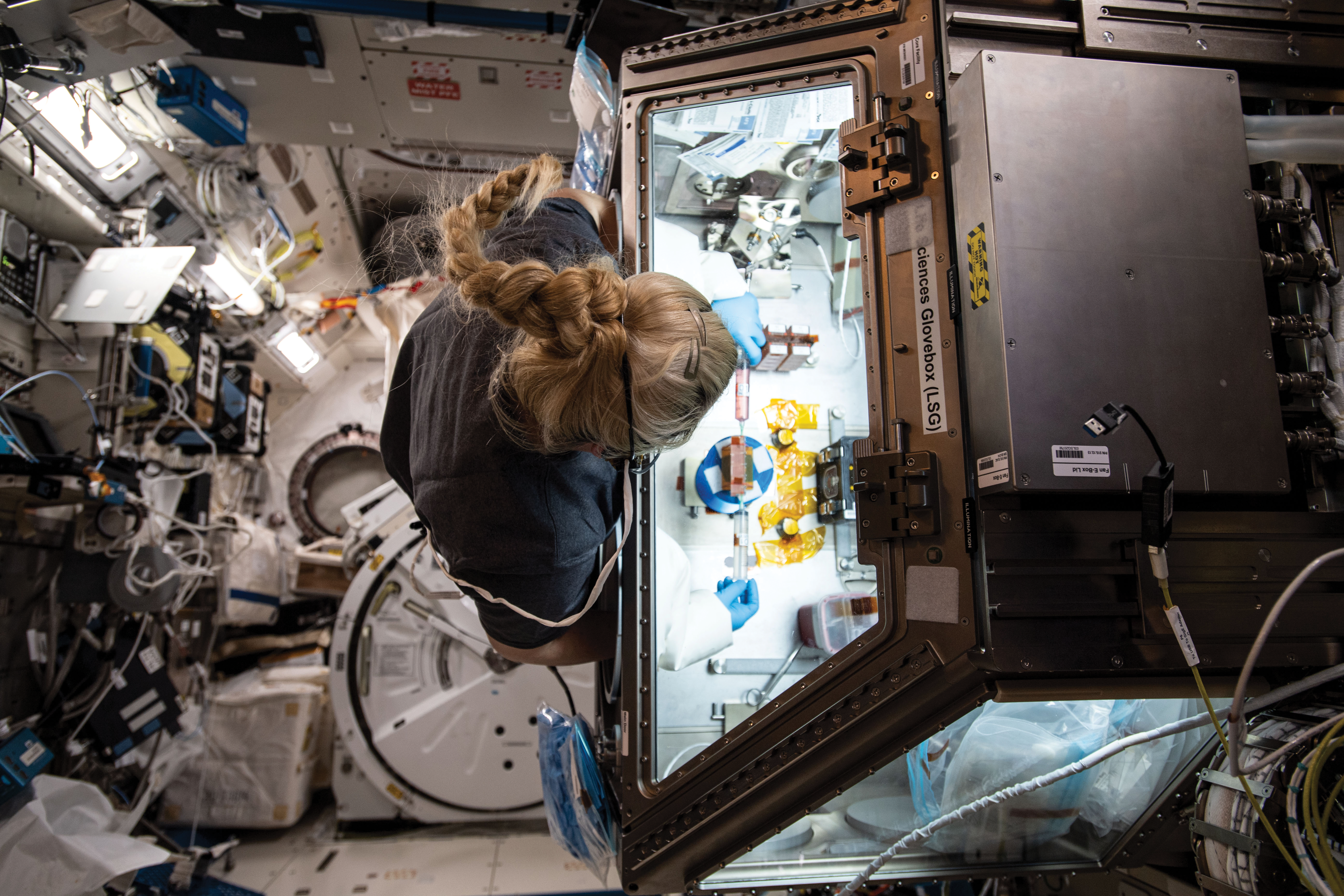
NASA astronaut Kate Rubins works on the Cardinal Heart study, which seeks to help scientists understand the aging and weakening of heart muscles in the search for new treatments for astronauts and people on Earth.
NASA/Mike Hopkins
Stephanie Sipila, now integration manager for NASA’s Extravehicular Activity and Human Surface Mobility Program, began her career as a mechanical and robotic systems instructor for the orbital outpost. Her favorite experiment, Engineered Heart Tissues, studies microgravity’s effect on the human heart to help develop new treatments for cardiovascular disease. She recalls NASA astronaut Sunita Williams running the Boston Marathon on a treadmill aboard station, becoming the first person to complete the race in space and showing how astronauts stay connected to Earth while living on orbit.
Sipila also highlights the Spacesuit Art Project, an initiative that turned artwork from children with cancer into spacesuits flown to and worn aboard the orbital outpost during live downlinks, connecting science, art, and hope — and raising awareness of cancer research conducted aboard the orbital outpost.
Liz Warren – Where Exploration Meets Humanity
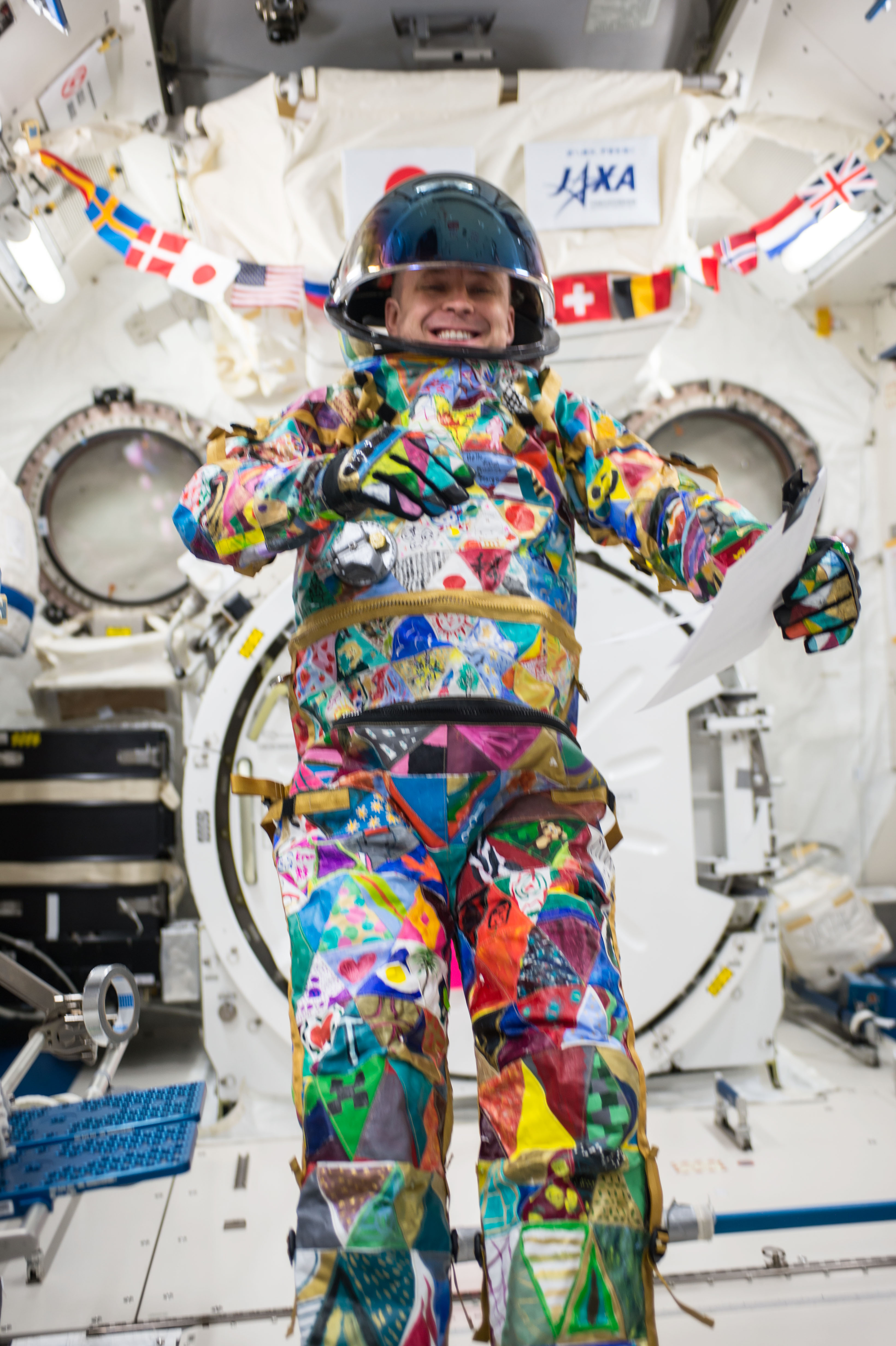
NASA astronaut Jack Fischer wearing the Unity spacesuit painted by patients at MD Anderson Cancer Center in Houston.
NASA/Randy Bresnik
Space station Associate Chief Scientist Liz Warren has seen firsthand how the Spacesuit Art Project uplifted children on Earth. During Expedition 52, she watched astronaut Jack Fischer wear a suit covered in artwork created by young cancer patients, including his own daughter, a survivor. “It was incredibly touching to note the power of art and inspiration. Human spaceflight requires fortitude, resilience, and teamwork—so does fighting childhood cancer,” Warren said.
Her memories also extend to her time as an operations lead for NASA’s Human Research Program, which uses research to develop methods to protect the health and performance of astronauts in space to prepare for long-duration missions. While out for a weekend run, Warren received a call from the Payload Operations and Integration Center in Huntsville, Alabama. An astronaut on station, following a prescribed diet for a research study, wanted to swap out a food item. Warren coordinated with her support team and relayed the decision back to orbit—all while continuing her run. The moment, she recalls, underscored the constant, real-time connection between astronauts in space and teams on the ground.
Adam Baker – Checkmate: Space Debris Cleanup
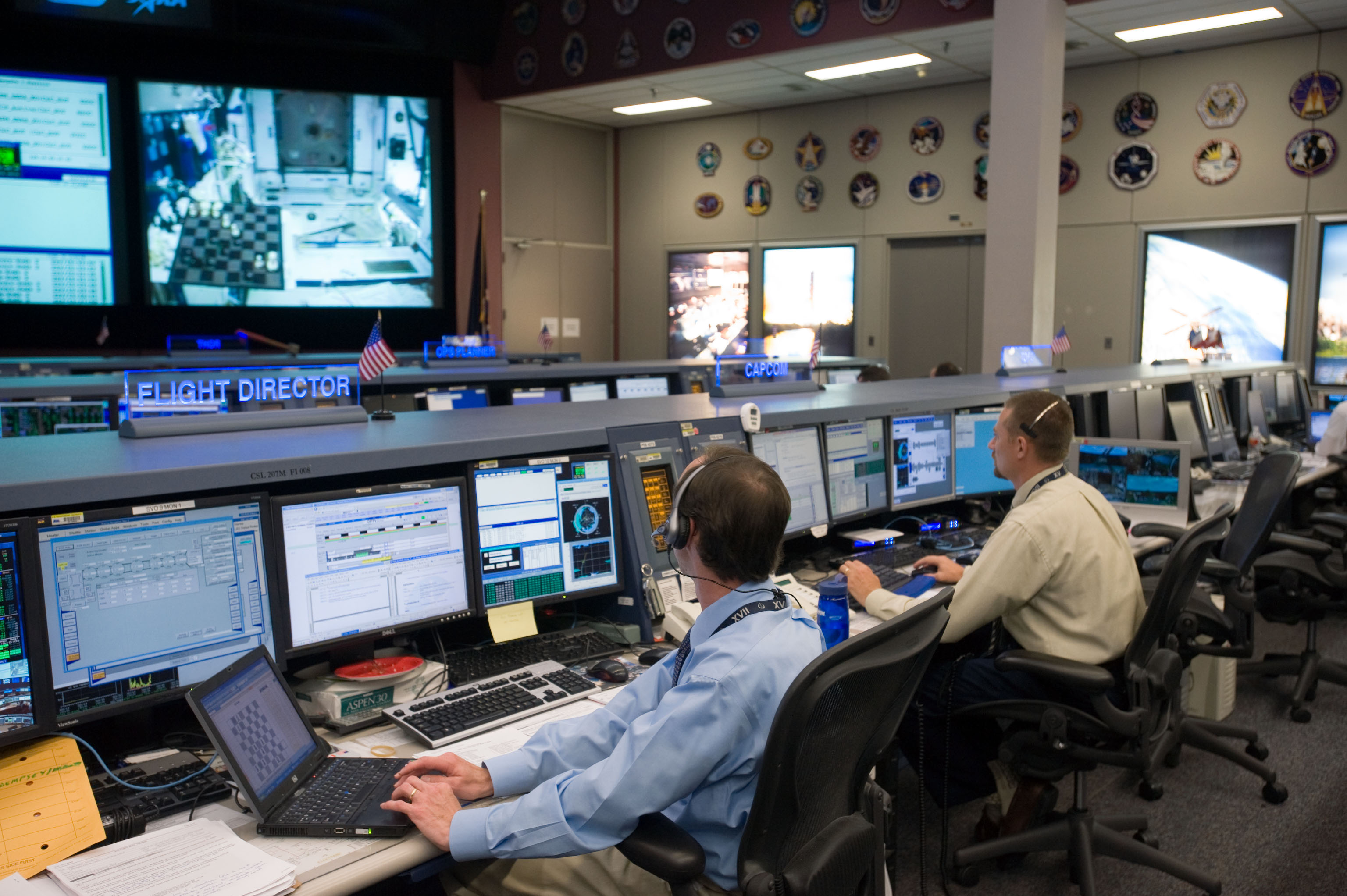
Flight Director Chris Edelen, left, and capsule communicator Jay Marschke discuss their next chess move during a match with NASA astronaut Greg Chamitoff, Expedition 17 flight engineer aboard the space station.
NASA/Robert Markowitz
As an aerospace engineer, Adam Baker helped track experiments and spacecraft operations from mission control. Baker remembers when mission control played a live chess match with astronaut Greg Chamitoff during Expedition 17, a moment that showed the unique ways the station connects crews in orbit with people on Earth. His favorite technical project, though, was the RemoveDebris small satellite, deployed from the station in 2018 to test technologies for cleaning up space junk. “Knowing these experiments could one day help keep the orbital environment safe made it even more meaningful,” he said.
Michael McFarlane – Training for Success
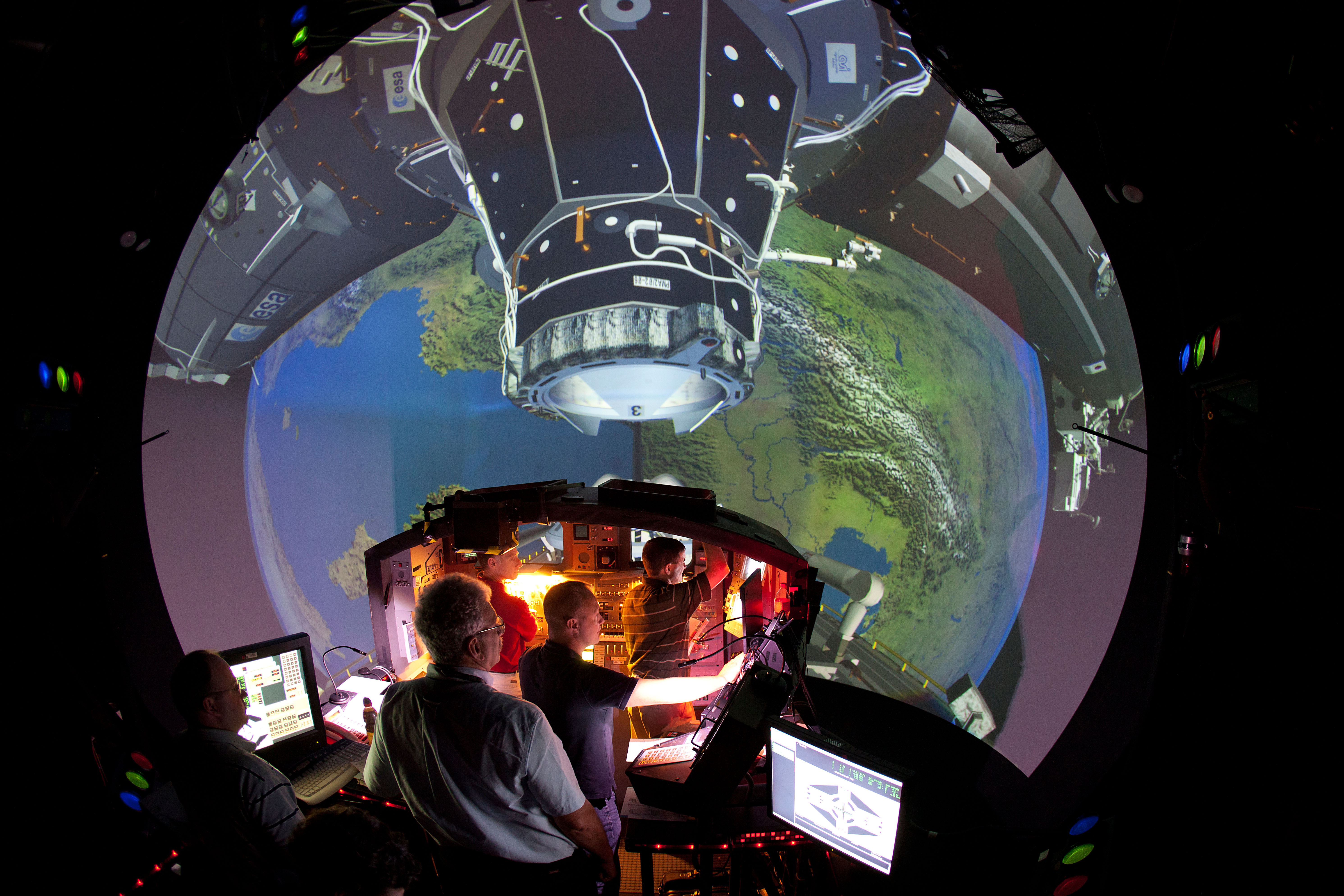
Engineers run simulations inside Johnson’s Systems Engineering Simulator during a shuttle-to-station docking simulation.
Smiley Pool/Houston Chronicle
As chief of the Simulation and Graphics Branch, Michael McFarlane prepared astronauts for space station assembly missions using high-fidelity simulators. “My greatest memory is seeing the station grow as we successfully executed assembly missions that looked very much like what we analyzed and trained for in our ground-based simulations,” he said.
A Legacy of Ingenuity and Community
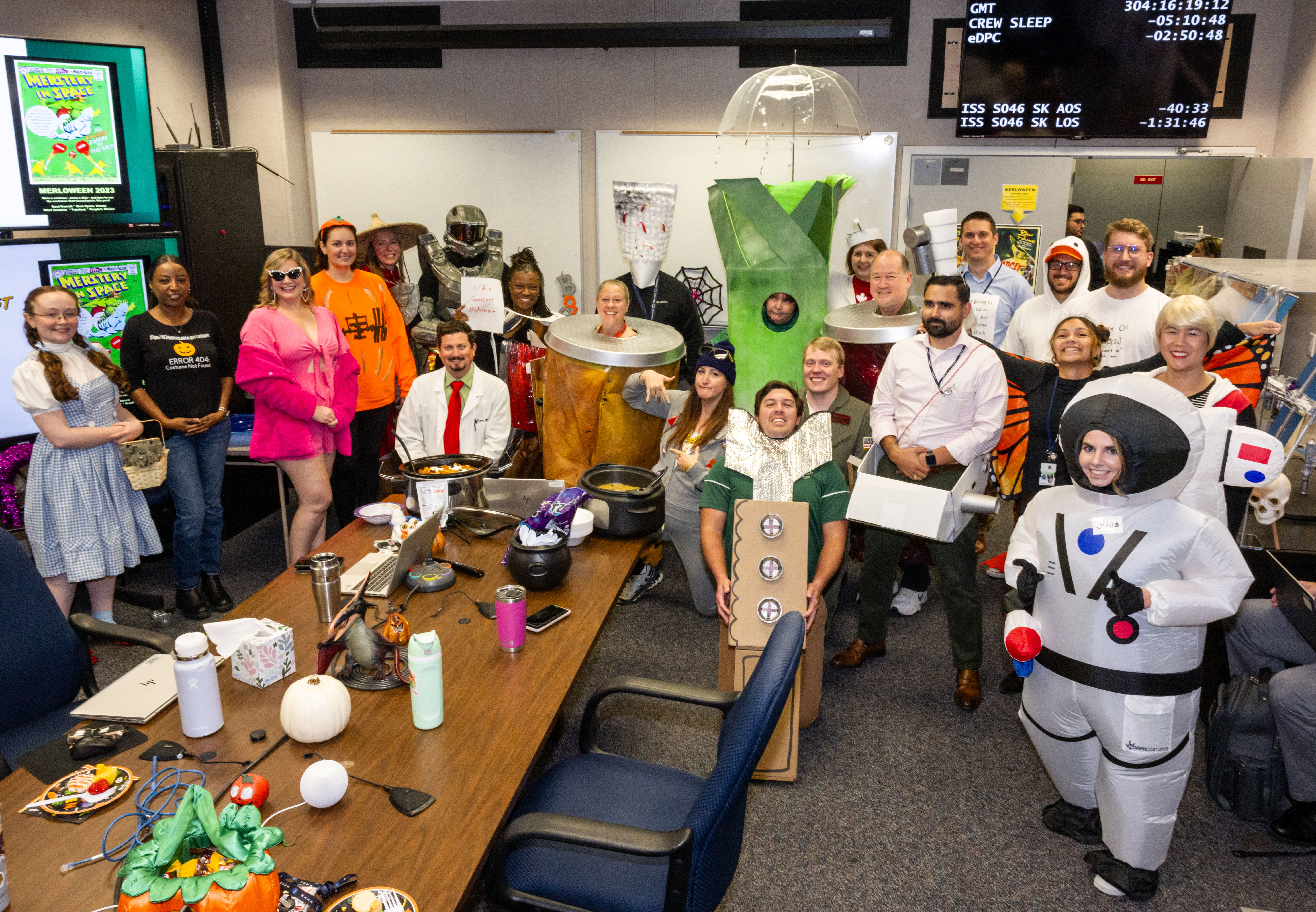
Date: 10-31-2023 Location: Bldg 30 MCC, ISS MER Subject: Mission Evaluation Room (MER) Halloween Celebration “MERloween” Photographer: James Blair
NASA/James Blair
In the Mission Evaluation Room, engineers not only troubleshoot in real time but also celebrate milestones with traditions like “MERloween,” where controllers dress in space-themed costumes to honor the year’s lessons learned.
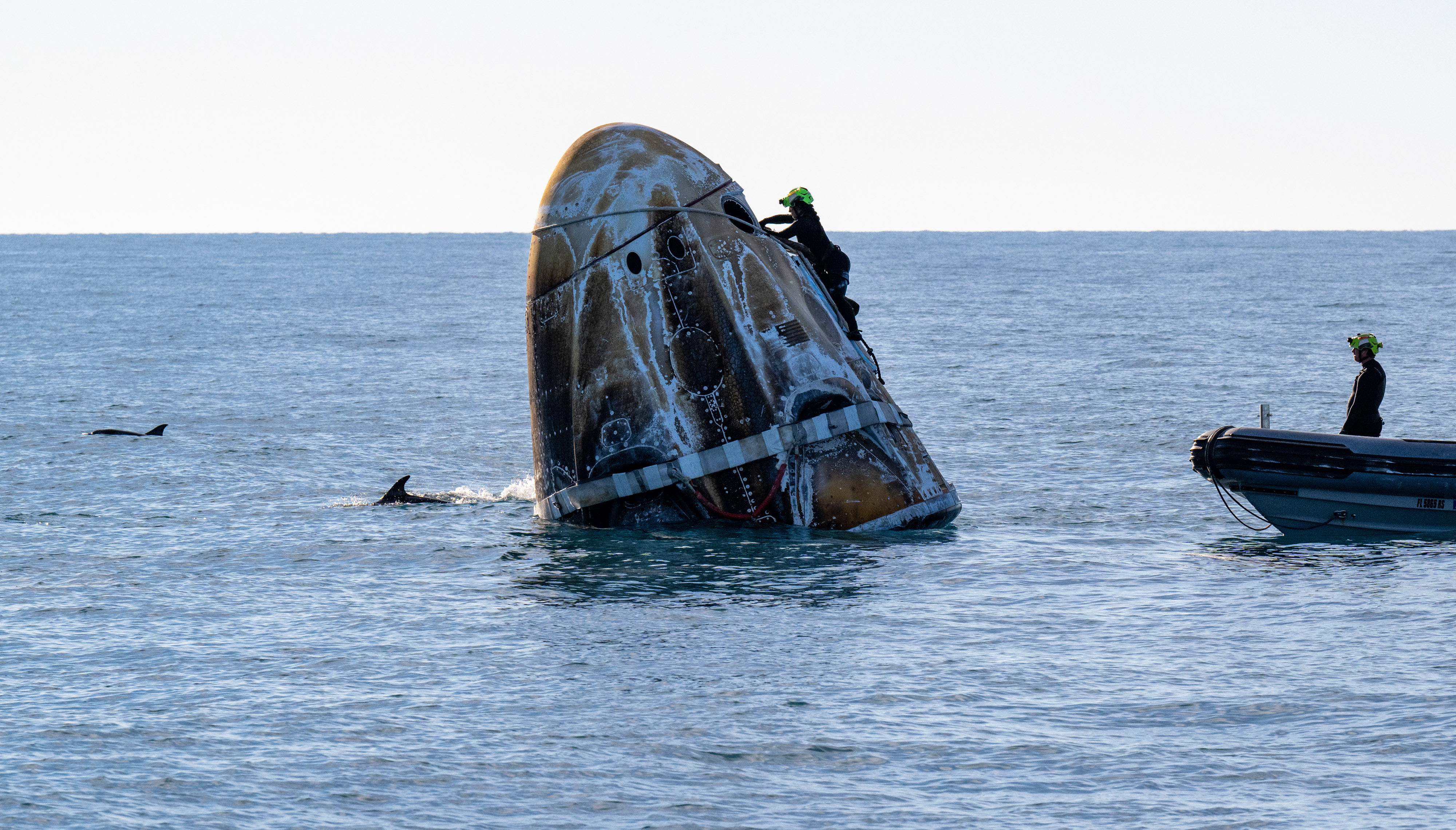
NASA’s SpaceX Dragon Freedom spacecraft splashed down in the Gulf of America, off the coast of Tallahassee, Florida, returning Crew-9 to Earth on March 18, 2025.
NASA/Keegan Barber
For social media consultant Mark Garcia, sharing the station story with the public has been the highlight of his career. His favorite moment was watching NASA’s SpaceX Crew-9 splash down in 2025, greeted by dolphins in the Gulf of America. “I love writing about the science aboard the station that benefits people on Earth,” he said.
For 25 years, the International Space Station has shown what humanity can accomplish together. The lessons learned aboard will guide Artemis missions to the Moon and future journeys to Mars—ensuring the next 25 years are built on innovation, resilience, and the human spirit.
NASA’s X-59 Completes First Flight, Prepares for More Flight Testing
5 min read
Preparations for Next Moonwalk Simulations Underway (and Underwater)
After years of design, development, and testing, NASA’s X-59 quiet supersonic research aircraft took to the skies for the first time Oct. 28, marking a historic moment for the field of aeronautics research and the agency’s Quesst mission.
The X-59, designed to fly at supersonic speeds and reduce the sound of loud sonic booms to quieter sonic thumps, took off at 11:14 a.m. EDT and flew for 67 minutes. The flight represents a major step toward quiet supersonic flight over land.
“Once again, NASA and America are leading the way for the future of flight,” said acting NASA Administrator Sean Duffy. “The X-59 is the first of its kind, and a major breakthrough in America’s push toward commercial air travel that’s both quiet and faster than ever before. Thanks to the X-59 team’s innovation and hard work, we’re revolutionizing air travel. This machine is a prime example of the kind of ingenuity and dedication America produces.”
Following a short taxi from contractor Lockheed Martin’s Skunk Works facility, NASA X-59 test pilot Nils Larson approached U.S. Air Force Plant 42’s runway in Palmdale, California, where he completed final system checks and called the tower for clearance.
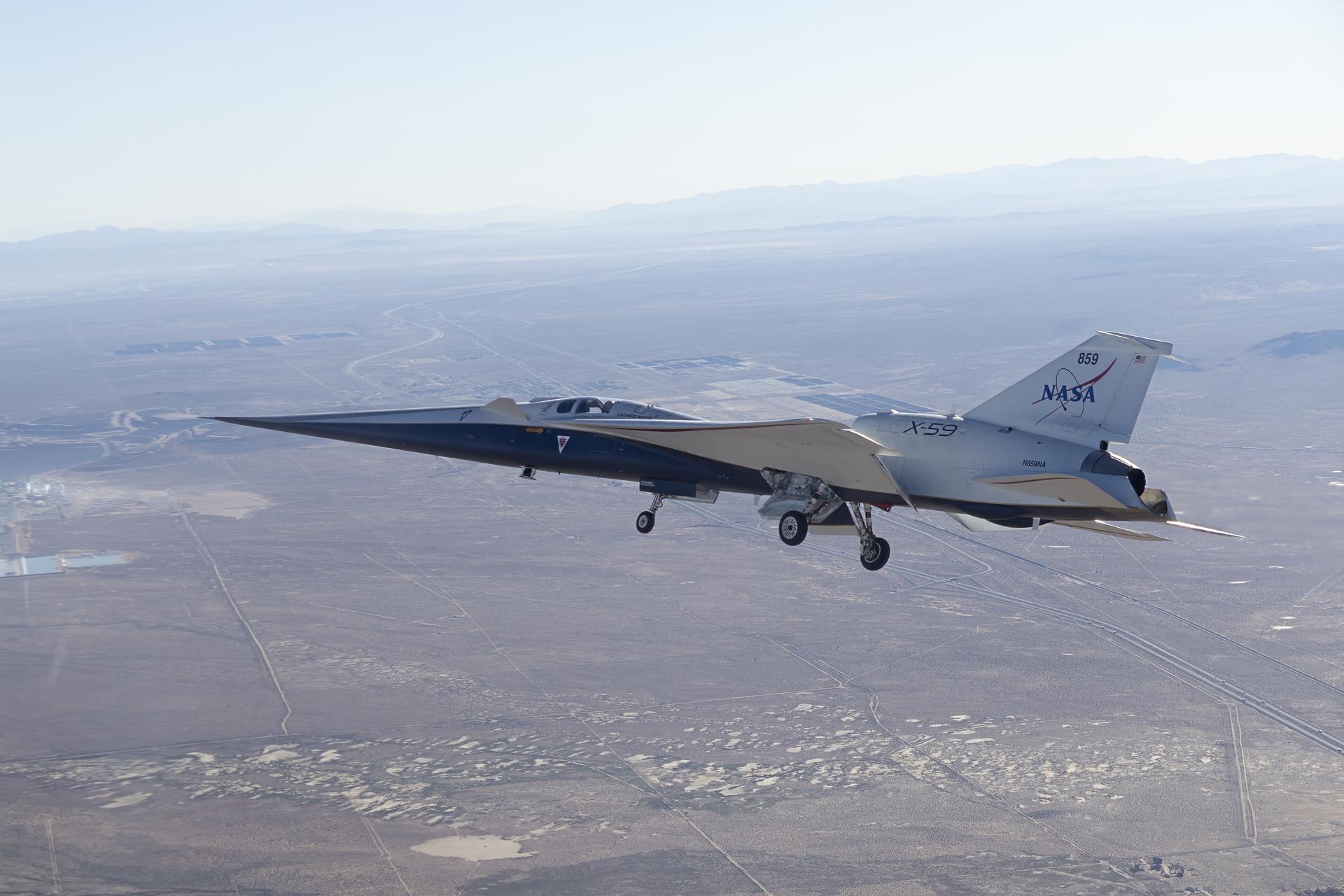
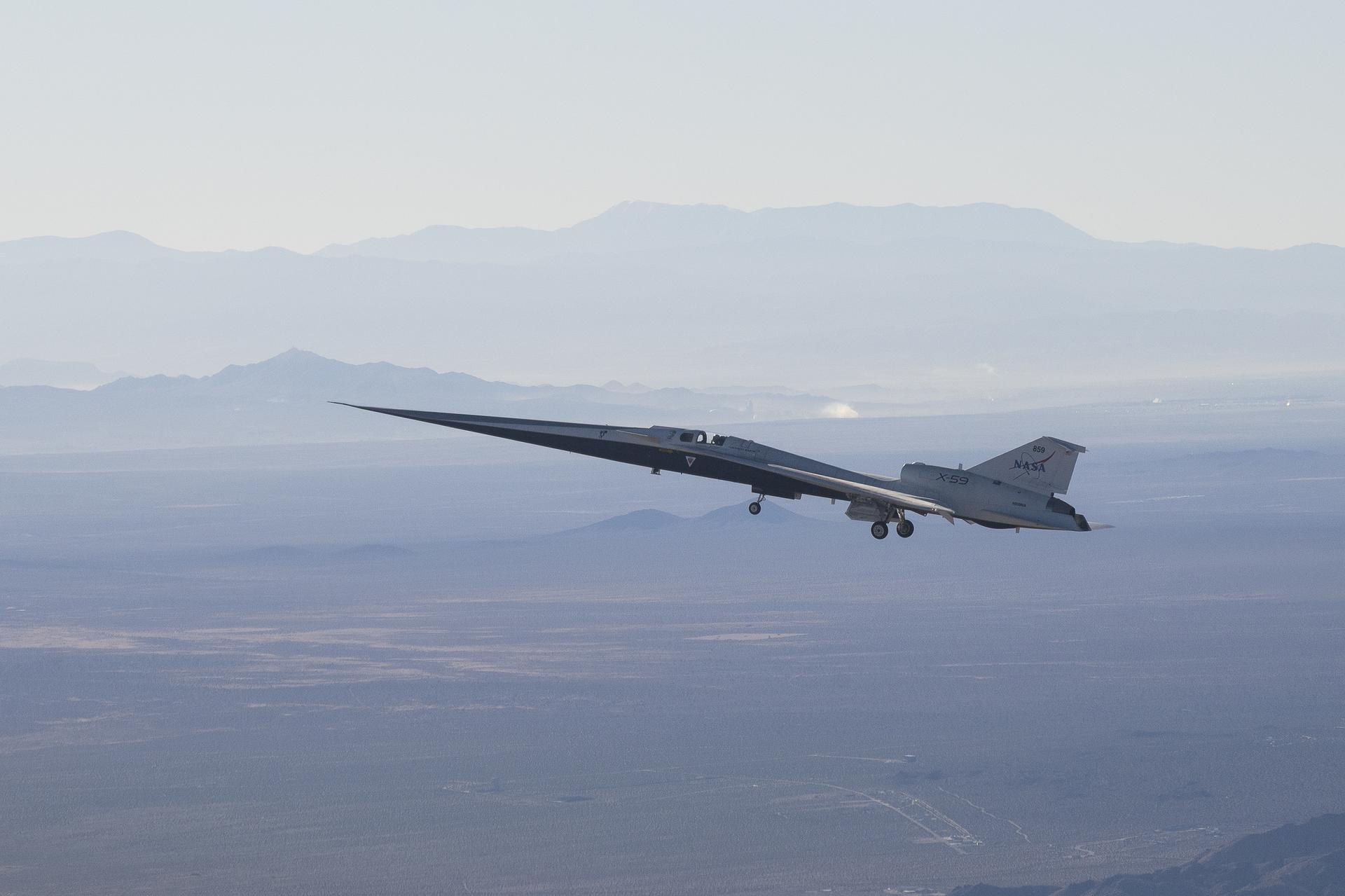
NASA’s X-59 quiet supersonic research aircraft cruises above Palmdale and Edwards, California, during its first flight, Tuesday, Oct. 28, 2025. The aircraft traveled to NASA’s Armstrong Flight Research Center in Edwards, California.
NASA/Lori Losey
Then, with a deep breath, steady hands, and confidence in the labor of the X-59’s team, Larson advanced his throttle, picking up speed and beginning his climb – joining the few who have taken off in an experimental aircraft for the first time.
“All the training, all the planning that you’ve done prepares you,” Larson said. “And there is a time when you realize the weight of the moment. But then the mission takes over. The checklist starts. And it’s almost like you don’t even realize until it’s all over – it’s done.”
The X-59’s first flight went as planned, with the aircraft operating slower than the speed of sound at 230 mph and a maximum altitude of about 12,000 feet, conditions that allowed the team to conduct in-flight system and performance checks. As is typical for an experimental aircraft’s first flight, landing gear was kept down the entire time while the team focused on ensuring the aircraft’s airworthiness and safety.
The aircraft traveled north to Edwards Air Force Base, circled before landing, and taxied to its new home at NASA’s Armstrong Flight Research Center in Edwards, California, officially marking the transition from ground testing to flight operations.
“In this industry, there’s nothing like a first flight,” said Brad Flick, center director of NASA Armstrong. “But there’s no recipe for how to fly an X-plane. You’ve got to figure it out, and adapt, and do the right thing, and make the right decisions.”
NASA’s X-59 quiet supersonic research aircraft flies above Palmdale and Edwards, California, on its first flight Tuesday, Oct. 28, 2025. The aircraft traveled to NASA’s Armstrong Flight Research Center in Edwards, California, where it will begin flight testing for NASA’s Quesst mission, which aims to demonstrate quiet supersonic flight over land.
NASA/Jim Ross
Historic flight
The X-59 is the centerpiece of NASA’s Quesst mission and its first flight connects with the agency’s roots of flying bold, experimental aircraft.
“The X-59 is the first major, piloted X-plane NASA has built and flown in over 20 years – a unique, purpose-built aircraft,” said Bob Pearce, NASA associate administrator for the Aeronautics Research Mission Directorate. “This aircraft represents a validation of what NASA Aeronautics exists to do, which is to envision the future of flight and deliver it in ways that serve U.S. aviation and the public.”
NASA Armstrong has a long history of flying X-planes that pushed the edges of flight. In 1947, the X-1 broke the sound barrier. More than a decade later, the X-15 pushed speed and altitude to new extremes. Starting in the 1960s, the X-24 shaped how we understand re-entry from space, and in the 1980s the X-29 tested forward-swept wings that challenged aerodynamic limits.
Each of those aircraft helped answer a question about aeronautics. The X-59 continues that tradition with a mission focused on sound – reducing loud sonic booms to sonic thumps barely audible on the ground. The X-59 was built for one purpose: to prove that supersonic flight over land can be quiet enough for public acceptance.
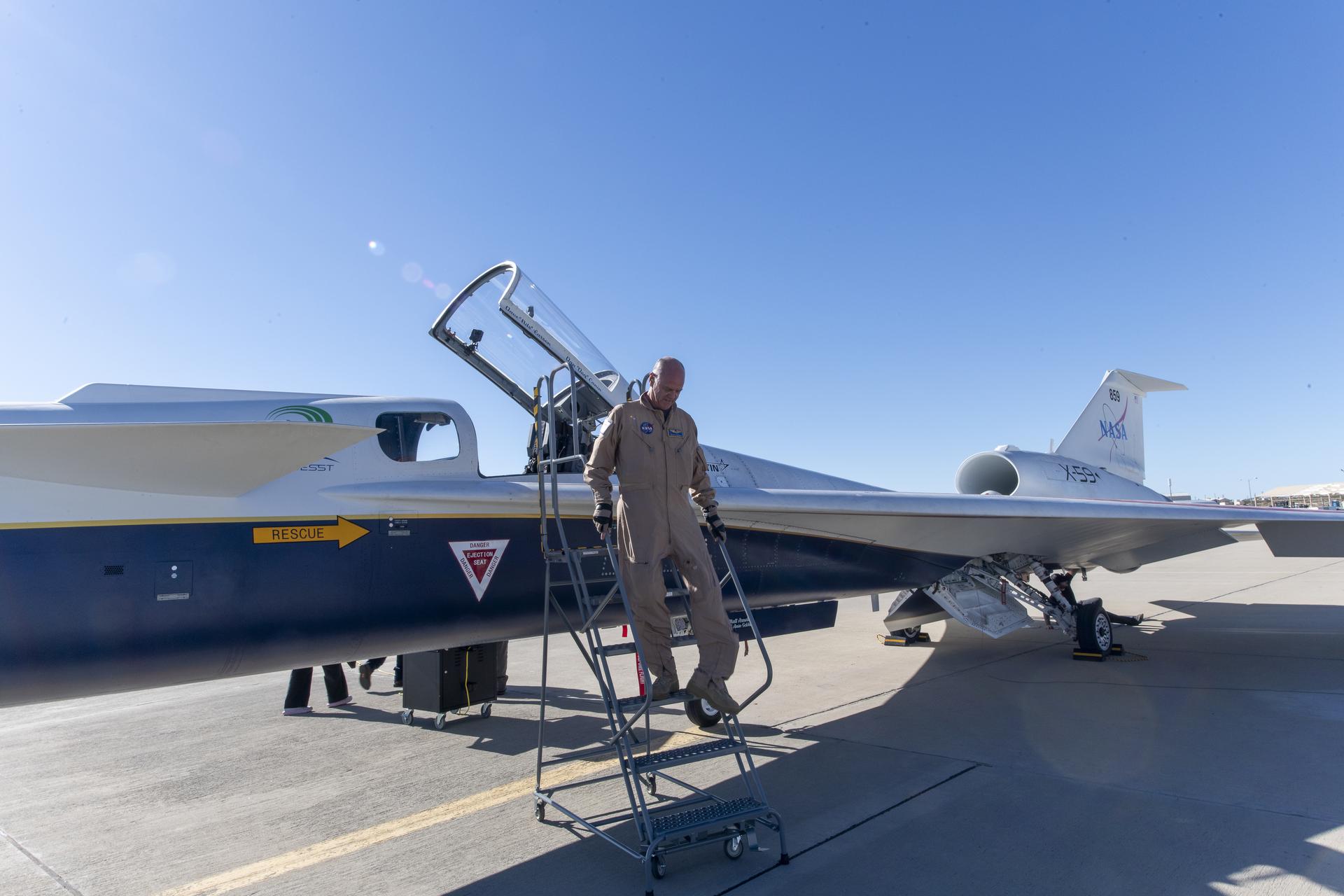
NASA test pilot Nils Larson steps out of the X-59 after successfully completing the aircraft’s first flight Tuesday, Oct. 28, 2025. The mission marked a key milestone in advancing NASA’s Quesst mission to enable quiet supersonic flight over land.
NASA/Genaro Vavuris
Next steps
Getting off the ground was only the beginning for the X-59. The team is now preparing the aircraft for full flight testing, evaluating how it will handle and, eventually, how its design will shape shock waves, which typically result in a sonic boom, in supersonic flight. The X-59 will eventually reach its target cruising speed of about 925 mph (Mach 1.4) at 55,000 feet.
The aircraft’s design sits at the center of that testing, shaping and distributing shock-wave formation. Its engine is mounted on top of the fuselage – the main body of the aircraft – to redirect air flow upward and away from the ground.
The cockpit sits mid-fuselage, with no forward-facing window. Instead, NASA developed an eXternal Vision System – cameras and advanced high-definition displays that allow the pilot to see ahead and below the aircraft, which is particularly critical during landing.
These design choices reflect years of research and modeling – all focused on changing how the quieter sonic thump from a supersonic aircraft will be perceived by people on the ground.
NASA’s goal is to gather community response data to support the development of new standards for acceptable levels of sound from commercial supersonic flight over land. To do this, NASA will fly the X-59 over different U.S. communities, collecting ground measurement data and survey input from residents to better understand people’s perception of the X-59’s sonic thump.
“Most X-planes only live in the restricted airspace here on center,” Flick said. “This one is going to go out and fly around the country.”
When the X-59 lifted off the ground for the first time, it carried a piece of NASA’s history back into the air. And with it, a reminder that advancing aeronautics remains central to NASA’s mission.
Preparations for Next Moonwalk Simulations Underway (and Underwater)
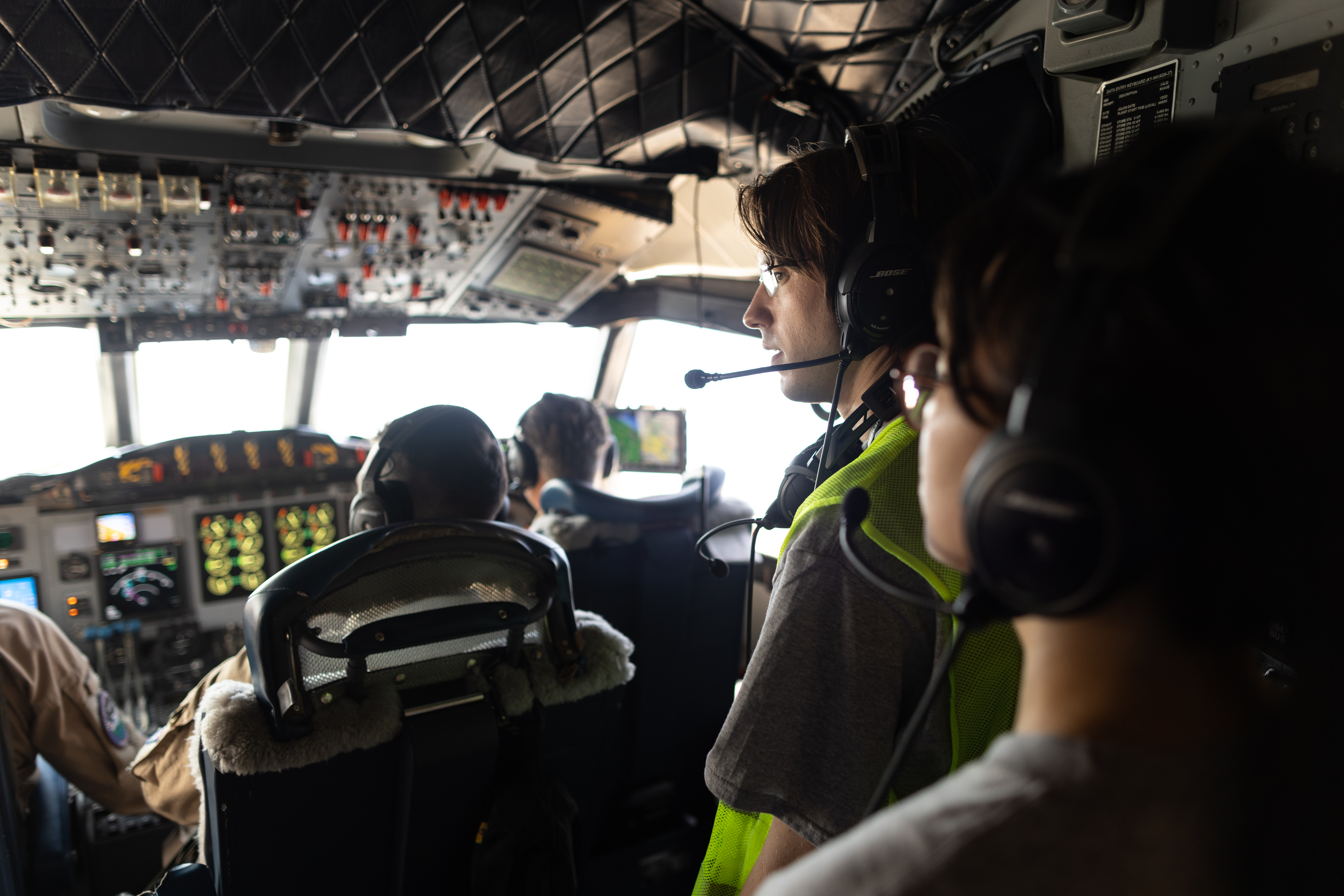
SARP students peer into the cockpit onboard NASA’s P-3 aircraft, during research flights for the 2025 Student Airborne Research Program (SARP) internship.
NASA/Milan Loiacono
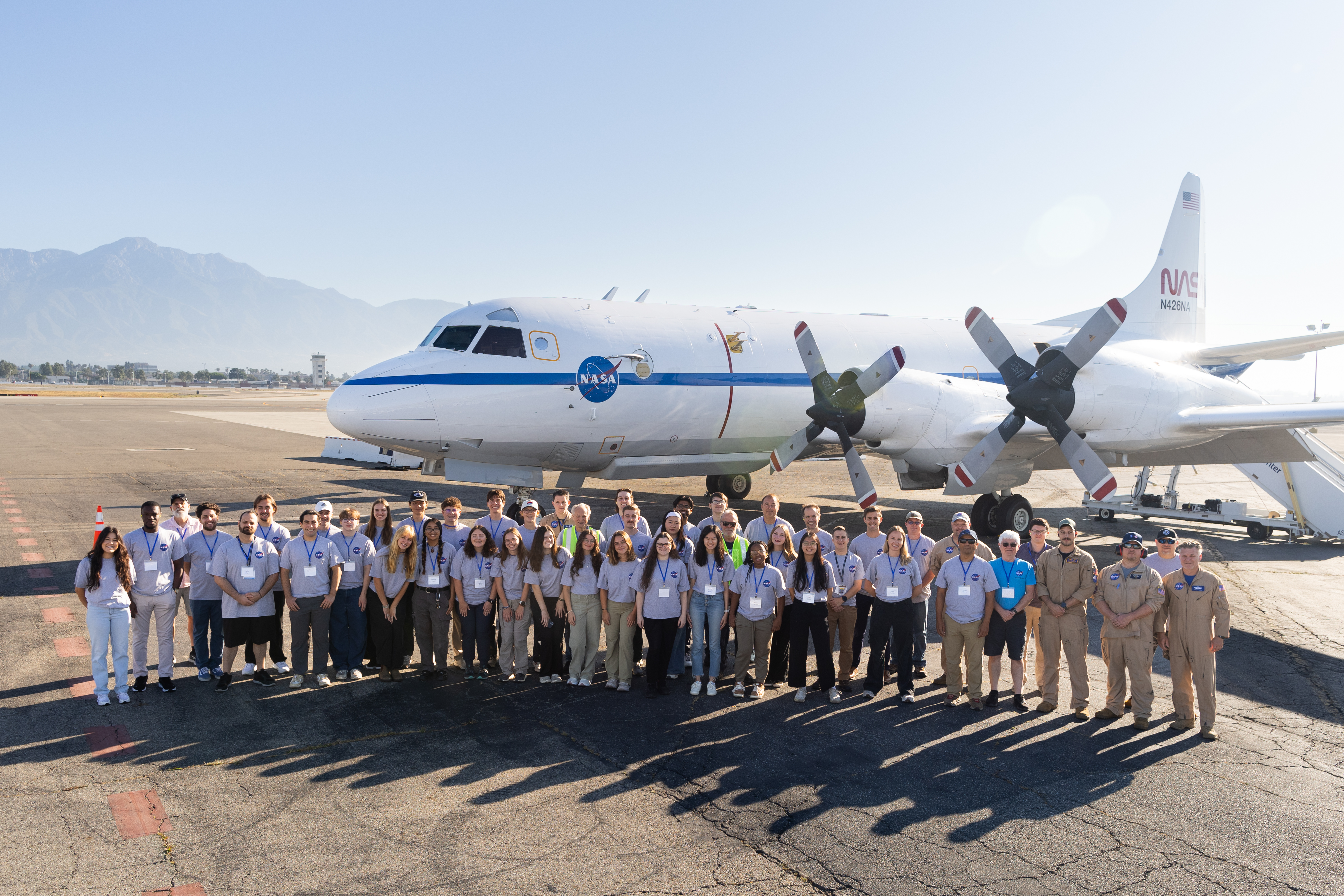
In August 2025, 47 students from NASA’s Student Airborne Research Program (SARP) culminated a summer of science by presenting their research to an audience of mentors, professors, family, friends, and NASA personnel.
SARP is a summer internship for undergraduate students, hosted in two cohorts: this year SARP West operated out of Guardian Jet Center and University of California, Irvine in Southern California, while SARP East operated out of Wallops Flight Facility and Virginia Commonwealth University in Virginia.
SARP randomly assigns students into one of four research disciplines, to encourage interdisciplinary collaboration and give them the opportunity to work outside of their usual field. Each discipline is led by a faculty researcher who is an expert in their field, and supported by a graduate mentor. This year, SARP research topics spanned three spheres: atmosphere, biosphere, and hydrosphere, covered between the two cohorts.
The beauty of Earth science lies in its interconnectedness. As a student who primarily researches atmospheric science, stepping out of my comfort zone to explore something new was truly eye-opening, and I am incredibly grateful for the experience.
Nimay mahajan
2025 SARP West student
Over the course of two months, students learned more about NASA’s Airborne Science Program and Earth Science through lectures led by SARP faculty and guest speakers from NASA and the Earth science community, engaged in Earth science data collection while flying onboard Dynamic Aviation’s B-200 and NASA’s P-3 aircraft, and participated in field trips to perform ground sampling fieldwork. Students also visited NASA’s Jet Propulsion Laboratory, Goddard Space Flight Center, and NASA Headquarters. The program also includes other enriching opportunities such as visiting the University of California San Diego’s WAVElab and Virginia Commonwealth University’s Rice Rivers Center.
Students were also provided the opportunity to attend introductory programming sessions and receive hands-on support from a coding mentor to develop and strengthen their experience with code, and incorporate code in their research project.
SARP really made me realize that science is bigger than all of us, but it needs every one of us – even those just stepping into the scientific world – to contribute. Every effort, no matter how big or small, is a step forward in a mission greater than any one individual.
TJ Ochoa Peterson
2025 SARP East student
To watch videos of these student’s presentations, read their research abstracts, or see more photos from the summer, please follow the links below.
2025 SARP East Research Presentations
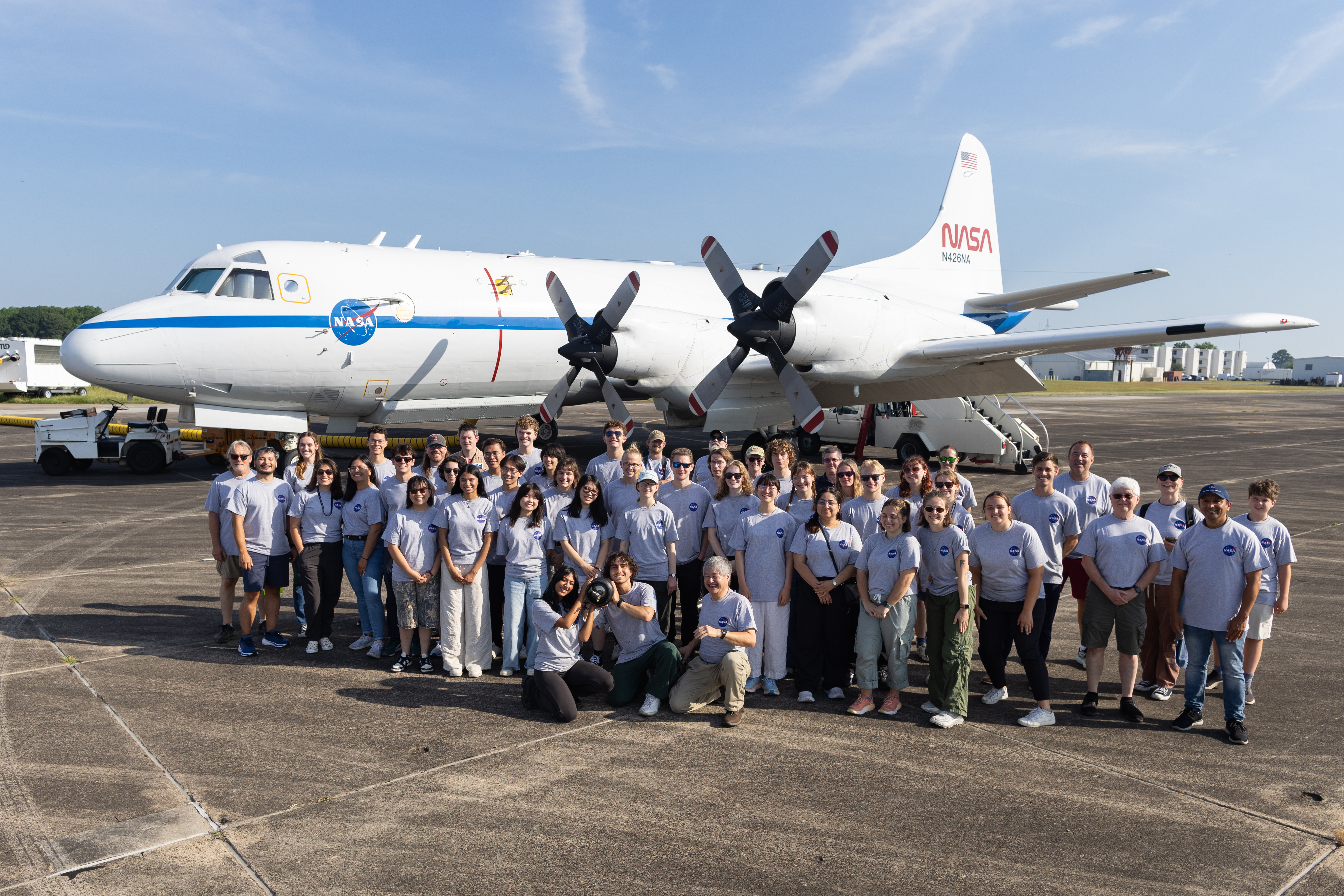
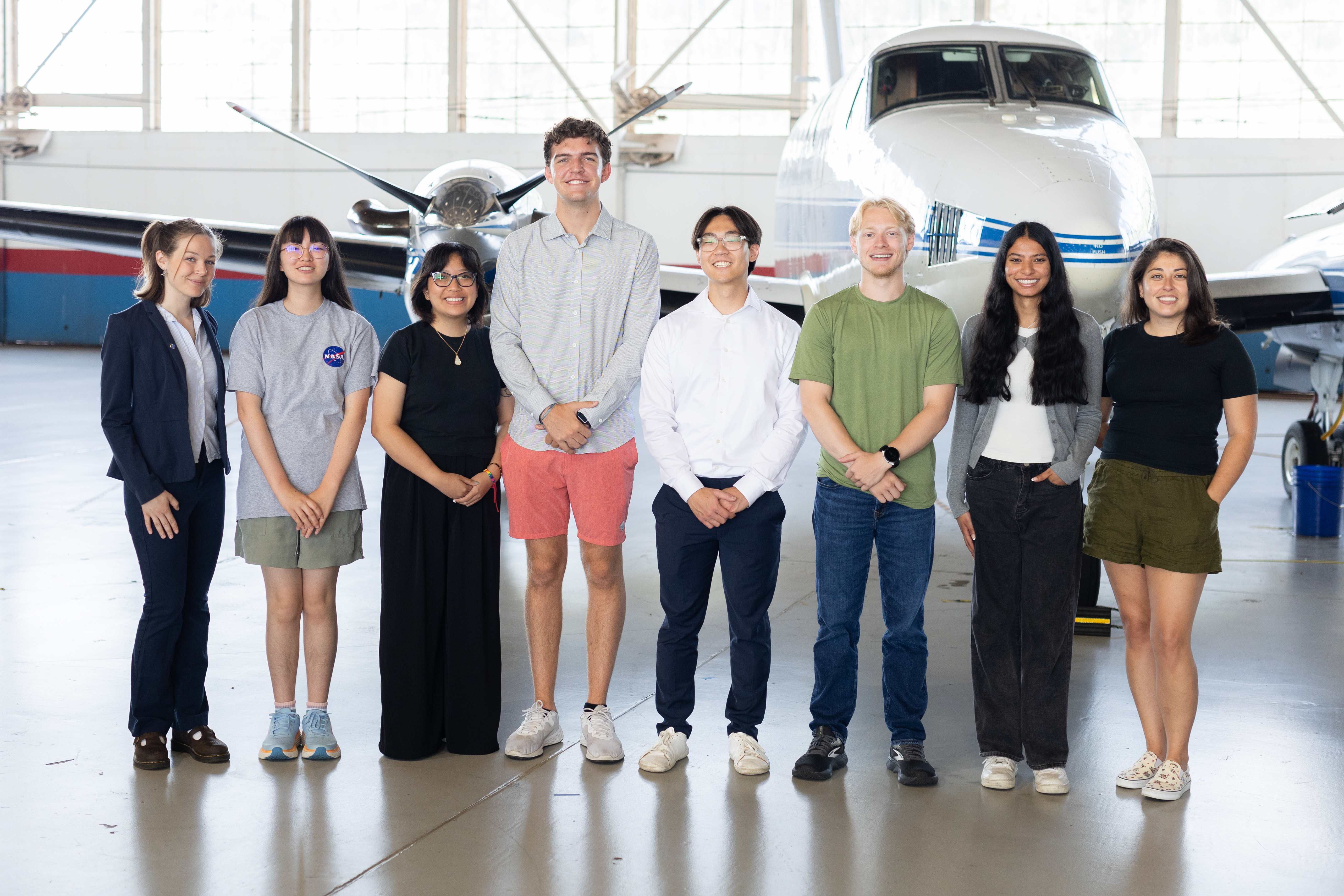
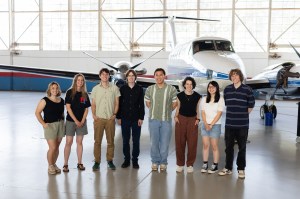
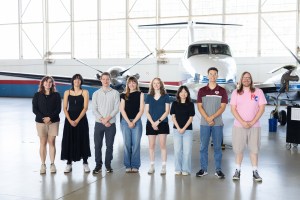
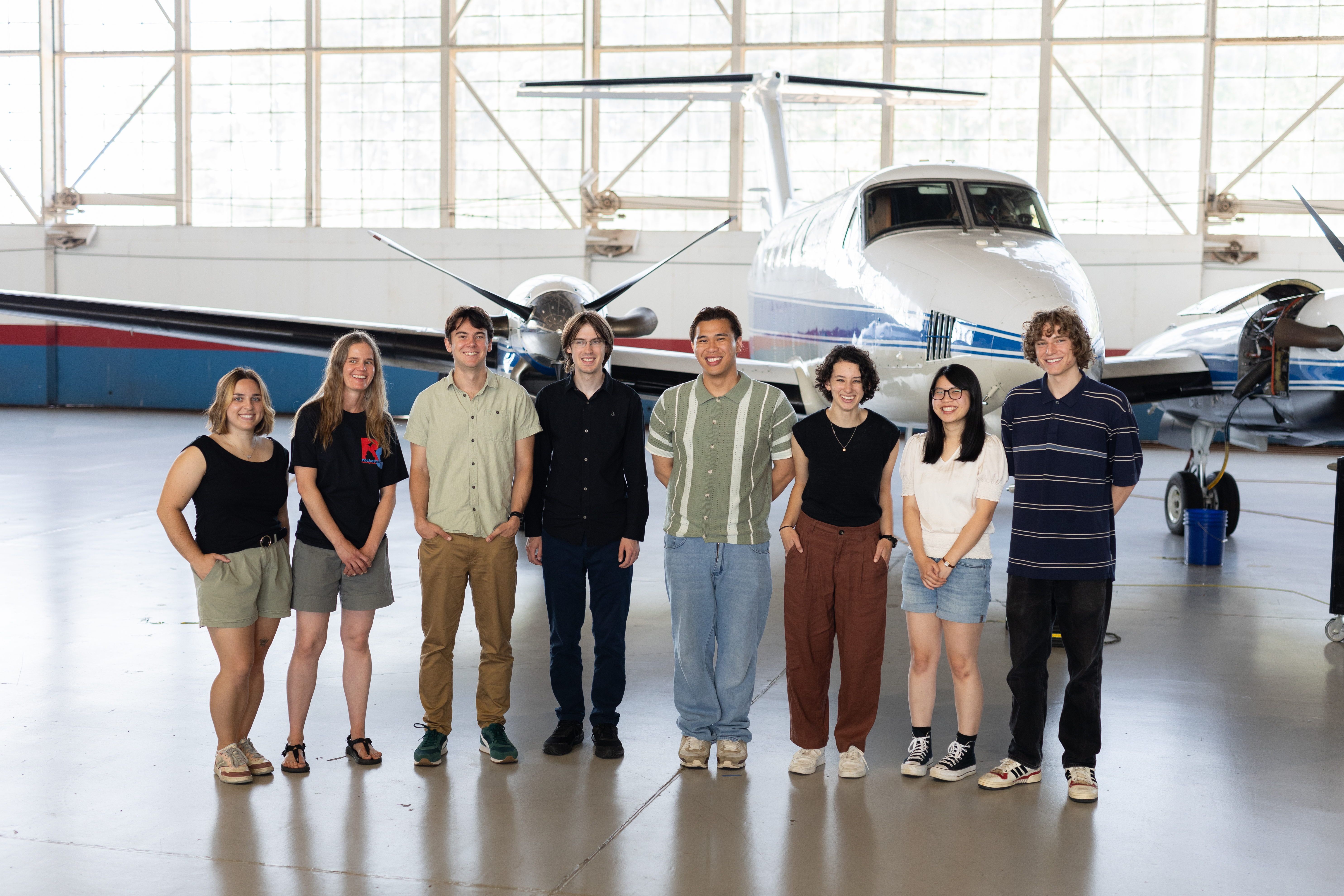
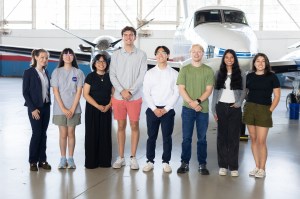
The 2025 SARP East Aerosols Group poses in front of the Dynamic Aviation B-200 aircraft, parked in a hangar at NASA’s Wallops Flight Facility in Virgina. During the internship, students spend a week engaged in Earth science data collection and learning from instruments specialists while flying onboard both the B-200 and NASA’s P-3 aircraft.
Preparations for Next Moonwalk Simulations Underway (and Underwater)
The 2025 SARP East Atmospheric Chemistry Group poses in front of the Dynamic Aviation B-200 aircraft, parked in a hangar at NASA’s Wallops Flight Facility in Virginia. During the internship, students spend a week engaged in Earth science data collection and learning from instruments specialists while flying onboard both the B-200 and NASA’s P-3 aircraft.
Katherine Paredero, Georgia Institute of Technology
Atmospheric Chemistry Group Introduction
Faculty Advisor Stacey Hughes and Graduate MentorKatherine Paredero
Kaylena Pham
Spooky Swamps: How Methane Emission Rates and Their Spatial Variability Differ Between the Great Dismal Swamp and the Alligator River
Kaylena Pham, University of Southern California
Wetlands represent a dominant natural source of methane emissions to the atmosphere through methanogenesis, a process that produces methane in nutrient-depleted anoxic sediments, or as a result of decomposition. In coastal wetlands, particularly brackish regimes such as the Alligator River, severe storms and rising sea levels intensify saltwater intrusion inland. This leads to expansive vegetation death and the formation of ghost forests, large areas of dead standing vegetation. The widespread forest loss caused by salinization suggests elevated methane emissions in areas with vegetation stress through increased rates of decomposition from plant death. Previous research has not yet considered ghost forests when estimating methane emissions in wetlands, leading us to explore emission concentrations across two wetlands with similar vegetation compositions: the Great Dismal Swamp and Alligator River.
In this work, we utilized in-situ measurements collected aboard the Dynamic Aviation B-200 aircraft during the NASA Student Airborne Research Program (SARP) 2025 flight campaign. Methane and carbon monoxide measurements were determined using a PICARRO Gas Concentration Analyzer. This data was then linked with Normalized Difference Vegetation Index (NDVI) imagery from the Terra satellite’s Moderate Resolution Imaging Spectroradiometer (MODIS) instrument. With these two datasets, we studied how vegetation stress influences methane emissions. We observed greater vegetation stress in the Alligator River compared to the Great Dismal Swamp. Furthermore, the Alligator River has wider methane concentration variability occurring over areas with greater vegetation stress. In contrast, methane measurements over the Great Dismal Swamp have narrower distributions and less vegetation stress. This comparison of wetlands in differing vegetative states suggests a potential link between ecosystem stress and elevated methane emissions in wetland environments. Interestingly, despite these differences, the Great Dismal Swamp had a slightly higher mean methane concentration (2.11 ppm) compared to the Alligator River (1.96 ppm). Our results emphasize the importance of improving our understanding of what types of vegetation conditions lead to methane enhancements over wetland regimes.
Carson Turner
Calculating Methane Flux Over the Great Dismal Swamp Using the Mass Balance Technique
Carson Turner, University of North Dakota
Methane is one of the most potent greenhouse gases in the atmosphere, with a warming potential approximately 28 times larger than carbon monoxide. When examining the Global Methane Budget, wetlands are the largest natural source of methane accounting for 20-40% of global methane emissions. Wetland methane emissions have been shown to present the highest uncertainty due to both a lack of in-situ measurements to compare with models as well as a lack of understanding of how different conditions, like soil moisture and air temperature, affect methane emissions. This study looks specifically at The Great Dismal Swamp (GDS), located on the border of southeast Virginia and northeast North Carolina, to study emissions over the region using data collected on flights conducted as part of the Student Airborne Research Program (SARP) in the summer of 2025. A PICARRO Gas Concentration Analyzer was used to collect high frequency methane and carbon monoxide measurements. The two research flights followed similar flight paths around the GDS, on the 23rd and 24th of June. Methane flux was then calculated using the mass balance approach for each flight. Methane flux values were measured at 0.037 kg/s and 0.603 kg/s for the 23rd and 24th respectively. A similar study on wetlands in northern Sweden and Finland found an average methane flux value of 5.56 kg/s. A decreased methane flux value was observed on the flight day associated with higher temperatures, which is contrary to previous research on the relationship between methane emissions and temperature. Future work includes utilizing these flux measurements to improve our understanding of methane emissions from wetlands in models and further explore the relationship between methane emissions and soil moisture.
Alek Libby
Comparative Analysis of Urban Ozone Chemistry in Baltimore, Richmond, and Norfolk
Alek Libby , Florida State University
Urban ozone pollution remains a significant air quality concern in many U.S. cities. Ground-level ozone is not directly emitted but forms through photochemical reactions involving volatile organic compounds (VOCs) and nitrogen oxides (NOₓ) in the presence of sunlight—especially during the summer when incoming solar radiation is enhanced. The National Ambient Air Quality Standard set by the EPA for tropospheric ozone is 70 ppb, which is measured as an 8-hour average. Though exceedances of said standard have declined nationwide, understanding how emission composition varies across metropolitan areas remains critical. This study investigates the VOC makeup and ozone formation dynamics of three Mid-Atlantic urban environments: Baltimore, Richmond, and Norfolk. In-situ Whole Air Samples (WAS) were collected onboard the Aviation Dynamics B200 aircraft during the 2024 NASA Student Airborne Research Program (SARP) Campaign. Gas chromatography was used to quantify the VOC composition of each sample. Additional airborne data from CAFE and CANOE instruments provided measurements of formaldehyde (HCHO) and nitrogen dioxide (NO₂), respectively. This study looked at measurements collected below the boundary layer and within urban beltways to assess regional ozone production potential. Results showed that Baltimore exhibited significantly lower levels of key anthropogenic VOCs, particularly n-butane, i-pentane, and n-pentane. VOC/NOₓ ratios placed Richmond and Norfolk in NOₓ-limited regimes, while Baltimore fell within the transitional zone—supported by HCHO/NO₂ ratios averaging at 2.44 in Baltimore versus 5.14 and 5.09 in Norfolk and Richmond. Baltimore continues to experience notably more ozone exceedance days than Norfolk and Richmond, which is likely related to elevated NO₂ levels in the area. While reducing VOCs may help, these findings suggest that NOₓ reductions are likely more effective for mitigating ozone in the Baltimore area. Future work might replicate this analysis using the 2025 SARP dataset, which was collected on hot, stagnant days that are favorable for ozone production.
Hannah Suh
Characterization of Volatile Organic Compound (VOC) Sources in the Baltimore area
Hannah Suh, University of California, Santa Cruz
Volatile organic compounds (VOCs) play a key role in tropospheric photochemistry, as they react with nitrogen oxides (NOx) in sunlight to produce tropospheric ozone (O3). Both VOCs and tropospheric O3 can have negative impacts on air quality and human health. Understanding the sources of VOCs in urban areas such as Baltimore is essential for informing future air quality policies. In this study, in-situ VOC measurements collected onboard the Aviation Dynamics B200 aircraft during the NASA Student Airborne Research Program (SARP) were analyzed to characterize potential emission sources in the Baltimore area. VOC datasets from two flights from June 24th that flew over that location were investigated. This flight data was collected using aircraft instruments on the Aviation Dynamics B200, primarily the Whole Air Sampler (WAS). WAS canisters were later processed in lab using gas chromatography, which identified the different VOC mixing ratios in the air. VOCs ratios along with Positive Matrix Factorization (PMF), which reduces an inputted data matrix to separate out potential emission source contributions, were compared to each other to consider the most notable sources of VOCs in the Baltimore area. A total of six sources were looked at through PMF for this region. The top three sources seem to align with oil and natural gas, biogenic, and vehicular emissions. Chemical signature ratios indicate the presence of mixed plumes of both industrial and urban emissions, with many significant correlations with ethyne. These results point towards oil and natural gas industries, biogenic sources, and urban sources like vehicles as primary contributors to VOC signature ratios in the Baltimore area. A logical next step for this research would be to compare VOC signature ratios across multiple years to assess temporal trends.
Aashi Parikh
Characterizing VOC Emissions from Chemical Plant Plumes in Hopewell, VA
Aashi Parikh, Boston University
Hopewell, VA is home to a cluster of major chemical facilities, whose emissions have raised concerns in neighboring communities about air pollution and health disparities. While there is information about the historical pollution in Hopewell, few studies provide a comprehensive analysis of volatile organic compounds (VOCs). This study investigates the distribution of VOCs in Hopewell’s industrial corridor and
In-situ whole air samples (WAS) were collected aboard the Aviation Dynamics B200 during the NASA Student Airborne Research Program in June 2024. In this study, samples collected at Hopewell were compared to the rest of the flight. The values were separated by chemical families, and enhancements were identified. The analysis showed that Hopewell had significant levels of aromatics, with 60 ppt of benzene, 119 ppt of toluene, and 47 ppt of styrene, which are VOCs linked to respiratory illness, neurological disorders, reproductive issues, and cancer. Aromatics observed over Hopewell were approximately 5x higher than that of the remaining flight path. According to the EPA, these carcinogenic compounds have no safe threshold for chronic exposure. As such, long-term exposure to these compounds can pose health risks. These findings reinforce existing health outcome disparities in the region, such as elevated cancer rates, and raise concerns about the exposure of nearby communities. Underserved communities are disproportionately being impacted by such health risks in Hopewell. Future research will evaluate VOC concentrations over Hopewell in 2025 and compare them to the 2024 baseline established in this study, providing insight into whether emissions reductions have occurred and if regulatory or community-driven interventions are showing impact.
Preparations for Next Moonwalk Simulations Underway (and Underwater)
The 2025 SARP East Terrestrial Fluxes Group poses in front of the Dynamic Aviation B-200 aircraft, parked in a hangar at NASA’s Wallops Flight Facility in Virginia. During the internship, students spend a week engaged in Earth science data collection and learning from instruments specialists while flying onboard both the B-200 and NASA’s P-3 aircraft.
Brandon Alveshere, Virginia Commonwealth University
Graduate Mentor:
Kayla Preisler, University of Arizona
Terrestrial Fluxes Group Introduction
Rice Rivers Center Director Chris Gough and Graduate Mentor Kayla Preisler
Quinn Koch
Monitoring Postfire Ecosystem Recovery With Spectral Indices and Eddy-Covariance Flux Towers
Quinn Koch, University of California, Los Angeles
Fire is a common ecological disturbance in forest ecosystems, leading to changes in forest structure and function that have implications for the Earth’s carbon budget. Observations of post-fire carbon fluxes provide insight into the trajectory of forest recovery and its future as a carbon sink. Eddy-covariance flux towers measure high frequency greenhouse gas exchange between forests and the atmosphere, yielding measurements of net ecosystem exchange (NEE), gross primary productivity (GPP), and ecosystem respiration (Reco). While flux towers are the gold standard for quantifying ecosystem scale fluxes, vegetation indices derived from remote sensing are highly correlated with tower flux data and may provide broader spatial scale understanding of how carbon fluxes vary following fire and other disturbances. The objective of our study is to examine the relationship between tower carbon flux data and NASA Landsat-derived spectral indices at five sites in the United States and Australia that were disturbed by severe fire. Specifically, we evaluated changes following fire in two Landsat-derived spectral indices, Normalized Difference Vegetation Index (NDVI) and Normalized Burn Ratio (NBR), examining whether spectral indices paralleled temporal variation in NEE, GPP, and Reco. We found that the recovery of spectral indices outpaced the recovery of NEE and GPP at sites that experienced severe fire, highlighting how lags in structural and functional responses to disturbance may decouple vegetation indices from carbon fluxes. This suggests that a temporal lag should be considered when using vegetation indices as a proxy for carbon fluxes in post-fire ecosystems compared to unburned systems. This analysis represents a small snapshot of ecosystems worldwide; therefore, continuing to monitor these trends at future burned flux tower sites will be crucial to further understanding this relationship.
Sara Typrin
Characterizing Forest Response Pathways in the Blackwater National Wildlife Refuge
Sara Typrin, Carleton College
Coastal forests along the Chesapeake Bay are rapidly becoming marshes due to sea level rise and extreme weather events. Predicting these ecosystem shifts is essential for climate adaptation responses. Previous studies have employed Normalized Difference Vegetation Index (NDVI) time series trends to characterize the resilience of coastal ecosystems; however, few have assessed NDVI variation trends within the Chesapeake Bay coastal region, where rates of sea level rise far exceed the global average. This study examines the spatial distribution of forest response pathways in relation to elevation within Maryland’s Blackwater National Wildlife Refuge and the surrounding Eastern Shore region. We used the Landsat 8 record (2014-2024) to extract NDVI values for areas classified as upland forest. We calculated trends in NDVI and NDVI variation using Kendall’s τ (rank correlation) to characterize each 30m pixel into one of four ecosystem shift trajectories: abrupt transition, gradual transition, recovering, or stable. We found that 14.7% of the study area is in abrupt transition, 27.4% in gradual transition, 17.3% is in recovery, and 40.6% is stable. Mapping these regions qualitatively shows that in the BNWR, areas closer to the coast tend to experience abrupt or gradual transitions, and areas farther from the coast are typically stable or in recovery. Recovering forests have higher and more variable elevations than other pathways in a subset of BNWR’s southwest region. Future work can examine how elevation and distance to the coast relate to forest response pathways at a regional scale.
Austin Jeffery
Structural Characteristic Variation Between Upland Forests and Forested Wetlands
Austin Jeffery, The University of Texas at Austin
Forested wetlands are important for regulating the Earth’s climate, cycling nutrients, and providing vital habitats, but are far less studied than upland forests. Prior work in upland forests has illustrated that canopy structural traits vary widely within and across forest types, and that these traits affect crucial ecosystem functions and services such as primary production and carbon sequestration. However, how canopy structure varies within and across forested wetlands has not been thoroughly explored. This study uses waveform lidar data collected during the 2024 SARP East flight campaigns over the Chesapeake Bay region using the LVIS (Land, Vegetation, and Ice Sensor) airborne platform. The LVIS Facility L2 Geolocated Surface Elevation and Canopy Height Products were used to investigate how canopy structure varies across forested wetlands and to compare canopy structural variation between forested wetlands and upland forests. To analyze the data, each lidar granule was first divided into upland and wetland forests by overlaying the granules over a USGS NLCD land use map and a USFS forest type map. Then, 20 plots were created of 100 granules each based on four tree species and whether it was an upland forest or forested wetland plot. Two upland and two wetland species were used with 5 plots each. Then, the data were used to assess variation in structural characteristics, including canopy height and vertical complexity, among forested wetlands and upland forests. The analysis resulted in a significant statistical difference between forested wetlands and upland forests structural characteristics. Additionally, forested wetlands showed a general larger variance in canopy structural complexity suggesting variation in canopy height, canopy density, layering, and forest age. This study serves as a benchmark for LiDAR-based structural characterization of forested wetlands, and informs management and conservation of forested wetlands in the mid-Atlantic region.
Ellery Moore
Arctic Ecosystem Carbon Dynamics: Comparing Greenhouse Gas Measurements in Alaska and Northern Canada Using MODIS Satellite Data and Atmospheric Flask Samples
Ellery Moore, Colby College
As global temperatures continue to warm, the International Panel on Climate Change (IPCC) has called attention to thawing permafrost as a potential tipping point leading to “irreversible” change to Earth’s ecosystems. Currently, permafrost holds an estimated 1,400 Pg of carbon, which will be released primarily as greenhouse gases (GHGs), methane (CH4), and carbon dioxide (CO2), through microbial activity as temperatures continue to rise, thus exacerbating the atmospheric GHG effect and further warming. In Alaska and Northern Canada, permafrost underlies most of the land, with regions determined by the percentage of frozen soil: continuous (90-100%) and discontinuous (50-90%). Upon examination of spatial maps, the continuous region tends to correspond to the tundra ecosystem, and the discontinuous region to the boreal forest ecosystem. We quantified the permafrost regions using Moderate Resolution Imaging Spectroradiometer (MODIS) derived Normalized Difference Vegetation Index (NDVI) and land surface temperature (LST). In this study, we aim to determine if CO2 and CH4 concentration measurements differ between the two ecosystems using atmospheric flask samples collected during the Arctic Boreal Vulnerability Experiment (ABoVE) in 2017. Overall, the results showed a positive correlation between NDVI and LST, with the boreal forest characterized by higher NDVI and LST than the tundra. Additionally, higher CO2 concentrations were associated with lower NDVI and LST. However, when separating the samples into the two ecosystems, no difference was seen in their diurnal cycles. In general, CH4 measurements did not show a clear relationship with NDVI and LST, but predominantly higher measurements were seen in the tundra when separating the samples by ecosystem. The different CH4 concentrations could be influenced by other environmental sources not considered in this study, such as thermokarst lakes and anthropogenic factors. Further work to differentiate the ecosystems and confirm findings can be done by examining soil moisture samples and comparing permafrost active layer thicknesses. Additionally, to better understand the rates of carbon release, eddy covariance measurements could be examined between the tundra and boreal forest over time.
Rayyane Matonding
San Francisco BVOC Emissions: The Role of Urban Vegetation in HCHO/NO2 Ratios
Rayyane Matonding, University of San Francisco
Biogenic Volatile Organic Compounds (BVOCs) influence local air quality, especially during summer when emissions and photochemical activity peak. BVOCs can oxidize to form ground level ozone, which poses respiratory health risks. Formaldehyde (HCHO), a key photooxidation product of BVOCs, serves as a useful proxy for biogenic emissions in remote sensing studies. Likewise, nitrogen dioxide (NO2) indicates combustion-related activity and anthropogenic VOC influence. This study examines the relationship between urban tree cover and BVOC-related ozone formation using the HCHO to NO2 photochemical regime, which reflects the balance between biogenic and anthropogenic sources. HCHO and NO2 data were obtained from NASA’s TEMPO instrument, and tree cover data from SF OpenData. San Francisco was selected due to its urban greening efforts, high anthropogenic emissions, and prevalence of invasive tree species. Two neighborhoods were selected, Sunnyside with approximately 22 percent canopy cover and Potrero Hill with approximately 2 percent canopy cover, to compare temporal trends in HCHO to NO2 ratios using time series plots. These neighborhoods were chosen based on the availability of hyperlocal weather data, which allowed for more localized atmospheric analysis. No consistent relationship between tree cover and HCHO to NO2 ratios was observed, except during 15:11 and 18:11 on June 18, 2024, which may be associated with elevated photolysis. When weather variables such as zonal wind, meridional wind, and temperature were included in the analysis, no significant correlations were found. Further research should include other cities, additional time periods, and tree species information.
Emmanuel Kaiser-Veyrat
Vegetation Traits to Methane Fluxes: A Machine Learning Approach Across Diverse Wetlands
Emmanuel Kaiser-Veyrat, Cornell University
Wetlands are the largest and most uncertain biological source of CH4, a greenhouse gas with 56 times the radiative forcing of CO2 over a 20-year time horizon. Given the spatiotemporal constraints of these dynamic ecosystems for consistent on-site observations, remotely sensed vegetation indices (VIs) offer a scalable approach to capturing the biophysical and biochemical conditions that govern CH4 exchanges. However, their reliability in wetland environments is challenged by signal saturation in dense vegetation as well as spectral mixing of water, soil, and plants. Seeking to quantify these limitations, we employ the machine learning algorithm, Random Forest Regressor (RFR), to answer the question: Can remotely sensed vegetation traits predict CH4 fluxes across freshwater and saltwater marshes? VIs from the Index DataBase are derived from the Landsat Collection 2 Level-2 products for Landsat-7 ETM+ and Landsat-8 OLI. The FLUXNET-CH4 Community Product yields 17 wetland sites across the contiguous U.S. with daily mean methane flux values spanning some or all of the 2011 to 2018 interval. Generalized flux footprints were computed for every site adopting a uniform approach scaling fetch with increasing measurement height. Extracting feature importances from RFR, we found the Green Vegetation Moisture Index (GVMI) to consistently outperform all other indices, including two meteorological covariates measured from flux tower sites: air temperature and shortwave radiation. Grouping the VIs into five categories (moisture and water, greenness and productivity, structure and soil, pigments, and burn), we found that moisture and water indices consistently scored higher in feature importance than all other categories combined.