NASA Stennis Compiles Framework for the Future to Guide Center Forward

NASA Stennis Compiles Framework for the Future to Guide Center Forward

Cover is a futuristic illustration of astronauts living in space with Earth visible in the distance
An image shows the cover of the NASA Stennis Strategic Plan for 2024-2028.
NASA Stennis

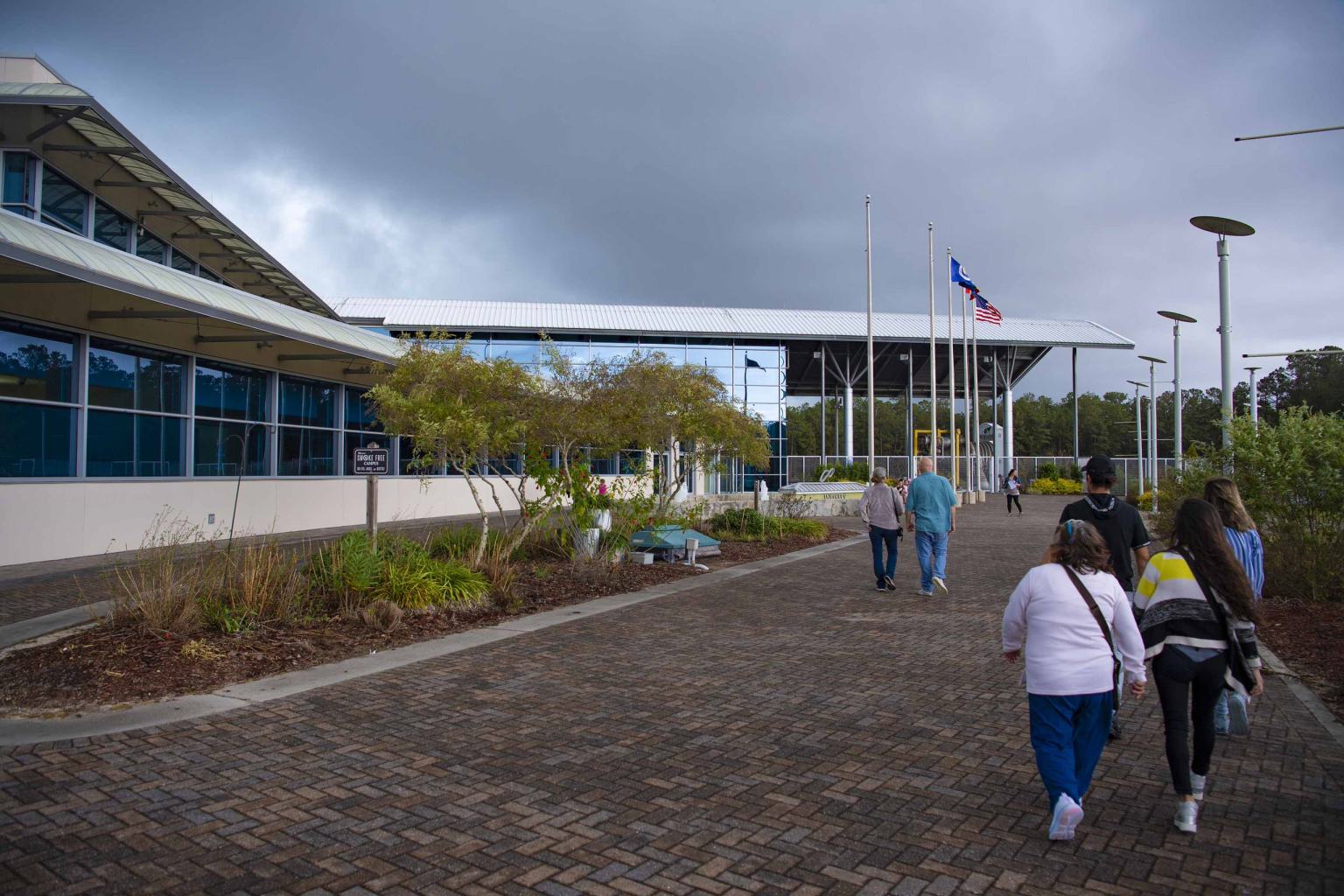
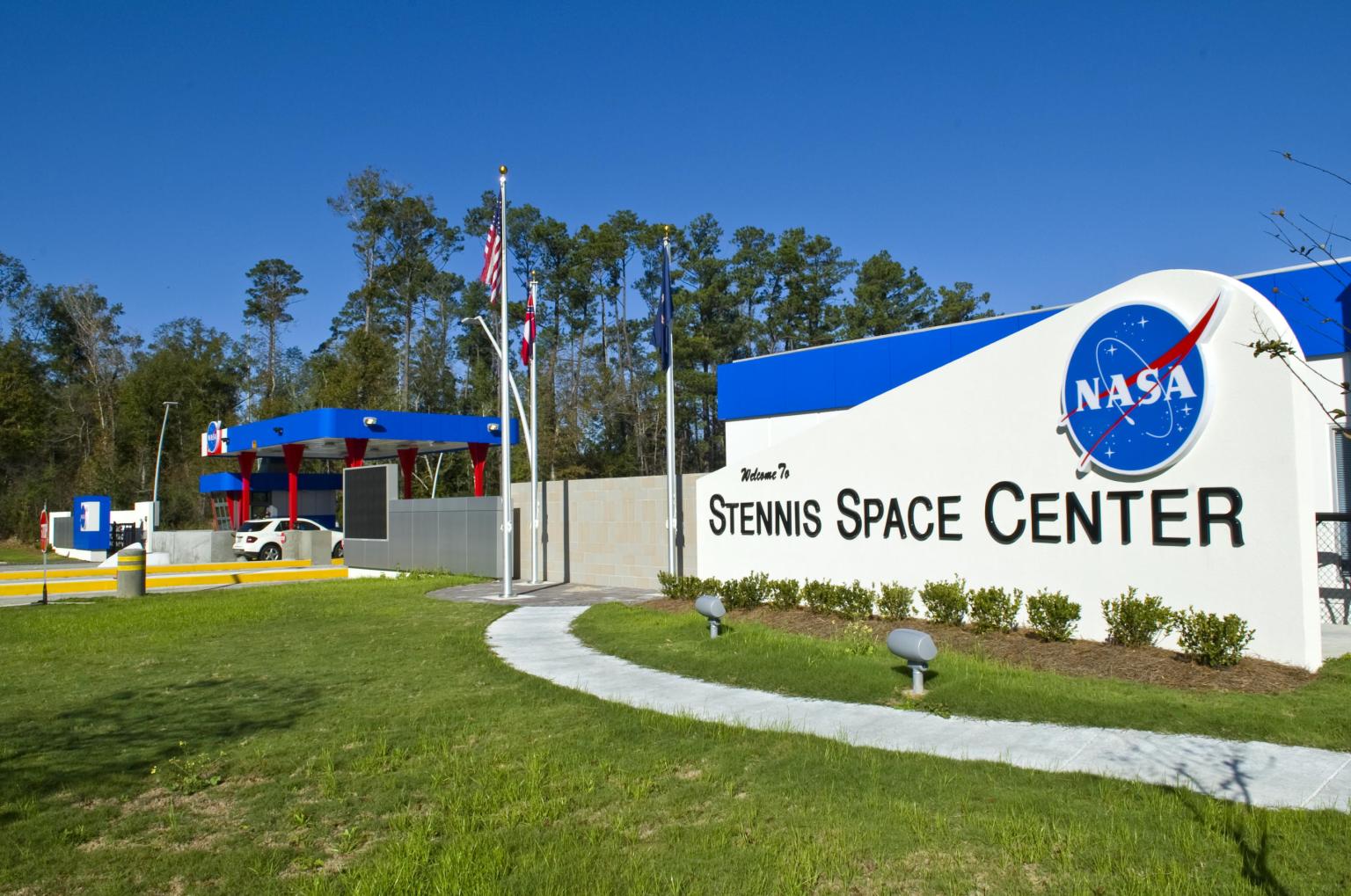
NASA’s Stennis Space Center began with a single mission – to test Apollo rocket stages to carry humans to the Moon. Moving forward, the site has a renewed vision – to evolve as a unique, multifaceted aerospace and technology hub.

It also has a clear blueprint for getting there.

The NASA Stennis Strategic Plan 2024-2028, available online at nasa-stennis-strategic-plan-2024-2028.pdf, outlines goals and objectives in five critical areas – propulsion, the federal city, autonomous systems, range operations, and workforce development. For the center, the overarching focus is to align itself with the NASA mission, adapt to the changing aerospace and technology landscape, and grow into the future.

“A famous quote I really like says, ‘The best way to predict the future is to create it,’” NASA Stennis Center Director Rick Gilbrech said. “We are committed to doing just that by embracing the possibilities and seizing the opportunities before us. We want to ensure the road to space, and innovation continues to go through Mississippi for the benefit of all.”

Much has changed in the aerospace and technology world since NASA and NASA Stennis were established more than 60 years ago. Thanks in large part to NASA’s involvement, commercial space has flourished and continues to grow. Technology moves at a breakneck speed.

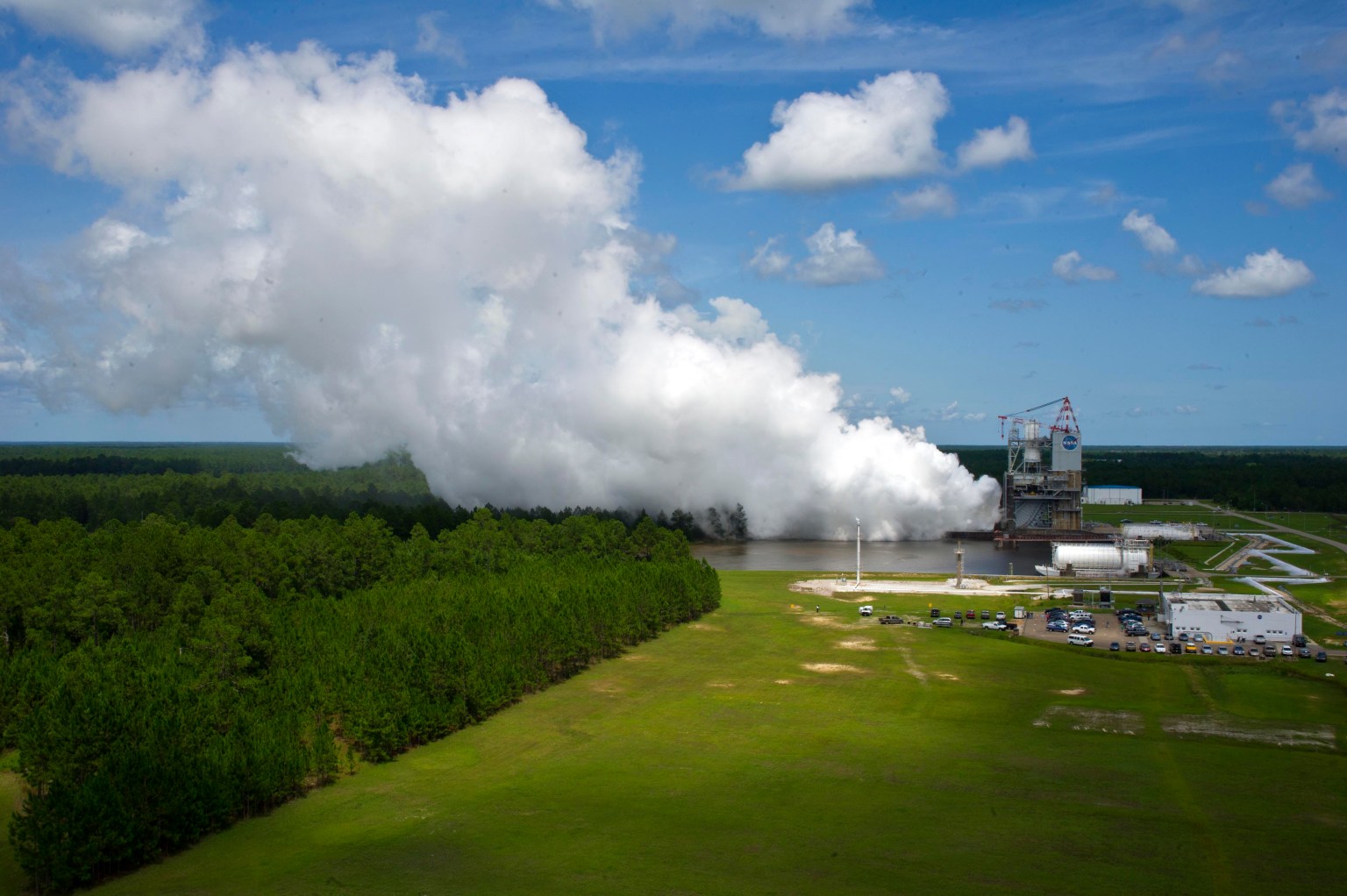
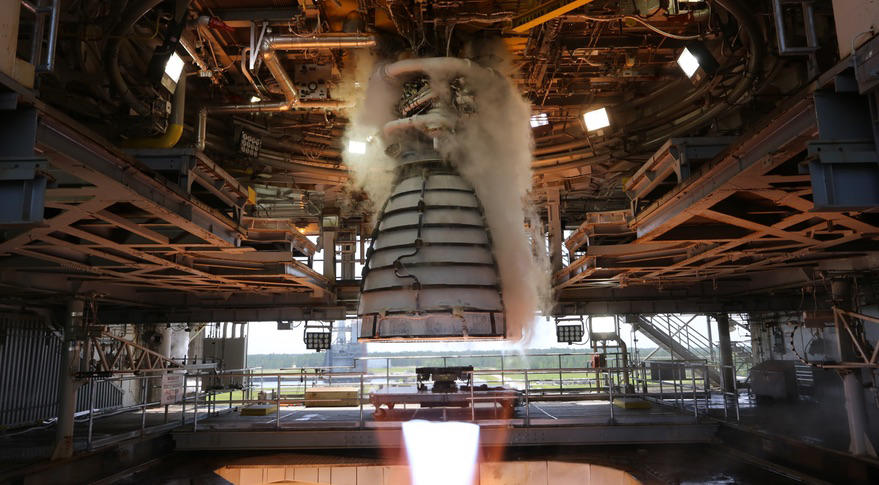
NASA Stennis has mirrored the nation’s space program, testing engines and propulsion systems for all three U.S. human space exploration eras – Apollo, space shuttle, and now, SLS (Space Launch System). Along the way, the site also grew into a federal city with about 40 resident companies, agencies, and entities on site. More recently, it emerged as a leader in working with commercial aerospace companies, both large and small.

It now seeks to take the next step by building on past success, using its skilled workforce and unique infrastructure and location to attract new tenants onsite, and expanding into such areas as autonomous systems and range operations.

“We have the chance to invent the future of NASA Stennis, and we have to be very strategic about it,” said Duane Armstrong, manager of the NASA Stennis Strategic Business Development Office. “The new plan is our guide to help make sure we are aligning ourselves with the NASA mission and the needs of our commercial partners.”

Key goals in the plan include: (1) transforming into a multi-user propulsion test enterprise; (2) growing as a sustainable and long-term federal city; (3) designing intelligent and autonomous aerospace systems and services; (4) utilizing its unique range location and infrastructure to support the testing and operation of uncrewed air, land, and marine systems; and (5) cultivating and optimizing the NASA Stennis workforce for the future.

“There is a lot of change likely in the years ahead, and we have to rethink our role and how we can continue to provide value,” Armstrong said. “This plan will serve as a framework to guide our actions and decisions.”

In six decades, NASA Stennis has grown into a powerful economic engine while also meeting challenges head-on and negotiating change. The challenge – and opportunity – now, Armstrong said, is to adapt to an evolving aerospace and technology landscape, connect people to purpose, and open a world of new possibilities.

C. Lacy Thompson
Stennis Space Center, Bay St. Louis, Mississippi
228-363-5499
calvin.l.thompson@nasa.gov

Powered by WPeMatico

Get The Details…
LaToya Dean

One Year of Spritacular Science!

One Year of Spritacular Science!

1 min read

One Year of Spritacular Science!

Have a camera? The Spritacular project needs your help capturing images of sprites and other Transient Luminous Events (TLEs) above thunderstorms.
Credit: Rachel Lense. Gigantic Jet Image Credit: Frankie Lucena

Sprites, those beguiling electrical flashes of light above thunderstorms, raise so many questions: Why do they take the shapes they do? What conditions in the upper atmosphere trigger them? How do sprites affect Earth’s global electric circuit, and what is their contribution to the energy in Earth’s upper atmosphere? On October 26, 2022, NASA’s Spritacular project began asking volunteers to help answer these questions. Happy Birthday, Spritacular!

“It has been an amazing journey,” said Dr. Burcu Kosar, space physicist at NASA’s Goddard Space Flight Center in Greenbelt, Maryland and Spritacular principal investigator.  “Our community is growing steadily. We have been so thankful for all the participation so far.”

The project has 308 volunteers that have contributed 189 observations from 13 different countries. The database analysis is underway, so stay tuned for some exciting research outcomes!

Have a camera? Join the chase of sprites from the ground, engage with our global community of observers, and contribute your observations for NASA Science!

NASA’s Citizen Science Program:
Learn about NASA citizen science projects

Share

Details

Last Updated
Nov 06, 2023

Powered by WPeMatico

Get The Details…

NASA Telescopes Discover Record-Breaking Black Hole

NASA Telescopes Discover Record-Breaking Black Hole

Astronomers have discovered the most distant black hole yet seen in X-rays, using NASA telescopes. The black hole is at an early stage of growth that had never been witnessed before, where its mass is similar to that of its host galaxy.

This result may explain how some of the first supermassive black holes in the universe formed.

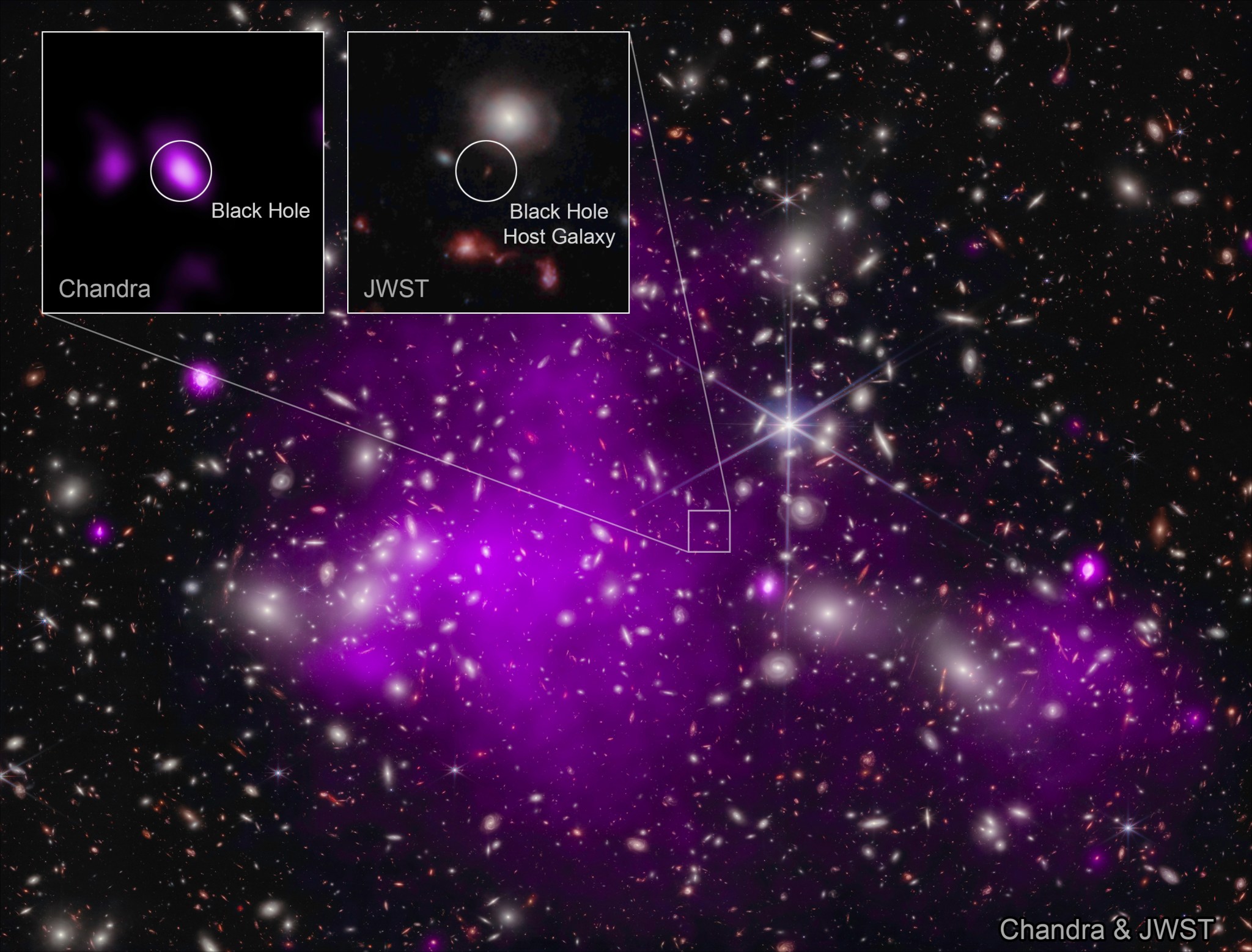
By combining data from NASA’s Chandra X-ray Observatory and NASA’s James Webb Space Telescope, a team of researchers was able to find the telltale signature of a growing black hole just 470 million years after the big bang.

Astronomers found the most distant black hole ever detected in X-rays (in a galaxy dubbed UHZ1) using the Chandra and Webb space telescopes. X-ray emission is a telltale signature of a growing supermassive black hole. This result may explain how some of the first supermassive black holes in the universe formed. This image shows the galaxy cluster Abell 2744 that UHZ1 is located behind, in X-rays from Chandra and infrared data from Webb, as well as close-ups of the black hole host galaxy UHZ1.
Astronomers found the most distant black hole ever detected in X-rays (in a galaxy dubbed UHZ1) using the Chandra and Webb space telescopes. X-ray emission is a telltale signature of a growing supermassive black hole. This result may explain how some of the first supermassive black holes in the universe formed. These images show the galaxy cluster Abell 2744 that UHZ1 is located behind, in X-rays from Chandra and infrared data from Webb, as well as close-ups of the black hole host galaxy UHZ1.
X-ray: NASA/CXC/SAO/Ákos Bogdán; Infrared: NASA/ESA/CSA/STScI; Image Processing: NASA/CXC/SAO/L. Frattare & K. Arcand

See full image

“We needed Webb to find this remarkably distant galaxy and Chandra to find its supermassive black hole,” said Akos Bogdan of the Center for Astrophysics | Harvard & Smithsonian (CfA) who leads a new paper in the journal Nature Astronomy describing these results. “We also took advantage of a cosmic magnifying glass that boosted the amount of light we detected.” This magnifying effect is known as gravitational lensing.

Bogdan and his team found the black hole in a galaxy named UHZ1 in the direction of the galaxy cluster Abell 2744, located 3.5 billion light-years from Earth. Webb data, however, has revealed the galaxy is much more distant than the cluster, at 13.2 billion light-years from Earth, when the universe was only 3% of its current age.

Then over two weeks of observations with Chandra showed the presence of intense, superheated, X-ray emitting gas in this galaxy – a trademark for a growing supermassive black hole. The light from the galaxy and the X-rays from gas around its supermassive black hole are magnified by about a factor of four by intervening matter in Abell 2744 (due to gravitational lensing), enhancing the infrared signal detected by Webb and allowing Chandra to detect the faint X-ray source.

This discovery is important for understanding how some supermassive black holes can reach colossal masses soon after the big bang. Do they form directly from the collapse of massive clouds of gas, creating black holes weighing between about 10,000 and 100,000 Suns? Or do they come from explosions of the first stars that create black holes weighing only between about 10 and 100 Suns?

“There are physical limits on how quickly black holes can grow once they’ve formed, but ones that are born more massive have a head start. It’s like planting a sapling, which takes less time to grow into a full-size tree than if you started with only a seed”, said Andy Goulding of Princeton University. Goulding is a co-author of the Nature Astronomy paper and lead author of a new paper in The Astrophysical Journal Letters that reports the galaxy’s distance and mass using a spectrum from Webb.

Bogdan’s team has found strong evidence that the newly discovered black hole was born massive. Its mass is estimated to fall between 10 and 100 million Suns, based on the brightness and energy of the X-rays. This mass range is similar to that of all the stars in the galaxy where it lives, which is in stark contrast to black holes in the centers of galaxies in the nearby universe that usually contain only about a tenth of a percent of the mass of their host galaxy’s stars.

The large mass of the black hole at a young age, plus the amount of X-rays it produces and the brightness of the galaxy detected by Webb, all agree with theoretical predictions in 2017 by co-author Priyamvada Natarajan of Yale University for an “Outsize Black Hole” that directly formed from the collapse of a huge cloud of gas.

“We think that this is the first detection of an ‘Outsize Black Hole’ and the best evidence yet obtained that some black holes form from massive clouds of gas,” said Natarajan. “For the first time we are seeing a brief stage where a supermassive black hole weighs about as much as the stars in its galaxy, before it falls behind.”

The researchers plan to use this and other results pouring in from Webb and those combining data from other telescopes to fill out a larger picture of the early universe.

NASA’s Hubble Space Telescope previously showed that light from distant galaxies is highly magnified by matter in the intervening galaxy cluster, providing part of the motivation for the Webb and Chandra observations described here.

The paper describing the results by Bogdan’s team appears in Nature Astronomy, and a preprint is available online.

The Webb data used in both papers is part of a survey called the Ultradeep Nirspec and nirCam ObserVations before the Epoch of Reionization (UNCOVER). The paper led by UNCOVER team member Andy Goulding appears in the Astrophysical Journal Letters. The co-authors include other UNCOVER team members, plus Bogdan and Natarajan. A detailed interpretation paper that compares observed properties of UHZ1 with theoretical models for Outsize Black Hole Galaxies is forthcoming.

NASA’s Marshall Space Flight Center manages the Chandra program. The Smithsonian Astrophysical Observatory’s Chandra X-ray Center controls science operations from Cambridge, Massachusetts, and flight operations from Burlington, Massachusetts.

The James Webb Space Telescope is the world’s premier space science observatory. Webb is solving mysteries in our solar system, looking beyond to distant worlds around other stars, and probing the mysterious structures and origins of our universe and our place in it. Webb is an international program led by NASA with its partners, ESA (European Space Agency) and the Canadian Space Agency.

Read more from NASA’s Chandra X-ray Observatory.

For more Chandra images, multimedia and related materials, visit:

https://www.nasa.gov/mission/chandra-x-ray-observatory/

Megan Watzke
Chandra X-ray Center
Cambridge, Mass.
617-496-7998

Jonathan Deal
Marshall Space Flight Center
Huntsville, Ala.
256-544-0034

Powered by WPeMatico

Get The Details…
Lee Mohon

65 Years Ago: NASA Formally Establishes The Space Task Group

65 Years Ago: NASA Formally Establishes The Space Task Group

On Oct. 1, 1958, NASA, the newly established agency to lead America’s civilian space program, officially began operations, with T. Keith Glennan and Hugh L. Dryden as administrator and deputy administrator, respectively. One of the new agency’s top priorities involved the development of a spacecraft capable of sending a human into space and returning him safely to Earth. On Oct. 7, Glennan approved the project, and the next day informally established the Space Task Group (STG) to implement it. On Nov. 5, the STG formally came into existence, with Robert R. Gilruth named as project manager and Charles J. Donlan as his assistant. In January 1959, the STG selected a contractor to build the spacecraft for Project Mercury and in April chose the seven astronauts to fly it in space.
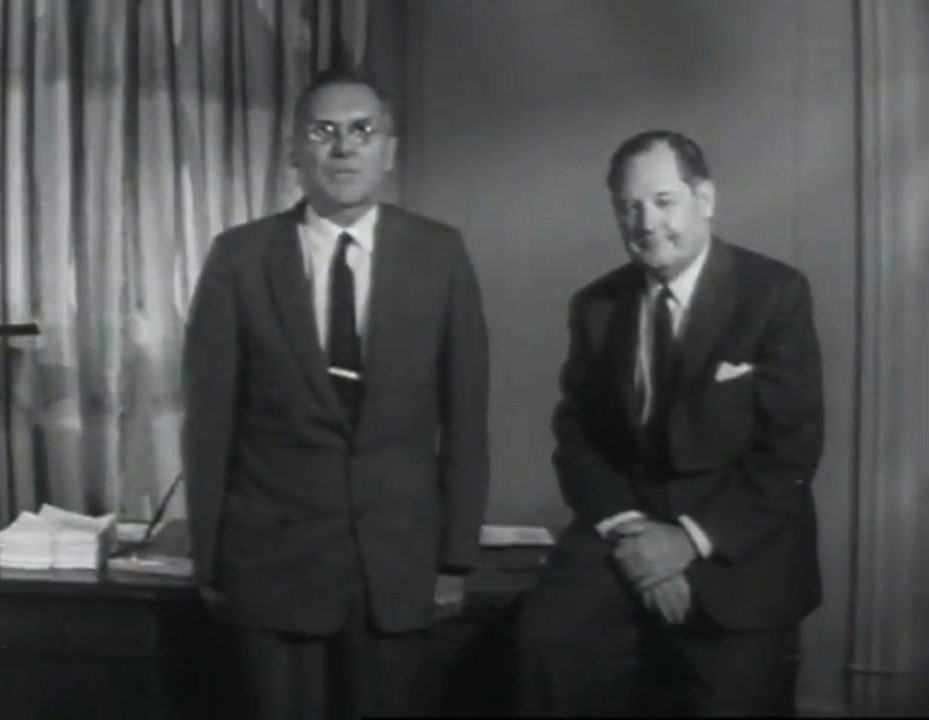
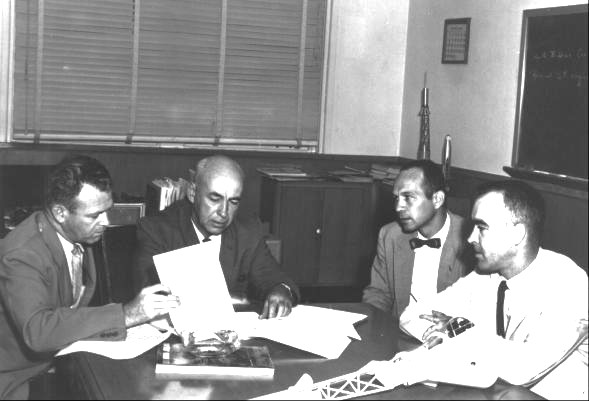
NASA Deputy Administrator Hugh L. Dryden, left, and NASA Administrator T. Keith Glennan address the employees of the newly established NASA Space Task Group leaders Charles J. Donlan, left, Robert R. Gilruth, Maxime “Max” A. Faget, and Robert O. Piland at NASA’s Langley Research Center in Hampton, Virginia
Left: NASA Deputy Administrator Hugh L. Dryden, left, and NASA Administrator T. Keith Glennan address the employees of the newly established NASA. Right: Space Task Group leaders Charles J. Donlan, left, Robert R. Gilruth, Maxime “Max” A. Faget, and Robert O. Piland at NASA’s Langley Research Center in Hampton, Virginia.

Glennan established the STG at the newly renamed Langley Research Center in Hampton, Virginia. Thirty-five Langley employees plus 10 more detailed from the Lewis Research Center in Cleveland, Ohio, formed the initial core of the STG. In early 1959, 25 engineers from AVRO Canada added their talents to the core team, with more following later. Since 1952, when the Langley Aeronautical Laboratory formed a part of the National Advisory Committee for Aeronautics, NASA’s predecessor agency, engineers there including Gilruth and Donlan had studied the problems associated with putting humans in space. An engineer named Maxime “Max” A. Faget, who in the STG led the Flight Systems Division, had determined that a cone-shaped object with a blunt end to act as a heat shield during reentry into Earth’s atmosphere would make the optimal spacecraft for humanity’s first foray into space. When presented to Glennan on Oct. 7, 1958, he approved the project by saying, “Let’s get on with it.”
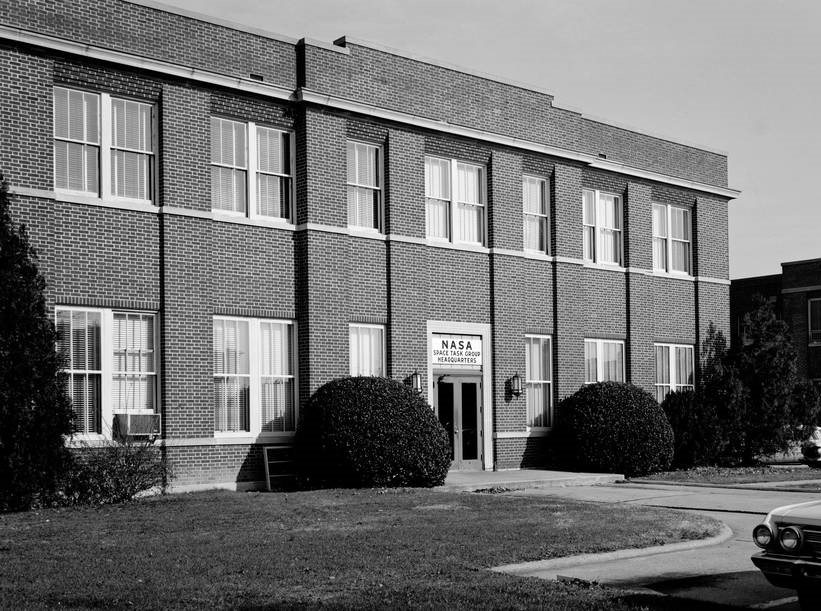
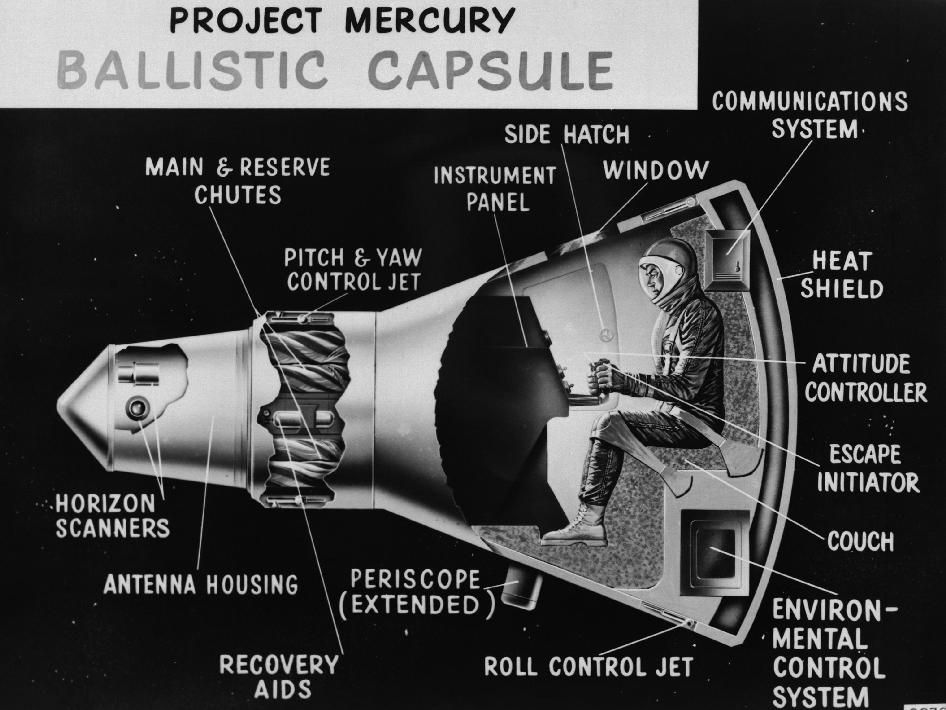
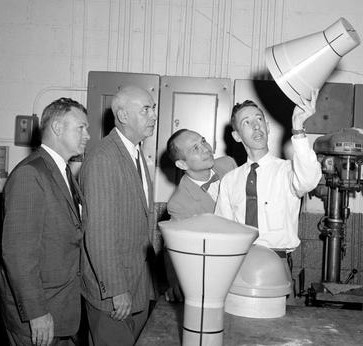
The headquarters building for the Space Task Group (STG) at NASA’s Langley Research Center in Hampton, Virginia An early cutaway representation of the Mercury capsule A technician, right, demonstrates a model of a Mercury spacecraft to STG leaders Charles J. Donlan, left, Robert R. Gilruth, and Maxime “Max” A. Faget
Left: The headquarters building for the Space Task Group (STG) at NASA’s Langley Research Center in Hampton, Virginia. Middle: An early cutaway representation of the Mercury capsule. Right: A technician, right, demonstrates a model of a Mercury spacecraft to STG leaders Charles J. Donlan, left, Robert R. Gilruth, and Maxime “Max” A. Faget.

The advance work allowed STG engineers to quickly draft specifications for the crewed capsule. The STG presented the project to representatives of 40 companies on Nov. 7, and 10 days later mailed detailed specifications to 20 firms that had expressed an interest in submitting a proposal. On Nov. 26, NASA formally designated the project as Project Mercury. Eleven companies submitted proposals by the Dec. 11 deadline, and STG engineers began reviewing them the next day. On Jan. 9, 1959, NASA selected the McDonnell Aircraft Corporation of St. Louis as the prime contractor to develop and build the Mercury spacecraft. McDonnell delivered the first three capsules within 12 months. Plans for the program envisioned suborbital and orbital missions, in both cases beginning with uncrewed test flights, followed by flights with primates, leading eventually to astronaut missions. Suborbital flights would utilize the Redstone missile with orbital flights using the larger Atlas rocket. On Dec. 8, 1958, NASA ordered nine Atlas missiles from the U.S. Air Force.
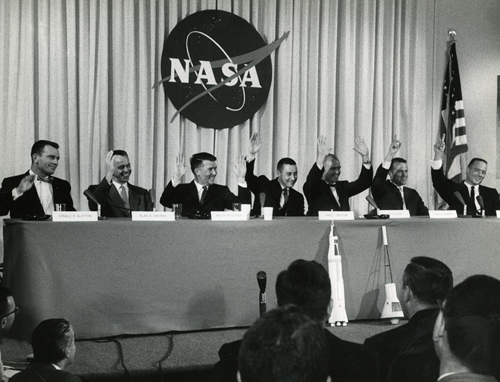
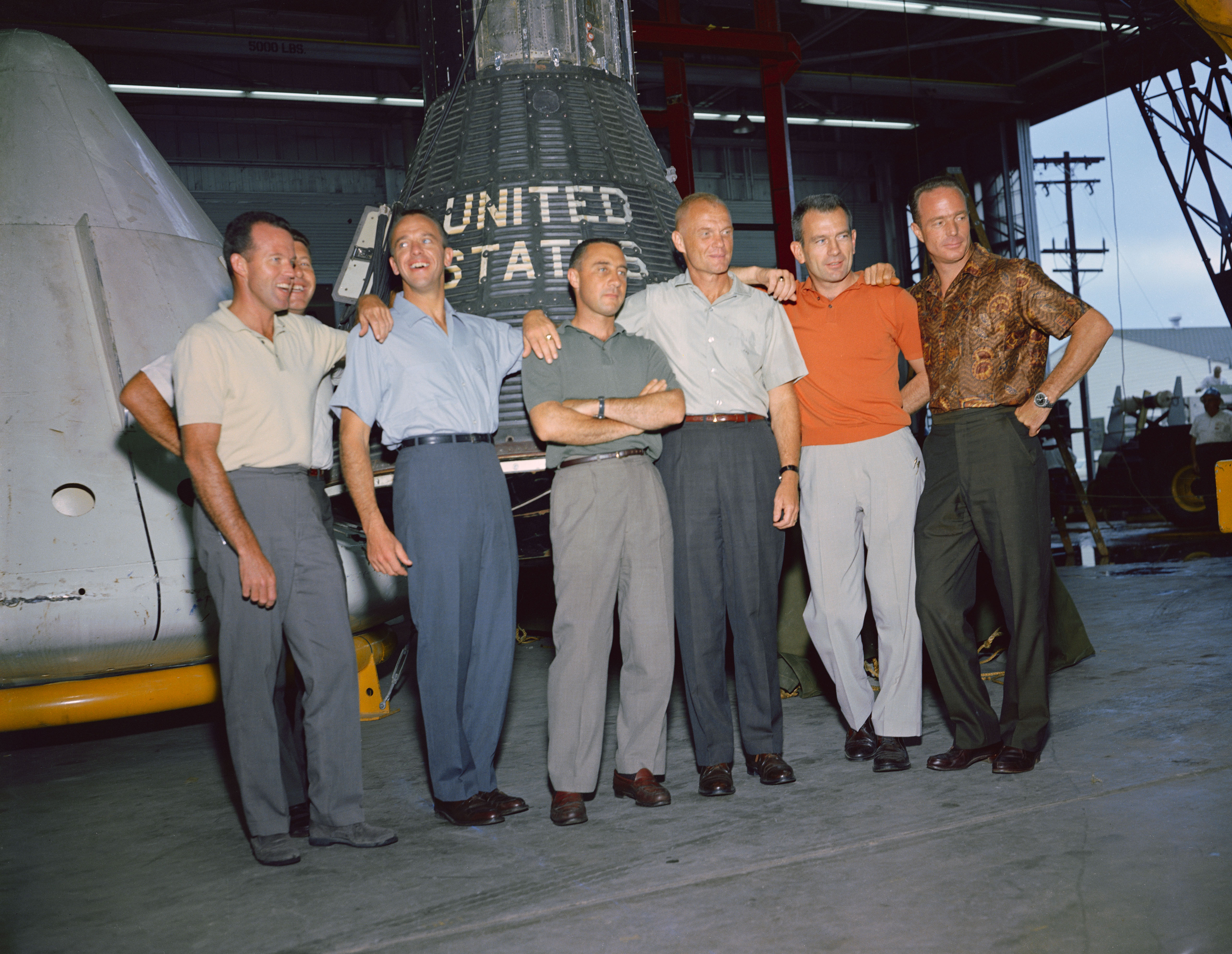
Image of The Mercury 7 astronauts Donald K. Slayton, left, Alan B. Shepard, Walter M. Schirra, Virgil I. “Gus” Grissom, John H. Glenn, L. Gordon Cooper, and M. Scott Carpenter during their introductory press conference Image of The Mercury 7 astronauts in a more relaxed setting in front of a Mercury capsule at Ellington Air Force Base facilities leased by the Manned Spacecraft Center, now NASA’s Johnson Space Center in Houston
Left: The Mercury 7 astronauts Donald K. Slayton, left, Alan B. Shepard, Walter M. Schirra, Virgil I. “Gus” Grissom, John H. Glenn, L. Gordon Cooper, and M. Scott Carpenter during their introductory press conference. Right: The Mercury 7 astronauts in a more relaxed setting in front of a Mercury capsule at Ellington Air Force Base facilities leased by the Manned Spacecraft Center, now NASA’s Johnson Space Center in Houston.

In addition to building the spacecraft, the STG focused its attention on selecting the pilots to fly it. President Dwight D. Eisenhower decided that military test pilots would make the most suitable astronauts. On Jan. 5, 1959, NASA established the qualifications for the astronauts: less than 40 years of age; less than 5 feet 11 inches tall; excellent physical condition; bachelor’s degree or equivalent; graduate of test pilot school; and 1,500 hours of jet flight time. A screening in late January of the files of 508 graduates of the Navy and Air Force test pilot schools who met the basic age and flying requirements resulted in 110 qualified candidates. The selection committee ranked these candidates and divided them into three groups of about 35 each. The first two groups, comprising 69 candidates, received classified briefings at the Pentagon about the Mercury spacecraft and their potential participation. From this group, 53 volunteered for further evaluation and NASA decided not to call in the third group of candidates. Following an initial medical screening, 32 from this group advanced to undergo thorough medical evaluations at the Lovelace Foundation for Medical Education and Research, commonly known as the Lovelace Clinic, in Albuquerque, New Mexico. Beginning on Feb. 7, the candidates in six groups of five or six spent one week at Lovelace undergoing comprehensive medical examinations. From there, 31 of the 32 (one candidate failed a blood test at Lovelace) advanced to the Aero Medical Laboratory at Wright-Patterson Air Force Base in Dayton, Ohio, where weeklong testing of the six groups took place between Feb. 15 and March 28. Rather than simply examining them physically, testing at AML consisted of stressing the candidates in centrifuges, altitude chambers, and other devices to gauge their reactions. The selection committee met at Langley in late March and based on all the available data selected seven candidates for Project Mercury. The 24 unsuccessful candidates were notified by telephone on April 1 with a follow up letter from Donlan on April 3, also advising them to apply for any possible future astronaut selections. The seven selected as Mercury astronauts received telephone calls from Donlan on April 2. On April 9, NASA Administrator Glennan introduced them to the public during a press conference at the Dolley Madison House, NASA’s headquarters in Washington, D.C. They reported for work at Langley on April 27.
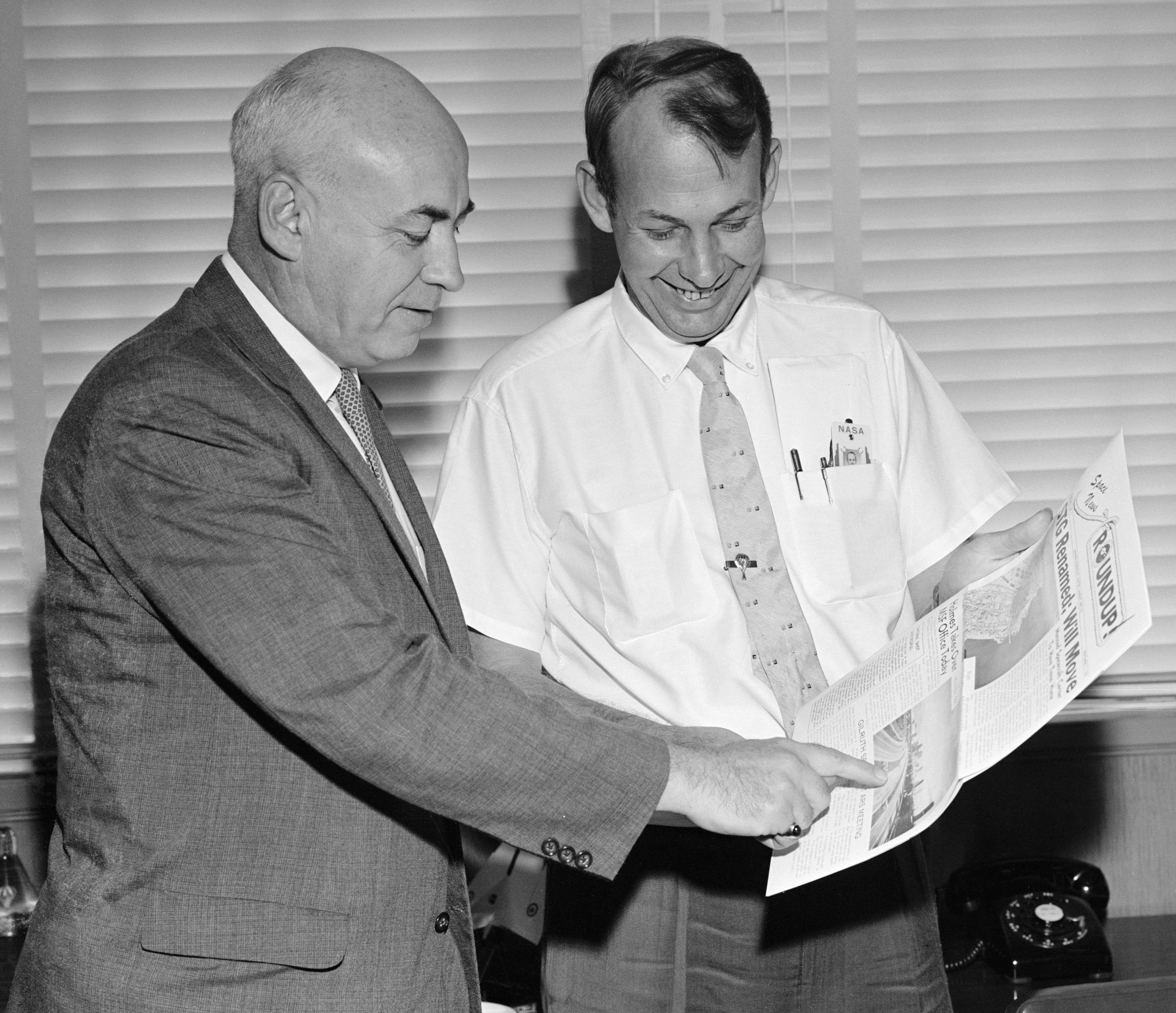
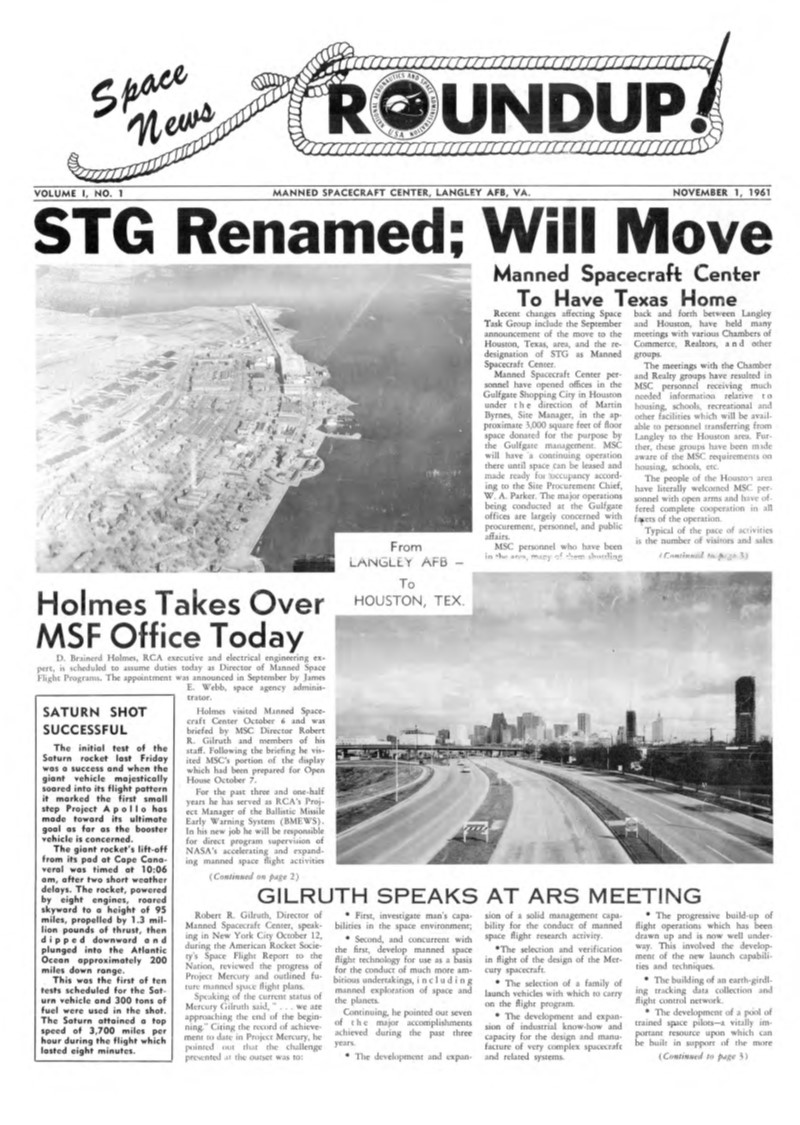
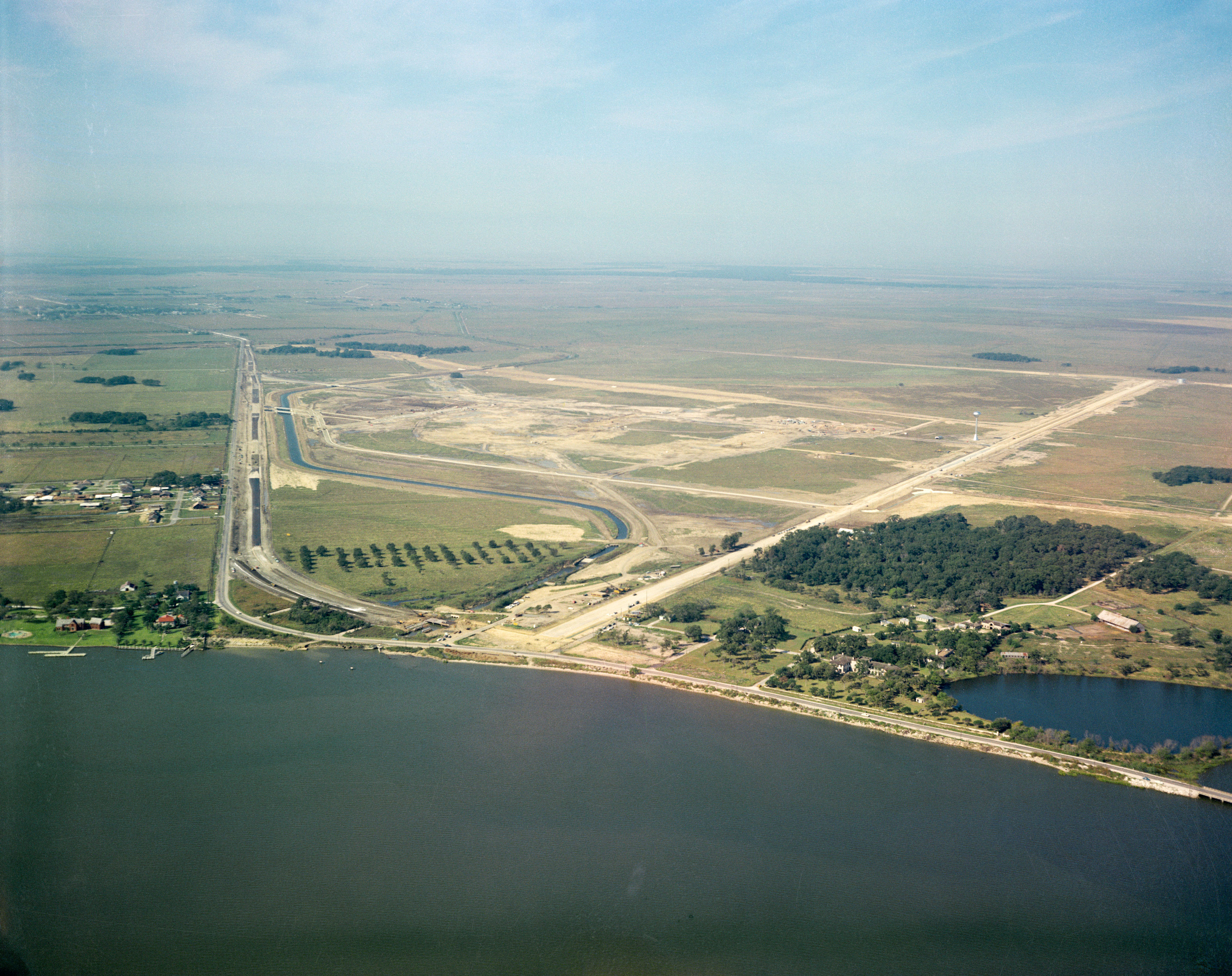
Space Task Group (STG) Director Robert R. Gilruth, left, and his special assistant Paul E. Purser hold the Nov. 1, 1961, edition of the Space News Roundup employee newsletter announcing the move of the STG to Houston and its renaming as the Manned Spacecraft Center (MSC), now NASA’s Johnson Space Center Image of The initial edition dated Nov. 1, 1961, of the Space News Roundup Image of The location of the MSC showing initial site preparation in 1962
Left: Space Task Group (STG) Director Robert R. Gilruth, left, and his special assistant Paul E. Purser hold the Nov. 1, 1961, edition of the Space News Roundup employee newsletter announcing the move of the STG to Houston and its renaming as the Manned Spacecraft Center (MSC), now NASA’s Johnson Space Center. Middle: The initial edition dated Nov. 1, 1961, of the Space News Roundup. Right: The location of the MSC showing initial site preparation in 1962.

For the next two years, the STG busied itself with putting the first American in space as part of Project Mercury. Among other ground-breaking activities, this included overseeing the building of the Mercury spacecraft, training the astronauts, putting the necessary infrastructure in place such as Mercury Mission Control Center at Cape Canaveral, Florida, and a worldwide tracking network, acquiring Redstone and Atlas rockets from the U.S. Air Force, and working with the U.S. Navy to arrange for recovery of the astronauts after splashdown. The efforts paid off and on May 5, 1961, Alan B. Shepard became the first American in space during his 15-minute suborbital Mercury-Redstone 3 mission. Twenty days later, in an address to a Joint Session of Congress, President John F. Kennedy committed the nation to land a man on the Moon and return him safely to Earth before the end of the decade. The work to achieve this new challenge compelled the STG to seek larger facilities. Talk of a dedicated field center to manage human spaceflight begun in early 1961 intensified, with a site selection team established in August 1961. On Sept. 19, NASA Administrator James E. Webb announced the selection of a site 25 miles southeast of Houston on Clear Lake to build the Manned Spacecraft Center (MSC), now NASA’s Johnson Space Center, and named Gilruth as the center’s director. Although the STG ceased to exist in name, the work on Project Mercury continued at Langley, while advanced work on the Gemini and Apollo programs transitioned to the MSC’s temporary facilities in Houston as construction began on the new center on Clear Lake in April 1962. Although some STG personnel elected to remain in Virginia, 751 made the move to Houston, a workforce soon expanded by 689 new hires.

Powered by WPeMatico

Get The Details…
Kelli Mars

23-07: Best Practices for Fabrication of Microelectronic Devices

23-07: Best Practices for Fabrication of Microelectronic Devices

The NESC has released a technical bulletin for the Avionics community.

Material degradation during the fabrication of microelectronic devices has plagued the space industry for many years owing to the layering of many dissimilar metals to create these devices. Often, commonly used materials and systems are overlooked as potential sources of material degradation. This technical bulletin highlights extensive research to isolate probable causes of this degradation.

Download the full technical bulletin here.

For more information, contact Donald S. Parker, donald.s.parker@nasa.gov

Powered by WPeMatico

Get The Details…
Meagan Chappell