Atención, oyentes de pódcasts: La NASA ya está disponible en Spotify

Atención, oyentes de pódcasts: La NASA ya está disponible en Spotify

Desde entrevistas con astronautas e ingenieros hasta historias que te transportan a través de la galaxia, los podcasts de la NASA te permiten experimentar la emoción de la exploración espacial sin tener que salir de la Tierra.
NASA

Read this release in English here.

La NASA publicó este martes su colección de pódcasts originales en Spotify, brindando a más gente acceso a conversaciones en profundidad e historias, así como contenidos en español, mientras la agencia trabaja para explorar lo desconocido en el aire y el espacio.

Los pódcasts de la agencia están ahora disponibles sin publicidad y sin coste alguno para los 574 millones de usuarios de Spotify.

“Contar la historia de los objetivos y misiones de la NASA inspira al mundo a soñar a lo grande y alcanzar las estrellas, especialmente a los miembros de la Generación Artemis. Estamos encantados de ampliar nuestro alcance mediante la presencia de pódcasts de la NASA en Spotify por primera vez”, dijo Marc Etkind, administrador asociado de la Oficina de Comunicaciones de la sede de la agencia en Washington.

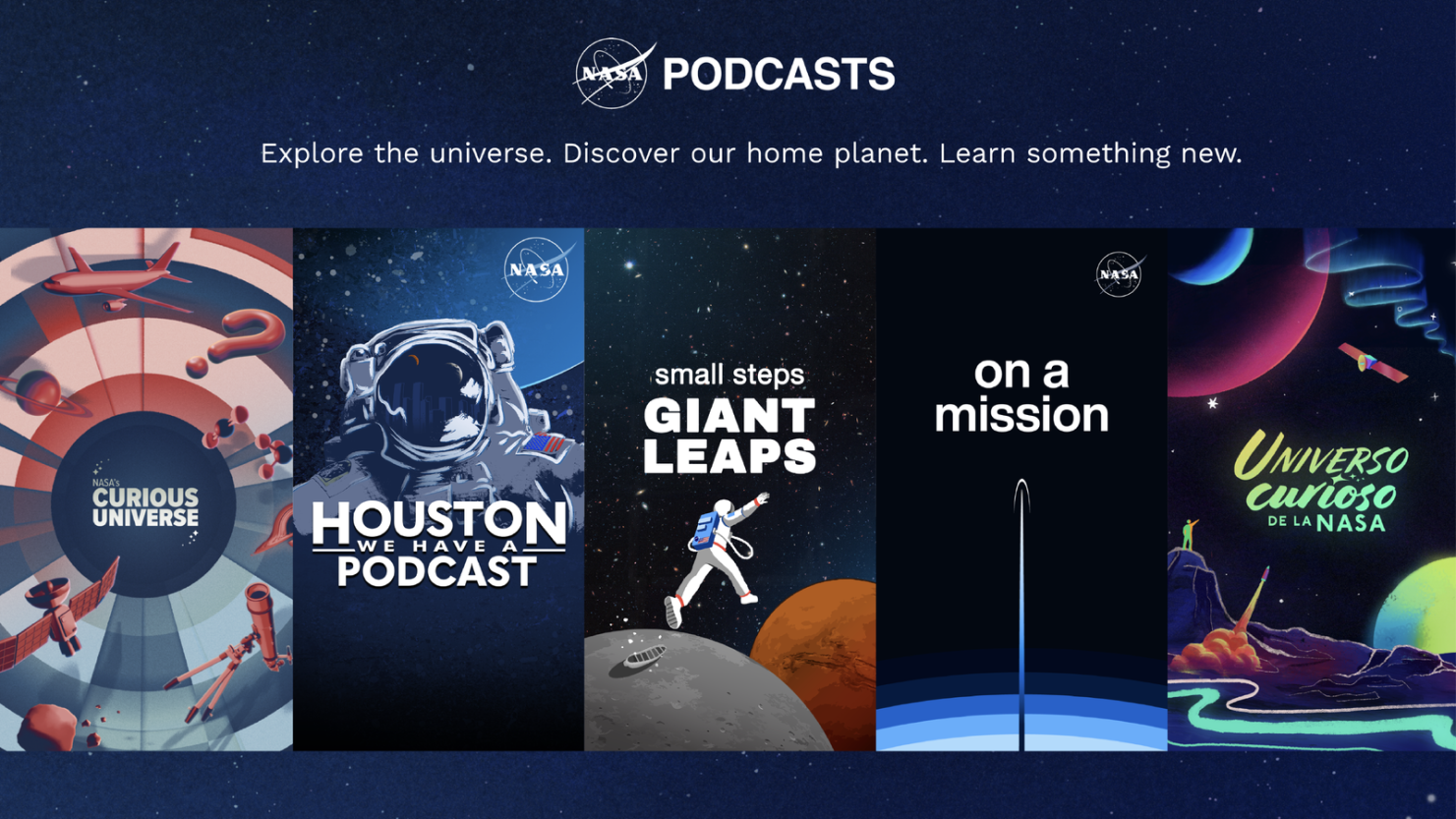
La NASA ahora ofrece cinco pódcasts en Spotify, incluyendo:

  • Universo curioso de la NASA, el primer podcast en español de la agencia:
    • Bienvenidos a Universo curioso de la NASA, en donde te invitamos a explorar el cosmos en tu idioma. En este pódcast, ¡la NASA es tu guía turística a las estrellas!
  • NASA’s Curious Universe (en inglés):
    • Nuestro universo es un lugar salvaje y maravilloso. Únete a los astronautas, científicos e ingenieros de la NASA en una nueva aventura en cada episodio. ¡Todo lo que necesitas es tu curiosidad! Exploradores novatos del espacio son bienvenidos.
  • Houston We Have a Podcast (en inglés):
    • Desde la órbita terrestre hasta la Luna y Marte, explora cada semana el mundo de los vuelos espaciales tripulados con la NASA en el pódcast oficial del Centro Espacial Johnson de Houston.
  • On a Mission (en inglés):
    • Un viaje a las estrellas no empieza en la plataforma de lanzamiento. Descubre nuevos mundos a través de historias épicas contadas por científicos en misiones al espacio exterior.
  • Small Steps Giant Leaps (en inglés):
    • El personal técnico de la NASA puso botas en la Luna, huellas de neumáticos en Marte y la primera nave espacial reutilizable en órbita alrededor de la Tierra. Descubre lo que está por venir mientras construyen misiones que redefinen el futuro con asombrosos descubrimientos y notables innovaciones.

En los próximos meses, la NASA tiene previsto incluir más productos de audio en Spotify, como sonificaciones que transforman datos en sonido y grabaciones de nuestro sistema solar y más allá.

“Mediante nuestros pódcasts, compartimos la ciencia e historias espaciales de una manera que solo la NASA puede hacer, aprovechando el acceso único que tiene la agencia a entrevistas con expertos, lugares dinámicos y descubrimientos alucinantes”, dijo Katie Konans, líder del programa de audio del contrato SESDA de ADNET Systems con la NASA. “Estamos encantados de llevar la programación de la NASA a Spotify, y estamos deseando conectar con más oyentes que sienten curiosidad por el universo que les rodea”.

Además de en Spotify, los usuarios pueden encontrar pódcasts de la NASA en Apple Podcasts, Google Podcasts y Soundcloud.

Desde entrevistas de larga duración con astronautas e ingenieros de la NASA hasta historias que llevan al público de viaje por la galaxia, la oferta de audio de la NASA permite experimentar la emoción de la exploración espacial sin tener que salir de la Tierra.

Descubre todos los pódcasts de la NASA en:

https://www.nasa.gov/podcasts/

-fin-

Abbey Donaldson / María José Viñas
Sede, Washington
202-358-1600 / 240-458-0248
abbey.a.donaldson@nasa.gov  / maria-jose.vinasgarcia@nasa.gov

Katie Konans
Centro de Vuelo Espacial Goddard, Greenbelt, Md.
katie.konans@nasa.gov

Share

Details

Last Updated

Nov 14, 2023

Powered by WPeMatico

Get The Details…
Abbey A. Donaldson

NASA Wallops to Support Sounding Rocket Launches

NASA Wallops to Support Sounding Rocket Launches

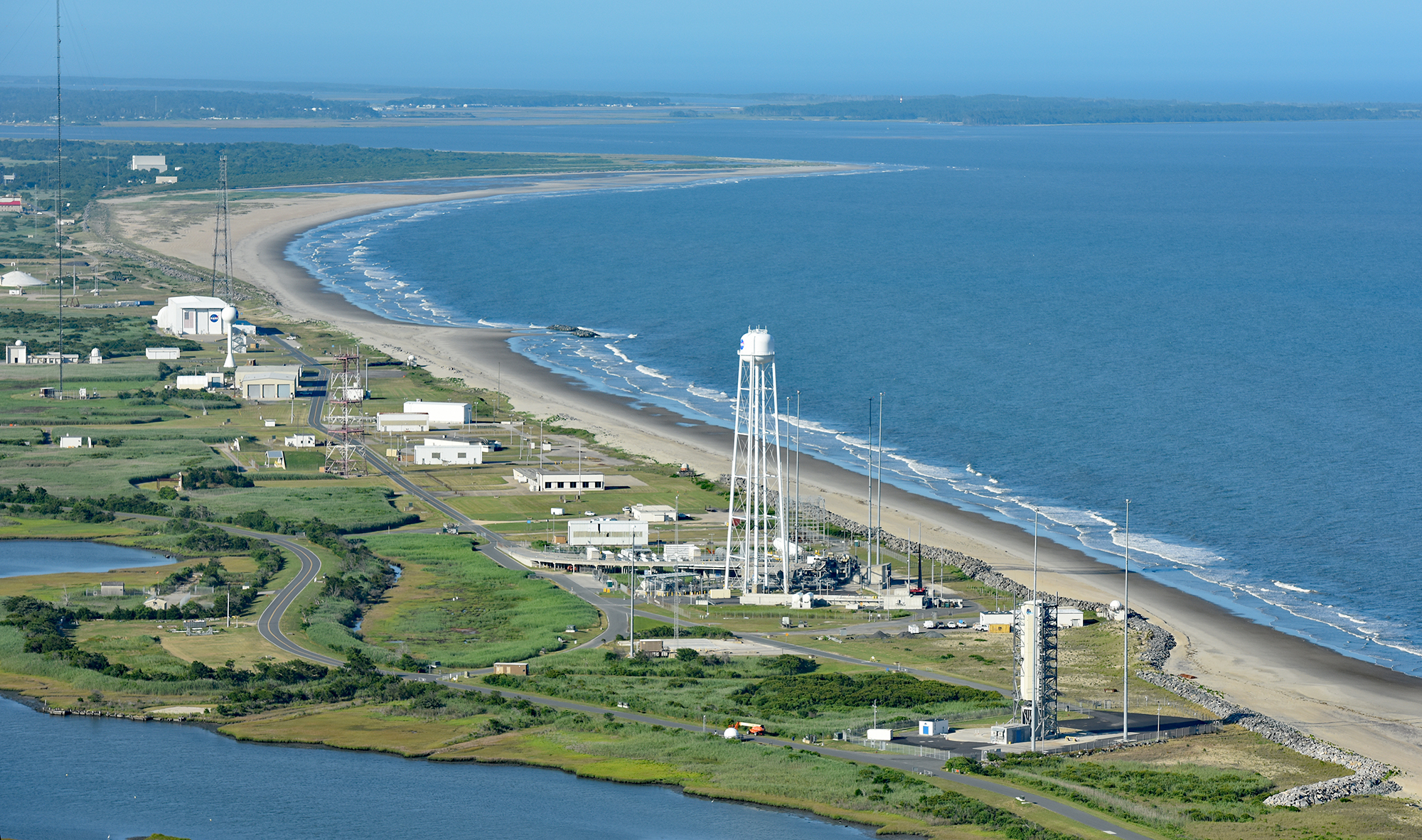
Aerial view of the coastal launch range of Wallops Flight Facility, showing a blue Atlantic Ocean on the right; white buildings along a tan coastline back up to a green, marshy landscape
This June 2021 aerial photograph shows the coastal launch range at NASA’s Wallops Flight Facility on Virginia’s Eastern Shore. The Atlantic Ocean is at the right side of this image, and nearby Chincoteague and Assateague islands are at upper left and right, respectively. A subset of NASA’s Goddard Space Flight Center, Wallops is the agency’s only owned-and-operated launch range. Shore replenishment and elevated infrastructure at the range are incorporated into Goddard’s recently approved master plan.
courtesy Patrick J. Hendrickson; used with permission

Two sounding rockets are scheduled to launch for the Department of Defense from NASA’s launch range at Wallops Flight Facility in Virginia. The launch window is Nov. 15-17, 2023. No launch times will be provided.

No real-time launch status updates will be available. The launches will not be livestreamed.

The rocket launches are expected to be visible from the Chesapeake Bay region.

Share

Details

Last Updated

Nov 13, 2023

Editor

Amy L. Barra

Contact

Amy L. Barra
amy.l.barra@nasa.gov

Location

Wallops Flight Facility

Powered by WPeMatico

Get The Details…
Amy Barra

Rocket Exhaust on the Moon: NASA Supercomputers Reveal Surface Effects

Rocket Exhaust on the Moon: NASA Supercomputers Reveal Surface Effects

4 min read

Rocket Exhaust on the Moon: NASA Supercomputers Reveal Surface Effects


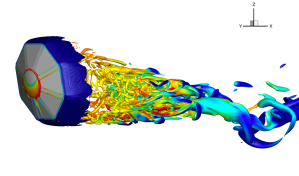
Researchers at NASA’s Marshall Space Flight Center in Huntsville, Alabama produced a simulation of the Apollo 12 lander engine plumes interacting with the lunar surface. This animation depicts the last half-minute of descent before engine cut-off, showing the predicted forces exerted by plumes on a flat computational surface. Known as shear stress, this is the amount of lateral, or sideways, force applied over a set area, and it is the leading cause of erosion as fluids flow across a surface. Here, the fluctuating radial patterns show the intensity of predicted shear stress. Lower shear stress is dark purple, and higher shear stress is yellow.
Credits: Patrick Moran, NASA Ames Research Center/Andrew Weaver, NASA Marshall Space Flight Center

Through Artemis, NASA plans to explore more of the Moon than ever before with human and robotic missions on the lunar surface. Because future landers will be larger and equipped with more powerful engines than the Apollo landers, mission risks associated with their operation during landing and liftoff is significantly greater. With the agency’s goal to establish a sustained human presence on the Moon, mission planners must understand how future landers interact with the lunar surface as they touch down in unexplored moonscapes.

Landing on the Moon is tricky. When missions fly crew and payloads to the lunar surface, spacecraft control their descent by firing rocket engines to counteract the Moon’s gravitational pull. This happens in an extreme environment that’s hard to replicate and test on Earth, namely, a combination of low gravity, no atmosphere, and the unique properties of lunar regolith – the layer of fine, loose dust and rock on the Moon’s surface.

Each time a spacecraft lands or lifts off, its engines blast supersonic plumes of hot gas toward the surface and the intense forces kick up dust and eject rocks or other debris at high speeds. This can cause hazards like visual obstructions and dust clouds that can interfere with navigation and science instrumentation ­or cause damage to the lander and other nearby hardware and structures. Additionally, the plumes can erode the surface under the lander. Although craters were not formed for Apollo-scale landers, it is unknown how much the larger landers being planned for upcoming Artemis missions will erode the surface and whether they will rapidly cause cratering in the landing zone, posing a risk to the lander’s stability and astronauts aboard. 

To improve its understanding of plume-surface interactions (PSI), researchers at NASA’s Marshall Space Flight Center in Huntsville, Alabama, have developed new software tools to predict PSI environments for NASA projects and missions, including the Human Landing System, Commercial Lunar Payload Services initiative, and future Mars landers. These tools are already being used to predict cratering and visual obscuration on upcoming lunar missions and are helping NASA minimize risks to spacecraft and crew during future landed missions.

The team at NASA Marshall recently produced a simulation of the Apollo 12 lander engine plumes interacting with the surface and the predicted erosion that closely matched what happened during landing. This animation depicts the last half-minute of descent before engine cut-off, showing the predicted forces exerted by plumes on a flat computational surface. Known as shear stress, this is the amount of lateral, or sideways, force applied over a set area, and it is the leading cause of erosion as fluids flow across a surface. Here, the fluctuating radial patterns show the intensity of predicted shear stress. Lower shear stress is dark purple, and higher shear stress is yellow. 

These simulations were run on the Pleaides supercomputer at the NASA Advanced Supercomputing facility at NASA’s Ames Research Center in California’s Silicon Valley over several weeks of runtime, generating terabytes of data. 

NASA is showcasing 42 of the agency’s computational achievements at SC23, the international supercomputing conference, Nov. 12-17, 2023, in Denver, Colorado. For more technical information, visit: ​

https://www.nas.nasa.gov/sc23.

Used for this research, the framework for the Descent Interpolated Gas Granular Erosion Model (DIGGEM) was funded through NASA’s Small Business Innovation Research program within NASA’s Space Technology Mission Directorate (STMD) in Washington, and by the Stereo Cameras for Lunar Plume Surface Studiesproject that is managed by NASA’s Langley Research Center Hampton, Virginia also funded by STMD. The Loci/CHEM+DIGGEM code was further refined through direct support for flight projects within the Human Landing System program funded by NASA’s Exploration Systems Development Mission Directorate (ESDMD) in Washington as well as the Strategy and Architecture Office in ESDMD.

For news media:

Members of the news media interested in covering this topic should reach out to the NASA Ames newsroom.

Share

Details

Last Updated

Nov 14, 2023

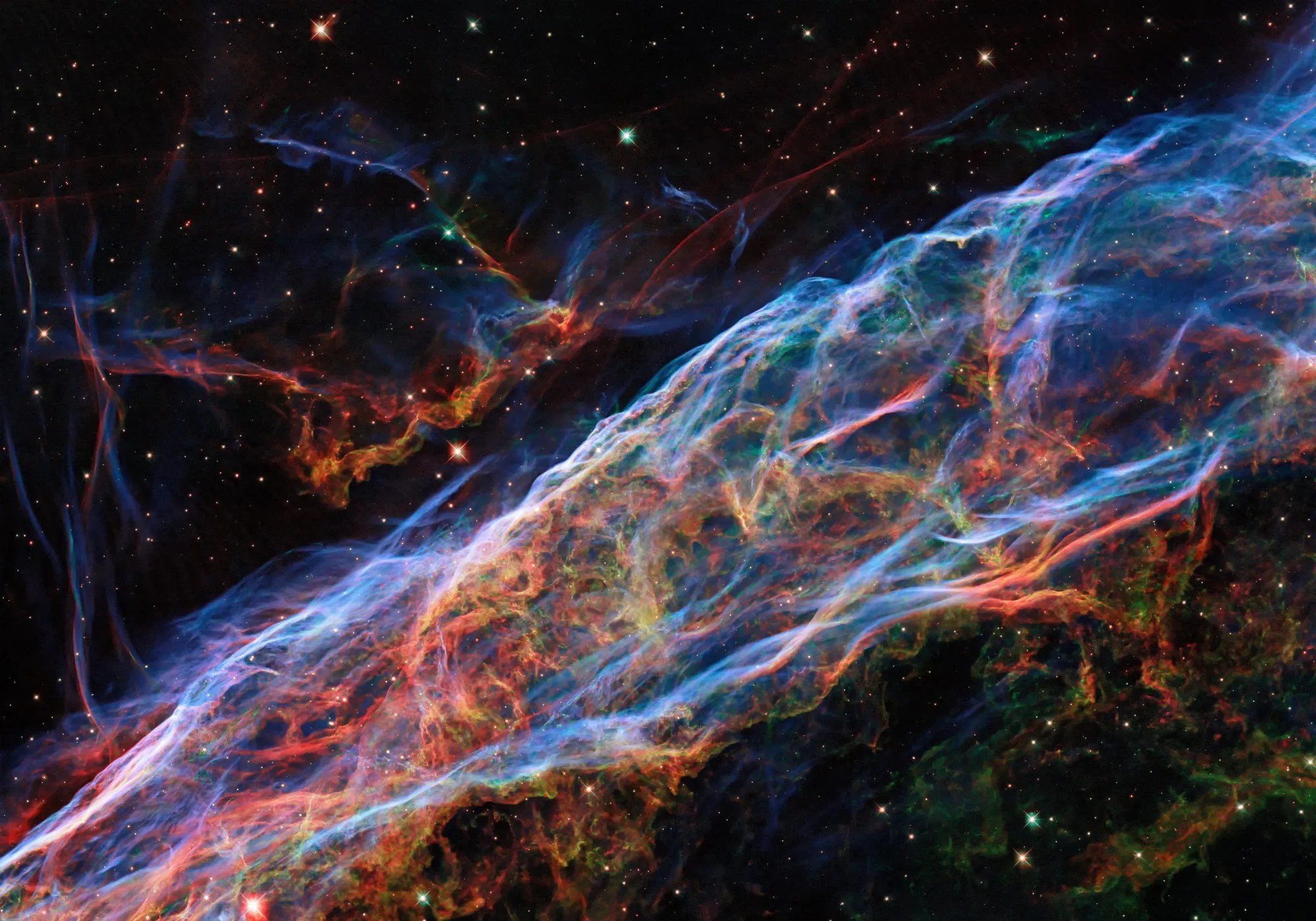
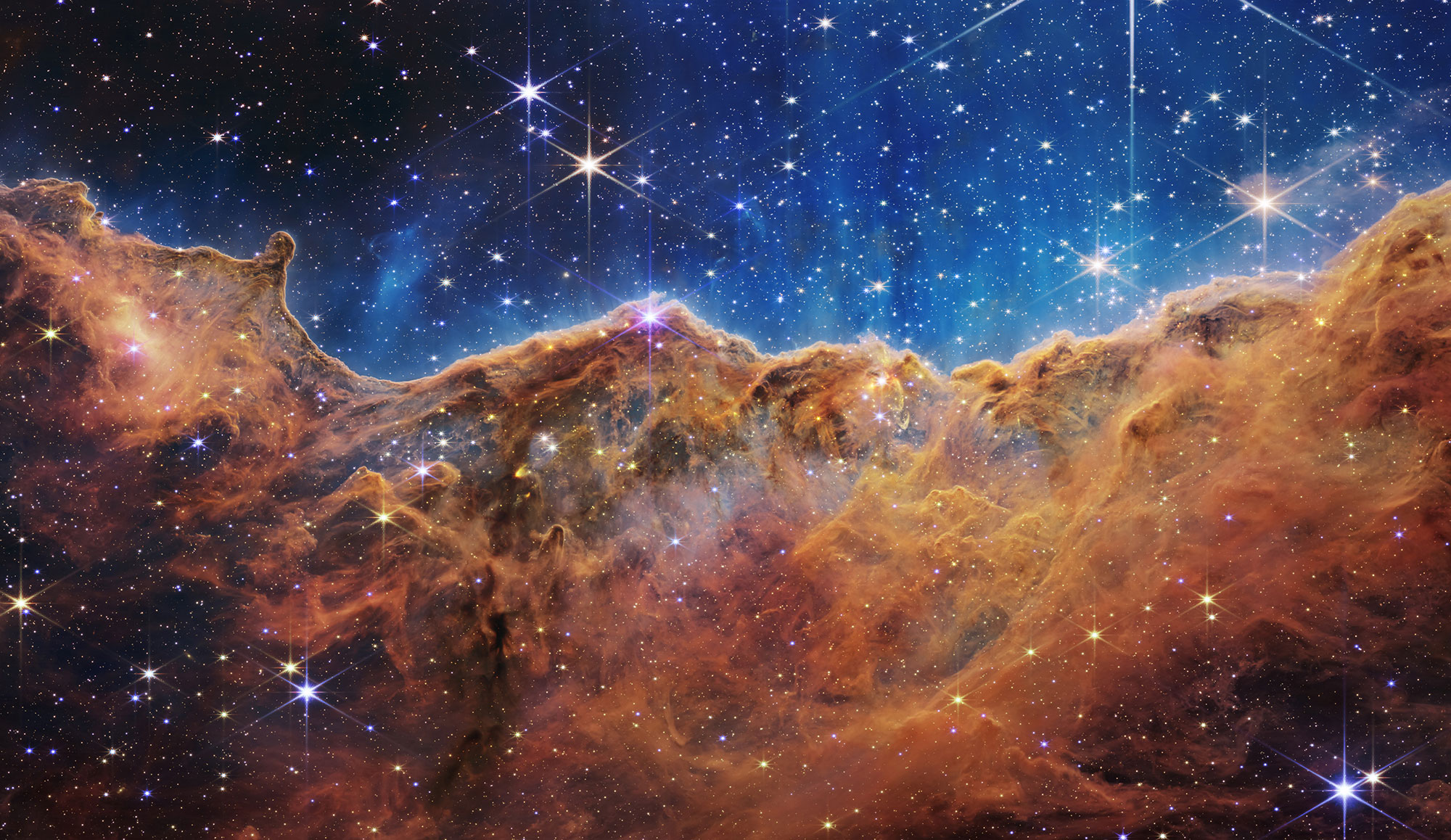
This landscape of “mountains” and “valleys” speckled with glittering stars is actually the edge of a nearby, young, star-forming region called NGC 3324 in the Carina Nebula. Captured in infrared light by NASA’s new James Webb Space Telescope, this image reveals for the first time previously invisible areas of star birth.
NASA, ESA, CSA, and STScI

Powered by WPeMatico

Get The Details…
Gianine Figliozzi

Attention Podcast Listeners: NASA Now Available on Spotify

Attention Podcast Listeners: NASA Now Available on Spotify

From interviews with astronauts and engineers to stories that take you on a tour of the galaxy, NASA’s podcasts let you experience the thrill of space exploration without ever leaving Earth.
NASA

Lee esta nota de prensa en español aquí.

NASA released its collection of original podcasts on Spotify Tuesday, giving more people access to in-depth conversations, stories, and Spanish-language content, as the agency works to explore the unknown in air and space.

The agency’s podcasts are available ad-free, and without cost, to Spotify’s audience of 574 million users.

“Telling the story of NASA’s goals and missions inspires the world to dream big and reach for the stars, especially members of the Artemis Generation. We’re excited to expand our reach, bringing NASA podcasts to Spotify for the first time,” said Marc Etkind, associate administrator, Office of Communications at the agency’s Headquarters in Washington.

NASA now offers five podcasts on Spotify, including:

  • NASA’s Curious Universe
    • Our universe is a wild and wonderful place. Join NASA astronauts, scientists, and engineers on a new adventure each episode — all you need is your curiosity! First time space explorers welcome.
  • Houston We Have a Podcast
    • From Earth orbit to the Moon and Mars, explore the world of human spaceflight with NASA each week on the official podcast of the agency’s Johnson Space Center in Houston.
  • On a Mission
    • A journey to the stars doesn’t just begin at the launchpad. Discover new worlds through epic stories told by scientists on missions to outer space.
  • Small Steps Giant Leaps
    • NASA’s technical workforce put boots on the Moon, tire tracks on Mars, and the first reusable spacecraft in orbit around the Earth. Learn what’s next as they build missions that redefine the future with amazing discoveries and remarkable innovations.
  • Universo curioso de la NASA
    • Bienvenidos a Universo curioso de la NASA, en donde te invitamos a explorar el cosmos en tu idioma. En este pódcast, ¡la NASA es tu guía turística a las estrellas!

In the coming months, NASA plans to offer more audio-first products on Spotify, including sonifications that translate data into sound and recordings from our solar system and beyond.

“Through our podcasts, we share science and space storytelling in a way that only NASA can, leveraging the agency’s unique access to expert interviewees, dynamic locations, and mind-blowing discoveries,” said Katie Konans, audio program lead, ADNET Systems’ SESDA contract with NASA. “We are thrilled to bring NASA’s slate to Spotify, and we’re looking forward to connecting with more listeners who are curious about the universe around them.”

In addition to Spotify, users may find NASA podcasts on Apple Podcasts, Google Podcasts, and Soundcloud.

From long-form interviews with NASA astronauts and engineers to stories that take audiences on a tour of the galaxy, NASA’s audio offerings let anyone experience the thrill of space exploration without leaving Earth.

Discover all of NASA’s podcasts at:

https://www.nasa.gov/podcasts/

-end-

Abbey Donaldson
Headquarters, Washington
202-358-1600
abbey.a.donaldson@nasa.gov

Katie Konans
Goddard Space Flight Center, Greenbelt, Md.
katie.konans@nasa.gov

Share

Details

Last Updated

Nov 14, 2023

Powered by WPeMatico

Get The Details…
Abbey A. Donaldson

Lagniappe

Lagniappe

9 Min Read

Lagniappe

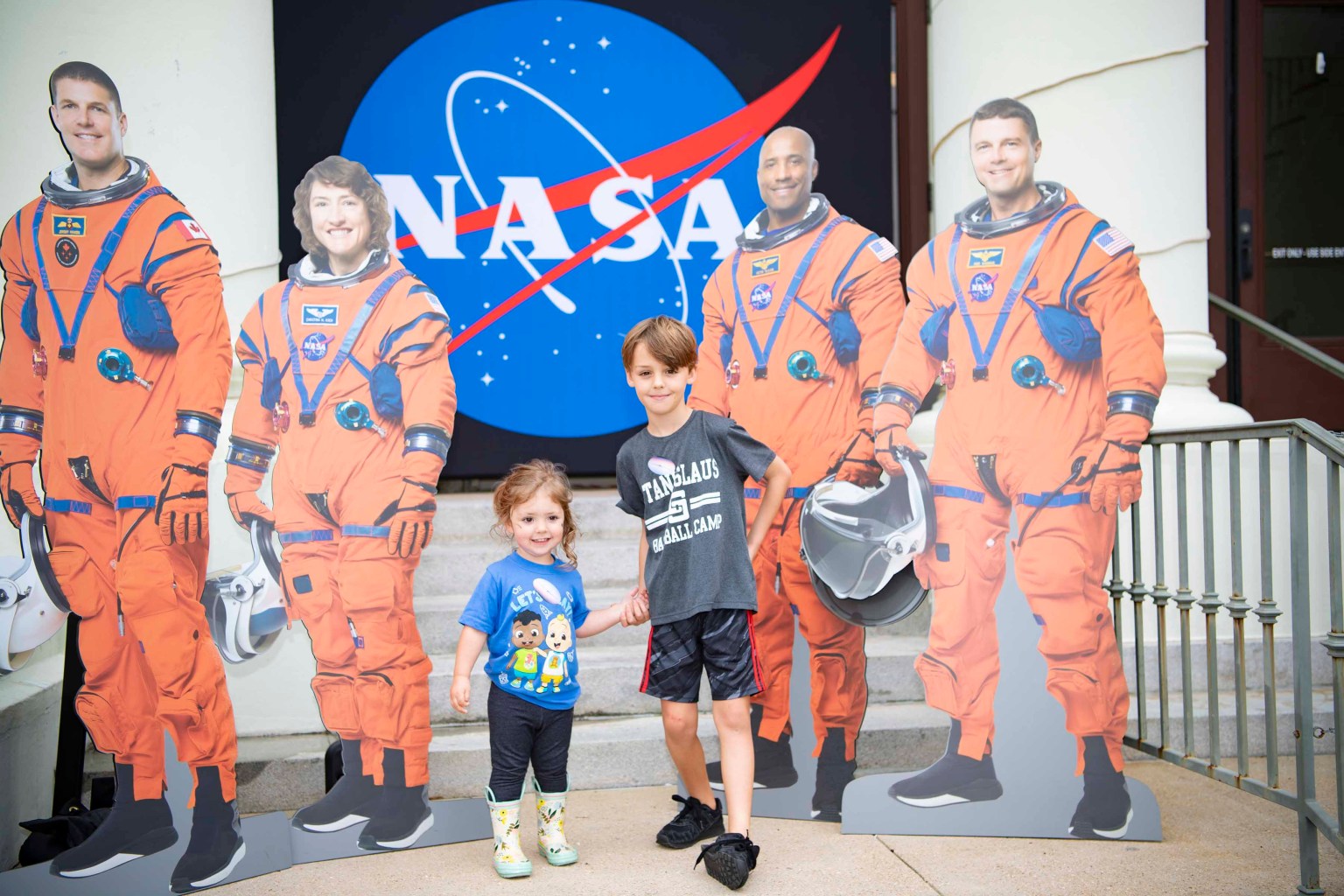
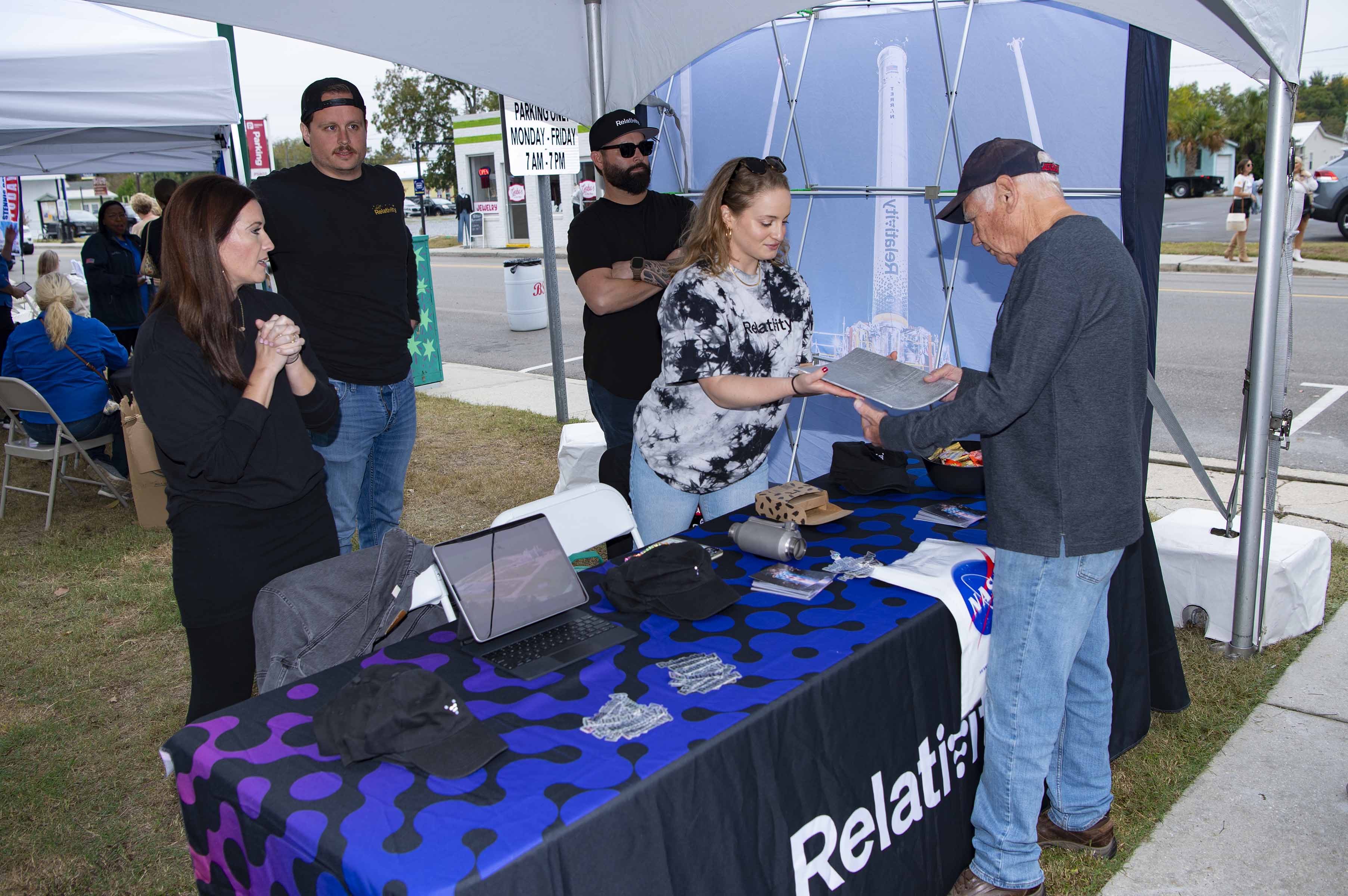
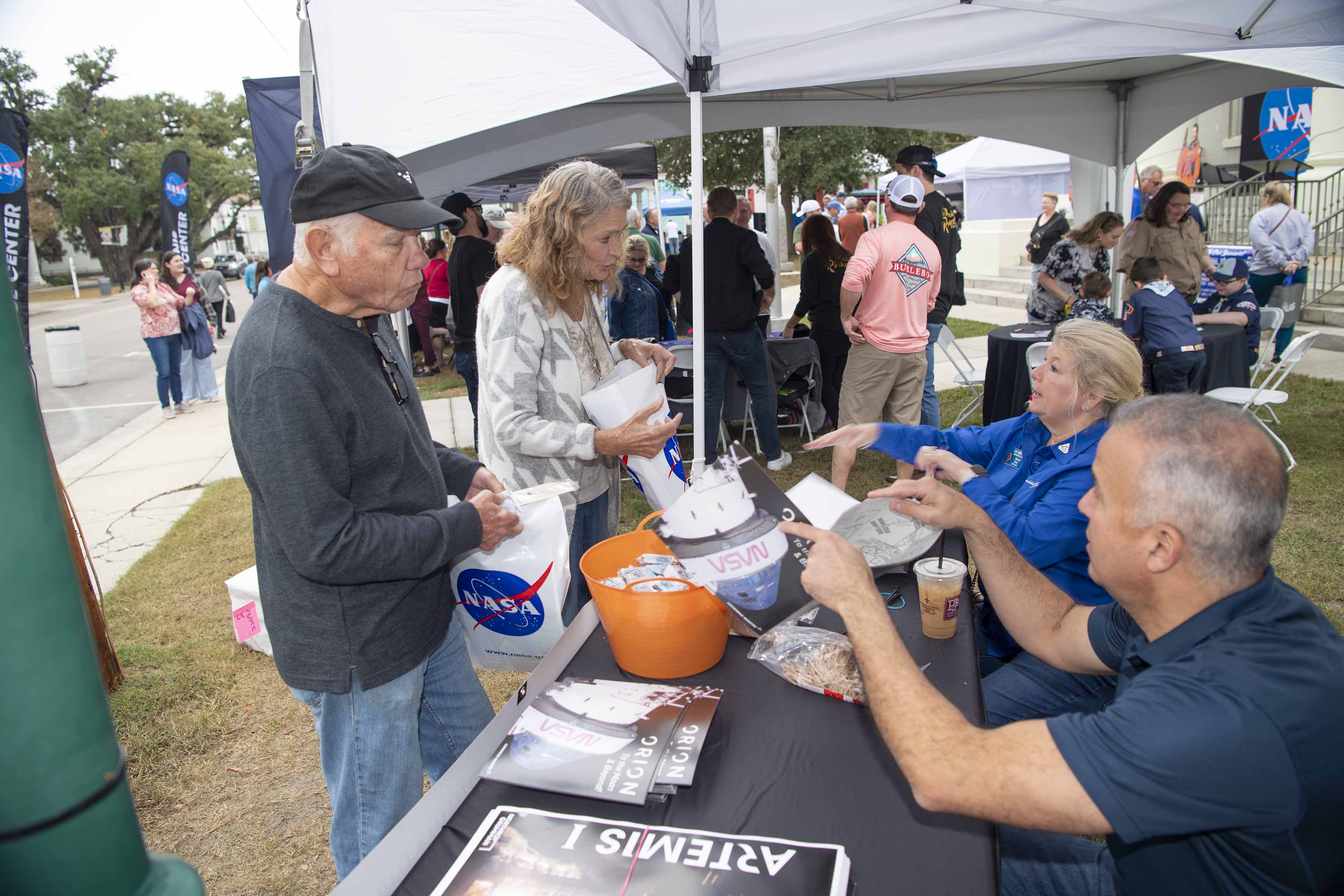
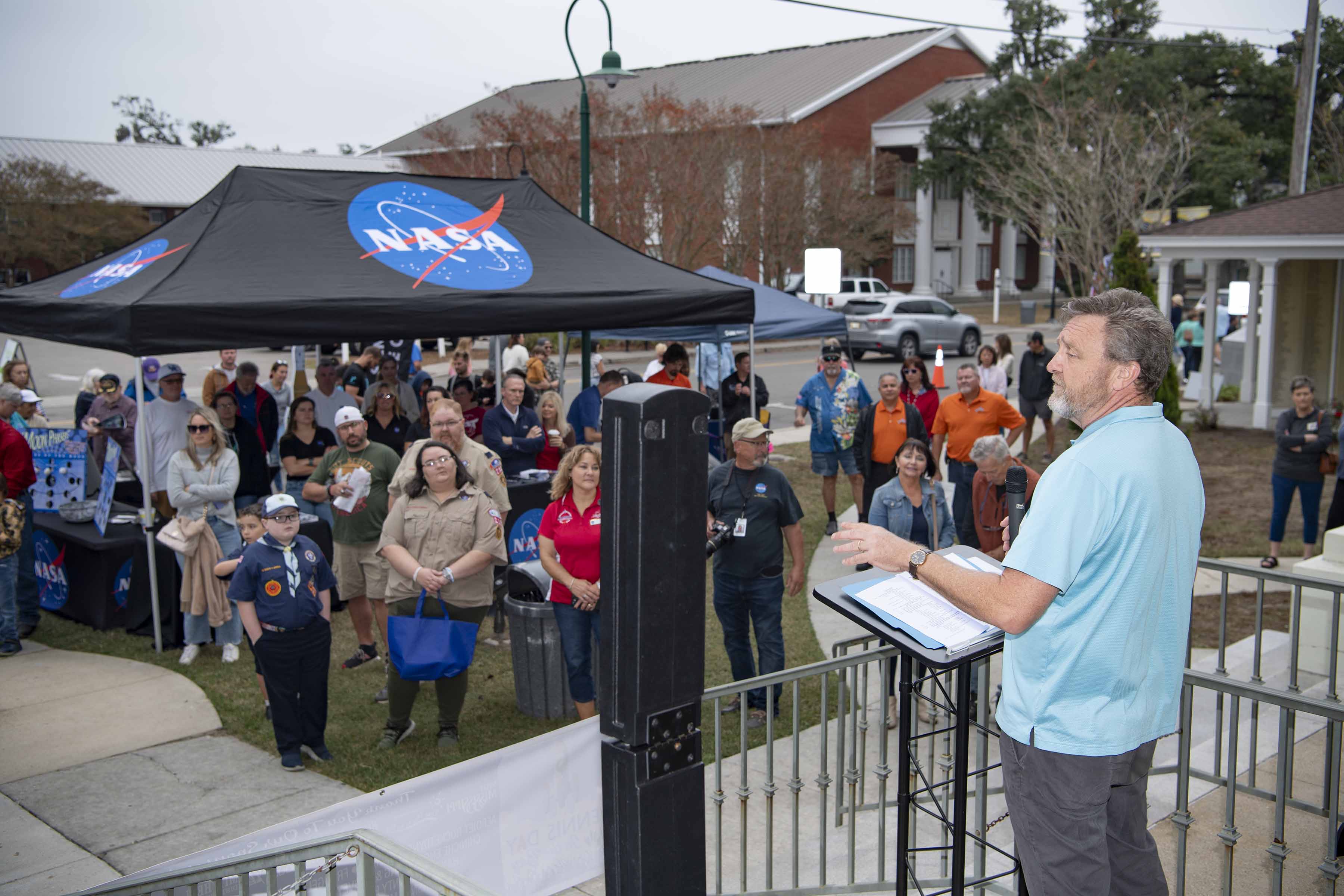
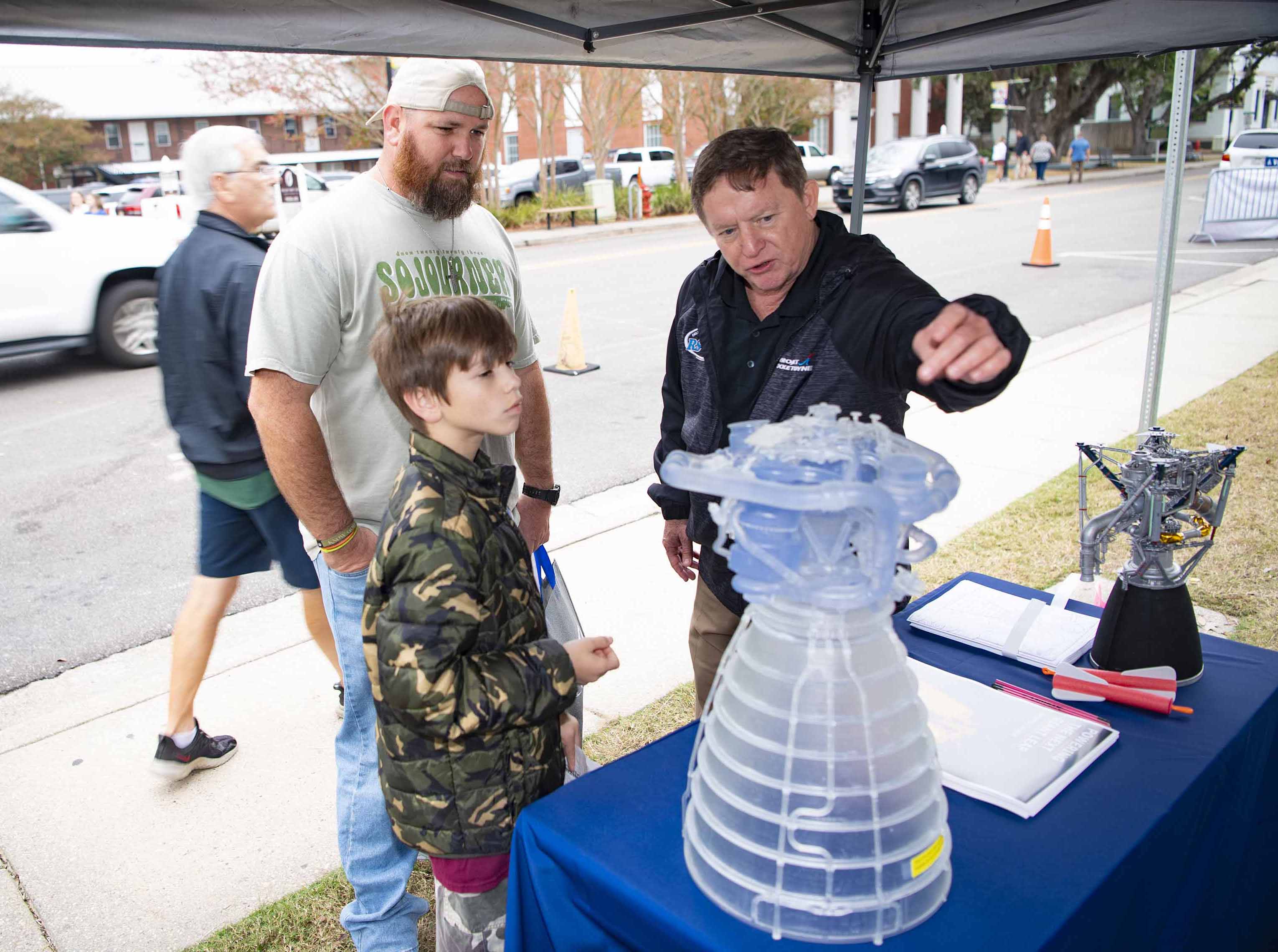
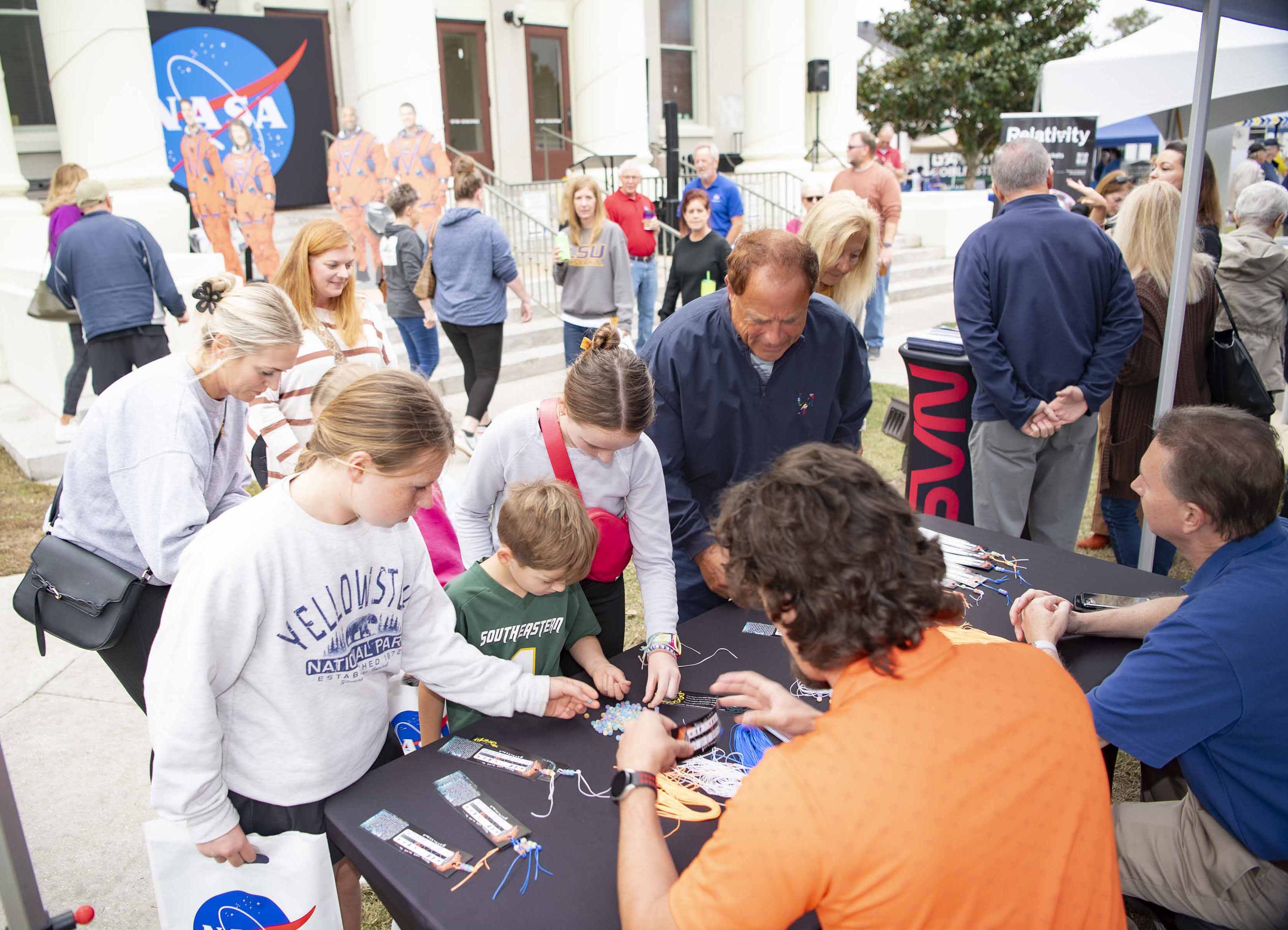
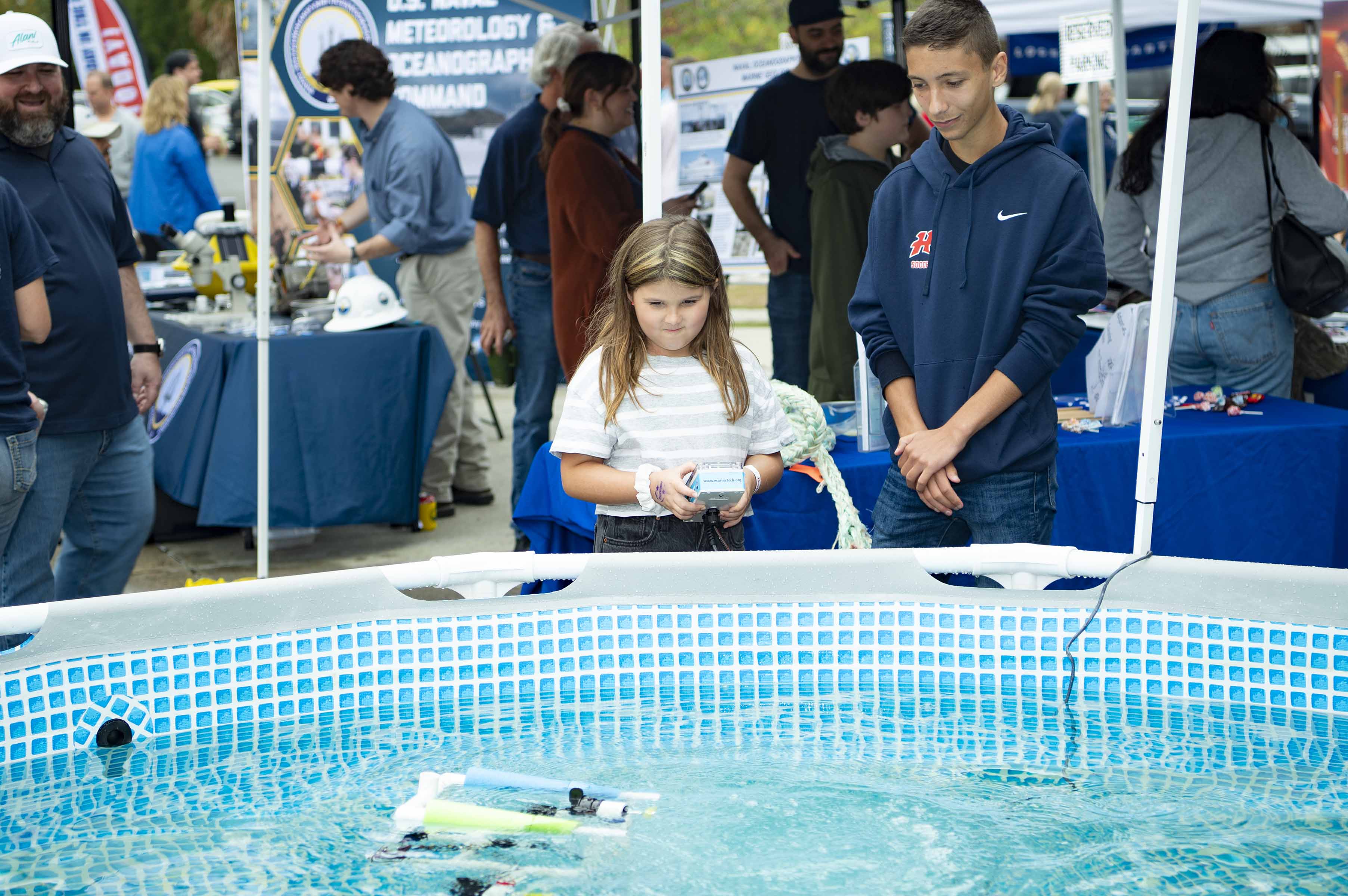
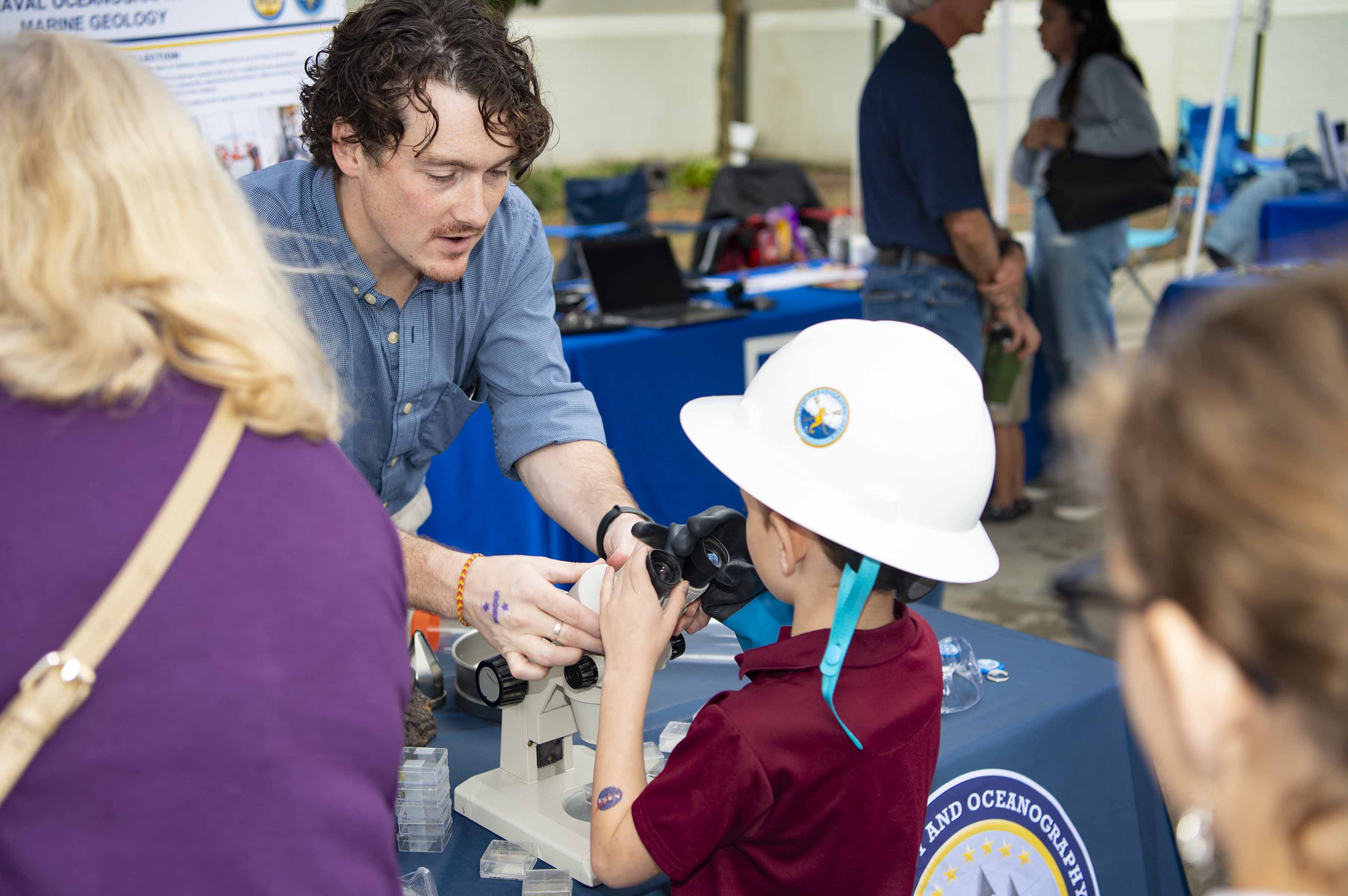
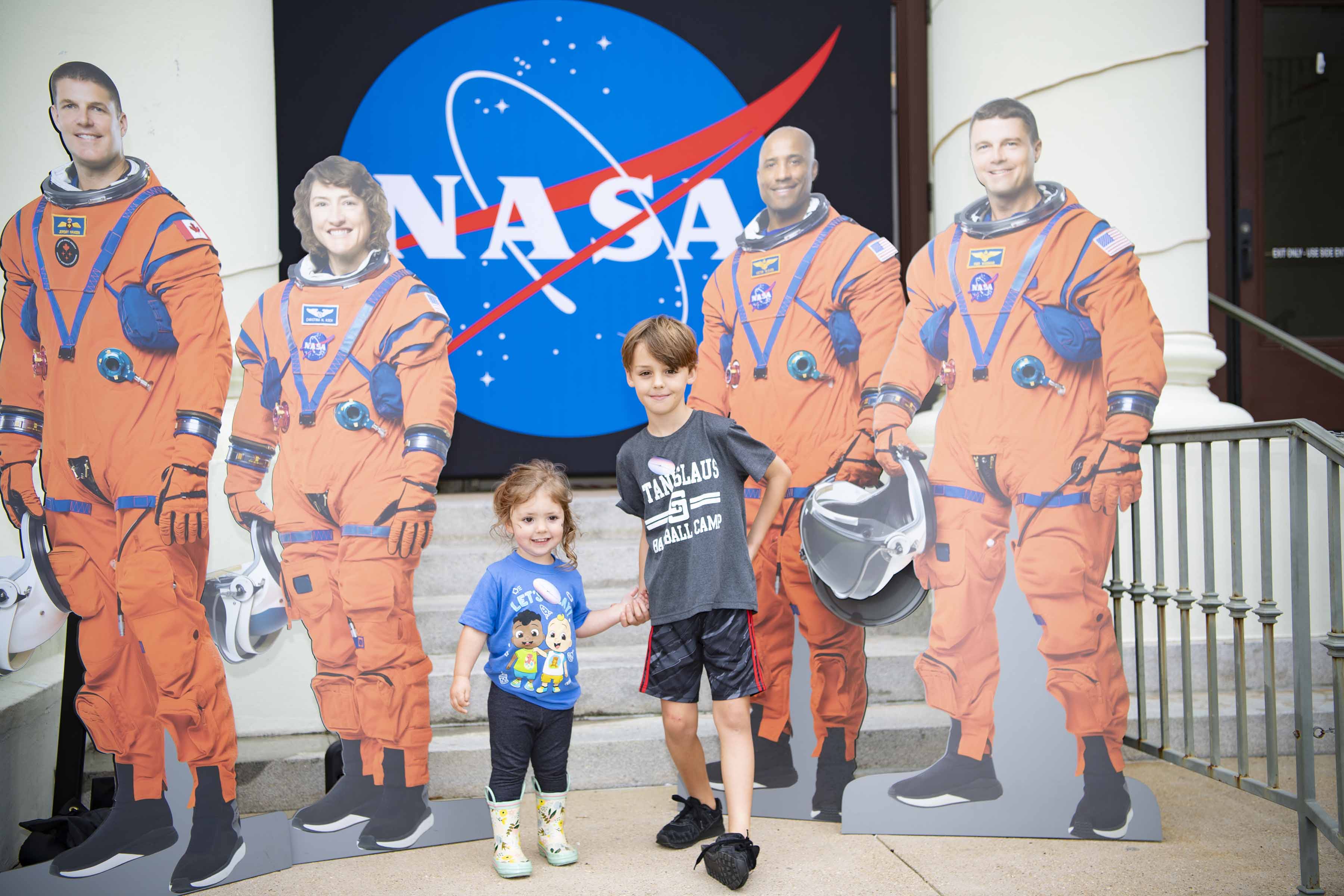
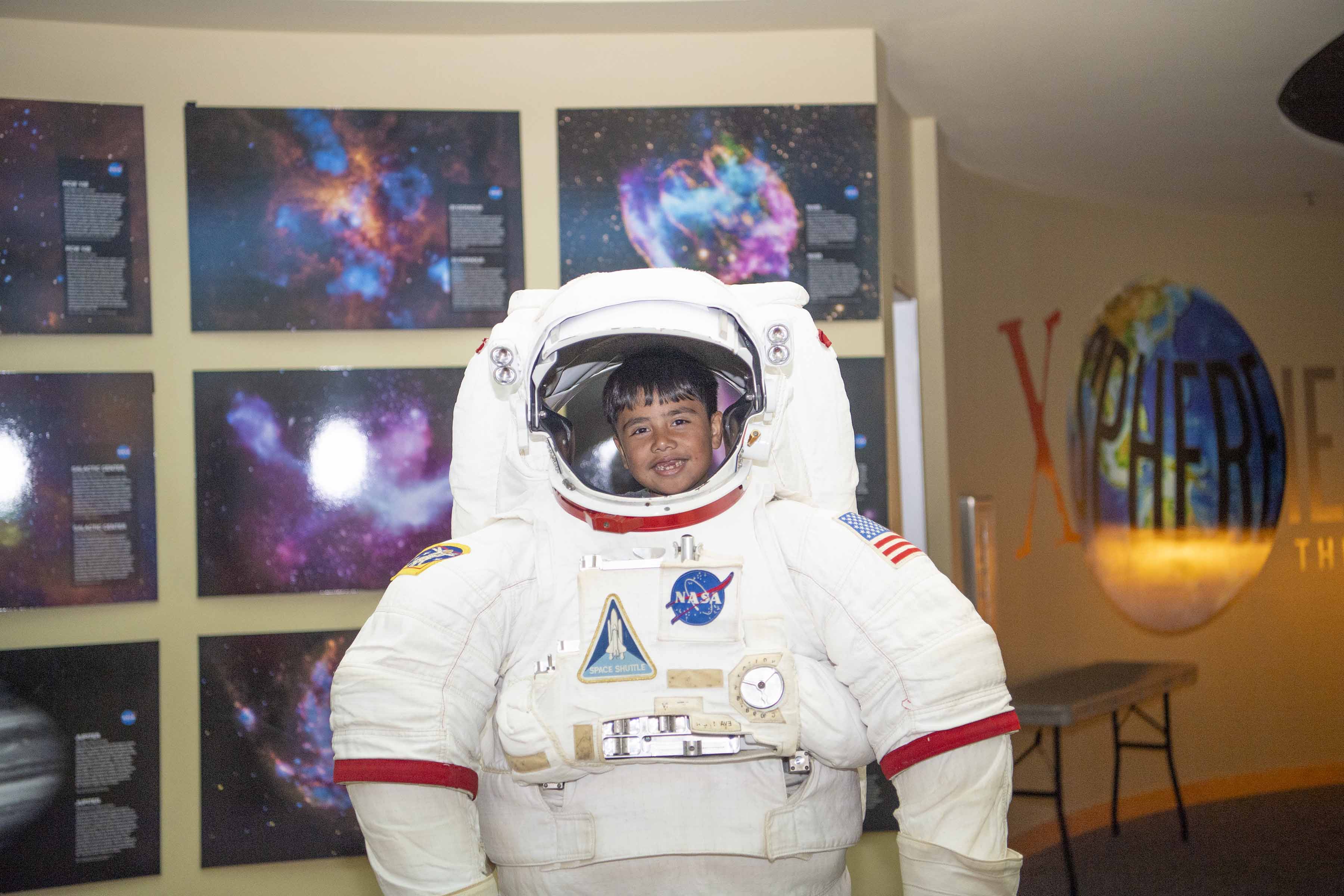
Young attendees pose with four astronaut standees at Stennis Day in the Bay

Explore the November 2023 edition to learn about the framework for the future of NASA Stennis, the first RS-25 hot fire of the ongoing certification series, Stennis Day in the Bay, and much more!

9 min read

Lagniappe

Explore the November 2023 edition featuring:

  • NASA Stennis Compiles Framework for the Future to Guide Center Forward
  • NASA Conducts 1st Hot Fire of New RS-25 Certification Test Series
  • NASA ASTRO CAMP® Sets New Record While Providing STEM Opportunities

Gator Speaks

Gator Speaks cover image
Gator Speaks

Thank you very much!

You may be thinking, ‘Why is Gator telling me thanks?’

The month of November naturally brings a sense of gratitude with it, and I feel the joy by merely expressing thankfulness to others, so I wanted to thank you for reading this month’s portion of Gator Speaks.

Whether surrounded by the love and laughter of cherished family or the comforts of a shared experience with valued friends, November warms the heart like indulging in a fresh slice of pumpkin pie (something else to be thankful for!).

Just like it is easy to eat a slice or three of pumpkin pie, it is easy to find reasons to be thankful at NASA Stennis.

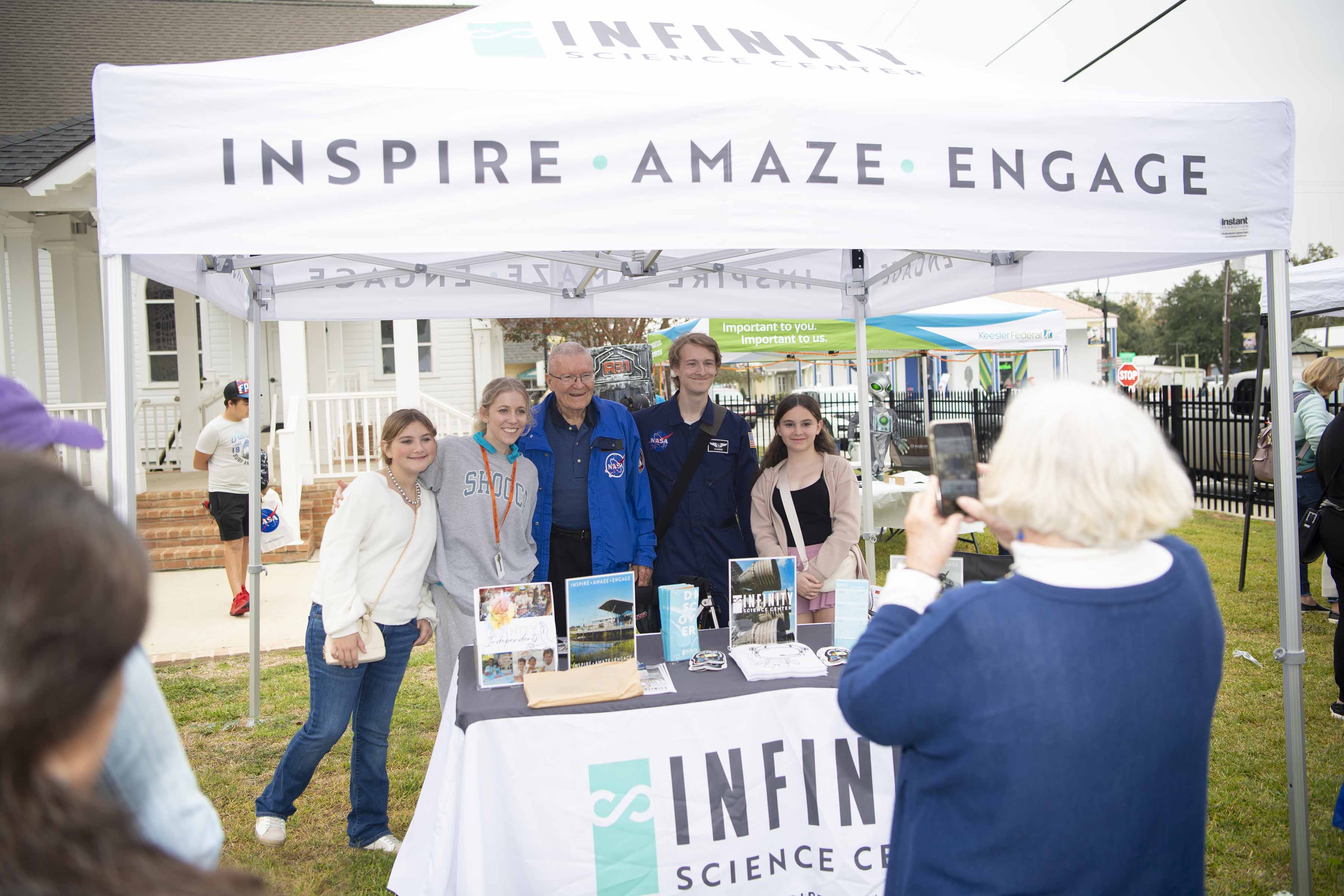
Nov. 11 was Veterans Day. There are many NASA employees at NASA Stennis who have served in various military branches and are now contributing their talents as part of our skilled and diverse workforce. One such veteran working at NASA Stennis is featured this month.

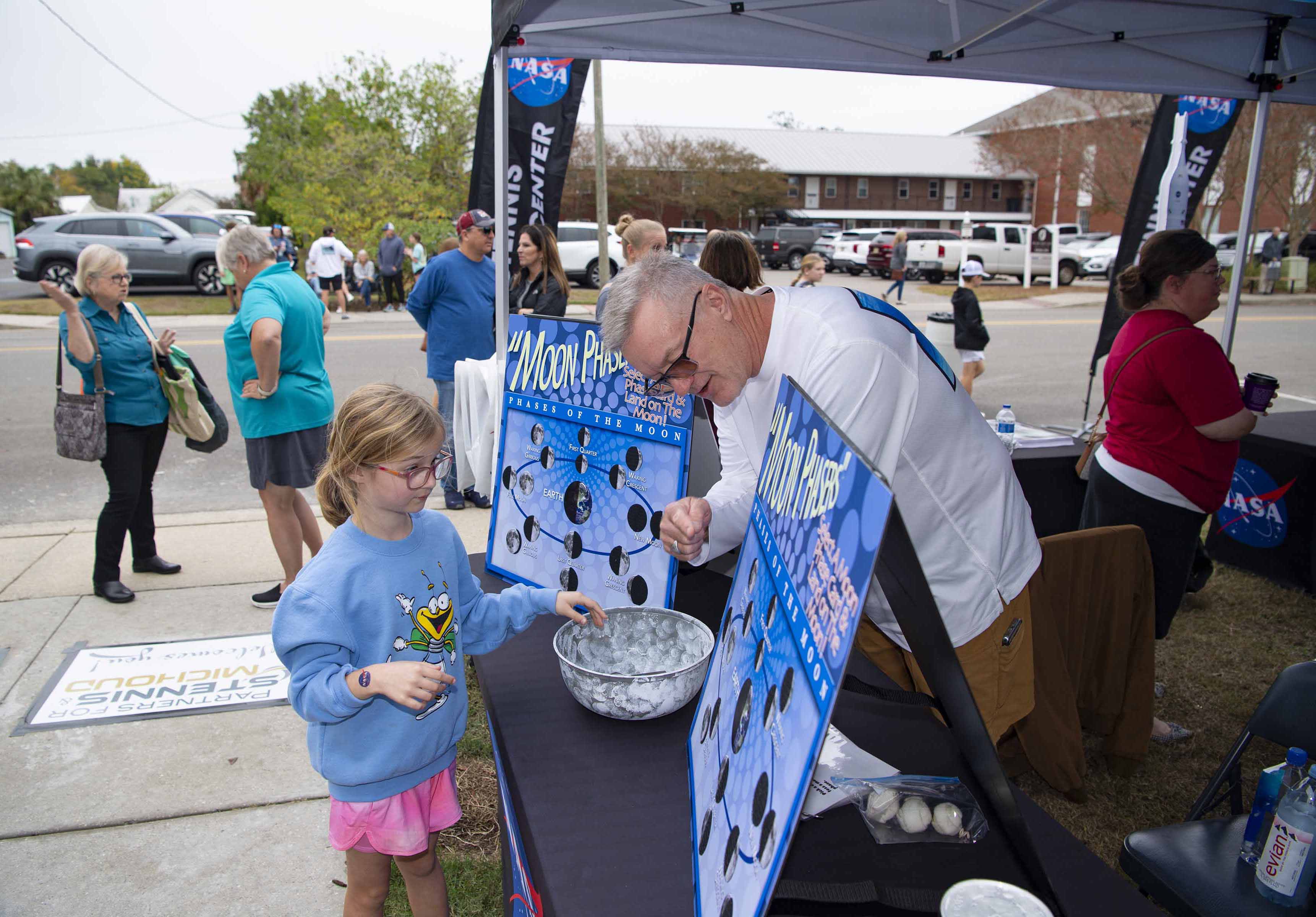
In addition to Veterans Day on Nov. 11, the Stennis Day in the Bay event highlighted how thankful NASA Stennis is for the great community support and relationships NASA Stennis enjoys. We are all better together!

Nov. 14 is the 90th birthday for the great, NASA astronaut Fred Haise. His name graces the test stand where RS-25 engine testing is underway for future Artemis missions. Haise also is a veteran, as the Korean War put him on a path to joining the military and ultimately becoming a NASA astronaut. Read how that came to pass here.

Nov. 23 is Thanksgiving. How can one not be thankful for the benefits NASA provides to humanity? From exploring the Moon and Mars, to increasing access to space for all, to growing new commercial markets, space exploration helps us gain a new perspective.

And just like exploring space helps us gain a new perspective, so, too, does taking inventory of all we have to be thankful for throughout the month of November.

NASA Stennis Top News

NASA Stennis Compiles Framework for the Future to Guide Center Forward

NASA’s Stennis Space Center began with a single mission – to test Apollo rocket stages to carry humans to the Moon. Moving forward, the site has a renewed vision – to evolve as a unique, multifaceted aerospace and technology hub.

NASA Conducts 1st Hot Fire of New RS-25 Certification Test Series

NASA conducted the first hot fire of a new RS-25 test series Oct. 17, beginning the final round of certification testing ahead of production of an updated set of the engines for the SLS (Space Launch System) rocket. 

NASA ASTRO CAMP® Sets New Record While Providing STEM Opportunities

Another year equals another record as NASA’s ASTRO CAMP® initiative reached across the nation and beyond to help a broad spectrum of students learn about NASA and STEM (science, technology, engineering, and mathematics).

NASA Stennis Participates in Stennis Day in the Bay Activities

Center Activities

NASA Stennis Deputy Director Receives Distinguished Award

John Bailey
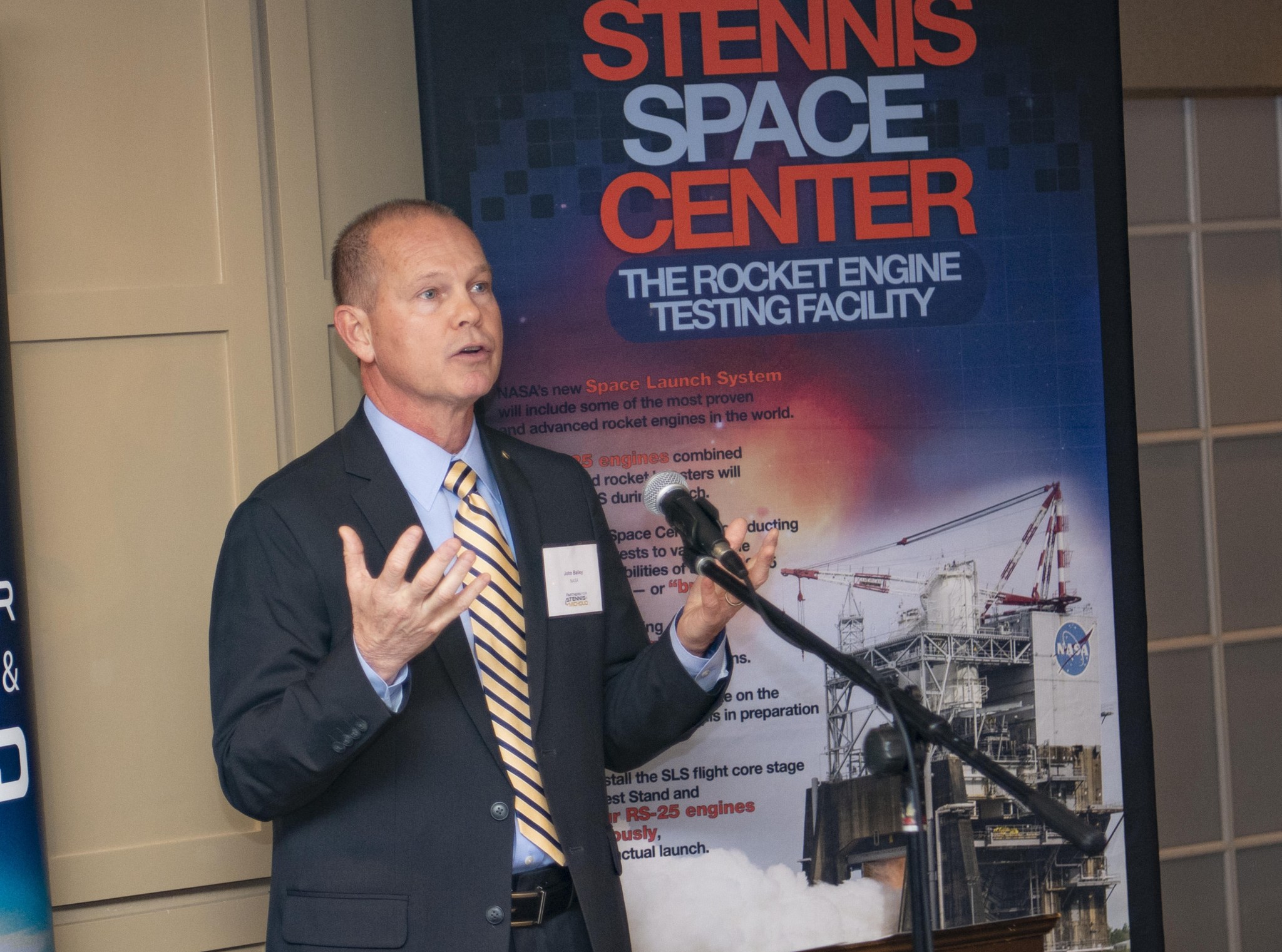
John Bailey, NASA Stennis Deputy Director
NASA/Stennis

NASA Stennis Deputy Director John Bailey was among 232 federal employees to receive a 2023 Presidential Rank Award for exceptional leadership, accomplishments, and service over an extended period of time. The U.S. Office of Personnel Management (OPM) announced the awards, one of the most prestigious in career civil service, Nov. 2. The president’s 2023 list included distinguished and meritorious award recipients.

Bailey was one of just 14 NASA employees to receive a Presidential Meritorious Award. Bailey joined the NASA Stennis team in 1998 after working as a Department of Defense civil servant. He served in various positions at the center prior to being named director of the NASA Stennis Engineering and Test Directorate in 2015. Bailey was selected as NASA associate director in 2018, before assuming his current role in January 2021.

“Public servants are unsung heroes – working to better the lives of families across America,” White House Chief of Staff Jeff Zients said in a release announcing the awards. “They do everything from making sure you get your tax refund to helping you set up your small business to keeping us all safe at home. They get things done with grace and skill and first and foremost to serve the American people. The president, the vice president, and everyone across the Biden-Harris Administration are grateful for their dedication and their service.”

OPM Director Kiran Ahuja added, “Every day, tens of thousands of dedicated federal employees are solving the nation’s most pressing challenges and developing new technologies to improve the lives of millions. The Presidential Rank Awards highlight public servants who exemplify integrity, exceptional leadership, and a relentless commitment to the American people. Congratulations to all the awardees. The federal government and the American people are safer and better off thanks to your hard work and dedication.”

The Civil Service Reform Act of 1978 established the Presidential Rank Awards Program to recognize a select group of career members of senior leaders for exceptional performance. For a complete list of 2023 recipients, visit here.

NASA Stennis Employee named NASA Energy Action Hero

Damon Saul
Energy Action Spotlight: Damon Saul
NASA

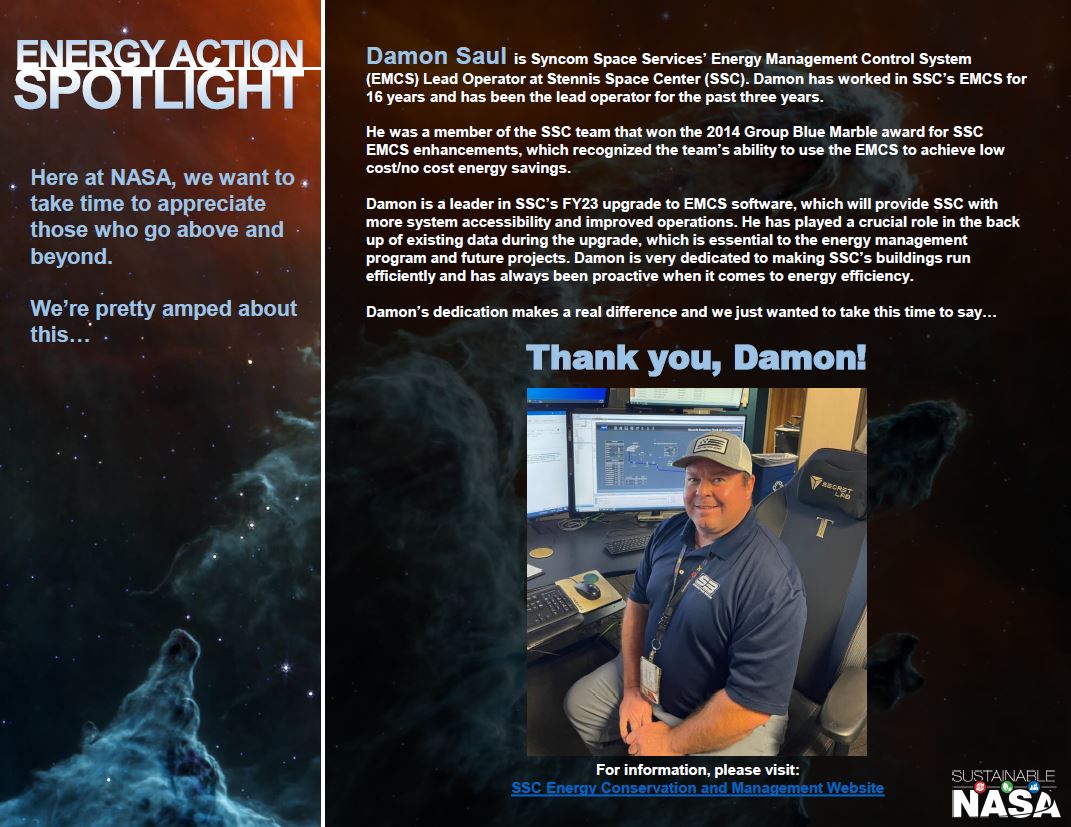
Damon Saul, lead operator of NASA’s Stennis Space Center’s Energy Management Control System, was honored as a NASA energy action hero in October.

Each October, the federal government celebrates Energy Action Month to honor the work of the federal workforce to achieve mission success while also cutting energy waste, reducing costs, optimizing performance, and advancing America’s progress toward energy independence, resilience, and security.

NASA has made significant strides in its Energy and Water Management Program, including

  • Reducing total energy consumption by 19% and greenhouse gas emissions 47% since FY 2008
  • Increasing our consumption of carbon pollution-free electricity to 41% of total electricity
  • Reducing facility water intensity by 33% since FY 2007

None of this would be possible without the efforts of hundreds of NASA personnel, many of whom are never recognized for their contributions. Since 2021, NASA has recognized some of the unsung heroes through the Energy Action Spotlights.

NASA Chief Technologist Visits NASA Stennis

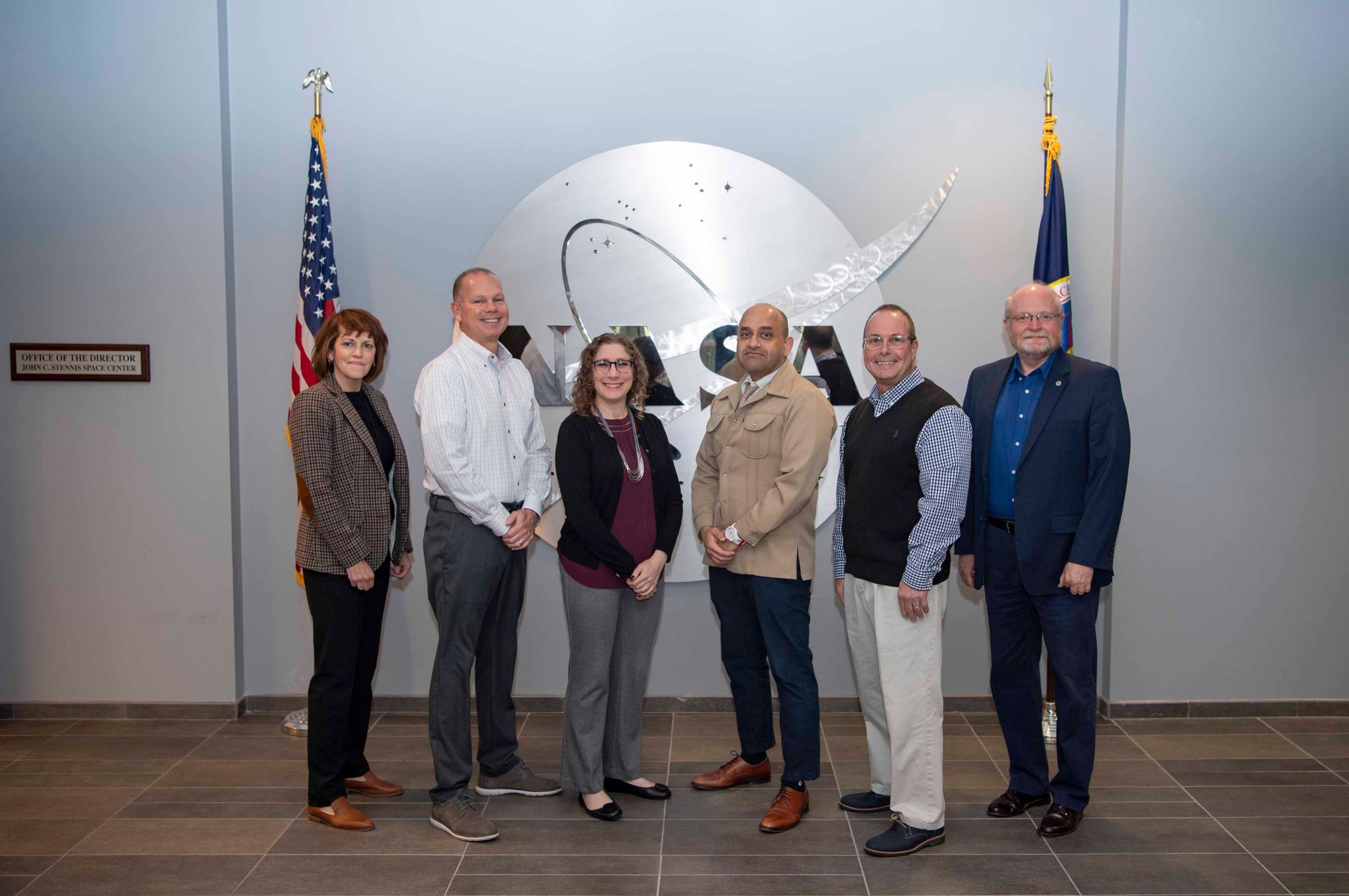
NASA Chief Technologist A.C. Charania (third from right) stands with NASA Stennis leaders during his first visit onsite
NASA Chief Technologist A.C. Charania (third from right) stands with NASA Stennis leaders during his first visit onsite early this month since assuming his new agency role in January. As chief technologist, Charania serves as the NASA administrator’s principal advisor on technology policy and programs, leads technology innovation at the agency, and works to align NASA’s agencywide technology investments with mission needs across its six mission directorates. Charania also oversees technology collaboration with other federal agencies and the private sector while coordinating with external stakeholders. During the two-day visit to NASA Stennis on Nov. 1-2, Charania, along with Charity Weeden, associate administrator for the NASA Office of Technology, Policy, and Strategy, and Deputy Associate Administrator Ellen Gertson, learned about the NASA Stennis federal city, home to about 40 companies, agencies, and organizations. On Nov. 1, the group visited with officials from federal city tenants Rocket Lab, Relativity Space, Lockheed-Martin, Rolls-Royce, Aerojet Rocketdyne, and Evolution Space. On Nov. 2, the group learned about NASA Stennis work with the commercial aerospace companies, autonomous systems lab, and RS-25 testing, as well as site preparations for Green Run testing the Exploration Upper Stage. Shown above (l to r) are NASA Stennis Chief Technologist Anne Peek, NASA Stennis Deputy Director John Bailey, Gertsen, Charania, NASA Stennis Director Rick Gilbrech, and NASA Stennis Strategic Business Officer Manager Duane Armstrong.
NASA/Stennis

NASA Stennis Hosts Mississippi Lieutenant Governor

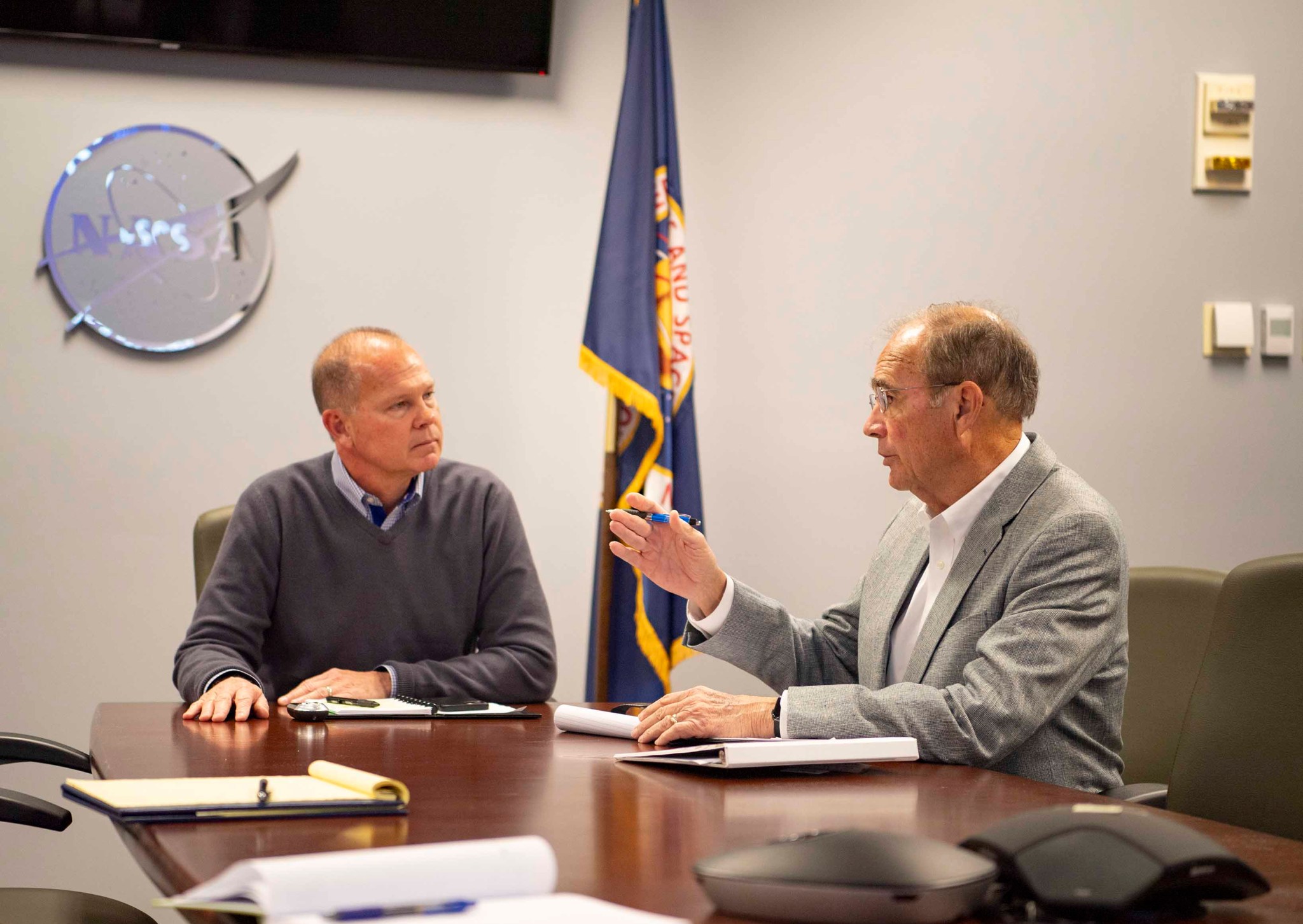
Mississippi Lt. Gov. Delbert Hosemann (r) talks with NASA Stennis Deputy Director John Bailey (l)
Mississippi Lt. Gov. Delbert Hosemann (r) talks with NASA Stennis Deputy Director John Bailey (l) during a visit to the south Mississippi site. During the visit, Bailey and other NASA Stennis leaders briefed Hosemann on site business opportunities and the potential for future growth. They also provided information about the center’s primary lines of business – including propulsion testing, autonomous systems, and range operations – and commercial aerospace and technology companies currently operating at NASA Stennis.
NASA/Stennis

Mississippi Development Authority Visits NASA Stennis

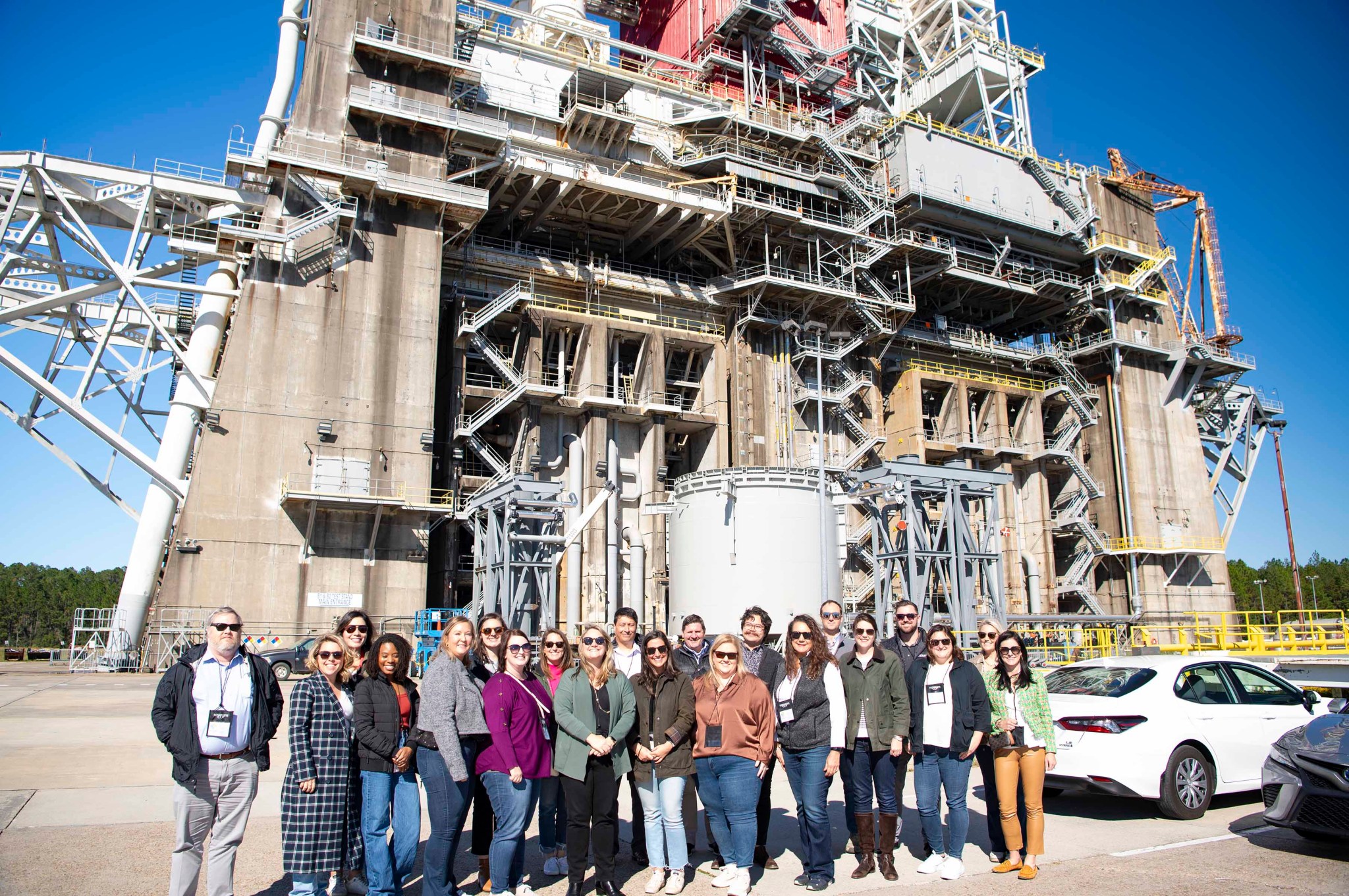
Members of the Mississippi Development Authority
Members of the Mississippi Development Authority, including site selectors from across the country, stand in front of the Thad Cochran Test Stand during their Gulf Coast Road Trip stop at NASA Stennis on Nov. 1. The road trip was designed to introduce developers to the Gulf Coast region and provide information about doing business in Mississippi, including at NASA Stennis.
NASA/Stennis

LSU Aeronautics Organization Visits NASA Stennis

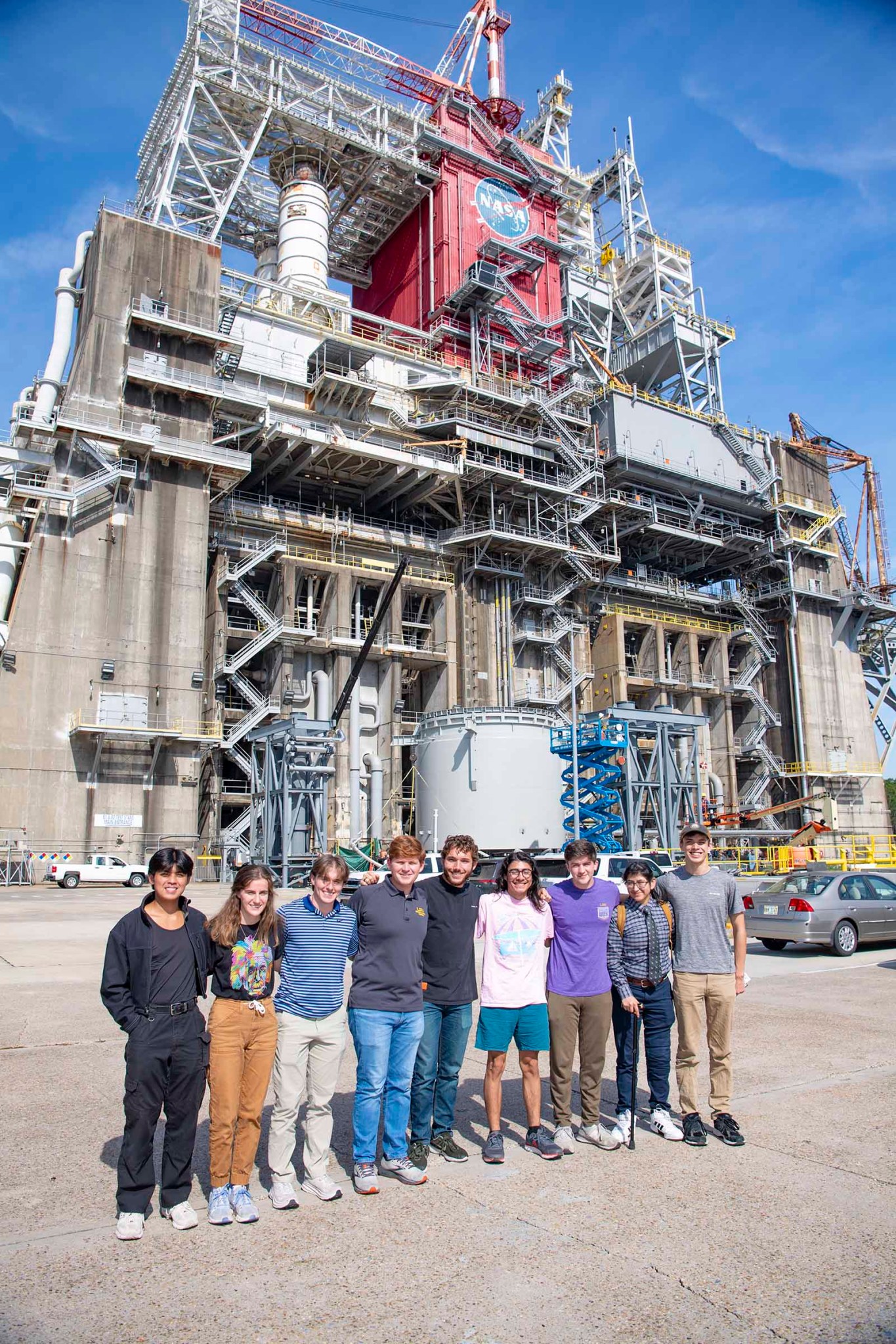
Members of the Louisiana State University branch of the American Institute of Aeronautics and Astronautics (AIAA) stand at the Thad Cochran Test Stand
Members of the Louisiana State University branch of the American Institute of Aeronautics and Astronautics (AIAA) stand at the Thad Cochran Test Stand, site of future Green Run testing for NASA’s Exploration Upper Stage, during a visit to NASA Stennis on Nov. 6. During the visit, branch members learned about propulsion testing activity at NASA Stennis and received guidance on how to find a career in the aerospace industry. The LSU branch of AIAA is dedicated to research and development of aerospace technology and careers.
NASA/Stennis

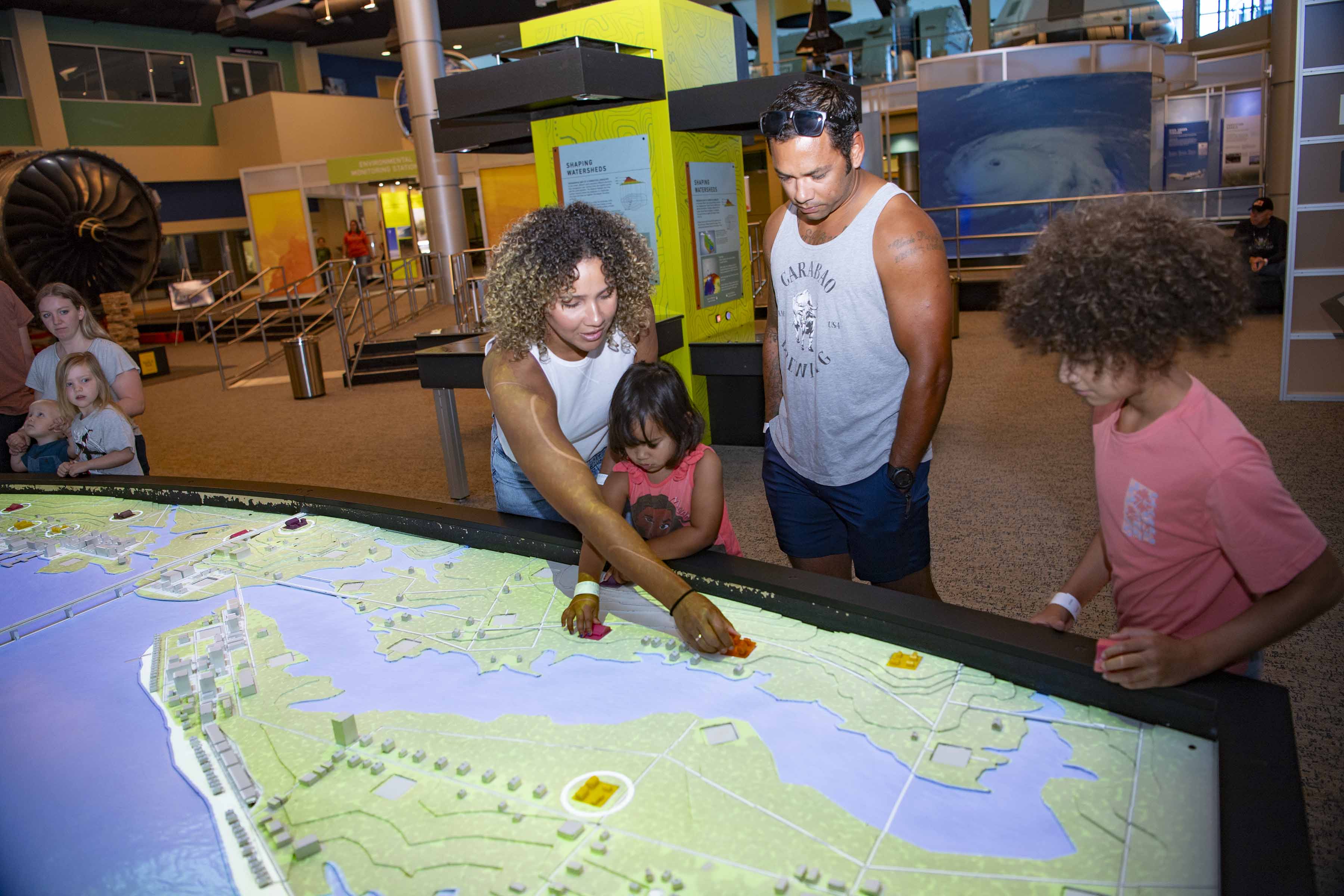
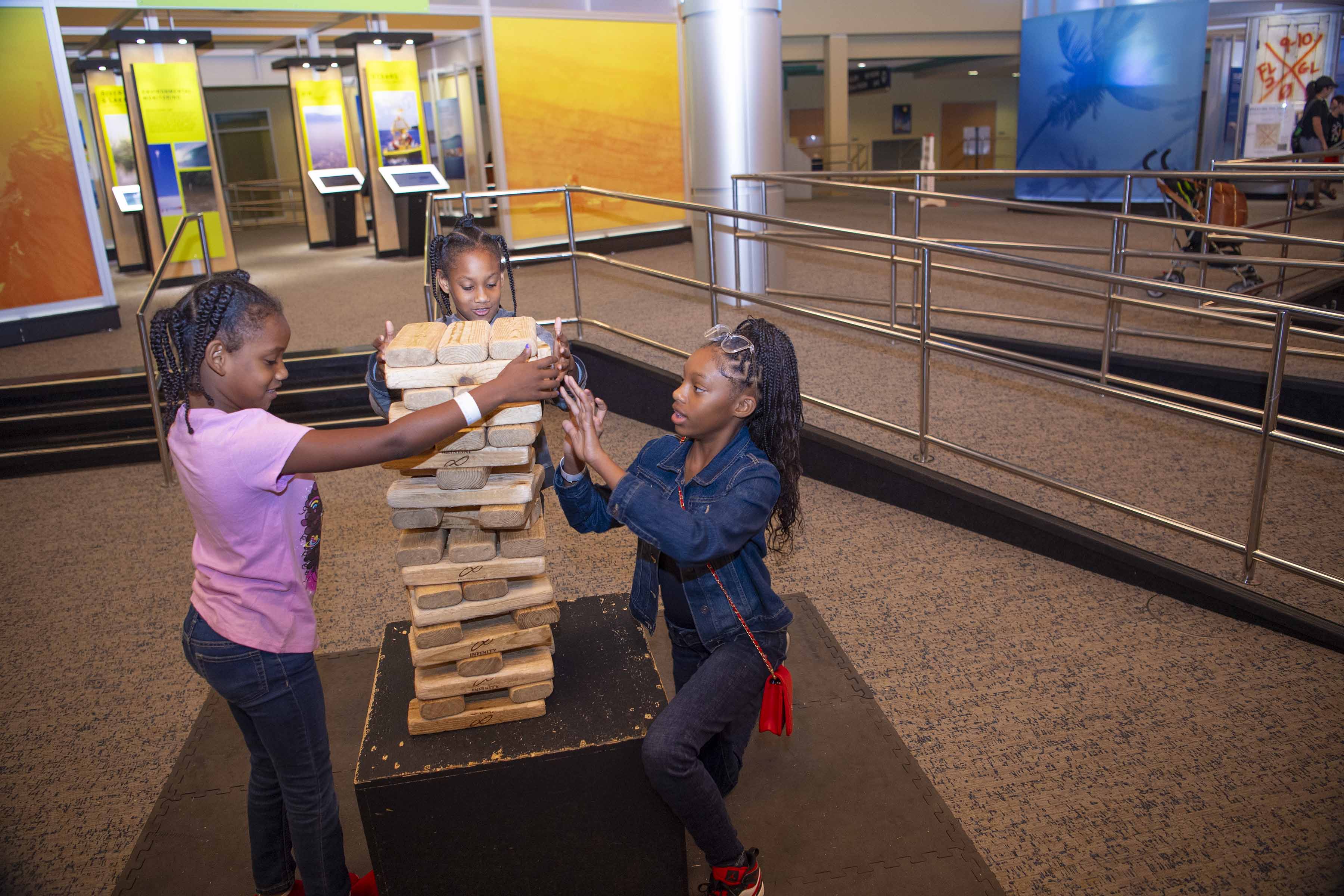
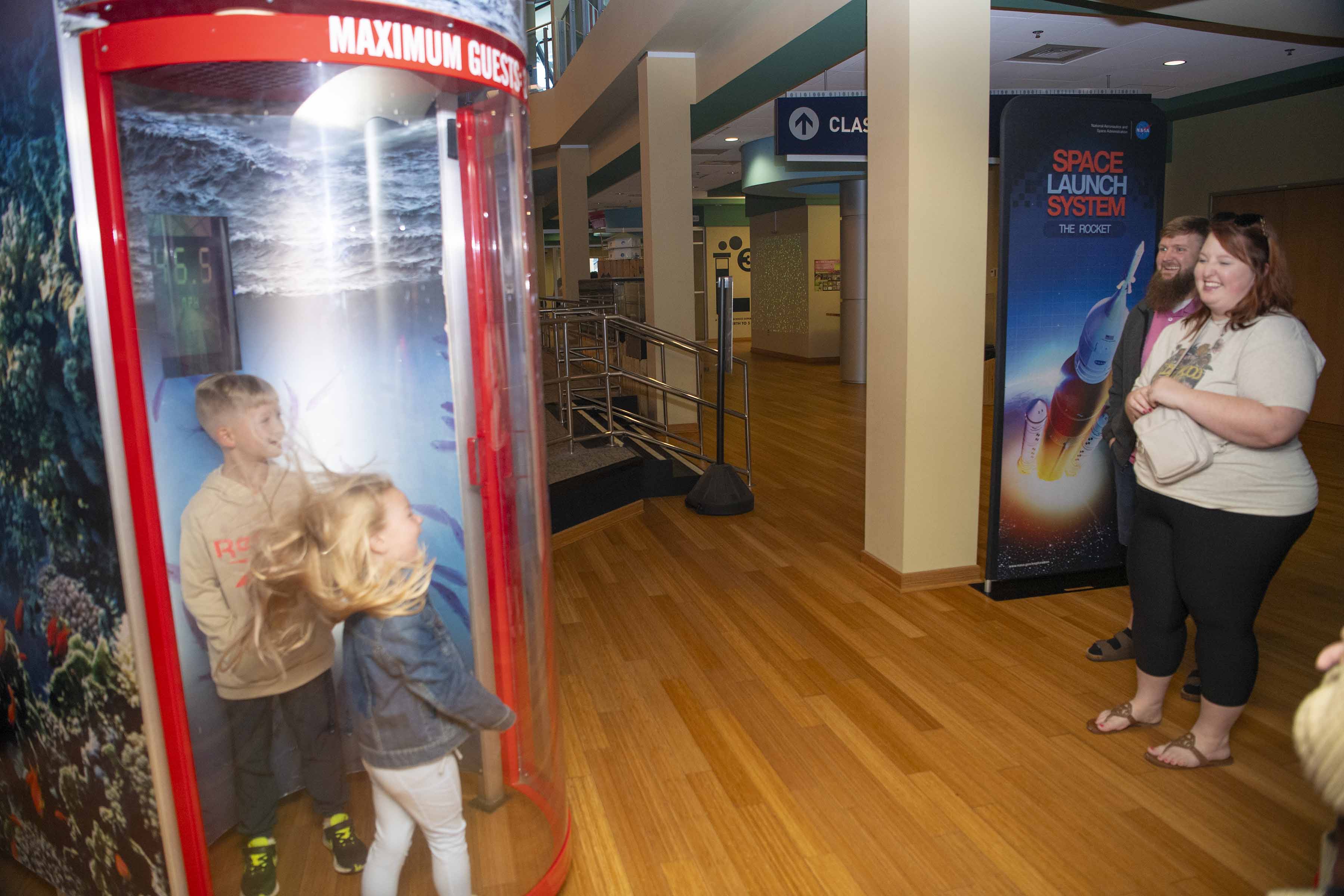
Stennis Employees Enjoy Family Day at INFINITY

NASA in the News

Employee Profile

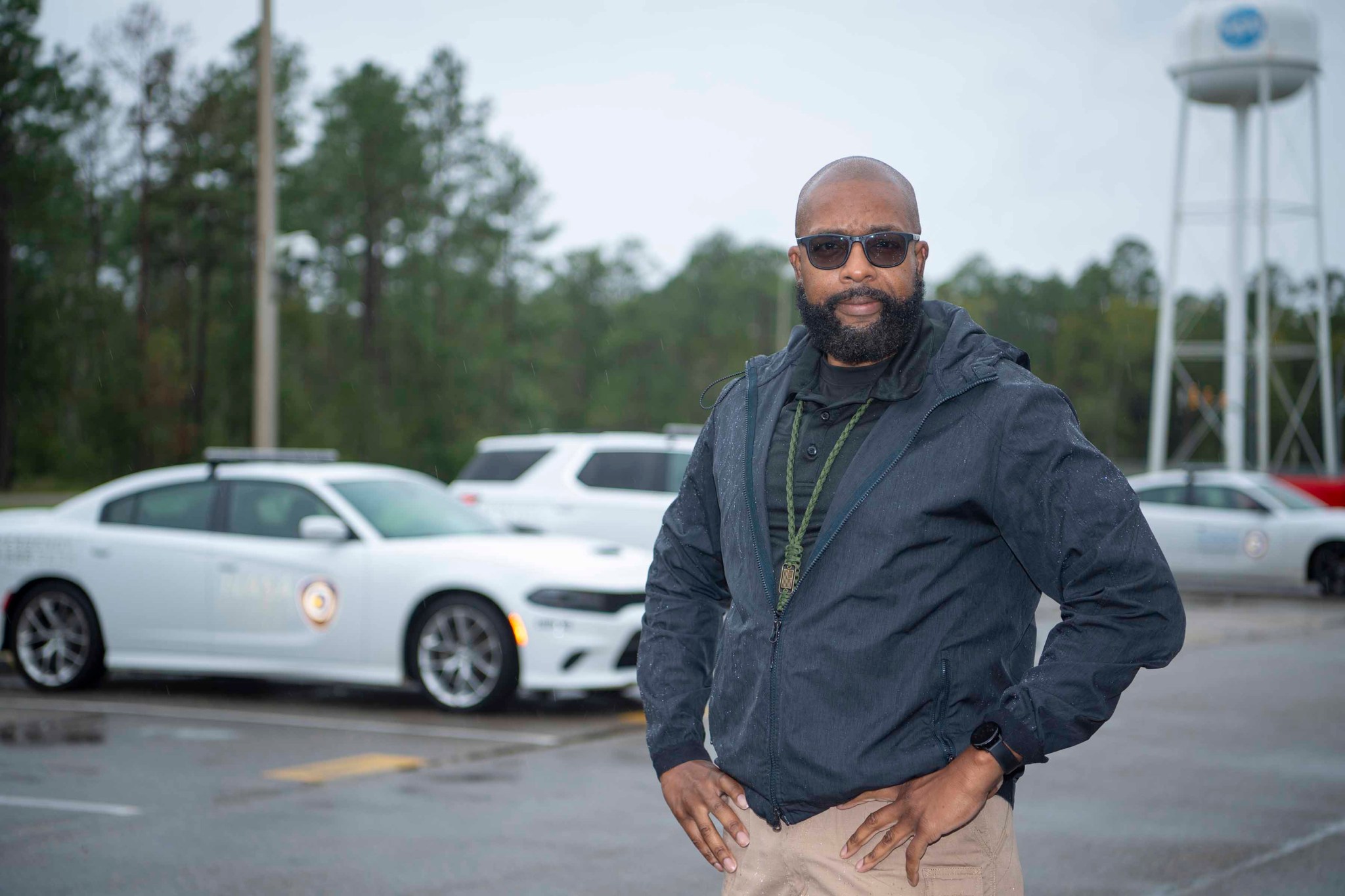
Van Ward
Van Ward leads center operations for security, emergency management, and fire protection at NASA Stennis.
NASA/Danny Nowlin

It was “many Moons ago,” but Van Ward distinctly remembers the presentation a NASA speaker gave to his third-grade class in Union, Mississippi.

Looking Back

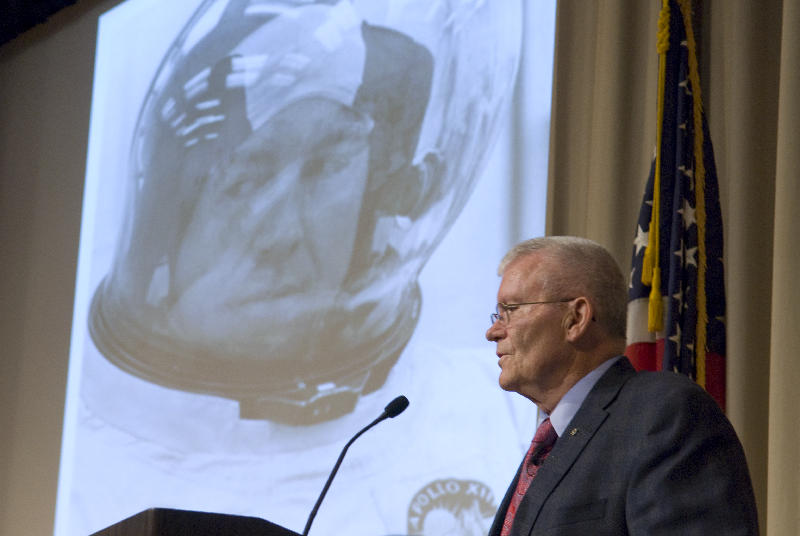
Fred Haise
An image shows former NASA astronaut Fred Haise during the 40th Anniversary of the Apollo 13 mission on April 20, 2010.
NASA/Stennis

Former NASA Astronaut Haise Turns 90

Former NASA astronaut and Biloxi, Mississippi native, Fred Haise, celebrated his 90th birthday – and lifetime of accomplishments – on Nov. 14.

Haise initially pursued a career in journalism before serving in the Korean War as a Marine Corps fighter pilot. After the war, he flew as a research pilot. One of 19 individuals selected by NASA as an astronaut candidate in April 1966, Haise was the highest-scoring applicant of Astronaut Group 5.

Following training, Haise served as a backup crew member for the Apollo 8 and Apollo 11 missions to the Moon before his chance to fly in space came on the Apollo 13 mission as lunar module pilot with commander Jim Lovell and command module pilot Jack Swigert. He was slated to become the sixth person to walk on the lunar surface.

However, Haise never had his chance to step onto the Moon. Just 56 hours into the Apollo 13 mission, an oxygen tank explosion created a crisis that held the world spellbound for days. Haise was in the lunar module at the time of the incident; by the time he reached his command module seat, oxygen tank No. 2 was gone.

The world watched as the crew endured a perilous trip around the Moon and back to Earth in the crippled spacecraft. The mission is well documented in print and onscreen. In total, Haise logged 142 hours and 54 minutes in space on the Apollo 13 mission.

The Mississippi native remained a NASA astronaut for nine more years and was slated to serve as commander of the Apollo 19 mission to the Moon before it was canceled by the end of the Apollo Program. Haise was inducted into the Astronaut Hall of Fame in 1997. Twelve years later, NASA presented him with the agency’s Ambassador of Exploration Award in recognition of his role as a spokesperson for space.

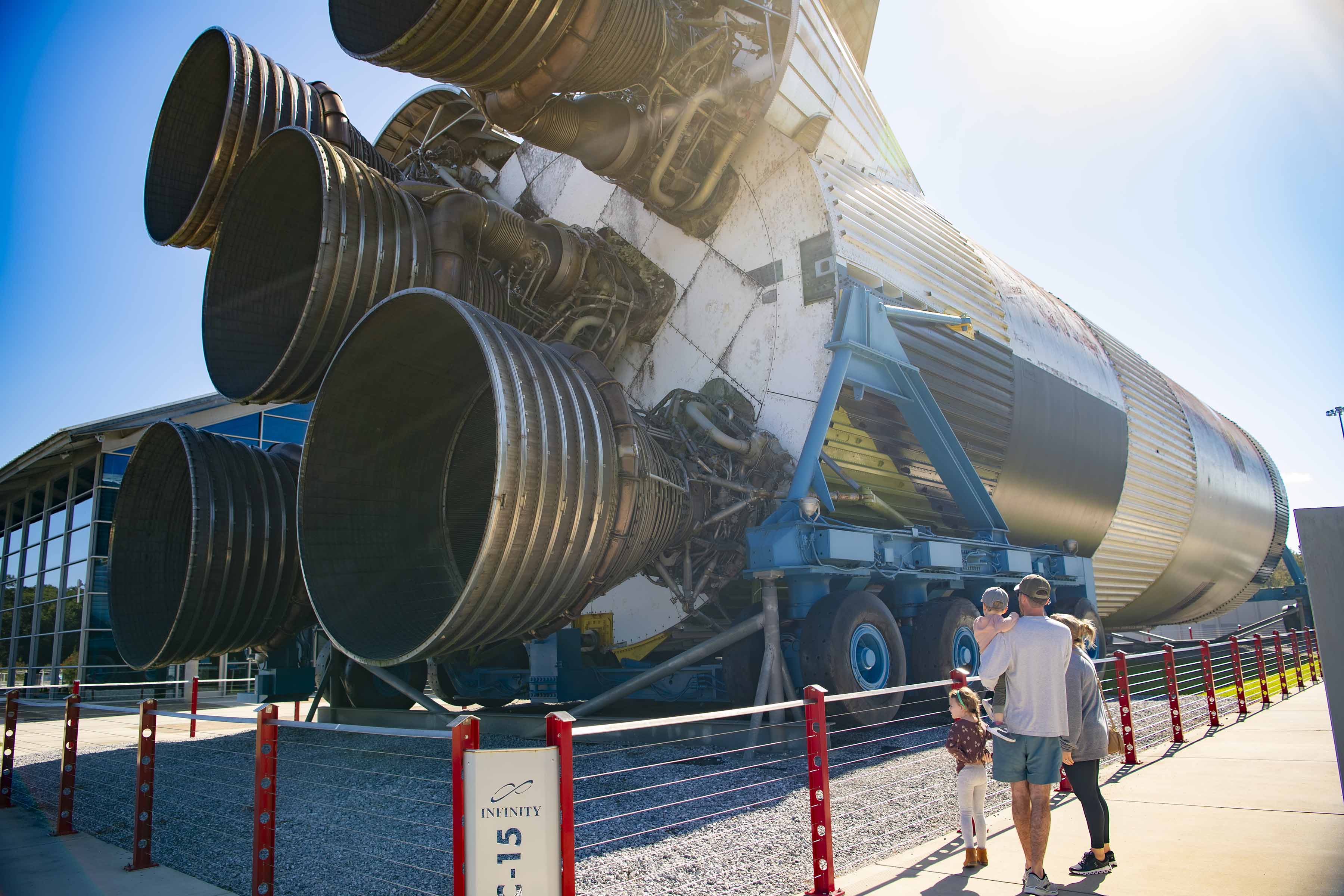
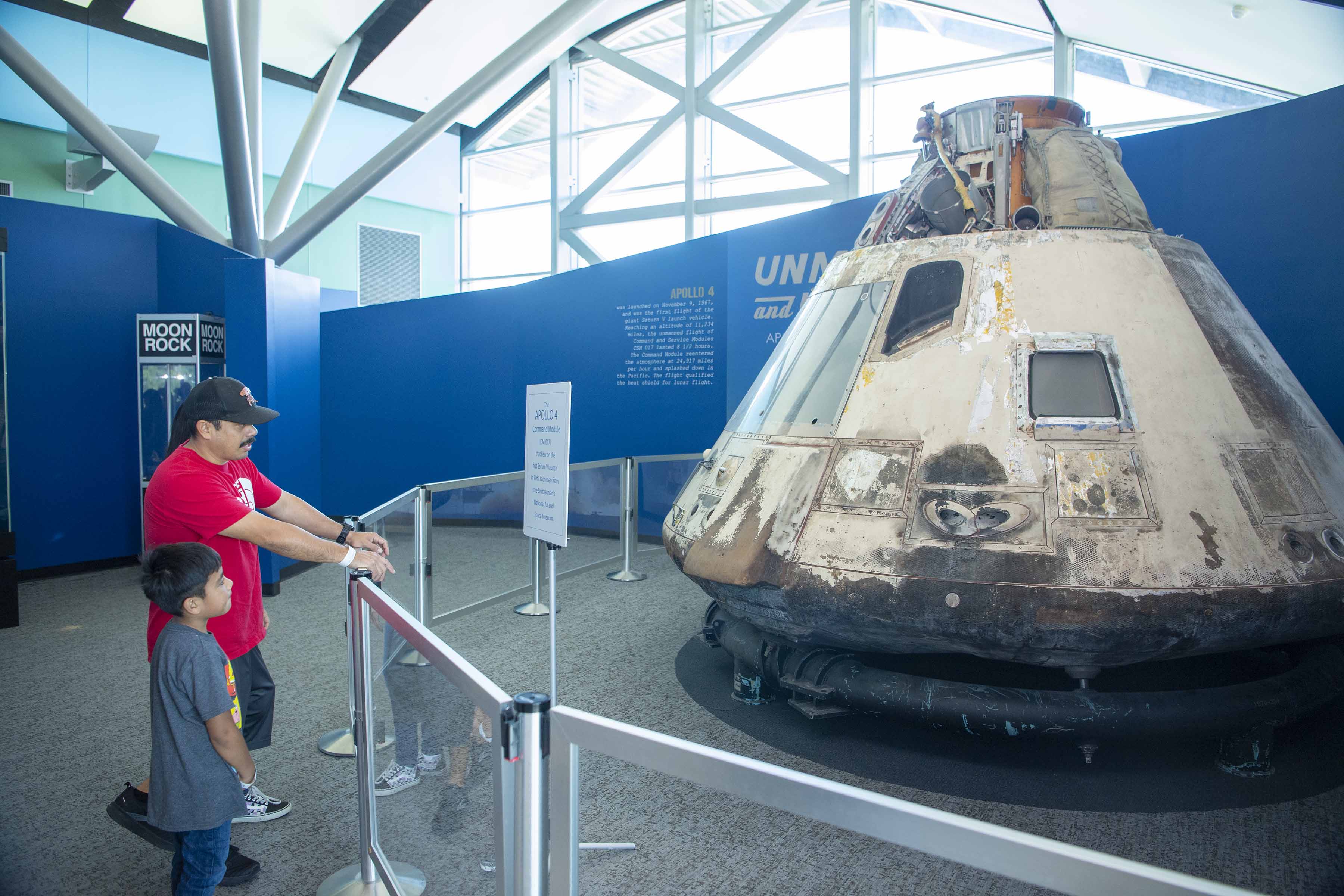
Haise presented the encased Moon rock he received for the recognition to his former Biloxi elementary school – Goren Elementary – for display to students. Since then, he has remained a space spokesperson and a staunch supporter of NASA’s Stennis Space Center and INFINITY Science Center.

“I think aviation, space, and science museums are important for the knowledge imparted to young and old,” he said of the Mississippi science facility that serves as the official visitor center of NASA Stennis. “For the young, it is possible the interesting things they see and learn about will inspire them to make the most of the talent with which they are blessed. INFINITY also serves as a beacon along the highway into Mississippi to encourage people to visit and stay awhile. It gives them a view of the incredible work being done at Stennis Space Center. Through the hands-on exhibits and special programs, education is provided to many visiting young people.”

Happy birthday to Mississippi’s own Fred Haise!

Additional Resources

Artemis

Subscription Info

Lagniappe is published monthly by the Office of Communications at NASA’s Stennis Space Center. The NASA Stennis office may be contacted by at 228-688-3333 (phone); ssc-office-of-communications@mail.nasa.gov (email); or NASA OFFICE OF COMMUNICATIONS, Attn: LAGNIAPPE, Mail code IA00, Building 1111 Room 173, Stennis Space Center, MS 39529 (mail).

The Lagniappe staff includes: Managing Editor Lacy Thompson, Editor Bo Black, and photographer Danny Nowlin.

To subscribe to the monthly publication, please email the following to ssc-office-of-communications@mail.nasa.gov – name, location (city/state), email address.

Powered by WPeMatico

Get The Details…
LaToya Dean