25 Years Ago: NASA, Partners Begin Space Station Assembly

25 Years Ago: NASA, Partners Begin Space Station Assembly

NASA is marking 25 years since the first two elements of the International Space Station were launched and joined in space. Today, the space station remains a global endeavor with 273 people from 21 countries now having visited the microgravity laboratory and has hosted more than 3,700 research and educational investigations from people in 108 countries and areas.
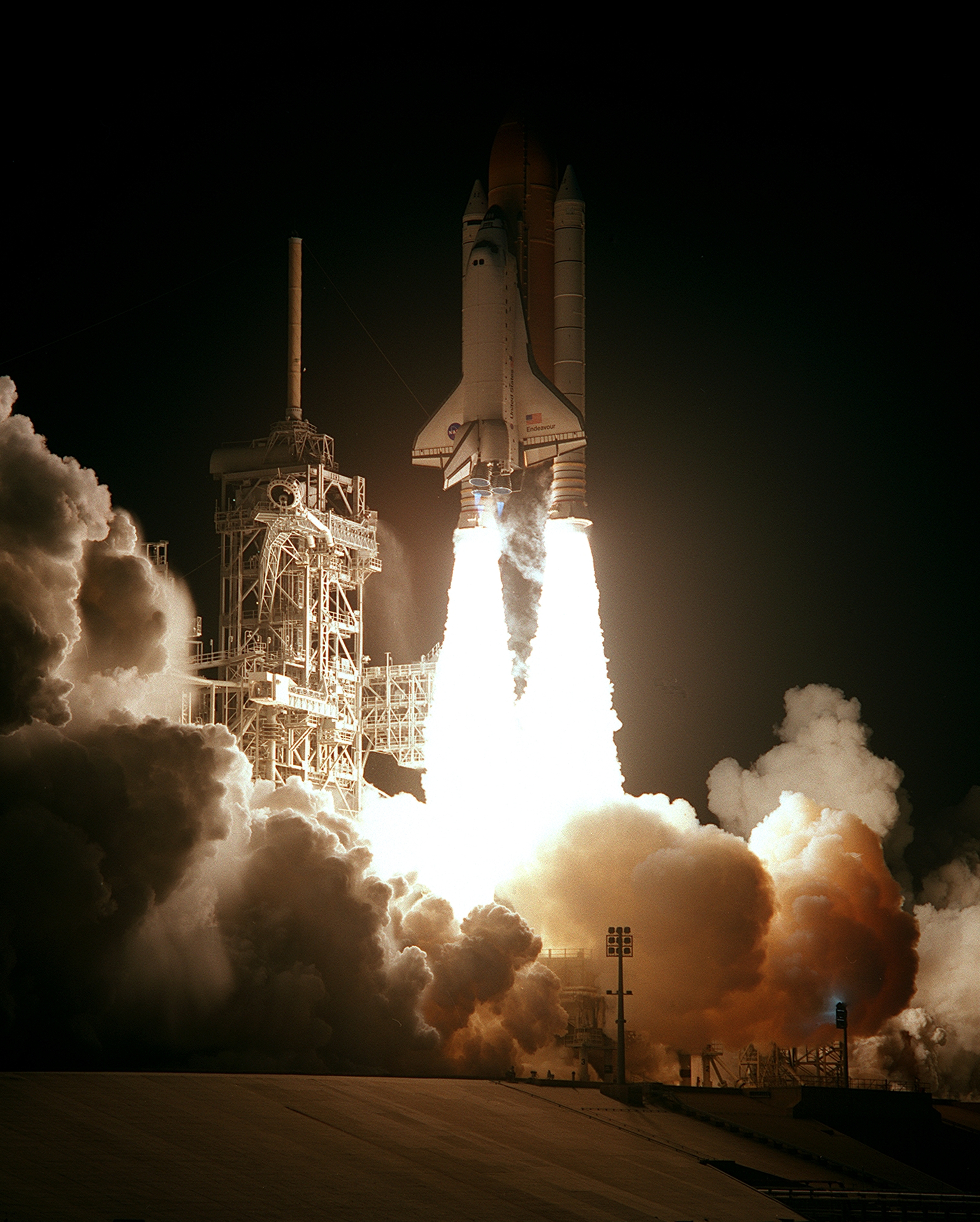
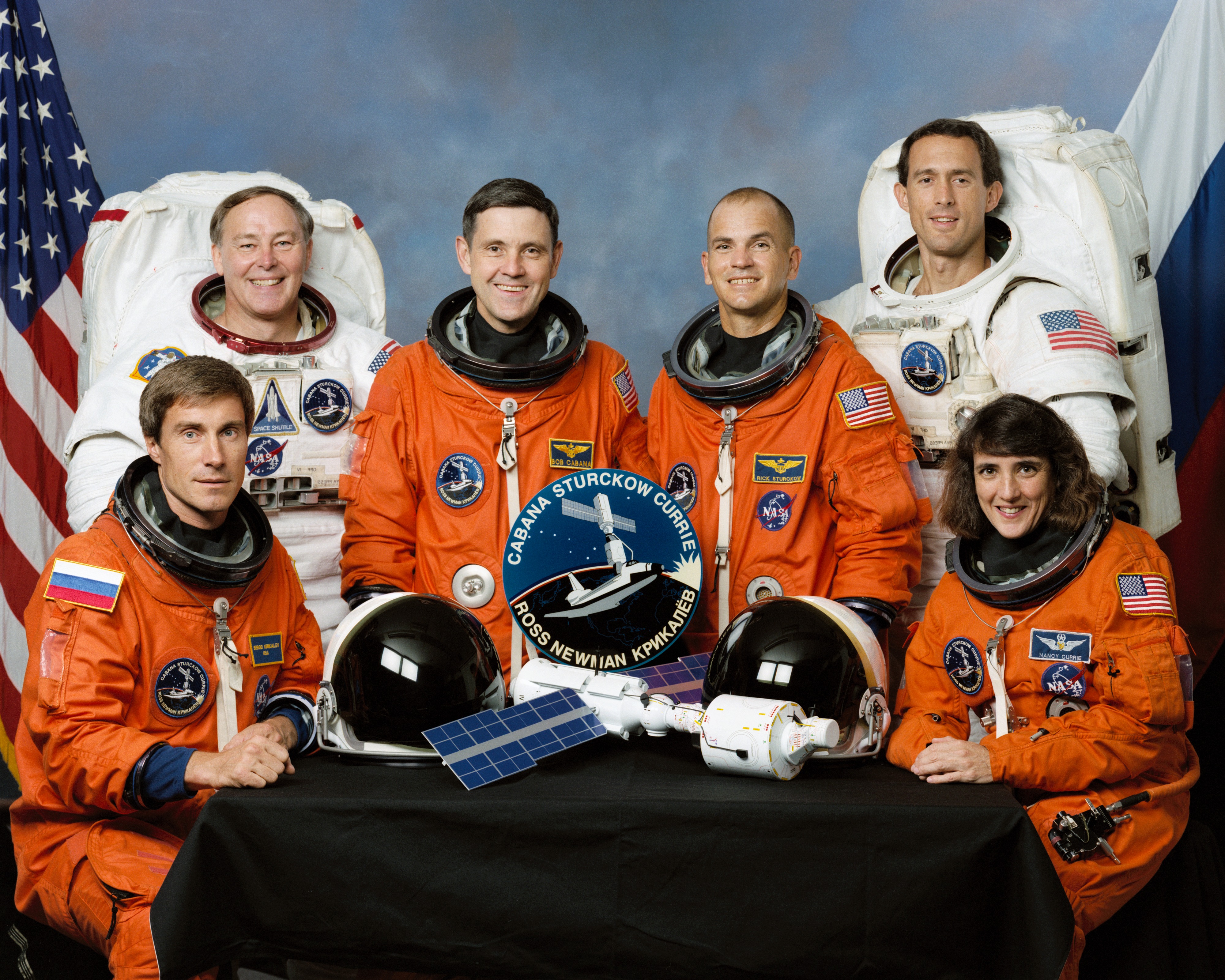
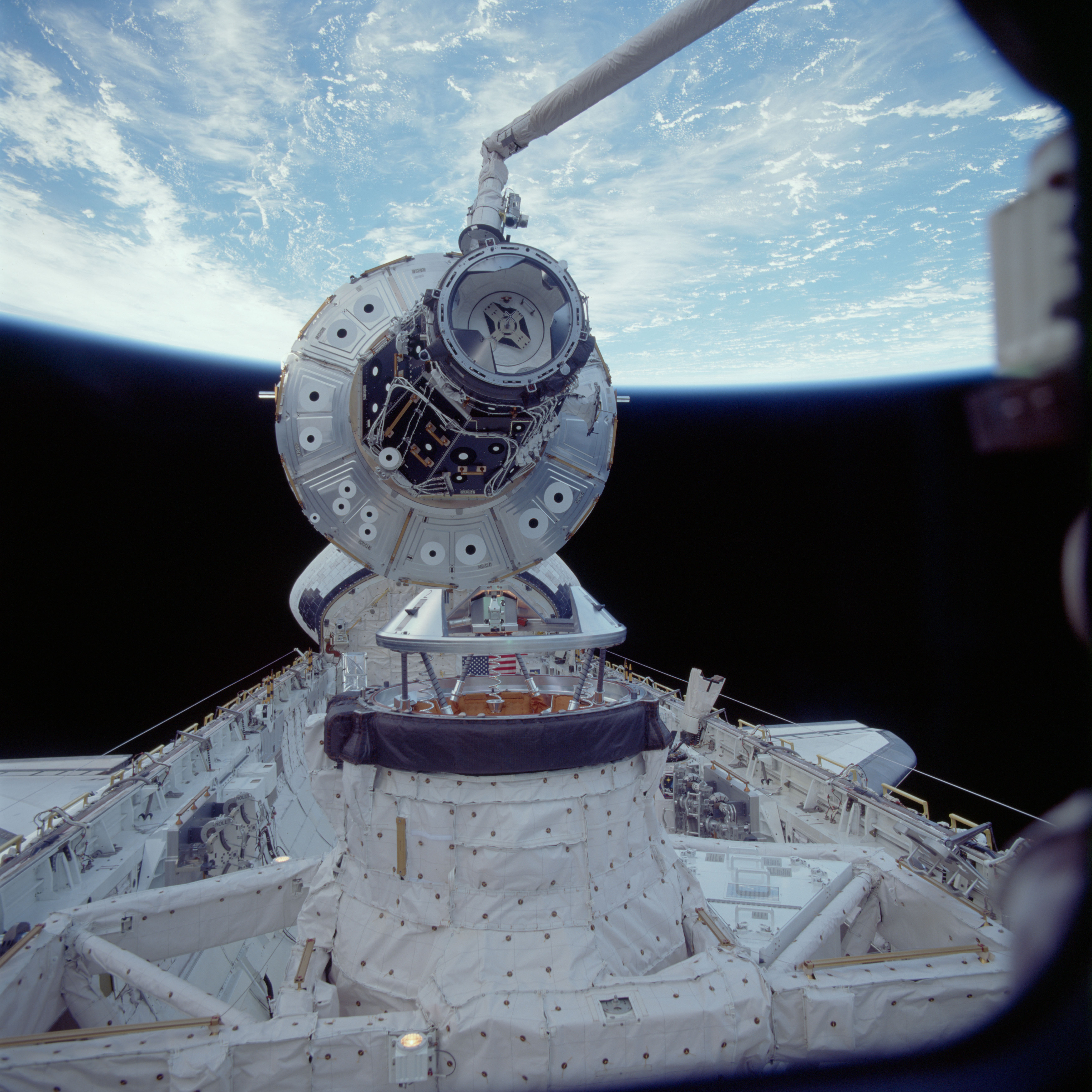
Image of Launch of space shuttle Endeavour from NASA’s Kennedy Space Center in Florida on the STS-88 mission to deliver the Unity Node 1 module Photo of the STS-88 crew Image of the Unity Node 1 module being lifted out of the cargo bay
Left: Launch of space shuttle Endeavour from NASA’s Kennedy Space Center in Florida on the STS-88 mission to deliver the Unity Node 1 module. Middle: The STS-88 crew. Right: The Unity Node 1 module being lifted out of the cargo bay.

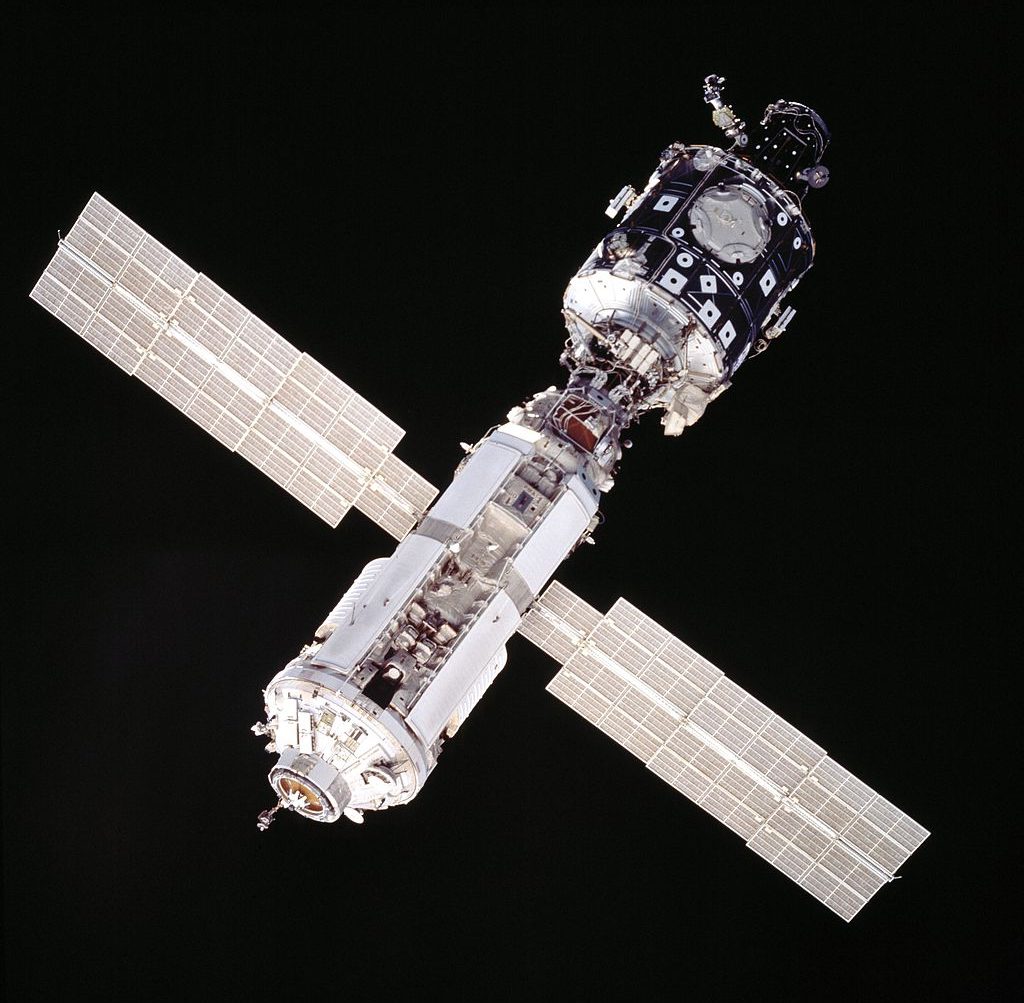
On Nov. 20 and Dec. 4, 1998, Zarya and Unity, respectively, launched into orbit as the first two modules of the International Space Station. On Dec. 6, 1998, the space shuttle Endeavour STS-88 crew, NASA astronauts Bob Cabana, Rick Sturckow, Nancy Currie, Jerry Ross, and James Newman, along with Russian Space Agency (now Roscosmos) cosmonaut Sergei Krikalev, captured the Zarya module with the space shuttle’s robotic arm and mated it to Unity.
Zarya has been mated with Unity in the shuttle’s cargo bay and astronauts are outside making connections between the two modules Image of the space station’s first two elements after release from the space shuttle
Left: Zarya has been mated with Unity in the shuttle’s cargo bay and astronauts are outside making connections between the two modules. Right: The space station’s first two elements after release from the space shuttle.

Engineers thousands of miles apart designed and built the two modules and the elements first met in space. The STS-88 crew, commanded by Cabana, spent the next few days and three spacewalks making connections between the two modules before releasing the early station. Since the joining of Zarya and Unity, the space station has grown with additions from international partners, resulting in the largest and most complex piece of technology constructed in space. In November 2000, the space station received its first long-duration residents, Expedition 1, including NASA astronaut William Shepard, and Roscosmos cosmonauts Krikalev and Yuri Gidzenko. Since that time, international teams have kept the space station permanently inhabited, performing routine operations and maintenance including dozens of spacewalks, and conducting world-class research in a wide array of scientific disciplines. From visiting spacecraft with cargo, crew, and private astronauts, to spacewalks for station upgrades, to science investigations and technology demonstrations, to commercial activities, to public outreach and STEM downlinks, the International Space Station is a busy orbital outpost and microgravity laboratory. Now, more than ever, utilization, advancements, and results are adding up for the benefit of humanity.
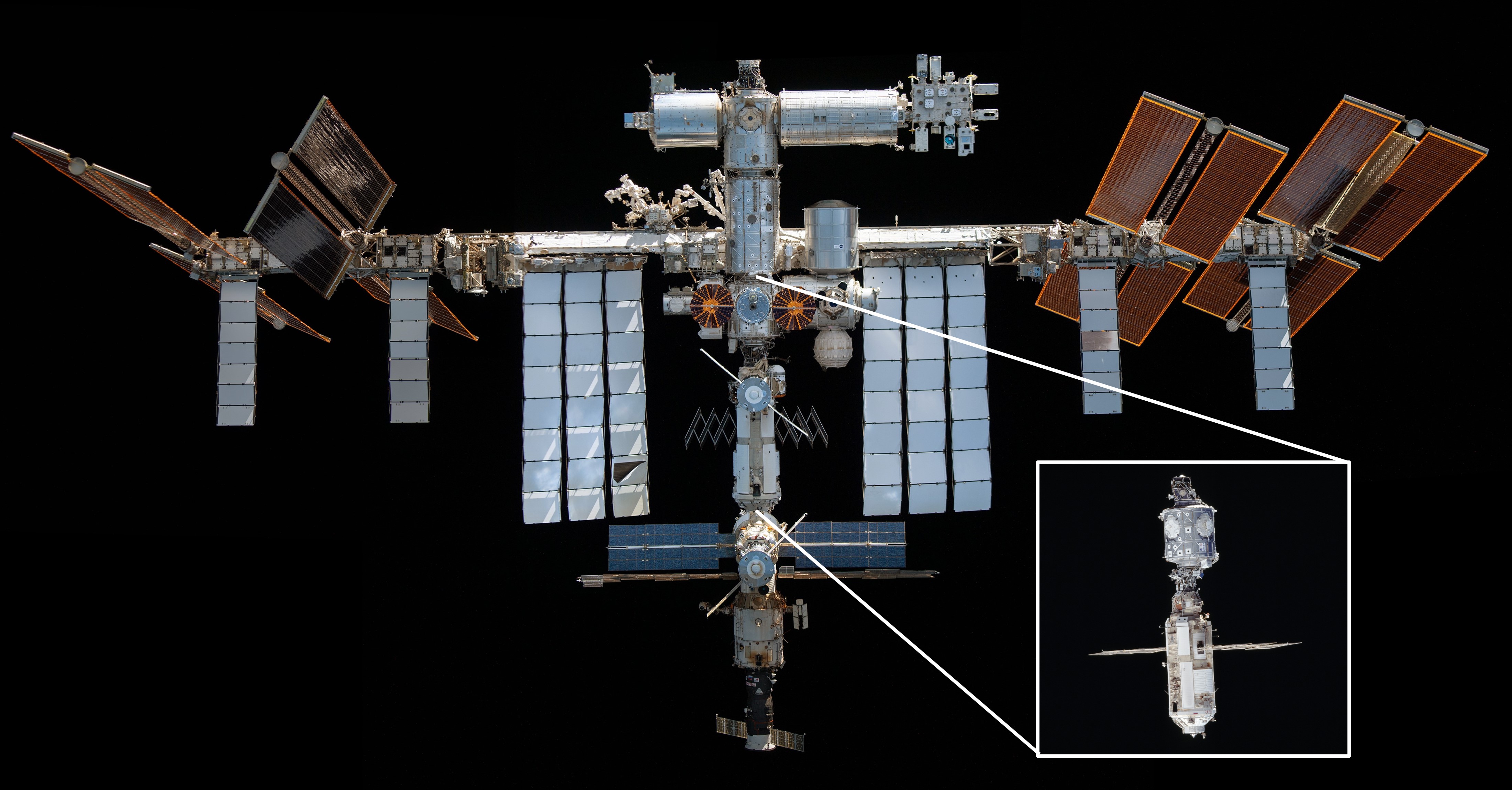
The International Space Station as it appeared in 2021, compared to Zarya and Unity at the same scale in the inset
The International Space Station as it appeared in 2021, compared to Zarya and Unity at the same scale in the inset.

Share

Details

Last Updated

Dec 06, 2023

Powered by WPeMatico

Get The Details…
Kelli Mars
25 Years Ago: The First Pieces of the International Space Station

25 Years Ago: The First Pieces of the International Space Station

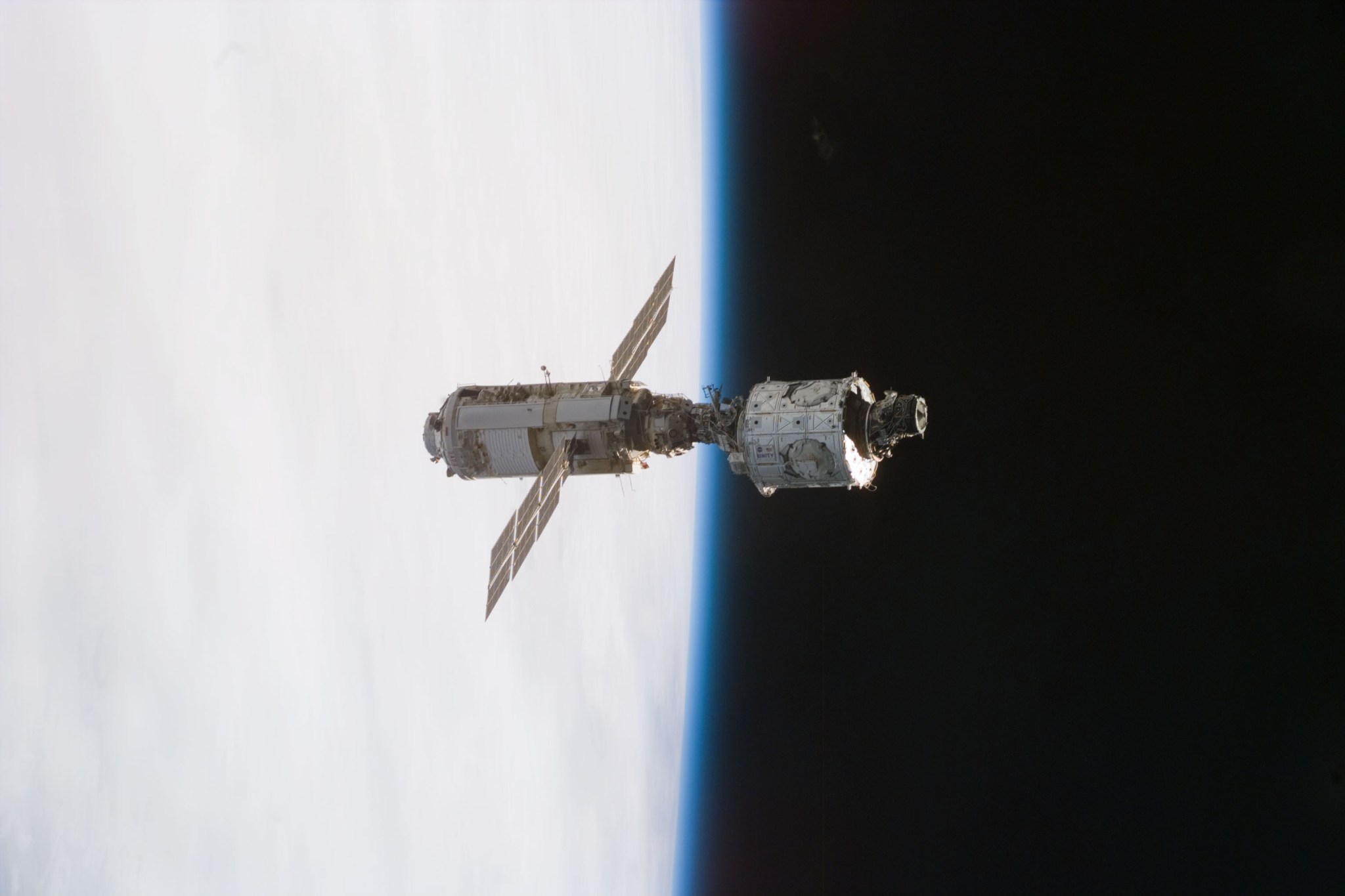
The first pieces of the International Space Station, the mated Russian-built Zarya (left) and U.S.-built Unity modules, are backdropped against the blackness of space and Earth's horizon. Zarya is cylinder-shaped and has solar panels that stick out from the body of the module.
NASA

The mated Russian-built Zarya (left) and U.S.-built Unity modules are backdropped against the blackness of space and Earth’s horizon shortly after leaving Endeavour’s cargo bay on Dec. 13, 1998. A few days earlier, on Dec. 6, 1998, the space shuttle Endeavour, mission STS-88, launched from NASA’s Kennedy Space Center in Florida carrying the Unity connecting module and two pressurized mating adapters. The same day, the STS-88 crew captured the Russian Zarya module, launched Nov. 20, and mated it with the Unity node. Unity was the first piece of the International Space Station provided by the United States.

The components in the current space station were built in various countries around the world, with each piece performing once connected in space by complex robotics systems and humans in spacesuits—a testament to teamwork and cultural coordination.

Learn more about the space station, including its assembly.

Image Credit: NASA

Powered by WPeMatico

Get The Details…
Monika Luabeya

NASA Invites Media to Northrop Grumman, SpaceX Space Station Launch

NASA Invites Media to Northrop Grumman, SpaceX Space Station Launch

3 min read

Preparations for Next Moonwalk Simulations Underway (and Underwater)

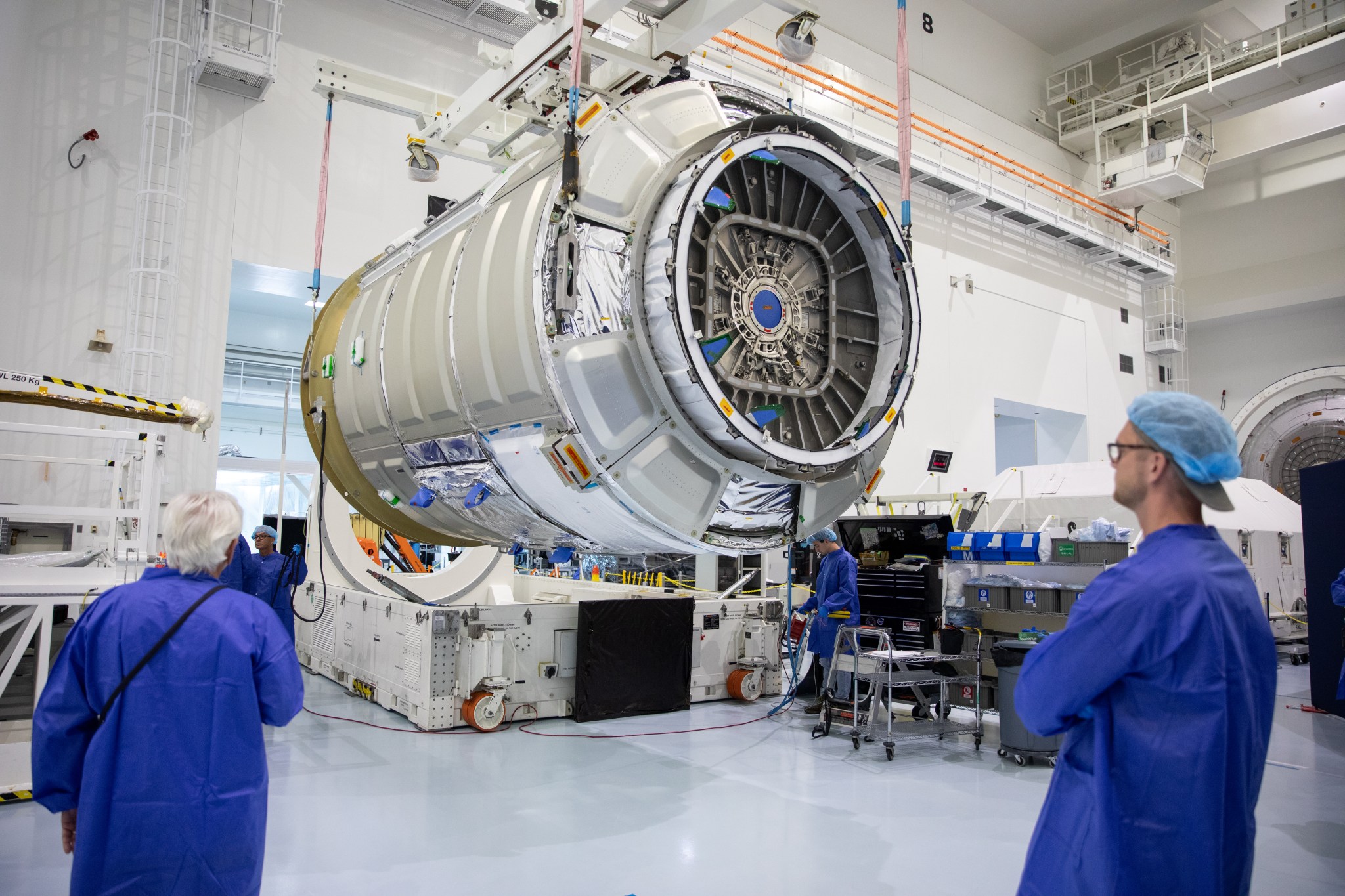
The Northrop Grumman Cygnus spacecraft’s pressurized cargo module for the company’s 20th commercial resupply mission is lifted and moved by crane inside the high bay in the Space Station Processing Facility at NASA’s Kennedy Space Center in Florida. The Cygnus, aboard a SpaceX Falcon 9 rocket, will liftoff from Cape Canaveral Space Force Station’s Space Launch Complex 40.
NASA/Ben Smegelsky

Media accreditation is open for the next launch to deliver NASA science investigations, supplies, and equipment to the International Space Station. This launch is the 20th Northrop Grumman commercial resupply services mission to the orbital laboratory for the agency.

NASA, Northrop Grumman, and SpaceX are targeting no earlier than Monday, Jan. 29, for a Falcon 9 rocket to launch the Cygnus spacecraft from Space Launch Complex 40 at Cape Canaveral Space Force Station in Florida.

Following launch, the space station’s Canadarm2 will grapple Cygnus no earlier than Wednesday, Jan. 31, and the spacecraft will attach to the Unity module’s Earth-facing port for cargo unloading by the Expedition 70 crew.

U.S. media may apply for credentials to cover the prelaunch and launch activities. The application deadline for U.S. citizens is 11:59 p.m., Friday, Jan. 12. All accreditation requests must be submitted online at:

https://media.ksc.nasa.gov

Credentialed media will receive a confirmation email upon approval. NASA’s media accreditation policy is available online. For questions about accreditation, or to request special logistical support, email: ksc-media-accreditat@mail.nasa.gov. For other questions, please contact NASA’s Kennedy Space Center newsroom at: 321-867-2468.

Para obtener información sobre cobertura en español en el Centro Espacial Kennedy o si desea solicitor entrevistas en español, comuníquese con Antonia Jaramillo o Messod Bendayan a: antonia.jaramillobotero@nasa.gov o messod.c.bendayan@nasa.gov.

Each resupply mission to the station delivers scientific investigations in the areas of biology and biotechnology, Earth and space science, physical sciences, and technology development and demonstrations. Cargo resupply from U.S. companies ensures a national capability to deliver scientific research to the space station, significantly increasing NASA’s ability to conduct new investigations aboard humanity’s laboratory in space.

Cygnus also will deliver food, supplies, and equipment to the crew. Research aboard this mission includes the first surgical robot on the space station and an orbit re-entry platform that collects thermal protection systems data. Other investigations aboard include a 3D cartilage cell culture that maintains healthy cartilage in a lower gravity environment and ESA’s (European Space Agency) Metal 3D printer, an autonomous semiconductor manufacturing platform.

This spacecraft is named the S.S. Patricia “Patty” Hilliard Robertson.

Humans have occupied the space station continuously since November 2000. In that time, 273 people from 21 countries have visited the orbital outpost. The space station is a springboard to NASA’s next great leap in exploration, including future missions to the Moon under Artemis, and ultimately, human exploration of Mars.

Learn more about NASA’s commercial resupply missions at:

https://www.nasa.gov/international-space-station/commercial-resupply/

-end-

News Media Contacts:

Josh Finch / Claire O’Shea
Headquarters, Washington
202-358-1100
joshua.a.finch@nasa.gov / claire.a.o’shea@nasa.gov

Stephanie Plucinsky / Steven Siceloff
Kennedy Space Center, Fla.
321-876-2468
stephanie.n.plucinsky@nasa.gov / steven.p.siceloff@nasa.gov

Sandra Jones
Johnson Space Center, Houston
281-483-5111
sandra.p.jones@nasa.gov

Ellen Klicka 
Northrop Grumman, Cygnus  
703-402-4404 
ellen.klicka@ngc.com

Share

Details

Last Updated

Dec 06, 2023

Editor
NASA Communications
Contact
Joshua A. Finch

Powered by WPeMatico

Get The Details…
Claire A. O’Shea

Processing PACE Continues for Launch in Early 2024

Processing PACE Continues for Launch in Early 2024

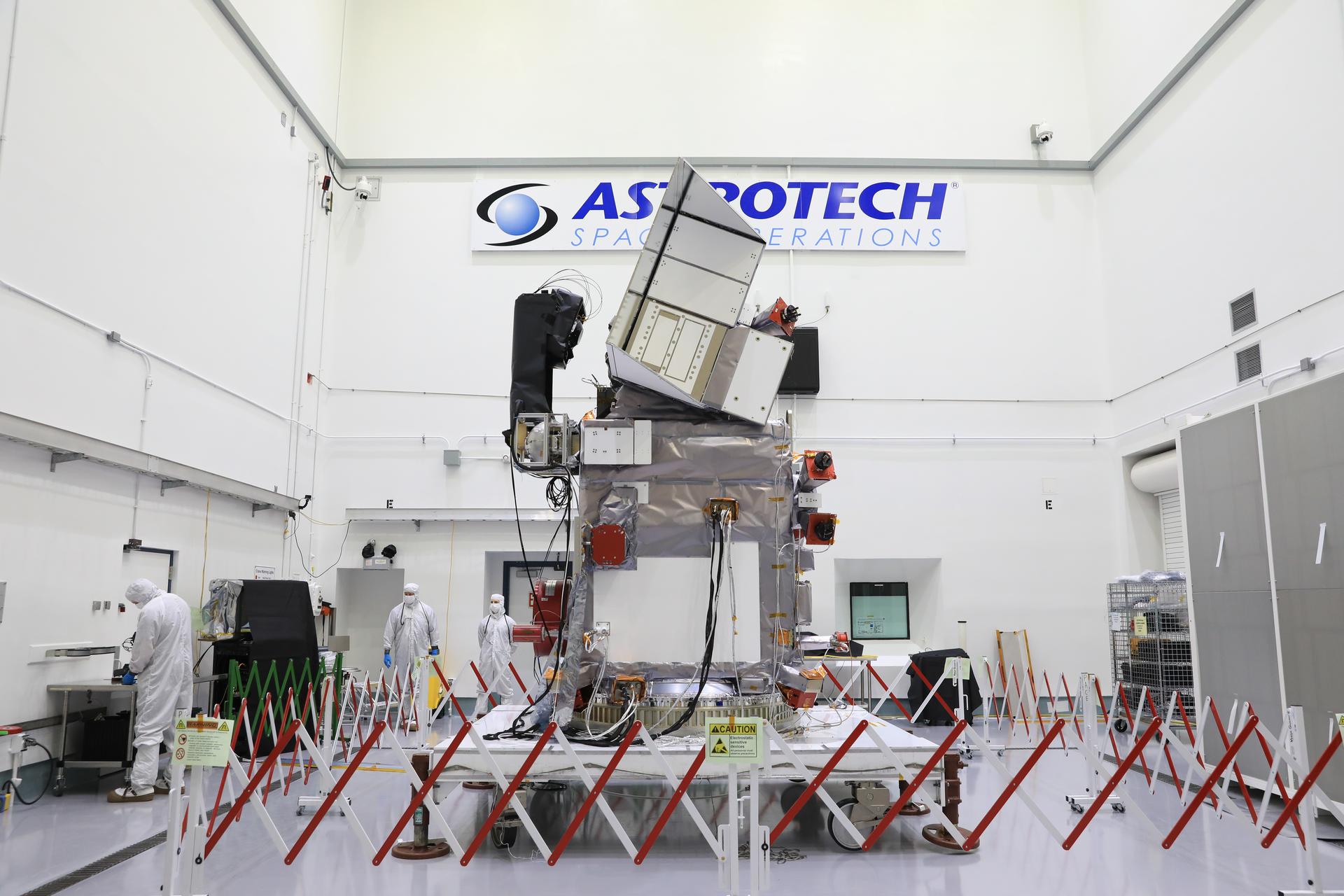
The PACE spacecraft is inspected and cleaned on a spacecraft dolly in a high bay at Astrotech Space Operation in Titusville, Florida on December 4, 2023.

Engineers are executing a comprehensive performance test to ensure the PACE spacecraft is ready for launch. NASA’s Plankton, Aerosol, Cloud ocean Ecosystem (PACE) mission will study what makes Earth so different from every other planet we study: life itself. PACE will extend and improve upon NASA’s 20-plus years of global satellite observations of our living ocean, atmospheric aerosols, and clouds. It will also continue key measurements related to air quality and initiate an advanced set of climate-relevant data records.

Testing and other preparations include charging batteries and power tests on the spacecraft bus and solar arrays. Launch is targeted for early 2024 on a SpaceX Falcon 9 lifting off from Space Launch Complex 40 at Cape Canaveral Space Force Station in Florida.

Photo credit: NASA/Kim Shiflett

Powered by WPeMatico

Get The Details…
Jason Costa

NASA Podcasts Now Available on Spotify 

NASA Podcasts Now Available on Spotify 

2 min read

Preparations for Next Moonwalk Simulations Underway (and Underwater)

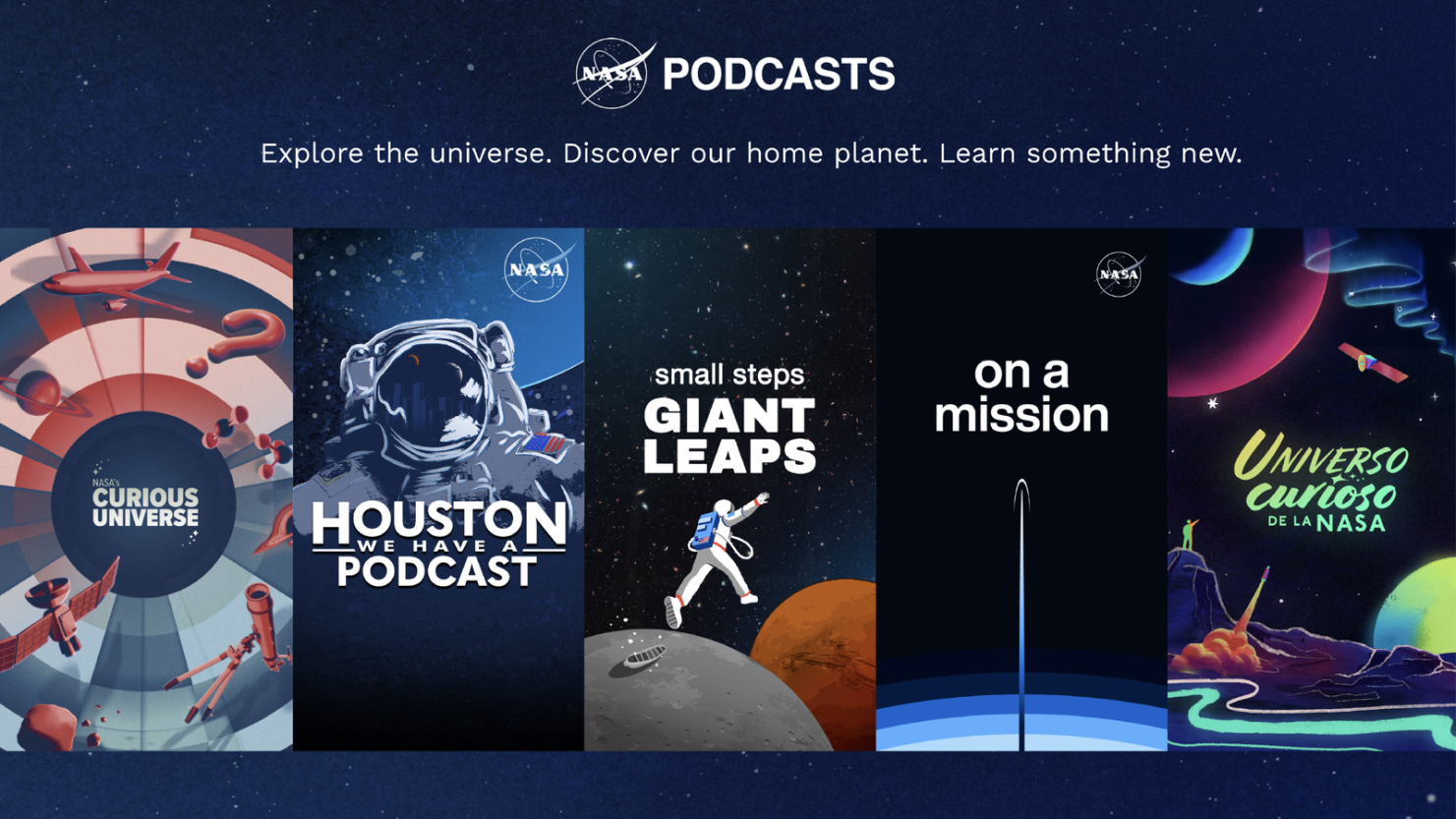
Graphic showing four panels of NASA podcast options.
NASA’s podcasts let you experience the thrill of space exploration without ever leaving Earth.
Credit: NASA

NASA recently released its collection of original podcasts on Spotify, giving more people access to in-depth conversations, stories, and Spanish-language content as the agency works to explore the unknown in air and space. 

NASA now offers five podcasts on Spotify, including: 

  • Our universe is a wild and wonderful place. Join NASA astronauts, scientists, and engineers on a new adventure each episode — all you need is your curiosity! First-time space explorers welcome. 
  • From Earth orbit to the Moon and Mars, explore the world of human spaceflight with NASA each week on the official podcast of the agency’s Johnson Space Center in Houston. 
  • A journey to the stars doesn’t just begin at the launchpad. Discover new worlds through epic stories told by scientists on missions to outer space. 
  • NASA’s technical workforce put boots on the Moon, tire tracks on Mars, and the first reusable spacecraft in orbit around the Earth. Learn what’s next as they build missions that redefine the future with amazing discoveries and remarkable innovations. 
  • Bienvenidos a Universo curioso de la NASA, en donde te invitamos a explorar el cosmos en tu idioma. En este pódcast, ¡la NASA es tu guía turística a las estrellas! 

In the coming months, NASA plans to offer more audio-first products on Spotify, including sonifications that translate data into sound and recordings from our solar system and beyond. 

The agency’s podcasts are available ad-free, and without cost, to Spotify’s audience of 574 million users. You can listen on Spotify or wherever you get your podcasts.  

Powered by WPeMatico

Get The Details…
Kelly M. Matter