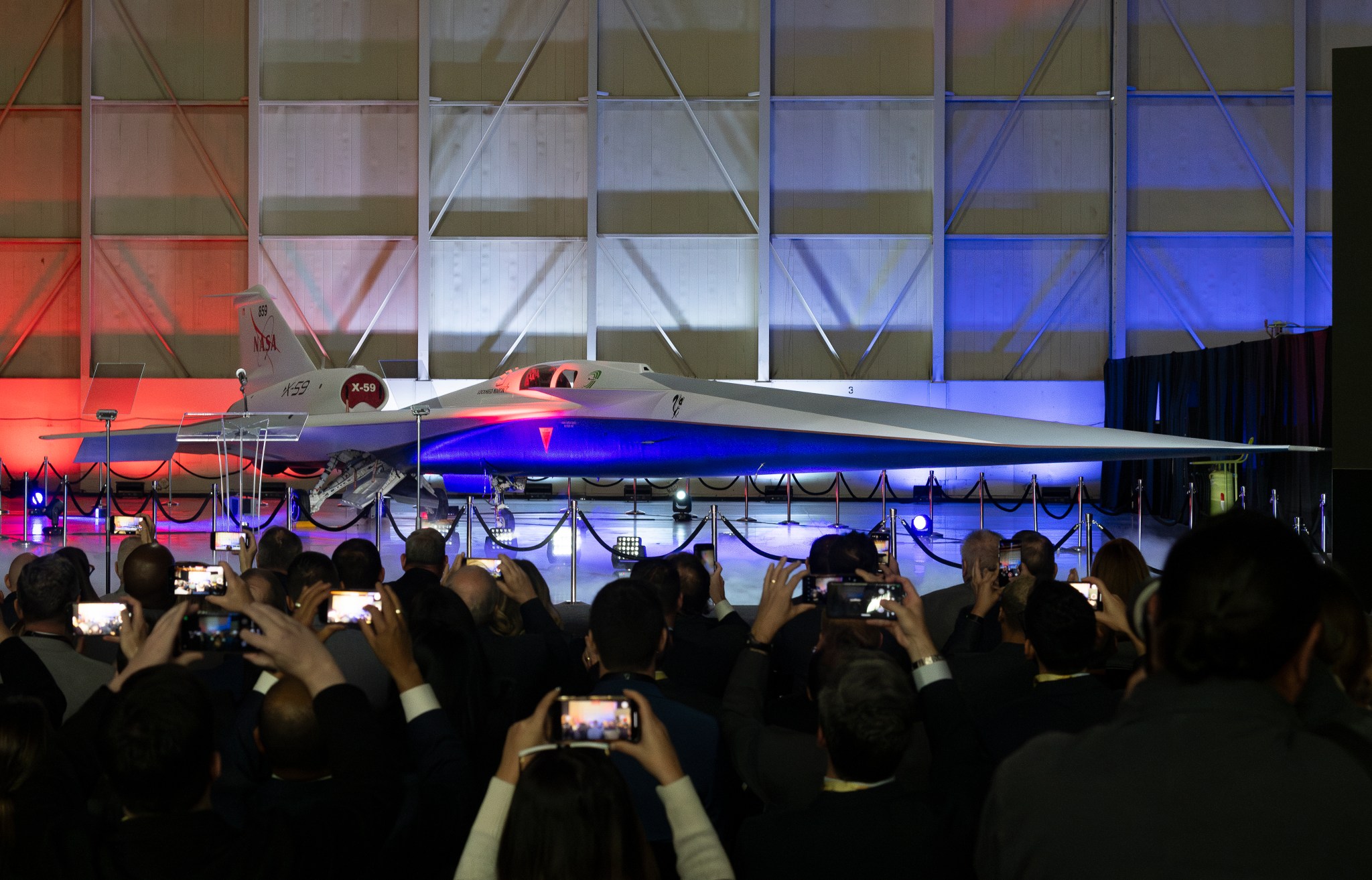
NASA and Lockheed Martin publicly unveil the X-59 quiet supersonic research aircraft at a ceremony in Lockheed Martin’s Skunk Works facility in Palmdale, California. The X-59 is the centerpiece of NASA’s Quesst mission, which seeks to solve one of the major barriers to supersonic flight over land, currently banned in the United States, by making sonic booms quieter.
NASA/Steve Freeman
A climactic curtain drop reveals the newly painted red, white, and blue X-59 aircraft during its rollout ceremony on Jan. 12, 2024, at Lockheed Martin Skunk Works in Palmdale, California – a major milestone before its first flight.
A long-standing aviation tradition, rollout ceremonies celebrate years of technical achievements. In the case of the X-59, not only does it celebrate groundbreaking technical work, but it honors the brilliant minds behind the research, development, and construction that went into a one-of-a-kind supersonic research aircraft.
The X-59 is a research tool in NASA’s Quesst mission designed to prove quiet supersonic flight is possible. Through Quesst, NASA will fly the aircraft over select U.S. communities, working with them to collect data. NASA will provide that data to regulators so they may consider writing new sound-based rules that would amend the current ban on commercial supersonic flight over land.
Next up, the X-59 team will conduct a series of integrated ground tests, including engine runs and taxi tests, to prepare for the aircraft’s first flight.
Image Credit: NASA/Steve Freeman
Text Credit: Sasha Ellis
Read this story in Spanish:
El avión X-59 de la NASA fue revelado durante una ceremonia
Una caída culminante del telón revela el avión X-59 recién pintado de rojo, blanco y azul durante su ceremonia de lanzamiento el 12 de enero de 2024 en Lockheed Martin Skunk Works en Palmdale, California, un logro importante antes de su primer vuelo.
Las ceremonias de lanzamiento vienen de una larga tradición en la aviación donde se celebran años de logros técnicos. En el caso del X-59, no sólo se celebra el trabajo técnico innovador, sino que también honra a las mentes brillantes detrás de la investigación, el desarrollo y la construcción de un avión de investigación supersónico único en su tipo.
El X-59 es una herramienta de investigación de la misión Questt de la NASA diseñada para demostrar que es posible un vuelo supersónico silencioso. A través de Questt, la NASA volará el avión sobre comunidades seleccionadas de los Estados Unidos y trabajará con ellas para recopilar datos. La NASA proporcionará esos datos a los reguladores para que puedan redactar nuevas reglas de los vuelos supersónicos comerciales sobre tierra considerando los niveles de ruido en lugar de la velocidad.
A continuación, el equipo del X-59 llevará a cabo una serie de pruebas en tierra integradas, incluidos funcionamientos del motor y pruebas de rodaje, para prepararse para el primer vuelo del avión.
Crédito de la foto: NASA/Steve Freeman Crédito de texto: Sasha Ellis, NASA Traducido por: Jessica Arreola, NASA
Science Launches to Space Station on NASA’s 20th Northrop Grumman Mission
6 Min Read
Science Launches to Space Station on NASA’s 20th Northrop Grumman Mission
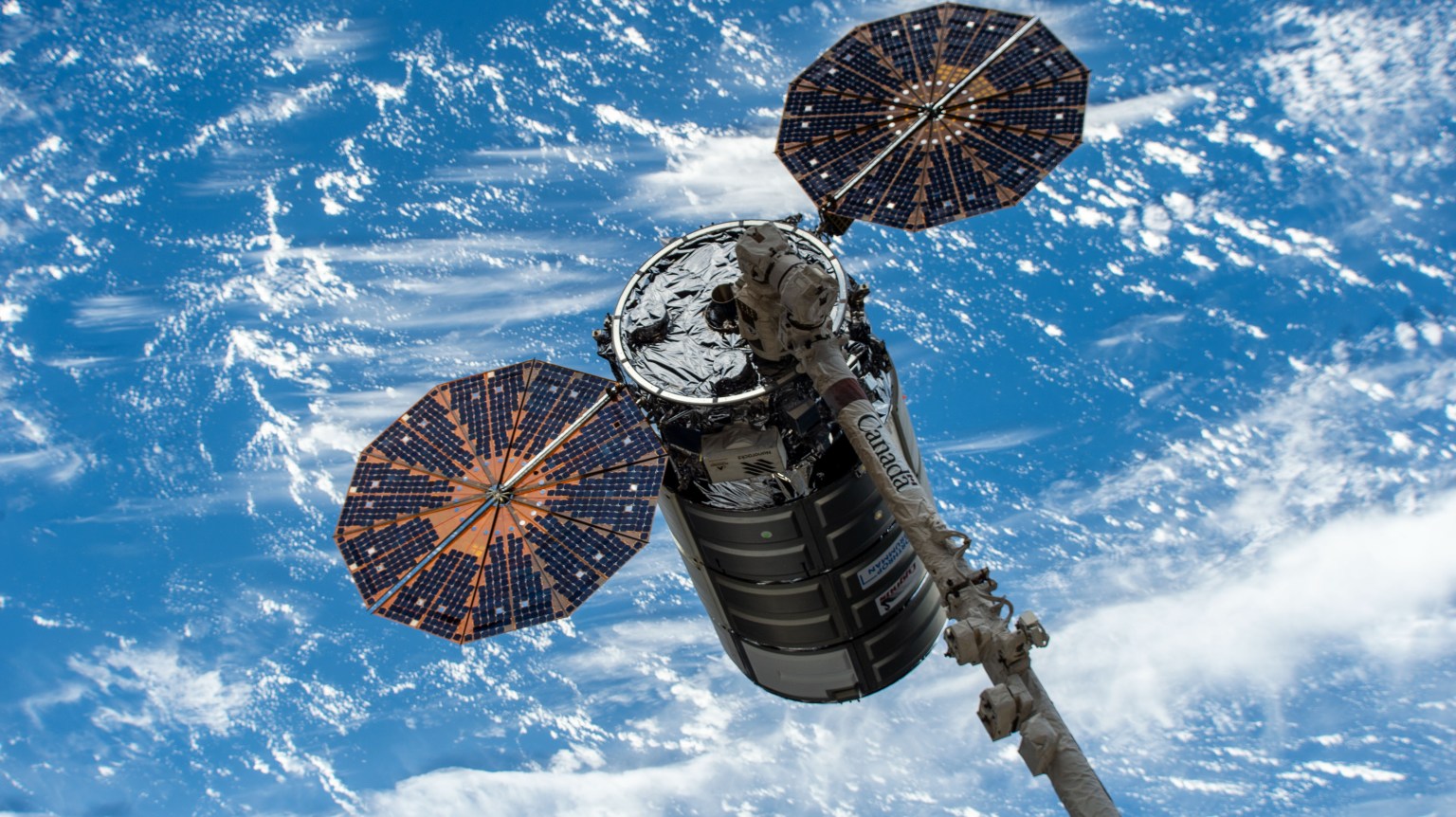
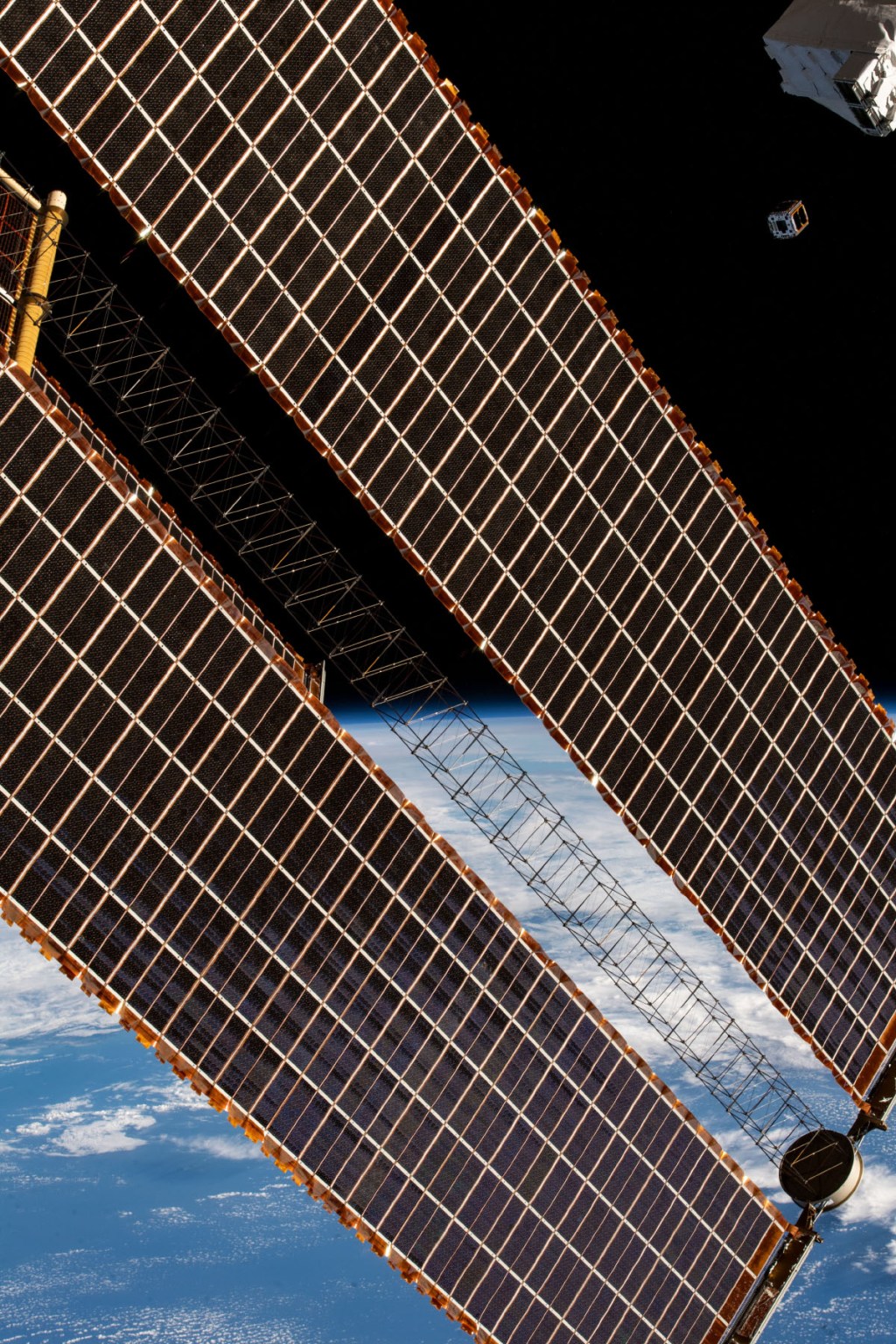
iss067e156135 (July 28, 2022) — Northrop Grumman’s Cygnus space freighter is positioned away from the International Space Station in the grips of the Canadarm2 robotic arm prior to its release ending a four-month stay attached to the orbiting lab’s Unity module.
Credits: NASA
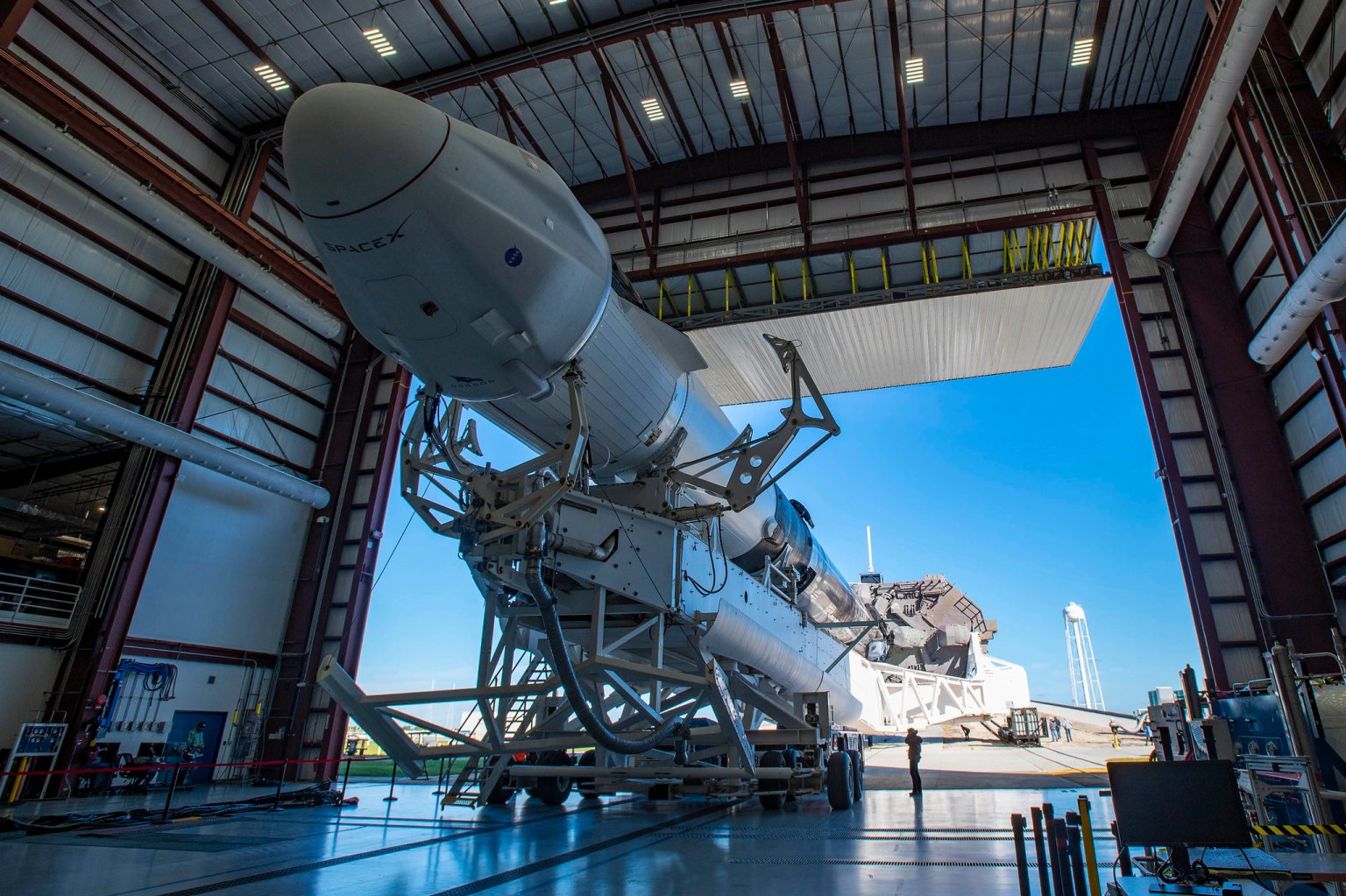
Tests of a 3D metal printer, semiconductor manufacturing, and thermal protection systems for reentry to Earth’s atmosphere are among the scientific investigation that NASA and international partners are launching to the International Space Station on Northrop Grumman’s 20th commercial resupply services mission. The company’s Cygnus cargo spacecraft is scheduled to launch on a SpaceX Falcon 9 rocket from Cape Canaveral Space Force Station in Florida by late January.
Read more about some of the research making the journey to the orbiting laboratory:
3D Printing in Space
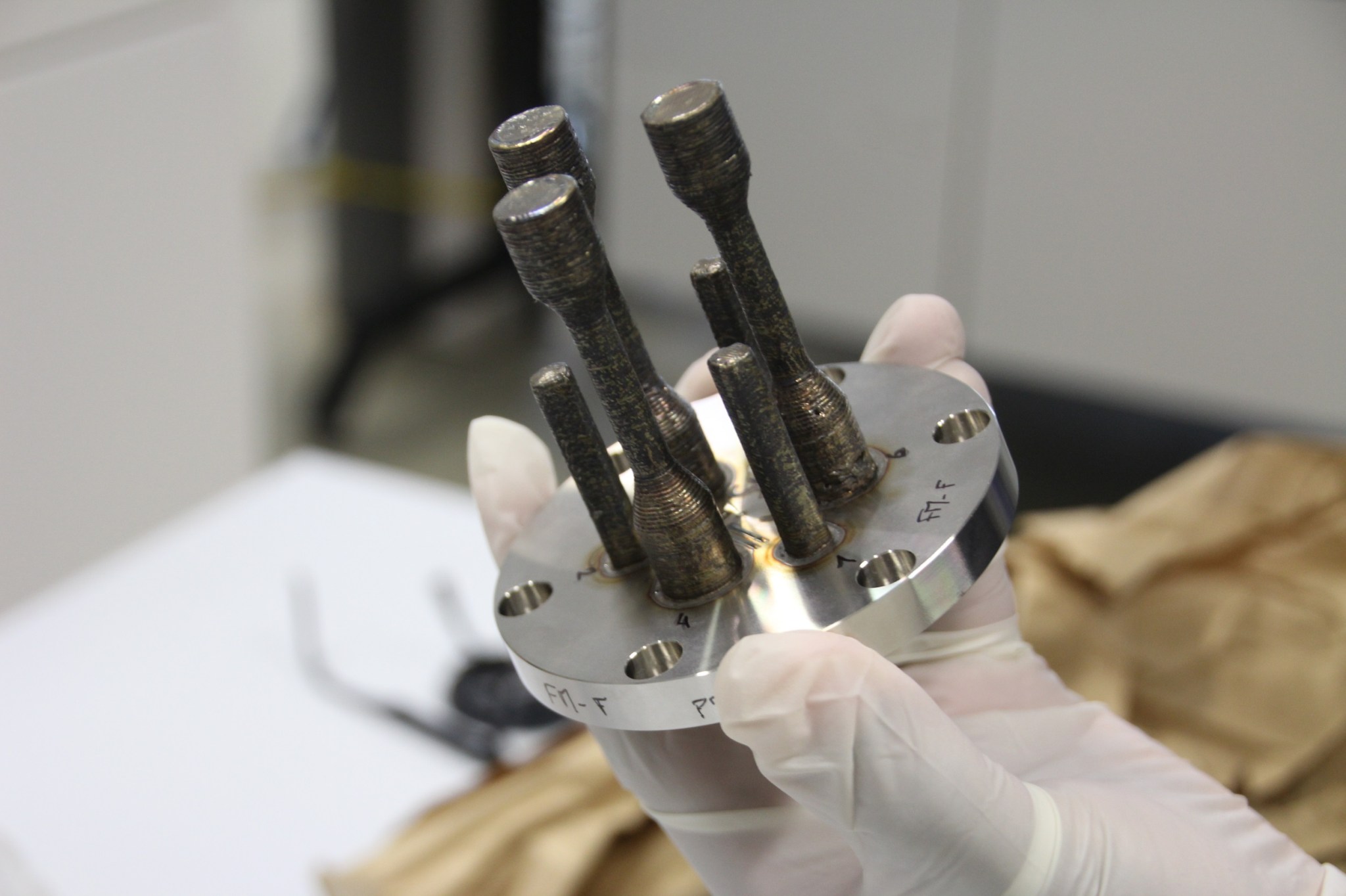
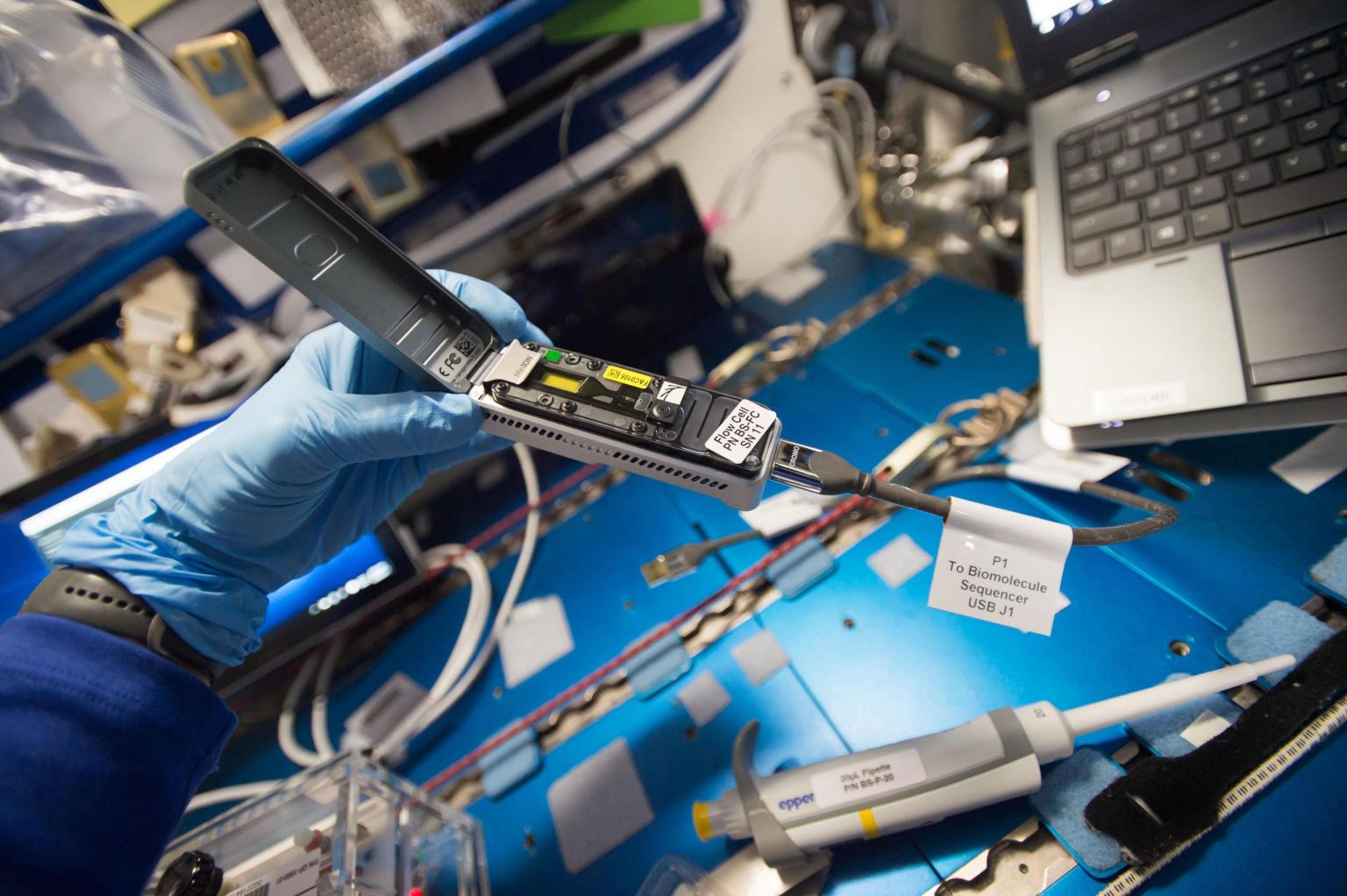
An investigation from ESA (European Space Agency), Metal 3D Printer tests additive manufacturing or 3D printing of small metal parts in microgravity.
“This investigation provides us with an initial understanding of how such a printer behaves in space,” said Rob Postema of ESA. “A 3D printer can create many shapes, and we plan to print specimens, first to understand how printing in space may differ from printing on Earth and second to see what types of shapes we can print with this technology. In addition, this activity helps show how crew members can work safely and efficiently with printing metal parts in space.”
Results could improve understanding of the functionality, performance, and operations of metal 3D printing in space, as well as the quality, strength, and characteristics of the printed parts. Resupply presents a challenge for future long-duration human missions. Crew members could use 3D printing to create parts for maintenance of equipment on future long-duration spaceflight and on the Moon or Mars, reducing the need to pack spare parts or to predict every tool or object that might be needed, saving time and money at launch.
Advances in metal 3D printing technology also could benefit potential applications on Earth, including manufacturing engines for the automotive, aeronautical, and maritime industries and creating shelters after natural disasters.
A team led by Airbus U.S. Space & Defense and Space SAS under a contract with ESA developed the investigation.
Samples produced by the Metal 3D Printer prior to launch to the space station.
ESA
Semiconductor Manufacturing in Microgravity
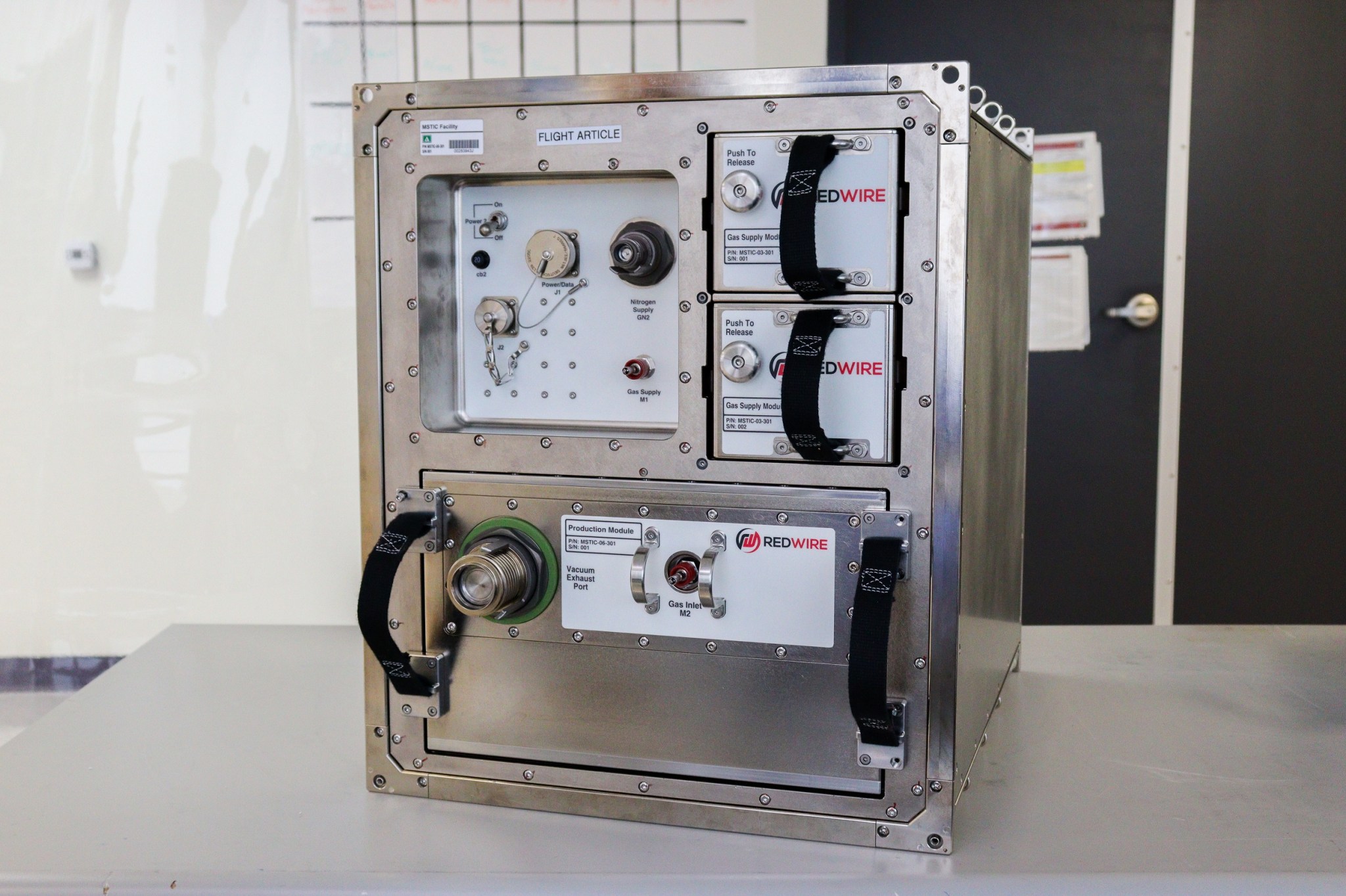
Manufacturing of Semiconductors and Thin-Film Integrated Coatings (MSTIC) examines how microgravity affects thin films that have a wide range of uses.
“The potential for producing films with superior surface structures and the broad range of applications from energy harvesting to advanced sensor technology are particularly groundbreaking,” said Alex Hayes of Redwire Space, which developed the technology. “This represents a significant leap in space manufacturing and could herald a new era of technological advancements with wide-reaching implications for both space exploration and terrestrial applications.”
This technology could enable autonomous manufacturing to replace the many machines and processes currently used to make a wide range of semiconductors, potentially leading to the development of more efficient and higher-performing electrical devices.
Manufacturing semiconductor devices in microgravity also may improve their quality and reduce the materials, equipment, and labor required. On future long-duration missions, this technology could provide the capability to produce components and devices in space, reducing the need for resupply missions from Earth. The technology also has applications for devices that harvest energy and provide power on Earth.
“While this initial pilot program is designed to compare thin films produced on Earth and in space, the ultimate goal is to expand to producing a diverse range of production areas within the semiconductor field,” Hayes said.
The gas supply modules and production module for Redwire’s MSTIC investigation.
Redwire
Modeling Atmospheric Re-entry
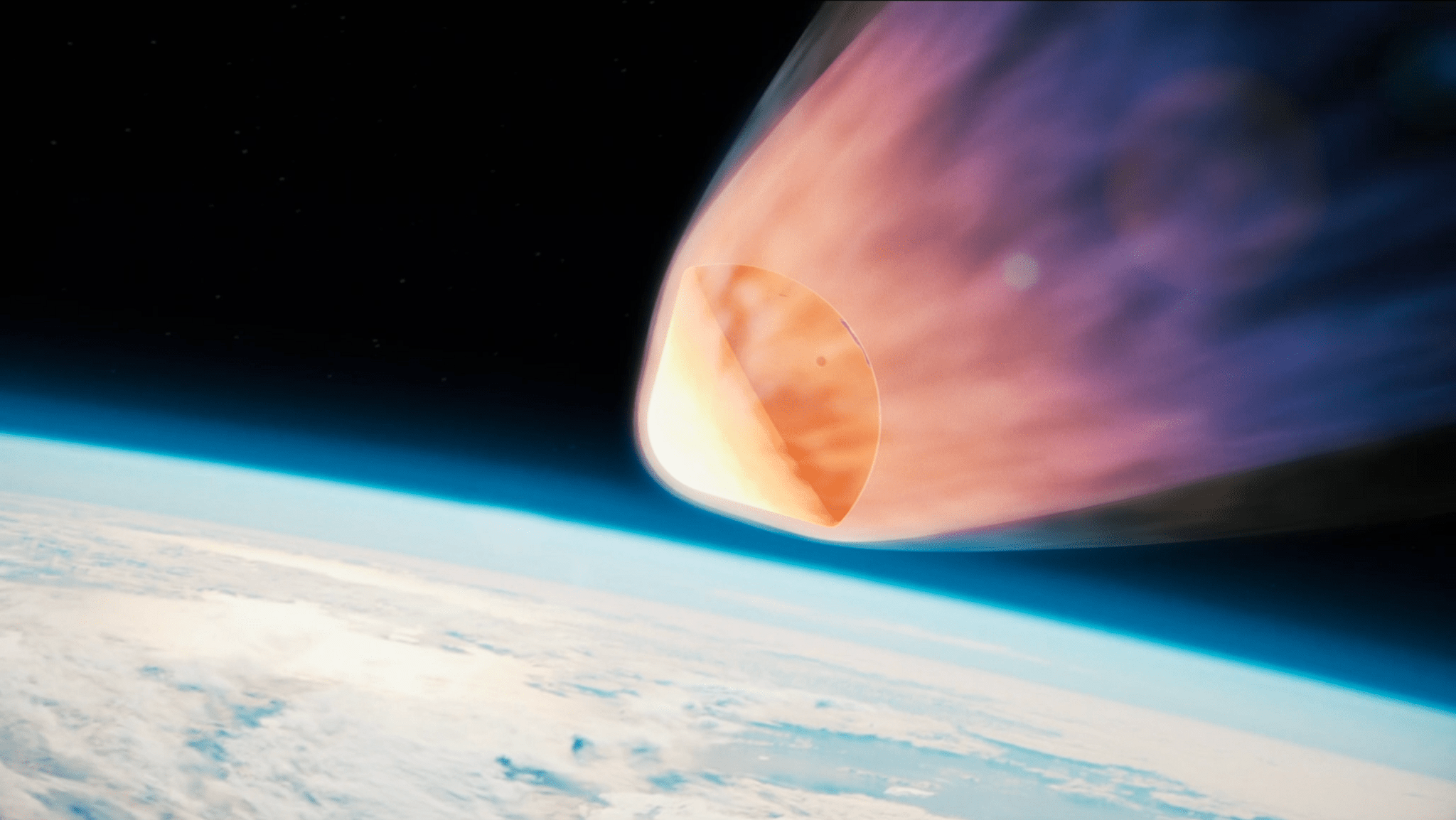
Scientists who conduct research on the space station often return their experiments to Earth for additional analysis and study. But the conditions that spacecraft experience during atmospheric reentry, including extreme heat, can have unintended effects on their contents. Thermal protection systems used to shield spacecraft and their contents are based on numerical models that often lack validation from actual flight, which can lead to significant overestimates in the size of system needed and take up valuable space and mass. Kentucky Re-entry Probe Experiment-2 (KREPE-2), part of an effort to improve thermal protection system technology, uses three capsules outfitted with different heat shield materials and a variety of sensors to obtain data on actual reentry conditions.
“Building on the success of KREPE-1, we have improved the sensors to gather more measurements and improved the communication system to transmit more data,” said principal investigator Alexandre Martin at the University of Kentucky. “We have the opportunity to test several heat shields provided by NASA that have never been tested before, and another manufactured entirely at the University of Kentucky, also a first.”
The capsules can be outfitted for other atmospheric re-entry experiments, supporting improvements in heat shielding for applications on Earth, such as protecting people and structures from wildfires.
An artist’s rendering of one of the KREPE-2 capsules during re-entry.
A. Martin, P. Rodgers, L. Young, J. Adams, University of Kentucky
Remote Robotic Surgery
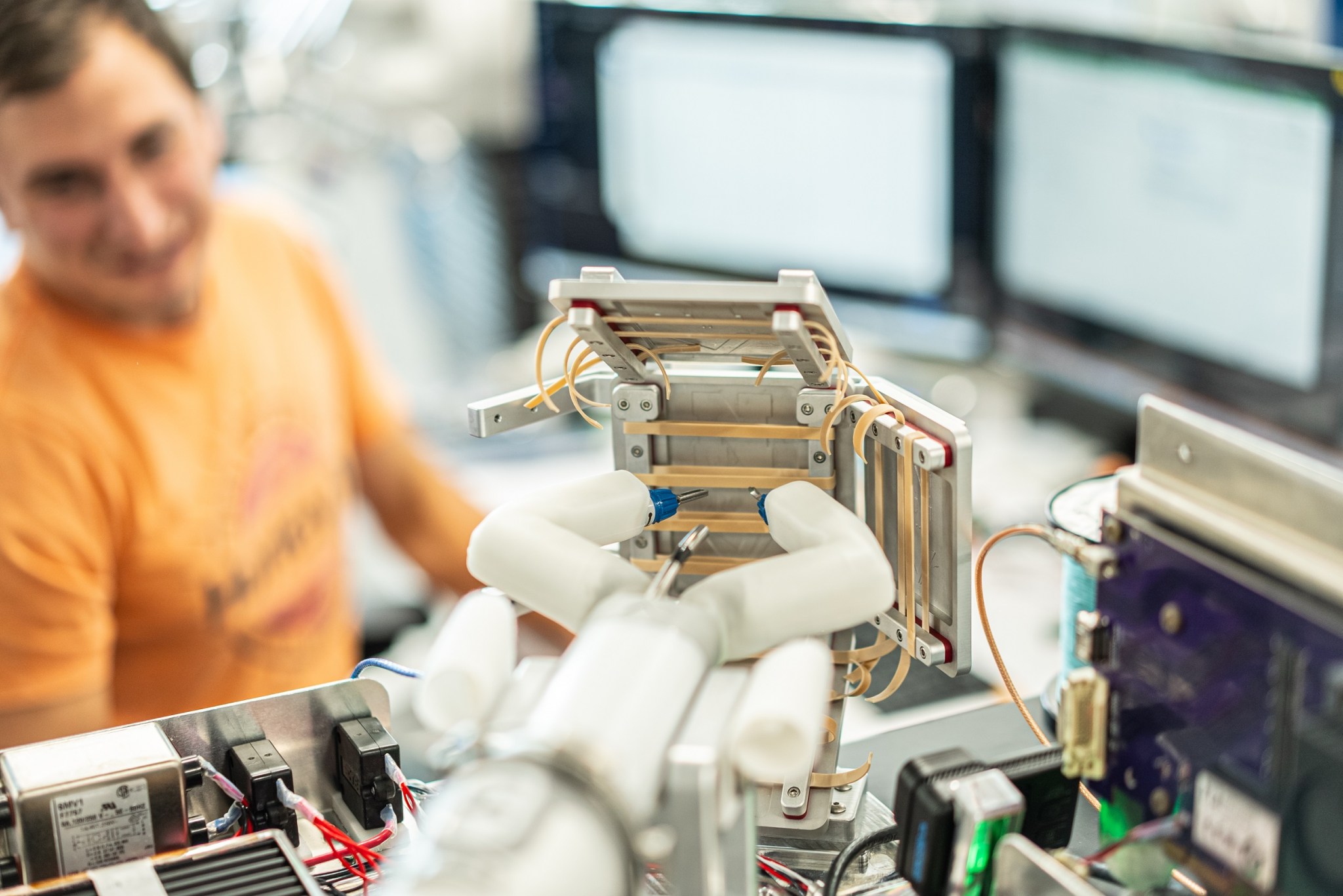
Robotic Surgery Tech Demotests the performance of a small robot that can be remotely controlled from Earth to perform surgical procedures. Researchers plan to compare procedures in microgravity and on Earth to evaluate the effects of microgravity and time delays between space and ground.
The robot uses two “hands” to grasp and cut simulated surgical tissue and provide tension that is used to determine where and how to cut, according to Shane Farritor, chief technology officer at Virtual Incision Corporation, developer of the investigation with the University of Nebraska.
Longer space missions increase the likelihood that crew members may need surgical procedures, whether simple stiches or an emergency appendectomy. Results from this investigation could support development of robotic systems to perform these procedures. In addition, the availability of a surgeon in rural areas of the country declined nearly a third between 2001 and 2019. Miniaturization and the ability to remotely control the robot may help to make surgery available anywhere and anytime.
NASA has sponsored research on miniature robots for more than 15 years. In 2006, remotely operated robots performed procedures in the underwater NASA’s Extreme Environment Mission Operations (NEEMO) 9 mission. In 2014, a miniature surgical robot performed simulated surgical tasks on the Zero-G parabolic airplane.
The surgical robot during testing on the ground before launch.
Virtual Incision Corporation
Growing Cartilage Tissue in Space
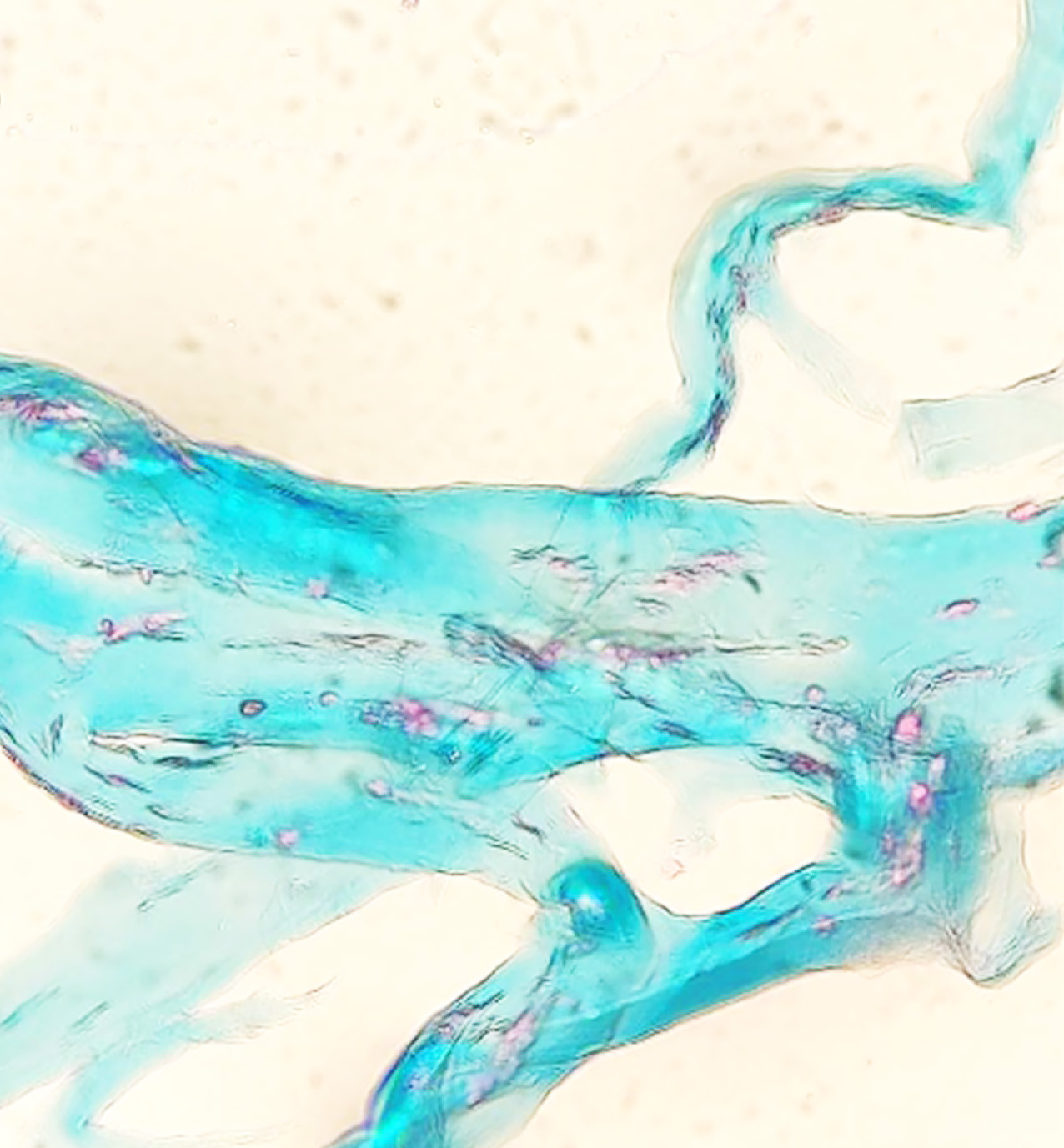
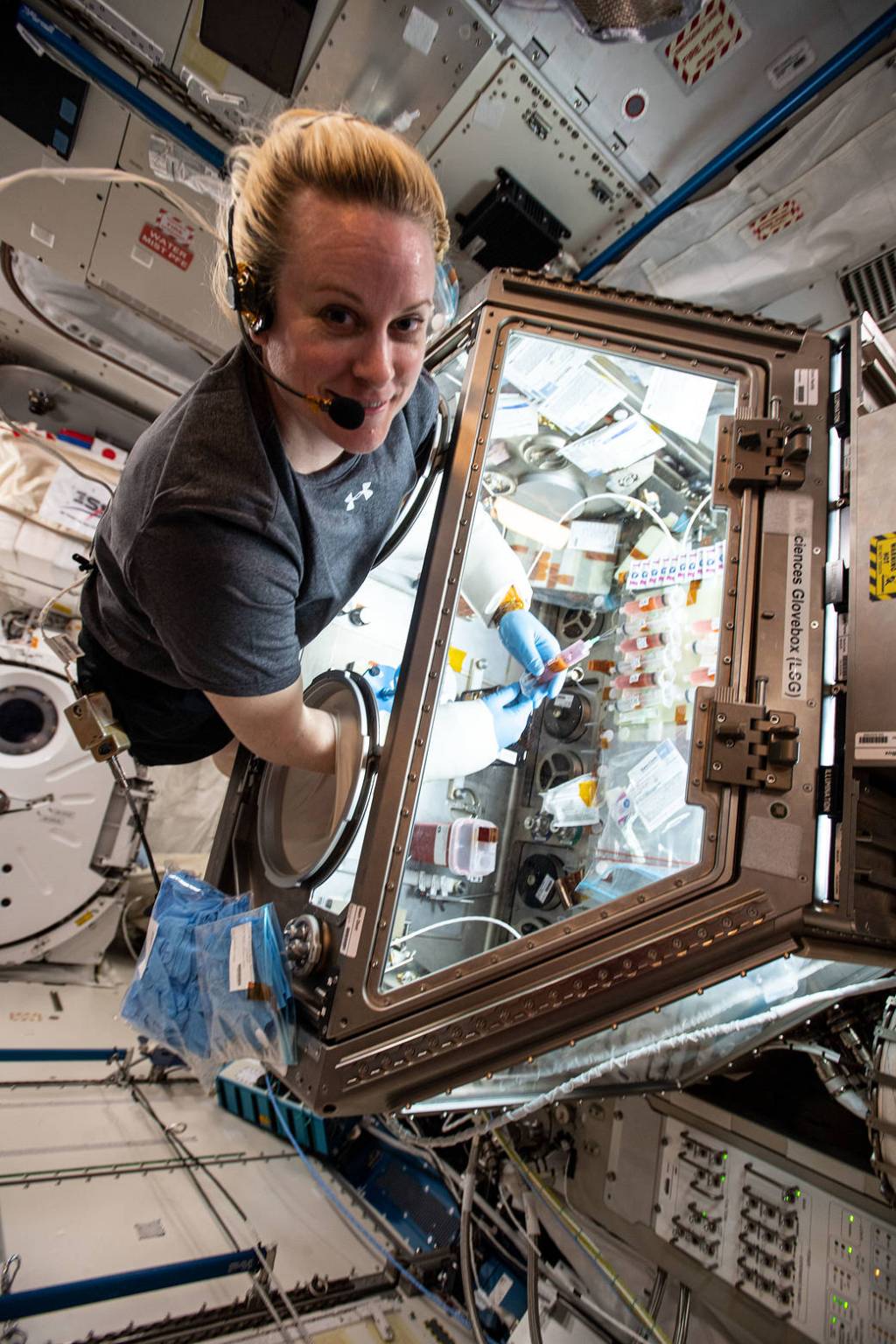
Compartment Cartilage Tissue Construct demonstrates two technologies, Janus Base Nano-Matrix (JBNm) and Janus Base Nanopiece (JBNp). JBNm is an injectable material that provides a scaffold for formation of cartilage in microgravity, which can serve as a model for studying cartilage diseases. JBNp delivers an RNA-based therapy to combat diseases that cause cartilage degeneration.
Cartilage has a limited ability to self-repair and osteoarthritis is a leading cause of disability in older patients on Earth. Microgravity can trigger cartilage degeneration that mimics the progression of aging-related osteoarthritis but happens more quickly, so research in microgravity could lead to faster development of effective therapies. Results from this investigation could advance cartilage regeneration as a treatment for joint damage and diseases on Earth and contribute to development of ways to maintain cartilage health on future missions to the Moon and Mars.
The Janus Base Nano-matrix anchors cartilage cells (red) and facilitates the formation of the cartilage tissue matrix (green).
University of Connecticut
Melissa Gaskill International Space Station Program Research Office Johnson Space Center
Search this database of scientific experiments to learn more about those mentioned above.
NASA Administrator Names New Head of Space Technology
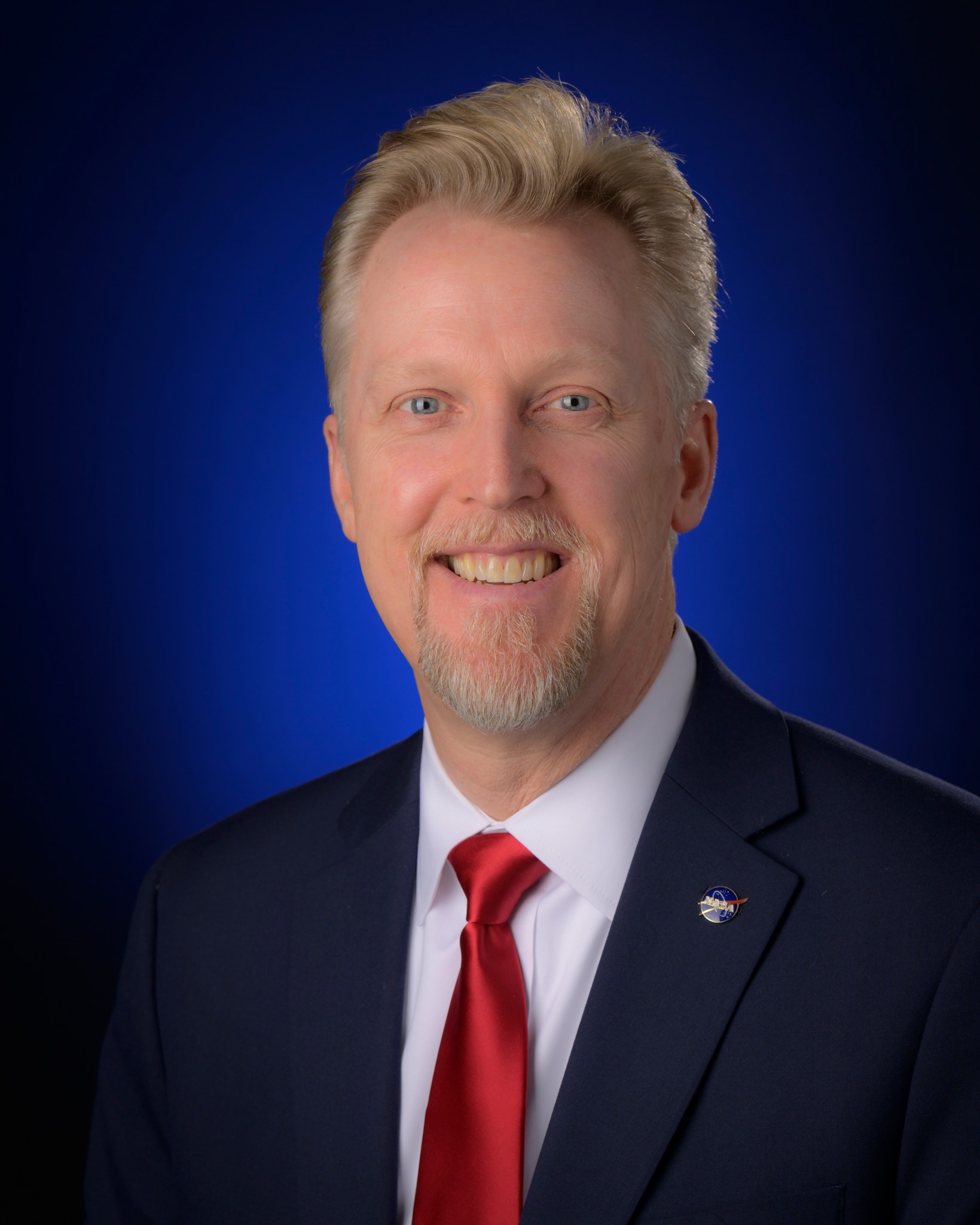
Kurt Vogel portrait, Tuesday, May 10, 2022, at the Mary W. Jackson NASA Headquarters in Washington. Photo Credit: (NASA/Bill Ingalls)
Dr. Kurt “Spuds” Vogel will serve as the new associate administrator of the Space Technology Mission Directorate (STMD) at the agency’s headquarters in Washington, NASA Administrator Bill Nelson announced Tuesday. His appointment is effective immediately.
Vogel succeeds James Reuter, who retired from the agency in June 2023. Dr. Prasun Desai has served as the acting associate administrator since and now will return to his previous role as deputy associate administrator for STMD.
“With more than three decades of public service, including his most recent role as NASA’s director of Space Architecture, Spuds brings a wealth of knowledge and experience to NASA’s Space Technology Mission Directorate,” said Nelson. “I am confident his leadership will help NASA continue pushing the boundaries of what’s possible with space technologies and advancing American leadership in space.”
In this role, Vogel is responsible for executive leadership, overall strategic planning and direction, and effective management for all elements of the Space Technology Programs executed under STMD’s $1.2 billion budget. He plans, directs, coordinates, and evaluates the full range of space technology programs and activities including budget formulation and execution, and represents the program to appropriate officials within and outside the agency.
Previously, Vogel was appointed as the director of space architectures within the Office of the Administrator at NASA Headquarters, a role he has served since July 19, 2021.
He joined the agency with 34 years of government experience, primarily in the Department of Defense.
Prior to his NASA appointment, Vogel served for six years at the Defense Advanced Research Projects Agency (DARPA), leading innovative research in stealth technology, electronic warfare, air-space integration, and space control systems. He managed a portfolio of classified, state-of-the-art, high-risk programs that spanned multiple DARPA offices.
Before joining DARPA, Vogel led research and development efforts at the Air Force Research Lab’s Systems Technology Office where he directed a Defense Department science and technology portfolio. He also served as the acting chief technologist for the National Reconnaissance Office’s Survivability Assurance Office. He retired from active duty in 2010 after serving more than 21 years in the U.S. Air Force in both the air and space domains.
Vogel holds a Doctor of Philosophy and Master of Science in Astronautical Engineering from the Air Force Institute of Technology and a Bachelor of Science in Astronautical Engineering from the U.S. Air Force Academy. He is a member of the national honor societies for both engineering and aerospace engineering.
For more about Vogel’s experience, visit his full biography online at:
Preparations for Next Moonwalk Simulations Underway (and Underwater)
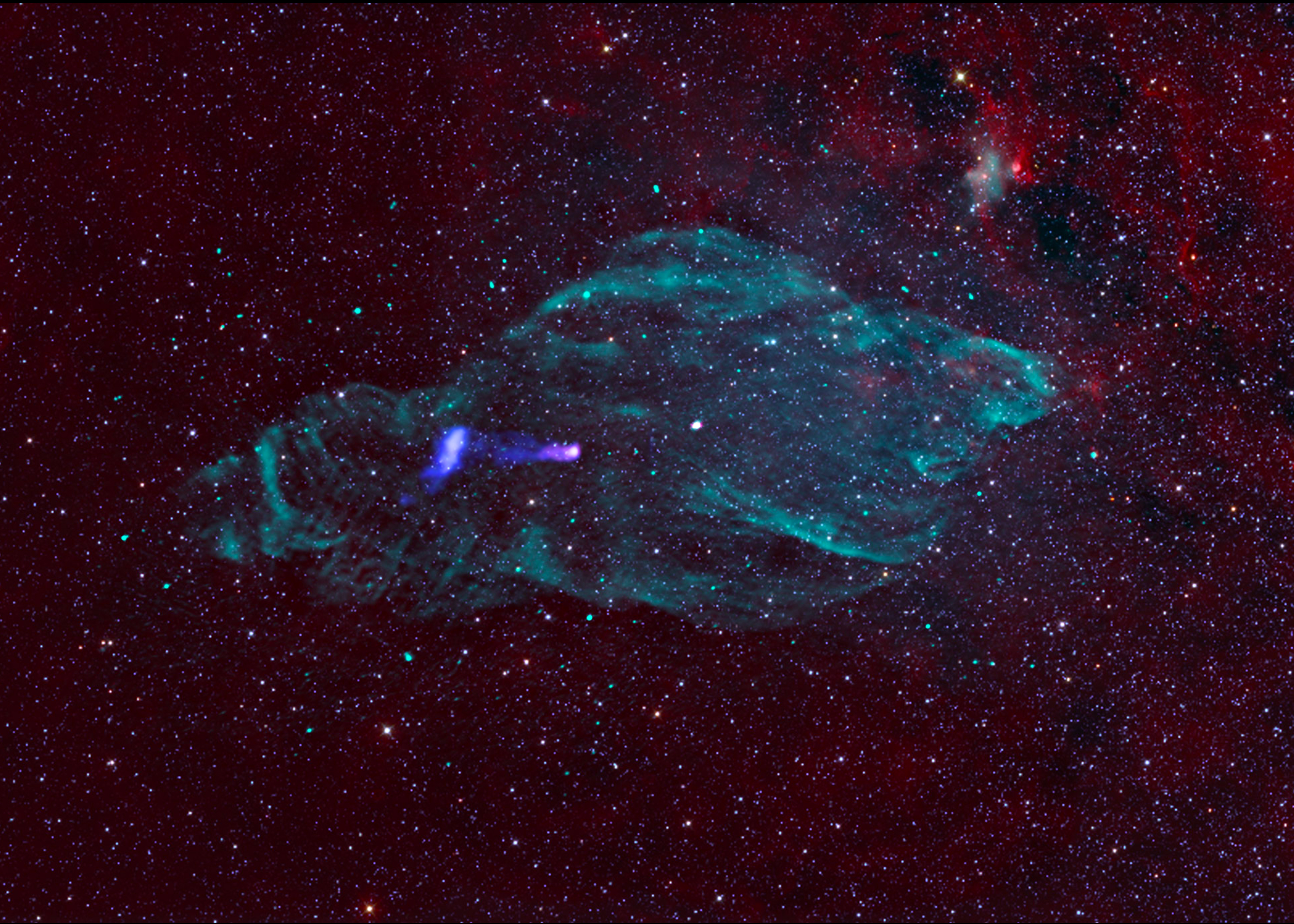
This composite image of the Manatee Nebula captures the jet emanating from SS 433, a black hole devouring material embedded in the supernova remnant which spawned it. Radio emissions from the remnant are blue-green, whereas X-rays combined from IXPE, XMM-Newton, and Chandra are highlighted in bright blue-purple and pinkish-white against a backdrop of infrared data in red. The black hole emits twin jets of matter traveling in opposite directions at nearly the speed of light, distorting the remnant’s shape. The jets become bright about 100 light years away from the black hole, where particles are accelerated to very high energies by shocks within the jet. The IXPE data shows that the magnetic field, which plays a key role in how particles are accelerated, is aligned parallel to the jet – aiding our understanding of how astrophysical jets accelerate these particles to high energies.
X-ray: (IXPE): NASA/MSFC/IXPE; (Chandra): NASA/CXC/SAO; (XMM): ESA/XMM-Newton; IR: NASA/JPL/Caltech/WISE; Radio: NRAO/AUI/NSF/VLA/B. Saxton. (IR/Radio image created with data from M. Goss, et al.); Image Processing: NASA/CXC/SAO/N. Wolk & K.Arcand
The powerful gravity fields of black holes can devour whole planets’ worth of matter – often so violently that they expel streams of particles traveling near the speed of light in formations known as jets. Scientists understand that these high-speed jets can accelerate these particles, called cosmic rays, but little is definitively known about that process.
Recent findings by researchers using data from NASA’s IXPE (Imaging X-ray Polarimetry Explorer) spacecraft give scientists new clues as to how particle acceleration happens in this extreme environment. The observations came from a “microquasar,” a system comprised of a black hole siphoning off material from a companion star.
The microquasar in question – Stephenson and Sanduleak 433, or SS 433 – sits in the center of the supernova remnant W50 in the constellation Aquila, some 18,000 light-years from Earth. SS 433’s powerful jets, which distort the remnant’s shape and earned it the nickname the “Manatee Nebula,” have been clocked at roughly 26% of the speed of light, or more than 48,000 miles per second. Identified in the late 1970s, SS 433 is the first microquasar ever discovered.
IXPE’s three onboard telescopes measure a special property of X-ray light called polarization, which tells scientists about the organization and alignment of electromagnetic waves at X-ray frequencies. X-ray polarization helps researchers understand the physical processes taking place within extreme regions of our universe such as the environment around black holes, and how particles get accelerated in these regions.
IXPE spent 18 days in April and May of 2023 studying one such acceleration site in the eastern lobe of SS 433, where emissions are made by energetic electrons spiraling in a magnetic field – a process called synchrotron radiation.
“The IXPE data show that the magnetic field near the acceleration region points in the direction the jets are moving,” said astrophysicist Philip Kaaret of NASA’s Marshall Space Flight Center in Huntsville, Alabama, and principal investigator of the IXPE mission, along with lead author of a new paper about the findings at SS 433.
“The high level of polarization seen with IXPE shows that the magnetic field is well ordered, with at least half of the field aligned in the same direction,” Kaaret said.
That finding was unexpected, he said. Researchers have long theorized that the interaction between the jet and the interstellar medium – the environment of gas and dust between stars — likely creates a shock, leading to disordered magnetic fields.
The data suggests a new possibility, Kaaret said – that the magnetic fields within the powerful jets may be “trapped” and stretched when they collide with interstellar matter, directly impacting their alignment in the region of particle acceleration.
Since the 1980s, researchers have surmised that SS 433’s jets act as particle accelerators. In 2018, observers at the High-Altitude Water Cherenkov Observatory in Puebla, Mexico, verified the jets’ acceleration effect, and scientists used NASA’s NuSTAR (Nuclear Spectroscopic Telescope Array) and the European Space Agency’s XMM-Newton observatories to pinpoint the region of acceleration.
As researchers continue to assess IXPE findings and study new targets in space, its data also could help determine whether the same mechanism acts to align magnetic fields in outflows expelled by a variety of phenomena – from black hole jets streaming away from supernova remnants to debris ejected from exploded stars such as blazars.
“This very delicate measurement was made possible by the imaging capabilities of IXPE’s X-ray polarimeters, making possible the detection of the tenuous signal in a small region of the jet 95 light-years from the central black hole,” said Paolo Soffitta, Italian principal investigator for the IXPE mission.
The new paper, detailing IXPE’s observations at SS 433, is available in the latest edition of The Astrophysical Journal.
About the Mission
IXPE is a collaboration between NASA and the Italian Space Agency with partners and science collaborators in 12 countries. IXPE is led by NASA’s Marshall Space Flight Center. Ball Aerospace, headquartered in Broomfield, Colorado, manages spacecraft operations together with the University of Colorado’s Laboratory for Atmospheric and Space Physics in Boulder.
Career Journey: Cooking Up a Job as a Space Food Scientist
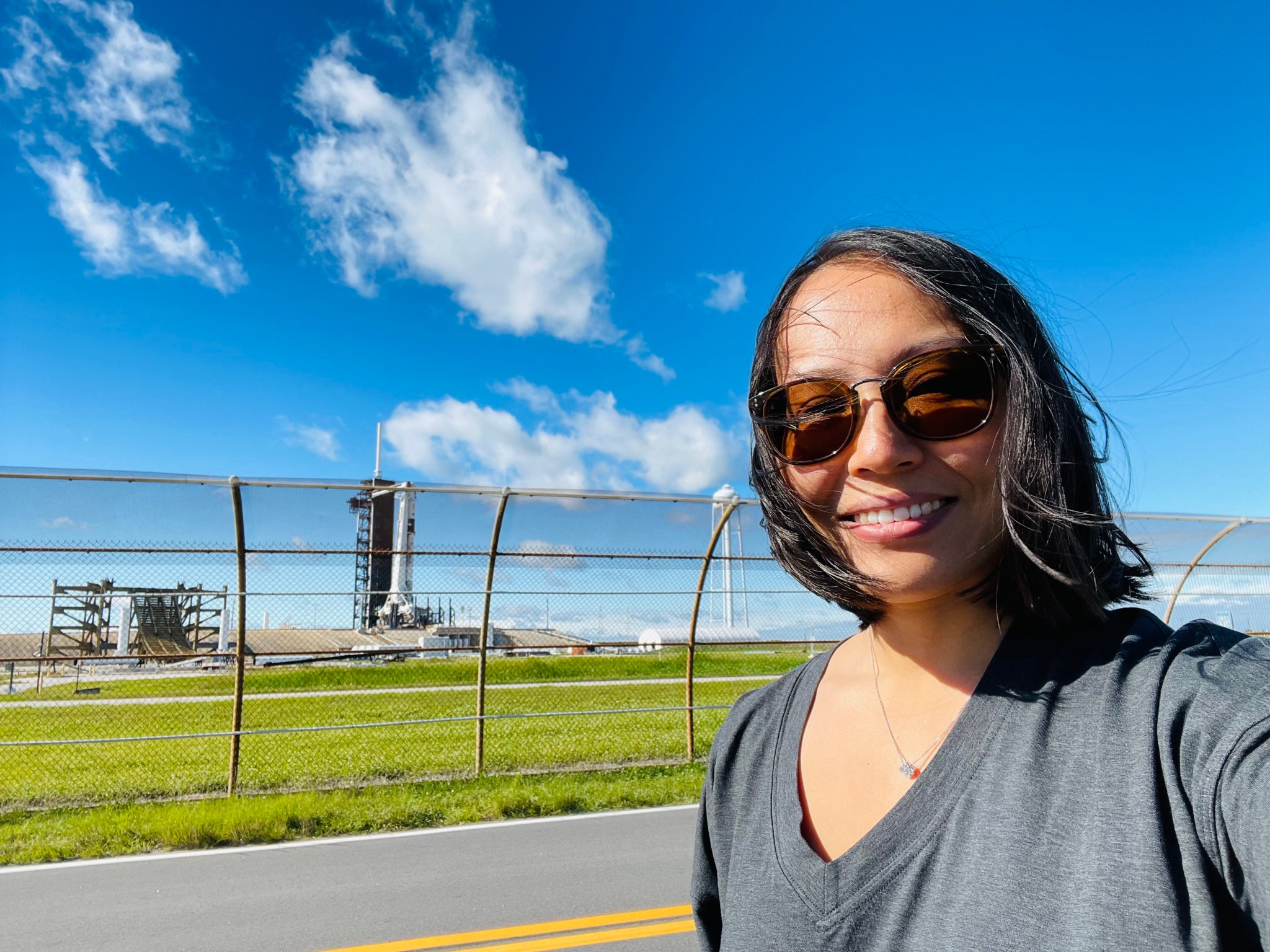
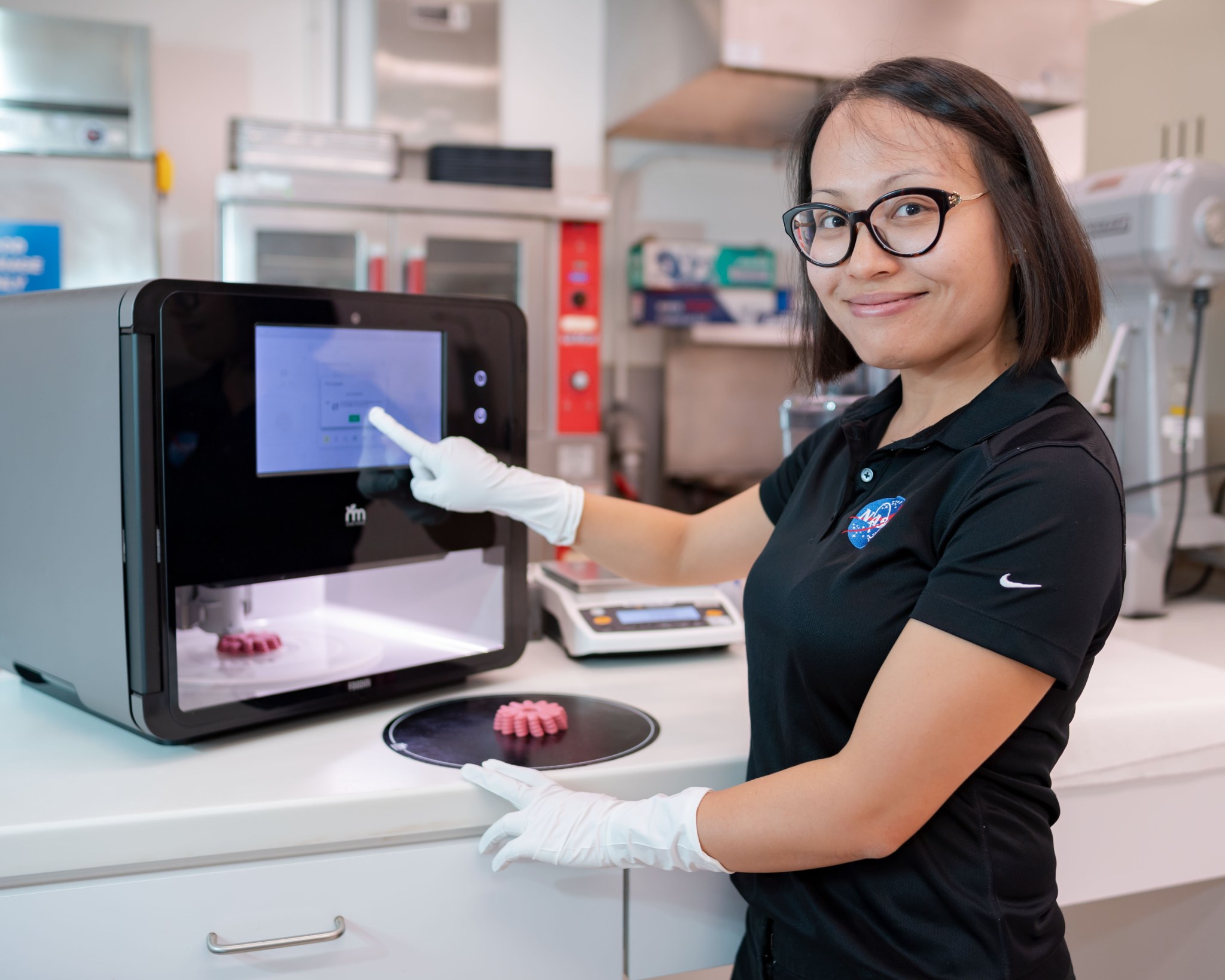
As the Space Food Systems manager at NASA’s Johnson Space Center in Houston, Xulei Wu works with a team to create tasty, shelf-stable meals for astronauts aboard the International Space Station and, soon, for crews flying to the Moon as part of the Artemis program.
What does it take to become a space food scientist at NASA? We met up with Wu to learn more about her journey from creating meals for camping in the deep woods, to making foods for exploring deep space.
Preparation Meets Opportunity
“I don’t consider myself very smart; I’m very hardworking,” said Wu, who was born and raised in China and is a first-generation immigrant.
After rising through the ranks at a major U.S. freeze-dried food company, Wu was content in her job creating shelf-stable foods for people to rely on when the tools and conveniences of a modern kitchen aren’t available. Her work kept her busy – too busy to consider other careers or applications for her unique skillset.
It took a flat tire to literally stop her in her tracks long enough to spot a job opening that sparked a new direction for her career.
“I got a nail in my tire, so I broke down on the highway,” Wu said. While she was waiting for roadside assistance, she began to scroll through her phone. That’s when, she said, “I found out a freeze-dried food scientist position was opening at the NASA Space Food Systems Laboratory.”
Even though Wu enjoyed working in the food industry, she said it was NASA’s larger mission that inspired her to apply.
“My favorite part of this job is really to serve a large purpose, that I’m part of the effort to support human space exploration, so that one day we can go back to the Moon,” Wu said.
Choosing From a Menu of Sciences
“My education and my experience definitely prepared me to land a job in the Space Food System Laboratory, and I consider myself extremely lucky,” Wu said.
Growing up, Wu enjoyed science so much that when she had to choose a college major, she had a hard time narrowing her choices between biology, chemistry, and physics.
As she considered her options, reports of babies being sickened by infant formula gained national attention in China. Several formula companies were found to have deliberately contaminated their products with a chemical that gave the appearance of higher protein content but resulted in kidney problems for thousands of babies. The scandal piqued her interest in food safety.
“That was the trigger,” Wu said. “I realized: I want to study more about food safety. And food science happened to involve multiple different disciplines in that process.”
Wu earned a bachelor’s degree in food science and engineering from Shanghai Jiao Tong University, then a master’s degree in food science and technology from Oregon State University.
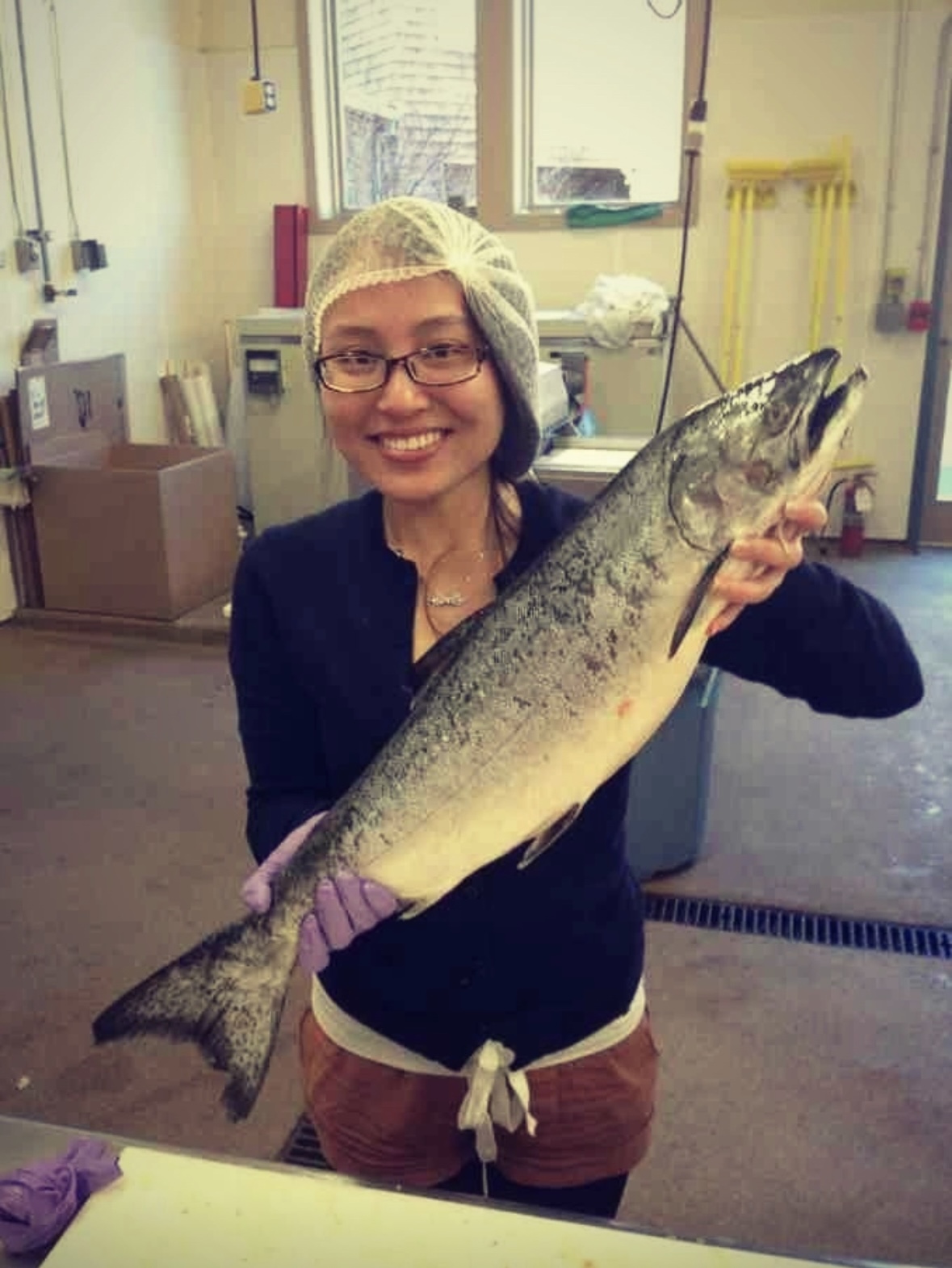
After graduation, she went to work for North America’s largest supplier of freeze-dried foods where she created food products targeted for outdoor recreation, like camping, and also for emergency preparedness. In this role, she worked on similar challenges to those she works on today: how to keep food fresh, tasty, nutritious, and shelf-stable for long periods of time.
“All of those are needed perspectives [for] working in the Space Food Systems Laboratory,” Wu said. “For the International Space Station, we’re targeting three years’ shelf life; for a Mars mission, we’re talking five to seven years’ shelf life.”
Advice to Future Food Scientists
Wu shared some advice to students: focus on what you really care about, work hard, and be ready to take your own giant leap.
“It’s important to discover your true interest, your true passion, the subject you love the most, and then connect this to a career making a contribution to society.”
But as with Wu’s experience, sometimes you get a nail in your tire on the path to your next big break. It’s what you do in those moments that can define you.
“Don’t doubt yourself,” Wu said. “it’s okay to have a difficult time. Give it a try. Give it a shot. Because as long as you work hard enough, you will find out what you’re truly fit for.”
Xulei Wu
Space Food Systems Manager
Lean more about Xulei Wu and her job at NASA in this episode of Surprisingly STEM.