Integrating Relevant Science Investigations into Migrant Children Education

Integrating Relevant Science Investigations into Migrant Children Education

3 min read

Integrating Relevant Science Investigations into Migrant Children Education

For three weeks in August, over 100 migrant children (ages 3-15) got to engage in hands-on activities involving blueberries, pollinators, and eDNA as part of their time with The Blueberry Harvest School (BHS). BHS is a summer school program for migrant children whose families work in Washington County, Maine during the wild blueberry harvest season. The program is hosted by Mano en Mano in Milbridge, Maine. This summer, University of Maine 4-H (part of the NASA Science Activation Program’s Learning Ecosystems Northeast team) was invited to deliver enrichment programs during the school day alongside a seasoned BHS employee – an educator from the Mi’kmaq community in what is now known as Nova Scotia.

The goal of BHS is to meet the needs of youth by providing “culturally responsive, project-based learning while preventing summer learning loss and compensating for school disruptions among students” (Mano en Mano). Migrant families come to Downeast from Mi’kmaq First Nation communities in Nova Scotia and New Brunswick, southern states, and from within Maine, including Passamoquoddy communities in eastern Washington County and a Latino community in the western part of the county. Families stay to harvest blueberries anywhere from two to five weeks. With support from 4-H educators, youth surveyed the schoolyard for pollinators, investigated the parts of pollinators and flowers, and learned why blueberries are an important part of Wabanaki culture.

“BHS really becomes a home for the children while they are here. I think one of the reasons is because they are encouraged to be proud of their identity and who they are – they get to be their authentic selves. It’s a neat space where teachers and youth are speaking Mi’kmaq, Passamaquoddy, Spanish and English while supporting each other, and learning and experiencing new things.” — Gabrielle Brodek, 4-H Professional

“After completing my second year helping at Blueberry Harvest School, I loved seeing the returning faces of the kids who have been coming year after year – the kids remember you and hug you and are sad when the season is over and BHS ends.” — Jason Palomo, 4-H Professional

Resources and inspiration for these activities came from NASA Climate Kids, Gulf of Maine Research Institute’s Bees, Blueberries, and Climate Change learning module, National 4-H and ME Ag in the Classroom. On the last day youth experienced how to make a natural dye out of blueberries, a long-standing tradition in Native American culture. Our organizations continue to work together year-round, building stronger relationships and planning for Summer 2025!

The Learning Ecosystems Northeast project is supported by NASA under cooperative agreement award number NNX16AB94A and is part of NASA’s Science Activation Portfolio. Learn more about how Science Activation connects NASA science experts, real content, and experiences with community leaders to do science in ways that activate minds and promote deeper understanding of our world and beyond: https://science.nasa.gov/learn
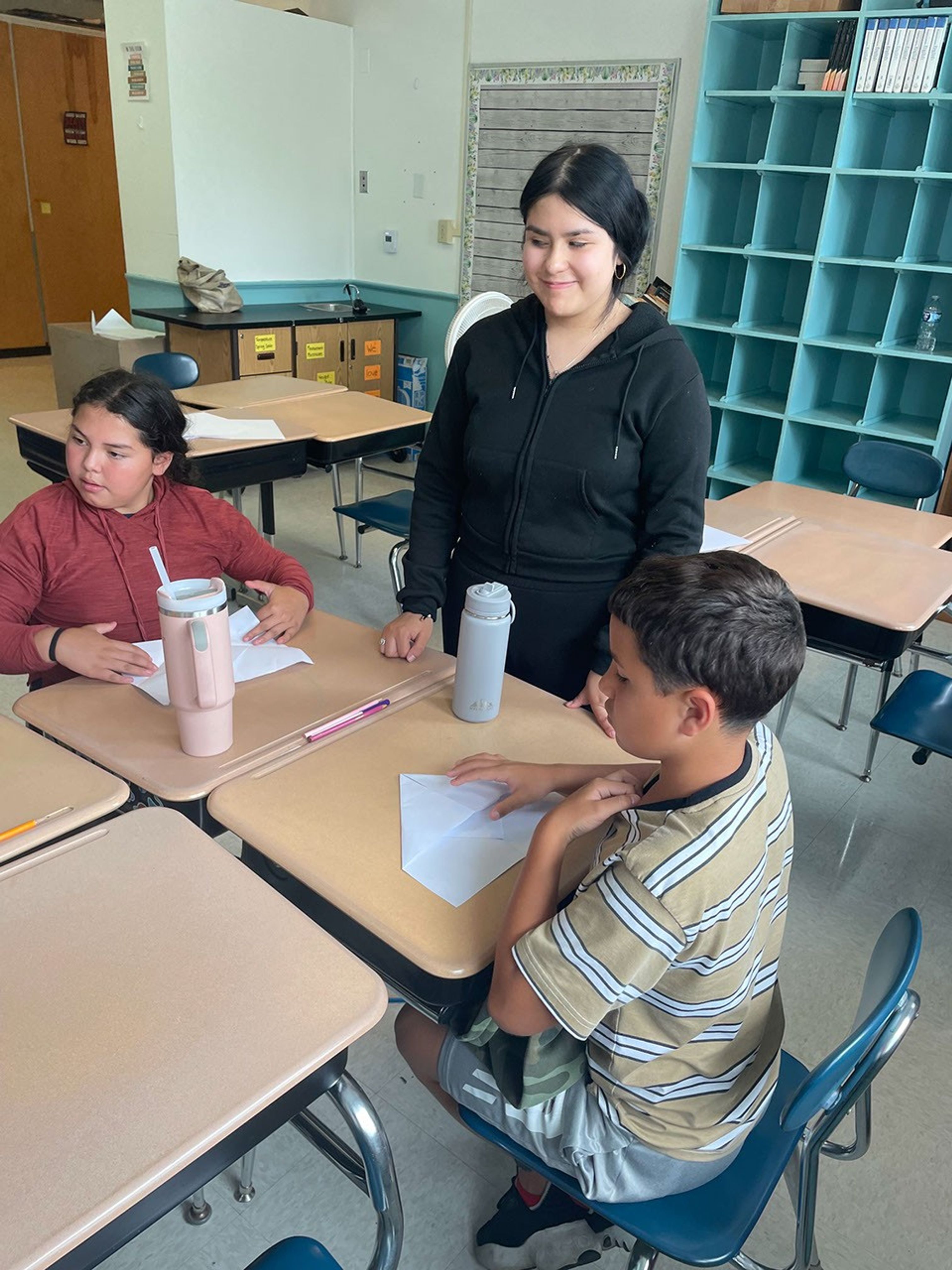
Two youth sitting at desks with paper in front of them with an adult educator standing between them.
Educator assisting two youth with paper folding instructions.

Share

Details

Last Updated
Nov 06, 2024
Editor
NASA Science Editorial Team

Powered by WPeMatico
Get The Details…

Mars 2020 Perseverance Joins NASA’s Here to Observe Program

Mars 2020 Perseverance Joins NASA’s Here to Observe Program

2 min read

Mars 2020 Perseverance Joins NASA’s Here to Observe Program

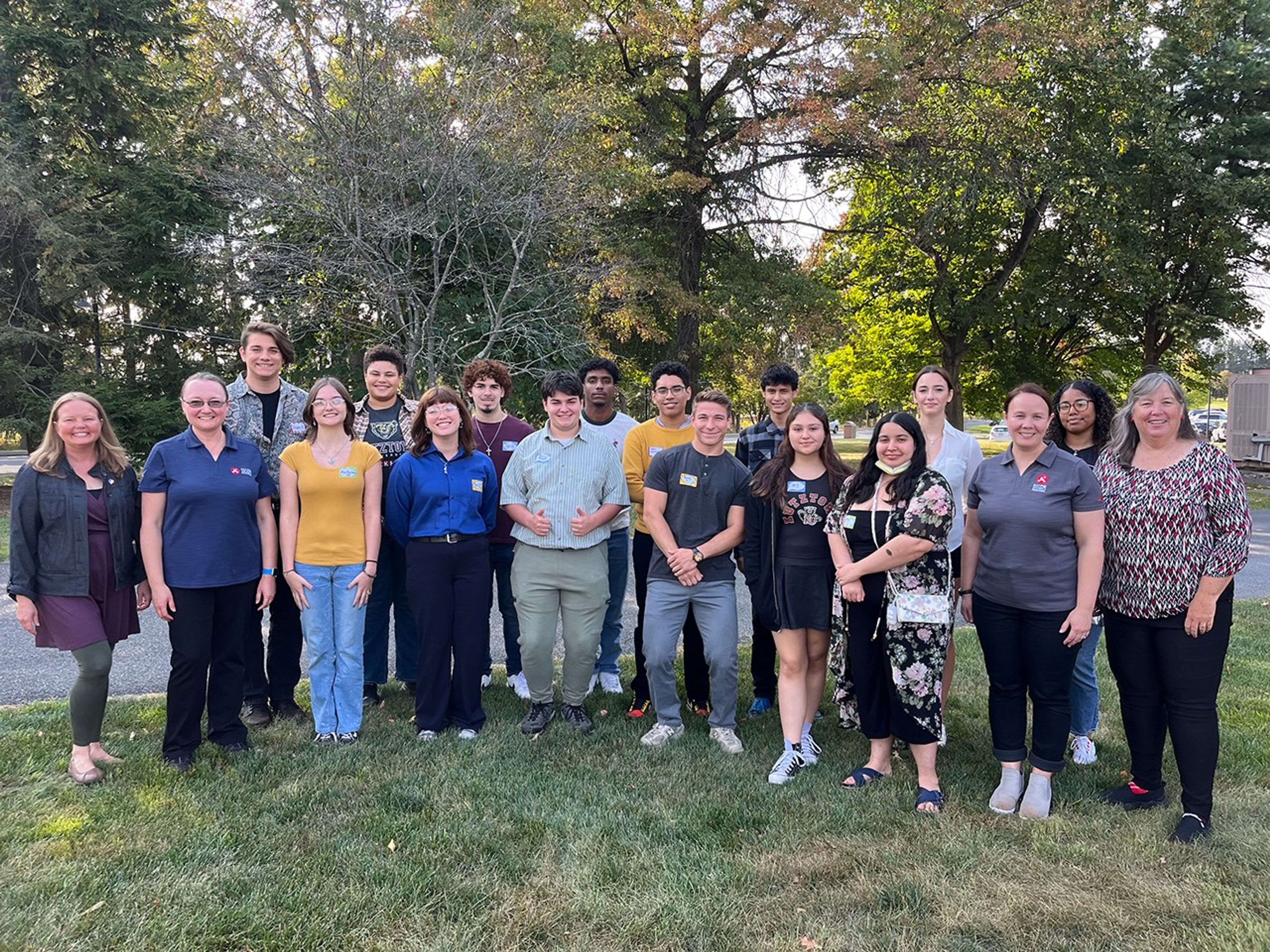
Katie Stack Morgan and Nicole Spanovich with the NASA Here to Observe Program students and faculty from Kutztown University.
Kutztown University

The Mars 2020 Perseverance mission has recently joined the NASA Here to Observe (H2O) program, where NASA planetary missions are partnered with universities to encourage undergraduate students from historically marginalized groups to pursue a career in STEM. As part of this program, the Perseverance mission has been paired with Kutztown University, located in Kutztown, Pennsylvania. Selected undergraduate students at the university will be able to observe and interact with Perseverance mission team members throughout this academic year to learn about the individuals who are part of the team and what it means to work on the rover mission.

To help kick off the program and our new partnership, I traveled to Kutztown along with the Perseverance Deputy Project Scientist, Katie Stack Morgan. We met several members of the Kutztown faculty and staff, toured their beautiful campus, and spent time getting to know the students participating in the H2O program this year. Katie and I were impressed by the enthusiasm and engagement exhibited by the students during our visit. We presented an introduction to the Perseverance mission including the recent discoveries, upcoming plans, and who comprises the mission team. There was also ample time to answer the many thoughtful questions about both the mission and the career paths of both me and Katie.

As part of this program, the students will observe select Perseverance mission meetings and activities. We kicked this off in October when the students observed a Geologic Context Working Group meeting to learn how scientists work together to understand the data gathered by the rover and make decisions about what the rover should do next. The students will also be paired with mentors from the Perseverance mission team throughout this academic year where they’ll have the chance to learn about the various career paths our team members have taken, read scientific papers, and prepare for a trip to the Lunar and Planetary Sciences Conference.

Overall, we have a great plan for our H2O partnership and are looking forward to welcoming Kutztown University to the Perseverance mission!

Written by Nicole Spanovich, Mars 2020 Perseverance Science Office Manager at NASA’s Jet Propulsion Laboratory

Share

Details

Last Updated
Nov 06, 2024

Related Terms

Powered by WPeMatico
Get The Details…

X-59’s Engine Started for Testing

X-59’s Engine Started for Testing

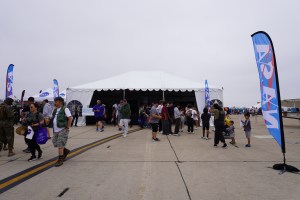
A white airplane sits inside of a white hangar with its nose facing inward.
NASA/Carla Thomas

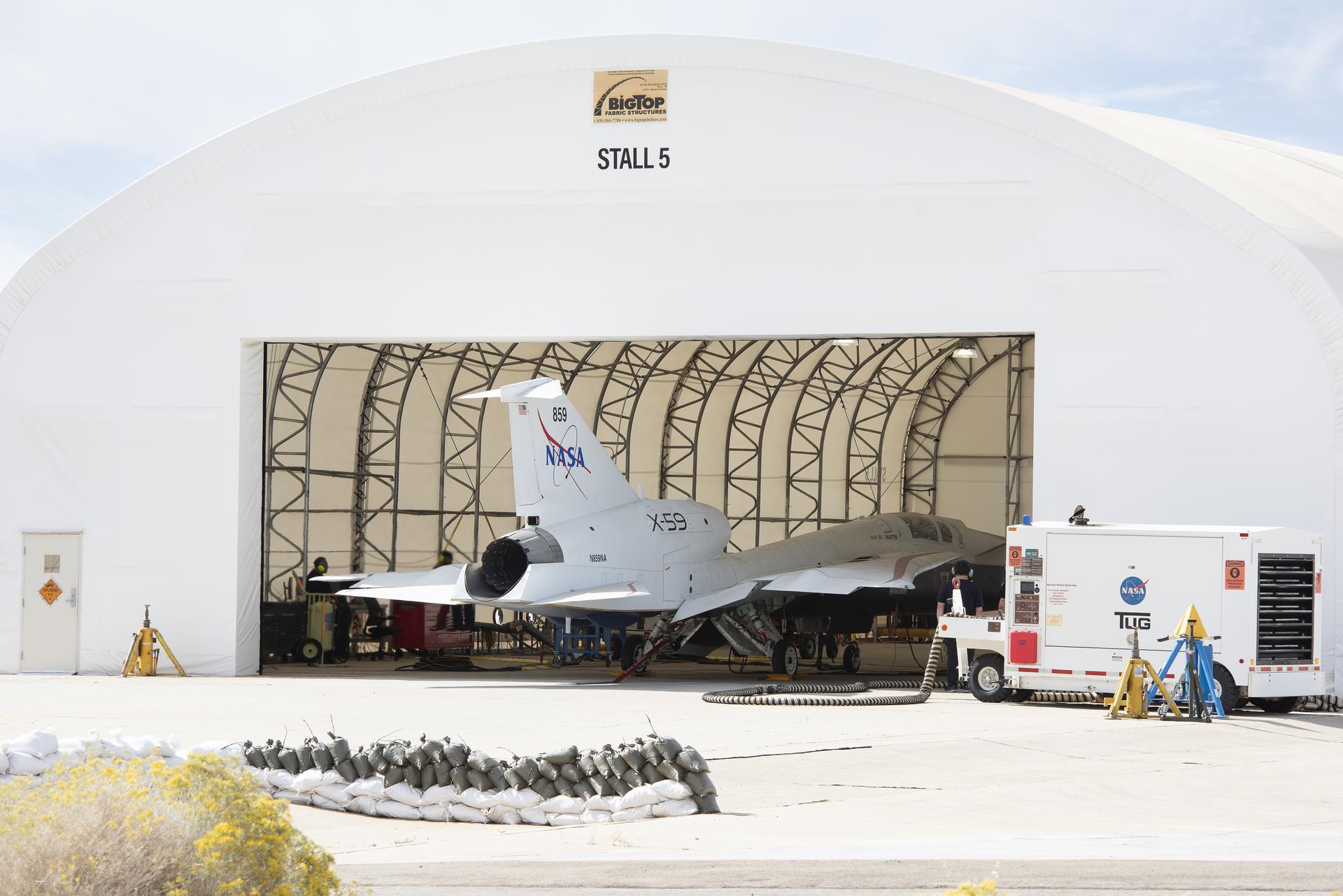
NASA’s X-59 quiet supersonic research aircraft sits in its run stall at Lockheed Martin’s Skunk Works facility in Palmdale, California, in this image from Oct. 30, 2024.

The engine-run tests, which began Oct. 30, allow the X-59 team to verify the aircraft’s systems are working together while powered by its own engine. In previous tests, the X-59 used external sources for power. The engine-run tests set the stage for the next phase of the experimental aircraft’s progress toward flight.

After the engine runs, the X-59 team will move to aluminum bird testing, where data will be fed to the aircraft under both normal and failure conditions. The team will then proceed with a series of taxi tests, where the aircraft will be put in motion on the ground. These tests will be followed by final preparations for first flight.

Image credit: NASA/Carla Thomas

Powered by WPeMatico
Get The Details…
Monika Luabeya

El X-59 enciende su motor por primera vez rumbo al despegue

El X-59 enciende su motor por primera vez rumbo al despegue

4 min read

Preparations for Next Moonwalk Simulations Underway (and Underwater)

Vista desde el exterior de un gran puesto de rodaje. El X-59, de 30 metros (110 pies) de largo, se encuentra dentro del puesto de rondaje, con el motor y el resto de la parte trasera de la aeronave fuera de la puerta abierta del puesto.
El silencioso avión supersónico experimental X-59 de la NASA se encuentra en un puesto de rodaje en las instalaciones Skunk Works de Lockheed Martin en Palmdale, California, arrancando su motor por primera vez. Estas pruebas de funcionamiento del motor comienzan a baja potencia y permiten al equipo del X-59 verificar que los sistemas de la aeronave funcionan juntos mientras está propulsada por su propio motor. El X-59 es la pieza central de la misión Quesst de la NASA, que pretende resolver uno de los principales obstáculos a los vuelos supersónicos sobre tierra haciendo que los estampidos sónicos sean más silenciosos.
NASA/Carla Thomas

Read this story in English here.

La misión Quesst de la NASA ha alcanzado un hito importante con el inicio de las pruebas de motor que propulsará el silencioso avión supersónico experimental X-59.

Estas pruebas de arranque del motor, que comenzaron el 30 de octubre, permiten al equipo del X-59 verificar el funcionamiento conjunto de los sistemas de la aeronave propulsados con su propio motor. En pruebas anteriores, el X-59 utilizó fuentes de energía externas. Las pruebas de arranque del motor preparan el terreno para la siguiente fase de progreso hacia el vuelo de la aeronave experimental.

El equipo del X-59 está realizando las pruebas de arranque del motor por fases. En esta primera fase, el motor giró a una velocidad relativamente baja sin ignición para comprobar si hay fugas y asegurar que todos los sistemas se comunican correctamente. Seguidamente, el equipo llenó el avión de combustible y empezó a probar el motor a baja potencia, con el objetivo de verificar que este y otros sistemas de la aeronave funcionan sin anomalías ni fugas mientras el motor está encendido.

Vista de la cabina de mando de un avión dentro de un puesto de rodaje. La cabina está abierta. Dentro, un piloto mira sus instrumentos portando un casco y una máscara de oxígeno. Destaca la pintura blanca, dorada y azul de la aeronave de la NASA.
El piloto de pruebas de Lockheed Martin Dan Canin se sienta en la cabina del silencioso avión supersónico experimental X-59 de la NASA en un puesto de rodaje en las instalaciones Skunk Works de Lockheed Martin en Palmdale, California, antes de su primera prueba de motor. En estas pruebas, el X-59 funcionaba con su propio motor, mientras que en pruebas anteriores dependía de fuentes externas. El X-59 es la pieza central de la misión Quesst de la NASA, que intenta resolver uno de los principales obstáculos a los vuelos supersónicos sobre tierra haciendo que los estampidos sónicos sean más silenciosos.
NASA/Carla Thomas

“La primera fase de las pruebas del motor fue en realidad un calentamiento para asegurarnos de que todo funcionaba bien antes de ponerlo en marcha”, dijo Jay Brandon, ingeniero jefe del X-59 de la NASA. “Luego pasamos al primer arranque real del motor. Eso sacó al motor del modo de conservación en el que había estado desde su instalación en la aeronave. Fue la primera revisión para ver que funcionaba correctamente y todos los sistemas que afectaban (hidráulicos, sistema eléctrico, sistemas de control ambiental, etc.) parecían funcionar”.

El X-59 generará un estampido más silencioso en vez de un estampido fuerte mientras vuela a una velocidad más rápida que la del sonido. El avión es la pieza central de la misión Quesst de la NASA, que recopilará datos sobre cómo percibe la gente estos estampidos, proporcionando información a los reguladores que podría ayudar a eliminar las prohibiciones existentes sobre vuelos supersónicos comerciales sobre tierra.

El motor, un F-18 Super Hornet F414-GE-100 modificado, contiene casi 10.000 kilogramos (22.000 libras) de energía propulsora, que permitirá que el X-59 alcance la velocidad de crucero deseada de Mach 1,4 (casi 1.500 kilómetros por hora, o 925 millas por hora) a una altitud de aproximadamente casi 17.000 metros (55.000 pies). Se sitúa en un lugar poco tradicional, encima de la aeronave, para contribuir a que el X-59 sea más silencioso.

Las pruebas del motor forman parte de una serie de ensayos necesarios para garantizar la seguridad del vuelo y para lograr el éxito de los objetivos de la misión. Debido a los retos que supone alcanzar esta fase crítica de las pruebas, el primer vuelo del X-59 se ha programado ahora para 2025. El equipo técnico seguirá avanzando en las pruebas críticas en tierra y abordará cualquier problema técnico que descubra con esta aeronave experimental única en su género. El equipo del X-59 tendrá una fecha más concreta del primer vuelo una vez que se completen estas pruebas con éxito.

Las pruebas se están llevando a cabo en las instalaciones Skunk Works de Lockheed Martin en Palmdale, California. Durante fases posteriores, el equipo probará la aeronave a alta potencia con cambios de aceleración rápidos, seguidos por una simulación de las condiciones de vuelo actual.

Vista directa de la parte delantera de un avión, principalmente en la sombra de un puesto de rondaje. Los alerones de ambas alas están activados, moviéndose hacia abajo. Los miembros del equipo llevan protectores auditivos y miran el avión de ambos lados.
El silencioso avión supersónico experimental X-59 de la NASA se sitúa en un puesto de rodaje en las instalaciones Skunk Works de Lockheed Martin en Palmdale, California, antes de su primer arranque de motor. Las pruebas de motor forman parte de una serie de ensayos integrados en tierra necesarios para garantizar la seguridad del vuelo y la consecución de los objetivos de la misión. El X-59 es la pieza central de la misión Quesst de la NASA, que trata de resolver uno de los principales obstáculos a los vuelos supersónicos sobre tierra haciendo que los estampidos sónicos sean más silenciosos.
NASA/Carla Thomas

“El éxito de estas carreras será el comienzo de la culminación de los últimos ocho años de mi carrera”, dijo Paul Dees, jefe adjunto de propulsión de la NASA del X-59. “Esto no es el final de la emoción, sino un pequeño peldaño hacia el principio. Es como la primera nota de una sinfonía, donde años de trabajo en equipo detrás del escenario se ponen ahora a prueba para comprobar que nuestros esfuerzos han sido eficaces, y las notas seguirán tocando una canción armoniosa hasta el vuelo”.

Después de poner en marcha el motor, el equipo del X-59 pasará a las pruebas de pájaro de hierro virtual (una estructura que se utiliza para probar los sistemas de una aeronave en un laboratorio, simulando un vuelo real), en las que se introducirán datos en al avión bajo condiciones normales y de fallo. A continuación, el equipo procederá a una serie de pruebas de rodaje, donde el avión se pondrá en movimiento en tierra. Estas pruebas se seguirán por las últimas preparaciones para el primer vuelo.

Articulo traducido por: Nicolas Cholula

Share

Details

Last Updated

Nov 06, 2024

Editor
Lillian Gipson
Contact

Powered by WPeMatico
Get The Details…
Lillian Gipson

X-59 Fires Up its Engine for First Time on Its Way to Takeoff

X-59 Fires Up its Engine for First Time on Its Way to Takeoff

4 min read

Preparations for Next Moonwalk Simulations Underway (and Underwater)

View from outside a large run stall. The 100-foot-long X-59 sits in the run stall with the engine and the rest of the back of the aircraft sitting outside the run stall’s open bay door.
NASA’s X-59 quiet supersonic research aircraft sits in its run stall at Lockheed Martin’s Skunk Works facility in Palmdale, California, firing up its engine for the first time. These engine-run tests start at low power and allow the X-59 team to verify the aircraft’s systems are working together while powered by its own engine. The X-59 is the centerpiece of NASA’s Quesst mission, which seeks to solve one of the major barriers to supersonic flight over land by making sonic booms quieter.
NASA/Carla Thomas

Lee esta historia en español aquí.

NASA’s Quesst mission marked a major milestone with the start of tests on the engine that will power the quiet supersonic X-59 experimental aircraft.

These engine-run tests, which began Oct. 30, allow the X-59 team to verify the aircraft’s systems are working together while powered by its own engine. In previous tests, the X-59 used external sources for power. The engine-run tests set the stage for the next phase of the experimental aircraft’s progress toward flight.

The X-59 team is conducting the engine-run tests in phases. In this first phase, the engine rotated at a relatively low speed without ignition to check for leaks and ensure all systems are communicating properly. The team then fueled the aircraft and began testing the engine at low power, with the goal of verifying that it and other aircraft systems operate without anomalies or leaks while on engine power.

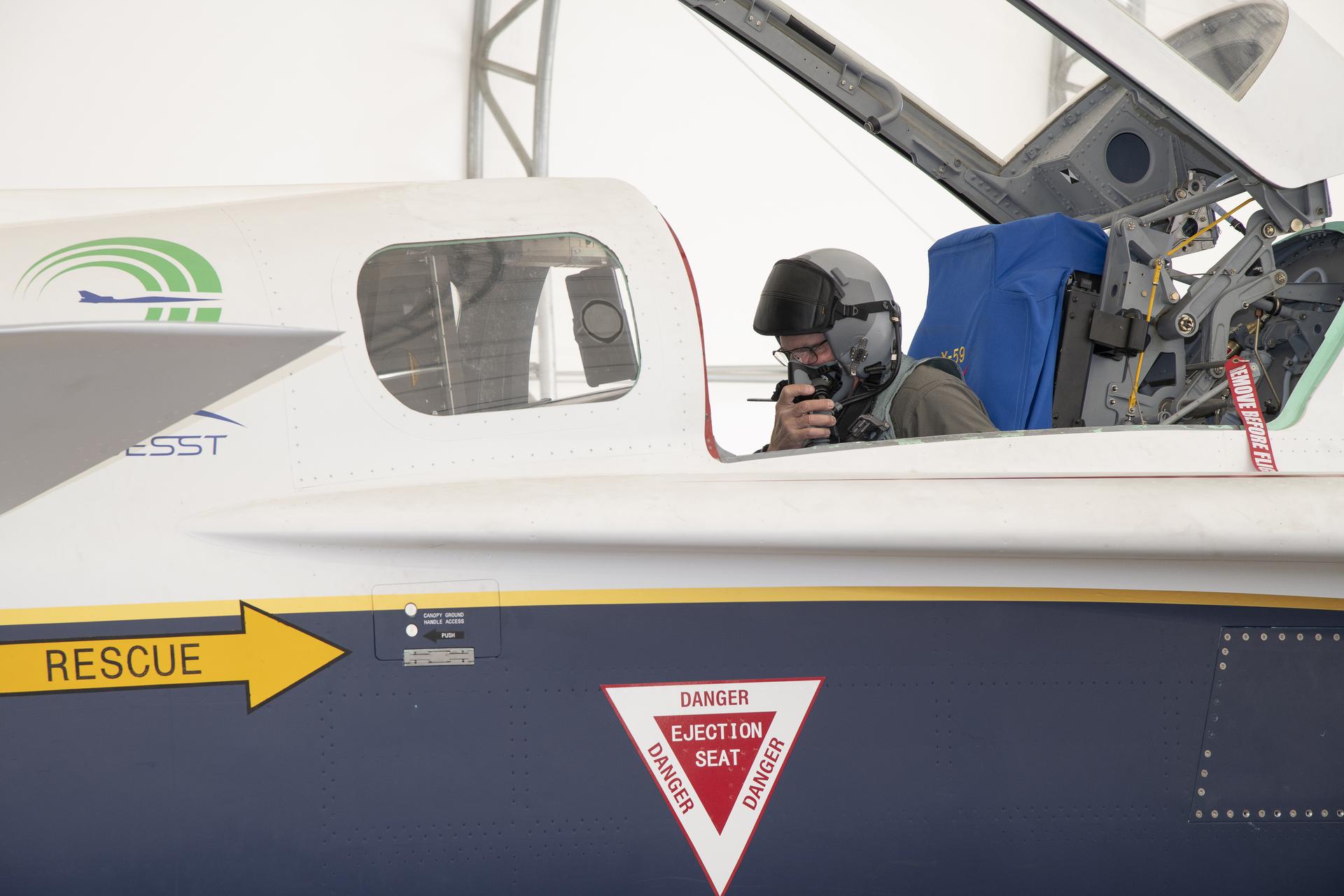
View of an aircraft cockpit inside a run stall. The canopy atop the cockpit is open. Inside, a pilot looks at his instruments as he wears a helmet and oxygen mask. The white, gold and blue paint scheme of the NASA aircraft is prominent.
Lockheed Martin test pilot Dan Canin sits in the cockpit of NASA’s X-59 quiet supersonic research aircraft in a run stall at Lockheed Martin’s Skunk Works facility in Palmdale, California prior to its first engine run. These engine-run tests featured the X-59 powered by its own engine, whereas in previous tests, the aircraft depended on external sources for power. The X-59 is the centerpiece of NASA’s Quesst mission, which seeks to solve one of the major barriers to supersonic flight over land by making sonic booms quieter.
NASA/Carla Thomas

“The first phase of the engine tests was really a warmup to make sure that everything looked good prior to running the engine,” said Jay Brandon, NASA’s X-59 chief engineer. “Then we moved to the actual first engine start. That took the engine out of the preservation mode that it had been in since installation on the aircraft. It was the first check to see that it was operating properly and that all the systems it impacted – hydraulics, electrical system, environmental control systems, etc. – seemed to be working.”

The X-59 will generate a quieter thump rather than a loud boom while flying faster than the speed of sound. The aircraft is the centerpiece of NASA’s Quesst mission, which will gather data on how people perceive these thumps, providing regulators with information that could help lift current bans on commercial supersonic flight over land.

The engine, a modified F414-GE-100, packs 22,000 pounds of thrust, which will enable the X-59 to achieve the desired cruising speed of Mach 1.4 (925 miles per hour) at an altitude of approximately 55,000 feet. It sits in a nontraditional spot – atop the aircraft — to aid in making the X-59 quieter.

Engine runs are part of a series of integrated ground tests needed to ensure safe flight and successful achievement of mission goals. Because of the challenges involved with reaching this critical phase of testing, the X-59’s first flight is now expected in early 2025. The team will continue progressing through critical ground tests and address any technical issues discovered with this one-of-a-kind, experimental aircraft. The X-59 team will have a more specific first flight date as these tests are successfully completed.

The testing is taking place at Lockheed Martin’s Skunk Works facility in Palmdale, California. During later phases, the team will test the aircraft at high power with rapid throttle changes, followed by simulating the conditions of an actual flight.

Direct view of the front of an aircraft, mostly in the shade of a run stall. Flaps on both wings are activated, moving downward. Team members wear protective ear guards and look at the aircraft from both sides.
NASA’s X-59 quiet supersonic research aircraft sits in its run stall at Lockheed Martin’s Skunk Works facility in Palmdale, California, prior to its first engine run. Engine runs are part of a series of integrated ground tests needed to ensure safe flight and successful achievement of mission goals. The X-59 is the centerpiece of NASA’s Quesst mission, which seeks to solve one of the major barriers to supersonic flight over land by making sonic booms quieter.
NASA/Carla Thomas

“The success of these runs will be the start of the culmination of the last eight years of my career,” said Paul Dees, NASA’s deputy propulsion lead for the X-59. “This isn’t the end of the excitement but a small steppingstone to the beginning. It’s like the first note of a symphony, where years of teamwork behind the scenes are now being put to the test to prove our efforts have been effective, and the notes will continue to play a harmonious song to flight.”

After the engine runs, the X-59 team will move to aluminum bird testing, where data will be fed to the aircraft under both normal and failure conditions. The team will then proceed with a series of taxi tests, where the aircraft will be put in motion on the ground. These tests will be followed by final preparations for first flight.

Powered by WPeMatico

Get The Details…
Lillian Gipson