NASA’s Swift Studies Gas-Churning Monster Black Holes

NASA’s Swift Studies Gas-Churning Monster Black Holes

4 min read

NASA’s Swift Studies Gas-Churning Monster Black Holes
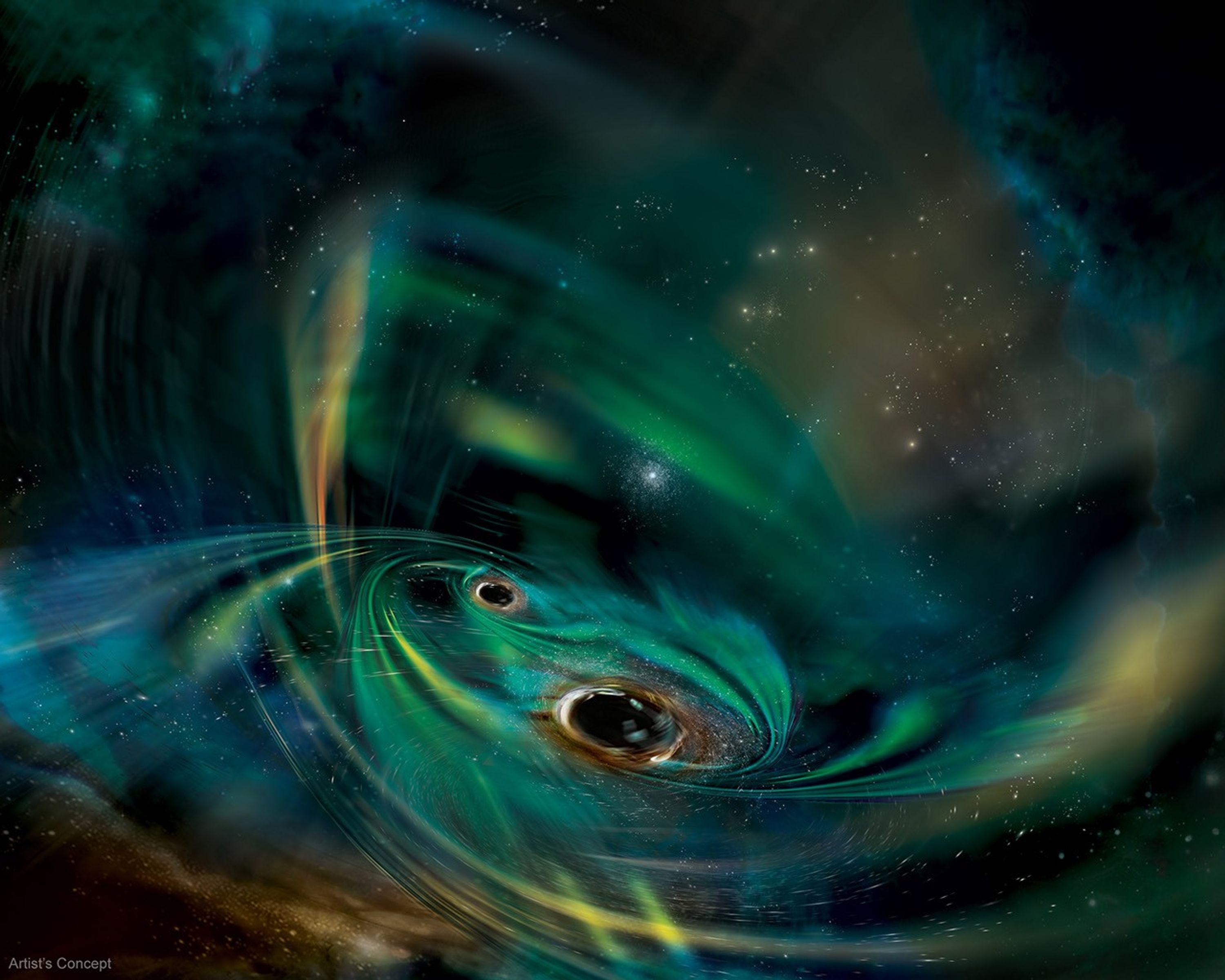
Two black holes are illustrated orbiting in a cloud of gas.
A pair of monster black holes swirl in a cloud of gas in this artist’s concept of AT 2021hdr, a recurring outburst studied by NASA’s Neil Gehrels Swift Observatory and the Zwicky Transient Facility at Palomar Observatory in California.
NASA/Aurore Simonnet (Sonoma State University)

Scientists using observations from NASA’s Neil Gehrels Swift Observatory have discovered, for the first time, the signal from a pair of monster black holes disrupting a cloud of gas in the center of a galaxy.

“It’s a very weird event, called AT 2021hdr, that keeps recurring every few months,” said Lorena Hernández-García, an astrophysicist at the Millennium Institute of Astrophysics, the Millennium Nucleus on Transversal Research and Technology to Explore Supermassive Black Holes, and University of Valparaíso in Chile. “We think that a gas cloud engulfed the black holes. As they orbit each other, the black holes interact with the cloud, perturbing and consuming its gas. This produces an oscillating pattern in the light from the system.”  

A paper about AT 2021hdr, led by Hernández-García, was published Nov. 13 in the journal Astronomy and Astrophysics.

The dual black holes are in the center of a galaxy called 2MASX J21240027+3409114, located 1 billion light-years away in the northern constellation Cygnus. The pair are about 16 billion miles (26 billion kilometers) apart, close enough that light only takes a day to travel between them. Together they contain 40 million times the Sun’s mass.

Scientists estimate the black holes complete an orbit every 130 days and will collide and merge in approximately 70,000 years.

AT 2021hdr was first spotted in March 2021 by the Caltech-led ZTF (Zwicky Transient Facility) at the Palomar Observatory in California. It was flagged as a potentially interesting source by ALeRCE (Automatic Learning for the Rapid Classification of Events). This multidisciplinary team combines artificial intelligence tools with human expertise to report events in the night sky to the astronomical community using the mountains of data collected by survey programs like ZTF.

“Although this flare was originally thought to be a supernova, outbursts in 2022 made us think of other explanations,” said co-author Alejandra Muñoz-Arancibia, an ALeRCE team member and astrophysicist at the Millennium Institute of Astrophysics and the Center for Mathematical Modeling at the University of Chile. “Each subsequent event has helped us refine our model of what’s going on in the system.”

Since the first flare, ZTF has detected outbursts from AT 2021hdr every 60 to 90 days.    

Hernández-García and her team have been observing the source with Swift since November 2022. Swift helped them determine that the binary produces oscillations in ultraviolet and X-ray light on the same time scales as ZTF sees them in the visible range.

The researchers conducted a Goldilocks-type elimination of different models to explain what they saw in the data.

Initially, they thought the signal could be the byproduct of normal activity in the galactic center. Then they considered whether a tidal disruption event — the destruction of a star that wandered too close to one of the black holes — could be the cause.

Finally, they settled on another possibility, the tidal disruption of a gas cloud, one that was bigger than the binary itself. When the cloud encountered the black holes, gravity ripped it apart, forming filaments around the pair, and friction started to heat it. The gas got particularly dense and hot close to the black holes. As the binary orbits, the complex interplay of forces ejects some of the gas from the system on each rotation. These interactions produce the fluctuating light Swift and ZTF observe.

Watch as a gas cloud encounters two supermassive black holes in this simulation. The complex interplay of gravitational and frictional forces causes the cloud to condense and heat. Some of the gas is ejected from the system with each orbit of the black holes.
F. Goicovic et al. 2016

Hernández-García and her team plan to continue observations of AT 2021hdr to better understand the system and improve their models. They’re also interested in studying its home galaxy, which is currently merging with another one nearby — an event first reported in their paper.

“As Swift approaches its 20th anniversary, it’s incredible to see all the new science it’s still helping the community accomplish,” said S. Bradley Cenko, Swift’s principal investigator at NASA’s Goddard Space Flight Center in Greenbelt, Maryland. “There’s still so much it has left to teach us about our ever-changing cosmos.”

NASA’s missions are part of a growing, worldwide network watching for changes in the sky to solve mysteries of how the universe works.

Goddard manages the Swift mission in collaboration with Penn State, the Los Alamos National Laboratory in New Mexico, and Northrop Grumman Space Systems in Dulles, Virginia. Other partners include the University of Leicester and Mullard Space Science Laboratory in the United Kingdom, Brera Observatory in Italy, and the Italian Space Agency.

By Jeanette Kazmierczak
NASA’s Goddard Space Flight Center, Greenbelt, Md.

Media Contact:
Claire Andreoli
301-286-1940
claire.andreoli@nasa.gov
NASA’s Goddard Space Flight Center, Greenbelt, Md.

Powered by WPeMatico

Get The Details…

NASA Stennis – An Ideal Place for Commercial Companies

NASA Stennis – An Ideal Place for Commercial Companies

5 min read

Preparations for Next Moonwalk Simulations Underway (and Underwater)

Note: The following article is part of a series highlighting propulsion testing at NASA’s Stennis Space Center. To access the entire series, please visit: https://www.nasa.gov/feature/propulsion-powering-space-dreams/.

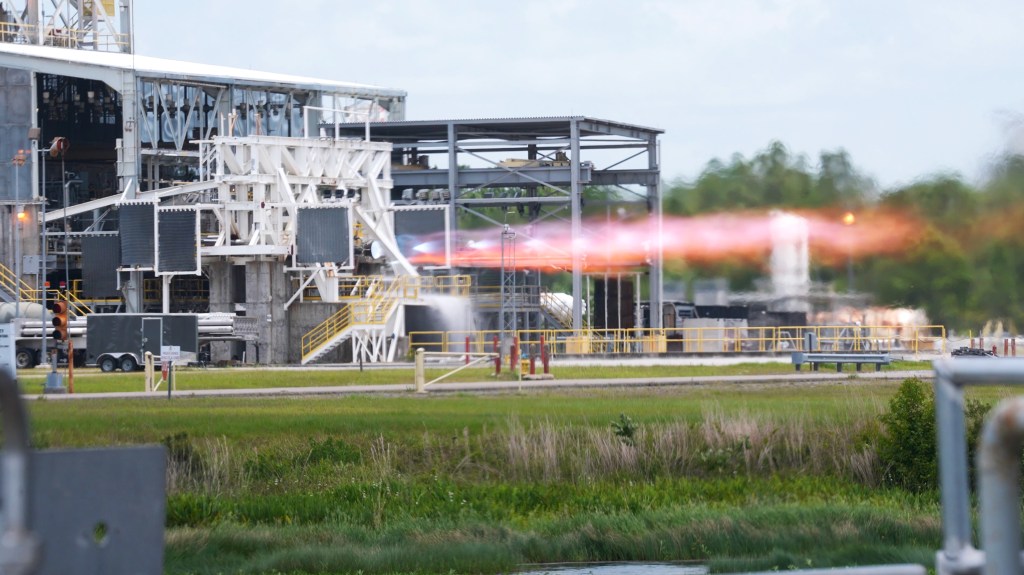
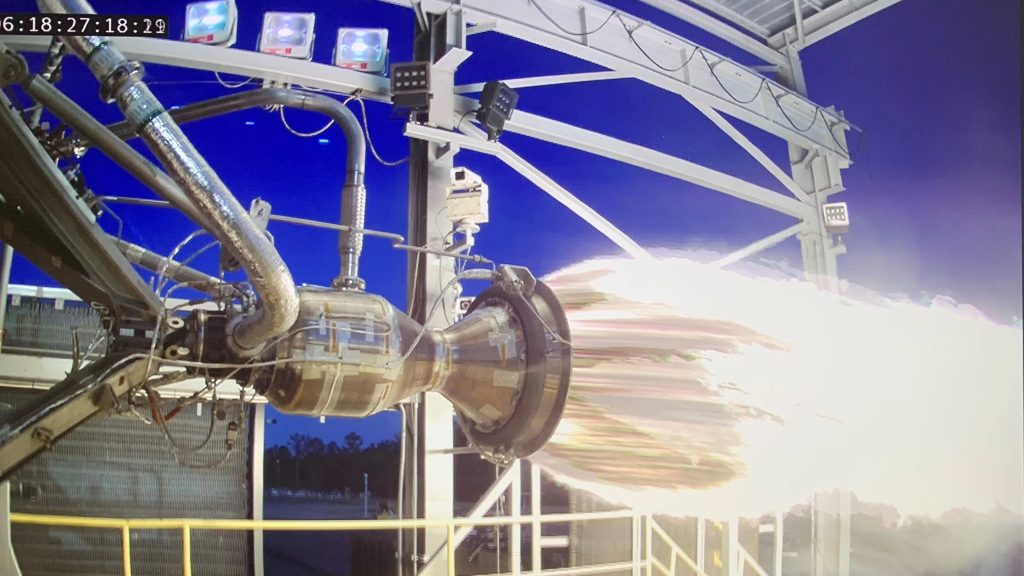
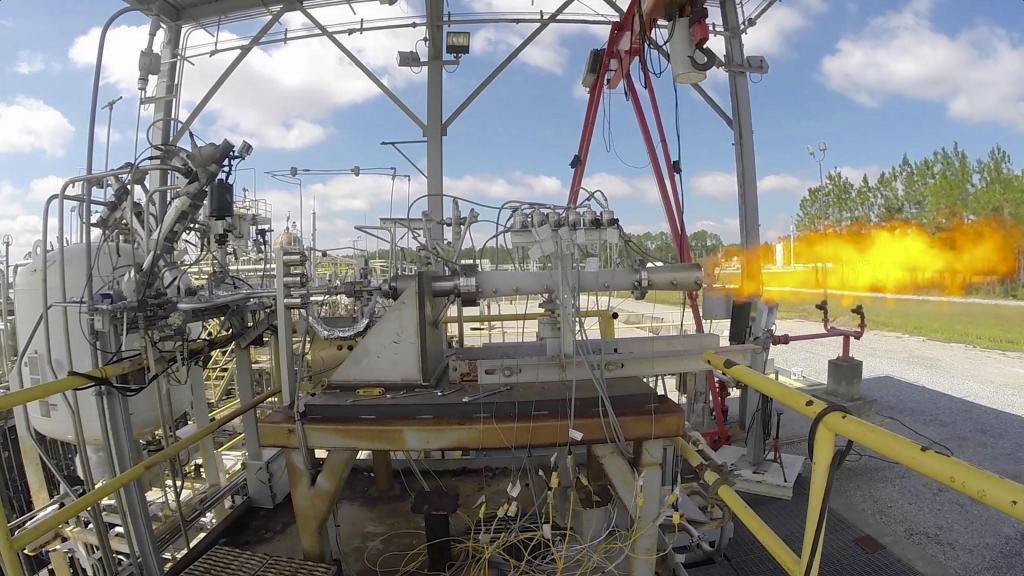
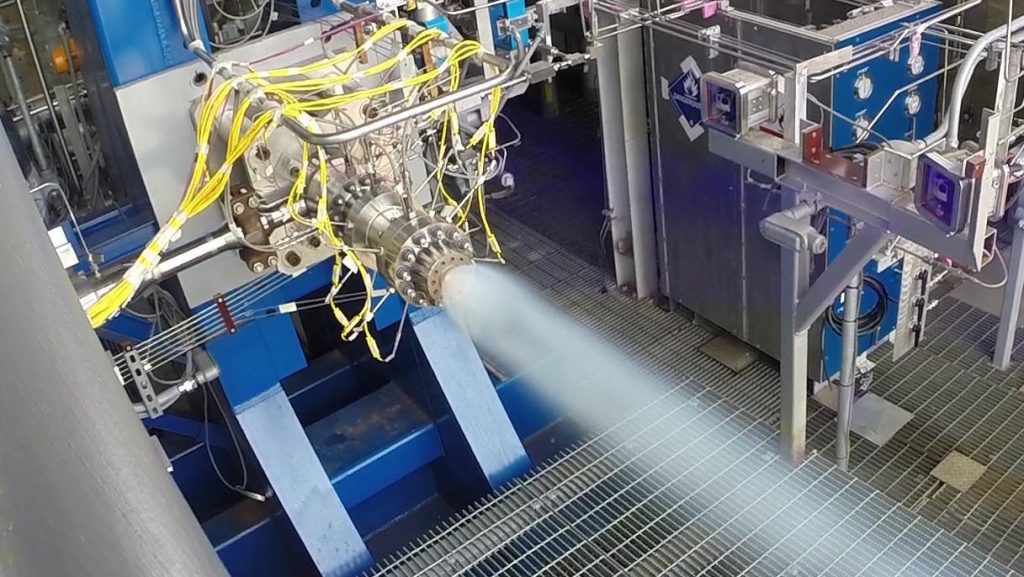
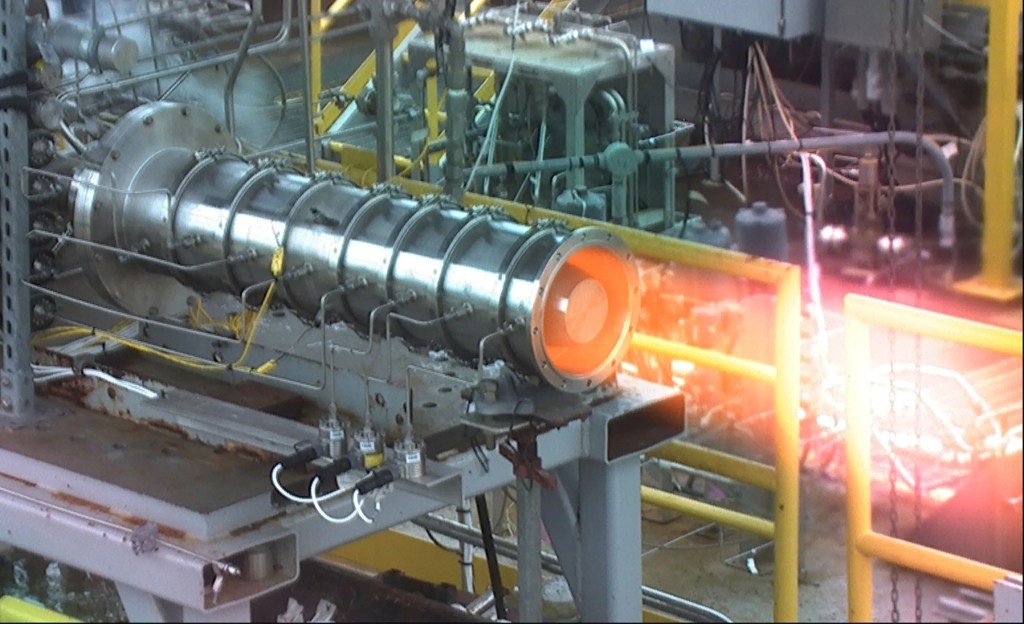
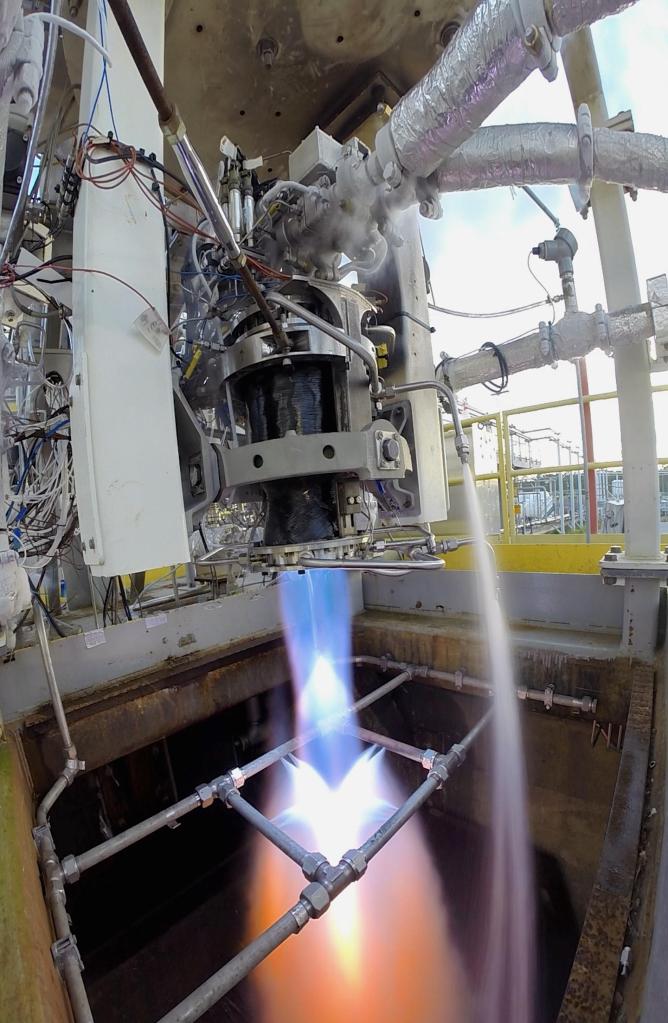
NASA engineers conduct a test of the liquid oxygen/liquid methane Morpheus lander engine HD4B on the E-3 Test Stand
NASA engineers conduct a test of the liquid oxygen/liquid methane Morpheus lander engine HD4B on the E-3 Test Stand at NASA’s Stennis Space Center during the week of Sept. 9, 2013. The fourth-generation Project Morpheus engine was a prototype vertical takeoff and landing vehicle designed to advance innovative technologies into flight-proven systems that may be incorporated into future human exploration missions. 
NASA/Stennis

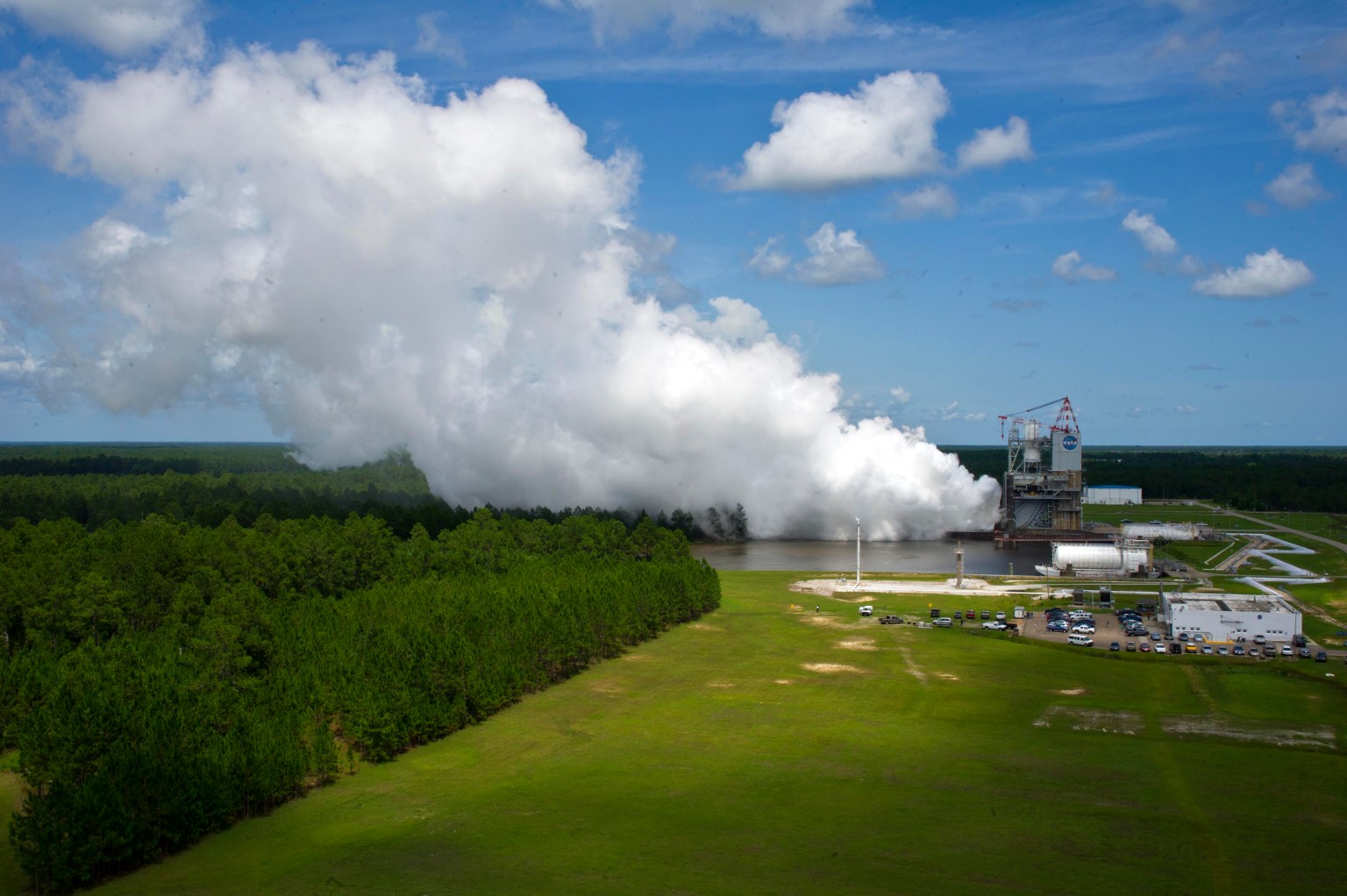
The work of NASA has fueled commercial spaceflight for takeoff – and for many aerospace companies, the road to launch begins at NASA’s Stennis Space Center near Bay St. Louis, Mississippi. 

Already the nation’s largest propulsion test site and a leader in working with aerospace companies to support their testing needs, NASA Stennis aims to continue growing its commercial market even further.  

“The aerospace industry is expanding rapidly, and we are here to support it,” said NASA Stennis Director John Bailey. “NASA Stennis has proven for more than two decades that we have the versatile infrastructure and reliable propulsion test experts to meet testing needs and accelerate space goals for a whole range of customers.” 

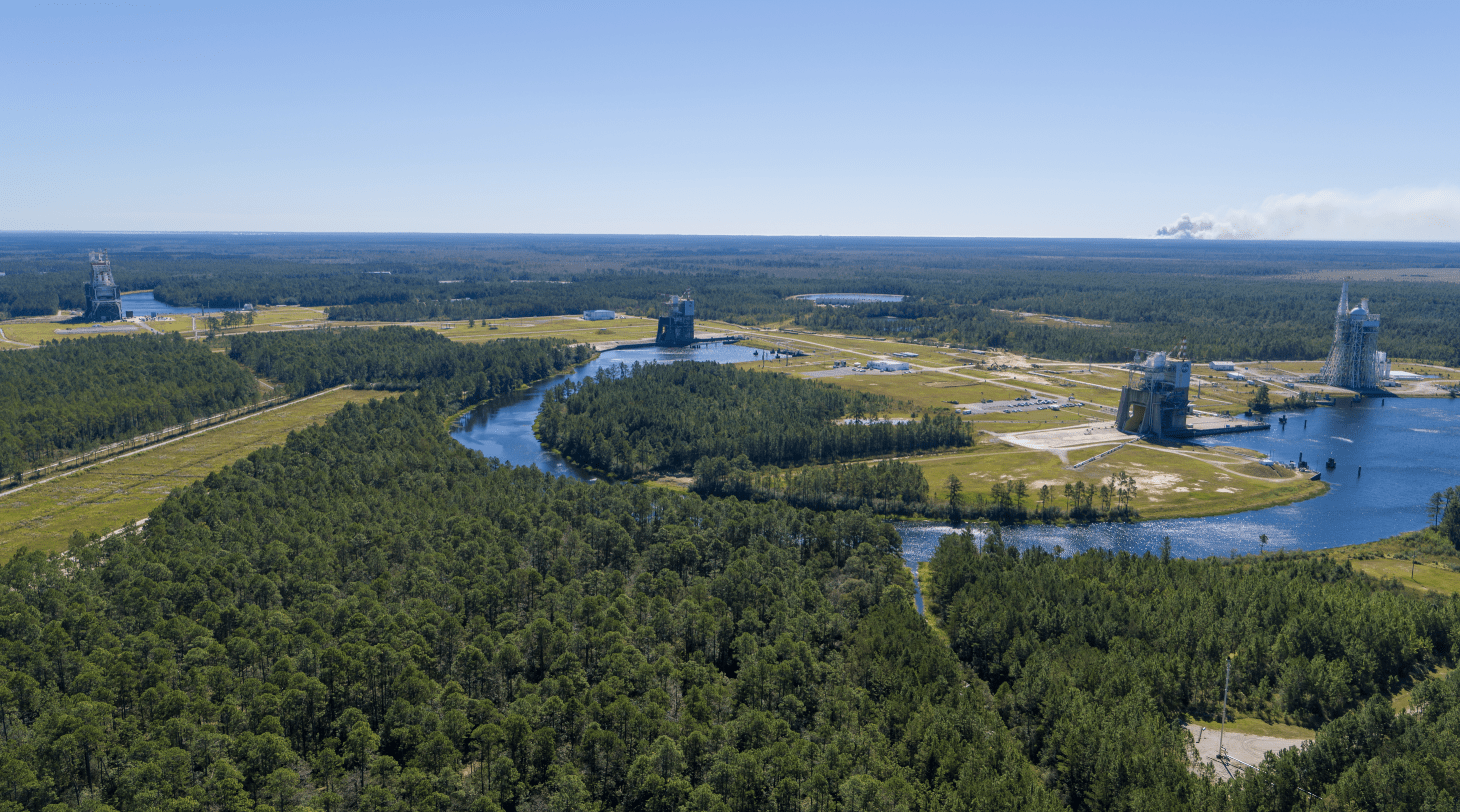
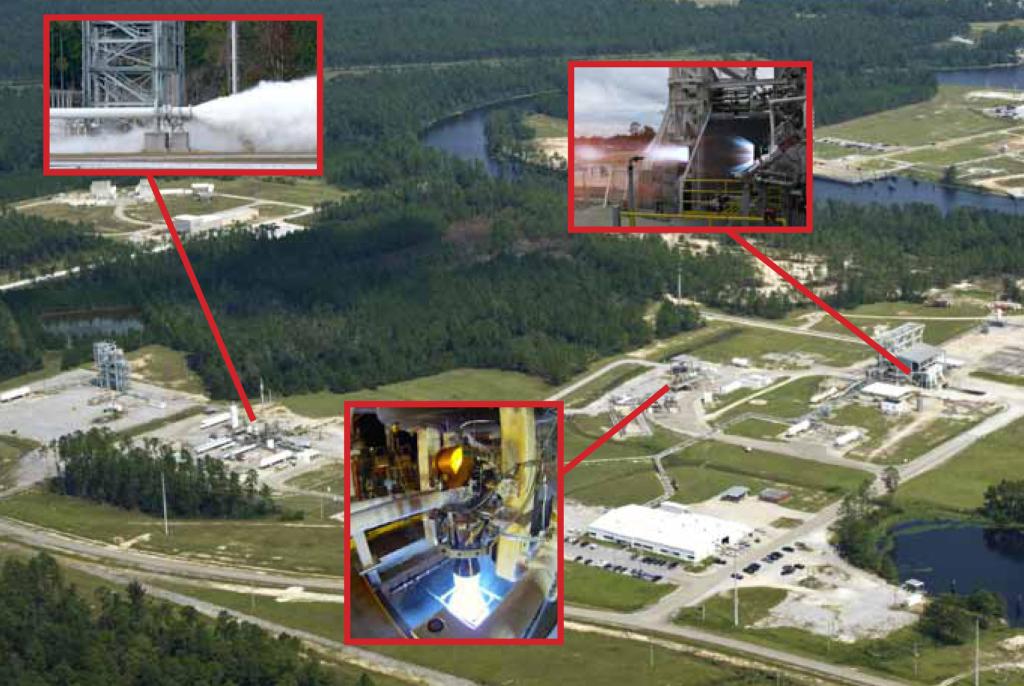
The central hub for meeting those needs at the south Mississippi center is the E Test Complex. It features four stands with 12 test cells capable of supporting a range of component and engine test activities. NASA operates the E-1 Test Stand with four cell positions and the E-3 Test Stand with two cells. Relativity Space, based in Long Beach, California, leases the E-2 and E-4 stands to support some of its test operations. 

Developed during the 1990s and early 2000s, the E Test Complex can deliver various propellants and gases at high and low pressures and flow rates not available elsewhere. The versatility of the complex infrastructure and test team allows it to support projects for commercial aerospace companies, large and small. NASA Stennis also provides welding, machining, calibration, precision cleaning, and other support services required to conduct testing.  

“NASA Stennis delivers exceptional results in a timely manner with our capabilities and services,” said Duane Armstrong, manager of the NASA Stennis Strategic Business Development Office. “Our commercial partnerships and agreements have proven to be true win-win arrangements. NASA Stennis is where customers have access to unique NASA test support infrastructure and expertise, making it the go-to place for commercial propulsion testing.”  

Companies come to the south Mississippi site with various needs. Some test for a short time and collect essential data. Others stay for an extended period. The stage of development and the particular test article, whether a component or full engine, determine where testing takes place within the E Complex. 

NASA Stennis also offers a variety of test agreements. Companies may lease a stand or area and perform its own test campaign. They also may team with NASA Stennis engineers and operators to form a blended test team. And in some cases, companies will turn over the entirety of test work to the NASA Stennis team. Current companies conducting work at NASA Stennis include: Blue Origin; Boeing; Evolution Space; Launcher, a Vast company; Relativity Space; and Rolls-Royce. They join a growing list who conducted earlier test projects in the complex, including SpaceX, Stratolaunch, Virgin Orbit, and Orbital Sciences Corporation. 

In addition, three companies – Relativity Space, Rocket Lab, and Evolution Space – are establishing production and/or test operations onsite. 

“We may work with a customer brand new to the field, so we help them figure out how to build their engine,” said Chris Barnett-Woods, E-1 electrical lead and instrumentation engineer. “Another customer may know exactly what they want, and we support them to make it happen. We focus on customer need. Given our expertise, we know how testing needs to be conducted or can figure it out quickly together, which can help our customer save money toward a successful outcome.” 

Capabilities to benefit NASA and the aerospace industry have grown since the center entered its first commercial partnership in the late 1990s. The test team also has grown in understanding the commercial approach, and the center has committed itself to adapting and streamlining its business processes. 

“Time-to-market is key for commercial companies,” said Joe Schuyler, director of the NASA Stennis Engineering and Test Directorate. “They want to test as efficiently and economically as possible. Our goal is to meet them where they are and deliver what they need. And that is exactly what we focus our efforts on.”

As stated in the site’s latest strategic plan, the goal is to operate as “a multi-user propulsion testing enterprise that accelerates the development of aerospace systems and services by government and industry.” To that end, the site is innovating its operations, modernizing its services, and demonstrating it is the best choice for propulsion testing. 

“NASA Stennis is open for business as the preferred propulsion provider for aerospace companies,” Bailey said. “Companies across the board are realizing they can achieve their desired results at NASA Stennis.”  

For information about NASA’s Stennis Space Center, visit: 

Stennis Space Center – NASA 

Share

Details

Last Updated

Nov 13, 2024

Editor
NASA Stennis Communications
Contact
C. Lacy Thompson
Location
Stennis Space Center

Related Terms

Powered by WPeMatico
Get The Details…
LaToya Dean

NASA Stennis Propulsion Testing Contributes to Artemis Missions

NASA Stennis Propulsion Testing Contributes to Artemis Missions

4 min read

Preparations for Next Moonwalk Simulations Underway (and Underwater)

Note: The following article is part of a series highlighting propulsion testing at NASA’s Stennis Space Center. To access the entire series, please visit: https://www.nasa.gov/feature/propulsion-powering-space-dreams/.

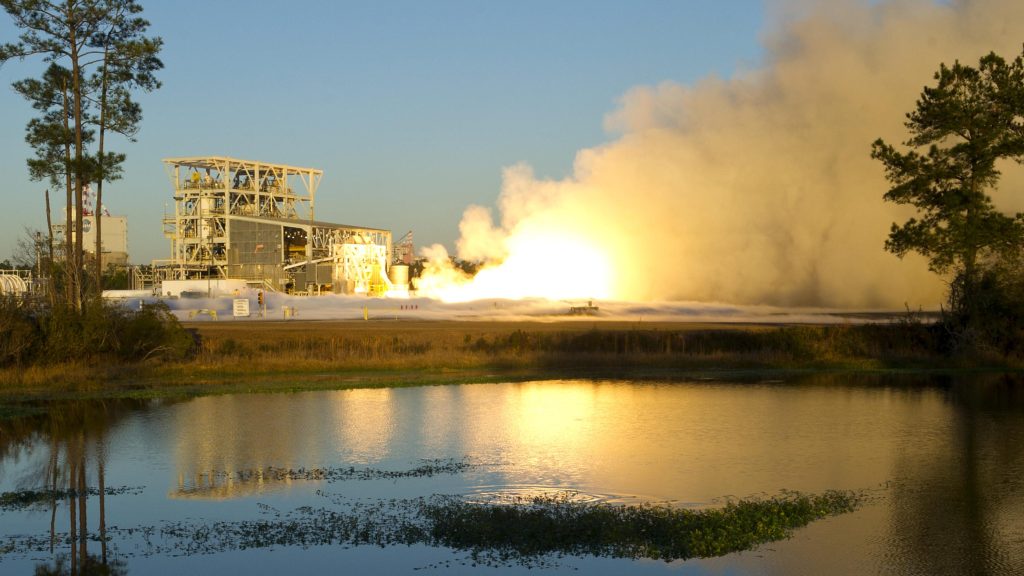
Stennis propulsion testing Crews  work , to install the first flight core stage of NASA’s SLS
Crews at NASA’s Stennis Space Center work Jan. 21-22, 2020, to install the first flight core stage of NASA’s powerful SLS (Space Launch System) rocket on the B-2 side of the Thad Cochran Test Stand for a Green Run test series. Operations required crews to lift the massive core stage from a horizontal position into a vertical orientation, a procedure known as “break over.” Once the stage was oriented in a horizontal position on the night of Jan. 21, crews tied it in place to await favorable wind conditions. The following morning, crews began the process of raising, positioning, and securing the stage on the stand. 
NASA/Stennis

The future is now at NASA’s Stennis Space Center near Bay St. Louis, Mississippi – at least when it comes to helping power the next great era of human space exploration.  

NASA Stennis is contributing directly to the agency’s effort to land the first woman, the first person of color, and its first international partner astronaut on the Moon – for the benefit of all humanity. Work at the nation’s largest – and premier – propulsion test site will help power SLS (Space Launch System) rockets on future Artemis missions to enable long-term lunar exploration and prepare for the next giant leap of sending the first astronauts to Mars.  

“We play a critical role to ensure the safety of astronauts on future Artemis missions,” NASA Stennis Space Center Director John Bailey said. “Our dedicated workforce is excited and proud to be part of NASA’s return to the Moon.”  

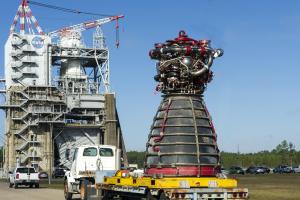
NASA Stennis achieved an RS-25 testing milestone in April at the Fred Haise Test Stand. Completion of the successful RS-25 certification series provided critical data for L3Harris (formerly known as Aerojet Rocketdyne) to produce new RS-25 engines, using modern processes and manufacturing techniques. The engines will help power SLS rockets beginning with Artemis V.   

The first four Artemis missions are using modified space shuttle main engines also tested at NASA Stennis. For each Artemis mission, four RS-25 engines, along with a pair of solid rocket boosters, power the SLS rocket to produce more than 8.8 million pounds of total combined thrust at liftoff.   

NASA’s powerful SLS rocket is the only rocket that can send the Orion spacecraft, astronauts, and cargo to the Moon on a single mission.   

Following key test infrastructure upgrades near the Fred Haise Test Stand, NASA Stennis will be ready for more RS-25 engine testing. NASA has awarded L3Harris contracts to provide 24 new engines, supporting SLS launches for Artemis V through Artemis IX.  

“Every RS-25 engine that launches Artemis to space will be tested at NASA Stennis,” said Joe Schuyler, director of the NASA Stennis Engineering and Test Directorate. “We take pride in helping to power this nation’s human space exploration program. We also take great care in testing these engines because they are launching astronauts to space. We always have safety in mind.” 

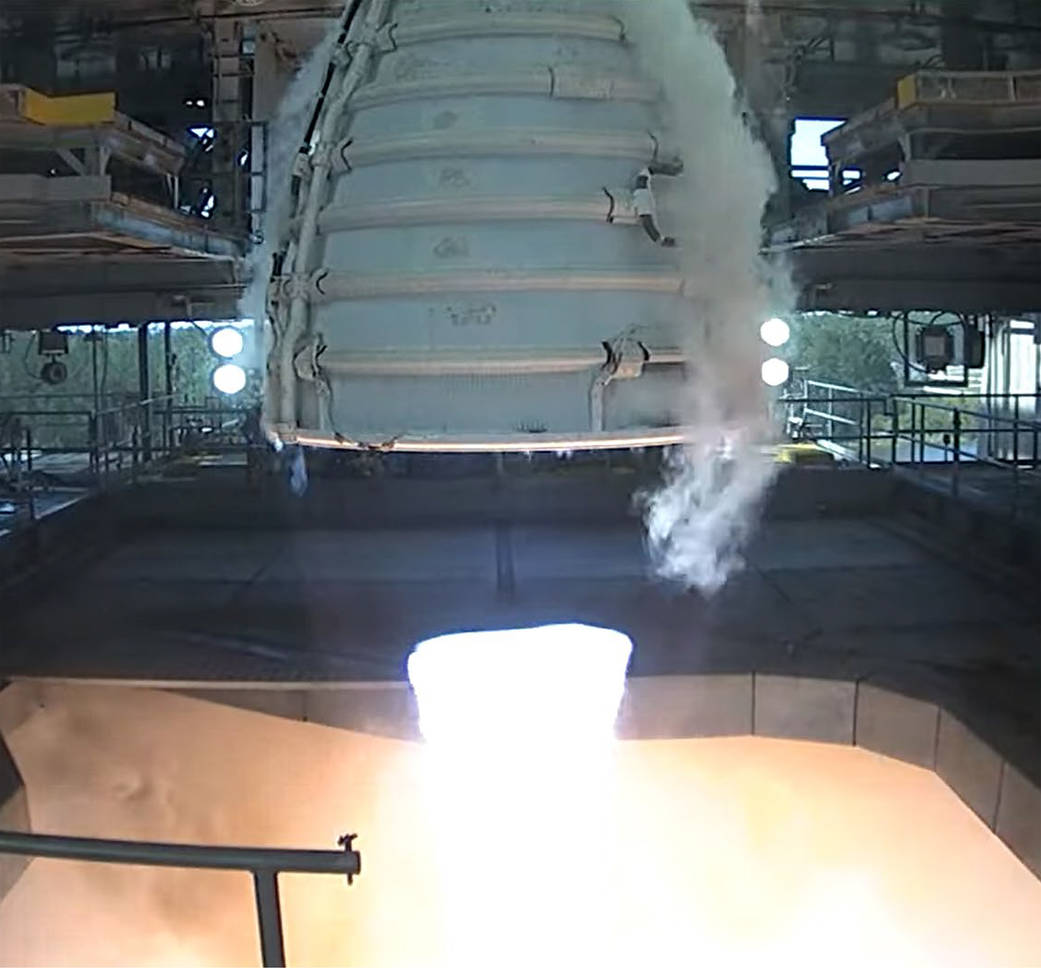
Astronauts Jessica Meir and Zena Cardman, watching as Stennis Space Center conducts a successful hot fire of the first flight core stage of NASA's SLS rocket on the B-2 side of the Thad Cochran Test Stand
NASA’s Stennis Space Center conducts a successful hot fire of the first flight core stage of NASA’s powerful SLS (Space Launch System) rocket on the B-2 side of the Thad Cochran Test Stand on March 18, 2021. NASA employees, as well as NASA astronauts Jessica Meir and Zena Cardman, watched the milestone moment. The hot fire of more than eight minutes marked the culmination of a Green Run series of tests on the stage and its integrated systems.  
NASA/Stennis

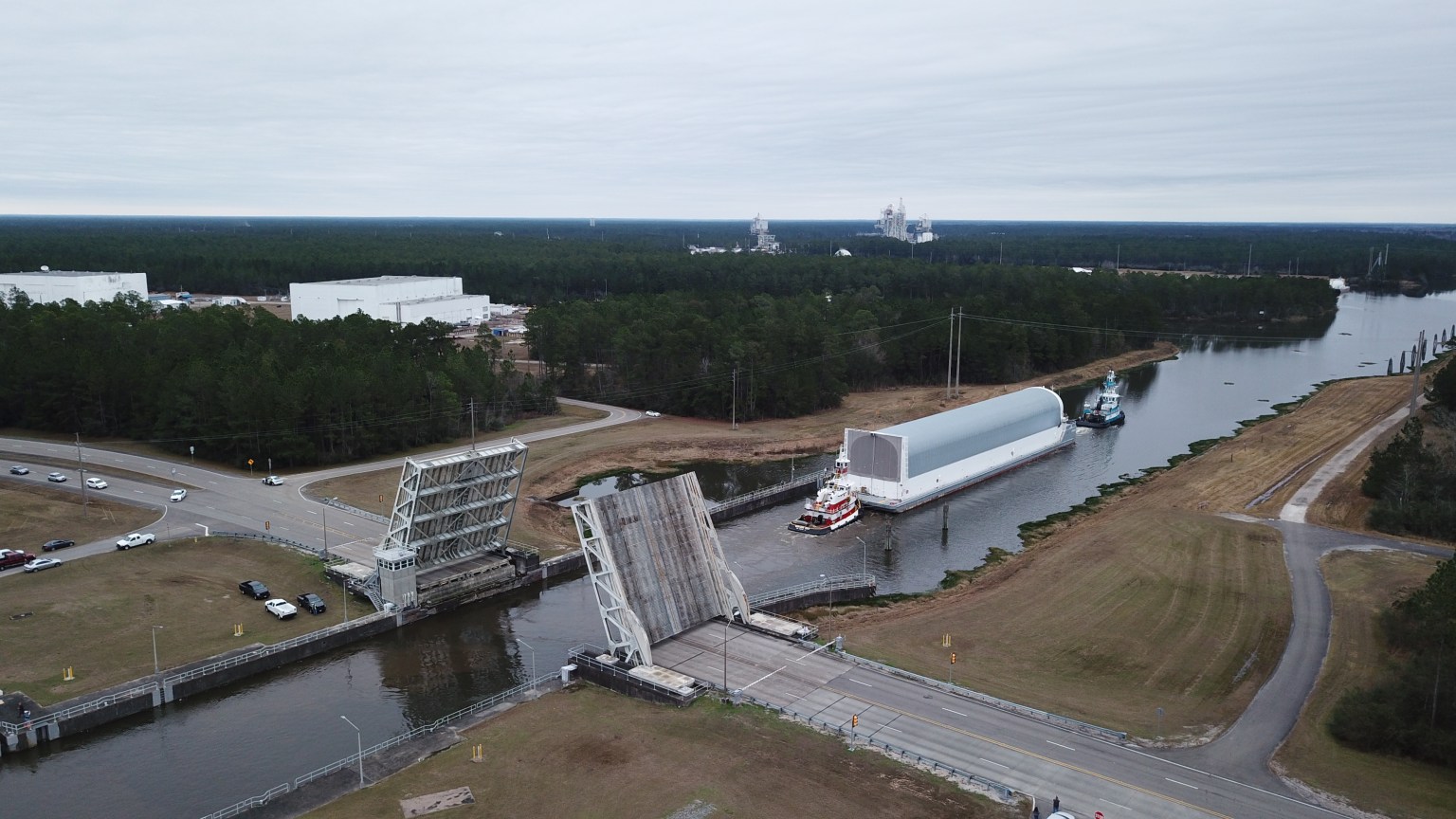
In addition to RS-25 testing, preparations are ongoing at the Thad Cochran Test Stand (B-2) for future testing of the agency’s new exploration upper stage. The more powerful SLS second stage, which will send astronauts and cargo to deep space aboard the Orion spacecraft, is being built at NASA’s Michoud Assembly Facility in New Orleans.   

Before its first flight, the NASA Stennis test team will conduct a series of Green Run tests on the new stage’s integrated systems to demonstrate it is ready to fly. Crews completed installation of a key component for testing the upper stage in October. The lift and installation of the 103-ton interstage simulator component, measuring 31 feet in diameter and 33 feet tall, provided crews best practices for moving and handling the actual flight hardware when it arrives to NASA Stennis.   

The exploration upper stage Green Run test series will culminate with a hot fire of the stage’s four RL10 engines, made by L3Harris, the lead SLS engines contractor.  

“All of Mississippi shares in our return to the Moon with the next great era of human space exploration going through NASA Stennis,” Bailey said. “Together, we can be proud of the state’s contributions to NASA’s great mission.”   

For information about NASA’s Stennis Space Center, visit:  

Stennis Space Center – NASA  

Share

Details

Last Updated

Nov 13, 2024

Editor
NASA Stennis Communications
Contact
C. Lacy Thompson
Location
Stennis Space Center

Related Terms

Powered by WPeMatico
Get The Details…
LaToya Dean

NASA Stennis Test Team Supports Space Dreams with Proven Expertise

NASA Stennis Test Team Supports Space Dreams with Proven Expertise

5 min read

Preparations for Next Moonwalk Simulations Underway (and Underwater)

Note: The following article is part of a series highlighting propulsion testing at NASA’s Stennis Space Center. To access the entire series, please visit: https://www.nasa.gov/feature/propulsion-powering-space-dreams/.

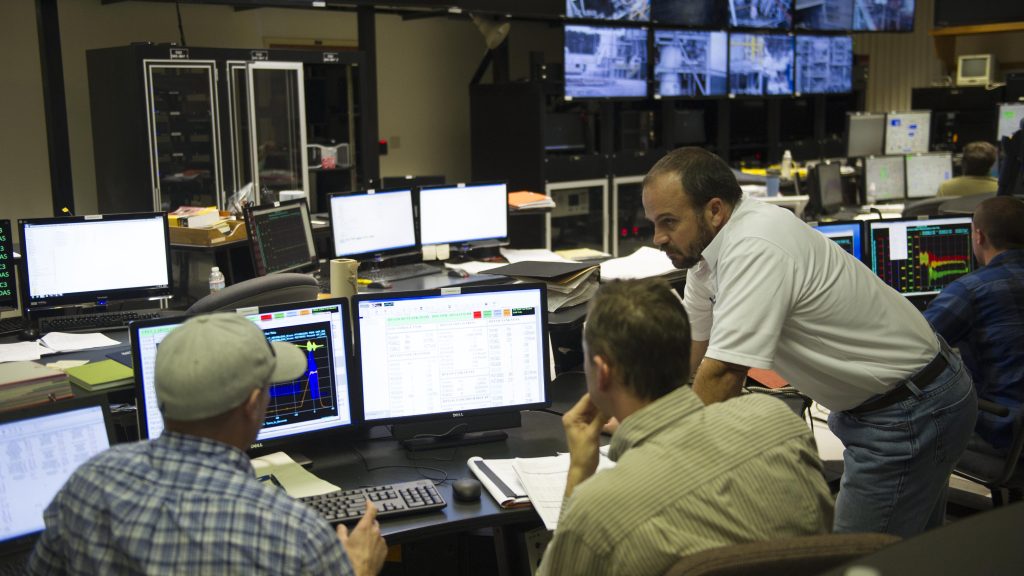
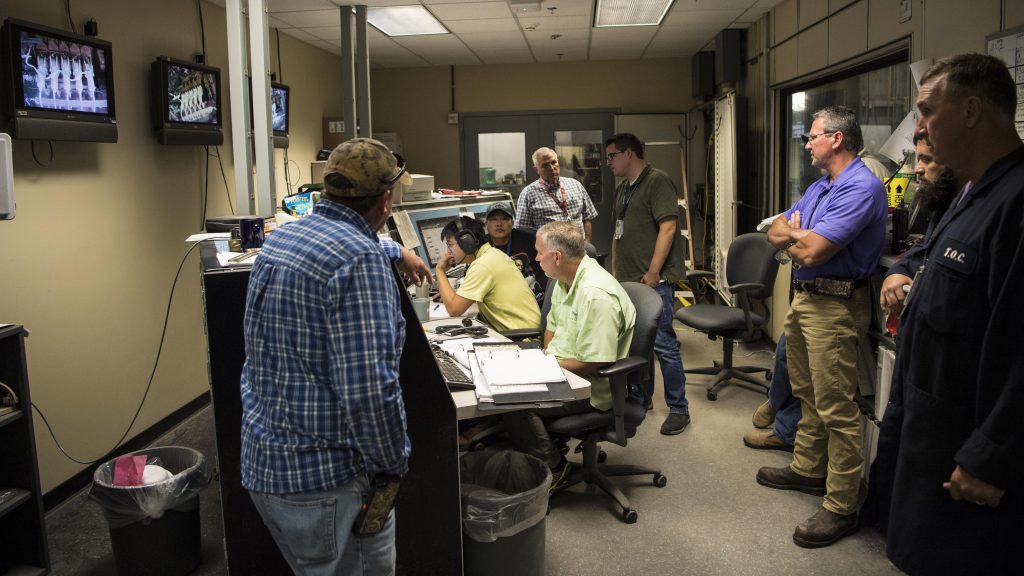
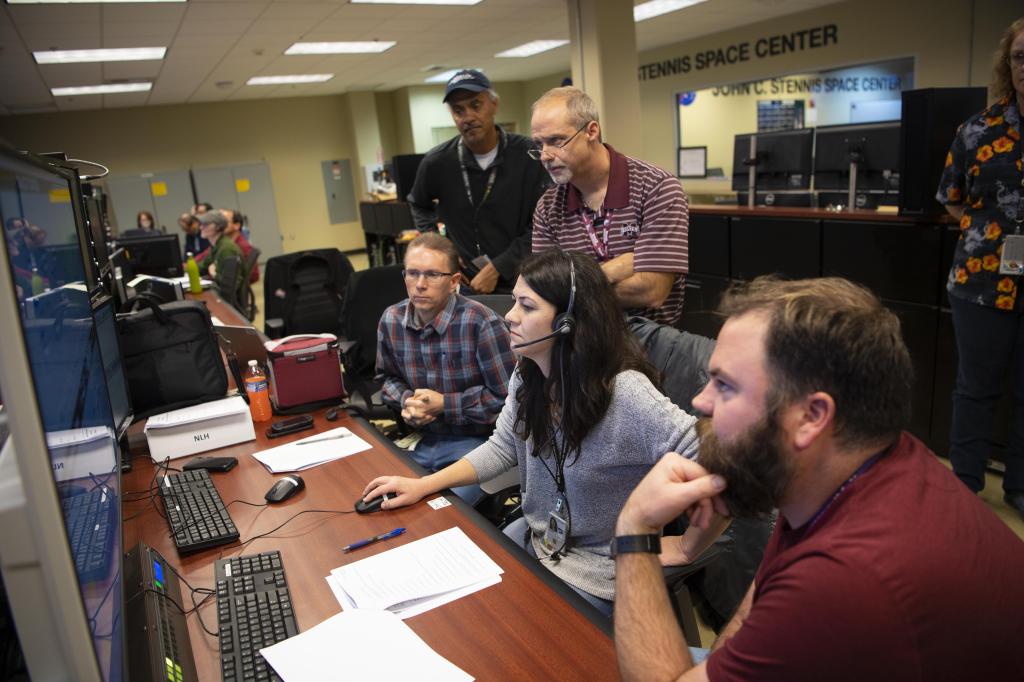
Contrary to the popular saying, work conducted by the propulsion test team at NASA’s Stennis Space Center is rocket science – and requires all the talent, knowledge, and expertise the term implies. 

Rocket science at NASA Stennis, located near Bay St. Louis, Mississippi, has helped safely power American space dreams for almost 60 years ago. The accumulated knowledge and skills of the site’s test team continue to benefit NASA and commercial aerospace companies, thanks to new generations of skilled engineers and operators. 

“The innovative, can-do attitude started with the founding of the south Mississippi site more than six decades ago,” said NASA Stennis Director John Bailey. “The knowledge, skills, and insight of a versatile team continue supporting NASA’s mission and goals of commercial aerospace companies by routinely conducting successful propulsion testing at NASA Stennis.” 

The NASA Stennis team exhibits a depth and breadth of experience and expertise likely unsurpassed anywhere in the world. 

The depth is built on decades of propulsion test experience. Veteran team members of today learned from those working during the Apollo era, who overcame various engineering, technical, communications, and mechanical difficulties in testing the Saturn V rocket stages that powered humans to the Moon. During 43 stage firings, the team accumulated an estimated 2,475 years of rocket engine test expertise.  

Members of the Apollo test team then joined with new engineers and operators to test main engines that powered 30 years of space shuttle missions. From 1975 to 2009, the team supported main engine development, certification, acceptance, and anomaly testing with over 2,300 hot fires and more than 820,000 seconds of accumulated hot-fire time.  

“NASA Stennis is unique because of the proven test operations expertise passed from generation to generation,” said Joe Schuyler, director of the NASA Stennis Engineering and Test Directorate. “It is expertise you can trust to deliver what is needed.”

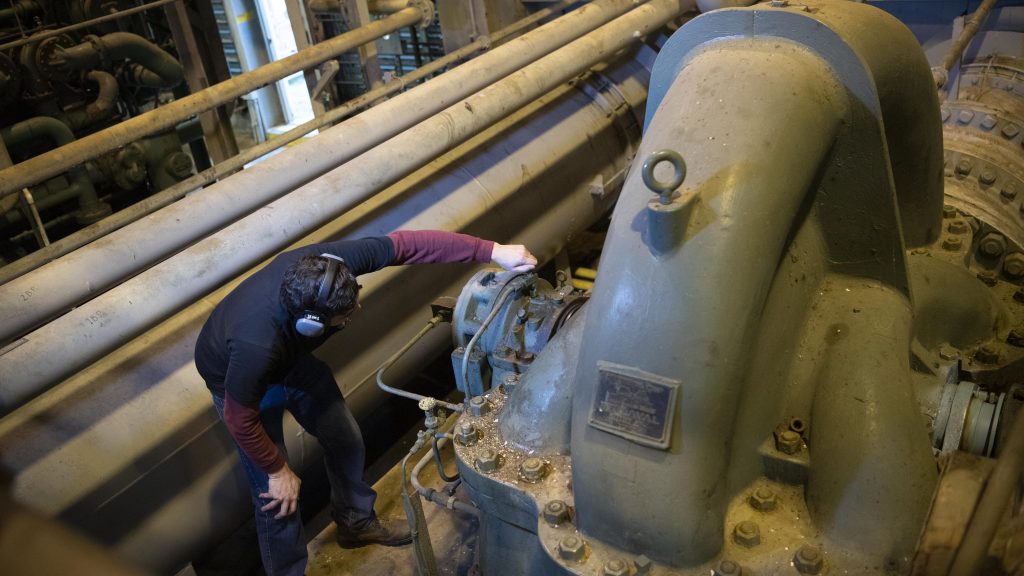
a member of the Stennis Test Team in white hard hat examining the progress of a cold-shock test
A member of the Fred Haise Test Stand (formerly the A-1 Test Stand) operations team examines the progress of a cold-shock test on May 1, 2014. The test marked a milestone in preparing the stand to test RS-25 rocket engines that will help power NASA’s SLS (Space Launch System) rocket.
NASA/Stennis

In addition to depth, the site team also has a breadth of experience that gives it unparalleled versatility and adaptability. 

Part of that comes from the nature of the center itself. NASA Stennis is the second largest NASA center in terms of geography, but the civil servant workforce is small. As a result, test team members work on a range of propulsion projects, from testing components on smaller E Test Complex cells to firing large engines and even rocket stages on the heritage Apollo-era stands. 

“Our management have put us in a position to be successful,” said NASA engineer Josh Greiner. “They have helped move us onto the test stands and given us a huge share of the responsibility of leading projects early in our career, which provides us the confidence and opportunity to conduct tests.” 

In addition, center leaders made a deliberate decision more than a decade ago to return test stand operations to the NASA team. Prior to that time, stand operations were in the hands of contractors under NASA supervision. The shift allowed the civil servant test team to fine-tune its skill set even as it continued to work closely with contractor partners to support both government and commercial aerospace propulsion projects. 

The evolution and performance of the NASA Stennis team was illustrated in stark fashion in June/July 2018 when a blended team of NASA, Defense Advanced Research Projects Agency, Aerojet Rocketdyne, Boeing, and Syncom Space Services engineers and operators test fired an AR-22 rocket engine 10 times in a 240-hour period. 

The campaign marked the first time a large liquid oxygen/liquid hydrogen engine had been tested so often in such a short period of time. The test team overcame a variety of challenges, including a pair of lightning strikes that threatened to derail the entire effort. Following completion of the historic series, a NASA engineer who helped lead the campaign recounted one industry observer who repeatedly characterized the site’s test team as nothing less than a national asset. 

The experienced site workforce now tests RS-25 engines and propulsion systems for NASA’s Artemis campaign, including those that will help power Artemis missions to the Moon for scientific discovery and economic benefits. The NASA Stennis team also supports a range of commercial aerospace propulsion test activities, facilitating continued growth in capabilities. For instance, the team now has experience working with oxygen, hydrogen, methane, and kerosene propellants.  

“The NASA and contractor workforce at NASA Stennis is second to none when it comes to propulsion testing,” Schuyler said. “Many of the current employees have been involved in rocket engine testing for over 30 years, and newer workers are being trained under these seasoned professionals.”

For information about NASA’s Stennis Space Center, visit: 

Stennis Space Center – NASA 

Share

Details

Last Updated

Nov 13, 2024

Editor
NASA Stennis Communications
Contact
C. Lacy Thompson
Location
Stennis Space Center

Related Terms

Powered by WPeMatico
Get The Details…
LaToya Dean

Sols 4362-4363: Plates and Polygons

Sols 4362-4363: Plates and Polygons

2 min read

Sols 4362-4363: Plates and Polygons

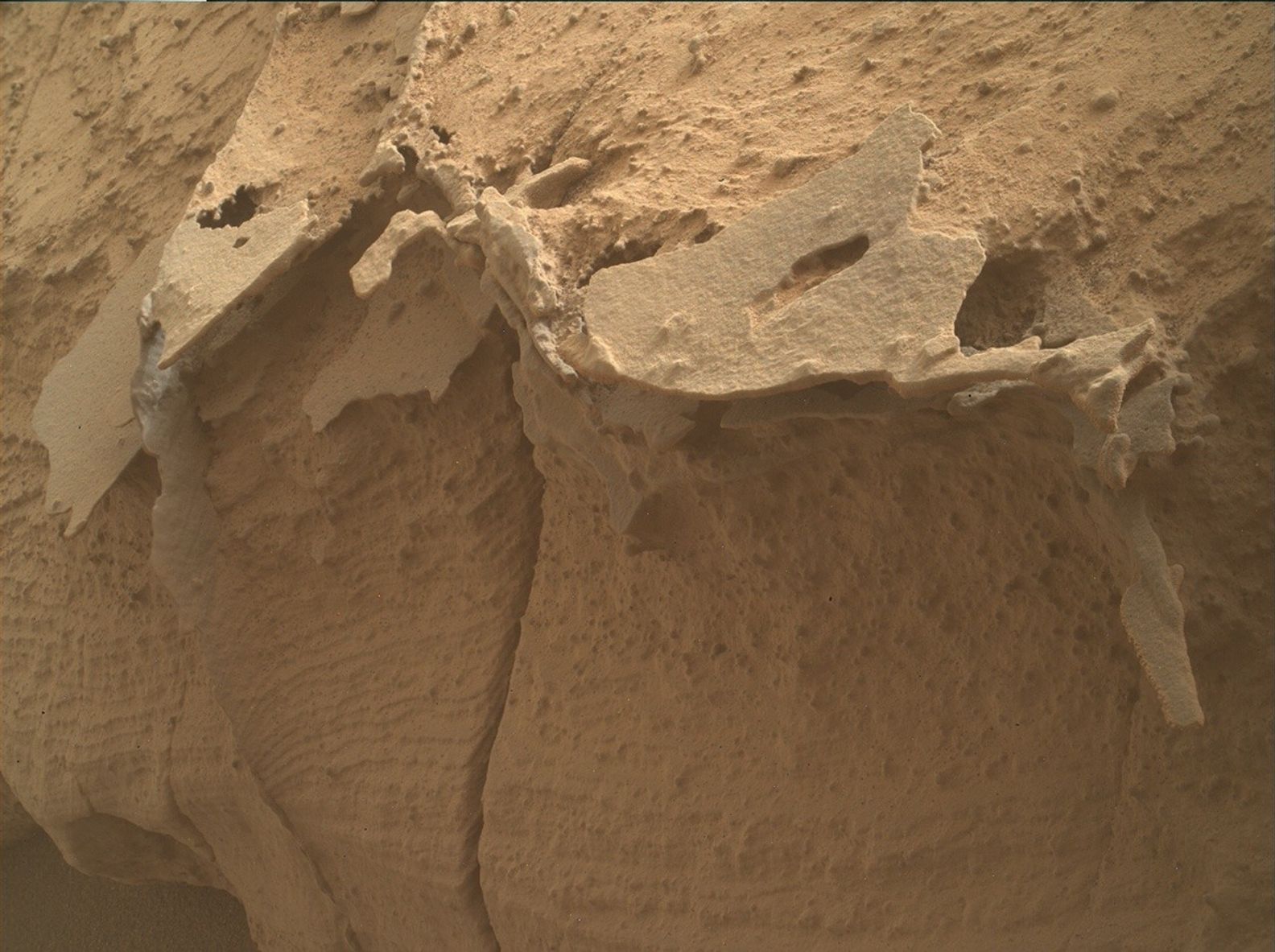
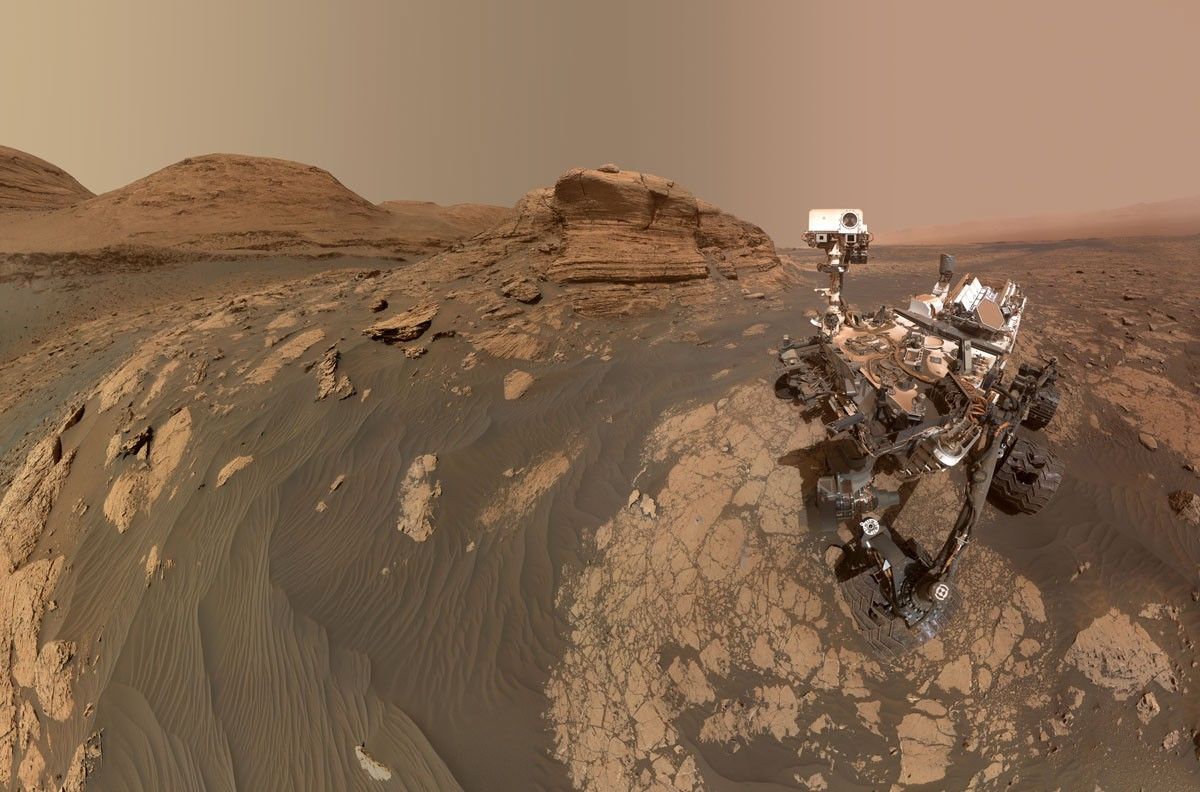
A close-up color photo from the Martian surface shows a pale orange rocky outcropping, which looks on top like a sheet of coarse sandpaper, and on the side facing the camera like the feature is made from numerous, stacked thin layers, with undulating edges that make it look like a topographic map. Atop the feature are multiple plates of smooth stone in the same pale orange color, in different shapes, at different angles to each other, with a texture resembling clippings of thick, dense felt.
NASA’s Mars rover Curiosity acquired this image using its Mars Hand Lens Imager (MAHLI) on Nov. 11, 2024 – sol 4360, or Martian day 4,360 of the Mars Science Laboratory Mission – at 00:06:13 UTC.
NASA/JPL-Caltech/MSSS

Earth planning date: Monday, Nov. 11, 2024

After a successful 23-meter (about 75 feet) drive today in pre-planning we found ourselves in front of some rocks with a curious dark, platy topping. This is similar to material we have seen previously including over the weekend where MAHLI imaged “Buttress Tree.” This beautiful hand-lens image is shown above, where you can see this more resistant platy texture at the top of the layered rock. Unfortunately it was deemed too unsafe to move the arm today, so no contact science observations were made on this dark material, but a plethora of remote science made up for it!

A curious curved fracture along a rock in the workspace became the target of our ChemCam LIBS laser shots called “Pioneer Basin.” ChemCam will then take a long-distance RMI looking back at Gediz Vallis channel, which we have been driving away from. Mastcam is focusing on taking two mosaics of areas of rocks that exhibit light- and dark-toned bands from orbit. We previously drove across these bands in January before we crossed the Gediz Vallis channel. Now that we are over the channel, we are about to drive on the dark, banded material once again. Mastcam is also imaging some interesting polygonal textures we see in a few rocks around the rover. To keep it simple, the science team named all four targets of polygonal rocks “Acrodectes Peak.”

As Curiosity drives further away from the Gediz Vallis channel, the exploration of the sulfate unit continues. Although the driving is tough at times, the beautiful discoveries and amazing geology make the tough times worth it. Let’s hope we can get some contact science activities safe and sound in the next plan.

Written by Emma Harris, Graduate Student at Natural History Museum, London

Share

Details

Last Updated
Nov 13, 2024

Related Terms

Powered by WPeMatico
Get The Details…