


GVIS Virtual Systems Simulations
GVIS Virtual Systems Simulations
NASA GVIS
The Graphics and Visualization Lab (GVIS) at NASA Glenn Research Center creates a variety of immersive visualizations and simulations in support of NASA’s missions, projects, and future innovations. These visual tools help scientists, engineers, and researchers develop new solutions that bring their projects to life.
Virtual System Simulations
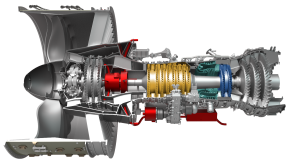
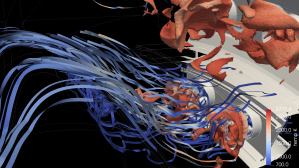
The GVIS Lab prides itself on creating engaging and informational virtual system simulations for NASA missions. These simulations transform complex engineering concepts into digestible visualizations and immersive experiences, bridging the gap between concept and reality. These simulations bring greater understanding of systems typically hidden from view, such as the inside of an engine or how elements behave inside of a fuel cell.
The GVIS Lab is able to create system simulations in a variety of formats depending on the desires of the customer and the purpose of the simulation. These formats can be take the form of an interactive demo or video and can be in augmented reality, virtual reality, or a 3D model.
System simulations empower us to see and experience capabilities before they’re built, reducing risk, accelerating decision making, and ensuring mission requirements are met with confidence.

Marc frances
Extended Reality Developer
“Virtual system simulations empower customers to see and experience capabilities before they’re built, reducing risk, accelerating decision making, and ensuring mission requirements are met with confidence,” says Extended Reality developer Marc Frances. “By translating complex data and concepts into immersive, intuitive experiences using augmented reality, they help customers validate performance, improve training outcomes, and maximize return on investment.”
The above visual system simulation is an exploded view of the High-Efficiency Megawatt Motor (HEMM). The HEMM is a 1.4 megawatt electric machine being developed at NASA’s Glenn Research Center in Cleveland to improve efficiency in future aircraft with electrified propulsion systems. This virtual reality simulation shows an exploded view of HEMM, allowing for an intricate view of the beautifully designed motor. The simulation showcases how the GVIS Lab takes complex systems and creates comprehendible visual ones. Simulations like these are especially vital for projects in development, such as HEMM. These simulations allow for customers to see their completed projects in ways they could never imagine, years before project completion.
Interactive Experiences
The above visualization is a virtual reality interactive experience of GRX-810, a NASA created super-alloy. This super-alloy dramatically improves the strength and durability of the components and parts used in aviation and space exploration, resulting in better and longer-lasting performance. The magic of GRX-810 lies within its unique chemical composition, a feature which is invisible to the human eye. Comprehending elemental processes can be unintuitive for people outside of chemical and material engineering. But, with the power of virtual reality users are able to come to a deeper understanding of how GRX-810 works along with its benefits. The game-like structure of the visualization leads to an interactive, engaging, and exciting learning experience.
Public Outreach
The GVIS Lab sometimes creates system simulations specifically for public outreach and museum displays. The above simulation is of a non-flow-through fuel cell. The simulation begins with a model of the fuel cell, then zooms into a molecular view of the fuel cell. A fuel cell converts hydrogen into oxygen to create electricity. In the molecular model, users can interact with power, display speed, and change the amount of impurities in the system to see how these variables change the system. This simulation was created for the Great Lakes Science Center, the premier science technology museum in Cleveland, Ohio which hosts over 300,000 visitors annually. Because of this simulation created by the GVIS Lab, thousands of curious minds now have a better understanding of fuel cells and how they create electricity.
Contact Us
Need to reach us? In need of a virtual systems simulation? You can send an email directly to the GVIS Team (GRC-DL-GVIS@mail.nasa.gov).
About the Author

Amanda Fanale
Share
Details
Related Terms
Explore More




Powered by WPeMatico
Get The Details…
Amanda Fanale
