


Tim Peake KG5BVI / GB1SS inspired 2 million young people

UK PM Theresa May and Tim Peake with some of the young people involved in Principia mission
A new report has found more than 2 million young people in the UK engaged with education and outreach programmes linked to Tim Peake’s Principia Mission to space. The report highlights the role of ARISS and amateur radio during the mission.

UK astronaut Tim Peake KG5BVI / GB1SS
The UK Space Agency ran a £3 million education campaign alongside the mission to the International Space Station, which blasted off three years ago tomorrow (15 December), to inspire a greater interest and understanding of science, technology, engineering and mathematics (STEM) as well as space.
The campaign – the largest and most successful ever organised for a European Space Agency (ESA) astronaut – encompassed 34 separate projects and covered a spectrum of ages and subjects, including mass participation experiments in schools using seeds that had been in space.
The report, produced by the UK Space Agency, found one in three UK schools took part in at least one Principia activity. Every region of the UK ran school activities with all projects accessible to boys and girls. The majority of the 34 projects focused on primary school children although some went right through to university.
 Human Spaceflight & Microgravity Programme Manager at the UK Space Agency Libby Jackson @LibbyJackson__ tweeted:
ARISS-UK Ciaran Morgan @M0XTD tweeted:
Thank you @LibbyJackson__ and to the amazing team at @spacegovuk for choosing @ARISS_status to be part of the #Principia mission. We are proud to have taken part and to have made such an impression with so many students. Looking forward to the future!
Download the full Principia campaign report, or summary education report from
https://www.gov.uk/government/news/on-third-anniversary-of-tim-peakes-space-mission-report-reveals-over-2-million-inspired-by-education-campaign
ARISS Principia https://principia.ariss.org/
ARISS-UK videos of the Principia amateur radio contacts
https://www.youtube.com/channel/UCQS-yDk7PdE9cRv4MNu8pCw
m5aka
AMSAT-UK
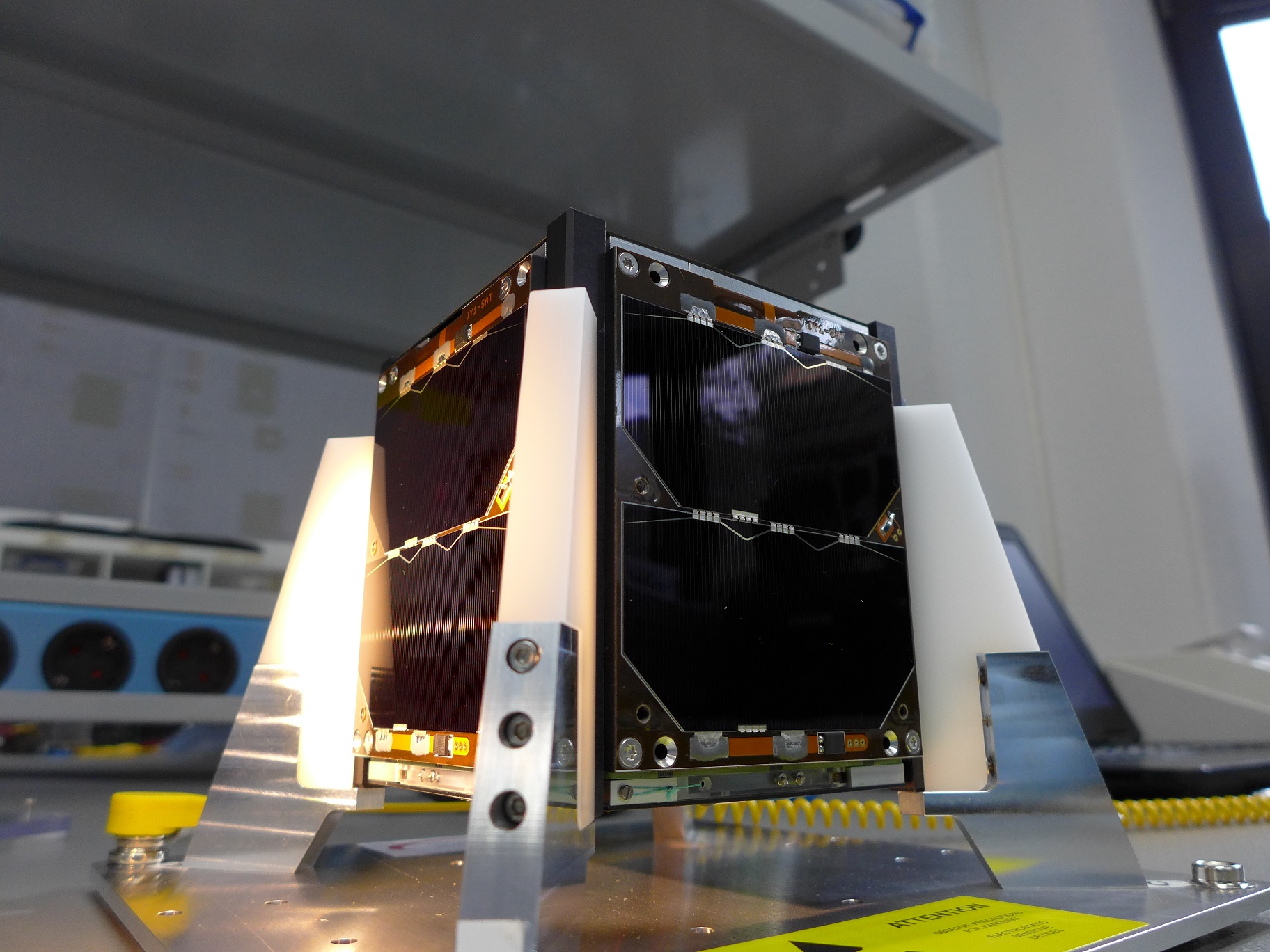 https://download.funcube.org.uk/JY1Sat_Dashboard_v1189.msi
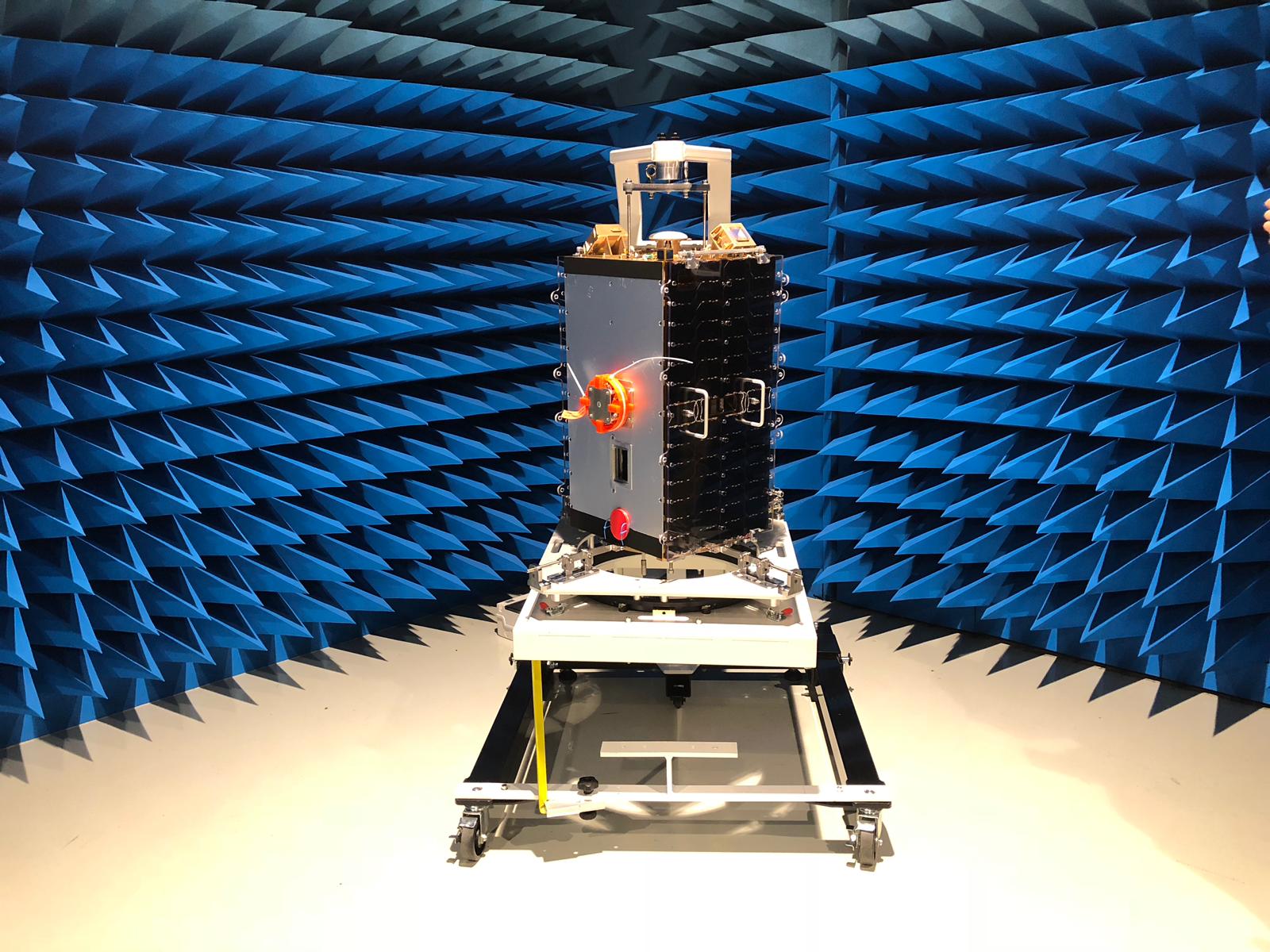 https://www.esa.int/Education/ESEO
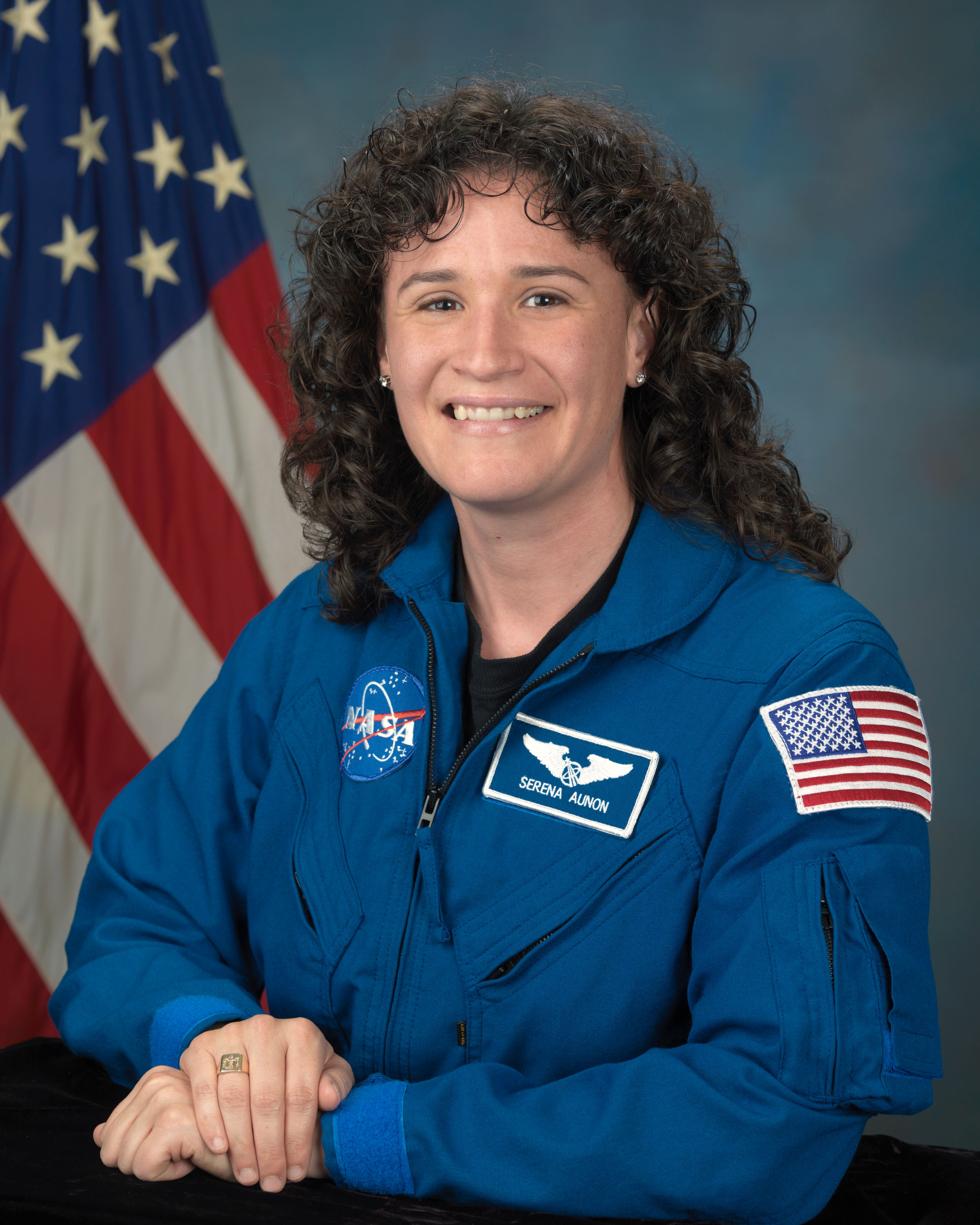 Dr. Serena M. Auñón-Chancellor KG5TMT
 https://www.amsat.org/mailman/listinfo/ans